
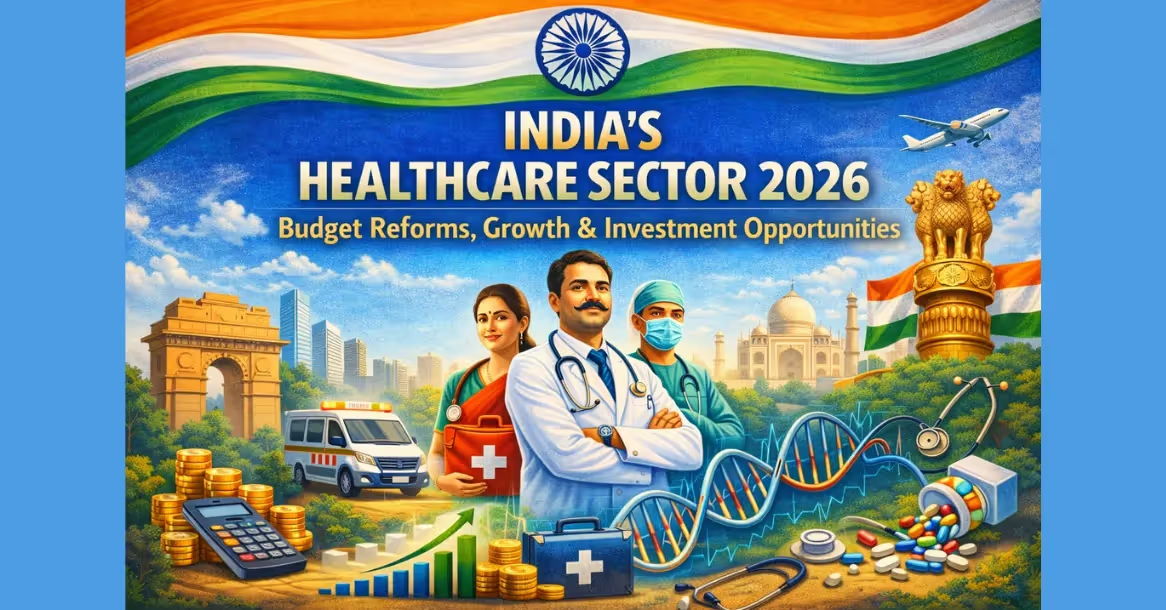
Healthcare Sector in India: Budget 2026 Outlook
India’s healthcare sector—covering hospitals, pharma, diagnostics, medical devices, insurance, and public health—remains a high-priority area ahead of the Union Budget 2026-27 (February 1, 2026). Despite progress through programs like PM-JAY, public health expenditure remains low (~1.9–2.2% of GDP), below the 2.5% target of the National Health Policy 2017. Rising non-communicable diseases (NCDs) such as diabetes, heart disease, and cancer, along with high out-of-pocket costs, make structural reforms essential.
Public Health Allocation: Incremental Growth Expected
Last year, combined health and AYUSH allocation was ~₹95,000–1 lakh crore, a 9–10% YoY rise. Experts expect a modest increase to ₹1–1.1 lakh crore, edging closer to the 2.5% GDP goal.
Key areas of focus include:
- Strengthening primary and secondary care, especially in rural and Tier-2/Tier-3 regions.
- Boosting preventive health services and chronic disease management.
- Reducing household out-of-pocket expenses exacerbated by urbanization and medical inflation.
Insurance Expansion: Greater Coverage and Tax Benefits
Insurance reforms are expected to be a highlight:
- PM-JAY expansion, potentially covering outpatient care, preventive screenings, and higher coverage for chronic illnesses.
- Incentives for private health insurance, including higher Section 80D deductions, particularly for seniors.
- Promotion of employer-led wellness programs and rural affordability measures.
Example: Expanding PM-JAY to include OPD visits or therapies like CAR-T can reduce catastrophic health spending for middle-income households. Tax incentives under Section 80D may encourage voluntary uptake of health insurance.
Infrastructure and Capacity Building
Budget 2026 is likely to prioritize infrastructure:
- Viability gap funding and tax incentives for private hospital expansion in underserved regions.
- Easier financing and accelerated depreciation on medical equipment.
- Expansion of medical education, including AIIMS-style institutions and additional seats.
- District-level oncology, emergency, and critical care facilities.
Public-private partnerships (PPPs) are expected to help bridge access gaps and improve healthcare delivery efficiency.
Digital Health and Technology Adoption
Digital and AI-driven healthcare is a key focus:
- Dedicated funding (~₹250–300 crore under NHM) for AI/ML projects, cybersecurity, and digital health infrastructure in Tier-2/Tier-3 cities.
- Fast-track implementation of digital health records, telemedicine, and integrated care models.
- Incentives for personalized and preventive care, including microbiome diagnostics and nutrition programs.
Example: Telemedicine expansion can improve specialist access in rural regions, reduce patient travel time, and integrate digital health records seamlessly with government platforms like eSanjeevani.
GST Rationalisation and Tax Relief
Budget expectations include:
- Lower or uniform GST on medical devices, diagnostics, ophthalmic equipment, and essential hospital services.
- Tax relief for pharma and MedTech manufacturers to boost domestic production and affordability.
- R&D incentives, including tax credits for innovative drugs, biologics, and cell/gene therapies.
These align with the Make in India initiative to strengthen self-reliance in advanced medical technologies.
Pharma and MedTech Outlook
Key measures expected for pharma and MedTech include:
- PLI-style incentives for domestic manufacturing of APIs, devices, and biotech products.
- Faster regulatory approvals, duty rationalization, and export support.
- Focus on self-reliance in advanced medical technology and reducing import dependence.
Example: PLI incentives can boost production of life-saving biologics, reduce costs, and improve global competitiveness.
Market and Investment Implications
A well-structured Budget can drive:
- Growth toward a $500 billion healthcare market by 2047.
- Improved access and affordability for chronic disease management.
- Positive impact on hospital (Apollo, Fortis), pharma (Sun Pharma, Dr. Reddy’s), diagnostics, and insurance stocks.
Challenges remain around fund utilization, implementation, and structural reforms. Design and delivery of measures matter more than headline allocations.
Swastika Investmart: Tech-Enabled Healthcare Investing
Investors can capitalize on these trends via Swastika Investmart, a SEBI-registered, tech-enabled platform. With research-backed insights, investor education, and strong customer support, it helps navigate healthcare stocks, pharma, and insurance opportunities effectively.