
Crude Oil Above $100 Again: How US-Iran Tensions Are Shaking Global Markets


Quick Takeaways
- Crude oil prices surged above $100 after fresh tensions between the US and Iran near the Strait of Hormuz.
- Rising oil prices may increase inflation pressure globally and impact India’s import bill.
- Indian sectors like aviation, paints, and OMCs could face pressure, while oil producers may benefit.
- Volatility in crude prices often affects the rupee, bond yields, and equity market sentiment.
- Investors should focus on diversified portfolios and research-backed investing during uncertain times.
Crude Oil Above $100 Again: Why the World Is Watching Closely
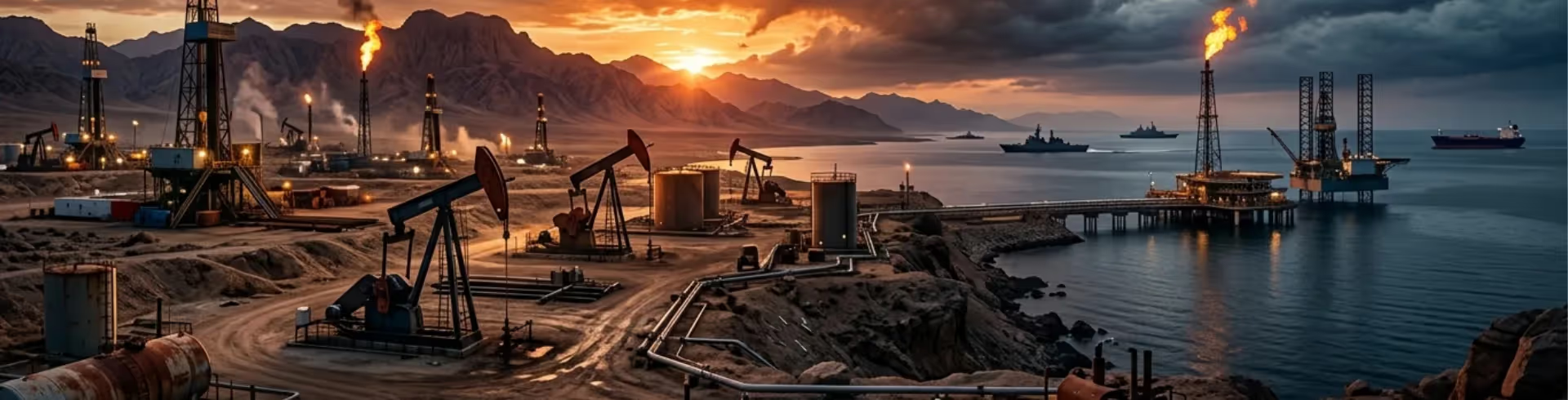
Global markets are once again on edge as crude oil prices crossed the psychologically important $100-per-barrel mark. The latest trigger came from renewed military tensions between the US and Iran in the Persian Gulf, particularly around the Strait of Hormuz, one of the world’s most critical oil transit routes.
The sudden spike in oil prices has reignited concerns over inflation, supply disruptions, and volatility across global financial markets. For India, which imports nearly 85% of its crude oil requirement, this development carries serious economic and market implications.
Investors, policymakers, and businesses are now closely watching whether the situation remains temporary or turns into a prolonged geopolitical crisis.
Why Are Crude Oil Prices Rising Again?
The recent rally in Brent Crude and WTI prices came after reports of fresh clashes between US and Iranian forces near the Strait of Hormuz. Although US President Donald Trump stated that the ceasefire remains intact, market participants remain nervous.
The Strait of Hormuz handles nearly one-fifth of the world’s oil supply. Even minor disruptions in this region can send shockwaves across energy markets.
Shell CEO Wael Sawan added to market concerns by warning that the global oil market is already facing a shortage of nearly 1 billion barrels. According to him, even if the Strait reopens fully, restoring supply chains could take considerable time.
This combination of geopolitical uncertainty and supply concerns pushed traders toward aggressive buying in crude oil futures.
Why the Strait of Hormuz Matters So Much
The Strait of Hormuz is a narrow waterway connecting the Persian Gulf to global shipping routes. Major oil-producing nations such as Saudi Arabia, Iraq, Kuwait, and the UAE rely heavily on this route for exports.
If shipping activity slows or stops in the region, oil supply to major economies could tighten rapidly.
For example, during previous geopolitical crises in the Middle East, oil prices saw sudden spikes that impacted inflation worldwide. Similar fears are now resurfacing in the market.
Countries dependent on imported oil, including India, are especially vulnerable during such periods.
Impact of Rising Crude Oil Prices on India
India is among the largest crude oil importers globally. Whenever crude oil prices rise sharply, multiple parts of the economy feel the pressure.
Pressure on Inflation
Higher crude oil prices increase transportation and manufacturing costs. This often leads to rising prices of fuel, food, and essential goods.
If inflation rises sharply, the Reserve Bank of India may adopt a cautious stance on interest rate cuts. Higher rates can slow borrowing and spending activity across the economy.
Impact on the Rupee
When oil prices rise, India’s import bill also increases. This raises demand for US dollars, putting pressure on the Indian rupee.
A weaker rupee can make imports even more expensive and create additional inflationary pressure.
Effect on Fiscal Deficit
The government may face challenges balancing fuel taxes and inflation management. If fuel subsidies or support measures increase, fiscal pressure could rise.
This becomes especially important during periods of global uncertainty and slower economic growth.
Which Indian Sectors Could Be Affected?
Different sectors react differently to rising crude oil prices.
Sectors That May Face Pressure
Aviation
Airline companies are highly sensitive to aviation turbine fuel costs. Rising oil prices can hurt profitability if companies fail to pass on higher costs to consumers.
Paints and Chemicals
Companies in the paints and specialty chemicals space use crude-linked raw materials. Higher input costs can impact operating margins.
Oil Marketing Companies
OMCs may face near-term pressure if retail fuel prices are controlled despite rising global crude prices.
Sectors That Could Benefit
Upstream Oil Producers
Companies involved in crude oil exploration and production may benefit from higher realizations during periods of elevated prices.
Renewable Energy and EV Ecosystem
Rising fossil fuel costs often improve long-term interest in renewable energy, electric vehicles, and alternative fuels.
How Indian Stock Markets React to Oil Price Shocks
Historically, sharp spikes in crude oil prices have increased volatility in Indian equity markets.
Benchmark indices like the Nifty 50 and Sensex often witness sector-specific moves during such events. Defensive sectors such as FMCG and pharma may attract interest, while sectors dependent on fuel and imports can underperform.
Foreign Institutional Investors also closely monitor crude prices because sustained inflation and currency weakness may impact emerging markets.
However, market reactions depend on whether the oil rally remains temporary or becomes a long-term trend.
What Should Investors Do During Oil-Driven Volatility?
Market volatility caused by geopolitical tensions can create uncertainty, but it can also present opportunities for disciplined investors.
Here are a few practical approaches investors can consider:
Avoid Emotional Decisions
Short-term headlines can trigger panic reactions. Investors should avoid making impulsive decisions based solely on daily market movements.
Diversify Investments
A diversified portfolio across sectors and asset classes may help reduce risk during volatile periods.
Focus on Strong Businesses
Companies with strong balance sheets, pricing power, and stable cash flows are often better positioned during inflationary cycles.
Use Research and Risk Management
Reliable market research and proper risk management become even more important during uncertain global conditions.
This is where investors benefit from platforms that offer strong research support, technology-driven tools, and educational resources.
Why Research-Backed Investing Matters More Than Ever
Periods of geopolitical uncertainty highlight the importance of informed decision-making. Investors need access to timely research, market insights, and reliable trading platforms.
Swastika Investmart provides investors with research-driven market analysis, advanced trading tools, responsive customer support, and investor education initiatives designed to help traders navigate changing market conditions confidently.
As a SEBI-registered stock broker, the platform focuses on simplifying investing while helping investors make data-backed financial decisions.
Conclusion
Crude oil prices moving above $100 once again is more than just an energy market story. It reflects growing geopolitical uncertainty and raises concerns around inflation, global growth, and financial market stability.
For India, sustained higher oil prices can impact inflation, currency stability, corporate profitability, and investor sentiment. While short-term volatility may continue, long-term investors should stay focused on disciplined investing and quality businesses.
In uncertain market conditions, access to trusted research and technology-enabled investing platforms can make a meaningful difference.
Ready to navigate volatile markets with confidence?
Open your account with Swastika Investmart today:
Frequently Asked Questions
Why did crude oil prices rise above $100?
Crude oil prices surged after fresh tensions between the US and Iran near the Strait of Hormuz increased fears of supply disruptions.
How do rising crude oil prices affect India?
Higher oil prices can increase inflation, weaken the rupee, raise import costs, and impact sectors dependent on fuel and crude-linked raw materials.
Which sectors benefit from rising crude oil prices?
Upstream oil producers and some energy-related businesses may benefit from higher crude prices, while aviation and paint companies may face pressure.
Can rising crude prices impact the stock market?
Yes, sharp increases in crude oil prices often create market volatility and affect sectoral performance in Indian equity markets.
Why is the Strait of Hormuz important?
The Strait of Hormuz is a key global oil shipping route through which nearly 20% of the world’s oil supply passes. Any disruption there can impact global energy prices significantly.