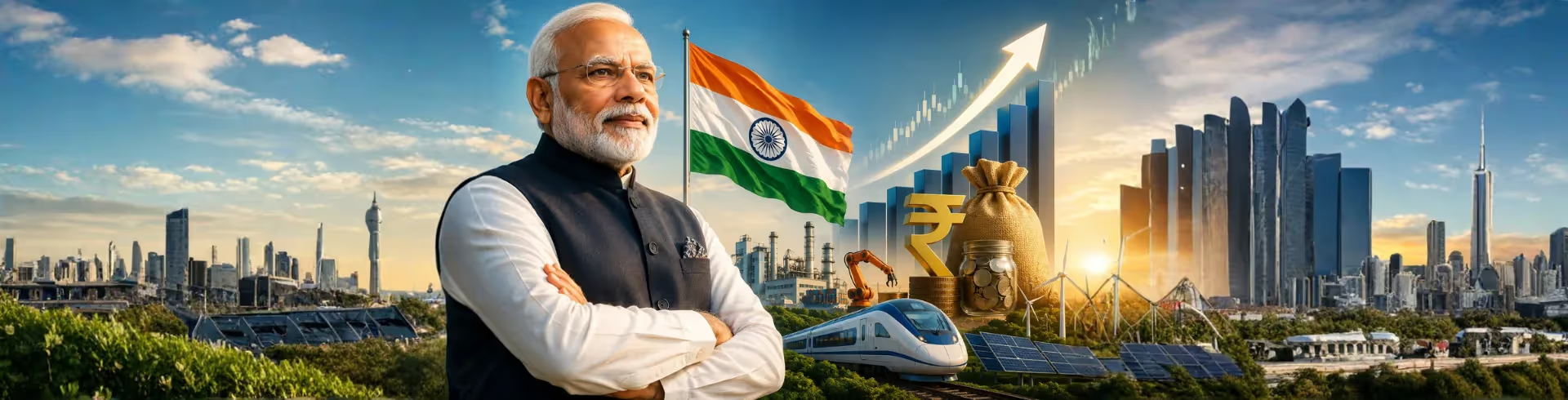

PM Modi’s New Economic Message: Save Forex, Support Domestic Growth


Quick Takeaways
- PM Narendra Modi urged citizens to reduce non-essential imports and conserve foreign exchange reserves.
- Rising crude oil prices and global tensions are increasing pressure on India’s Current Account Deficit.
- Domestic tourism, EV usage, public transport, and reduced imports can support economic stability.
- Sectors linked to local manufacturing, renewables, railways, and domestic consumption may benefit.
- Investors should closely watch oil prices, inflation trends, and RBI policy actions.
PM Modi’s New Economic Message: Save Forex, Support Domestic Growth
At a time when crude oil prices are surging due to rising geopolitical tensions in the Middle East, Prime Minister Narendra Modi has made a strong appeal to citizens to avoid unnecessary foreign travel, reduce non-essential imports, and support domestic economic activity.
The message comes when India is facing growing pressure from elevated crude prices and uncertainty around the Strait of Hormuz, one of the world’s most important oil shipping routes. With Brent crude trading above $100 per barrel, policymakers are becoming cautious about the impact on inflation, trade balance, and foreign exchange reserves.
Rather than being seen as a restrictive move, the appeal reflects a preventive economic strategy aimed at protecting India’s macroeconomic stability.
Why Forex Conservation Matters for India
India imports nearly 85% of its crude oil requirements. Whenever oil prices rise sharply, the country’s import bill increases significantly, putting pressure on the Indian Rupee and Current Account Deficit (CAD).
A widening CAD can create multiple economic challenges:
- Higher inflation
- Pressure on forex reserves
- Weakening rupee
- Increased borrowing costs
- Lower economic growth
Economists estimate that if crude oil averages around $100 per barrel for a prolonged period, India’s CAD could rise toward 1.5% of GDP. If oil prices move beyond $110 or even $120, the pressure on the economy could intensify sharply.
This explains why the government is encouraging citizens and businesses to adopt measures that reduce foreign exchange outflows.
Key Highlights From PM Modi’s Appeal
The Prime Minister suggested several practical steps that can collectively reduce import dependency and conserve foreign exchange reserves.
Use Public Transport and EVs
Citizens were encouraged to use metro services, public transport, and carpooling whenever possible. EV owners were also advised to maximize electric vehicle usage to reduce fuel consumption.
This move aligns with India’s long-term strategy of reducing crude oil dependence and accelerating clean energy adoption.
Avoid Non-Essential Foreign Travel
The appeal also focused on reducing unnecessary foreign travel, luxury spending abroad, and excessive foreign exchange outflows related to tourism and weddings.
Instead, citizens were encouraged to promote domestic tourism and support local businesses.
Reduce Non-Essential Gold Purchases
India remains one of the world’s largest gold importers. Large gold imports increase the trade deficit and weaken forex reserves.
The suggestion to avoid non-essential gold buying for a year is aimed at reducing pressure on the external account during a period of elevated oil prices.
Promote Work From Home and Online Meetings
The Prime Minister also referred to practices adopted during the Covid period, such as remote work and virtual meetings, which helped reduce fuel usage and travel expenses.
If implemented selectively again, these measures could reduce fuel demand and help manage import costs.
Reduce Chemical Fertiliser Dependence
Farmers were advised to cut chemical fertiliser usage and adopt sustainable alternatives like solar-powered pumps.
This supports both environmental goals and import substitution efforts.
How Rising Oil Prices Affect Indian Markets
Whenever crude oil prices rise sharply, Indian equity markets usually become volatile because higher oil prices directly impact inflation and corporate profitability.
Sectors That May Face Pressure
Aviation
Airlines face higher aviation turbine fuel costs, which can hurt margins.
Paints and Chemicals
These industries use crude-linked raw materials. Rising input costs may impact profitability.
FMCG
Consumer companies may face margin pressure if transportation and packaging costs rise.
Oil Marketing Companies
Companies involved in fuel retailing may face inventory and pricing pressure depending on government policy.
Sectors That Could Benefit
Interestingly, some sectors may benefit from this policy direction.
Railways and Public Transport
Increased usage of public transportation can support long-term demand for metro and railway infrastructure.
Renewable Energy and EV Ecosystem
Companies involved in EVs, batteries, solar power, and clean energy infrastructure may see stronger policy support and investor interest.
Domestic Tourism
If citizens shift spending toward local destinations, hotel chains, hospitality companies, and domestic travel operators could benefit.
Local Manufacturing
Government emphasis on import reduction strengthens the broader “Make in India” theme, supporting domestic manufacturers.
RBI and Government Strategy
The Reserve Bank of India closely monitors crude oil prices because they directly affect inflation projections and monetary policy decisions.
If oil prices continue rising:
- RBI may stay cautious on interest rate cuts
- Inflation could remain above comfort levels
- Bond yields may remain elevated
- Currency volatility may increase
India, however, enters this phase from a position of relative strength. Forex reserves remain healthy, banking balance sheets are improving, and domestic demand continues to support economic growth.
Still, global energy risks remain an important variable for markets in FY27.
What Investors Should Watch Now
Investors should monitor a few key indicators over the coming weeks:
Brent Crude Prices
Sustained prices above $100 could increase market volatility.
Rupee Movement
A weaker rupee may impact import-heavy sectors.
Inflation Data
Higher fuel prices could push retail inflation upward.
Government Policy Measures
Any changes in fuel taxation, import policy, or subsidy announcements will be important.
Corporate Earnings
Companies with strong pricing power and efficient cost management are likely to perform better during inflationary phases.
A Broader Message Beyond Oil
PM Modi’s appeal is not only about reducing imports. It reflects a broader push toward economic resilience, self-reliance, and responsible consumption.
India has already made significant progress in renewable energy, digital infrastructure, manufacturing incentives, and domestic production capabilities. Measures that encourage local spending and reduce unnecessary imports can strengthen the economy during periods of global uncertainty.
For long-term investors, such transitions often create new opportunities across infrastructure, manufacturing, energy transition, and domestic consumption themes.
Conclusion
PM Modi’s message to conserve foreign exchange and support domestic growth comes at a crucial time for the Indian economy. Rising crude oil prices, geopolitical tensions, and global trade uncertainty are increasing risks for emerging markets worldwide.
While the measures suggested may appear precautionary, they are designed to maintain macroeconomic stability, control inflationary pressure, and strengthen India’s external position.
For investors, this environment highlights the importance of disciplined investing, sector selection, and staying informed about global developments.
Frequently Asked Questions
Why is India concerned about foreign exchange reserves?
India imports large quantities of crude oil, gold, and electronic goods. Rising imports increase dollar outflows and can pressure the Current Account Deficit and rupee.
How do high crude oil prices impact Indian markets?
Higher oil prices can increase inflation, reduce corporate margins, weaken the rupee, and create volatility in equity markets.
Which sectors may benefit from PM Modi’s economic message?
Renewable energy, EVs, railways, public transport, domestic tourism, and local manufacturing sectors may benefit over the long term.
What is the Current Account Deficit?
The Current Account Deficit measures the gap between a country’s imports and exports of goods and services.
Why did PM Modi advise reducing non-essential imports?
Reducing unnecessary imports can help conserve foreign exchange reserves and improve India’s macroeconomic stability during periods of global uncertainty.