.png)
The US economy remains the single most influential force in global financial markets. From equity flows to currency movements and commodity prices, decisions taken in Washington and by the US Federal Reserve ripple across economies worldwide. As we look ahead, understanding what to expect from the US economy in 2026 becomes essential for Indian investors, traders, exporters and policymakers.
In this blog, we break down the expected economic trends in the US for 2026 and explain how these developments could shape Indian stock markets, interest rates, currency movements and investment strategies.
After years of post pandemic recovery and policy tightening, the US economy is expected to enter 2026 with stable momentum. Most global institutions expect GDP growth to remain around the long term average rather than the sharp expansion seen earlier in the decade.
Key drivers include strong consumer spending, government infrastructure investment and continued capital expenditure in technology and artificial intelligence. At the same time, high base effects and tighter financial conditions could limit rapid growth.
For Indian investors, stable US growth is generally positive as it supports global risk appetite without creating excessive inflationary pressure.
Inflation is expected to trend closer to the US Federal Reserve’s comfort zone by 2026, though it may not settle perfectly at two percent. Wage pressures, energy prices and supply chain restructuring will continue to influence price levels.
Lower inflation reduces the need for aggressive monetary tightening and supports equity markets globally.
One of the most watched elements of the US economy in 2026 will be interest rates. If inflation continues to ease, the Federal Reserve may shift towards a more accommodative stance or maintain stable rates.
For India, this matters because lower US interest rates often lead to increased foreign portfolio inflows into emerging markets like India, improving liquidity and supporting equity valuations.
The US dollar’s trajectory in 2026 will depend largely on interest rate differentials and economic confidence. A stable or slightly weaker dollar typically benefits emerging market currencies, including the Indian rupee.
A stronger rupee can help reduce imported inflation for India, especially in crude oil and raw materials. However, exporters may face margin pressure if currency appreciation becomes sharp.
Foreign Institutional Investors closely track US bond yields and equity performance. If US yields remain stable and growth continues without shocks, India is likely to attract sustained FII inflows.
Historically, periods of US economic stability have coincided with strong performance in Indian sectors such as IT, banking, capital goods and consumer discretionary.
Trade policy remains a key variable. Any shift towards protectionism or tariff changes can affect Indian exports to the US, particularly in textiles, engineering goods and specialty chemicals.
However, diversification away from China continues to create long term opportunities for Indian manufacturers under the China plus one strategy.
From an Indian regulatory standpoint, SEBI continues to emphasize transparency, investor protection and risk management. Global volatility originating from the US economy reinforces the importance of disciplined investing, asset allocation and regulatory compliance.
Platforms like Swastika Investmart, a SEBI registered intermediary, play a crucial role by offering research backed insights, technology driven trading platforms and investor education that helps clients navigate global uncertainty confidently.
👉 Open your trading and investment account today
Long term wealth creation depends on staying invested with a clear strategy rather than timing global events perfectly.
How will the US economy in 2026 affect Indian stock markets?
A stable US economy usually supports global risk appetite, leading to better FII inflows and positive sentiment in Indian equities.
Will US interest rate changes impact Indian investors?
Yes. Lower or stable US rates often encourage foreign investments into India, improving liquidity and market valuations.
Which Indian sectors are most influenced by the US economy?
IT, pharmaceuticals, metals and export oriented manufacturing sectors are most sensitive to US economic trends.
Is a weaker US dollar good for India?
Generally yes, as it supports the rupee and reduces import costs, though exporters may face some pressure.
Understanding what to expect from the US economy in 2026 is essential for making informed investment decisions in India. While global uncertainties will always exist, a balanced US growth outlook combined with easing inflation could create a supportive environment for Indian markets.
With expert research, robust trading platforms and strong customer support, Swastika Investmart helps investors stay ahead of global trends while focusing on long term financial goals.

Derivative trading involves financial instruments whose value is derived from the value of an underlying asset, index, or rate. These instruments can be contracts such as futures, options, forwards, and swaps. The underlying assets could range from stocks, bonds, commodities, currencies, interest rates, and market indexes. In India, the derivatives market is highly active, with the NSE being one of the largest derivatives exchanges globally in terms of contract volumes
In the world of derivatives trading, financial instruments are often classified into linear and non-linear derivatives based on their payoff structures and how their values change to the underlying asset.
Linear derivatives have a straightforward, direct relationship with the price movement of the underlying asset. This means that their value changes proportionally with changes in the underlying asset's price. Types of linear derivatives include:
A long futures position refers to a scenario where an investor or trader buys futures contracts with the expectation that the price of the underlying asset will increase. Key characteristics include:
A short futures position involves selling futures contracts with the anticipation that the price of the underlying asset will decline. Key aspects include:
Understanding these positions is crucial for investors and traders to effectively manage risk and capitalize on market opportunities in futures trading.
Non-linear derivatives have a more complex relationship with the underlying asset's price. Their value does not change proportionally with the underlying asset's price, leading to more intricate payoff structures. Types of non-linear derivatives include:
1. Options Contracts:
The Indian options market has grown significantly, with the NSE's options segment seeing a surge in trading volumes, especially in index options like Nifty 50.
2. Types of Options & Positions:
Long Call Option: A long call position involves buying a call option, expecting the price of the underlying asset to rise. Characteristics include:
Short Call Option (Call Writer): A short call position involves selling a call option, anticipating that the price of the underlying asset will either remain stagnant or decrease. Key features include:
Long Put Option: A long put position entails buying a put option, expecting the price of the underlying asset to decrease. Characteristics include:
Short Put Option (Put Writer): A short put position involves selling a put option, anticipating that the price of the underlying asset will either remain stagnant or increase. Key aspects include:
3. Swaps:
· Payoff Structure:
· Risk and Reward: Linear Derivatives: Typically involve proportional risk and reward, making them easier to understand and predict.
· Use Cases: Linear Derivatives: Commonly used for straight forward hedging and speculative purposes where direct exposure to the underlying asset’s price is desired.
Understanding the distinction between linear and non-linear derivatives is crucial for effective derivatives trading. Linear derivatives, like futures and forwards, provide a direct and proportional exposure to the underlying asset's price movements, making them relatively straightforward to use. Non-linear derivatives, such as options and swaps, offer more complex payoff structures that can be leveraged for a variety of strategic purposes, although with increased complexity and risk.
By mastering both types of derivatives, traders and investors can create more versatile and effective strategies tailored to their specific risk management and speculative goals. The Indian derivatives market continues to expand, driven by increasing participation from retail and institutional investors, making it a key component of the overall financial ecosystem.

The National Pension System (NPS) is a government-sponsored retirement savings scheme in India, introduced in 2004. It has gained popularity among investors seeking a low-cost, long-term savings option for their retirement. This blog post will discuss the basics of NPS, its features, tax benefits, rules, and the types of NPS accounts, along with the advantages and disadvantages of investing in it.
The National Pension System is a voluntary, defined-contribution retirement savings scheme that allows subscribers to accumulate savings for their retirement. Under this scheme, subscribers can regularly contribute to their NPS account, and the funds are invested in a mix of equity, debt, and government securities, based on their investment preferences. Upon retirement, subscribers can withdraw a portion of their savings as a lump sum, and the remaining amount is paid out as a monthly pension.
To open an NPS account, subscribers can visit the NPS Trust website and register by providing personal and bank details. They can also choose a fund manager and select their investment preferences. Subscribers are given a Permanent Retirement Account Number (PRAN) to manage their account and make contributions. Subscribers can log in to their NPS account to check their balance, view transactions, and make contributions.
The NPS has certain rules and regulations that subscribers must follow:
The National Pension System is a popular retirement savings option in India, offering a low-cost, flexible, and tax-efficient way to build a retirement fund. While there are certain disadvantages, such as compulsory annuity and market risk, the advantages of the scheme make it a good option for long-term retirement planning. As always, investors should carefully consider their investment goals and risk tolerance before investing in any financial instrument, including the National Pension System.
Learn more about financial insights with Swastika Investmart. JOIN NOW!

Are you ready to dive into the exciting world of stock market investing? According to SEBI requirements, all stock market trades must be placed through a Member of the Exchange - a stock brokerage company. A brokerage house, often known as a broker, is an institution that acts as an intermediary in transactions involving securities such as stocks, mutual funds, ETFs, and others. A top stockbroker will assist you with transactions, provide investment advice, tax-saving ideas, retirement planning guidance, and asset management services. They will walk you through all of the steps required to invest in the stock market.
Swastika Investmart is one of India's major full-service stock brokerage firms, serving individual and institutional clients across all capital market categories. Swastika has a strong research staff, a powerful digital trading platform Justrade 2.0, and a vast branch network and franchisee base that helps it to conduct thousands of secondary market deals every day.
Swastika offers a wide range of services, including mutual funds, a wide range of choices for investing in stocks, and derivatives (stocks, commodities, and currencies). Additionally, it provides investment banking services, funding for margin trades, and third-party products like insurance.
Swastika has around 3 lakh accounts for customers and 80+ branches located all over India. It is a SEBI-registered entity that is registered with the Bombay Stock Exchange (BSE) and the National Stock Exchange (NSE). We are also a depository participant with National Securities Depository Limited (NSDL) and Central Depository Services Limited (CDSL).
Swastika Investmart offers clients the choice to invest in a wide range of securities, including stocks, bonds, ETFs, futures, options, and real estate investment trusts. Even if you simply want to trade stocks for the time being, you should still think about the prospect of trading other assets in the future. Your brokerage business should be able to give you information on all of these options.
As a stock market beginner, it might be difficult for you to know which stocks to buy or sell. An online stockbroker that provides Portfolio Management Services with expert assistance is the perfect solution to your problems. Swastika Investmart offers comprehensive portfolio management to help you make investment decisions and achieve good returns in the stock market.
A top stockbroker in India should provide a wide range of recommendations, including investing and diversification suggestions, retirement plans, and tax-saving strategies. Swastika Investmart offers valuable research advice, making it easier for you to trade in the stock market with confidence. The more time you are ready to devote to research, the easier it will be for you to make decisions.
Even experienced investors require assistance at times, so it is critical to select a stockbroker that provides excellent customer support. Swastika Investmart's support team is available 24/7, ensuring that you get help whenever you need it. The helpdesk picks your call in just three rings, making Swastika stand out among the best stockbrokers in India.
If you prefer physical locations for your trading activities, you should select a stockbroking firm with a large number of branches throughout India. Swastika Investmart has over 80 branches across India, making it one of the best stockbrokers with a strong physical presence.
Swastika Investmart provides you with a personalized relationship manager to guide you through your trades. This personal touch ensures that you have dedicated support for your investment needs.
Swastika Investmart offers the Swastika App , providing the best trading experience with cutting-edge technology. This Indian stock market trading app is suitable for both traders and newbies, and it is simple to use and free.
Choosing a stockbroker is a big decision. With Swastika Investmart, you get a comprehensive package: a broad range of investment options, expert advice, exceptional customer service, and a user-friendly platform. If you're looking for a reliable partner to help you achieve your financial goals, Swastika Investmart is definitely worth considering.

Market capitalization, or market cap, is a key indicator of a company's size and value in the stock market. It is calculated by multiplying the current share price by the total number of outstanding shares. In India, several companies stand out due to their substantial market caps, showing their significant influence and stability in the market. The Indian stock market is a powerhouse in Asia, and several domestic companies have grown into global giants.
Here, we look at the top 10 companies in India by market capitalization as on 29 june 2024
Leading the pack is Reliance Industries, a conglomerate with fingers in many pies Led by Mukesh Ambani, is the largest company in India by market capitalization. The conglomerate operates across various sectors including petrochemicals, refining, oil, and gas exploration. It has also made significant inroads into telecommunications and retail.
Ever wondered how businesses manage their IT needs? Tata Consultancy Services (TCS) is a leading IT services, business solutions, and consulting firm headquartered in Mumbai. It ranks among the global leaders in the IT services segment, providing a wide range of technology and digital transformation services. It provides solutions for businesses of all sizes, making it a valuable partner in today's digital age.
HDFC Bank is a household name in India, known for its stability and reliability in the financial sector. They offer a wide range of banking products and services, making them a one-stop shop for all your financial needs. It is known for its strong customer base and a wide range of banking and financial services. It has consistently demonstrated stability and growth in the financial sector.
Another major private bank in India, ICICI Bank caters to a wide range of customers, offering banking products and financial services. They're known for their innovative approach to banking. They have a significant presence in both retail and corporate banking.
Bharti Airtel is a prominent telecommunications company in 18 countries across Asia and Africa. It offers mobile voice and data services, fixed lines, high-speed broadband, IPTV, DTH, and enterprise services. Bharti Airtel's market valuation indicates its strong network and wide customer base.
SBI, India's largest public sector bank, offers a comprehensive suite of banking products and services. They play a vital role in the financial landscape of the country. They have a vast network of branches and a strong presence across the country.
Another IT powerhouse, Infosys helps businesses navigate the ever-evolving digital landscape.They , offer consulting and next-generation digital services. The company aims to help clients navigate their digital transformation journeys. Infosys recently joined the $100 billion market cap club, reflecting its robust growth and market presence.
Life Insurance Corporation of India (LIC) is India's biggest public insurance company. Besides general insurance, LIC also deals in mutual funds, asset management, exchange trades, and index funds.
Hindustan Unilever, an Indian consumer goods company, is a subsidiary of the British-Dutch company Unilever. Its diverse portfolio includes cleaning agents, water purifiers, and personal care products. The market valuation of Hindustan Unilever reflects its strong brand portfolio and wide consumer base.
ITC is a multi-business conglomerate with a diverse portfolio, including FMCG, hotels, paperboards and packaging, agri-business, and information technology. The market valuation of ITC is a reflection of its strong brand presence and diverse operations.

Source: https://www.forbesindia.com/article/explainers/top-10-companies-india-market-valuation/86307/1
These top 10 companies by market capitalization in India showcase the strength and diversity of the Indian economy. From energy and banking to IT and consumer goods, they represent key sectors driving the country's growth. Their substantial market valuations highlight their stability, innovation, and influence in both domestic and global markets. As India continues its economic expansion, these companies are expected to play a crucial role in shaping the nation's financial and industrial future.
.webp)
Derivatives are financial instruments whose value is derived from the performance of an underlying asset, index, or rate. These instruments are essential in financial markets for purposes such as hedging risk, speculating on future price movements, and arbitraging price discrepancies. In India, the derivatives market has seen substantial growth, with the National Stock Exchange (NSE) reporting an average daily turnover of ₹52.8 trillion in FY2022-23. Derivatives can be broadly categorized into two types based on their payoff structure: linear and non-linear derivatives. Let's explore these in simple terms.
Linear derivatives have a straightforward, direct relationship with the price of the underlying asset. Their value changes proportionally with the changes in the underlying asset's price. The two main types of linear derivatives are futures and forwards.
Forward contracts are customized agreements between two parties to buy or sell an asset at a specified future date for a price agreed upon today. These contracts are traded over-the-counter (OTC), meaning they are negotiated directly between the parties involved and not on an exchange.
How They Work: Imagine you and a farmer agree that you will buy 1,000 kg of wheat at ₹25 per kg in six months. This contract is tailor-made to your needs.
Example: If the market price of wheat rises to ₹28 per kg, your forward contract has increased in value because you can buy at the lower price of ₹25.
Use Cases: Forwards are used for the same reasons as futures but offer more flexibility in terms of contract size and settlement dates.
Futures contracts are standardized agreements to buy or sell a specific quantity of an asset at a predetermined price on a specified future date. Unlike forward contracts, futures are traded on organized exchanges.
Equity futures involve buying or selling individual stocks at a future date and at a predetermined price. These contracts are used for speculation and hedging purposes. India's equity futures market is one of the largest in the world, with the NSE's Nifty 50 index futures being highly popular among traders.
Currency futures are contracts that involve the exchange rate of currency pairs such as USD/INR, EUR/INR, and GBP/INR. These contracts help manage currency risk for businesses and enable currency speculation. The USD/INR futures are among the most traded currency futures in the Indian market.
Commodity futures involve contracts for physical goods such as agricultural products (wheat, sugar), metals (gold, silver), and energy products (crude oil, natural gas). India has a robust commodity futures market, with gold and crude oil futures being particularly active.
How They Work: Suppose you agree to buy 100 shares of Reliance Industries in three months at ₹2,000 per share. Regardless of the market price at that time, you will buy them at ₹2,000 per share.
Options are contracts that provide the buyer the right, but not the obligation, to buy or sell an underlying asset at a predetermined price before or at the contract's expiration. There are two main types of options: call options and put options.
Options are versatile financial instruments that give traders and investors the right, but not the obligation, to buy or sell an asset at a predetermined price (strike price) within a specified time frame (expiry date). They are widely used in the Indian stock market for various trading and hedging strategies. Let's explore the main types of options and positions available:
Call options give the holder the right to buy an underlying asset at a specified price (strike price) on or before the expiration date.
2. Put Options
Put options give the holder the right to sell an underlying asset at a specified price (strike price) on or before the expiration date.
Traders hold a long position when they purchase a call or put option.
2. Short Position
A trader holds a short position when they sell (write) a call or put option.
Non-linear derivatives refer to financial instruments whose value does not move in a straightforward linear manner with changes in the price of the underlying asset. Unlike linear derivatives such as forwards or futures, where the payoff is directly proportional to the price movement of the underlying asset, non-linear derivatives exhibit more complex payoffs that may include options, swaps, and more specialized structures. Here are some common types of non-linear derivatives:
Swaps are contracts in which two parties agree to exchange cash flows or other financial instruments over a specified period. The most common types of swaps are interest rate swaps, currency swaps, and commodity swaps. India's swap market, though not as large as its Western counterparts, has been growing steadily, with interest rate swaps being particularly prevalent among financial institutions.
Derivatives, including forward contracts, futures contracts, options contracts, and swap contracts, play a crucial role in modern financial markets. They provide tools for hedging risk, speculating on future price movements, and capitalizing on hedging opportunities. Understanding the mechanics, benefits, and risks associated with each type of derivative is essential for anyone looking to engage in derivative trading. In India, the National Stock Exchange (NSE) and the Bombay Stock Exchange (BSE) are key players in the derivatives market, offering a wide range of derivative products. As with any financial instrument, thorough research, risk management, and a deep understanding of the underlying asset and market conditions are vital to successful trading in derivatives markets.

The Union Budget of India is the comprehensive financial plan of the government for the fiscal year, outlining its revenue and expenditure projections. Presented annually by the Finance Minister in Parliament, it serves as a blueprint for the country's economic policies and priorities. Beyond financial allocations, the budget addresses key aspects such as taxation, borrowing, and expenditure management, shaping the socio-economic landscape of India. It reflects the government's strategies to stimulate growth, promote development, and address fiscal challenges while aiming to achieve sustainable economic progress. As a critical policy document, the Union Budget influences sectors ranging from agriculture and infrastructure to healthcare and education, impacting the lives of millions across the nation.
The Union Budget 2024-25 is set to be an important event for India, scheduled for presentation on July 23, 2024, by Finance Minister Nirmala Sitharaman. As the first budget of the re-elected government's new term, it carries significant weight and anticipation among various stakeholders, including investors, economists, and the general public.
This budget is the first financial plan of the re-elected government's new term. There is great anticipation about the government's fiscal policies and economic strategies.
Post-election, the political scenario emphasizes the importance of addressing both regional aspirations and national priorities, ensuring a balanced approach to governance and development.
Economic indicators, including robust GST collections and substantial dividends from the Reserve Bank of India (RBI), are expected to strengthen the budgetary framework. These factors provide a solid foundation for improving fiscal health and implementing growth-oriented policies.
In the last ten years, each budget has shown how the government aims to double farmers' incomes and increase money flow directly to them. Budgets have set aside more funds for agriculture, focusing on rural development and improving farming methods.
Initial indications suggest that in FY25, the government will continue focusing on consolidating finances to boost economic growth and control inflation. Meeting the fiscal deficit goal of 4.5% of GDP by FY26 is crucial, requiring careful allocation of resources to sectors such as Minimum Support Price (MSP), food, fertilizers, and LPG subsidies.
Union Budget 2024-25 is expected to align closely with the Modi government's inclusive development agenda, prioritizing initiatives such as:
The railway sector is set to receive increased funding for capital projects, continuing the government's efforts to rejuvenate infrastructure. In the Interim Budget 2024, the railway ministry secured unprecedented financial support, highlighting the government's dedication to improving railway infrastructure.
Expectations of a favorable budget, without negative tax changes, are likely to maintain a positive trend in the stock market. Sectors like FMCG, infrastructure, renewable energy, housing, and railways, which stand to gain from rural sector improvements, are anticipated to see favorable market responses after the budget is announced.
As we await Finance Minister Nirmala Sitharaman's budget speech on July 23, 2024, expectations are focused on the Union Budget reinforcing the core policies of the re-elected government, while steering clear of significant long-term expenses. Robust revenue streams from GST and RBI dividends are set to enhance fiscal flexibility, facilitating targeted investments in rural infrastructure and agriculture. The budget aims to prioritize inclusive growth and revive sectors, though it is not anticipated to introduce major reforms or extensive expenditures in this fiscal cycle. All eyes are on how the government addresses economic challenges and charts a path towards sustainable development and prosperity in India.


Trust Our Expert Picks
for Your Investments!


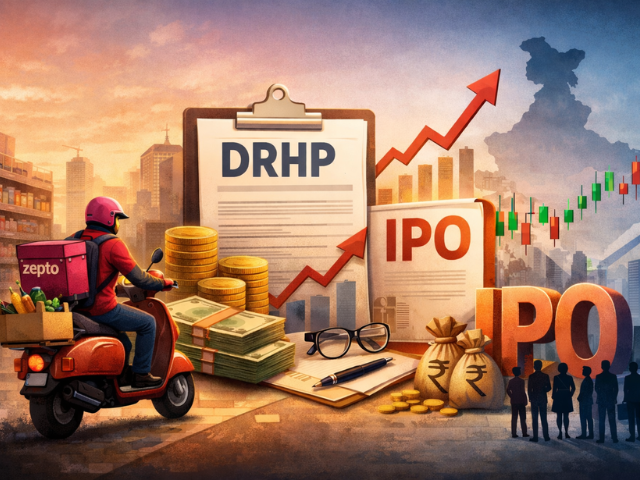
• Zepto’s DRHP filing marks a major milestone for India’s quick-commerce sector
• The IPO revives interest in new-age consumer internet listings
• Investors will closely track profitability, cash burn, and business scalability
• Regulatory disclosures will play a key role in shaping market confidence
Zepto’s plan to file its Draft Red Herring Prospectus is a significant development for India’s capital markets. After a phase of caution around new-age IPOs, the move signals renewed confidence among venture-backed startups to tap public markets. For investors, Zepto’s IPO journey offers a fresh opportunity to evaluate the quick-commerce business model under the lens of public market scrutiny.
Quick commerce has transformed urban consumption habits in India, promising ultra-fast delivery of daily essentials. Zepto has emerged as one of the most prominent players in this space. Its decision to move towards an IPO raises important questions around valuation, sustainability, and long-term returns.
A DRHP filing with the Securities and Exchange Board of India is the formal first step toward an IPO. The document provides detailed disclosures about the company’s business model, financial performance, risks, promoters, and use of proceeds.
For Zepto, this will be the first time investors get a comprehensive view of its revenue trends, operating losses, unit economics, and cash flow position. SEBI’s disclosure framework ensures transparency, allowing investors to make informed decisions rather than relying on market narratives alone.
This stage does not confirm listing dates or issue prices, but it sets the tone for investor perception.
Zepto operates in the quick-commerce segment, promising delivery timelines often under 15 minutes. This requires dense warehousing, efficient supply chains, and heavy investment in logistics and technology.
While the model drives strong customer adoption in metro cities, it is also capital intensive. High fixed costs, competitive pricing, and marketing spends have been common challenges across the sector.
For public market investors, the key question is whether scale can eventually translate into profitability. Past experiences with consumer internet IPOs have shown that growth alone is not enough. Execution and cost discipline matter just as much.
Zepto’s IPO plans come at a time when Indian equity markets are more selective about new listings. Investors have become cautious after mixed post-listing performance of several tech-driven companies.
That said, sentiment has improved compared to the earlier phase of blanket risk aversion. Companies with clearer paths to profitability and transparent disclosures are being viewed more favourably.
If Zepto can demonstrate improving margins, controlled cash burn, and a realistic growth strategy, it could benefit from this evolving mindset.
The DRHP will reveal how fast Zepto’s revenues are growing and how much capital it is consuming to sustain operations. Investors will look beyond top-line numbers and focus on contribution margins and cost structures.
Quick commerce is a crowded space. Investors will assess how Zepto differentiates itself and whether it can defend market share without excessive spending.
SEBI has tightened norms for disclosures, related-party transactions, and risk factors. Strong governance and clarity on compliance can significantly influence investor confidence.
Zepto’s IPO filing could revive interest in the consumer tech and startup ecosystem. A well-received issue may encourage other startups to consider public listings, broadening opportunities for retail investors.
From a sectoral perspective, logistics, warehousing, and digital infrastructure themes may also see renewed attention as investors look at the broader ecosystem supporting quick commerce.
However, market impact will largely depend on valuation expectations and subscription response.
Indian markets have seen both optimism and disappointment in recent tech listings. The key learning has been the importance of realistic pricing and clear communication.
Investors are no longer willing to pay for growth at any cost. Companies that align expectations with fundamentals tend to earn long-term credibility.
Zepto’s DRHP will therefore be crucial in setting realistic benchmarks.
Evaluating IPOs in emerging sectors requires careful analysis. Understanding financial metrics, industry risks, and regulatory disclosures is not always straightforward for retail investors.
This is where a trusted, SEBI-registered brokerage adds value. Swastika Investmart offers strong research capabilities, tech-enabled platforms, and investor education initiatives that help investors navigate IPO opportunities with clarity. Responsive customer support further ensures that investors are not left guessing during critical market events.
What does DRHP filing indicate for Zepto’s IPO?
It signals the formal start of the IPO process and provides detailed information for investors to evaluate the company.
Is Zepto profitable currently?
Details on profitability and losses will be available in the DRHP. Investors should focus on trends rather than standalone numbers.
Is quick commerce a sustainable business model?
The model has strong demand potential, but sustainability depends on execution, cost control, and scale efficiencies.
Should retail investors apply for the Zepto IPO?
Investors should assess risk appetite, valuation, and business fundamentals before making a decision.
How does SEBI protect IPO investors?
SEBI mandates strict disclosure norms and transparency to help investors make informed choices.
Zepto’s move to file its DRHP marks an important moment for India’s startup ecosystem and capital markets. While the quick-commerce story is compelling, public market investors will demand clarity, discipline, and accountability.
As the IPO journey unfolds, informed analysis will be key to separating opportunity from hype. With its SEBI registration, robust research tools, and investor-focused approach, Swastika Investmart supports investors in evaluating such market events with confidence.

• Silver prices opened strongly and continue to trade with positive momentum
• Global cues, industrial demand, and currency trends are supporting prices
• Indian markets are seeing renewed interest in silver as both a hedge and a growth metal
• The trend reflects sentiment and fundamentals, but volatility remains part of the trade
Silver has opened sharply higher in today’s session and continues to maintain a bullish tone, catching the attention of commodity traders and long-term investors alike. Unlike short-lived spikes driven by speculation, the current move in silver reflects a broader shift in sentiment across global commodity markets.
Often referred to as both a precious and industrial metal, silver occupies a unique space. Its price is influenced not only by safe-haven demand but also by industrial activity, especially in sectors such as electronics, renewable energy, and electric vehicles. This dual nature makes silver particularly sensitive to changes in macroeconomic trends.
In this blog, we break down what is driving silver’s bullish momentum, how it impacts Indian markets, and what investors should keep in mind going forward.
One of the key reasons behind silver’s strength is the evolving global economic outlook. When expectations around interest rates soften or bond yields stabilise, precious metals often benefit. Silver tends to react quickly to such shifts because it is more volatile than gold.
Recent global cues suggest that monetary tightening may be nearing its peak in some major economies. This has supported demand for non-yielding assets like silver, as the opportunity cost of holding them reduces.
Silver’s industrial demand story remains strong. The metal is widely used in solar panels, semiconductors, batteries, and electric vehicles. As governments worldwide push for clean energy adoption, silver demand from renewable technologies continues to rise.
For example, India’s increasing focus on solar capacity expansion indirectly supports silver demand. This structural trend gives silver an edge over purely defensive assets.
Movements in the US dollar also play a crucial role. A softer dollar generally supports commodity prices, including silver. When the dollar weakens, metals become more affordable for holders of other currencies, boosting demand.
Indian investors often notice this impact through MCX prices, which reflect both global silver rates and rupee movements.
In India, silver prices are actively tracked on MCX and through physical bullion markets. A strong opening usually leads to increased participation from traders, jewellers, and investors.
Silver has traditionally been popular among Indian households, not just as jewellery but also as an investment asset. In recent years, it has gained traction among younger investors who see it as a way to diversify beyond equities and gold.
When silver opens with strong momentum, it often influences related segments such as commodity mutual funds, ETFs, and structured products linked to metals.
While gold is often the first choice during uncertainty, silver tends to outperform when both risk appetite and inflation expectations rise together. This is because silver benefits from growth as well as hedging demand.
Historically, silver rallies have been sharper but more volatile compared to gold. For traders, this creates opportunities, but it also calls for disciplined risk management.
The current bullish momentum suggests that silver is not merely following gold but is being driven by its own demand dynamics.
For short-term traders, strong opening momentum signals active participation and rising volatility. Such conditions can offer trading opportunities, especially in futures and options, but they also increase risk.
Position sizing and stop-loss discipline become critical during sharp moves.
Long-term investors view silver differently. It is often used as a hedge against inflation and currency weakness, while also offering exposure to industrial growth.
Allocating a portion of the portfolio to silver can help balance risk, especially during periods when equity markets are uncertain.
However, investors should remember that silver prices can fluctuate sharply, and patience is key.
In India, commodity trading is regulated by SEBI, ensuring transparency and standardised contracts on exchanges like MCX. This regulatory framework has improved confidence among retail participants.
Silver ETFs and exchange-traded products also offer investors a regulated and convenient way to gain exposure without dealing with physical storage concerns.
Understanding these options helps investors choose the route that best fits their goals.
Tracking commodities like silver requires awareness of global data, currency movements, and technical signals. This is where having access to quality research and reliable trading platforms makes a difference.
Swastika Investmart, a SEBI-registered brokerage, supports investors with strong research tools, real-time market insights, and tech-enabled platforms designed for both beginners and experienced traders. Its focus on investor education and responsive customer support helps clients navigate volatile markets with greater confidence.
Why is silver opening sharply higher today?
Silver is gaining due to supportive global cues, strong industrial demand expectations, and favourable currency movements.
Is silver a safe-haven asset like gold?
Silver acts as both a precious and industrial metal. While it offers some hedge benefits, it is generally more volatile than gold.
How does silver impact Indian commodity markets?
Silver influences trading volumes on MCX and affects bullion markets, ETFs, and sentiment in the broader commodities space.
Should retail investors invest in silver now?
Investors should align silver exposure with their risk appetite and investment horizon rather than chase short-term price moves.
What are the risks of investing in silver?
Silver prices can be volatile due to global economic shifts, currency movements, and changes in industrial demand.
Silver opening sharply higher and sustaining bullish momentum reflects a mix of global optimism, industrial demand strength, and supportive macro signals. While the trend looks encouraging, silver remains a dynamic asset that rewards informed and disciplined participation.
For investors looking to explore commodities alongside equities, having the right guidance and tools is essential. With its SEBI registration, robust research ecosystem, and investor-centric approach, Swastika Investmart helps investors make sense of market movements and act with clarity.

• RBI plans a large liquidity infusion to ease tight banking conditions
• Open Market Operations and forex swaps are the chosen tools
• Move is supportive for banks, bond markets, and equity sentiment
• Signals RBI’s intent to manage rates without changing policy stance
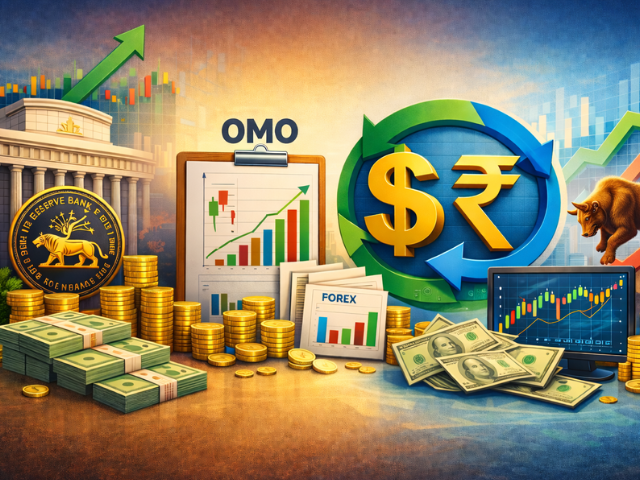
The Reserve Bank of India has announced a major liquidity infusion of nearly ₹3 trillion into the banking system through Open Market Operations and forex swap mechanisms. At a time when system liquidity has remained tight and short-term rates have stayed elevated, this move has caught the attention of bond traders, equity investors, and banks alike.
While the policy repo rate remains unchanged, liquidity actions like these often have a meaningful impact on market sentiment. This development is not about aggressive easing, but about maintaining orderly financial conditions as credit demand picks up and global factors remain uncertain.
Let us break down what this liquidity infusion means, why RBI has chosen these tools, and how it could influence Indian markets in the near term.
Over the past few weeks, liquidity in the banking system has been under pressure. Factors such as advance tax outflows, government cash balances, and higher credit offtake have contributed to tighter conditions. When liquidity tightens, overnight and short-term borrowing rates tend to move closer to or even above the repo rate.
RBI’s role is not just to set policy rates, but also to ensure that money markets function smoothly. By announcing a ₹3 trillion liquidity infusion, the central bank is signalling that it wants to prevent unnecessary stress in funding markets.
This approach allows RBI to support growth without sending a premature signal of a rate cut.
Open Market Operations involve RBI buying government securities from the market. When RBI buys bonds, it injects money into the banking system, increasing liquidity. This usually helps in lowering bond yields and easing funding costs for banks.
For example, when RBI conducts OMO purchases, banks that sell bonds receive cash, which can then be deployed for lending or meeting regulatory requirements.
In a forex swap, RBI buys dollars from banks and sells them back at a future date. This injects rupee liquidity into the system without permanently altering foreign exchange reserves.
Forex swaps are often used when RBI wants to add liquidity temporarily while managing currency stability. This tool has become increasingly popular in recent years as it provides flexibility without distorting bond markets too much.
Banks are among the biggest beneficiaries of this move. Improved liquidity conditions generally reduce reliance on overnight borrowing and lower short-term funding costs.
For large lenders, this can support net interest margins, while for smaller banks and NBFCs, easier liquidity can improve confidence and lending activity. As credit growth in India remains healthy, ensuring sufficient liquidity becomes essential to sustain momentum.
Historically, such liquidity infusions have helped banking stocks outperform in the short term, especially when valuations are reasonable.
Bond markets tend to react quickly to liquidity announcements. OMO purchases usually provide support to government securities, leading to stable or slightly lower yields.
Lower bond yields improve mark-to-market gains for banks and debt funds. For fixed income investors, this move reinforces the idea that RBI is committed to managing yield volatility even as global interest rates remain unpredictable.
This does not mean a one-way rally in bonds, but it does reduce downside risks in the near term.
For equity markets, liquidity is often as important as earnings. Ample liquidity supports risk appetite and encourages participation from both domestic and foreign investors.
While this RBI move is not a direct equity stimulus, it creates a supportive backdrop. Sectors such as banking, real estate, infrastructure, and rate-sensitive stocks often respond positively to easing liquidity conditions.
It also reassures markets that RBI is proactive in managing macro stability, which helps keep volatility in check.
It is important to note that this liquidity infusion does not change RBI’s policy stance. The central bank continues to focus on inflation management while supporting growth.
By using tools like OMO and forex swaps instead of cutting rates, RBI maintains flexibility. This approach aligns with India’s regulatory framework, where liquidity management complements monetary policy rather than replacing it.
Such calibrated actions enhance RBI’s credibility and predictability, which markets value highly.
For investors, the key takeaway is not to chase short-term moves, but to understand the broader signal. Liquidity support reduces tail risks and improves market confidence.
Equity investors may find comfort in rate-sensitive sectors, while debt investors benefit from a more stable yield environment. However, global factors like US bond yields, crude prices, and currency movements still matter.
Using research-backed insights and disciplined strategies becomes crucial in such macro-driven phases.
Macro events like RBI liquidity actions can create opportunities, but they also require timely information and analysis. Investors benefit from platforms that offer strong research, market insights, and reliable execution.
Swastika Investmart, a SEBI-registered brokerage, supports investors with in-depth market research, tech-enabled trading platforms, responsive customer support, and a strong focus on investor education. This combination helps investors interpret policy actions and align portfolios accordingly.
Why is RBI injecting ₹3 trillion liquidity now
RBI is addressing tight liquidity conditions caused by tax outflows, credit growth, and seasonal factors to ensure smooth functioning of money markets.
Does this mean interest rate cuts are coming soon
No. Liquidity infusion is different from rate cuts. RBI is managing liquidity while keeping its policy stance unchanged.
Which sectors benefit most from this move
Banking, NBFCs, real estate, and other rate-sensitive sectors typically benefit from improved liquidity conditions.
How do forex swaps affect the rupee
Forex swaps inject rupee liquidity while keeping RBI’s foreign exchange reserves stable, helping manage currency volatility.
Should retail investors change their strategy
Retail investors should stay focused on fundamentals and long-term goals rather than react to short-term liquidity-driven moves.
RBI’s decision to infuse ₹3 trillion liquidity through OMO and forex swaps is a timely and measured response to tightening financial conditions. It supports banks, stabilises bond markets, and provides a constructive backdrop for equities without altering the broader policy stance.
For investors navigating such macro developments, informed decision-making is key. With its SEBI registration, strong research capabilities, investor-first approach, and advanced trading platforms, Swastika Investmart helps investors stay ahead of market-moving events.

• Ola Electric shares have gained strong momentum over the last few trading sessions
• Short covering, sentiment improvement, and sector-level tailwinds are key drivers
• EV adoption trends and policy support continue to influence investor interest
• The rally looks momentum-led, with fundamentals still under close scrutiny
Ola Electric shares have staged a notable rally over the last few trading sessions, drawing renewed attention from traders and long-term investors alike. After a period of muted performance and post-listing volatility, the recent price action has sparked a key question across Dalal Street: what exactly is driving this sudden momentum?
While short-term stock moves can often appear random, rallies of this nature usually have a combination of technical, sentiment-based, and sector-specific triggers. In this blog, we break down the key factors behind the recent rise in Ola Electric shares, assess what it means for Indian equity markets, and highlight the risks investors should remain aware of.
Over the past few sessions, Ola Electric shares have seen consistent buying interest, leading to a sharp cumulative gain. Unlike one-day spikes driven purely by news headlines, this move has unfolded gradually, indicating sustained participation from traders.
Such price behaviour often signals a shift in near-term sentiment. Stocks that stay under pressure for weeks tend to build large short positions. When prices start moving up decisively, short covering can amplify gains, especially in a relatively young and volatile stock like Ola Electric.
In the current case, volumes have also picked up, suggesting that the rally is not limited to low-liquidity trades.
One of the biggest contributors to the recent rally appears to be short covering. When traders bet against a stock and prices move higher instead, they are forced to buy back shares to limit losses. This buying pressure can push prices up quickly.
From a technical perspective, Ola Electric shares moved above short-term resistance levels, triggering fresh momentum-based buying. Many traders track such levels closely, especially in newly listed stocks where price discovery is still ongoing.
This is a classic example of how market structure, rather than fundamentals alone, can drive sharp moves in the short run.
The broader electric vehicle space has also seen improved sentiment. Globally, EV adoption continues to grow, and in India, policy support remains intact through incentives, charging infrastructure expansion, and manufacturing-linked schemes.
When sector sentiment improves, investors often revisit stocks that were previously under pressure. Ola Electric, being one of the most visible pure-play EV names in India, naturally benefits from such rotations.
For many traders, the recent rally is less about immediate earnings visibility and more about positioning ahead of future growth narratives.
Post-IPO phases are often volatile, especially for consumer tech and EV companies. Initial optimism gives way to reality checks on profitability, execution, and cash burn. Over time, expectations reset to more realistic levels.
Ola Electric’s recent price movement suggests that some of the earlier pessimism may have been priced in. Even without major positive announcements, stocks can rally once selling pressure exhausts itself.
This pattern has been seen earlier in Indian markets with several new-age listings.
From a long-term investment standpoint, it is important to separate price momentum from business fundamentals.
Ola Electric operates in a capital-intensive segment. Scaling manufacturing, improving margins, managing competition, and navigating regulatory requirements remain ongoing challenges. While revenue growth prospects are linked to EV penetration, profitability timelines are still evolving.
Indian regulators, including SEBI, have increased scrutiny around disclosures and governance for newly listed companies. This improves transparency but also means investors should closely track quarterly updates and operational metrics rather than rely solely on price action.
In simple terms, the recent rally does not automatically signal a structural turnaround. It reflects near-term optimism and market dynamics.
Ola Electric’s move has broader implications for Indian markets, particularly in the context of new-age and EV stocks.
First, it shows that risk appetite among traders remains healthy, especially when liquidity conditions are supportive. Second, it highlights how quickly sentiment can shift in emerging sectors.
For market participants, this serves as a reminder that volatility is not a flaw but a feature of such stocks. Price discovery takes time, and sharp moves in both directions are part of the journey.
Investors tracking Ola Electric should focus on a few key areas:
Short-term traders may continue to play momentum, but long-term investors should anchor decisions in data rather than headlines.
Having access to structured research, timely updates, and risk management tools becomes crucial in such scenarios.
Navigating momentum-driven stocks requires more than just market access. Investors benefit from reliable research, intuitive trading platforms, and responsive customer support.
Swastika Investmart, a SEBI-registered brokerage, offers a strong mix of fundamental and technical research tools, tech-enabled trading platforms, and dedicated investor education initiatives. This helps investors make informed decisions rather than reactive trades, especially in fast-moving segments like EV stocks.
Why are Ola Electric shares rising suddenly?
The recent rally appears driven by short covering, technical breakouts, and improved sentiment around EV stocks rather than a single fundamental announcement.
Is the rally sustainable in the long term?
Sustainability depends on execution, profitability, and business performance. Short-term momentum does not always translate into long-term gains.
Are EV stocks in India still risky?
Yes. While growth potential is strong, EV stocks remain volatile due to high competition, capital requirements, and evolving regulations.
Should long-term investors buy after the rally?
Long-term investors should evaluate fundamentals, valuation, and risk appetite rather than chase short-term price movements.
How can investors manage risk in such stocks?
Using research-backed insights, diversification, and disciplined position sizing can help manage volatility.
The recent rally in Ola Electric shares reflects a combination of technical triggers, sentiment shifts, and broader optimism around the EV theme. While the move has caught attention, investors should remain balanced in their approach, distinguishing short-term momentum from long-term fundamentals.
For those navigating such dynamic market conditions, choosing the right investment partner matters. With its SEBI registration, strong research framework, investor education focus, and responsive support, Swastika Investmart empowers investors to participate confidently in India’s evolving equity landscape.
%20(2).png)
Indian equity markets began the session on 26 December 2025 on a soft note, reflecting cautious investor sentiment after recent market gains. Both benchmark indices opened in the red as participants remained selective, tracking mixed global cues and stock-specific developments.
With year-end approaching, trading volumes are expected to remain moderate, keeping volatility range-bound.
At the opening bell on 26 December 2025, benchmark indices showed mild weakness.
The Nifty 50 opened at 26,121.25, down 0.08 percent, as selling pressure emerged in select heavyweights. The index is currently consolidating near record-high zones, leading to profit booking in early trade.
The Bank Nifty opened lower at 59,092.85, declining 0.15 percent, dragged by selling in select banking stocks.
Global market sentiment remains mixed as investors continue to track:
• Developments in global interest rates
• Inflation data from major economies
• Geopolitical developments
• Currency and bond market movements
Weakness in Asian markets and cautious overnight cues from Wall Street influenced Indian markets at the opening on 26 December 2025.
The Nifty 50 remains in a broader uptrend, but near-term consolidation is visible.
• Immediate support near 26,050
• Major support around 26,000
• Immediate resistance near 26,200
• Break above resistance may trigger fresh momentum
As long as Nifty holds above key support zones, the broader structure remains intact.
The Bank Nifty continues to trade with mild pressure due to profit booking in frontline banking stocks.
• Immediate support near 58,900
• Strong support around 58,700
• Resistance placed near 59,400
• Break above resistance could improve sentiment
Banking stocks remain crucial for overall market direction.
At the start of trade on 26 December 2025, sectoral indices showed mixed trends:
• Banking and financial stocks traded weak
• IT stocks showed mild caution amid global tech cues
• FMCG stocks remained stable
• Auto and metal stocks saw selective buying
Broader markets also traded cautiously, indicating stock-specific action.
Institutional flows continue to play an important role in market movement.
• FII positioning remains cautious amid global uncertainty
• DII participation continues to support market stability
Sustained domestic institutional support is helping limit downside in the broader market.
For the trading session on 26 December 2025, traders may consider:
• Avoid aggressive positions at the opening
• Focus on stock-specific opportunities
• Trade with strict stop-loss
• Watch reaction near key support and resistance levels
Volatility may remain limited unless fresh global cues emerge.
Swastika Investmart empowers market participants with:
• Real-time market updates
• Research-backed trading insights
• Advanced, tech-enabled trading platforms
• Dedicated customer support
Our SEBI-registered framework ensures disciplined and informed investing.
The Indian stock market opened on 26 December 2025 with mild weakness, reflecting cautious sentiment amid mixed global cues and year-end positioning.
As the session progresses, global developments, banking stocks, and institutional flows will guide market direction.

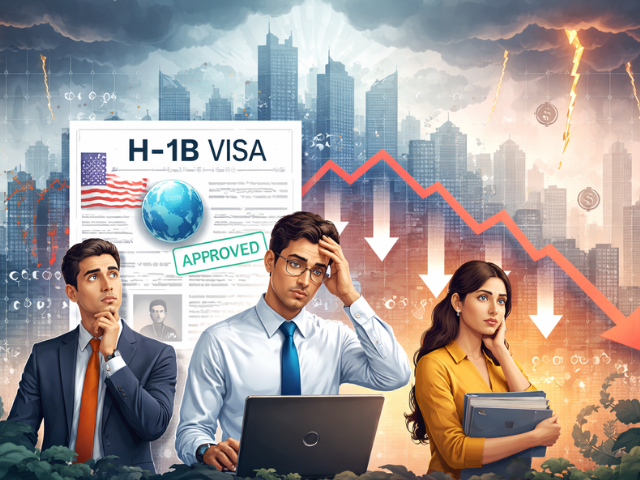
The H-1B rule change has once again brought the Indian IT sector into sharp focus. For decades, Indian IT companies have relied on a mix of offshore talent in India and onsite professionals in the United States to deliver cost-efficient technology services. Any change to the H-1B visa framework naturally raises concerns around costs, margins, and competitiveness.
But does this mark a genuine structural headwind for Indian IT companies, or is it another policy challenge the sector can adapt to? This blog takes a grounded look at the issue, separating short-term noise from long-term fundamentals.
The H-1B visa program allows US companies to employ skilled foreign workers in specialized roles such as software development, data analytics, and engineering. Indian professionals account for a large share of H-1B approvals, making the program critical for Indian IT services companies.
Proposed and periodic changes to H-1B rules often focus on higher wage thresholds, stricter eligibility criteria, and greater scrutiny of visa applications. These measures aim to protect domestic employment in the US but can raise operating costs for companies dependent on onsite staffing.
For Indian IT firms, onsite presence is essential not just for execution but also for client engagement, project oversight, and trust-building.
Stricter H-1B norms can push companies to hire more local talent in the US, which comes at a higher cost. This can lead to near-term margin pressure, especially for mid-sized IT firms with limited pricing power.
Large players such as TCS, Infosys, and HCLTech have already factored in such risks over the years. Their margins may compress slightly, but strong balance sheets and scale help absorb the impact.
Indian IT companies have steadily reduced their dependence on visas by expanding offshore delivery and increasing localization in key markets. Many firms now execute a significant portion of work remotely from India or near-shore centers.
This shift limits the long-term damage from visa restrictions and highlights the sector’s ability to adapt.
A structural headwind permanently alters an industry’s growth potential. The H-1B rule change does not fully meet that definition.
Demand for technology services continues to grow as enterprises invest in cloud migration, cybersecurity, artificial intelligence, and digital transformation. These trends are independent of visa policies.
The real challenge lies in execution. Companies that move faster toward automation, outcome-based pricing, and global talent diversification will emerge stronger.
Smaller IT firms with heavy reliance on onsite billing may struggle, while large, diversified players remain resilient.
Historically, news around H-1B restrictions has triggered short-term volatility in Indian IT stocks. Investors often react first and analyze later.
However, past cycles show that quality IT companies recover once clarity emerges. Indian equity markets have learned to differentiate between headline risk and fundamental damage.
From a regulatory standpoint, Indian IT companies remain compliant with SEBI disclosure norms, ensuring transparency around risks and guidance. This allows investors to assess impact rationally rather than emotionally.
Interestingly, stricter visa norms may accelerate positive structural shifts.
Indian IT firms are investing more in local hiring, upskilling, and automation. This improves client perception and reduces long-term dependence on immigration policies.
Additionally, higher wage costs can push companies toward higher-value services, improving revenue quality over time.
For investors, the key is to avoid blanket assumptions.
Not all IT companies are equally exposed. Market leaders with strong client relationships, diversified geographies, and digital-heavy revenue streams are better placed.
Rather than exiting the sector entirely, investors may need to become more selective and focus on balance sheet strength, client mix, and execution capability.
Policy changes like the H-1B rule update require informed interpretation, not knee-jerk reactions. Swastika Investmart, a SEBI-registered brokerage, supports investors with in-depth sector research, earnings analysis, and scenario-based insights.
With tech-enabled investing platforms, responsive customer support, and a strong focus on investor education, Swastika Investmart helps investors separate short-term uncertainty from long-term opportunity.
Will H-1B rule changes hurt Indian IT growth permanently?
Unlikely. They may impact margins temporarily, but demand for technology services remains strong.
Which IT companies are most affected?
Mid-sized firms with higher onsite dependency face greater risk than large diversified players.
Have Indian IT companies prepared for such changes?
Yes. Most large firms have increased localization and offshore delivery over the years.
Does this impact long-term investors?
Long-term investors should focus on company fundamentals rather than short-term policy changes.
Will automation reduce reliance on visas?
Yes. Automation and remote delivery models reduce the need for large onsite teams.
The H-1B rule change is a challenge, but not a crisis for the Indian IT sector. While near-term pressures on costs and margins are possible, the industry’s adaptability, scale, and global relevance remain intact.
For investors who want to navigate such policy-driven volatility with clarity and confidence, Swastika Investmart offers the research depth, tools, and guidance needed to make informed decisions.