

MCX Profit Jumps 291%: What’s Driving the Explosive Growth in India’s Commodity Market?


Quick Summary
- MCX (Multi Commodity Exchange) reported a jaw-dropping 291% year-on-year surge in net profit, making it one of the most talked-about financial stories in India right now.
- The growth is being driven by a combination of rising commodity trading volumes, increased retail participation, the successful technology platform migration, and strong global commodity price movements.
- Gold, silver, crude oil, and natural gas futures have seen significantly higher turnover, reflecting both hedging demand and speculative interest.
- SEBI's evolving regulatory framework continues to add credibility and depth to India's commodity derivatives market.
- For everyday traders and investors, this is a signal worth understanding — not just as news, but as a window into where the Indian financial market is heading.
The Headline That Stopped Everyone Scrolling
When a company posts a 291% jump in net profit, people pay attention. When that company happens to run the largest commodity exchange in India, the entire financial ecosystem sits up straight.
MCX — the Multi Commodity Exchange of India — recently posted quarterly numbers that left analysts genuinely surprised. Net profit skyrocketed by 291% on a year-on-year basis, while revenue from operations also climbed meaningfully. For an exchange business, these are not small wins. This kind of growth signals something structural, not just seasonal.
So what exactly is going on? Is this a one-quarter wonder, or are we watching the beginning of a longer commodity market renaissance in India?
Let's break it down properly.
What MCX Actually Does (And Why It Matters)
Before diving into the numbers, here is a quick refresher for those who may not follow exchange businesses closely.
MCX is India's premier commodity derivatives exchange, regulated by SEBI (Securities and Exchange Board of India). It allows traders, farmers, importers, exporters, and institutional players to trade futures and options contracts in commodities like gold, silver, copper, crude oil, natural gas, aluminium, zinc, and agricultural products.
Think of it as NSE or BSE, but for commodities instead of stocks.
The exchange plays a critical role in price discovery and risk management for businesses across India. A jeweller in Surat wanting to hedge against gold price volatility, a refinery in Mumbai managing crude exposure — MCX is where they go.
Breaking Down the 291% Profit Surge
Several factors have converged to produce this extraordinary result. None of them are accidental.
Trading Volumes Have Genuinely Exploded
The most direct driver of revenue for any exchange is trading volume — and MCX has seen a significant pickup in average daily turnover (ADTV) across its major contracts. Gold and silver futures, which together account for a large share of MCX revenues, have been particularly active.
Global uncertainty — geopolitical tensions, central bank gold buying, dollar fluctuations — pushed precious metal prices to multi-year highs internationally. That trickles down directly into Indian commodity markets. When gold crosses Rs 75,000 per 10 grams, you better believe trading activity picks up.
Crude oil and natural gas contracts also saw elevated activity, especially during periods of Middle East tension and energy supply concerns that kept prices volatile and traders busy.
The Technology Platform Migration — Finally Paying Off
Those who follow MCX closely will remember the painful transition from their old trading software to a new tech platform. For a period, the migration created operational headaches and temporarily affected volumes. That chapter appears to be firmly behind the company now.
With a stable, faster, and more reliable trading infrastructure in place, MCX has been able to attract more participants, support higher order volumes, and reduce operational drag. This is one of the clearest examples of a one-time investment beginning to pay structural dividends.
Options Trading Is Opening Up
SEBI's gradual expansion of commodity options trading has been a meaningful tailwind. Commodity options — where participants can buy the right but not the obligation to buy or sell a commodity at a price — are a more accessible product for many retail participants compared to high-margin futures contracts.
More product choices mean more participants. More participants mean deeper liquidity. Deeper liquidity means better pricing and even more participation. This virtuous cycle is one MCX has benefited from as options in gold and other commodities have grown.
Institutional and Retail Participation Both Rising
For years, commodity trading in India was seen as the domain of traders and hedgers, not the common investor. That is changing rapidly.
Post-COVID, a significant number of retail investors entered equity markets. As they grew more comfortable with derivatives and market instruments, a portion of that cohort has started exploring commodity markets too. Meanwhile, institutional players — including mutual funds now permitted to participate in commodity derivatives via specific structures — are also adding depth to the market.
MCX sits at the intersection of both these trends.
What This Means for India's Commodity Market Ecosystem
The MCX numbers are not just a corporate story. They reflect something bigger happening in India's financial infrastructure.
India is the world's second-largest gold consumer. It is a major importer of crude oil. Agricultural commodities affect the livelihoods of hundreds of millions of people. A deep, liquid, and technologically sound commodity exchange is not a luxury — it is a necessity for an economy of India's size.
A thriving MCX means:
- Better price discovery for producers and buyers of commodities
- More effective hedging tools for businesses managing input cost risks
- Greater financial inclusion as smaller traders and agricultural participants find accessible risk management options
- Stronger regulatory credibility as SEBI continues to deepen oversight
From a broader market perspective, growing exchange revenues also signal investor confidence in market infrastructure businesses — a category that has seen significant interest from both domestic institutions and foreign portfolio investors.
A Quick Look at the Numbers in Context
To appreciate the 291% figure properly, consider this: exchange businesses are fundamentally operating leverage plays. Their fixed costs — technology, compliance, staff — are largely static. Every incremental rupee of trading volume generates revenue at very high margins because the cost to process that volume is minimal once infrastructure is in place.
This means when volumes rise sharply, profits can rise even more sharply. That is exactly what happened. Revenue growth was strong, but profit growth was explosive because the cost base barely moved.
It is the same reason NSE and BSE have historically been extremely profitable businesses — and it explains why MCX's numbers look the way they do right now.
Is This Growth Sustainable?
Fair question. A 291% jump naturally raises eyebrows about whether this is repeatable.
The honest answer: the rate of growth will likely moderate. You simply cannot maintain triple-digit profit growth indefinitely. But the underlying drivers — rising volumes, a stable tech platform, expanding product suite, growing retail participation — are structural, not one-off.
What analysts will watch closely:
- Whether ADTV (average daily turnover) holds at elevated levels or pulls back
- SEBI's continued regulatory support for new commodity products
- Competition dynamics, particularly from BSE's commodity segment
- Global commodity price trends, which heavily influence activity on MCX
The company is also in a relatively strong position with a clean balance sheet and no debt to speak of — which means future investments in technology or new products can be made from a position of strength.
What Should Traders and Investors Take Away?
If you are an active trader, the MCX growth story is a practical reminder that commodity derivatives deserve a place in your awareness, if not your portfolio. Gold futures, crude oil contracts, and silver options are not exotic instruments anymore — they are accessible, regulated products on a well-governed exchange.
If you are a long-term investor, exchange and financial infrastructure businesses have a track record of performing well over time because they sit at the centre of financial activity without taking directional risk themselves. When markets are active — in any direction — exchanges make money.
And if you are simply trying to understand where Indian financial markets are heading, the MCX story is a useful data point. India's commodity market is growing up, deepening, and becoming more sophisticated. That is good news for the economy.
Frequently Asked Questions
What is MCX and what does the 291% profit jump mean?MCX (Multi Commodity Exchange) is India's largest commodity derivatives exchange, regulated by SEBI. A 291% profit jump means the company's net profit grew nearly four times compared to the same quarter last year, driven largely by higher trading volumes, a recovered technology platform, and favourable commodity price movements.
Which commodities drove the highest volumes on MCX?Gold and silver futures have historically dominated MCX volumes, and recent quarters have been no different. Crude oil and natural gas contracts have also seen strong activity due to global energy market volatility. Together, these four commodities account for the majority of MCX's turnover.
Is commodity trading on MCX safe and regulated?Yes. MCX operates under SEBI's regulatory framework. All brokers offering commodity trading must be registered with SEBI and the exchange, and margin requirements, settlement mechanisms, and grievance redressal systems are all governed by clear rules. As with any derivative product, understanding the instrument before trading is essential.
Can retail investors participate in MCX trading?Absolutely. Retail investors can trade commodity futures and options on MCX through any SEBI-registered commodity broker. Many full-service and discount brokers now offer unified platforms where you can trade equities and commodities from the same account.
How is MCX different from NSE or BSE?NSE and BSE primarily deal with equity and equity derivatives (stocks, stock futures, index options). MCX specialises in commodity derivatives — gold, silver, crude oil, metals, and agri commodities. There is some overlap now as BSE has expanded into commodities, but MCX remains the dominant player in this space.
Conclusion: India's Commodity Market Has Arrived
The MCX profit story is not just a quarterly earnings beat. It is a signal that India's commodity derivatives market is entering a new phase of growth — one characterised by greater participation, better technology, expanding products, and stronger regulatory foundations.
Whether you are a trader looking to explore new markets, a business owner seeking to hedge input costs, or an investor looking for exposure to financial infrastructure — the commodity market ecosystem in India is worth your attention right now.
If you are ready to explore commodity trading alongside equities and other instruments, Swastika Investmart offers a SEBI-registered, full-service platform designed for both beginners and experienced market participants. With robust research tools, dedicated customer support, a seamless tech-enabled trading experience, and a strong commitment to investor education, Swastika makes navigating markets like MCX genuinely accessible.
Big Budget





.avif)
.avif)
.avif)
.avif)
.avif)















.avif)
.avif)
.avif)
.avif)
Latest Articles

Margin Expansion Story: How Navin Fluorine Improved EBITDA from 25.5% to 34.3%


Key Takeaways
• Navin Fluorine International Limited reported a strong Q4 FY26 with profit more than doubling.
• Revenue grew 33.8% year-on-year, showing healthy business momentum.
• EBITDA jumped 80%, with margins improving sharply from 25.5% to 34.3%.
• The stock reacted positively, extending its strong 12-month rally.
• Margin expansion is becoming the key story investors should track.
Why Margin Expansion Matters More Than Revenue Growth
Revenue growth often grabs headlines.
But experienced investors know that margins tell the real story.
A company can grow sales, but if costs rise equally, profits do not improve much.
That is why margin expansion is powerful.
And Navin Fluorine International Limited has delivered exactly that.
Its Q4 FY26 numbers show not just higher revenue, but better profitability.
That is what makes this quarter important.
The Numbers That Changed Market Sentiment
The company reported a strong set of quarterly numbers.
Here is what stood out:
- Revenue rose 33.8% to ₹938 crore from ₹701 crore
- EBITDA surged 80% to ₹321 crore from ₹179 crore
- Net profit jumped 124% to ₹213 crore from ₹95 crore
- EBITDA margin improved from 25.5% to 34.3%
- Final dividend announced at ₹8.60 per share
The stock responded immediately.
It gained nearly 3% in early trade and touched an intraday high of ₹7,200.
This comes after an already strong 53% rally over the last 12 months.
That tells us something important.
Markets reward improving profitability.
What Drove the EBITDA Margin Expansion?
Moving EBITDA margin from 25.5% to 34.3% is a significant improvement.
That is not a small change.
It signals better business efficiency.
Better Product Mix
In specialty chemicals, product mix matters.
Higher contribution from value-added products improves margins.
This is likely one of the key drivers.
For example, if a chemical company sells more specialized fluorination products rather than commodity chemicals, profitability rises.
That seems to be playing out here.
Operating Leverage
When revenue grows faster than fixed costs, margins expand.
This is called operating leverage.
Navin Fluorine’s revenue rose 33.8%, but EBITDA rose 80%.
That gap shows operating leverage at work.
Cost Optimization
Better raw material sourcing and production efficiency can improve margins.
In specialty chemicals, even small efficiency gains create meaningful profit improvement.
Why Specialty Chemicals Are Important in India
India’s specialty chemical sector has become a global opportunity.
Global supply chain shifts are helping Indian companies.
Many international buyers are reducing dependence on single-country sourcing.
This has created demand for Indian specialty chemical manufacturers.
Companies like Navin Fluorine International Limited are benefiting from this trend.
This is not just company-specific growth.
It reflects a larger sectoral shift.
How Navin Fluorine Compares to Sector Trends
The chemical sector has seen mixed performance recently.
Some players have struggled with weak demand and pricing pressure.
But Navin Fluorine’s margin improvement stands out.
That shows business strength.
It also signals strong execution.
Investors often look for companies that outperform sector averages.
This quarter positions Navin Fluorine in that category.
Why the Stock Reacted Positively
Markets usually reward three things:
Revenue growth
Profit growth
Margin expansion
Navin Fluorine delivered all three.
That is why the stock moved higher.
But there is another reason.
Consistency.
The company has built investor confidence through execution.
That reduces uncertainty.
And lower uncertainty often attracts institutional money.
What Should Investors Watch Going Forward?
One strong quarter is encouraging.
But future consistency matters.
Sustainability of Margins
Can the company maintain EBITDA above 30%?
That is the big question.
Demand Outlook
Global chemical demand remains important.
Export markets can affect revenue growth.
Raw Material Volatility
Chemical companies depend on input costs.
Any spike can pressure margins.
Capacity Expansion
Future capacity additions can drive the next phase of growth.
Impact on Indian Markets
Strong earnings from specialty chemical companies often improve sentiment across the sector.
It can influence peers and increase institutional interest.
A strong performer often becomes a sector benchmark.
That matters because specialty chemicals are an important part of India’s manufacturing growth story.
This aligns with India’s push toward higher-value industrial exports.
Regulatory Perspective Investors Should Track
Listed companies in India disclose financial results under the framework of Securities and Exchange Board of India.
Investors should review:
- Quarterly earnings reports
- Management commentary
- Dividend announcements
- Future guidance
These filings are available through National Stock Exchange of India and BSE Limited.
Reading official disclosures helps investors avoid reacting only to headlines.
How Swastika Investmart Helps Investors Decode Earnings
Earnings season creates opportunities, but only if investors understand the numbers.
Swastika Investmart Limited helps investors through:
Research-Based Insights
Breaking down earnings beyond headlines.
Smart Trading Technology
Helping investors act quickly on market-moving events.
Investor Education
Helping investors understand margins, valuations, and growth quality.
Dedicated Support
Market decisions become easier with proper guidance.
As a SEBI-registered broker, Swastika Investmart offers trust, research, and technology together.
Final Thoughts
Navin Fluorine’s latest quarter is not just about revenue growth.
It is about quality growth.
The jump in EBITDA margins from 25.5% to 34.3% shows stronger execution, better product mix, and improving operating leverage.
That is why the stock has stayed in focus.
For long-term investors, margin expansion is often a stronger signal than headline revenue.
It reflects the health of the business.
As India’s specialty chemicals sector grows, companies showing both growth and profitability could remain market favorites.
To stay ahead of earnings season and make informed investment decisions, explore the research-driven investing ecosystem of Swastika Investmart Limited.
Frequently Asked Questions
Why did Navin Fluorine stock rise after Q4 results?
The stock rose because of strong revenue growth, sharp profit increase, and significant margin expansion.
What does EBITDA margin expansion mean?
It means the company is becoming more profitable at the operating level.
Is margin expansion more important than revenue growth?
Both matter, but margin expansion often signals stronger operational efficiency.
Why is the specialty chemicals sector important in India?
It is a fast-growing export-driven sector benefiting from global supply chain diversification.
Should investors track quarterly earnings closely?
Yes. Quarterly earnings help investors understand growth, profitability, and future business momentum.
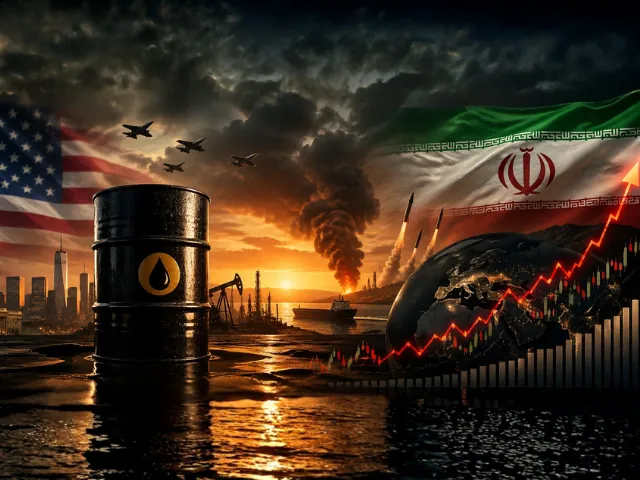
Oil Above $120: What the US-Iran Conflict Means for Inflation, Markets & Investors
Key Takeaways
• Rising oil prices above $120 are increasing inflation fears globally.
• India, as a major oil importer, faces pressure on inflation, fiscal balance, and the rupee.
• Sectors like aviation, paints, and logistics may face margin pressure.
• Oil producers and energy-linked stocks may benefit in the short term.
• Investors should focus on diversification and sector rotation during geopolitical volatility.
Why Oil Above $120 Matters More Than Headlines
Oil moving above $120 per barrel is not just a commodity event.
It is a major economic trigger.
The ongoing tension between the United States and Iran has pushed crude prices higher because markets fear supply disruptions in the Middle East.
For India, this matters deeply.
India imports nearly 85 percent of its crude oil needs, making the economy highly sensitive to global oil price spikes.
When oil rises, inflation rises.
And when inflation rises, stock markets react.
How the US-Iran Conflict Is Driving Oil Higher
Geopolitical conflicts create uncertainty.
And uncertainty creates a risk premium in crude prices.
Even without a major supply disruption, markets start pricing in future risks.
That is what is happening now.
The Strait of Hormuz, one of the most important oil transit routes globally, has become a major focus.
A disruption there can tighten supply and push prices even higher.
Why the Strait of Hormuz Matters
This route handles a significant portion of the world’s oil supply.
Any disruption can affect:
- Global crude availability
- Shipping costs
- Refinery margins
- Fuel prices worldwide
For India, which depends heavily on Middle Eastern crude, this creates immediate pressure.
How Higher Oil Impacts Inflation in India
Oil inflation affects every part of the economy.
Transport Becomes Expensive
Higher diesel prices increase logistics costs.
This impacts everything from food to consumer goods.
Manufacturing Costs Increase
Industries dependent on fuel and crude-linked raw materials face cost pressure.
Examples include:
- Paint manufacturers
- Chemical companies
- Cement businesses
Consumer Spending Slows
When fuel costs rise, household budgets get tighter.
That means lower discretionary spending.
This impacts sectors like retail, auto, and consumer durables.
The Reserve Bank of India closely watches crude oil because it directly affects inflation.
If oil remains high for long, rate cuts may get delayed.
Which Sectors in Indian Markets Could Be Impacted?
Different sectors react differently to rising oil.
Sectors That May Face Pressure
Aviation
Fuel is a major cost.
Companies like InterGlobe Aviation Limited could face margin pressure.
Paints
Raw materials are crude-linked.
Companies like Asian Paints Limited may see higher costs.
Logistics
Transport businesses may face profitability pressure.
Sectors That May Benefit
Oil Producers
Higher crude prices improve realizations.
Companies like Oil and Natural Gas Corporation Limited could benefit.
Refiners
Inventory gains can improve profitability.
Reliance Industries Limited often benefits from refining strength.
Renewable Energy
Higher oil prices improve the attractiveness of clean energy alternatives.
Impact on the Indian Rupee
India buys oil in dollars.
Higher crude means higher dollar demand.
That can weaken the rupee.
A weaker rupee increases import costs even further.
This creates a double challenge:
Higher oil prices
Higher import costs
That combination increases economic pressure.
What History Tells Us
We have seen similar situations before.
During the Russo-Ukrainian War, oil crossed $120 and inflation surged globally.
Indian markets became volatile.
The RBI responded by tightening monetary policy.
History shows that oil shocks can quickly impact markets.
How Investors Can Respond
Market volatility is uncomfortable, but it also creates opportunities.
Focus on Strong Sectors
Energy and commodities often perform better during oil rallies.
Monitor Inflation Data
Inflation affects interest rates and stock valuations.
Stay Diversified
Diversification helps manage sudden geopolitical shocks.
Avoid Panic Selling
Short-term volatility should not drive long-term decisions.
Regulatory Perspective for Indian Investors
Under Securities and Exchange Board of India regulations, listed companies must disclose material business risks and financial impacts.
Investors should track:
- Earnings commentary
- Cost pressures
- Margin outlook
- Future guidance
This helps identify companies that can manage inflation better.
Why Swastika Investmart Can Help During Volatile Markets
Periods of macro uncertainty require strong research and discipline.
Swastika Investmart Limited offers:
Research-Based Insights
Helping investors understand sector-level opportunities.
Tech-Driven Trading Tools
For smoother investing during volatile sessions.
Investor Education
Helping investors understand macroeconomic risks.
Dedicated Customer Support
Supporting investors when market conditions change quickly.
Being SEBI-registered adds an extra layer of trust.
Final Thoughts
Oil above $120 is not just about petrol prices.
It impacts inflation, interest rates, currencies, and stock markets.
For India, the impact can be significant because of heavy import dependence.
The US-Iran conflict is a reminder that global events can quickly change market direction.
Investors should stay informed, review sector exposure, and focus on quality businesses.
Volatility creates uncertainty.
But for prepared investors, it also creates opportunity.
To navigate volatile markets with better research and smarter investing tools, consider exploring the services offered by Swastika Investmart Limited.
Frequently Asked Questions
Why does oil above $120 increase inflation?
Higher oil prices increase transportation and manufacturing costs, which raises prices across the economy.
How does rising oil affect Indian stock markets?
It impacts inflation, weakens the rupee, and creates sector-specific winners and losers.
Which sectors benefit from rising oil prices?
Oil producers, refiners, and renewable energy businesses may benefit.
Can oil prices affect RBI interest rate decisions?
Yes. Higher oil prices can increase inflation, which may influence monetary policy decisions.
Should investors change strategy during oil price spikes?
Investors should review sector exposure, stay diversified, and avoid emotional decision-making.

How Eternal Limited Is Transforming from Food Delivery to Quick Commerce — Why Blinkit Is Now the Real Growth Engine
Key Takeaways
• Eternal Limited reported strong quarterly growth, but the bigger story is the rise of quick commerce.
• Blinkit has become EBITDA positive and is scaling rapidly.
• Food delivery remains stable, but quick commerce is driving future expansion.
• Competition in quick commerce is intensifying, making scale and efficiency critical.
• Investors should watch this business model shift closely as it may reshape India’s consumption story.
The Quarter Looked Strong, But the Real Story Is Deeper
At first glance, Eternal Limited delivered an impressive quarter.
Net profit jumped 346 percent year-on-year to ₹174 crore.
Revenue surged 196 percent to ₹17,292 crore.
These numbers are enough to grab attention.
But profits are not the most important takeaway.
The bigger shift is strategic.
Eternal is moving from being a food delivery-focused company into a quick commerce-led platform.
And at the center of this transformation is Blinkit.
This is not just another quarter of growth.
It could be the beginning of a new business identity.
Blinkit Is No Longer a Side Business
For years, food delivery was the main engine.
That is changing.
Blinkit’s Net Order Value rose 95 percent to ₹14,386 crore.
It also turned EBITDA positive at ₹37 crore.
This matters because profitability in quick commerce has been the biggest question mark.
Now that Blinkit has crossed that line, the market has a new narrative.
Growth with improving unit economics.
That combination changes investor perception.
Why This Shift Matters
Quick commerce is about speed, convenience, and frequency.
Unlike food delivery, which often depends on meal timing, quick commerce creates multiple daily buying opportunities.
Think about this.
A customer may order lunch once a day.
But groceries, snacks, medicines, and essentials can be ordered multiple times a week.
That increases engagement and transaction frequency.
For a platform business, frequency is power.
Scale Is Changing the Economics
One of the biggest reasons Blinkit has moved toward profitability is scale.
The company processed nearly 274 million orders in the quarter.
That is massive.
When order density improves across the same dark store network, delivery costs per order fall.
This is where operating leverage starts working.
More orders.
Same infrastructure.
Better margins.
This model is similar to how Amazon.com, Inc. scaled logistics globally.
In India, quick commerce is following a similar playbook, adapted for dense urban markets.
Management expects this business to grow over four times in the next three years.
That shows confidence.
And markets pay attention to confidence backed by execution.
Food Delivery Is Becoming the Foundation
While Blinkit grabs the spotlight, the food delivery business remains important.
Food delivery revenue grew 33 percent to ₹2,737 crore.
That is still solid.
But compared to Blinkit’s pace, it looks mature.
This does not mean weakness.
It means evolution.
Food delivery is becoming the stable base.
Quick commerce is becoming the growth layer.
A Smart Strategic Shift
Instead of pushing larger basket sizes, the company is focusing on order frequency.
Lower minimum order values attract more users.
At first, this may seem like weaker monetization.
But it expands the customer base.
More customers ordering more often creates long-term value.
This is a classic scale strategy.
The Competitive Battle Is Getting Intense
Quick commerce is not an empty field.
Major players are spending aggressively.
Swiggy Limited through Instamart, Zepto Marketplace Private Limited, and Reliance Retail Limited through JioMart are all scaling fast.
This creates pressure.
Heavy investments in:
- Dark stores
- Logistics
- Discounts
- Customer acquisition
are becoming normal.
The challenge is simple.
Can companies grow fast enough while staying profitable?
This is now a scale game.
And scale usually creates winners and losers quickly.
What This Means for Indian Markets
The rise of quick commerce is changing the consumer internet story in India.
Investors earlier valued food delivery based on market share and margins.
Now the valuation framework is expanding.
Quick commerce introduces:
- Higher frequency transactions
- Larger addressable market
- Faster consumption cycles
- Better cross-selling opportunities
For Indian equity markets, this means internet businesses may start being evaluated differently.
If Blinkit continues to grow profitably, it could influence how analysts value the broader digital consumption sector.
That includes players in retail tech, grocery delivery, and hyperlocal commerce.
The Regulatory Side Investors Should Know
Companies like Eternal operate under the oversight of Securities and Exchange Board of India for disclosures and corporate governance.
Investors should always review:
- Quarterly filings
- Management commentary
- Business segment performance
- Risk disclosures
These are available on National Stock Exchange of India and BSE Limited.
In fast-growing sectors, transparent disclosures matter more than headlines.
What Investors Should Watch Next
Profitability Trend in Blinkit
One profitable quarter is important.
Consistency matters more.
Expansion of Dark Stores
Store density directly affects delivery efficiency.
Competition Intensity
Discount wars can hurt margins.
Consumer Retention
Quick commerce depends heavily on repeat behavior.
How Swastika Investmart Can Help Investors Track These Shifts
Business transformations like this can create major investment opportunities.
But they require research.
Swastika Investmart Limited helps investors understand these structural shifts with:
Research-Driven Insights
Detailed analysis beyond headlines.
Technology-Enabled Trading
Smooth execution during volatile market phases.
Investor Education
Helping investors understand business model transitions.
Dedicated Support
Guidance when market narratives change quickly.
As a SEBI-registered broker, Swastika Investmart combines compliance with market expertise.
That becomes valuable when sectors evolve fast.
Final Thoughts
The biggest story in Eternal’s quarter is not the 346 percent jump in profits.
It is the changing shape of the business.
Food delivery is becoming the foundation.
Quick commerce is becoming the future.
And Blinkit is at the center of that future.
If execution remains strong and profitability scales, this transformation could redefine not just Eternal’s growth story, but India’s quick commerce landscape itself.
For investors, these are the shifts worth tracking early.
To stay ahead with research-backed market insights and smarter investing tools, consider opening an account with Swastika Investmart Limited.
👉
Frequently Asked Questions
Why is Blinkit becoming important for Eternal?
Blinkit is driving faster growth, higher order frequency, and has now turned EBITDA positive, making it a major growth engine.
Is food delivery slowing down?
Food delivery is still growing, but at a slower pace compared to quick commerce.
What is quick commerce?
Quick commerce is ultra-fast delivery of essentials, groceries, and daily-use products, usually within minutes.
Who are Blinkit’s main competitors?
Its main competitors include Swiggy Instamart, Zepto, and JioMart.
Should investors track business model shifts?
Yes. Business model shifts often create long-term investment opportunities before the market fully prices them in.

Post-Market Earnings Shock: How After-Hours Results Move Stocks Before Opening Bell
Key Takeaways
• Post-market earnings often trigger sharp stock moves before the next trading session begins.
• Institutional investors react first, creating early price discovery.
• Strong earnings can lift sentiment across sectors, while weak results can drag peers lower.
• Indian investors can use earnings analysis to prepare better for market openings.
• Research-backed platforms like Swastika Investmart Limited can help decode these moves faster.
Why Post-Market Earnings Matter More Than You Think
The market may close at 3:30 PM, but the action often continues long after the closing bell.
Many listed companies prefer to announce quarterly earnings after market hours. This strategy avoids sudden volatility during live trading and gives investors time to absorb the numbers.
But here’s the catch.
Stock prices start adjusting even before the next trading day begins.
This is where post-market earnings shocks become important.
A company may close flat, but after announcing strong profits, revenue growth, or better margins, the next morning it can open sharply higher. The reverse is also true.
For traders and investors, understanding this can be the difference between catching an opportunity and missing it.
How After-Hours Earnings Impact Stock Prices
1. Price Discovery Begins Immediately
Once results are released, analysts, fund managers, and institutional desks begin evaluating the data.
Key metrics they watch include:
- Revenue growth
- EBITDA growth
- Profit margins
- Net profit trends
- Asset quality for financial firms
- Future guidance
Their reaction shapes pre-market sentiment.
By the time retail investors react, much of the initial move may already be priced in.
2. Expectations Matter More Than Numbers
Good results do not always mean a stock will rise.
Markets compare actual performance with estimates.
For example, if profit rises 30% but expectations were 40%, the stock may still fall.
This is why earnings surprises matter.
Real Earnings Examples from Recent Indian Markets
The latest Q4 FY26 earnings show how post-market numbers can shape the next trading session.
Adani Power Limited: Profit Explosion Despite Margin Pressure
Adani Power reported:
- Revenue up 14.2% to ₹14,223 crore
- EBITDA up 11.7% to ₹4,732 crore
- Net profit up 62% to ₹4,017 crore
At first look, this looks strong.
But EBITDA margins softened from 34.03% to 33.27%.
This creates mixed signals.
Investors may reward profit growth but monitor margin compression.
Likely impact: High volatility at open.
Bajaj Finance Limited: Stability with Scale
Bajaj Finance delivered:
- Revenue up 18%
- AUM up 22%
- PPOP up 21%
- Net profit at ₹5,465 crore
However, Gross NPA rose slightly.
For NBFC investors, asset quality matters.
This could keep stock movement balanced rather than explosive.
Likely impact: Positive bias with caution.
Navin Fluorine International Limited: Margin Expansion Story
One of the strongest earnings of the batch.
- Revenue up 33.8%
- EBITDA up 80%
- Margin improved sharply to 34.3%
- Net profit doubled to ₹213 crore
This is the kind of earnings surprise that often creates gap-up openings.
Likely impact: Strong bullish sentiment.
Motilal Oswal Financial Services Limited: Profit to Loss Shock
The company reported a net loss of ₹221 crore against profit of ₹566 crore.
This kind of reversal can trigger aggressive selling.
Likely impact: Negative opening.
Waaree Energies Limited: High Growth, Big Expansion
Waaree posted:
- Revenue more than doubled
- EBITDA up 70.9%
- Net profit up 71.4%
Additionally, the company announced a ₹10,000 crore fundraising plan.
Growth plus expansion plans usually improve sentiment.
Likely impact: Positive sector-wide momentum.
Sector-Wide Impact on Indian Markets
Earnings are not isolated events.
They often affect the broader sector.
For example:
If IIFL Finance Limited reports strong numbers, other NBFCs may also see buying interest.
If Syngene International Limited reports weak margins, biotech peers may come under pressure.
This is called sympathy movement.
Indian markets are highly sentiment-driven, and earnings season often increases volatility across sectors.
What Indian Retail Investors Should Do
Track Earnings Calendar
Knowing which companies are announcing results can help avoid surprises.
Focus on Quality of Earnings
Revenue growth alone is not enough.
Check margins, debt, and management commentary.
Watch SEBI Disclosures
Under Securities and Exchange Board of India regulations, listed companies must disclose material financial results promptly.
These disclosures are available through exchanges like National Stock Exchange of India and BSE Limited.
Avoid Emotional Trading
A stock opening 8% higher may already reflect the earnings surprise.
Chasing momentum without analysis can be risky.
How Swastika Investmart Helps During Earnings Season
Earnings season creates opportunity, but only for informed investors.
Swastika Investmart Limited offers:
Strong Research Support
Detailed earnings breakdowns and expert analysis.
Tech-Enabled Trading Tools
Fast execution and real-time updates.
Investor Education
Helping investors understand balance sheets, earnings quality, and sector impact.
Reliable Customer Support
Quick assistance when markets move fast.
Being a SEBI-registered broker adds an extra layer of trust and compliance.
This matters in volatile earnings seasons.
Final Thoughts
Post-market earnings are one of the biggest drivers of next-day stock movement.
But the real game is not just reading profit numbers.
It is understanding expectations, margins, sector impact, and management strategy.
The latest Q4 FY26 earnings clearly show that stocks like Adani Power, Bajaj Finance, and Navin Fluorine may shape market sentiment at the opening bell.
For investors, preparation beats reaction.
Tracking earnings closely and using reliable research tools can improve decision-making.
If you want better earnings insights, market-ready research, and a seamless trading experience, consider opening an account with Swastika Investmart Limited.
👉
Frequently Asked Questions
Do stocks always move after earnings?
No. Stock movement depends on how results compare with market expectations.
Can retail investors trade on post-market earnings?
Yes, but in India regular trading begins the next day. Investors can prepare based on announced results.
Why do stocks gap up or gap down after earnings?
Because market participants reprice the stock based on new financial information.
Where can I check official company earnings?
On stock exchange websites like NSE and BSE, where companies file official disclosures.
Is earnings trading risky?
Yes. Earnings season often creates high volatility, so risk management is important.
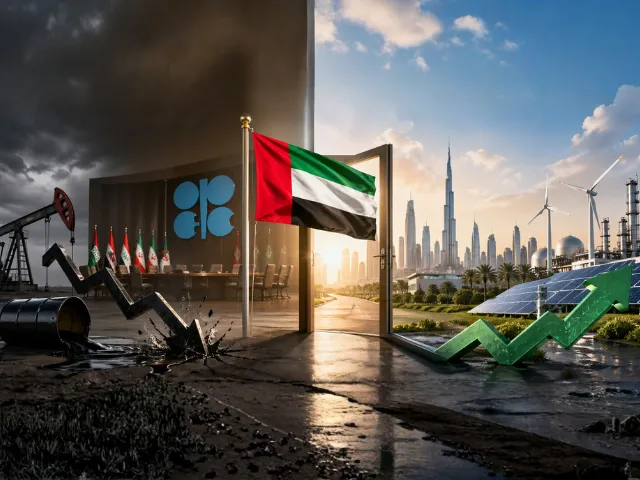
UAE Exit from OPEC: Will This Move Crash Oil Prices or Spark a New Energy Power Shift?
Key Takeaways
- UAE’s exit from OPEC signals shifting power in global oil markets
- Could increase oil supply, but impact depends on production strategy
- Weakens OPEC’s control over pricing in the long term
- Mixed impact on Indian markets with benefits and risks
- Energy geopolitics entering a new phase of competition
Introduction
The global energy market may be entering a new phase. The decision by the United Arab Emirates to exit OPEC and its broader alliance has raised serious questions about the future of oil price control.
For decades, OPEC has played a central role in influencing crude oil prices by coordinating production among member countries. But this move signals that cracks may be emerging within the group.
So what does this really mean? Will oil prices crash, or are we looking at a deeper structural shift in global energy dynamics?
Understanding OPEC’s Role in Oil Markets
OPEC, or the Organization of the Petroleum Exporting Countries, has historically acted as a price stabilizer in global oil markets.
By adjusting output levels, OPEC countries try to:
- Control supply
- Maintain price stability
- Protect member revenues
In recent years, OPEC expanded into OPEC+, including countries like Russia, to strengthen its influence.
The exit of a key player like UAE raises questions about how united this group really is.
Why Did UAE Exit OPEC?
The UAE has been gradually increasing its oil production capacity and investing heavily in expanding output.
However, OPEC’s production quotas often limit how much oil each country can produce.
This creates a conflict.
For a country like UAE, which has:
- Low production costs
- High capacity expansion plans
- Strong fiscal position
Restricting output may not make economic sense.
There are also geopolitical factors at play. The move is being seen as strategically aligned with global shifts, including pressure from leaders like Donald Trump, who has previously criticized OPEC for artificially inflating oil prices.
Will Oil Prices Crash?
This is the biggest question investors are asking.
Short-Term Impact
In the near term, oil prices may remain volatile rather than crashing immediately.
Why?
- Markets will wait for clarity on UAE’s production plans
- Other OPEC members may adjust supply to maintain balance
- Geopolitical tensions can still support prices
Long-Term Impact
Over the long term, the exit could:
- Increase global oil supply
- Reduce OPEC’s pricing power
- Lead to more competitive pricing
If more countries follow a similar path, the oil market could become less coordinated and more market-driven.
That increases the possibility of lower oil prices over time.
What This Means for India
India is one of the largest importers of crude oil, so any change in global oil dynamics has a direct impact.
Positive Impact
- Lower crude prices can reduce inflation
- Improves fiscal balance by lowering import bills
- Benefits sectors like aviation, paints, and logistics
Negative Impact
- High volatility can create uncertainty in markets
- Oil marketing companies may face pricing pressure
- Rupee can fluctuate based on crude trends
For example, when crude prices rise sharply, sectors like FMCG and auto often face margin pressure due to higher input costs.
Impact on Indian Stock Markets
The impact of UAE’s exit will not be uniform across sectors.
Potential Winners
- Oil marketing companies if crude prices soften
- Consumption-driven sectors due to lower inflation
- Aviation and transport companies
Potential Losers
- Upstream oil producers if prices fall
- Companies sensitive to currency volatility
Markets may remain range-bound in the short term as investors assess the long-term implications.
A Bigger Shift in Energy Power Dynamics
This move is not just about oil prices. It reflects a deeper shift in global energy politics.
We are moving towards:
- Less centralized control over oil supply
- More competition among producers
- Increased focus on energy diversification
At the same time, renewable energy adoption is rising globally, which adds another layer of complexity to the oil demand outlook.
Investor Perspective: What Should You Do?
For investors, this development highlights the importance of tracking global cues.
Oil prices influence:
- Inflation
- Interest rates
- Corporate earnings
Instead of reacting to short-term news, investors should focus on sectoral trends and long-term positioning.
Diversification remains key.
FAQs
1. Why did UAE leave OPEC?
The UAE wants to increase its oil production capacity and was constrained by OPEC quotas.
2. Will oil prices fall after this move?
Prices may remain volatile in the short term, but long-term impact could be downward if supply increases.
3. How does this affect India?
Lower oil prices benefit India, but volatility can create short-term uncertainty.
4. Which sectors benefit from lower crude prices?
Aviation, FMCG, logistics, and paints sectors typically benefit.
5. Is this the end of OPEC’s influence?
Not immediately, but it signals weakening control over global oil markets.
Conclusion
The UAE exit from OPEC is a significant development that could reshape global oil markets over time. While it may not lead to an immediate crash in oil prices, it clearly points to a shift in how supply and pricing dynamics will evolve.
For Indian investors, the key takeaway is to stay informed and focus on how global events translate into sectoral opportunities.
Navigating such complex market movements requires the right tools and insights. Swastika Investmart, a SEBI-registered broker, offers robust research, advanced trading platforms, and strong investor support to help you make smarter decisions.
.webp)
BHEL–DRDO Technology Transfer Deal: A Game-Changer for India’s Defence and BHEL’s Growth?
Key Takeaways
- BHEL signs technology transfer agreement with DRDO for naval systems
- Marks a strategic shift from power to defence manufacturing
- Strengthens India’s Make in India and defence indigenisation push
- Opens new revenue opportunities but execution remains key
- Long-term positive, but near-term impact may be gradual
BHEL–DRDO Deal: A Strategic Shift Towards Defence Growth
India’s defence sector is undergoing a structural transformation, and the latest development involving Bharat Heavy Electricals Limited has caught investor attention.
BHEL has entered into a technology transfer agreement with Defence Research and Development Organisation to develop advanced systems for naval platforms. This move signals a clear shift in strategy, as the company looks beyond its traditional power equipment business.
The big question now is simple: Can this deal become a long-term growth driver for BHEL?
What is the BHEL–DRDO Technology Transfer Deal?
Under this agreement, BHEL will gain access to specialised defence technology developed by DRDO. The focus is on infrared suppression systems for naval vessels, which are used to reduce heat signatures and improve stealth capabilities.
In simple terms, this technology helps naval ships avoid detection, making them more effective in combat scenarios.
For BHEL, this is not just a new project. It is an entry into a high-value, technology-driven defence segment.
Why This Deal Matters for India
Boost to Defence Indigenisation
India has been actively pushing for self-reliance in defence manufacturing under initiatives like Make in India and Atmanirbhar Bharat.
This deal supports that vision by:
- Reducing dependence on imports
- Promoting domestic manufacturing
- Strengthening indigenous technology capabilities
Government policies and procurement norms have increasingly favored local players, creating a strong opportunity for companies like BHEL.
Expanding Defence Ecosystem
India’s defence budget has been steadily increasing, with a significant portion allocated to capital expenditure and indigenous procurement.
As a result, companies entering this space can benefit from:
- Long-term government contracts
- Stable demand visibility
- Higher margins compared to traditional sectors
This creates a favorable backdrop for BHEL’s diversification.
Impact on BHEL’s Business Model
Diversification Beyond Power Sector
Historically, BHEL has been heavily dependent on the power sector, particularly thermal power projects.
However, the power sector has faced challenges such as:
- Slower capacity addition
- Shift towards renewable energy
- Delays in project execution
By entering defence manufacturing, BHEL is reducing its reliance on a single sector.
Higher Value Opportunities
Defence projects typically involve:
- Advanced engineering
- Higher entry barriers
- Better pricing power
This can improve BHEL’s revenue quality over time.
However, it is important to note that defence projects also require strong execution capabilities and long gestation periods.
Real Market Context: Why Investors Are Watching Closely
In recent years, several Indian companies have benefited from defence sector opportunities due to policy support and increased spending.
For example, shipbuilding and defence engineering companies have seen strong order inflows and stock performance driven by:
- Government contracts
- Export opportunities
- Focus on indigenisation
BHEL’s entry into this space aligns with this broader trend.
That said, markets usually wait for actual order inflows and revenue visibility before re-rating such companies.
Challenges and Risks
While the deal looks promising, there are some important risks to consider.
Execution Risk
Defence projects are complex and require precision. Any delays or cost overruns can impact profitability.
Time to Monetisation
Unlike commercial products, defence contracts take time to translate into revenue.
Competition
Other established defence players already have experience and strong order books.
Dependence on Government Orders
A large part of revenue in this segment depends on government procurement cycles.
What This Means for Indian Markets
The BHEL DRDO deal is a positive signal for the broader defence ecosystem.
It reinforces the idea that:
- More PSU companies are entering high-tech defence manufacturing
- Government policies are actively supporting domestic players
- Defence could remain a key investment theme in the coming years
For investors, this means continued interest in defence and capital goods stocks.
However, stock performance will depend on execution, order wins, and financial impact over time.
Investor Perspective: Should You Be Bullish?
From an investment standpoint, this development should be viewed with a balanced approach.
Positives
- Entry into a high-growth sector
- Alignment with government policy
- Potential for long-term order visibility
Concerns
- Early stage of execution
- Uncertainty around revenue contribution
- Time lag before financial impact
In simple terms, this is a long-term positive trigger, but not an immediate earnings booster.
FAQs
1. What is the BHEL DRDO deal about?
It is a technology transfer agreement where BHEL will develop defence systems for naval vessels using DRDO technology.
2. How will this impact BHEL’s growth?
It opens new opportunities in defence manufacturing, which can support long-term growth.
3. Is this deal beneficial for India?
Yes, it strengthens domestic defence production and reduces reliance on imports.
4. Will this impact BHEL’s stock price immediately?
Short-term impact may be limited. Long-term gains depend on execution and order inflows.
5. Is defence a good sector to invest in?
The sector has strong growth potential due to government support and increasing spending.
Conclusion
The BHEL DRDO technology transfer deal is a significant step towards diversification and future growth. It aligns well with India’s defence strategy and opens up new opportunities for the company.
However, investors should remain realistic. The real impact will depend on execution, order wins, and how quickly the company can scale this segment.
For those looking to track such opportunities and make informed investment decisions, having access to reliable research and tools is essential. Swastika Investmart, a SEBI-registered broker, offers strong research insights, advanced platforms, and dedicated support to help investors navigate evolving market trends.


.avif)
.avif)

.avif)




START YOUR INVESTMENT JOURNEY
Get personalized advice from our experts
- Dedicated RM Support
- Smooth and Fast Trading App
