


Infosys Share Price Outlook: AI Momentum, Q1 FY27 Trends, And The Indian IT Stock Landscape


Key Takeaways
- Q1 FY27 delivered sector stability with deal wins underpinning growth.
- Infosys stood out as an exception to broadly stable performance.
- AI adoption adds volatility but promises a larger TAM by 2030.
- BFSI and Healthcare remained the strongest verticals, with manufacturing facing delays.
Infosys Share Price sits at the center of a shifting AI-driven narrative in Indian IT stocks. As the sector posted a largely stable first quarter, deal wins and improving margins supported earnings trajectories, even as discretionary technology spend remained selective. Infosys, in particular, stood out as an exception to a broadly stable performance across the peer group, underscoring a company-specific dynamic in a market still learning to price AI's long-term value against near-term uncertainties.
For investors, the question isn't just about the number on a screen; it's about which structural bets will outlast the AI cycle. Deal wins and ramp-ups on large contracts supported the sector's outlook, while continuing demand for cloud, data, and AI-enabled services provided a cushion against softer discretionary demand. Margins remained broadly in line with or ahead of expectations thanks to higher utilization and productivity gains, helping preserve profitability in a quarter that otherwise carried caution on the spending front.
Infosys Share Price And IT Sector Outlook After Q1 FY27 Results
The first-quarter results painted a mixed picture for the Indian IT space. Most companies posted growth broadly in line with expectations and retained their FY27 guidance, although Infosys was an exception to that trend. The broader market is being guided by deal wins, ramp-ups of large contracts, and sustained demand for cloud, data, and AI-enabled services, all of which bode well for the sector's earnings trajectory into Q2. Nuvama Institutional Equities notes that margins across the sector were broadly in line with or ahead of expectations, supported by higher employee utilization and efficiency gains.
As investors monitor Infosys stock performance versus its peers, the AI narrative remains a major driver of price reactions. The market is increasingly sensitive to enterprise AI architectures–systems that protect data while staying model-agnostic so firms can swap AI models and optimize token costs. This architectural flexibility is likely to create incremental opportunities for Indian IT services players as generative AI adoption expands. The immediate takeaway is not just a quarterly number, but how the AI layer translates into contract wins and client spending.
AI Momentum Driving Volatility In Indian IT Stocks
The AI theme has been a major contributor to stock volatility in the IT space. The quarter's commentary and deal-flow signals suggest that investors are weighing AI-enabled revenue ramps against any near-term cannibalization of existing offerings. Nuvama highlights that deals and the ramp-up of large contracts are key to sustaining growth momentum, while discretionary spending remains selective. This environment means valuations may swing in response to AI headlines even as underlying execution remains solid for most players.
From a technology architecture perspective, large enterprises are seeking application layers that can protect data while remaining independent of the underlying large language model. That means Indian IT service providers with strength in integration, cloud migration, and AI optimization stand to capture incremental demand, particularly as corporates evaluate different AI models and manage token costs. The long-run opportunity for Indian IT players could widen the total addressable market significantly by enabling bespoke AI solutions and enterprise-grade AI governance frameworks.


BFSI And Healthcare Verticals Remain The Strongest In Q1
Verticals matter for the near-term demand mix. BFSI and Healthcare remained the strongest verticals, providing stability for the sector and supporting steady top-line execution in the quarter. Retail demand was described as stable, while Manufacturing faced continued pressure, especially in automotive segments where investment decisions were delayed. Demand from the high-tech sector was mixed, underscoring the unevenness of a technology cycle that is being re-shaped by AI and cloud-based modernization projects.
The sector's leading verticals are driving the largest engagements and are likely to be the main anchors of growth in Q2. System integrators are expected to retain a pivotal role in enterprise technology programs, particularly where customized software components for AI deployment are required.
Medium-Term Growth Outlook And The TAM Expansion To 2030
Looking beyond the next quarter, the medium-term outlook remains positive. Nuvama expects the sector to face some revenue cannibalisation from AI in the near term before reaching an inflection point. They estimate the opportunity could eventually expand the industry's total addressable market to 300-400 billion USD by 2030. This expansion reflects enterprises investing in AI architecture, data governance, and integration layers to scale AI across functions while controlling costs.
For Indian IT players, this implies that the AI opportunity is not just about replacing existing software, but about building platforms that can support multiple AI models and workflows. Large deals and multi-year contracts will likely provide more visibility as AI adoption matures, even as near-term price movements continue to reflect AI headlines rather than fundamentals alone.
What To Watch In Q2: Deal Ramp-Ups, Large Contracts, And Client Spending Trends
With the second quarter approaching, deal ramp-ups, new contract wins, and client spending trends will remain important indicators of the earnings trajectory. The pace of large contract execution, the mix of cloud and AI services, and cross-sell momentum across verticals will influence margins and growth. While the AI narrative adds volatility in the short run, the earnings trajectory remains anchored by structural demand for cloud, data, and AI-enabled services across BFSI, Healthcare, and other verticals.
Investors should keep an eye on the industry-wide shift toward enterprise AI architectures–solutions that support data protection, model-switching capability, and efficient token cost management. Such architectures are likely to shape the competition among Indian IT service providers in the coming quarters, and successful players could leverage this to win larger, longer-duration deals.
Is Infosys A Good Buy In The AI-Driven Market?
Long-term prospects for Infosys look positive within an AI-driven market, though near-term volatility may persist as the sector negotiates AI's impact on revenue mix and discretionary spending. The broad view from Nuvama is that Indian IT companies should prosper over the medium to long term, even as stock prices remain volatile in the near term. The decision to buy hinges on your time horizon: if you can hold through AI-induced fluctuations, the rising AI demand and transform actions by large enterprises could support a favorable earnings trajectory.
Investors might also consider Infosys's dividend policy and payout track record as part of a total return framework. While this article does not provide dividend specifics, a stable dividend is a factor some investors weigh alongside growth prospects. For practical decision support, you can explore deeper analytics with Swastika's Sarthi AI stock assistant: Swastika's Sarthi AI stock assistant.
Related Reads
- Infosys Share Price Today: A Practical Guide For Retail Investors
- Infosys Share Price: Trends, Dividend Insights, And Strategic Moves For Indian Retail Investors
- Infosys Share Price: Buybacks, Dividends, And Quarterly Results Shaping The Retail Investor Outlook
Frequently Asked Questions
What factors drive Infosys stock volatility?
AI momentum, deal wins, and sector dynamics influence price movements as investors weigh AI-enabled growth against near-term discretionary spending.
Which verticals led demand in Q1?
BFSI and Healthcare remained the strongest verticals, while Manufacturing faced pressure and automotive investments were delayed.
What is the TAM projection for AI adoption by 2030?
Nuvama expects the total addressable market for AI-enabled services to expand to about 300-400 billion USD by 2030.
What should investors watch in Q2?
Deal ramp-ups, new contract wins, and client spending trends will be the key indicators for the earnings trajectory.
Is Infosys a good buy in the AI-driven market?
Long-term prospects look positive, but near-term volatility may persist as AI-driven demand shifts and discretionary spending remain selective.
Conclusion
Short and long-term, the IT sector's AI turbocharge means retail investors should stay focused on the structural shifts rather than day-to-day price moves. The Q1 FY27 results underscore that AI-enabled demand, deal momentum, and sector-wide efficiency gains can sustain earnings growth, even as near-term volatility persists. The larger takeaway is that the AI story is expanding the TAM and shifting how enterprise software is architected, which should benefit teams with execution strength and client-ready AI capabilities.
Latest Articles

Tata Motors Share Price And Market Signals: A Retail Investor Guide


Key Takeaways
- Tata Motors Share Price moves act as a barometer for India's manufacturing and auto demand.
- Goldman Sachs expects the Nifty 50 to reach 26,500 by June 2027, signaling a shift toward reasonably valued stocks.
- From August 10 to 14, a broad set of stocks including Tata Motors, Hindustan Aeronautics, Grasim, Abbott India and 3M India showed notable activity.
- Swastika's Sarthi AI stock assistant can help tailor insights for retail investors.
What if a single stock price could reveal the rhythm of an entire economy? The Tata Motors Share Price isn't just a reflection of a carmaker's quarterly numbers; it's a pulse check on India's manufacturing revival and the appetite for value across markets. Across the week, market activity reflected breadth–from Amara Raja Energy to Zee Entertainment–with August 10 through August 14 naming dozens of movers. The cadence of action in this period looked more like a chorus than a solo, and Goldman Sachs added a clear tempo to the composition: the Nifty 50 is seen rebounding to 26,500 by June 2027 as macro backdrop improves. The practical takeaway for retail investors is that price signals in the Tata Motors share price and its peers are part of a larger mosaic of sector rotation and earnings resilience.
In India, retail investors have access to a wide array of stock ideas across sectors. On August 10 the market highlighted Amara Raja Energy, Astra Microwave, Bharat Forge, Bosch, Bombay Dyeing, Choice International, CMS Info Systems, Dilip Buildcon, Euro Pratik Sales, Gland Pharma, Hindustan Copper, Vodafone Idea, ideaForge Technology, Jubilant Pharmova, KEC International, KPR Mill, Kolte-Patil, Lloyds Metals, PC Jeweller, Advait Jewels, Zee Entertainment and more. August 11 added Ashoka Buildcon, Allcargo Terminals, Bata India, Balrampur Chini Mills, Camlin Fine Sciences, DAM Capital, Delta Corp, Enviro Infra, Epack Durable, Gokaldas Exports, IFCI, KPI Green Energy, Landmark Cars, MRF, RVNL, Som Distilleries, Senco Gold, Siemens, Unichem Laboratories and Zydus Life Sciences, among others. On August 12 the list included Tata Motors, Hindustan Aeronautics, Grasim Industries, Abbott India, AIA Engineering, Balu Forge, Astral, EID Parry, Eldeco Housing, Fiem Industries, GIC Housing Finance, GMR Airports, Indo Count Industries, IRCTC, Ircon International, Jyothy Labs, KNR Heat Exchanger, Lenskart Solutions, Man Infra, Nitco, Sansera Engineering, Sun TV and Titagarh Rail Systems, among others. August 13 featured Tata Motors PV, Aditya Birla Real Estate, Apex Frozen, Avanti Feeds, Balmer Lawrie, Brigade Enterprises, John Cockerill, DCM Shriram Industries, Ipca Laboratories, JSW Cement, Jubilant FoodWorks, KRBL, MSTC, Olectra Greentech, Page Industries, Praj Industries, Reliance Communications, Prism Finance, RPSG Ventures, RRP Semiconductor, Sammaan Capital, Solar Industries India, Tega Industries, V2 Retail, VST Tillers, Welspun Living and Zuari Industries, among others. August 14 closed with 3M India, Alkem Laboratories, Ashok Leyland, Bharat Dynamics, Borosil, CIAN Agro, Natco Pharma, PTC Industries, Uflex, Valson Industries, Voltas, Zaggle Prepaid and others.
From a strategic standpoint, Goldman Sachs is constructive on India's macro trajectory. The bank sees the Nifty 50 rebounding to about 26,500 by June 2027, driven by lower commodity prices, a stabilised currency, resilient domestic growth, and healthy second-quarter earnings expectations. It also expects a rotation in leadership from growth to value in the second half, as valuation de-rating in the first half gave way to earnings resilience among reasonably valued segments. In practical terms, this means large-cap stocks and banks could be the primary beneficiaries as foreign outflows reverse and domestic demand stabilises, which has direct implications for Tata Motors and peers in the auto and industrials space.
Retail investors should treat price signals as part of a larger portfolio narrative. If you want a tailored, data-driven read on Tata Motors share price or any other stock in your watchlist, consider Swastika's Sarthi AI stock assistant. Swastika's Sarthi AI stock assistant can help translate macro signals into actionable ideas for your risk profile and time horizon.
Tata Motors Share Price: Key Drivers Behind The Latest Move
The Tata Motors share price responds to a blend of macro conditions, company-specific developments, and market sentiment. Domestic demand trends for autos, the cadence of new product launches, and export momentum all feed into price movements. The August 13 entry of Tata Motors PV underscores the company's ongoing product strategy and its visibility in growth narratives, while the broader market drift toward sectors like Hindustan Aeronautics, Grasim Industries, and AIA Engineering signals that investors are evaluating earnings quality and capital allocation across the industrial complex. As investors compare earnings visibility with valuation, the Tata Motors share price may advance in steps rather than in a sudden surge, especially when macro signals turn constructive and commodity prices stay supportive.
It is important to align price action with fundamentals. The Goldman Sachs outlook reinforces a framework where price discovery favors stocks with credible earnings trajectories, strong balance sheets, and the ability to navigate currency and commodity cycles. For Tata Motors, that means monitoring product-cycle progress, margin discipline, and export orders against a backdrop of stabilizing macro cues.
Tata Motors Stock Price Trends: Short-Term Signals And Long-Term Perspective
From a technical and macro lens, Tata Motors stock price movements reflect both a manufacturing-led growth narrative and the market's evolving risk appetite. The broader market context–specifically the Nifty 50's challenge around the 26,373 level and Goldman Sachs' forecast of 26,500 by 2027–frames a two-tier dynamic: near-term volatility and a longer term alignment with earnings resilience in value cycles. The anticipated shift from growth to value in the second half provides a potential catalyst for Tata Motors stock to grind higher, supported by improving macro indicators and a stabilising currency backdrop.
Investors should watch price action around key support and resistance levels and consider how product profitability, export orders, and competitive positioning influence the stock's trajectory. The core takeaway is that Tata Motors stock price movements may be incremental and data-driven, reinforcing the importance of a disciplined investment framework that combines fundamentals with a keen eye on sector rotation.
Grasim Industries Stock Price: Growth, Valuation, And Sector Linkages
Grasim Industries stock sits at the intersection of cement, chemicals, and textiles–a diversified engine that benefits when infrastructure activity picks up and pricing power remains intact. Its inclusion in the August 12 lists signals ongoing investor interest in large, cash-generative names with cross-segment exposure. When evaluating Grasim stock price, investors weigh growth potential against valuation multiples and leverage. A constructive path to deleveraging and margin improvement could lift Grasim stock price, especially if cement demand strengthens and chemical margins stabilise amid a favourable macro backdrop.
Sector linkages matter. Grasim’s performance complements Tata Motors, HAL, and other industrials in a portfolio positioned to ride a rebound in infrastructure and manufacturing activity. The market's rotation toward value and quality stocks could provide a modest tailwind for Grasim if earnings visibility improves and capital allocation remains disciplined.
Abbott India Stock: Pharma Growth And Margin Resilience
Abbott India stock sits as a defensive growth candidate within a broader market that is increasingly evaluating earnings quality. Abbott India stock price movements reflect domestic demand for stable, quality medicines, pricing dynamics, and regulatory clarity. Its presence in August 12 and August 14 lists underscores investor confidence in a pharma franchise with diversified product lines and robust distribution. In a period of macro consolidation, Abbott India stock price tends to hold up well, provided operating leverage remains intact and competitive pressures are manageable.
The pharma space offers a counterweight to higher- beta industrials and autos. Abbott India’s earnings trajectory and cash-flow generation can anchor portfolio risk, particularly when macro conditions fluctuate. The Goldman Sachs outlook supports a broader market where value and quality outperform in the medium term, aligning with Abbott India’s defensible growth profile.
3M India Stock: Diversified Play In Manufacturing
3M India stock price is often used as a proxy for diversified manufacturing exposure in India. Its appearance on August 14 highlights cross-sector interest in brands with global scale and Indian operations. The stock’s price behavior is influenced by manufacturing demand, supply chain efficiency, and currency dynamics. 3M India stock can serve as a stabilising component within a more volatile auto and infra cycle, provided it sustains margin discipline and navigates commodity headwinds with resilience.
For investors, 3M India represents a quality play with cash flow visibility that can complement more cyclical bets in autos or infra. The market environment described by Goldman Sachs suggests that such high-quality names could outperform as the rotation toward value takes hold and investors reward earnings stability.
Hindustan Aeronautics Stock: Aerospace Outlook In India
Hindustan Aeronautics stock offers a direct link to India’s strategic aerospace ambitions. HAL’s inclusion in the August 12 list mirrors investor enthusiasm for defense-oriented growth and domestic capacity expansion. The price dynamics in HAL stock are influenced by defense order wins, export potential, and policy shifts that affect procurement cycles. Investors should monitor order flow, capex plans, and the defense-budget trajectory to gauge HAL’s longer-term trajectory.
HAL can complement a growth-oriented roster with a quasi defense beta: relatively visible revenue streams and a disciplined approach to capital expenditure. As with other sectors, the Goldman Sachs outlook implies that value-oriented opportunities could arise as the macro backdrop stabilises, which would be favorable for HAL if earnings visibility remains robust.
AIA Engineering Stock: Quality Play In Engineering
AIA Engineering stock is a classic example of a high quality engineering company with a global footprint. The stock price is sensitive to order intake, project execution, and long-run margins. Its placement among August 12 entries highlights investor appetite for engineering plays that offer strong cash generation and scalable capacity. For investors, AIA Engineering stock price signals a potential risk-adjusted upside when global industrial cycles recover and the company sustains its competitive edge in precision engineering.
In the broader market context, AIA Engineering aligns with the theme of durable earnings and high returns on capital. Goldman Sachs’ India outlook reinforces the case for quality names that can weather volatility and still deliver credible growth, making AIA Engineering an attractive addition to a diversified portfolio.
Market Outlook: Goldman Sachs' 26,500 Nifty Target By 2027
Goldman Sachs has outlined a constructive case for India in the second half of the year and into 2027. The bank expects the Nifty 50 to rebound to about 26,500 by June 2027, supported by lower commodity prices, a stabilised currency, resilient domestic growth, and robust second-quarter earnings. It also flags a rotation in leadership from growth to value, with the biggest beneficiaries likely to be the most-sold and attractively valued pockets of the market, particularly large-cap stocks and banks. In practical terms, this means retail investors should focus on stocks with credible earnings trajectories and solid balance sheets, rather than chasing aggressive growth stories that could face re-rating pressures if macro conditions shift.
For Tata Motors and peers, the implication is not to abandon growth narratives but to anchor decisions in discipline and quality. A two to three year horizon may align with the shift toward value, while maintaining exposure to core growth stories that can deliver consistent earnings. The interaction of macro shifts, sector rotation, and policy momentum will likely shape price discovery in the months ahead.
A Snapshot Of August 10–14 Stock Activity Across Sectors
To ground the discussion in real-world price formation, here is a cross-section of the stocks listed across the period:
- August 10: Amara Raja Energy, Astra Microwave, Bharat Forge, Bosch, Bombay Dyeing, Choice International, CMS Info Systems, Dilip Buildcon, Euro Pratik Sales, Gland Pharma, Hindustan Copper, Vodafone Idea, ideaForge Technology, Jubilant Pharmova, KEC International, KPR Mill, Kolte-Patil, Lloyds Metals, PC Jeweller, Advait Jewels, Zee Entertainment, among others
- August 11: Ashoka Buildcon, Allcargo Terminals, Bata India, Balrampur Chini Mills, Camlin Fine Sciences, DAM Capital, Delta Corp, Enviro Infra, Epack Durable, Gokaldas Exports, IFCI, KPI Green Energy, Landmark Cars, MRF, RVNL, Som Distilleries, Senco Gold, Siemens, Unichem Laboratories and Zydus Life Sciences, among others
- August 12: Tata Motors, Hindustan Aeronautics, Grasim Industries, Abbott India, AIA Engineering, Balu Forge, Astral, EID Parry, Eldeco Housing, Fiem Industries, GIC Housing Finance, GMR Airports, Indo Count Industries, IRCTC, Ircon International, Jyothy Labs, KNR Heat Exchanger, Lenskart Solutions, Man Infra, Nitco, Sansera Engineering, Sun TV and Titagarh Rail Systems, among others
- August 13: Tata Motors PV, Aditya Birla Real Estate, Apex Frozen, Avanti Feeds, Balmer Lawrie, Brigade Enterprises, John Cockerill, DCM Shriram Industries, Ipca Laboratories, JSW Cement, Jubilant FoodWorks, KRBL, MSTC, Olectra Greentech, Page Industries, Praj Industries, Reliance Communications, Prism Finance, RPSG Ventures, RRP Semiconductor, Sammaan Capital, Solar Industries India, Tega Industries, V2 Retail, VST Tillers, Welspun Living and Zuari Industries, among others
- August 14: 3M India, Alkem Laboratories, Ashok Leyland, Bharat Dynamics, Borosil, CIAN Agro, Natco Pharma, PTC Industries, Uflex, Valson Industries, Voltas, Zaggle Prepaid and others
In practice, this breadth reinforces that retail investors should evaluate price moves in the context of sector breadth, macro signals, and earnings quality. The Sarthi AI stock assistant can help map these signals to your own investment plan. Swastika's Sarthi AI stock assistant offers structured insights tailored to your risk tolerance and time horizon.
What Retail Investors Should Do Now
With this landscape, the prudent approach is to stay anchored in fundamentals, diversify, and avoid over-concentration in any single name. Tata Motors Share Price should be read against a backdrop of improving macro signals and sector rotation, but it is essential to remain mindful of risk factors such as commodity price volatility and currency movements that historically influence auto margins. The August activity across autos, aerospace, cement, pharma, and engineering indicates breadth, which is a positive sign for a diversified, long-term strategy. For a retail investor, the key question is how to balance exposure across earnings-quality names while keeping a clear plan for risk management.
Related Reads
- Tata Motors Share Price And Market Momentum: 5 Driving Factors To Watch
- Tata Motors Share Price Outlook: Key Drivers, Earnings And Global Cues
- Infosys Share Price Outlook: A Retail Investor's Comprehensive Guide To Monitoring And Investing
Frequently Asked Questions
What Is The Tata Motors Share Price Right Now?
The article discusses Tata Motors share price movements in the context of macro signals and sector rotation; it does not publish a live quote. For real-time quotes, use trusted market data sources or Swastika's platform.
Why Has Tata Motors Stock Price Fallen Recently?
The article notes a market backdrop where leadership rotated from growth to value in the first half, with valuation de-rating. A fall in Tata Motors stock price can reflect macro concerns, sector re-rating, and earnings visibility rather than company-specific issues alone. Investors should monitor macro indicators, earnings delivery, and sector rotation signals.
What Factors Can Move Tata Motors Share Price In The Short Term?
Short-term moves are driven by product launches, export momentum, consumer demand, currency movements, commodity prices, and overall market sentiment driven by sector rotation into value plays. The Goldman Sachs outlook suggests more durable upside if earnings resilience and valuation support improve.
How Does The Goldman Sachs Market Outlook Affect Tata Motors And Peers?
Goldman Sachs expects the Nifty 50 to reach 26,500 by June 2027 with a shift toward reasonably valued segments and large-cap stocks. For Tata Motors and peers, this implies a focus on earnings visibility, balance-sheet strength, and a disciplined approach to capex and cost management as the market re-prices quality and value.
Where Can I Find Credible Tata Motors Share Price Data On Swastika's Platform?
Swastika Investmart provides research and stock-insights tools, including Swastika's Sarthi AI stock assistant, to help retail investors track Tata Motors share price and related stocks with institutional-grade analysis.
Conclusion
The Tata Motors share price story is not just about a single carmaker; it is a lens into how India’s manufacturing heartbeat interacts with macro stability and policy momentum in a developing market. For the retail investor, the path forward is to anchor decisions in earnings visibility, balance-sheet strength, and sector-rotation dynamics, rather than chasing the latest headline. The Goldman Sachs outlook – a 26,500 Nifty by mid-2027 – reinforces a narrative where value plays and high-quality large caps could outperform as foreign flows stabilise and domestic growth holds steady.
Open your trading and demat account here
Reference :
1 : Economictimes

Dhoot Transmission Share Price Outlook With Milky Mist IPO, Shiprocket IPO, Molbio Diagnostics IPO
Key Takeaways
- Dhoot Transmission share price details show a Rs 3,066.89 crore mainboard IPO with a Rs 829-871 per share price band.
- Milky Mist IPO offers a Rs 1,553 crore size and a GMP of 19%.
- Shiprocket IPO totals Rs 1,617.48 crore with a price band of Rs 92-97 and GMP of 16%.
- SME IPOs Pramodini Medicare, Fascinate Textiles, Q&T Foods, Sham Foam plus GV Electricals and Ardee Industries list on August 12.
August is shaping up as a crucial test for India's IPO market, with the spotlight on the Dhoot Transmission Share Price as a litmus test for demand. The official filing reveals a mainboard IPO sized at Rs 3,066.89 crore, priced in a Rs 829-871 per share band, comprising a fresh issue of Rs 1,400 crore and an OFS of Rs 1,666.89 crore. The grey market premium stands at a robust 29%, signaling strong appetite among some investors even before listing.
Alongside Dhoot Transmission, the August window features Milky Mist IPO, Shiprocket IPO, Molbio Diagnostics IPO, Fascinate Textiles, Behari Lal Engineering, Pramodini Medicare, Q&T Foods and Sham Foam–nine issuers across mainboard and SME segments. In addition to these mainboard issues, the SME segment remains active with Pramodini Medicare and Fascinate Textiles among others, while GV Electricals and Ardee Industries are scheduled to list on August 12, adding to a listing rush that has many retail investors watching closely.
| Company | Price Band | Issue Size (Rs Crore) | Fresh Issue (Rs Crore) | OFS (Rs Crore) | GMP |
|---|---|---|---|---|---|
| Dhoot Transmission | Rs 829-871 | Rs 3,066.89 | Rs 1,400 | Rs 1,666.89 | 29% |
| Milky Mist Dairy Food | Rs 133-140 | Rs 1,553 | Rs 1,428 | Rs 125 | 19% |
| Shiprocket | Rs 92-97 | Rs 1,617.48 | Rs 885.50 | Rs 731.98 | 16% |
| Molbio Diagnostics | Rs 768-807 | Rs 939.70 | Rs 200 | Rs 739.70 | To be announced |
| Behari Lal Engineering | Rs 271-285 | Rs 301.62 | Rs 93 | Rs 208.62 | To be announced |
Dhoot Transmission Share Price Outlook For The August IPO Window
The official filing confirms a mainboard IPO for Dhoot Transmission with a Rs 3,066.89 crore size and a price band of Rs 829-871 per share. The deal structure includes a fresh issue of Rs 1,400 crore and an offer for sale (OFS) of Rs 1,666.89 crore. A GMP of 29% has been logged, signaling strong grey market anticipation ahead of listing. For retail investors, this combination raises both interest and risk: a higher GMP can imply potential listing-day pop, but it also elevates valuation sensitivity to post-listing performance. A close watch on demand in the grey market and the subsequent price action on listing day will be essential to gauge whether the Dhoot Transmission share price can translate GMP expectations into realized returns.
investors should also compare this with other major IPOs opening in the same window, as a crowded market can cap outright upside even when the lead lender or promoter story is compelling. The market takeaway from Dhoot Transmission is not just the price band or GMP; it is how a large mainboard issuer behaves in a highly competitive environment where other names like Milky Mist IPO, Shiprocket IPO, and Molbio Diagnostics IPO are also competing for attention. A diversified approach–weighing the risk-reward across multiple issues–may suit most retail portfolios better than chasing a single large-name IPO in a frenzy window.
Molbio Diagnostics IPO: Key Details, Price Band, And OFS
Molbio Diagnostics has a price band of Rs 768-807 per share and an overall issue size of Rs 939.70 crore. The issue comprises a fresh issue of Rs 200 crore and an OFS of Rs 739.70 crore. This mix of fresh equity and heavy OFS can be a reminder that, for some investors, listings are driven as much by secondary sale supply as by new capital infusion. With Molbio’s higher OFS portion, its post-listing price dynamics may reflect broader market demand for new technology and life sciences players, even as valuations should be weighed against other high-quality opportunities opening in the same window.
Milky Mist IPO: GMP And Pricing For Milky Mist
Milky Mist Dairy Food’s mainboard IPO is priced at Rs 133-140 per share, with an issue size of Rs 1,553 crore. It includes a fresh issue of Rs 1,428 crore and an OFS of Rs 125 crore. The GMP is quoted at 19%, which signals a decent appetite among pre-listing traders while also suggesting a potential listing-day distribution that investors should monitor. For risk awareness, the Milky Mist IPO offers a more moderate GMP relative to the Dhoot Transmission issue, potentially translating into a more measured initial price movement for long-term holders.
Shiprocket IPO: Fresh Issue, OFS, And GMP Analysis
Shiprocket’s IPO is a Rs 1,617.48 crore offering with a price band of Rs 92-97. It comprises a fresh issue of Rs 885.50 crore and an OFS of Rs 731.98 crore. The GMP stands at 16%, indicating solid market interest but with less exuberance than the top-tier mega IPOs. Retail investors may weigh Shiprocket’s logistics and e-commerce enablement story against the competitive dynamics of the sector, while considering how the OFS portion might influence post-listing price action and long-term fundamentals.
Pramodini Medicare IPO: SME Listing Details And Pricing
Pramodini Medicare is part of the SME segment and is designed to raise Rs 69.04 crore. In the SME space, pricing details are often more fluid and depend on project-specific demand. The source confirms the overall SME activity in this window, including Fascinate Textiles, Q&T Foods, and Sham Foam, signaling continued government and market support for SMEs that seek capital to scale. For investors, SME IPOs can offer high growth potential but come with higher liquidity and information risk, making due diligence even more critical.
Upcoming SME IPOs This Week: Fascinate Textiles, Q&AmpT Foods, And Sham Foam
In the SME segment, Fascinate Textiles, Q&T Foods, and Sham Foam are fixed-price offerings with respective planned IPO sizes of Rs 66.98 crore, Rs 26.25 crore, and Rs 40.48 crore. These micro-cap listings can deliver sharp upside if demand is strong, but they also carry elevated risk due to smaller float and more limited market coverage. Prudent investors may balance exposure across a mix of SME opportunities with larger mainboard plays to manage risk while aiming for incremental gains from early-stage SMEs.
GV Electricals And Ardee Industries: Listing On August 12–What It Means For Retail Investors
GV Electricals and Ardee Industries are scheduled to list on August 12, adding two more layers to a busy listing calendar. A crowded timetable tends to increase short-term volatility as investors rotate between new issues and existing stock positions. For long-term investors, the key is to assess each company on fundamentals, growth trajectory, and competitive positioning rather than chasing the hot stamp of a listing day. The aggregate effect of multiple listings can influence sectoral sentiment and overall market liquidity, shaping opportunities across adjacent stocks and IPOs.
What This Means For Retail Investors Right Now
Retail investors should approach the August 2024 IPO window with a balanced framework: identify core stories with strong fundamentals (such as a credible business model or scalable growth) and weigh them against price bands, OFS structures, and GMP signals. The Dhoot Transmission share price dynamics–when coupled with Milky Mist IPO, Shiprocket IPO, and Molbio Diagnostics IPO–offers a practical case study in how different IPO structures (fresh vs OFS-heavy) can impact post-listing performance. Always cross-check the issuer’s financials, sector tailwinds, and competitive benchmarks before subscribing. If you want a data-driven analytics partner to compare these layers in real time, consider Swastika's Sarthi AI stock assistant: Swastika's Sarthi AI stock assistant.
Related Reads
- Zepto IPO Sparks India's 2026 Public Issue Wave: A Retail Investor Guide
- Zepto IPO Wave: An In-Depth Look At The Zepto IPO And The Coming Indian IPO Pipeline
- Milky Mist IPO: A Retail Investor Guide To The Dairy Brand's Revised Listing Size
Frequently Asked Questions
What are the key details of the Dhoot Transmission IPO?
Dhoot Transmission has a mainboard IPO sized at Rs 3,066.89 crore with a price band of Rs 829-871 per share. The issue comprises a fresh issue of Rs 1,400 crore and an OFS of Rs 1,666.89 crore. The GMP is 29%.
Which IPOs are opening in August 2024, and what are their GMP signals?
Upcoming IPOs include Milky Mist Dairy Food (GMP 19%), Shiprocket (GMP 16%), Molbio Diagnostics (GMP not disclosed in the data), along with several SME IPOs. The August window also features Fascinate Textiles, Behari Lal Engineering, Pramodini Medicare, Q&T Foods, Sham Foam, and the listing of GV Electricals and Ardee Industries on August 12.
What are the Milky Mist IPO details and pricing signals?
Milky Mist Dairy Food has a price band of Rs 133-140 per share and an issue size of Rs 1,553 crore, including a fresh issue of Rs 1,428 crore and an OFS of Rs 125 crore. The GMP stands at 19%.
What is Shiprocket IPO’s structure and what does GMP indicate for investors?
Shiprocket’s IPO totals Rs 1,617.48 crore with a price band of Rs 92-97. It includes a fresh issue of Rs 885.50 crore and an OFS of Rs 731.98 crore. GMP is 16%, signaling solid interest but more measured demand than the top grosser IPOs.
Which SME IPOs are launching and what are their approximate sizes?
Pramodini Medicare plans to raise Rs 69.04 crore in the SME space. Fascinate Textiles is targeting Rs 66.98 crore, Q&T Foods Rs 26.25 crore, and Sham Foam Rs 40.48 crore. GV Electricals and Ardee Industries are also set to list on August 12.
Conclusion
For the retail investor, the August IPO window offers a rich mix of opportunities and cautions. The Dhoot Transmission share price story is a prime example of how high GMP and a large mainboard issue can attract attention while posing valuation and execution risk. At the same time, Milky Mist IPO, Shiprocket IPO, and Molbio Diagnostics IPO illustrate the spectrum of pricing, fresh issue vs OFS composition, and market appetite across different sectors. The best mindset is a disciplined, portfolio-wide approach that balances growth potential with risk controls, especially in a crowded listing calendar.
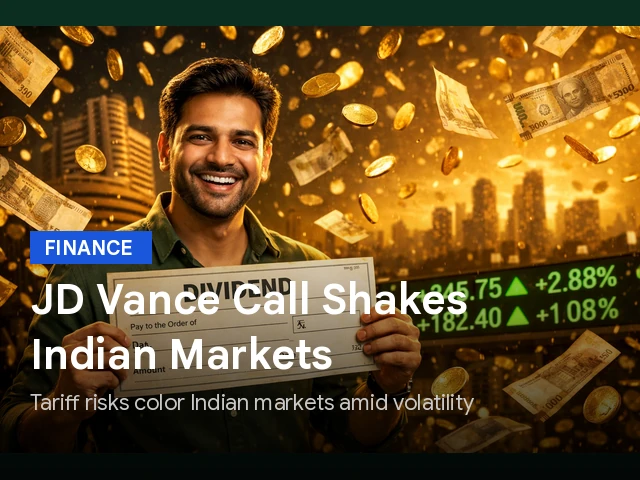
JD Vance Call And Its Market Implications For Indian Investors
Key Takeaways
- JD Vance Call signals evolving India-US policy dialogue amid tariff risk.
- 100% tariff risk backdrop tied to Russia sanctions can influence global flows and sentiment.
- Infosys Stock, TCS Stock, Wipro Stock, HDFC Bank Stock, and ICICI Bank Stock are key watch-list candidates.
- Swastika's Sarthi AI stock assistant offers deeper insights into stocks impacted by the JD Vance Call.
JD Vance Call: What It Means For Indian Markets
The JD Vance Call between the US Vice President and India's Prime Minister has lit a fuse in Indian markets, not because of politics alone but because tariff risk shadows could color global flows. The call arrived at a moment when the US Senate pushed ahead with sanctions on Russia that could trigger tariff-like measures for energy trading and for economies that buy Russian oil and gas. Modi confirmed the conversation via a social media post, framing it as a step toward deepening the India-US global strategic partnership. For retail investors, the question is practical: how should you position your portfolio when macro signals point toward a potentially more protectionist stance?
TLDR
- JD Vance Call signals evolving India-US policy dialogue amid tariff risk.
- 100% tariff risk backdrop tied to Russia sanctions can influence global flows and sentiment.
- Infosys Stock, TCS Stock, Wipro Stock, HDFC Bank Stock, and ICICI Bank Stock are key watch-list candidates.
- Swastika's Sarthi AI stock assistant offers deeper insights into stocks impacted by the JD Vance Call.
Tariff Risks, Russia Sanctions, And Global Flows: The Backdrop
Beyond the call, the macro backdrop remains crucial. The talk of a 100% tariff risk on energy trades with certain economies has created a lens for watching tariff-related policy signals. While tariff talk might become overshadowed by other policy debates, the real effect is to tilt market sentiment and risk appetite. At the same time, the US Senate's sanctions push on Russia adds complexity: it may cause shifts in commodity prices and exchange-rate dynamics that ripple into Indian equities. For retail investors, the key takeaway is that policy signals can influence sector rotations–often away from cyclicals toward defensives, or vice versa–depending on how tariff risk evolves. The JD Vance Call context shows that bilateral cooperation remains a priority, but tariffs can't be ignored as a structural risk to global flows.
Tech And Financial Stocks In Focus: Infosys Stock, TCS Stock, Wipro Stock
In the IT heavyweights, Infosys Stock, TCS Stock, and Wipro Stock remain the main proxies for external demand for India's technology services, as global CIOs press for cost efficiency and digital transformation. Infosys Stock is often seen as a barometer of non-volatile demand for managed services and digital platforms, while TCS Stock stands as the biggest weight in the sector with a capacity to adjust to macro shifts quickly. Wipro Stock, though smaller, can move with broad IT sentiment and currency moves, offering high beta exposure for traders seeking tactical opportunities. In banking heavyweights, HDFC Bank Stock and ICICI Bank Stock deserve equal attention as domestic credit growth expectations and loan pricing dynamics weigh on earnings. The resilience of Reliance Stock can also serve as a market barometer for energy, telecom, and consumer strength amid global uncertainty.
Reliance Stock And Banking Sector Implications
Beyond technology and policy signals, the domestic market's bellwether is often the energy and banking fronts. Reliance Stock can respond to global energy trends and domestic retail energy demand, while the banking sector–exemplified by ICICI Bank Stock and HDFC Bank Stock–tends to swing with credit growth expectations and liquidity conditions. If tariff risk intensifies, there could be short-term volatility in bank earnings, especially around funding costs and capital adequacy. On the upside, a warmer bilateral relationship with the United States could unlock greater access to capital and technology partnerships, supporting large-cap banks and consumer-facing conglomerates. In practice, this means retail investors should watch for sector rotations: from growth-oriented bets to quality multipliers with robust earnings visibility, and back again as policy signals evolve.
How Retail Investors Should Position: A Practical Framework
Start with a simple, methodical framework that translates macro headlines into stock-level decisions. Build a diversified watchlist across sectors that commonly carry macro risk–Infosys Stock, TCS Stock, Wipro Stock in tech; HDFC Bank Stock and ICICI Bank Stock in financials; and a barometer like Reliance Stock for energy and consumer exposure. Use a macro-to-micro filter: if tariff risk rises, tilt toward stocks with strong balance sheets and resilient earnings. If policy signals ease, consider select growth-oriented bets alongside dividend-quality names. For risk management, keep position sizes modest and use stop-loss rules that reflect your time horizon. And if you want structured, AI-backed stock research, Swastika's Sarthi AI stock assistant can help surface institutional-grade insights for any stock or index you follow.
Related Reads
- Sensex Share Price Outlook: Market Pulse And Key Stocks To Watch
- Crude Oil Price Movements And Indian Bonds: A Retail Investor's Guide
- Nifty 50 Share Price Outlook: AI Signals, Earnings, And The Indian Market
Frequently Asked Questions
What is the JD Vance Call about?
The JD Vance Call refers to a telephonic conversation between United States Vice President JD Vance and India's Prime Minister Narendra Modi, focused on strengthening the India-US Global Strategic Partnership amid tariff risk and broader bilateral cooperation.
What tariff risks were discussed during the call?
The discussion occurred in the context of a US bill that could impose tariffs on countries buying Russian oil and gas, generating a potential 100% tariff risk for energy-related trade and influencing global flows.
Which sectors might react to this development in Indian markets?
Tech stocks like Infosys Stock, TCS Stock, and Wipro Stock, along with banks such as HDFC Bank Stock and ICICI Bank Stock, are closely watched for policy signals, and Reliance Stock may also reflect sentiment on energy and consumer sectors.
How should retail investors approach these signals?
Maintain a diversified watchlist across tech and financials, monitor macro policy developments, apply clear risk controls, and consider using research tools like Swastika's Sarthi AI stock assistant for deeper stock-level insights.
Where can I get deeper, AI-powered stock analysis?
Swastika offers Sarthi AI stock assistant, an AI-driven research tool that provides institutional-grade insights on stocks and indices to help retail investors make informed decisions.
Conclusion
Conclusion Paragraph One: The JD Vance Call is not a single moment but a signal of how policy discourse between India and the United States could steer risk appetite and sector rotations in Indian markets. Retail investors should use this as a reminder to blend macro vigilance with stock-specific discipline, focusing on high-quality earnings, robust balance sheets, and diversified exposure across tech and financials.
Open your trading and demat account here
Reference :
1 : Bbc

Reliance Industries Share Price And Weekly Market Movers: SBI, TCS And More
Key Takeaways
- Sensex gained 404.53 points and Nifty rose 187.05 points last week.
- The four top-10 firms added Rs 1.43 lakh crore in market value, led by SBI as the biggest gainer.
- Reliance Industries share price rose with an Rs 32,816.40 crore lift in market cap; TCS added Rs 31,875.35 crore.
- Bajaj Finance, LIC, HDFC Bank and Bharti Airtel contributed to a combined erosion of Rs 1.23 lakh crore.
Could a single stock move steer a market? Last week the numbers told a sharper story: Sensex rose 404.53 points (0.51%), and Nifty gained 187.05 points (0.76%). The four top-10 firms combined added Rs 1.43 lakh crore in market value, with State Bank of India emerging as the biggest gainer. Reliance Industries share price helped lift the overall mood, alongside the other heavyweights whose market caps swelled. The week’s action came as investors weighed the new Closing Auction Session (CAS) framework for F&O stocks, the RBI policy decision, and lingering geopolitical uncertainties – a potent mix that tested investors but left a clear message about leadership among blue chips and the resilience of blue-chip retailers.
At the sector level, financials and technology kept the headline indices buoyant, even as consumer staples and some banks retraced. The breadth of moves showed that while several names led, a broader set of participants experienced valuation shifts based on macro cues and sector rotation. For retail investors, this is exactly the kind of environment where stock-specific drivers matter, and where a measured approach to allocation can help weather volatility.
According to Ajit Mishra of Religare Broking Ltd, Markets ended the week with modest gains despite heightened volatility, as investors navigated the roll-out of the new Closing Auction Session (CAS) framework for F&O stocks, the Reserve Bank of India's monetary policy decision, and lingering geopolitical uncertainties.
Reference :
1 : Ndtvprofit
Market Cap Snapshot Of The Week
| Company | Change (Rs Crore) | New Market Cap (Rs Crore) |
|---|---|---|
| State Bank of India | +63,922.03 | Rs 10,11,721.84 |
| Reliance Industries | +32,816.40 | Rs 18,01,925.19 |
| Tata Consultancy Services | +31,875.35 | Rs 8,87,770.13 |
| Larsen & Toubro | +14,637.76 | Rs 5,56,482.45 |
| LIC (Life Insurance Corp) | -40,543.23 | Rs 4,96,891.82 |
| Bajaj Finance | -37,168.96 | Rs 6,73,648.55 |
| HDFC Bank | -24,183.16 | Rs 11,27,967.47 |
| ICICI Bank | -9,507.67 | Rs 10,20,370.63 |
| Bharti Airtel | -7,581.65 | Rs 12,22,423.98 |
| Hindustan Unilever | -4,793.16 | Rs 4,88,808.97 |
The week’s data points highlight that while several heavyweight names supported the rally, others faced profit-taking or sector rotation that trimmed their market value. Reliance Industries remained the most valued firm, followed by Bharti Airtel, HDFC Bank, ICICI Bank, State Bank of India, TCS, Bajaj Finance, Larsen & Toubro, LIC and Hindustan Unilever.
State Bank Of India Stock Price Trends And Market Cap Shifts
State Bank of India stood out as the week’s biggest gainer among the major listed names, adding Rs 63,922.03 crore to its market value and lifting its total mcap to Rs 10,11,721.84 crore. The bank’s stock price movement reflected continued investor demand for safety and balance-sheet strength, especially in a period of policy ambiguity and global macro uncertainty. The gain reinforced the message that public sector lenders, when well-capitalized, still command considerable investor interest during these cycles.
For retail investors, SBI’s momentum suggests watching related financials for signs on credit growth and liquidity flows. However, it also invites caution around valuations and the risk of sector rotation should macro signals shift. Diversification within financials–across banks and non-banks–remains a prudent approach to balance the upside with risk controls.
TCS Stock Price Action And What It Signals For Investors
Tata Consultancy Services joined the gains with a market-cap uptick of Rs 31,875.35 crore, bringing its total to Rs 8,87,770.13 crore. This movement hints at sustained demand for IT services amid ongoing digital transformation across global enterprises. A rising TCS stock price, in conjunction with other tech peers, often helps anchor broader portfolios during times when cyclicals wobble.
Investors should assess the sustainability of this momentum by examining order-book growth, client concentration, and margin discipline. The stock’s price action can be sensitive to currency movements and IT spending cycles, so a balanced approach to valuation and risk management is advisable for long-term holdings.
HDFC Bank Stock Price Momentum And Sector Implications
HDFC Bank experienced a decline in market capitalization by Rs 24,183.16 crore, settling at Rs 11,27,967.47 crore. As one of the frontline private sector banks, its movement often foreshadows broader trends in lending, asset quality, and interest-rate expectations. The fall underscores the reality that even leading banks are not immune to rotation and profit-taking when macro cues shift or growth expectations waver.
For investors, the takeaway is to consider defensive exposure and bank-weighted diversification, ensuring that a single name does not disproportionately influence portfolio outcomes. The sector’s path will likely hinge on policy rate signals, asset-quality indicators, and the pace of digital transformation in consumer and corporate banking segments.
Bajaj Finance Stock Price And Market Rotation
Bajaj Finance faced a significant erosion in market capitalization by Rs 37,168.96 crore, taking its total to Rs 6,73,648.55 crore. The movement highlights the sensitivity of non-banking financials to funding costs, risk management, and regulatory nuance in the consumer finance arena. While it remains a core name in many portfolios, the decline reminds investors of the importance of dynamic risk-control strategies amid volatile funding markets.
Retail investors should monitor credit-growth signals, loan-book quality, and competitive dynamics within the fintech and NBFC landscape as they calibrate exposure to high-beta financials. This week’s action also emphasizes the value of diversification and the need to maintain a disciplined approach to position sizing.
Larsen And Toubro Stock Price Changes This Week
Larsen & Toubro added Rs 14,637.76 crore to its market capitalization, rising to Rs 5,56,482.45 crore. The gain underscores the link between infrastructure expenditure cycles and the valuation of diversified industrials, as project pipelines and order backlogs begin to reflect in earnings expectations. For investors, L&T’s movement suggests that infrastructure catalysts can provide structural support to the portfolio during periods of macro churn.
In practice, this implies that a measured exposure to engineering and construction players–balanced with defensive plays–can help manage risk while still enabling participation in a potential up-leg driven by capital expenditure cycles and policy-driven stimulus programs.
Hindustan Unilever Stock Price And Sector Rotation
Hindustan Unilever dipped by Rs 4,793.16 crore to Rs 4,88,808.97 crore as the consumer staples heavyweight faced pockets of profit-taking and shifting consumer sentiment. Staples stocks can act as a ballast in uncertain times, but rotations away from defensive sectors are common when macro concerns intensify or when inflation dynamics change the consumer budget.
For long-term investors, this week’s action highlights the importance of linking pricing power, margin resilience, and cash-flow generation to the stock’s multiple. A constructive approach would emphasize quality growth and strong brand positioning, while staying mindful of price pressures that could dampen near-term earnings visibility.
Related Reads
- Reliance Industries Share Price And The Week's Market Movers: A Retail Investor's Guide
- Reliance Industries Share Price: Weekly Market Outlook For Retail Investors
- Reliance Industries Share Price Movements And A Week Of Valuation Erosion
Frequently Asked Questions
How did Sensex and Nifty perform last week?
Sensex rose 404.53 points (0.51%) and Nifty rose 187.05 points (0.76%).
Who were the top gainers in market capitalization last week?
Reliance Industries, State Bank of India, Tata Consultancy Services and Larsen & Toubro were the gainers.
Which firms saw a decline in market cap?
LIC, Bajaj Finance, HDFC Bank, ICICI Bank, Bharti Airtel and Hindustan Unilever faced declines in market capitalization.
What were the biggest changes in market capitalization among top movers?
State Bank of India added Rs 63,922.03 crore; Reliance Industries added Rs 32,816.40 crore; Tata Consultancy Services added Rs 31,875.35 crore.
Where can I get advanced stock research from Swastika?
Swastika's Sarthi AI stock assistant provides institutional-level research on any stock or index to retail investors.Swastika's Sarthi AI stock assistant
Conclusion
In this week’s market snapshot, a handful of mega-cap names steered the direction, but the message for the retail investor remains clear: diversify, stay mindful of macro signals (CAS implementation, RBI policy, and geopolitics), and align positions with your risk appetite and time horizon. The market’s health is being tested by volatility, yet the breadth of moves across top names suggests that durable earnings support can coexist with short-term swings.
Next steps: build a framework that prioritizes quality balance sheets, sustainable growth, and prudent risk controls. Consider setting clear entry and exit criteria, using stop-loss orders, and keeping a watch on sector rotations as macro cues evolve. And for deeper insights, explore Swastika's Sarthi AI stock assistant.
To explore deeper stock insights in real time, consider Swastika's Sarthi AI stock assistant.

FPI Inflows Spark A Market Rebound Across Sensex Stock And Auto Sector Stocks
Key Takeaways
- FPI Inflows in the first week of August signal renewed risk-on sentiment.
- July saw Rs 20,200 crore in inflows and August's first week added Rs 12,921 crore, reversing prior outflows.
- The shift shows a preference for autos, consumer durables, and healthcare stocks, with a debt inflow also evident.
- Retail investors can leverage Swastika's Sarthi AI stock assistant for data-driven ideas.
FPI Inflows are back in focus as the first week of August delivered Rs 12,921 crore into Indian equities, a sharp reversal after July's Rs 20,200 crore inflow and a broader four-month selling spell. FPIs had withdrawn Rs 49,340 crore in June, Rs 32,963 crore in May, Rs 60,847 crore in April, and a massive Rs 1.17 lakh crore in March. Prior to this selling spree, they had invested Rs 22,615 crore in February. Despite the recent buying, FPIs have remained net sellers in 2026, withdrawing Rs 2.41 lakh crore so far, already exceeding the Rs 1.66 lakh crore outflow recorded during the entire 2025.
These inflows come amid improving macro conditions, with expectations of US rate cuts, softer crude prices, and a stable rupee helping to bolster investor sentiment. The RBI's improved growth and inflation outlook has further strengthened confidence, while a relatively low foreign ownership of Indian equities leaves room for fresh allocations, said Vedant Gupte, Co-Founder and CEO of Trackk. Importantly, a large share of the recent buying has come through the secondary market, signalling stronger interest in listed Indian companies rather than merely IPO allocations, Gupte added.
According to Vedant Gupte of Trackk, The sustained buying by both FIIs and DIIs was largely driven by the de-escalation of geopolitical tensions, which helped strengthen investor confidence and supported positive market sentiment.
Reference :
1 : Ndtvprofit
According to Pabitro Mukherjee of Bajaj Broking, Importantly, a large share of the recent buying has come through the secondary market, signalling stronger interest in listed Indian companies rather than merely IPO allocations.
According to V K Vijayakumar of Geojit, An important trend in FPI buying is their preference for sectors such as automobiles, consumer durables and healthcare.
Market watchers highlight that FPIs are turning to specific sectors, notably Auto Sector Stocks, Consumer Durables, and Healthcare, aligning with broader Sensex stock narratives, where leadership shifts between cyclical and defensive names based on liquidity and macro signals.
FPI Inflows In August: What It Means For Sensex Stock And Auto Sector Stocks
The August inflow, measured at Rs 12,921 crore in the first week, marks a continuation of the reversal after July's Rs 20,200 crore inflow. The month’s inflow, along with the macro backdrop (soft crude, stable rupee, possible US rate cuts), supports a constructive stance on Sensex stock and the autos/healthcare sectors that might lead near-term gains. Historically, the Sensex stock has reacted to fresh FPI allocations as growth re-pricing and valuations adjust in cyclical names.
In contrast to mid-year outflows, the latest data reveals how quickly sentiment can shift when geopolitical tensions cool and macro conditions improve. The monthly table below illustrates the swing from earlier outflows to current inflows, including February’s inflow of Rs 22,615 crore. We also note that FPIs remained net sellers in 2026 overall, with Rs 2.41 lakh crore withdrawn so far, outpacing the Rs 1.66 lakh crore outflow seen in 2025.
| Month | FPI Flows (Rs crore) |
|---|---|
| February | Rs 22,615 crore (Inflows) |
| March | Rs 117,000 crore (Outflows) |
| April | Rs 60,847 crore (Outflows) |
| May | Rs 32,963 crore (Outflows) |
| June | Rs 49,340 crore (Outflows) |
| July | Rs 20,200 crore (Inflows) |
| First Week of August | Rs 12,921 crore (Inflows) |
Looking ahead, Sensex stock watchers will be watching how the flow dynamics evolve, particularly in autos and healthcare. As the money starts to push into these sectors, investors should consider quality exposure, earnings visibility, and valuations before adjusting positions. Healthcare stock names, in particular, offer defensive ballast during a period of cyclical rotation within Sensex stock components.
To stay ahead of the curve and get stock-level insights, explore Swastika's Sarthi AI stock assistant for tailored ideas. Swastika's Sarthi AI stock assistant can help translate macro signals into actionable research.
Healthcare Stock And Auto Sector Stocks In Focus
Healthcare stock themes continue to attract attention as part of FPIs' sector rotation. The emphasis on healthcare as a defensive, combined with the autos tilt, creates a nuanced risk-reward profile. This pairing aligns with the broader Sensex stock narrative, where leadership shifts between sectors as liquidity conditions change and macro signals tilt risk appetite in different directions.
Debt Inflows And The Broader Allocation Picture
Alongside equity inflows, the debt market attracted attention as FPIs invested Rs 622 crore in debt through the general route during the period under review. This shows a diversified approach to allocations and underscores the overall liquidity environment in Indian markets. Retail investors can use this information to calibrate yield opportunities in bond segments that complement equity exposure.
Retail Investor Playbook In A FPI-Driven Phase
The call to action remains clear: use the data to anchor investment decisions while recognizing that market direction can shift with macro or geopolitical developments. Sarthi can be your ally in this dynamic environment, offering institutional-grade research for retail investors. Swastika's Sarthi AI stock assistant.
Related Reads
- Nifty Share Price Outlook: Key Levels, Bearish Signals, And Opportunities Ahead
- Sensex Share Price: Rupee Slump, Brent Crude Price, And FII Flows On August 6, 2026
Frequently Asked Questions
What Do The Latest FPI Inflows Indicate For Indian Equities?
The Rs 12,921 crore inflow in the first week of August and July's Rs 20,200 crore inflow reflect improved investor sentiment driven by softer crude prices, a stable rupee, and expectations of US rate cuts, with macro improvements reinforcing confidence.
Which Sectors Have FPIs Shown Preference For During The Latest Inflow Cycle?
Sectors such as automobiles, consumer durables, and healthcare have attracted attention, indicating where fresh money is being directed.
What Is The Role Of The Secondary Market In Recent FPI Inflows?
A large share of the recent buying has come through the secondary market, signaling stronger interest in listed Indian companies rather than merely IPO allocations.
What Is The Debt Inflow Figure Mentioned In The Period?
FPIs invested Rs 622 crore in debt through the general route during the period under review.
What Is The 2026 Net FPI Flow Picture?
FPIs have been net sellers in 2026, withdrawing Rs 2.41 lakh crore so far.
Conclusion
FPI Inflows in August reflect renewed risk appetite and a stabilizing backdrop for Sensex stock and auto sector stocks, underpinned by improving macro signals and a more constructive global rate outlook. The performance story remains nuanced: while 2026’s year-to-date flows show net selling, the current inflows suggest selective opportunities and a potential near-term pivot for retail investors ready to align with evolving FPI dynamics.

Jio Financial Share Price: Weekly Record Dates And Dividends
Key Takeaways
- The Jio Financial Share Price moves as ex-record dates shape dividend timing this week.
- Multiple dividend announcements across major names will influence stock actions from Aug 10 to Aug 14.
- Top payouts include Majestic Auto Rs 25 and Jio Financial dividend Rs 0.60; NHPC Rs 0.21.
- Plan holdings to capture dividends: hold shares by record dates and monitor date changes.
Jio Financial Share Price is a focal point this week as ex-record dates collide with a wave of dividend announcements across the market. A handful of major names will go ex-dividend while others fix record dates that determine eligibility. If you're an investor with a demat account, this week offers both income opportunities and risk signals as price adjustments follow ex-date movements.
In this guide, we unpack the calendar from Aug 10 to Aug 14, listing the key ex-record dates and the per-share dividend amounts. The Jio Financial dividend is Rs 0.60 per share, and Indus Towers Dividend is Rs 14 per share, as nine companies turn ex-record on Monday. Majestic Auto leads with a Rs 25 per share payout, followed by PTC India and Styrenix with Rs 23 each, West Coast Paper Mills Rs 3, RITES Rs 1.40, AVT Natural Products Rs 0.45, and Central Mine Planning Institute Rs 1.06. While this week is dominated by these payouts, more names may fix record dates as the week progresses.
Jio Financial Share Price: What Moves It This Week
The Jio Financial Share Price will be influenced by the ex-record date events on August 10 as well as the accompanying dividend announcements. Specifically, Jio Financial Services fixed August 10 as the record date for its final dividend of Rs 0.60 per share for the financial year ended March 31, 2026. The same day, Indus Towers is set for an ex-record date for its dividend of Rs 14 per share. Other notable payouts this day include Majestic Auto Rs 25, PTC India Rs 23, Styrenix Rs 23, West Coast Paper Mills Rs 3, RITES Rs 1.40, AVT Natural Products Rs 0.45 and Central Mine Planning Institute Rs 1.06. Investors should beware price adjustments that often accompany ex-dividend movements, and consider whether to hold through the payout to capture the dividend.
Indus Towers Dividend Schedule And Record Date Implications
Continuing through Aug 11, about 15 companies will turn ex-record dates for dividends. Godfrey Phillips India will pay Rs 33 per share; Gland Pharma Rs 20; Kirloskar Industries Rs 13; Ratnamani Metals & Tubes Rs 10; Castrol India Rs 6.25 (interim); Chambal Fertilisers Rs 6; Sudarshan Chemical Industries Rs 5; Kopran Rs 3; Tainwala Chemicals & Plastics (India) Rs 3; Dhunseri Ventures Rs 1.50; Gateway Distriparks Rs 1.25; E & E Enterprises Rs 1; Symphony Rs 1; Standard Industries Rs 0.25; Kanoria Energy & Infrastructure Rs 0.05. These ex-date actions shape near-term price dynamics across the market and can create tactical opportunities for retail investors who time their entries around these payouts.
KPIT Technologies Dividend Outlook And Portfolio Impact
On Aug 12, KPIT Technologies will turn ex-record date for its dividend of Rs 5.25 per share. The same day, Industrial & Prudential Investment Company fixed August 12 as the record date for its final dividend of Rs 120 per share. Other notable payouts on Aug 12 include Neelamalai Agro Industries Rs 20; Narmada Gelatines Rs 11; Voith Paper Fabrics India Rs 10; Uniparts India Rs 9 (interim). Investors should weigh how these payouts alter sector rotation within a diversified portfolio, especially if you hold tech or manufacturing exposure.
Godrej Consumer Products Dividend And Retail Investor Opportunities
Aug 13 brings a broad slate of dividends, including Power Grid Corporation Rs 1.25; Godrej Consumer Products Rs 5; Usha Martin Rs 3.75; Dhunseri Investments Rs 3; Naga Dhunseri Group Rs 2; Prestige Estates Projects Rs 2; The Ramco Cements Rs 2 to Rs 2.50; RailTel Rs 1.25; Ramco Industries Rs 1.25; Metal Coatings Rs 1; Neogen Chemicals Rs 1; Sumedha Fiscal Services Rs 1; Tirupati Foam Rs 1; Antony Waste Handling Cell Rs 0.50; Sodhani Capital Rs 0.50; The South Indian Bank Rs 0.45. Godrej Consumer Products dividend is Rs 5, making it a meaningful cash inflow for investors with exposure to consumer staples. For traders, this is also a reminder to monitor price action as multiple payouts hit the market in a single day.
NHPC Record Date And Energy Sector Dividend Trends
On Aug 12, NHPC is included again with a record date and a per-share dividend, Rs 0.21. The day’s action also includes KPIT and other naming as noted above, adding to the energy sector's dividend cadence. Such movements can offer yield-oriented players an entry point into utility and power-related stocks as the calendar moves forward.
Aug 14 Corporate Actions: A Wide Basket Of Dividends Across Sectors
August 14 closes the week with around 28 companies turning ex-record dates for dividends. Hindustan Petroleum Corporation fixed August 14 as the record date for its final dividend of Rs 19.25 per share; Hindustan Aeronautics Rs 10; The Anup Engineering Rs 12; Apollo Hospitals Enterprise Rs 10; Kalyani Investment Company Rs 10; Kotyark Industries Rs 5; Astral Rs 2.50; Ganesh Consumer Products Rs 2.50; NCC Rs 2.20; Rashi Peripherals Rs 2; Sanghvi Movers Rs 2; Sarda Energy & Minerals Rs 2; Suryalata Spinning Mills Rs 2; Xchanging Solutions Rs 2; REC Rs 1.55; Mangalam Cement Rs 1.50; Indian Oil Corporation Rs 1.25; Federal Bank Rs 1.20; Alkali Metals Rs 1; Crest Ventures Rs 1; Godawari Power and Ispat Rs 1; Minda Corporation Rs 0.80; NBI Industrial Finance Co. Rs 0.75; Tourism Finance Corporation of India Rs 0.60; Aaron Industries Rs 0.50; Global Health Rs 0.50; Bondada Engineering Rs 0.28; Lloyds Engineering Works Rs 0.25; Responsive Industries Rs 0.10. Investors with exposure to any of these names should plan their entries and exits around the day’s payout events to optimize potential returns.
To stay ahead of these dynamic corporate actions, consider using Swastika's Sarthi AI stock assistant: Swastika's Sarthi AI stock assistant.
Related Reads
- Jio Financial Share Price: Trends, Dividend Insights, And A Retail Investor Guide
- Power Grid Share Price Week Ahead: Ex-Dividend Actions And A Detailed Corporate Action Calendar
Frequently Asked Questions
Which companies turn ex-record date for dividends on August 10?
On Monday, August 10, Jio Financial Services, Indus Towers, Majestic Auto, PTC India, Styrenix Performance Materials, West Coast Paper Mills, RITES, AVT Natural Products, and Central Mine Planning & Design Institute are set to turn ex-record date for dividends.
What is the highest dividend on August 10?
Majestic Auto leads on August 10 with a dividend of Rs 25 per share, followed by PTC India Rs 23 and Styrenix Rs 23 per share.
Which stocks have a record date on August 12?
KPIT Technologies fixes a record date on August 12 for a dividend of Rs 5.25 per share, and Industrial & Prudential Investment Company fixes a final dividend of Rs 120 per share, among others such as Neelamalai Agro Industries Rs 20 and Narmada Gelatines Rs 11.
What is NHPC's record date and dividend?
NHPC's record date is August 12, and it will pay a dividend of Rs 0.21 per share.
Where can I get deeper analysis and stock insights?
For deeper stock insights and to analyze how these actions may affect your portfolio, use Swastika's Sarthi AI stock assistant:Swastika's Sarthi AI stock assistant.
Conclusion
In a week when ex-record dates keep pace with a wide dividend calendar, retail investors must be disciplined about the timing of their holdings. The key takeaway is simple: know which days matter, and plan to be in the market on those record dates to capture the dividend while monitoring price movements that follow ex-date events. This creates a framework for evaluating risk and opportunity in real time.
Next-step: Use a practical mental model–treat each ex-record date as a potential price impulse, then verify that your holdings and tax considerations align with your dividend goals. This approach helps you participate in the cash flow without overtrading during a volatile week.
Big Budget






.avif)



START YOUR INVESTMENT JOURNEY
Get personalized advice from our experts
- Dedicated RM Support
- Smooth and Fast Trading App
