


RBI FCNR Deposits: How They Could Unlock $80-85 Billion In Foreign Investment


Key Takeaways
- RBI FCNR deposits could unlock $80-85 billion of foreign investment via FCNR(B), ECA, and OBC channels.
- FCNR(B) deposits window runs till 30 September 2026; concessional swaps for ECBs and OFCBs run till 31 December 2026.
- Markets including Singapore, Hong Kong, West Asia, the U.K., and the U.S. show interest as digital outreach expands to NRIs.
- A December monitoring framework will shape the pace of broader capital mobilisation, with momentum expected in Oct–Dec.
RBI FCNR deposits, a pillar of India's foreign inflow strategy, could unlock $80-85 billion in foreign investment across FCNR(B), ECA, and OBC channels. After a June 2026 policy review chaired by the Finance Minister, banks have started to lean into overseas deposits, leveraging digital channels to reach NRIs and widen the funding base. The new framework aims to narrow the interest-rate gap between India and the U.S. and make tax-efficient hubs like the UAE more attractive. In this evolving setup, rbi fcnr deposits are a central instrument in mobilising overseas savings. This isn't a single wave of money; it's a multi-channel, multi-timeline opportunity that could shape India's external financing over the next year.
There is substantial nuance in how these channels will work together. FCNR(B) deposits are being used alongside External Commercial Borrowings (ECBs) and Overseas Borrowings in Convertible Bonds (OBCs) to diversify sources of foreign money. The window for FCNR(B) deposits will remain open until 30 September 2026, creating a near-term pipeline for NRIs to place funds at par through dollar-rupee swap mechanisms announced in June 2026. External borrowings under concessional schemes will continue until 31 December 2026, offering a longer horizon for rate-sensitive borrowers to time their offshore funding.
Under the June 2026 scheme, the RBI introduced a dollar-rupee swap at par for FCNR(B) deposits, and concessional swaps for ECBs and OFCBs to incentivize deployment of overseas funds. Banks have already raised returns on FCNR(B) deposits after past ceilings were suspended, which helps attract NRIs seeking competitive yields while maintaining currency risk discipline. The government has asked banks to strengthen engagement with overseas Indians, blending outreach with digital channels to mobilize savings from abroad. The environment today is different from 2013, when India mobilised around $26 billion through FCNR(B) deposits and another $8 billion through overseas borrowings; the current policy mix is designed to spread the flow over time rather than pressure any single instrument.
Markets across Asia, Europe, and North America have shown interest in these channels. Singapore, Hong Kong, West Asia, the U.K., and the U.S. are all in focus as investors evaluate how changes in currency dynamics and tax treatment might affect their allocations. The fiscal framework has also highlighted tax-efficient jurisdictions such as the UAE as potential on-ramps for NRIs, supported by overseas borrowings which can help fund lending growth while diversifying risk. The rise of GIFT City as an international financial centre adds another dimension to fundraising and lending, though borrowing costs there may be higher relative to other global markets, potentially moderating the pace of mobilisation.
RBI's monitoring framework provides a real-time view of flows, rates, and payout patterns. The central bank will continue to oversee the process as the government strengthens engagement with overseas Indians. June 2026's policy package is a milestone because it links exchange-rate stability, tax policy, and international financial centre development in a single framework. NRIs can consider their currency exposure, tax considerations, and regulatory environment when evaluating where to deploy funds and how long to lock in deposits, loans, or bonds in overseas structures.
For retail investors, this environment suggests a more nuanced interest-rate and currency risk landscape. Beyond FCNR deposits, rbi nri deposits remain a part of the policy conversation as the government encourages banks to deepen overseas Indian engagement to align fund flows with long-run investment needs. In this context, investors should consider how changes in external funding could influence sector performance, and how to position portfolios to benefit from potential shifts in risk premia and liquidity supply. To dive deeper into sector- or stock-level implications, explore Swastika's Sarthi AI stock assistant.
Disclaimer: Investment in securities markets are subject to market risks; readers should read all related documents before investing and consult a financial adviser for personalised guidance.
RBI FCNR Deposits: Core Driver Of Foreign Capital Inflow
The combined channels – FCNR(B), ECA, and OBC measures – are the backbone of the $80-85 billion inflow potential described in the policy push. FCNR(B) deposits are a critical piece, with the window open through 30 September 2026, while concessional external borrowings run until 31 December 2026. The October-December quarter is highlighted as a period of potential momentum for ECBs and OFCBs, though the December monitoring framework will ultimately determine the pace of cross-border inflows. The GIFT City concept adds another dimension to fundraising and lending, even if borrowing costs there remain higher than some other global markets.
Crucially, this dynamic is not uniform across channels; the flow is expected to be staggered, with different maturities and currency preferences shaping how funds are allocated. The presence of digital channels expands reach to NRIs who previously faced access barriers. In this context, the FCNR(B) window provides a near-term anchor for fund mobilisation; ECBs and OFCBs offer a longer horizon for capital planning, enabling banks to structure debt and ensure liquidity for lending growth. Investors should watch how spreads between domestic rates and offshore benchmarks evolve as these inflows pitch in.
Key Timelines And What They Mean For Retail Investors
The June 2026 announcements include a dollar-rupee swap at par for FCNR(B) deposits, which preserves currency alignment for part of the inflow. For ECBs and OFCBs, concessional swaps are available, providing relief on borrowing costs and enabling banks to time external funding in line with market conditions. The FCNR(B) deposits window ends on 30 September 2026, while concessional external borrowings extend to 31 December 2026, after which banks will have to rely more on market-based funding and self-liquidity. The Oct-Dec quarter is singled out as a potential momentum window for ECBs and OFCBs, with the December monitoring framework largely determining the pace of broader capital mobilisation. In addition, the emergence of GIFT City as an international financial centre adds a channel for foreign currency fundraising but its relative cost may still be higher than in other global markets, affecting pace.
From a retail investor perspective, these dynamics translate into a more nuanced interest-rate and currency risk environment. Banks may offer competitive FCNR(B) deposit rates to attract NRIs, while corporate borrowing costs in GIFT City could influence pricing in cross-border lending markets. The digital distribution channels used to reach overseas Indians also indicate a more consumer-friendly approach to NRI onboarding. However, the overall pace of inflows will be shaped by macro factors such as policy stability, global rate differentials, and tax policy changes across markets like the U.K. and UAE. It is essential for investors to monitor the ongoing regulatory framework and to consider hedging strategies when evaluating cross-border investments.
Global Interest And The NRIs: Where The Funds May Flow
Markets across Singapore, Hong Kong, West Asia, the U.K., and the United States have signaled interest in these channels as they offer opportunities to access India’s growth story through a regulated and monitored framework. Banks have started offering attractive FCNR(B) terms as ceilings were suspended, and returns on FCNR deposits have responded accordingly. The policy environment also points to tax-efficient jurisdictions, notably the UAE, as potential hubs for NRIs seeking to park overseas savings, funded by overseas borrowings that support credit growth in India. The real-time monitoring framework keeps a check on flows, while the GIFT City initiative adds another dimension by offering a potential cross-border financing corridor with limited conversion frictions.
RBI's role is to ensure orderly flows and maintain price discovery, while the government continues to urge banks to engage with overseas Indians to align flows with the country's development needs. The June 2026 policy package is a milestone because it links exchange-rate stability, tax policy, and international financial centre development in a single framework. NRIs can consider their currency exposure, tax considerations, and regulatory environment when evaluating where to deploy funds and how long to lock in deposits, loans, or bonds in overseas structures.
What This Means For Retail Investors: Opportunities, Risks, And Strategies
From a retail perspective, the policy push could influence lending rates across sectors and the profitability of banks that rely on external funding. FCNR(B) deposits, with their swap mechanisms and concessional swaps for ECBs and OFCBs, offer potential yield advantages but also bring currency exposure considerations that require careful risk management. The window up to 30 September 2026 for FCNR(B) deposits provides a near-term opportunity for NRIs to participate in the flow, supported by the broader transition toward diversified overseas funding. The pace of inflows and the relative cost of funds in GIFT City vs. other markets will shape the pricing of cross-border products and bonds in the Indian market. Investors should maintain a balanced portfolio approach and avoid overexposure to any single channel while leveraging the diversity of incentives that the policy package creates.
As you assess your strategies, consider how the expansion of digital distribution channels could affect the accessibility and returns on FCNR deposits and related instruments. In addition to direct investments, you may explore equity exposure in Indian financials and related sectors to participate in the broader macro shift shaped by capital flows. For deeper stock-level insights, consult Swastika's Sarthi AI stock assistant.
Please note that these are policy-level dynamics and not investment advice. This content is intended for educational and informational purposes only.
Frequently Asked Questions
What are RBI FCNR deposits?
RBI FCNR deposits are foreign currency non-resident term deposits offered by Indian banks to NRIs, allowing funds to be deposited in foreign currency and converted to Indian rupees at maturity or as per swap arrangements.
How much foreign investment could result from these measures?
The measures could generate $80-85 billion in foreign investment via FCNR(B), External Commercial Borrowings (ECB), and Overseas Borrowings Concessionary (OBC) channels.
What are the deadlines for FCNR(B) deposits and concessional borrowings?
FCNR(B) deposits window remains open until 30 September 2026, and concessional external borrowings under schemes run until 31 December 2026.
Which markets show interest in these channels?
Investors in Singapore, Hong Kong, West Asia, the United Kingdom, and the United States have shown interest.
What is the role of GIFT City in these measures?
GIFT City adds another channel for foreign currency fundraising and lending, though borrowing costs there may be higher than in some global markets, potentially affecting pace.
Conclusion
In the near term, the RBI's measures around FCNR deposits and other concessional funding channels could set the stage for a more orderly and diversified external funding mix, with potential inflows of $80-85 billion across FCNR(B), ECA, and OBC measures. The pace and distribution of these inflows will depend on the December monitoring framework and the broader macro environment, including currency movements and tax policy changes. For a retail investor, the practical takeaway is to stay informed on policy developments, monitor rate differentials and cross-border funding dynamics, and maintain a balanced approach to investment decisions in a changing funding landscape.
One actionable step is to use structured research, such as Swastika's Sarthi AI stock assistant, to analyze the implications of cross-border funding on specific sectors and stocks. The framework described here suggests a focus on financials and liquidity-sensitive sectors, with hedging and diversification to manage currency and interest-rate risk. Swastika's Sarthi AI stock assistant can provide institutional-level research on stock picks and indices to support your investment decisions; you can access it here: Swastika's Sarthi AI stock assistant.
Disclaimer: Investment in securities markets are subject to market risks; readers should read all related documents before investing and consult a financial adviser for personalised guidance.
Open your trading and demat account here
Reference :
1 : 5Paisa
Latest Articles
RBI FCNR Deposits: How They Could Unlock $80-85 Billion In Foreign Investment


Key Takeaways
- RBI FCNR deposits could unlock $80-85 billion of foreign investment via FCNR(B), ECA, and OBC channels.
- FCNR(B) deposits window runs till 30 September 2026; concessional swaps for ECBs and OFCBs run till 31 December 2026.
- Markets including Singapore, Hong Kong, West Asia, the U.K., and the U.S. show interest as digital outreach expands to NRIs.
- A December monitoring framework will shape the pace of broader capital mobilisation, with momentum expected in Oct–Dec.
RBI FCNR deposits, a pillar of India's foreign inflow strategy, could unlock $80-85 billion in foreign investment across FCNR(B), ECA, and OBC channels. After a June 2026 policy review chaired by the Finance Minister, banks have started to lean into overseas deposits, leveraging digital channels to reach NRIs and widen the funding base. The new framework aims to narrow the interest-rate gap between India and the U.S. and make tax-efficient hubs like the UAE more attractive. In this evolving setup, rbi fcnr deposits are a central instrument in mobilising overseas savings. This isn't a single wave of money; it's a multi-channel, multi-timeline opportunity that could shape India's external financing over the next year.
There is substantial nuance in how these channels will work together. FCNR(B) deposits are being used alongside External Commercial Borrowings (ECBs) and Overseas Borrowings in Convertible Bonds (OBCs) to diversify sources of foreign money. The window for FCNR(B) deposits will remain open until 30 September 2026, creating a near-term pipeline for NRIs to place funds at par through dollar-rupee swap mechanisms announced in June 2026. External borrowings under concessional schemes will continue until 31 December 2026, offering a longer horizon for rate-sensitive borrowers to time their offshore funding.
Under the June 2026 scheme, the RBI introduced a dollar-rupee swap at par for FCNR(B) deposits, and concessional swaps for ECBs and OFCBs to incentivize deployment of overseas funds. Banks have already raised returns on FCNR(B) deposits after past ceilings were suspended, which helps attract NRIs seeking competitive yields while maintaining currency risk discipline. The government has asked banks to strengthen engagement with overseas Indians, blending outreach with digital channels to mobilize savings from abroad. The environment today is different from 2013, when India mobilised around $26 billion through FCNR(B) deposits and another $8 billion through overseas borrowings; the current policy mix is designed to spread the flow over time rather than pressure any single instrument.
Markets across Asia, Europe, and North America have shown interest in these channels. Singapore, Hong Kong, West Asia, the U.K., and the U.S. are all in focus as investors evaluate how changes in currency dynamics and tax treatment might affect their allocations. The fiscal framework has also highlighted tax-efficient jurisdictions such as the UAE as potential on-ramps for NRIs, supported by overseas borrowings which can help fund lending growth while diversifying risk. The rise of GIFT City as an international financial centre adds another dimension to fundraising and lending, though borrowing costs there may be higher relative to other global markets, potentially moderating the pace of mobilisation.
RBI's monitoring framework provides a real-time view of flows, rates, and payout patterns. The central bank will continue to oversee the process as the government strengthens engagement with overseas Indians. June 2026's policy package is a milestone because it links exchange-rate stability, tax policy, and international financial centre development in a single framework. NRIs can consider their currency exposure, tax considerations, and regulatory environment when evaluating where to deploy funds and how long to lock in deposits, loans, or bonds in overseas structures.
For retail investors, this environment suggests a more nuanced interest-rate and currency risk landscape. Beyond FCNR deposits, rbi nri deposits remain a part of the policy conversation as the government encourages banks to deepen overseas Indian engagement to align fund flows with long-run investment needs. In this context, investors should consider how changes in external funding could influence sector performance, and how to position portfolios to benefit from potential shifts in risk premia and liquidity supply. To dive deeper into sector- or stock-level implications, explore Swastika's Sarthi AI stock assistant.
Disclaimer: Investment in securities markets are subject to market risks; readers should read all related documents before investing and consult a financial adviser for personalised guidance.
RBI FCNR Deposits: Core Driver Of Foreign Capital Inflow
The combined channels – FCNR(B), ECA, and OBC measures – are the backbone of the $80-85 billion inflow potential described in the policy push. FCNR(B) deposits are a critical piece, with the window open through 30 September 2026, while concessional external borrowings run until 31 December 2026. The October-December quarter is highlighted as a period of potential momentum for ECBs and OFCBs, though the December monitoring framework will ultimately determine the pace of cross-border inflows. The GIFT City concept adds another dimension to fundraising and lending, even if borrowing costs there remain higher than some other global markets.
Crucially, this dynamic is not uniform across channels; the flow is expected to be staggered, with different maturities and currency preferences shaping how funds are allocated. The presence of digital channels expands reach to NRIs who previously faced access barriers. In this context, the FCNR(B) window provides a near-term anchor for fund mobilisation; ECBs and OFCBs offer a longer horizon for capital planning, enabling banks to structure debt and ensure liquidity for lending growth. Investors should watch how spreads between domestic rates and offshore benchmarks evolve as these inflows pitch in.
Key Timelines And What They Mean For Retail Investors
The June 2026 announcements include a dollar-rupee swap at par for FCNR(B) deposits, which preserves currency alignment for part of the inflow. For ECBs and OFCBs, concessional swaps are available, providing relief on borrowing costs and enabling banks to time external funding in line with market conditions. The FCNR(B) deposits window ends on 30 September 2026, while concessional external borrowings extend to 31 December 2026, after which banks will have to rely more on market-based funding and self-liquidity. The Oct-Dec quarter is singled out as a potential momentum window for ECBs and OFCBs, with the December monitoring framework largely determining the pace of broader capital mobilisation. In addition, the emergence of GIFT City as an international financial centre adds a channel for foreign currency fundraising but its relative cost may still be higher than in other global markets, affecting pace.
From a retail investor perspective, these dynamics translate into a more nuanced interest-rate and currency risk environment. Banks may offer competitive FCNR(B) deposit rates to attract NRIs, while corporate borrowing costs in GIFT City could influence pricing in cross-border lending markets. The digital distribution channels used to reach overseas Indians also indicate a more consumer-friendly approach to NRI onboarding. However, the overall pace of inflows will be shaped by macro factors such as policy stability, global rate differentials, and tax policy changes across markets like the U.K. and UAE. It is essential for investors to monitor the ongoing regulatory framework and to consider hedging strategies when evaluating cross-border investments.
Global Interest And The NRIs: Where The Funds May Flow
Markets across Singapore, Hong Kong, West Asia, the U.K., and the United States have signaled interest in these channels as they offer opportunities to access India’s growth story through a regulated and monitored framework. Banks have started offering attractive FCNR(B) terms as ceilings were suspended, and returns on FCNR deposits have responded accordingly. The policy environment also points to tax-efficient jurisdictions, notably the UAE, as potential hubs for NRIs seeking to park overseas savings, funded by overseas borrowings that support credit growth in India. The real-time monitoring framework keeps a check on flows, while the GIFT City initiative adds another dimension by offering a potential cross-border financing corridor with limited conversion frictions.
RBI's role is to ensure orderly flows and maintain price discovery, while the government continues to urge banks to engage with overseas Indians to align flows with the country's development needs. The June 2026 policy package is a milestone because it links exchange-rate stability, tax policy, and international financial centre development in a single framework. NRIs can consider their currency exposure, tax considerations, and regulatory environment when evaluating where to deploy funds and how long to lock in deposits, loans, or bonds in overseas structures.
What This Means For Retail Investors: Opportunities, Risks, And Strategies
From a retail perspective, the policy push could influence lending rates across sectors and the profitability of banks that rely on external funding. FCNR(B) deposits, with their swap mechanisms and concessional swaps for ECBs and OFCBs, offer potential yield advantages but also bring currency exposure considerations that require careful risk management. The window up to 30 September 2026 for FCNR(B) deposits provides a near-term opportunity for NRIs to participate in the flow, supported by the broader transition toward diversified overseas funding. The pace of inflows and the relative cost of funds in GIFT City vs. other markets will shape the pricing of cross-border products and bonds in the Indian market. Investors should maintain a balanced portfolio approach and avoid overexposure to any single channel while leveraging the diversity of incentives that the policy package creates.
As you assess your strategies, consider how the expansion of digital distribution channels could affect the accessibility and returns on FCNR deposits and related instruments. In addition to direct investments, you may explore equity exposure in Indian financials and related sectors to participate in the broader macro shift shaped by capital flows. For deeper stock-level insights, consult Swastika's Sarthi AI stock assistant.
Please note that these are policy-level dynamics and not investment advice. This content is intended for educational and informational purposes only.
Frequently Asked Questions
What are RBI FCNR deposits?
RBI FCNR deposits are foreign currency non-resident term deposits offered by Indian banks to NRIs, allowing funds to be deposited in foreign currency and converted to Indian rupees at maturity or as per swap arrangements.
How much foreign investment could result from these measures?
The measures could generate $80-85 billion in foreign investment via FCNR(B), External Commercial Borrowings (ECB), and Overseas Borrowings Concessionary (OBC) channels.
What are the deadlines for FCNR(B) deposits and concessional borrowings?
FCNR(B) deposits window remains open until 30 September 2026, and concessional external borrowings under schemes run until 31 December 2026.
Which markets show interest in these channels?
Investors in Singapore, Hong Kong, West Asia, the United Kingdom, and the United States have shown interest.
What is the role of GIFT City in these measures?
GIFT City adds another channel for foreign currency fundraising and lending, though borrowing costs there may be higher than in some global markets, potentially affecting pace.
Conclusion
In the near term, the RBI's measures around FCNR deposits and other concessional funding channels could set the stage for a more orderly and diversified external funding mix, with potential inflows of $80-85 billion across FCNR(B), ECA, and OBC measures. The pace and distribution of these inflows will depend on the December monitoring framework and the broader macro environment, including currency movements and tax policy changes. For a retail investor, the practical takeaway is to stay informed on policy developments, monitor rate differentials and cross-border funding dynamics, and maintain a balanced approach to investment decisions in a changing funding landscape.
One actionable step is to use structured research, such as Swastika's Sarthi AI stock assistant, to analyze the implications of cross-border funding on specific sectors and stocks. The framework described here suggests a focus on financials and liquidity-sensitive sectors, with hedging and diversification to manage currency and interest-rate risk. Swastika's Sarthi AI stock assistant can provide institutional-level research on stock picks and indices to support your investment decisions; you can access it here: Swastika's Sarthi AI stock assistant.
Disclaimer: Investment in securities markets are subject to market risks; readers should read all related documents before investing and consult a financial adviser for personalised guidance.
Open your trading and demat account here
Reference :
1 : 5Paisa

8th Pay Commission Stock: How The 8th Pay Reforms Could Redefine Indian Markets For Retail Investors
Key Takeaways
- Base pay could jump from 18,000 to 72,000 under the 8th pay commission.
- The fiscal burden could reach 9 lakh crore, with annual costs above 4 lakh crore.
- HRA rises to 36%, 24%, and 12%, effective January 1, 2026.
- This creates both risk and opportunity for investors; monitor consumption, banks, and pensions via Swastika's Sarthi AI stock assistant.
Like a sudden shift in your pay slip, the 8th pay commission stock story is about more than numbers on a page. When a sweeping salary reform for central government employees is introduced, it acts as a macro engine powering demand, inflation, and, ultimately, equity markets. The cabinet's approval to set Terms of Reference for the 8th Pay Commission marks a pivotal moment in India’s fiscal outlook, with implementation slated from January 1, 2026.
For retail investors, the central questions are simple but powerful: how big could the pay hike be, who bears the burden, and which parts of the market might benefit or suffer? The numbers behind this reform are striking. The base pay could rise from 18,000 to as high as 72,000, a fourfold increase that would dramatically lift take-home salaries for a large workforce. Over 1.2 crore families would feel the change, and roughly 50 lakh current central government employees along with about 69 lakh pensioners would be directly affected. These are not abstract figures; they translate into firmer consumer budgets, higher savings, and potentially greater demand for goods and services across the economy.
8th Pay Commission Stock: What The Numbers Mean For Markets
The fiscal footprint of such a reform is enormous. The total financial burden is estimated near 9 lakh crore, with annual expenses likely to exceed 4 lakh crore. The government faces an arrears backlog across the last five quarters that could push the cumulative cost close to 9 lakh crore. The HRA, currently at 30%, 20%, and 10%, would rise to 36%, 24%, and 12% respectively, further lifting disposable income for many households. The fitment factor used to scale salaries could move from 1.92x to around 3.83x or even 4x, amplifying the cash flow impact on the economy. Implementation is targeted for January 1, 2026.
| Parameter | Value |
|---|---|
| Base Pay (Current) | 18,000 |
| Possible Base Pay (Proposed) | 72,000 |
| Families Affected | Over 1.2 crore |
| Central Employees Affected | About 50 lakh |
| Pensioners | About 69 lakh |
| Effective Date | 1 January 2026 |
| HRA (New Rates) | 36% / 24% / 12% |
| Fitment Factor | 1.92x → 3.83x (or ~4x) |
| Total Fiscal Burden | About 9 lakh crore |
| Annual Expenditure | Over 4 lakh crore |
Such numbers aren’t merely macro arithmetic. They influence which sectors could lead or lag in the next five to eight quarters. With higher salaries in the hands of civil servants and pensioners, consumer demand could firm up in discretionary categories–durables, housing, automobiles, and services. In parallel, the government’s fiscal capacity will be tested, potentially affecting interest rates, borrowing costs, and the pricing of risk across equities and bonds.
For investors, translating macro signals into stock ideas requires a bridge between policy and corporate fundamentals. This is where Swastika’s research framework helps: it looks at how policy shifts flow through earnings, margins, and balance sheets. To dig deeper into stock-level insights, tap into Swastika's Sarthi AI stock assistant for institutional-grade research on any stock or index.
8th Pay Commission Update: Fiscal Burden And Arrears Across The Government
Beyond the headline figures, the 8th Pay Commission update raises questions about the government’s ability to fund growth and social security programs without crowding out other priorities. The cabinet-approved terms of reference mark the official launchpad, but the execution hinges on budgetary reallocations and debt management strategies. If the arrears backlog approaches or crosses the 9 lakh crore mark, markets may react to potential changes in fiscal discipline, credit supply, and borrowing calendars. The scale of the reform also suggests a longer ramp for revenue-raising efforts and for controlling inflation in the near term.
From a sector perspective, banks and financial services could see shifts in deposits and credit demand as household budgets improve. Public sector lenders, which often reflect government wage dynamics, may experience changes in asset quality and loan growth depending on the channel through which salary increases circulate. Retail investors should monitor these channels as part of a broader 8th pay commission stock framework, balancing macro dynamics with company-specific fundamentals.
Impact On Public Sector Banks And Financials In The 8th Pay Commission Stock Era
Public sector banks and financials could be among the more sensitive beneficiaries or casualties of the 8th pay commission update. Stronger household balance sheets could lift consumption-led loan books, while elevated government borrowing could shift yields and credit spreads. The net effect on profitability will depend on asset quality, provisioning, and the ability of banks to manage higher wage-related liabilities without compromising capital adequacy. Investors may want to focus on banks with robust digital strategies, strong risk controls, and prudent loan growth in an environment of rising discretionary income.
Consumer Demand And Inflation Trends From The 8th Pay Commission Update
With a larger portion of income cushioning daily expenses, consumer demand for durable goods, housing, and services could rise. That may translate into improved corporate earnings in consumer-focused sectors, while inflation dynamics will hinge on how quickly the supply side adjusts to higher demand and how the government manages fiscal deficits. For equity investors, the implication is to weigh which companies can sustain higher volumes and pricing power even if the macro environment tightens. The 8th pay commission stock narrative thus becomes a barometer of consumer confidence and fiscal resilience.
Investment Playbook For Retail Investors In The 8th Pay Commission Era
Smart positioning requires blending macro-level themes with grounded stock analysis. Key themes include: secular demand in consumer sectors, resilience in financials, and selective exposure to government-related capex areas where wage-led spending could drive revenue. Diversification across quality names with strong balance sheets, earnings visibility, and prudent capital allocation remains essential. The Sarthi AI stock assistant can help identify ideas that fit your risk tolerance and time horizon, whether you are building a core portfolio or seeking tactical allocations.
As always, this is not investment advice; it is a framework to think about how a macro reform like the 8th pay commission could shape stock selection. For deeper, stock-specific research, consult Swastika's Sarthi AI stock assistant and tailor ideas to your financial goals. Swastika Investmart is a SEBI-registered stockbroker offering research, trading, and advisory services to retail investors across India.
Frequently Asked Questions
What is the effective date for the implementation of the 8th Pay Commission?
The 8th Pay Commission is planned to be implemented from 1 January 2026.
What are the potential base pay changes under the 8th Pay Commission?
Base pay could rise from 18,000 to 72,000 for central government employees.
How many families and employees are expected to be affected?
More than 1.2 crore families, about 50 lakh current central government employees, and around 69 lakh pensioners would be affected.
What is the estimated total fiscal burden and annual cost of the 8th Pay Commission?
The total burden is estimated near 9 lakh crore, with annual costs exceeding 4 lakh crore.
How will HRA change under the 8th Pay Commission?
HRA is expected to rise from the current 30%/20%/10% to 36%/24%/12%.
What is the status of the Terms of Reference for the 8th Pay Commission?
The Cabinet has approved the Terms of Reference for the 8th Pay Commission.
Conclusion
The 8th pay commission stock story isn't just about salary numbers–it's a macro lever that will influence consumer demand, fiscal policy, and market dynamics for years. For a retail investor, the key is to calibrate exposure to sectors that benefit from higher disposable income while maintaining solid risk controls and a clear view of earnings quality. The rollout in 2026 will gradually feed through the economy, creating both headwinds and pockets of opportunity across equities and financials. Your next step is to map macro signals to stock ideas, test them against fundamentals, and stay nimble as policy details unfold.
Open your trading and demat account here
Reference :
1 : Bengali

SBI Funds Management Limited IPO: Should You Apply, Wait, or Watch for the Listing Dip?
Key Takeaways
- SBI Funds Management Limited IPO details: OFS-only main-board issue of 17,09,56,631 equity shares (₹1 face value) at ₹545-₹574 per share, 26-share lot, open 14 Jul 2026 and close 16 Jul 2026; listing on 21 Jul 2026 on BSE/NSE; registrar and lead manager to be announced.
- GMP status: Not available yet, so no reliable listing gains signal can be inferred at this time.
- Key risk: OFS-only issue means no fresh capital; valuation signals and demand are uncertain until actual bids and listing price discovery occur.
- Action: Watchlist – OFS-only with no GMP signal yet; decide after listing based on price discovery and your risk tolerance.
SBI Funds Management Limited IPO Background And Promoters: What The Company Does
SBI Funds Management Limited is the asset management company behind the SBI Mutual Fund platform, the asset management arm of the SBI Group. In short, it runs SBI Mutual Fund schemes and supports retail investors with mutual fund products and related services. The IPO sits as a main-board listing for 17,09,56,631 equity shares of the face value ₹1 each, aggregating up to ₹9,813 crore at the upper end of the price band. The promoting nature is aligned with SBI’s broad financial services ecosystem, which lends credibility to the issuer from a brand perspective, even though the issue is an OFS (Offer for Sale) of existing shares rather than a fresh capital raise.
As per the disclosure, the Registrar and Lead Manager are yet to be announced at the time of this writing, though the body of the article mentions Kfin Technologies Ltd as registrar in the IPO materials. The sale is strictly OFS, with no confirmed fresh issue at present. Retail participation is available within the stated retail quota; QIB and non-institutional investors have dedicated slots as part of the book-building process. Investors should weigh SBI Funds Management’s scale and the SBI brand against the OFS-only structure when forming a view on this listing.
SBI Funds Management Limited IPO Details: Price Band, Lot Size, Open/Close Dates, Listing
This section consolidates the concrete numbers supplied in the IPO materials. The issue is an OFS-only book-building IPO for 17,09,56,631 equity shares of ₹1 face value, aggregating up to ₹9,813 crore at the cap. The price band is ₹545 to ₹574 per share, with a minimum application lot of 26 shares. The Open Date is 14 July 2026 and the Close Date is 16 July 2026. Listing is slated on Tuesday, 21 July 2026, on both BSE and NSE. Key quotas include QIB, NII, and Retail, with Retail pegged at 13 (likely 13%). The registrar is indicated as To be announced in some sections, while Kfin Technologies Ltd is named as registrar in the body content. Lead manager information is also To be announced.
Fresh Issue: To be announced. FMC/Registrar: To be announced (Kfin Technologies Ltd is noted as registrar in the narrative). GMP: Not available yet. These gaps mean investors should wait for the final details before committing capital. For context, the OFS structure implies existing shareholders are selling, not the company raising new funds directly, which can influence both demand signals and post-listing price dynamics.
SBI Funds Management Limited IPO GMP Analysis: What Not Having Data Means
GMP stands for Grey Market Premium and is a popular early-read on listing demand; however, in this case, GMP data is not available yet. Lack of a GMP signal makes it harder to gauge near-term listing momentum. Investors should treat GMP as an uncertain, optional signal and base decisions more on the core factors: price band, the OFS-only structure, and the perceived value proposition of SBI Funds Management within the SBI ecosystem. In absence of GMP, price discovery on listing day becomes the principal test of demand and valuation alignment.
GMP, when it becomes available, can sometimes suggest potential upside or downside on listing day, but it’s not a guarantee. Retail investors should avoid making decisions purely on GMP sentiment and instead consider their own risk thresholds, capital allocation, and time horizon. If you want real-time updates and data-driven insights, Swastika’s Sarthi AI stock assistant can help refine bids and expectations during the bid window: Swastika's Sarthi AI stock assistant.
SBI Funds Management Limited IPO Valuation: Is The ₹545-₹574 Price Band Justified?
From the data provided, this is an OFS-only issue with a sizable scale (₹9,813 crore at the cap) and a price band of ₹545-₹574. Without disclosed prior-year financials in the source material, there is no straightforward P/E or EV/EBITDA teardown available here. The absence of fresh capital and the OFS structure mean the IPO’s valuation rationale hinges on the perceived value of SBI Funds Management within the SBI ecosystem and the existing investor demand for SBI mutual fund-related assets rather than on a new growth story funded by the IPO proceeds. Investors should compare this against their own benchmarks for asset-management franchises and whether the SBI brand and mutual fund distribution network justify a higher listing price, all else equal. Given the lack of concrete GMP and fresh-capital signals, valuation remains uncertain and should be weighed against the role of SBI Funds Management within the broader SBI group.
Should Retail Investors Apply For SBI Funds Management Limited IPO? Pros And Cons
Pros: The SBI brand and the credibility of SBI Funds Management within SBI Mutual Fund operations can offer a degree of investor confidence. The listing, being on a main board, provides visibility and potential for price discovery. The OFS structure implies existing shareholders are exiting rather than the company raising new capital, which can influence demand dynamics in a way that some investors prefer. Cons: It is an OFS-only issue with no confirmed fresh issue. GMP data are not available yet, making near-term listing gains uncertain. The lack of mandated details on registrar and lead manager creates some execution and process-risk for bidders. Finally, the price band is relatively wide and the lot size is 26 shares, implying a non-trivial upfront commitment for retail buyers and a need for a robust understanding of where the price may land on listing day. All in all, this is a signal-rich but data-scarce offering that requires careful bid-management and a clear post-listing plan.
How to bid: If you plan to bid, you can use ASBA (Application Supported by Blocked Amount) through your bank’s IPO facility or apply via UPI through your broker’s IPO interface, with funds blocked until allotment. The steps are similar for many Indian book-building IPOs: select the IPO, specify bid price within the ₹545-₹574 band (or choose the Cut-off option if available), enter the number of lots (each lot is 26 shares), and confirm the bid. Funds are blocked in ASBA until the outcome; if allotted, the funds are debited; if not, funds are released. For UPI-based bidding, follow the on-screen prompts to authorize the bid through your UPI ID and confirm the block management at your bank or broker. Always verify the specific steps on the official bid portal and with your bank before submitting bids.
Consider using a stock research assistant for more nuanced decision support during the bid window: Swastika's Sarthi AI stock assistant.
How To Apply Via UPI/ASBA For SBI Funds Management Limited IPO
ASBA (Application Supported by Blocked Amount):
- Log into your bank’s online banking or mobile app that offers IPO ASBA facility.
- Choose SBI Funds Management Limited IPO from the list of available issues.
- Select the bid price (within ₹545-₹574) or use Cut-off if the option is provided.
- Enter the bid quantity in multiples of 26 shares (one lot).
- Confirm the bid. The bank will block the bid amount until allotment results are announced.
- Submit and retain the bid confirmation for reference.
UPI bidding (via broker/banking interface):
- Open the IPO bidding page on your broker’s platform and select Apply using UPI.
- Enter your UPI ID and authorize the UPI payment prompt to bind funds for the bid amount.
- Place the bid for the desired lot count within the ₹545-₹574 range or at Cut-off if offered.
- Await allotment decision. If allotted, funds are debited; otherwise, blocked funds are released after the result.
Open questions you should confirm with your broker before applying include: exact registrar details, precise retail quota allocation, and any caps on maximum bid value per applicant. Given the lack of confirmed registrar and lead-manager details in some versions of the source, ensure you follow the finalized official information before bidding.
Allotment &Amp Listing Timeline
Allotment details, including the proportion of shares allocated to retail, QIB, and non-institutional bidders, will be announced after the bid-close on 16 July 2026. The listing is planned for 21 July 2026 on both BSE and NSE. For retail bidders, allotment odds vary with market demand, and in OFS-only issues, demand discovery on listing day can play a pivotal role in price performance. Given the current data, the exact odds are not disclosed in the source; stay tuned to the official exchange notices for final allotment and listing confirmations.
Risks To Consider Before Applying
Key risks include: the IPO is OFS-only, so no new capital; the absence of a GMP signal adds uncertainty about near-term price direction; the registrar and lead-manager information is not confirmed in the source; and the retail quota is listed as 13, which may impact individual allotment odds depending on demand and overall participation. The lack of financials in the source material also means investors cannot gauge corporate profitability or growth trajectory from pre-IPO data here. As with any large-cap corporate transactional offering, price discovery on listing day will be critical to determine whether the initial band is fair value or if listing gains are likely to be muted.
Frequently Asked Questions
Is SBI Funds Management Limited IPO worth applying for at ₹545-₹574?
The IPO is an OFS-only issue with no confirmed fresh capital and GMP data not available yet, so whether it’s worth applying depends on your comfort with price discovery risk and SBI Funds Management’s role within the SBI ecosystem. A cautious stance suggests waiting for listing day price discovery before committing.
What is the GMP status for SBI Funds Management Limited IPO?
GMP status is not available yet, so there is no reliable signal on potential listing gains from grey-market pricing at this time.
What are the allotment odds for retail investors in this OFS IPO?
Retail quota is listed as 13% in the material, but exact allotment odds depend on overall demand and the final issuer-specific allocations announced after bid-close. In OFS-only issues, allotment odds can be uncertain until the final results are published.
When is SBI Funds Management Limited IPO listing date?
The listing date is scheduled for 21 July 2026 on both BSE and NSE.
How can I apply via UPI or ASBA for this IPO?
Via ASBA: Use your bank’s IPO facility to block the bid amount for the number of lots (26 shares per lot) at a bid price within ₹545-₹574. Via UPI: Use your broker’s IPO interface to apply using your UPI ID and authorize the bid; funds will be blocked until allotment results. In both cases, if allotted, funds are debited; if not, funds are released after the result.
What is the minimum investment in SBI Funds Management Limited IPO?
The lot size is 26 shares; at the lower end of the price band, this is roughly ₹14,170 per lot (₹545 × 26). The exact amount varies with the bid price and any applicable fees.
Conclusion
The SBI Funds Management Limited IPO presents an opportunity tied to SBI’s mutual-fund ecosystem, but it is complicated by its OFS-only structure and lack of GMP data. Retail investors should treat this as a price-discovery test rather than a capital-raising event, with risk moderated by the absence of fresh funds and the reliance on demand signals for listing performance. If you are considering participating, do so with a clearly defined post-listing plan and capital you can afford to lock in or lose. Watchlist – because without GMP signals and with an OFS-only framework, the immediate upside potential hinges on how price discovery plays out after listing.

Alpine Texworld IPO: Apply, Avoid, or Wait for Listing?
Key Takeaways
- Alpine Texworld Limited IPO opens 14–16 Jul at ₹100–₹105 with 142-share lot and ₹126 Cr fresh issue.
- GMP data is not available yet, leaving near-term listing gains uncertain.
- Key risks include limited business information and lack of official registrar/lead manager details.
- Watchlist for now or apply only with small capital after more clarity.
Alpine Texworld Limited's ₹100–₹105 price band and ₹126 crore fresh issue pose an interesting but uncertain risk-reward–GMP data isn't available yet, so listing gain prospects are not clear.
Alpine Texworld IPO Background: What Is The Company And Who Owns It?
The IPO is a main-board issue of 1,20,24,000 equity shares with face value ₹10, aggregating up to ₹126 crore, priced at ₹100–₹105. The source material does not disclose explicit details about the business model, promoters, or management track record. Registrar and Lead Manager are marked as 'To be announced', indicating official disclosures are due soon.
Without clear promoter background or business visibility, investors should approach cautiously. More concrete details will emerge from future filings, but as of now the data emphasizes the fresh issue size and listing plan rather than a proven track record.
Alpine Texworld IPO Details: Price Band, Lot Size, And Dates
| Parameter | Details |
|---|---|
| Price Band | ₹100 to ₹105 |
| Lot Size | 142 Shares |
| Issue Size | 1,20,24,000 shares (aggregating up to ₹126 Cr) |
| Open Date | 14 Jul 2026 |
| Close Date | 16 Jul 2026 |
| Listing Date | Tue, 21 Jul 2026 |
| Face Value | ₹10 per share |
| Exchange | BSE, NSE |
| Issue Type | Bookbuilding IPO |
| Sale Type | Fresh capital only |
| Fresh Issue | 1,20,24,000 shares (₹126 Cr) |
| OFS | To be announced |
| GMP | Not available yet |
| QIB Quota | 1,20,240 |
| NII Quota | 11,62,721 |
| Retail Quota | 13 |
| Registrar | To be announced |
| Lead Manager | To be announced |
GMP Signals And Subscription: What Do We Know?
GMP data is not available yet for Alpine Texworld IPO. GMP reflects demand for the issue in the market before listing; because it is not yet published, there is no reliable signal on potential listing gains. The subscription trend is not disclosed in the material, so there is no live demand data to gauge appetite from retail or HNI investors. In such cases, investors should be cautious and rely on fundamental assessment and risk tolerance rather than chasing speculative listing pops.
GMP is often the closest practical signal for listing dynamics, but in this issue, investors have to wait for official GMP disclosures. You can stay updated with our coverage and use Swastika's Sarthi AI stock assistant for deeper insights.
Alpine Texworld IPO Valuation: Is ₹100–₹105 Band Fair?
Valuation will hinge on the company's revenue, profitability, and growth prospects, none of which are provided in the source material. The issue is a fresh capital issue of ₹126 crore with a book-built price band of ₹100–₹105. Without financial performance data (e.g., revenue, EBITDA, margins) or clear guidance on promoters and business plan, it is difficult to justify a high valuation or even gauge relative to peers. The absence of revenue or profit data means you should be cautious about extrapolating a strong earnings trajectory from this issue alone.
Pros And Cons Of Alpine Texworld IPO For Retail Investors
Pros: Small ticket size and price band may attract investors with a lower capital base; Fresh capital helps the company fund its growth. The listing date is relatively near, providing potential liquidity for those who get allotments. Cons: Missing business description, promoter background, and management track record; The registrar and lead manager details are not finalized in the data; GMP not available; OFS is yet to be announced; The lack of financials makes it hard to judge the earnings potential or competitive positioning.
For many retail investors, the lack of information makes this IPO a riskier bet. If you want to explore further, use Swastika's Sarthi AI stock assistant for deeper insights.
How To Apply Via UPI/ASBA: Steps For Alpine Texworld IPO
Once the official ASBA/UPI application process is disclosed, you would typically follow these steps: 1) Ensure your bank supports ASBA; 2) Log in to your bank's ASBA platform or your broker's IPO application portal; 3) Enter Alpine Texworld's bid details: price within ₹100–₹105, quantity in multiples of 142; 4) For UPI-based bids, authorize the bid using your UPI ID; 5) Submit the bid; 6) The bank will block funds until allotment; 7) If allotted, funds will be debited; otherwise, funds are released. Given that registrar/lead manager and detailed instructions are not yet announced, these steps may vary in official channels. Always verify on BSE/NSE and through Swastika’s coverage. You can further refine your approach using Swastika's Sarthi AI stock assistant.
Should You Apply For Alpine Texworld IPO: Pros And Cons Revisited?
For retail investors, the decision hinges on risk tolerance. The lack of financial data, the absence of GMP signals, and the lack of official registrar/lead manager details add to the uncertainty, making this a high-risk, small-ticket bet. If you have spare capital and a high-risk appetite, a small allocation might be a way to participate in the growth prospects; otherwise, you may want to observe the listing and reassess after the official disclosures post-listing.
Frequently Asked Questions
Is Alpine Texworld IPO worth applying for at ₹100–₹105?
The decision hinges on risk tolerance. With GMP data not available and limited financial or promoter information in the data, there is heightened uncertainty about listing gains. Only investors comfortable with high risk and small allocations should consider applying.
When is Alpine Texworld IPO listing and can we expect listing gains without GMP?
The listing date is 21 July 2026. Since GMP data is not available yet, it is not possible to reliably estimate listing gains. Investors should focus on fundamentals and data updates before deciding.
What is the Alpine Texworld IPO lot size and allotment odds?
Lot size is 142 shares. Allotment odds are not disclosed in the current data; retail quota is listed as 13 in the material, but the official allotment odds will only be known after the issue closes and results are announced.
How to apply via UPI/ASBA for Alpine Texworld IPO?
Typically, you would apply through ASBA via your bank's platform or broker portal, blocking the bid amount until allotment. If using UPI-based bidding, you would authorize the bid with your UPI ID. Exact steps will be provided by the lead bank and exchange portals once announced.
What are the key risks to consider before applying?
Key risks include lack of financial performance data, absence of GMP signals, and missing details on registrar/lead manager. With only ₹126 Cr issue size and no clarity on promoters or business model, this is a high-risk, small-ticket IPO.
Conclusion
Alpine Texworld is a small-ticket fresh-issue IPO with limited visibility on fundamentals and no GMP signal yet. That combination favors investors who can tolerate significant information gaps and a short-term volatility risk around listing day. For most retail investors, a cautious watchlist approach is prudent until more data is available. Watchlist – because GMP data is not available and crucial financials are not disclosed, making a confident decision difficult right now.
.jpg)
Alpine Texworld IPO Review: Should You Apply for This Textile IPO?
Alpine Texworld IPO presents a mixed investment opportunity. The company has delivered impressive revenue and profit growth over the past year and plans to use the IPO proceeds to expand its manufacturing capacity while reducing debt. However, investors should also pay close attention to its high leverage, dependence on government subsidies, customer concentration, and recent credit rating concerns before making an investment decision.
At the upper price band of ₹105 per share, the IPO appears reasonably valued compared to some listed textile peers. Yet, the company's earnings quality raises an important question, as nearly half of its FY26 profit was supported by government incentives rather than core business operations.
For investors seeking potential listing gains, the IPO may be worth tracking, especially as subscription demand builds. Long-term investors, however, should evaluate whether the company's expansion plans can generate sustainable earnings beyond subsidy-driven growth.
Alpine Texworld IPO at a Glance
Before diving into the company's fundamentals, here's a quick overview of the issue.
Key takeaway: Since the IPO is entirely a fresh issue, the funds raised will be invested back into the business instead of providing an exit to existing shareholders. This generally reflects the company's intention to finance future growth rather than promoter monetisation.
What is Alpine Texworld?
Alpine Texworld Limited is an Ahmedabad-based textile manufacturer engaged in producing cotton yarn and grey fabric, the raw fabric widely used to manufacture denim, shirts, trousers, uniforms, home furnishings, and several other textile products.
Formerly known as Alpine Spinweave Limited, the company has built an integrated manufacturing model that combines spinning and weaving under one roof. This enables better control over production quality, operating efficiency, and manufacturing costs.
Unlike apparel brands that sell finished garments directly to consumers, Alpine primarily operates as a business-to-business (B2B) textile manufacturer, supplying grey fabric to downstream textile processors and garment manufacturers.
Today, grey fabric contributes nearly 97% of the company's revenue, making it the core driver of its business performance.
Why is Alpine Texworld Launching an IPO?
Every IPO tells a story. In Alpine Texworld's case, the company isn't raising capital simply to expand, it is also looking to strengthen its financial position.
The proceeds from the public issue will primarily be utilised for three purposes:
- Setting up a new manufacturing facility equipped with imported weaving machines.
- Repaying a portion of its existing debt.
- Meeting general corporate requirements.
The dual objective of expansion and debt reduction is particularly important. While additional manufacturing capacity could improve future revenue, lowering borrowings may reduce finance costs and improve profitability over the long run.
For investors, this means the success of the IPO should ultimately be measured not just by listing gains but by how effectively the company executes these expansion plans over the next few years.
Alpine Texworld IPO Details
Here are the complete issue details investors should know before applying.
Investor Allocation
One aspect that stands out is the allocation structure.
The unusually high retail allocation means individual investors will have a larger share of the issue. However, institutional participation remains an important indicator, as strong QIB demand often reflects greater confidence in a company's long-term fundamentals.
How was the Subscription on Day One?
The IPO witnessed a relatively quiet start on its opening day.
At first glance, these numbers may appear underwhelming. However, IPO subscriptions frequently accelerate during the final day as institutional investors and high-net-worth individuals place their bids closer to the closing deadline.
That said, investors should closely monitor Qualified Institutional Buyer (QIB) participation. Institutional demand often serves as an important indicator of how professional investors assess the company's fundamentals and valuation.
What does Alpine Texworld Do?
Understanding the business is just as important as understanding the IPO.
Alpine Texworld is not a fashion brand or garment manufacturer. Instead, it operates at an earlier stage of the textile value chain by converting raw cotton into yarn and weaving that yarn into grey fabric.
Grey fabric acts as the foundation for a wide range of textile products. After leaving Alpine's manufacturing units, the fabric undergoes dyeing, printing, finishing, and processing before being transformed into products sold to consumers. The company follows an integrated manufacturing process consisting of:
- Cotton procurement
- Yarn spinning
- Fabric weaving
- Sale of grey fabric
Its manufacturing infrastructure includes modern Toyota air-jet looms, open-end spinning machines, and additional equipment supplied by globally recognised manufacturers such as Picanol, Karl Mayer, and Saurer.
This integrated production model helps the company maintain quality consistency while reducing dependence on third-party suppliers.
Manufacturing Capacity: A Competitive Advantage?
Manufacturing scale remains one of Alpine Texworld's biggest strengths.
One notable differentiator is the company's investment in renewable energy.
Electricity represents one of the highest operating costs in textile manufacturing. By developing more than 10 MW of solar power capacity, Alpine aims to reduce energy expenses while improving operational efficiency. Unlike many largely symbolic sustainability initiatives, this investment has the potential to generate tangible cost savings over time.
How will the IPO Money be Used?
The utilisation of IPO proceeds offers valuable insight into management's priorities.
The planned manufacturing expansion is expected to increase annual weaving capacity by approximately 77.5 lakh metres, enabling the company to meet future demand.
At the same time, reducing debt could improve the balance sheet and lower future interest expenses, provided the company continues to generate healthy operating cash flows.
How Strong are Alpine Texworld's Financials?
Financial performance is often the first thing investors look at before applying for an IPO, and Alpine Texworld certainly grabs attention on that front.
The company reported robust growth in both revenue and profitability during FY26. However, headline numbers tell only part of the story. Investors should also examine how sustainable these earnings are and whether the growth has been driven by core operations or one-time factors.
Financial Performance
What do these numbers mean?
On the surface, Alpine Texworld's financial performance looks impressive. Revenue grew by nearly 50%, while profit more than doubled within a year. The improvement in margins and return ratios also suggests the company became more efficient during FY26. However, investors should avoid looking at these figures in isolation.
A significant portion of the company's profit growth was supported by government subsidies, rather than higher operating profitability alone. According to available financial disclosures, nearly half of FY26's reported profit came from government incentives. For long-term investors, the answer to that question may matter more than last year's growth numbers.
Earnings Quality: The Story Behind the Profit Growth
Revenue growth generally reflects improving business demand. Profit growth, however, can sometimes be influenced by non-operating income. That's exactly what investors need to understand in Alpine Texworld's case.
While the textile business itself performed well, government incentives significantly boosted the company's bottom line during FY26. Such incentives can improve reported profitability, but they are dependent on government policies and may not continue indefinitely.
If future profits rely primarily on stronger manufacturing operations rather than subsidies, the investment case becomes considerably stronger. Until then, investors should treat FY26 earnings with cautious optimism rather than assuming similar growth will continue every year.
This doesn't necessarily weaken the IPO, it simply means investors should focus on earnings quality, not just earnings growth.
Is Alpine Texworld IPO Fairly Valued?
Valuation helps investors understand whether the IPO price appropriately reflects the company's growth prospects and risks. Based on FY26 earnings, Alpine Texworld is priced at a Price-to-Earnings (P/E) ratio of 18.49x.
Peer Comparison
At first glance, Alpine appears attractively priced compared to its listed peers. But valuation should never be viewed in isolation.
Companies with lower P/E multiples often carry additional risks that justify the discount. In Alpine's case, those include relatively high borrowings, customer concentration, and dependence on subsidies for a meaningful portion of recent earnings.
Another important point often missed by investors is that the valuation changes significantly depending on which year's earnings are considered. Using FY25 profits, the same IPO price translates to a P/E of nearly 46.5x, highlighting just how much FY26's earnings were boosted by exceptional growth.
Therefore, while the valuation appears reasonable, investors should ask whether FY26 profitability represents a new normal—or simply an unusually strong year.
What are Alpine Texworld's Key Strengths?
Despite the risks, Alpine Texworld has several strengths that deserve attention.
Integrated Manufacturing Operations
Unlike companies that outsource parts of the production process, Alpine controls spinning and weaving under one roof. This improves operational efficiency, product consistency, and supply chain control.
Expansion-Focused IPO
The company is using IPO proceeds to expand manufacturing capacity rather than merely offering an exit to existing shareholders. Capacity expansion could support higher production volumes in the coming years.
Renewable Energy Advantage
Power costs account for a significant portion of textile manufacturing expenses. Alpine's investment in more than 10 MW of solar power capacity provides a structural advantage by reducing electricity costs while improving long-term sustainability.
Modern Manufacturing Infrastructure
The company operates advanced weaving machinery sourced from globally recognised manufacturers, including Toyota, Picanol, Karl Mayer, and Saurer.
This enables higher productivity and better product quality compared with older manufacturing setups.
Improving Profitability
Even after adjusting for subsidy support, the company has demonstrated meaningful revenue growth and improved operating margins, suggesting underlying business momentum.
What are the Key Risks?
Every IPO carries risks, and Alpine Texworld is no exception.
Some of these risks are operational, while others relate directly to the company's financial profile.
Why These Risks Matter
Individually, none of these risks may be alarming. Collectively, however, they increase the uncertainty around future earnings. For example, if textile demand weakens while subsidies reduce and borrowing costs remain high, profitability could come under pressure.
That doesn't mean the company cannot grow, it simply means investors should build realistic expectations rather than assuming FY26's performance will automatically continue.
Alpine Texworld IPO GMP: What Does the Grey Market Premium Indicate?
Grey Market Premium (GMP) is often one of the most searched aspects of an IPO. While it offers an indication of current market sentiment, investors should remember that GMP is unofficial, unregulated, and can change significantly before listing.
Alpine Texworld IPO GMP Trend
A GMP of ₹5 suggests a modest premium over the upper price band of ₹105, implying an estimated listing price of around ₹110.
However, this isn't a strong bullish signal. Instead, it indicates cautious optimism among grey market participants. Unlike IPOs commanding double-digit premiums, Alpine Texworld's GMP reflects a market that is still evaluating the company's strengths against its financial and operational risks.
Investor takeaway: Treat GMP as one of many indicators not the deciding factor. Company fundamentals, subscription trends, valuation, and long-term business prospects deserve far greater weight in your investment decision.
What are Analysts Saying About Alpine Texworld IPO?
Brokerage opinions on Alpine Texworld are measured rather than outright bullish.
While most acknowledge the company's strong financial growth and planned capacity expansion, they also highlight concerns around leverage, subsidy-supported earnings, and customer concentration.
Swastika Investmart's View
According to Swastika Investmart's research team, Alpine Texworld has demonstrated encouraging revenue growth and operational expansion. However, the company's relatively high debt, reliance on government subsidies, and competitive operating environment limit visibility on the sustainability of earnings. The research team believes the IPO may be more suitable for investors with a higher risk appetite who understand the cyclical nature of the textile industry and are comfortable with potential earnings volatility.
Should You Apply for Alpine Texworld IPO?
There's no single answer that suits every investor. Whether you should apply depends largely on your investment objective and risk tolerance.
If You're Looking for Listing Gains
Investors aiming for short-term listing gains may consider the IPO, provided they continue monitoring:
- Subscription trends, particularly QIB participation.
- Grey Market Premium movement.
- Overall market sentiment during the IPO period.
A strong pickup in institutional demand towards the closing day could improve investor confidence.
If You're a Long-Term Investor
Long-term investors should look beyond the impressive FY26 growth numbers.
Some important questions to ask include:
- Can the company maintain profitability without significant government subsidies?
- Will the new manufacturing capacity generate higher returns?
- Can management gradually reduce debt while sustaining growth?
- Will customer concentration become less significant over time?
If these questions have positive answers over the next few years, the investment thesis becomes considerably stronger.
Who Should Consider This IPO?
The IPO may be suitable for investors who:
- Are comfortable with medium to high investment risk.
- Understand cyclical manufacturing businesses.
- Want exposure to India's textile manufacturing sector.
- Are seeking potential listing gains while accepting moderate uncertainty.
It may be less suitable for conservative investors looking for highly predictable earnings and stable cash flows.
Frequently Asked Questions (FAQs)
What is Alpine Texworld IPO?
Alpine Texworld IPO is a mainboard book-built public issue worth ₹126.25 crore. The company plans to use the proceeds to expand its manufacturing capacity, repay a portion of its existing debt, and meet general corporate requirements.
What is the Alpine Texworld IPO price band?
The price band for the Alpine Texworld IPO is ₹100 to ₹105 per equity share. Investors can place bids within this range during the IPO subscription period.
What is the minimum investment required for Alpine Texworld IPO?
The minimum investment required is ₹14,910. Investors need to apply for at least one lot consisting of 142 equity shares at the upper price band.
How will Alpine Texworld use the IPO proceeds?
Alpine Texworld will use the IPO proceeds for business expansion and debt repayment. The funds will primarily finance a new manufacturing unit, reduce existing borrowings, and support general corporate purposes.
Is Alpine Texworld IPO good for long-term investment?
Alpine Texworld IPO may suit long-term investors with a higher risk appetite. While the company has reported strong financial growth and expansion plans, investors should also consider its high debt, subsidy-supported earnings, and customer concentration before making a long-term investment decision.
What are the major risks of investing in Alpine Texworld IPO?
The biggest risks include high debt, dependence on government subsidies, and customer concentration. Investors should also consider the company's recent credit rating downgrade, geographic concentration, and the competitive nature of the textile industry.
Conclusion
Alpine Texworld IPO offers a mix of promising growth opportunities and notable risks. While the company's capacity expansion, improving financial performance, and integrated manufacturing operations support its long-term growth story, factors such as high leverage, subsidy-supported earnings, customer concentration, and recent credit rating concerns cannot be overlooked. Investors should look beyond short-term listing expectations and carefully evaluate the company's fundamentals, valuation, and risk profile before making an investment decision.
To stay informed about upcoming IPOs and make well-researched investment decisions, explore the latest IPO reviews, market insights, and research-backed analysis from Swastika Investmart. Whether you're looking for expert opinions on new listings, stock market opportunities, or investment ideas, Swastika Investmart helps you invest with greater confidence.

TCS Stock Price Today And JFK Terminal One: AI-Driven Airport Transformation
Key Takeaways
- TCS becomes the technology backbone for JFK's New Terminal One as part of a $19 billion transformation.
- Cognix and ignio AI-enabled IT operations will deliver end-to-end visibility for passenger processing, baggage handling, and security, reducing airline costs.
- The partnership showcases TCS's Travel, Transport, and Hospitality practice and positions the company at the center of AI-enabled airport ecosystems.
- Investors should monitor tcs stock price today as AI and large infrastructure deals drive new value for global IT services.
Forward-looking investors are watching tcs stock price today as Tata Consultancy Services (TCS) becomes the technology and innovation partner to New Terminal One at John F. Kennedy International Airport (JFK). This strategic move sits inside the Port Authority of New York and New Jersey's broader, $19 billion transformation plan for JFK, which includes two new terminals, two expanded and modernized terminals, a new ground transportation center, and an entirely new, simplified roadway network. The scale of this effort underscores how AI-enabled infrastructure projects can reshape travel and technology services markets, presenting a potential inflection point for players with a global footprint in IT and hospitality tech.
The collaboration places TCS as the digital backbone for the terminal, strengthening the digital foundation and deploying Cognix™ and ignio™ AI-enabled IT operations to support passenger processing, baggage handling, and terminal security. This alliance is anchored in the expertise of TCS's Travel, Transport, and Hospitality (TTH) practice and aims to deliver a next-generation guest experience that drives airline cost efficiencies and raises the bar for international travel at JFK. In other words, this is not just a system upgrade; it's a reimagining of what a modern airport's technology stack can do for operators and travelers alike.
Under the tcs partnership, the New Terminal One and its partner airlines will gain end-to-end visibility and proactive management of key components of the guest experience–from passenger processing and baggage handling to terminal security–enabled by Cognix™ and ignio™ solutions. The digital ecosystem is designed to reduce disruptions, increase reliability, and enable a smoother, more predictable journey for travelers. This kind of integrated operations approach signals a shift from traditional, siloed airport IT to an orchestrated platform that coordinates people, processes, and devices in real time.
According to Amit Bajaj of Tata Consultancy Services, "Airports are evolving into dynamic consumer ecosystems where operations, hospitality, retail, and personalization work together in real time. Our partnership with New Terminal One is about helping build that future. As a gateway to the world's most iconic city – New York, it is designed from the ground up to exceed the growing expectations of global travelers. AI will facilitate a seamless and reliable passenger experience and help evolve New Terminal One into a state-of-the-art experiential zone that will attract global travelers and keep them engaged in exciting new ways."
Reference :
1 : Prnewswire
The New Terminal One is positioned to redefine what a modern airport can be, transforming a transportation gateway to a platform for operational excellence, elevated service, experiential retail and personalized engagement. The project aspires to obtain a top 5-star Skytrax rating and anchors the Port Authority's broader transformation of JFK into a global gateway to the New York metropolitan area and the United States. In effect, the terminal aims to set a new standard for design and service–pushing the boundaries of what an international terminal can offer in terms of efficiency, comfort, and personalized experiences for travelers.
As part of the broader context, the page notes additional details: The New Terminal One at JFK is part of the Port Authority's transformation and aims to become a top-tier gateway for international travel. The project underscores the ambition to build a world-class international terminal that will serve as an anchor for the region's travel ecosystem, retail, hospitality, and digital experiences. This framing helps investors and operators understand how the project fits into a larger modernization agenda that includes digital infrastructure and interoperability across airline partners.
TCS Stock Price Today And The JFK Terminal One AI Transformation
The stock value of tcs will be influenced by a landmark project that blends AI, cloud-native infrastructure, and hospitality-focused digital services. The JFK partnership demonstrates how tcs ai solutions–across Cognix™ and ignio™–can provide end-to-end visibility across passenger processing, baggage handling, and security, delivering proactive management and operational resilience. Investors should consider how AI-powered predictive IT operations can reduce disruptions, improve reliability, and enable a smoother traveler journey through JFK from check-in to security.
How The New Terminal One Project Elevates The Tcs Travel And Hospitality Capabilities
The collaboration rests on TCS's Travel, Transport, and Hospitality (TTH) practice, which focuses on building resilient, interconnected ecosystems for airlines, hotels, and logistics providers. By leveraging Cognix™ and ignio™ in a cloud-native context, the project demonstrates how AI-powered predictive IT operations can reduce latency, optimize resource allocation, and support a seamless guest journey from check-in to baggage drop and security screening. This is where the tcs ai solutions come into play, enabling real-time insights and prescriptive actions for airport operators and partner airlines. The project also highlights TCS's global delivery model–56 countries and 194 service delivery centers–that enables consistent performance in complex, cross-border deployments.
End-To-End Visibility For Passenger Processing And Baggage Handling With Cognix And Ignio
The initiative aims to grant end-to-end visibility and proactive management of passenger processing, baggage handling, and terminal security. In practical terms, this means better scheduling of staff, more reliable baggage reconciliation, and fewer bottlenecks during peak travel periods. Such capabilities are essential to unlock operational efficiencies that translate into lower operating costs for airlines and a premium passenger experience for travelers. The integration will be supported by cloud-native environments and prescriptive analytics to anticipate issues before they arise.
Airline Cost Efficiencies And The Passenger Experience From The TCS Travel And Hospitality Practice
The project signals how the tcs travel and hospitality approach can transform airport operations by weaving together digital infrastructure, AI-powered IT operations, and guest-centric service design. The New Terminal One will stand as a bold, best-in-class international terminal and anchor terminal in the Port Authority's transformation of JFK, with an emphasis on design, service, and personalization that could set new standards for international transit. This is a real-world example of how AI-driven technology services can translate into tangible business outcomes for airlines and airport authorities alike.
Investor Implications: What This Means For The Stock Value Of TCS
From an investor perspective, the JFK deal demonstrates TCS's capacity to win large, global infrastructure engagements that push AI and cloud-native capabilities into real-world, high-impact use cases. As a leading AI-led technology services firm, TCS's investments in Cognix™ and ignio™ widen the horizon for its Travel, Transport, and Hospitality practice, potentially expanding its addressable market across airports, hospitality, and logistics. While the exact share price implications require market data, the long-term narrative is that AI-enabled airport ecosystems can become a material growth vector for technology services firms like TCS.
Beyond JFK, the company emphasizes its aspiration to become the world's largest AI-led technology services company, with a workforce spanning 56 countries and 194 service delivery centers, and fiscal-year revenues exceeding US$30 billion. Such scale supports a robust pipeline for global infrastructure projects, including airports, rail hubs, and logistic hubs. The investment community should monitor how tcs stock price today responds to AI-enabled digital infrastructure deals and collaboration with major port authorities around the world. As the project evolves, expect the stock value of tcs to reflect the pace of digital transformation adoption across aviation networks.
On the public profile side, TCS also sponsors 14 of the world's most prestigious endurance events, including the TCS New York City Marathon, the TCS London Marathon, and others, underscoring its global brand and commitment to long-term value creation for clients, investors, employees, and the community. The future of AI-led, cloud-native services is increasingly embedded in real-world assets and critical infrastructures, making names like TCS central to the next wave of digital modernization in mobility and travel.
For more actionable research and to compare stock-level details with real-time data, consider Swastika's Sarthi AI stock assistant within this article: Swastika's Sarthi AI stock assistant.
Frequently Asked Questions
What is the scale of JFK's transformation and which entities are involved?
The Port Authority of New York and New Jersey is driving a $19 billion transformation of JFK, including two new terminals, two expanded and modernized terminals, a new ground transportation center, and an entirely new, simplified roadway network.
What role will the tcs partnership play at JFK's New Terminal One?
The partnership will strengthen the digital foundation for the terminal, deploying Cognix™ and ignio™ AI-enabled IT operations to enable end-to-end visibility and proactive management of passenger processing, baggage handling, and security.
How will tcs ai solutions influence airport operations and airline costs?
Using tcs ai solutions within Cognix™ and ignio™ platforms, the project aims to reduce disruptions, improve reliability, and lower operating costs for airlines while delivering a smoother passenger journey through JFK.
What does this mean for investors tracking tcs stock price today?
The collaboration signals AI-led modernization for large-scale infrastructure; investors should watch how AI-enabled airport projects influence TCS’s revenue growth and market valuation, reflected in the stock price today.
What is Cognix and ignio, and why are they important for this project?
Cognix™ and ignio™ are TCS's AI-enabled solutions that provide real-time visibility, predictive analytics, and automated IT operations. In JFK, they enable end-to-end guest experience management—from processing to security—within a cloud-native environment.
Conclusion
The JFK transformation, anchored by a tcs partnership in digital-first airport operations, signals a broader trend: AI-powered infrastructure is becoming a strategic driver of value in global mobility ecosystems. For retail investors, the key takeaway is to monitor how AI-enabled airports translate into tangible efficiencies for airlines and passengers, and how that dynamic influences the stock value of tcs over time. A practical mental model is to treat large IT-led infrastructure collaborations as a signal of a technology services company’s ability to scale AI across mission-critical assets.
Big Budget


Popular Articles
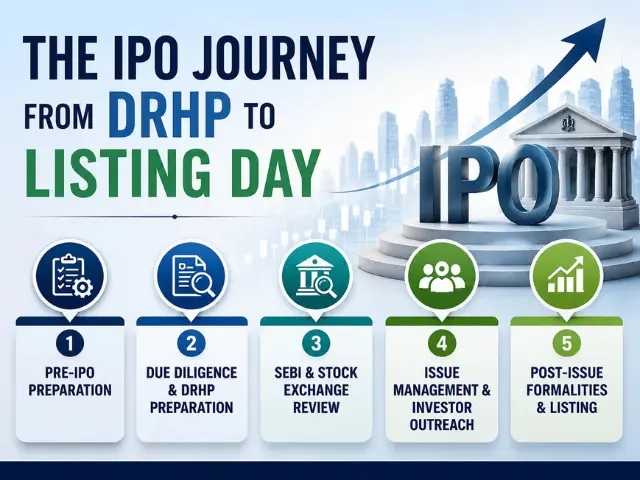



.avif)
.avif)

.avif)



START YOUR INVESTMENT JOURNEY
Get personalized advice from our experts
- Dedicated RM Support
- Smooth and Fast Trading App
