


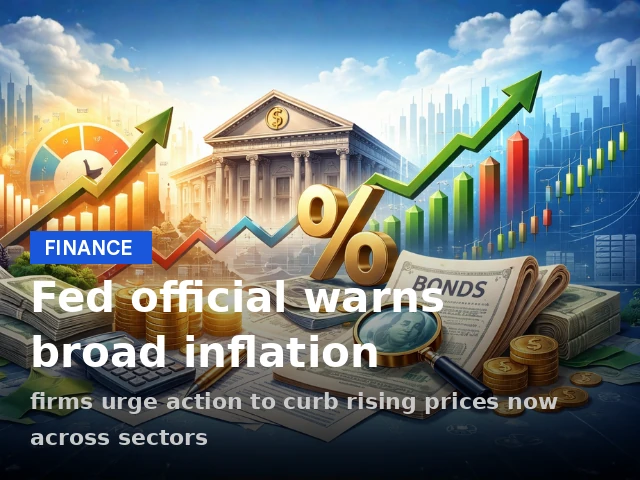
Federal Reserve Rate Hike And Indian Markets: A Retail Investor's Guide



Key Takeaways
- The federal reserve rate hike signals higher borrowing costs and broader market risk.
- Inflation remains persistent and broad-based, keeping policy action on the table.
- Indian retail investors should rebalance and prepare for volatility in stocks and currencies.
- Swastika's Sarthi AI stock assistant can guide stock analysis and risk management in this environment.
Across global markets, the federal reserve rate hike story has moved from forecast to frontline risk. Inflation remains stubborn and policymakers face pressure to act sooner rather than later. For Indian retail investors, this means rethinking exposure, hedges, and the way we read US policy signals that echo through currencies, bonds, and equities. In this guide, we break down what the US central bank's orientation means for India in 2026, and how to navigate this environment wisely.
The Federal Reserve Rate Hike And Its Ripple Effects On Global Markets
The federal reserve rate hike influences the price of money, risk assets, and capital flows across the globe. Recent data show consumer inflation in June at 3.5% and the Fed's longer-term target of 2% still not in reach – a reminder that the inflation backdrop remains an active constraint on policy. The Federal Open Market Committee is scheduled to meet on July 28-29, and markets will likely price for a hawkish tilt or a hold depending on data in the final two weeks before the decision. Indian equities, currency pairs, and government bonds often move on the back of these expectations, with rate-sensitive sectors bearing the brunt of early reaction and credit spreads reacting to the shift in risk sentiment.
Inflation appears to be arising from more than one source, which is one reason policymakers argue for a measured, deliberate approach to policy. The signal that inflation is broad-based adds a layer of urgency to the deliberations at the central bank and to the market's pricing of future policy moves. This is precisely why investors should ask: what does this mean for my portfolio right now?
According to Beth Hammack of the Federal Reserve Bank of Cleveland, 'Persistently high inflation is the bigger concern,' Cleveland Fed President Beth Hammack wrote in a social media post, in a signal that she could back higher interest rates at future policy meetings.
Reference :
1 : Economictimes
The call is clear: inflation is not fading at a pace that would justify an easy policy path anytime soon. The implication for global markets is that the policy rates may stay higher for longer, not just in the United States but across major economies with interconnected financial systems. This has two immediate consequences for Indian investors: currency volatility and higher domestic yields, which can alter the relative attractiveness of domestic equities versus international assets.
For those tracking the official policy stance, a tight monetary policy of us federal reserve remains a central theme. The path of the federal reserve rate outlook will likely reflect inflation data, growth signals, and the evolving assessment of labor markets. While some data streams have cooled, the overarching picture is that the Fed will not ease policy aggressively until inflation decisively retreats toward the 2% target.
Why Inflation's Broad-Based Nature Is Changing The Policy Debate
Inflation's sources are no longer confined to a single bottleneck; wage growth, energy prices, supply chain constraints, and consumer demand have all contributed. The result is a broad-based risk that complicates the policy calculus. As leaders highlight inflation as a multi-faceted problem, market participants should prepare for a trajectory in which rate increases are delivered in measured increments rather than a single, decisive move.
From the perspective of a retail investor, this means building resilience into your portfolio through diversification, hedging, and a disciplined approach to risk management. The horizon remains uncertain, but the patient investor who maintains a clear plan and uses data-driven decision-making will be better positioned to ride out volatility and capture long-run returns.
Market Signals You Should Watch
Keep an eye on the US economic data releases in the run-up to the July meeting. If inflation shows stubborn persistence and wage growth remains resilient, the probability of a higher-for-longer stance increases. Conversely, if incoming data shows a meaningful cooling in core inflation and a gradual softening in demand, the Fed could be more patient – but not necessarily dovish. In either case, the interplay between the Fed's policy and global risk appetite will shape flows into Indian assets, with the rupee and domestic yields responding to shifts in the outlook for the living costs of money.
For deeper stock research and a hands-on approach to stock selection in this environment, consult Swastika's Sarthi AI stock assistant, which can help you parse fundamentals, valuation, and risk across stocks and sectors.
Navigating A Tight Monetary Policy Of US Federal Reserve: Practical Steps For Indian Investors
With policy likely to stay restrictive in the near term, retail investors should consider pragmatic steps: 1) calibrate exposure to rate-sensitive sectors such as financials and consumer discretionary with a focus on quality balance sheets; 2) maintain liquidity to exploit opportunities during pullbacks; 3) consider currency hedges or domestic assets that offer inflation-adjusted returns; 4) diversify across large-cap and defensives that have resilient earnings and robust cash flow; 5) regularly rebalance and review your risk budget in light of shifting policy signals. Importantly, the policy path is not binary – there are intermediate outcomes where inflation cools gradually but remains above target for a period.
In managing risk, it helps to anchor decisions on clear mental models. For example, a hawkish tilt often means that higher yields in the US put pressure on global risk assets, while a stable or easing stance can relieve some cross-border stress and support risk-taking in equities. The right plan is one that adapts to data, not emotions, and that scales investment exposure as risk appetite changes.
India-Specific Implications: What Retail Investors Should Do Now
The domestic impact of a US policy shift comes through several channels: currency movements, liquidity in the bond market, and the relative valuations of equities. Indian policy remains aligned with domestic objective: controlling inflation without sacrificing growth and ensuring financial stability. For a retail investor, the practical takeaway is to prepare for higher volatility in both equity and debt markets and to maintain discipline in contribution to savings and investment plans. Given that inflation in the United States has cooled only modestly and is still above target, the path of interest rates could remain firm for longer than investors expect. This underscores the importance of a robust asset allocation strategy anchored by quality companies with durable earnings and strong balance sheets.
As always, Swastika's Sarthi AI stock assistant can help you with stock-level insights, but remember that all investment decisions should align with your risk tolerance and investment horizon. You can access Sarthi here: Swastika's Sarthi AI stock assistant.
Frequently Asked Questions
How does the federal reserve rate hike affect Indian retail investors?
A US rate hike typically pushes up global yields and strengthens the US dollar, which can lead to volatility in Indian equities and currency markets. Indian investors may see higher cost of funding, tighter financial conditions, and shifts in capital flows that influence both stock prices and debt yields.
When is the next federal reserve policy meeting and what might be announced?
The Federal Open Market Committee is scheduled to meet on July 28-29. Markets will be watching for any signal of a higher-for-longer stance on rates, or guidance suggesting policy could be held steady if inflation shows progress toward the 2% target.
Why is inflation described as broad-based and what does that imply for investors?
Broad-based inflation means price pressures come from multiple sources beyond a single bottleneck, making policy responses more cautious and ongoing. For investors, this implies a longer horizon to observe inflation trend changes and a need for robust risk management and diversification.
What should Indian retail investors do to manage risk in a tight monetary policy environment?
Focus on high-quality, cash-flow-rich stocks; maintain liquidity for flexibility; diversify across sectors; use hedging or currency strategies if appropriate; and leverage research tools like Swastika's Sarthi AI stock assistant to make informed stock-level decisions.
How could rising US policy rates affect Indian debt and equity markets?
Rising US rates can push up global yields and influence Indian debt valuations, potentially increasing currency volatility and pressuring equity valuations that are sensitive to global funding costs and risk sentiment.
Conclusion
For the retail investor in India, the federal reserve rate hike backdrop is not a distant US policy story but a live market signal that informs asset mix, timing, and risk controls. The current inflation narrative suggests that policy may stay restrictive for longer, keeping interest rates higher and currency volatility elevated. Your next step is to adopt a disciplined, data-driven approach: adjust exposure to rate-sensitive assets, preserve liquidity for opportunistic buys, and leverage tools like Sarthi to identify high-quality opportunities that fit your risk budget.
In short, the prudent path is to acknowledge the global linkage and build a plan that prioritizes risk management, robust diversification, and long-run resilience. Take a moment to review your portfolio, set a clear investment horizon, and use the available AI-assisted research tools to stay ahead–while always grounding decisions in your own risk comfort and financial goals.
Latest Articles
Federal Reserve Rate Hike And Indian Markets: A Retail Investor's Guide


Key Takeaways
- The federal reserve rate hike signals higher borrowing costs and broader market risk.
- Inflation remains persistent and broad-based, keeping policy action on the table.
- Indian retail investors should rebalance and prepare for volatility in stocks and currencies.
- Swastika's Sarthi AI stock assistant can guide stock analysis and risk management in this environment.
Across global markets, the federal reserve rate hike story has moved from forecast to frontline risk. Inflation remains stubborn and policymakers face pressure to act sooner rather than later. For Indian retail investors, this means rethinking exposure, hedges, and the way we read US policy signals that echo through currencies, bonds, and equities. In this guide, we break down what the US central bank's orientation means for India in 2026, and how to navigate this environment wisely.
The Federal Reserve Rate Hike And Its Ripple Effects On Global Markets
The federal reserve rate hike influences the price of money, risk assets, and capital flows across the globe. Recent data show consumer inflation in June at 3.5% and the Fed's longer-term target of 2% still not in reach – a reminder that the inflation backdrop remains an active constraint on policy. The Federal Open Market Committee is scheduled to meet on July 28-29, and markets will likely price for a hawkish tilt or a hold depending on data in the final two weeks before the decision. Indian equities, currency pairs, and government bonds often move on the back of these expectations, with rate-sensitive sectors bearing the brunt of early reaction and credit spreads reacting to the shift in risk sentiment.
Inflation appears to be arising from more than one source, which is one reason policymakers argue for a measured, deliberate approach to policy. The signal that inflation is broad-based adds a layer of urgency to the deliberations at the central bank and to the market's pricing of future policy moves. This is precisely why investors should ask: what does this mean for my portfolio right now?
According to Beth Hammack of the Federal Reserve Bank of Cleveland, 'Persistently high inflation is the bigger concern,' Cleveland Fed President Beth Hammack wrote in a social media post, in a signal that she could back higher interest rates at future policy meetings.
Reference :
1 : Economictimes
The call is clear: inflation is not fading at a pace that would justify an easy policy path anytime soon. The implication for global markets is that the policy rates may stay higher for longer, not just in the United States but across major economies with interconnected financial systems. This has two immediate consequences for Indian investors: currency volatility and higher domestic yields, which can alter the relative attractiveness of domestic equities versus international assets.
For those tracking the official policy stance, a tight monetary policy of us federal reserve remains a central theme. The path of the federal reserve rate outlook will likely reflect inflation data, growth signals, and the evolving assessment of labor markets. While some data streams have cooled, the overarching picture is that the Fed will not ease policy aggressively until inflation decisively retreats toward the 2% target.
Why Inflation's Broad-Based Nature Is Changing The Policy Debate
Inflation's sources are no longer confined to a single bottleneck; wage growth, energy prices, supply chain constraints, and consumer demand have all contributed. The result is a broad-based risk that complicates the policy calculus. As leaders highlight inflation as a multi-faceted problem, market participants should prepare for a trajectory in which rate increases are delivered in measured increments rather than a single, decisive move.
From the perspective of a retail investor, this means building resilience into your portfolio through diversification, hedging, and a disciplined approach to risk management. The horizon remains uncertain, but the patient investor who maintains a clear plan and uses data-driven decision-making will be better positioned to ride out volatility and capture long-run returns.
Market Signals You Should Watch
Keep an eye on the US economic data releases in the run-up to the July meeting. If inflation shows stubborn persistence and wage growth remains resilient, the probability of a higher-for-longer stance increases. Conversely, if incoming data shows a meaningful cooling in core inflation and a gradual softening in demand, the Fed could be more patient – but not necessarily dovish. In either case, the interplay between the Fed's policy and global risk appetite will shape flows into Indian assets, with the rupee and domestic yields responding to shifts in the outlook for the living costs of money.
For deeper stock research and a hands-on approach to stock selection in this environment, consult Swastika's Sarthi AI stock assistant, which can help you parse fundamentals, valuation, and risk across stocks and sectors.
Navigating A Tight Monetary Policy Of US Federal Reserve: Practical Steps For Indian Investors
With policy likely to stay restrictive in the near term, retail investors should consider pragmatic steps: 1) calibrate exposure to rate-sensitive sectors such as financials and consumer discretionary with a focus on quality balance sheets; 2) maintain liquidity to exploit opportunities during pullbacks; 3) consider currency hedges or domestic assets that offer inflation-adjusted returns; 4) diversify across large-cap and defensives that have resilient earnings and robust cash flow; 5) regularly rebalance and review your risk budget in light of shifting policy signals. Importantly, the policy path is not binary – there are intermediate outcomes where inflation cools gradually but remains above target for a period.
In managing risk, it helps to anchor decisions on clear mental models. For example, a hawkish tilt often means that higher yields in the US put pressure on global risk assets, while a stable or easing stance can relieve some cross-border stress and support risk-taking in equities. The right plan is one that adapts to data, not emotions, and that scales investment exposure as risk appetite changes.
India-Specific Implications: What Retail Investors Should Do Now
The domestic impact of a US policy shift comes through several channels: currency movements, liquidity in the bond market, and the relative valuations of equities. Indian policy remains aligned with domestic objective: controlling inflation without sacrificing growth and ensuring financial stability. For a retail investor, the practical takeaway is to prepare for higher volatility in both equity and debt markets and to maintain discipline in contribution to savings and investment plans. Given that inflation in the United States has cooled only modestly and is still above target, the path of interest rates could remain firm for longer than investors expect. This underscores the importance of a robust asset allocation strategy anchored by quality companies with durable earnings and strong balance sheets.
As always, Swastika's Sarthi AI stock assistant can help you with stock-level insights, but remember that all investment decisions should align with your risk tolerance and investment horizon. You can access Sarthi here: Swastika's Sarthi AI stock assistant.
Frequently Asked Questions
How does the federal reserve rate hike affect Indian retail investors?
A US rate hike typically pushes up global yields and strengthens the US dollar, which can lead to volatility in Indian equities and currency markets. Indian investors may see higher cost of funding, tighter financial conditions, and shifts in capital flows that influence both stock prices and debt yields.
When is the next federal reserve policy meeting and what might be announced?
The Federal Open Market Committee is scheduled to meet on July 28-29. Markets will be watching for any signal of a higher-for-longer stance on rates, or guidance suggesting policy could be held steady if inflation shows progress toward the 2% target.
Why is inflation described as broad-based and what does that imply for investors?
Broad-based inflation means price pressures come from multiple sources beyond a single bottleneck, making policy responses more cautious and ongoing. For investors, this implies a longer horizon to observe inflation trend changes and a need for robust risk management and diversification.
What should Indian retail investors do to manage risk in a tight monetary policy environment?
Focus on high-quality, cash-flow-rich stocks; maintain liquidity for flexibility; diversify across sectors; use hedging or currency strategies if appropriate; and leverage research tools like Swastika's Sarthi AI stock assistant to make informed stock-level decisions.
How could rising US policy rates affect Indian debt and equity markets?
Rising US rates can push up global yields and influence Indian debt valuations, potentially increasing currency volatility and pressuring equity valuations that are sensitive to global funding costs and risk sentiment.
Conclusion
For the retail investor in India, the federal reserve rate hike backdrop is not a distant US policy story but a live market signal that informs asset mix, timing, and risk controls. The current inflation narrative suggests that policy may stay restrictive for longer, keeping interest rates higher and currency volatility elevated. Your next step is to adopt a disciplined, data-driven approach: adjust exposure to rate-sensitive assets, preserve liquidity for opportunistic buys, and leverage tools like Sarthi to identify high-quality opportunities that fit your risk budget.
In short, the prudent path is to acknowledge the global linkage and build a plan that prioritizes risk management, robust diversification, and long-run resilience. Take a moment to review your portfolio, set a clear investment horizon, and use the available AI-assisted research tools to stay ahead–while always grounding decisions in your own risk comfort and financial goals.
RBI Scam Alert: Boss Scams And CEO Impersonation Tactics For Indian Retail Investors
Key Takeaways
- RBI scam alert highlights boss scams where CEOs are impersonated to trigger urgent payments.
- Attackers use ZIP archives containing .exe and .dll to hijack WhatsApp sessions and push transfers to mule accounts.
- Verify every urgent request via a direct voice call or in-person confirmation; block unknown executables and audit sessions.
- Follow RBI guidelines on cyber security and maintain robust payment controls to safeguard investments.
RBI scam alert: A rising threat where CEOs are impersonated to trigger urgent payments. The Indian Cyber Crime Coordination Centre (I4C) has flagged the Boss Scam as an emerging trend in cybercrime, with criminals posing as regulators such as the RBI or as senior executives to pressure finance teams into transferring funds. The advisory, issued on 22 Jun 2026 with PR No.: 40/2026, lays out a precise attack chain and a clear call for stronger verification. This RBI scam alert is not a distant threat; it is shaping how Indian firms and retail investors carry out financial operations in real time.
According to I4C, the initial contact usually arrives via email or WhatsApp and uses the veneer of regulatory urgency to trigger a decision rush. The message often claims a violation, a required security update, or an urgent account change; the clock ticks in minutes, not hours. The payload is hidden in a compressed .zip archive. Inside this archive sits a malicious executable (.exe) and a Dynamic Link Library (.dll) file. When the executive opens the archive and executes the files, a Trojan dropper establishes a foothold on the Windows endpoint and begins to steal session data–most critically the Web WhatsApp session tokens that keep the attacker connected to communications channels. With those tokens, the attacker can monitor ongoing conversations and insert themselves into critical decision moments.
As the attacker gains access, the fraudster contacts the accounts or finance teams with what looks like an authentic directive, often signed off by the CEO or another trusted executive. The instruction is to make an urgent payment to a specified mule bank account. In some variants, the attacker goes further by altering the device’s contact list, saving a fraudulent number under the CEO’s name, and using that line of communication to issue additional payments. Regulators emphasize that the rapid-fire nature of these messages is designed to bypass normal checks and balances–precisely why a robust verification ritual is non-negotiable for every business, regardless of size. The advisory also explicitly notes that finance departments should verify urgent financial transactions or account changes using direct voice calls or in-person confirmation, not just a WhatsApp text or email.
From a security operations perspective, the I4C report points to several concrete safeguards. First, do not install executables received from unknown or unverified sources. Regulators like the RBI will never push mandatory software updates or security fixes via WhatsApp attachments. Second, enforce strict software restriction policies (SRP) configurations to block the execution of unknown .exe and .dll files that originate from user profile directories. Third, regularly audit authorized devices in your mobile WhatsApp settings (Settings > Linked Devices) and proactively log out of Web WhatsApp sessions that are no longer actively monitored. Finally, ensure Windows endpoints run up-to-date security solutions that can detect and block malware.”
Retail investors should take the same careful approach when evaluating stock-related information that could be influenced by such social engineering. While the cautionary tale begins with a monetary transfer, the ripple effect can touch investment decisions, trading velocity, and risk management frameworks. In practice, this means maintaining a clear separation of duties for payment approvals, instituting two-person checks for high-value transfers, and ensuring that any urgent directive passes through a documented verification path that involves a real person on the other end of the line. For ongoing portfolio management, consider how cyber risk intersects with market risk, and build a mental model that combines people, process, and technology controls. If you’re looking to balance risk with opportunity in volatile markets, Swastika’s Swastika's Sarthi AI stock assistant can help synthesize stock-level research and risk signals into actionable insights while you stay compliant with the RBI scam alert framework.
RBI Scam Alert: How Boss Scams Operate In 2026
This section unpacks the attack chain described in the official advisory and shows where a retail investor or a company can slip into a trap if basic checks are missing. The chain begins with a convincing message–often a WhatsApp chat or email that mimics regulators or the CEO. The message asserts that there is a violation or an urgent security update required, and it demands a fast response. The payload arrives as a compressed .zip file. Inside the archive is a malicious executable (.exe) and a Dynamic Link Library (.dll) file. When opened, the malware creates a persistent presence on the Windows device and retrieves session tokens, especially the Web WhatsApp tokens, enabling the attacker to watch conversations in real time and push forward instructions to the finance team. The result is not just a system compromise; it is a call to action that produces real financial losses if acted on without proper verification.
The distortion grows when the attacker forwards the malicious message to the finance officer after gaining access to the CEO’s communications. The attacker uses authentic-looking channels and names, which makes it harder for employees to distinguish truth from fiction. In a few cases, the attacker has demonstrated the ability to modify the device’s contact list so that the attacker’s own number appears under the CEO’s name. In such scenarios, even a skeptical employee could be misled into approving a transfer. The core takeaway for investors is clear: the moment a request feels too urgent to verify or changes a familiar contact path, pause and follow your organization’s incident response playbook.
The official notes emphasize that these are not isolated incidents but part of a broader trend of CEO impersonation and regulator impersonation that can target both corporate accounts and smaller retail investment operations. While the immediate goal of the criminals is to move funds, the longer-term outcomes include reputational damage, regulatory scrutiny, and financial instability for the affected organization. Keeping this context in mind helps investors appreciate why risk management needs to extend beyond market data and into the security posture of the institutions behind the investments they buy or sell.
The Anatomy Of A CEO Impersonation Attack: From Email To Payment
Understanding the step-by-step progression helps you map your own defenses. The typical flow begins with an initial contact that mimics a regulator or CEO. The attacker may use a legitimate-looking email address, a WhatsApp message, or even a forged document that appears to be from an official regulatory body. The message asserts that there is a regulatory violation or an urgent security measure that requires immediate action. The time pressure is deliberate; it’s designed to trigger impulsive decisions rather than careful deliberation.
The next stage involves the delivery of a payload. A compressed .zip archive accompanies the message and contains a malicious executable (.exe) and a Dynamic Link Library (.dll) file. When the recipient opens the archive and launches the executable, a Trojan dropper installs on the Windows system, creating a foothold for the attacker. The malware may also extract Web WhatsApp session tokens, granting the intruder continued access to the organization’s messaging channels. This access enables the attacker to monitor conversations and craft messages that appear to come from the CEO, further lowering the guard of the accounts team.
With the attacker connected to the executive’s communications, the next step is to direct the accounts or treasury staff to transfer funds to mule bank accounts. In some variants, the attacker even modifies the device’s contact list to present a fraudulent number under the CEO’s name, which creates another layer of deception and makes it harder for employees to verify the authenticity of a payment instruction. The multi-faceted nature of the attack–technical compromise plus social engineering–explains why a single layer of defense is insufficient. A holistic approach that includes people, processes, and technology is essential to prevent material losses.
Red Flags And Verification Rituals: What Every Investor Should Do
Regulators repeatedly stress a two-step approach to urgent financial requests: verification and validation. The red flags that should trigger skepticism include timeliness, unusual channels, and changes to the standard payment routing or vendor contacts. Some common indicators include messages that demand immediate action, references to regulatory action, or instructions to update bank details on short notice. The presence of zipped payloads withExecutable files is a particularly dangerous sign, and employees should not interact with such attachments without a formal risk assessment.
Two core verification rituals are repeatedly recommended by the I4C advisory and RBI guidance alike. First, never act on an urgent request received via WhatsApp or email without a direct voice call to the sender on a known, trusted channel. The RBI scam alert emphasizes that legitimate regulators and corporate executives will never rely solely on text messages for critical decisions. Second, implement and enforce strict formal processes for any financial transaction. This includes a documented, multi-person approval workflow for high-risk payments, bank-account changes, and vendor onboarding. A consistent practice across the organization–especially for retail investment desks that handle funds from multiple clients–can dramatically reduce risk exposure.
In addition, there are technical safeguards that every company and individual should apply. Do not install executables from unknown or unverified sources; regulators will never push malware via messaging apps. Enforce software restriction policies to block execution of unknown .exe or .dll files that originate from user directories. Regularly audit and manage connected devices within WhatsApp (Settings > Linked Devices) and logout of Web sessions that are not actively monitored. Ensure endpoint security solutions are kept up to date to detect and block malware at the earliest stage. Finally, have a clear escalation path to report suspicious activity to the cybercrime helpline (1930) or the national portal at www.cybercrime.gov.in.
Preventive Measures: How To Build A Risk-Resilient Payment Process
For organizational risk governance, a layered approach is essential. Start with policy controls: define a strict separation of duties for high-value transfers, implement two-person approvals for payments above a defined threshold, and mandate out-of-band verification for any changes to banking details. For technology controls, deploy SRP configurations to block unknown executables and ensure that all endpoints run current security suites with endpoint detection and response (EDR) capabilities. Regular patch management and vulnerability scanning should be part of the standard operating procedure, not a quarterly or annual exercise.
From a governance perspective, create a formal incident response plan that activates when a potential boss scam is detected. This plan should include notification of the incident response team, immediate containment steps (such as isolating affected devices and revoking compromised login tokens), a forensic evidence collection protocol, and a post-incident review to identify lessons learned. For retail investors, maintain a separate, clearly defined procedure for approving broker requests, such as receiving confirmations through a phone number verified with a trusted source. A robust policy framework helps ensure that investments are not jeopardized by cyber-enabled social engineering.
RBI Guidelines On Cyber Security And The Investor's Playbook
In practice, the rbi guidelines on cyber security emphasize layered defenses, risk-aware culture, and clear incident response commitments. The guidance supports building a resilient financial ecosystem by encouraging institutions to implement strong access controls, regular security training, and rigorous vendor risk management. For individual investors, applying these principles means demanding transparency from brokers, using two-factor authentication, and following best practices for secure online activity. At the same time, invest for the long term with a mindset that technology-enabled risks can affect market outcomes as much as macro headlines do. It is also important to understand that some phrases you may encounter in informal channels–such as a 'reserve bank of india scam'–are not official guidance; cross-check information with credible regulatory sources to avoid confusion and misinformation.
Frequently Asked Questions
What is the Boss Scam described in the RBI scam alert?
The Boss Scam is a CEO impersonation fraud where criminals pose as regulators or senior executives to press finance teams into transferring funds to mule bank accounts. The attack chain typically begins with a convincing message, followed by a zipped payload that installs malware to hijack communications and steal session tokens.
What are common indicators of a boss scam attempt?
Urgent, time-bound requests that claim regulatory action; messages from regulators or executives via email/WhatsApp; attachments containing a .zip with .exe and .dll; requests to transfer funds quickly; sudden changes in contact numbers or call flow.
How can organizations prevent boss scams?
Enforce strict software restriction policies to block unknown .exe and .dll files; verify all urgent requests through direct calls to known numbers; audit and log Web and Linked Devices; ensure Windows endpoints have up-to-date security solutions; implement multi-factor authentication and two-person approvals for high-risk payments.
What should an investor do if they suspect a boss scam?
Do not act on the message; verify directly with the supposed sender; report the incident to 1930 or cybercrime.gov.in; collect all evidence and coordinate with your broker or IT security team for a forensic review.
Where can I learn more about RBI cyber security guidelines?
Consult the rbi guidelines on cyber security for policy controls, threat awareness, and incident response frameworks; be aware that terms like 'reserve bank of india scam' may appear in misinformation; always cross-check with official RBI or SEBI guidance.
Conclusion
The RBI scam alert is more than a warning about a single tactic; it’s a reminder that the modern financial system sits at the intersection of people, processes, and technology. Retail investors must respect that cyber-enabled social engineering can target any organization, regardless of size, and that a rapid response often masks underlying vulnerabilities. The most actionable insight is simple: verify, verify, verify. In practice, build a two-person approvals workflow for high-risk actions, insist on out-of-band verification for urgent requests, and maintain strong endpoint protections across all devices connected to your financial activities. By adopting these habits, you can reduce the likelihood of a successful boss scam and preserve the integrity of your investments.
Open your trading and demat account here
Reference :
1 : Thehindu

SBI Funds Management IPO: Record Bids Signal Revival In India’s Primary Market
Key Takeaways
- Bid value reached ₹3 trillion, about $31.14 billion, making SBI Funds Management IPO one of India's most subscribed issues by total bids.
- The institutional portion subscribed 140 times, while the retail portion was subscribed 3.6 times, and the SBI shareholder portion 9.5 times.
- The offer price stood at ₹574 per share, with anchor investors committing about $278.5 million.
- Trading is set to begin on July 21, 2026, and the asset manager reports ₹12.5 lakh crore in assets under management as of March 2026.
In a market that was waking from a subdued first half, the sbi funds management ipo drew intense interest from investors, with bids totaling ₹3 trillion and roughly $31.14 billion. The ₹9,000-crore initial public offering offered at ₹574 per share drew anchor commitments totaling about $278.5 million, with institutional investors accounting for the bulk of demand. The company is a joint venture between State Bank of India and Amundi, Europe’s largest asset manager, and it managed assets worth ₹12.5 lakh crore as of March 2026, positioning it as the country’s largest asset management company.
The listing is expected to begin trading on July 21, 2026. The IPO closed on Thursday, July 16, 2026, and the data shows the SBI Funds Management IPO emerged as the fourth-largest in India in terms of total bids, behind the public offerings of Reliance Power, LG Electronics India and Bajaj Housing Finance. The institutional portion subscribed 140 times; the retail portion was subscribed 3.6 times; and the portion reserved for State Bank of India shareholders was subscribed 9.5 times, underscoring breadth of interest across investor classes. Anchor investors included BlackRock and sovereign wealth funds based in Singapore, Abu Dhabi and Norway. The listing itself will be watched as a bellwether for post-offering market appetite, and the sbi funds management listing is a crucial test of investor confidence in a market-leading asset manager.
Asset managers across India are watching the SBI Funds Management IPO as a potential turning point for primary-market activity. After a relatively subdued first half for IPOs in 2026, the pipeline remains substantial, with 251 companies planning to raise ₹4.93 lakh crore, or about $51.7 billion, in the remainder of the year, according to PRIME Database. Analysts say the healthy demand here could support a brighter near-term IPO sentiment, though much will depend on macro factors and the ongoing liquidity environment. Large offerings from Reliance Jio and the National Stock Exchange are also expected before the year-end.
For investors tracking the day-one dynamics, the sbi funds management ipo date is July 16, 2026, with listing on July 21. The sbi funds management ipo price stood at ₹574 per share, a level that reflects investor appetite for a market-leading asset manager with an established distribution network. The sbi funds management listing will be watched closely as a bellwether for how retail and institutional investors respond to such large, well-capitalized financials. As with any listing, it is prudent to couple the IPO spectacle with fundamentals and a robust risk framework. Swastika's Sarthi AI stock assistant can help you test potential scenarios and compare with peers in real time.
Why The SBI Funds Management IPO Attracted Record Institutional Demand In India
The data tell the story. The institutional portion of the SBI Funds Management IPO was subscribed 140 times, with qualified institutional buyers driving much of that demand. This is in the context of a market where investors are placing capital with established players that have deep distribution networks and profitability metrics that stand out in a crowded asset-management space. The offering's anchor leg, including $278.5 million from anchor investors–among them BlackRock and sovereign wealth funds from Singapore, Abu Dhabi, and Norway–provides credibility and signals that the market expects long-term earnings growth from the combined SBI–Amundi venture. PRIME Database data position the SBI Funds Management listing as the country’s fourth-largest by total bid value, a notable signal that the primary market is reviving after a slow start to 2026.
Beyond the headline subscription, the successful demand is tied to SBI Funds Management's scale: assets under management of ₹12.5 lakh crore as of March 2026, a figure that underscores the competitive advantage a listed arm can bring to the bigger SBI–Amundi platform. The joint-venture structure also matters for access to India’s retail and institutional channels, enabling a broad reach across a distribution network that few peers can match. The market’s reaction to this IPO could offer a template for other large-cap asset managers considering public listing as a path to scale and liquidity for their investors.
SBI Funds Management IPO Price And Anchor Investor Participation: What Retail Investors Should Know
The SBI Funds Management IPO price is ₹574 per share, and the size of the offer was ₹9,000 crore. The anchor investor component–worth about $278.5 million–came from global institutions, including BlackRock, along with sovereign wealth funds based in Singapore, Abu Dhabi and Norway. For retail investors, the subscription dynamics were favorable: the retail portion was subscribed 3.6 times, while the portion for State Bank of India shareholders saw 9.5 times subscription. The institutional portion’s 140x subscription underscores a preference for established players with scale, profitability, and a robust distribution network that a listed SBI Funds Management business can offer.
For many retail investors, the question is how the price and anchor support translate into long-term value. While the listing price reflects supply-demand at the IPO window, long-term value will depend on the asset manager's ability to navigate market cycles, maintain fee margins, and deploy capital efficiently. Investors looking for deeper context can consult Swastika's Sarthi AI stock assistant to compare SBI Funds Management with peers, and to run scenario analyses using live inputs from the broader asset-management sector.
SBI Funds Management IPO Date And Listing Timeline
The sbi funds management ipo date was July 16, 2026, marking the close of the offer period. The actual listing and trading are expected to commence on July 21, 2026, providing a near-term test of investor appetite for one of India’s largest asset managers. The listing signals a move from the primary market to public trading and will give investors their first view of how the market-values a scaled asset-management platform joint-ventured with a global manager like Amundi. The broader implication is a read on whether the market will reward incumbents with strong networks and predictable earnings in a sector that benefits from rising assets under management and stable fee structures.
In 2026, the IPO activity has been uneven in the first half, but the pipeline remains substantial. The remaining year is expected to see large offerings in the space, including potential listings from other financial services champions. Large offerings from Reliance Jio and the National Stock Exchange are anticipated by year-end, which could help sustain liquidity and create a more vibrant IPO pipeline for retail investors. If you are planning to participate, be mindful of the allocation dynamics and the price discovery process that prices in growth and credible earnings potential into the listing price.
IPO Pipeline And Market Outlook For Retail Investors In 2026
Looking ahead, PRIME Database indicates 251 companies plan to raise ₹4.93 lakh crore, or about $51.7 billion, in 2026. This pipeline suggests a substantial revival in the Indian IPO market after a slower first half, with a robust mix of large cap and mid-cap listings that could attract both anchor and retail participation. Analysts say the SBI Funds Management IPO’s strong subscription suggests investors are willing to commit fresh capital to established businesses with proven profitability and distribution networks, even as macro factors and liquidity conditions continue to influence pricing and demand. The year’s second half could see a burst of activity, including large offerings from Reliance Jio and the NSE, potentially restoring momentum to the primary market.
Frequently Asked Questions
What was the total bid value for the SBI Funds Management IPO?
Bids worth ₹3 trillion (about $31.14 billion) were received, according to PRIME Database data.
What was the offer price and IPO size for SBI Funds Management IPO?
Offer price ₹574 per share; ₹9,000 crore IPO size.
How did institutional and retail demand compare for the SBI Funds Management IPO?
Institutional portion subscribed 140 times; retail portion 3.6 times; SBI shareholders portion 9.5 times.
When will the SBI Funds Management listing start trading?
Trading is expected to begin on July 21, 2026.
What does the SBI Funds Management IPO indicate about India's IPO pipeline?
The strong subscription indicates renewed investor confidence and a robust pipeline of 251 companies planning ₹4.93 lakh crore in 2026, with ongoing interest in large offerings from Reliance Jio and the NSE.
Conclusion
For retail investors, the SBI Funds Management IPO represents more than a one-off listing. It signals that the market is once again willing to reward asset managers with scale, a proven distribution network, and credible profitability prospects. The strong institutional demand – 140x for the institutional portion – and retail interest – 3.6x – indicate that investors are prioritizing quality franchises with the potential to generate durable earnings growth. The listing date on July 21, 2026, will be a crucial moment for market sentiment as investors assess how well the business translates growth opportunities into valuation and returns.
Open your trading and demat account here
Reference :
1 : 5Paisa

Google A Stock Price And The Alphabet Playbook For Indian Retail Investors
Key Takeaways
- google a stock price moves with Alphabet's core ad revenue, cloud growth, and AI updates.
- A clear google stock price chart reveals trends when you watch price levels and volume.
- GOOG vs GOOGL differences affect your choice of default share class.
- Swastika's Sarthi AI stock assistant offers institutional level insights to retail investors.
In Alphabet's universe, where AI breakthroughs and regulatory headlines collide with daily trading, retail investors in India are increasingly asking a sharp question: is the moment to watch google a stock price, or to focus on the underlying drivers? The answer is not a single price tag, but a vocabulary of signals–signal strength from ad revenue, momentum in cloud services, and the evolving risk landscape of a global tech giant. If you only track the number on the screen, you miss the story of future cash flows and competitive positioning that actually drives the long arc of Alphabet stock.
This article blends a geo-aware view of capital flows with practical steps for Indian investors. We’ll ground the discussion in how to read the google a stock price in context, how to interpret the google stock price chart for momentum shifts, and how to map catalysts–advertising cycles, cloud adoption, AI product updates, and regulatory developments–that shape google stock price history. The goal is to move beyond a raw quote and toward a framework that helps you decide when to observe, wait, or act.
How To Read Google A Stock Price And What It Signals For Indian Retail Investors
Understanding the google a stock price is not just about a single daily move. Start with the price chart–the google stock price chart often encodes momentum through patterns, trendlines, and volume spikes. Look for confirmations from the volume bar alongside price breakouts or pullbacks. If the chart shows higher closes on rising volumes, it suggests buyer interest; if price rises with anemic volume, it could be a sign of fading momentum. In practical terms, use simple moving averages to smooth the noise and spot crossovers that historically precede intermediate trend shifts. The goal is to connect the dots between price action and the underlying business narrative–advertising strength, product updates, and margins expected to expand with AI-enabled services.
From a retail investor’s lens, the google share price reflects both Alphabet’s scale and macro risk appetite. In markets where risk-off sentiment increases, high-visibility names with global earnings, like Alphabet, can exhibit both resilience and vulnerability to macro headlines. If you follow the google stock price history, you’ll notice episodes where broader market cycles trump company-specific news, as well as episodes where company-specific catalysts (ads revenue growth, new cloud offerings, or AI features) can push the price higher even as broader indices wobble. Keep an eye on the narrative: is the price rising on improving fundamentals, or is it merely catching a broader tech rally?
Key Drivers Behind Google A Stock Price Movements
Alphabet’s revenue mix is the backbone of the google a stock price narrative. Ad revenue remains the dominant driver, but cloud growth and AI-related product momentum increasingly influence investor sentiment. When investors gauge Alphabet’s long‑term earnings trajectory, they weigh: how quickly Google Cloud scales, how AI-enabled products improve monetization, and how competitive pressure from peers evolves. All of these factors creep into the google stock price chart as gradual shifts rather than one-off spikes.
Regulatory developments in major markets also leave an imprint on google a stock price. Antitrust scrutiny, privacy considerations, and regulatory approvals for large-scale AI systems can influence risk premia and cost structures. For Indian retail investors, this means tracking not just quarterly results, but also the global policy backdrop that could course-correct the valuation narrative. In this context, the google stock price history becomes a reflection of both corporate performance and the evolving regulatory environment that governs how Alphabet monetizes its ecosystem.
Market moves can also reflect shifts in capital flows to tech behemoths. The geographic exposure of Alphabet’s revenue makes the google share price sensitive to global economic conditions, currency dynamics, and cross-border capital movements. When global investors rotate toward tech, Alphabet often benefits; conversely, uncertainty or a tilt toward risk-free assets can compress these valuations. The art for a retail investor is to watch for catalysts that align with your risk tolerance: sustained earnings visibility, disciplined cost management, and durable AI-driven product traction that supports recurring revenue streams.
GOOG Vs GOOGL: Understanding The Price Difference For Retail Investors
The two main share classes–GOOG and GOOGL–exist for governance reasons and can exhibit small price differentials. For many Indian investors, the choice between GOOG price and GOOG price comes down to voting rights and liquidity preferences rather than a stark difference in the core business. In practical terms, keeping an eye on the google stock price goog can help you contextualize how demand for voting rights (GOOGL) versus non-voting shares (GOOG) trades in the market. While the underlying business remains the same, the preference of institutional investors and large traders can sometimes drive minor price dislocations between the classes. Over longer horizons, these gaps tend to narrow, but they can provide tactical entry or exit opportunities for nimble traders who monitor the google stock history across share classes.
For ordinary investors, the key takeaway is to be clear about what you own and why. If you are pursuing a long-term, wealth-building plan, the choice between GOOG and GOOGL might be secondary to the quality of Alphabet’s earnings trajectory and the sustainability of its AI-enabled growth engines. If you are trading more actively, the tiny price differentials can be exploited with careful risk controls and a disciplined framework for position sizing, stop placement, and exit timing.
Google Stock News And What It Means For Your Portfolio
News cycles around google stock news often swing around product announcements, regulatory updates, and quarterly results. Each news event can act as a catalyst that nudges the google a stock price in the near term, even if the longer-term thesis remains intact. The important discipline for Indian investors is to anchor news-driven moves in your investment framework–do you view the move as a temporary impulse or as a material shift in Alphabet’s longer-term growth catalysts? Distinguishing between noise and signal becomes easier when you map news headlines to the company’s fundamental levers: ad revenue growth, cloud momentum, AI deployment, and margin resilience.
When you encounter major headlines, avoid knee-jerk reactions. Instead, compare the immediate price reaction with what you expect from Alphabet’s guidance and the trajectory of its major revenue streams. If the google stock price reacts positively to AI updates but the underlying earnings growth decelerates, the reaction might be unsustainable. Conversely, positive earnings revisions paired with AI-enabled monetization could validate a more durable ascent. That disciplined approach helps you stay focused on the long arc while navigating shorter-term volatility.
A Practical Entry And Exit Framework For Alphabet Stock
For Indian retail investors, a simple framework can make the Alphabet exposure more predictable. Start with a clear time horizon aligned with your risk appetite. Consider a core allocation to Alphabet as a part of a diversified tech exposure, and use a plan for systematic entry (such as monthly or quarterly installments) to smooth through volatility. A dollar-cost averaging approach helps you participate in the google a stock price journey without single‑point timing risk. Pair this with a defined exit rule–such as a trailing stop or a target return band–to protect capital if the chart shows a loss of momentum or a deterioration in fundamentals.
In practice, use the google stock price chart to confirm momentum before adding to or trimming a position. If the price clears a key resistance on strong volume, it could be a signal to scale in. If it retreats from a recent high on heavy selling, you might slow your pace or take partial profits. Remember, risk management is not about predicting the next move with perfect accuracy; it’s about staying within a plan that recognizes volatility as a feature of investing in large, global tech platforms with wide revenue bases.
As you refine your approach, consider augmenting your research with an AI-driven stock assistant that can synthesize market signals, earnings signals, and company-specific updates. Swastika's Sarthi AI stock assistant can help you surface institutional-level research on Alphabet and its AI‑led product strategies, giving you a more informed basis for decisions in google a stock price movements. A thoughtful combination of systematic investing, risk controls, and AI-backed research can help you build a more resilient exposure to Alphabet over time.
Related Reads
- Google A Stock Price: A Retail Investor's Deep Dive Into Alphabet Stock
- Google A Stock Price: What Indian Retail Investors Must Know To Navigate The Move
Frequently Asked Questions
What factors drive google a stock price movements for Alphabet?
Google a stock price movements are driven by Alphabet's earnings from ads, cloud growth, AI product momentum, and the regulatory environment across major markets. Global capital flows and macro sentiment also influence the near-term moves.
Where can I view the google stock price chart and what should I look for?
You can view the google stock price chart on major financial platforms and exchanges. Look for trend direction, resistance and support levels, volume spikes, and moving-average crossovers to gauge momentum and potential turning points.
What is the difference between GOOG and GOOGL and how does it affect price?
GOOG and GOOGL are two share classes of Alphabet. GOOG typically represents non-voting Class C shares, while GOOGL represents voting shares. The price difference between them can reflect demand for governance rights and liquidity, though the underlying business remains the same.
Is Alphabet a good investment for Indian retail investors?
Alphabet can be a strong long-term exposure due to its dominant position in ads, growing cloud business, and AI initiatives. However, investors should assess individual risk tolerance, valuation, and exposure to global macro risks before committing, and consider diversification rather than concentration in a single name.
How can Swastika's Sarthi AI stock assistant help with google stock price analysis?
Swastika's Sarthi AI stock assistant provides institutional-level stock research and insights that can help you interpret Alphabet's earnings signals, product roadmaps, and risk factors, supporting more informed decisions around google a stock price movements.
Conclusion
For the Indian retail investor, the key takeaway about google a stock price is not to chase every tick but to understand how Alphabet’s engines–advertising, cloud, and AI–shape a durable growth narrative. As price moves reflect both business momentum and macro risk appetite, a disciplined framework that blends chart reading with fundamental checks can steadily grow your exposure while keeping risk in check. The next step is to build a simple plan: define your horizon, set a core allocation, and use a research ally to sanity-check each decision.
In a world where market signals and product momentum can diverge in the short term, having a trusted tool to analyze Alphabet’s trajectory matters. Consider also integrating a structured stock research partner into your process. Swapping knee-jerk reactions for a repeatable framework gives you a more confident path through google stock price movements and helps you convert volatility into opportunity, not fear.
Open your trading and demat account here
Reference :
1 : Google

Manipal Hospitals IPO: Valuation, Offer Structure, And What It Means For Retail Investors
Key Takeaways
- Manipal Hospitals IPO could be valued around ₹80,000 crore (~$8.3 billion) with a potential ₹11,000 crore fundraise.
- It combines a fresh issue of ₹8,000 crore and OFS up to 4.323 crore shares by existing investors, including TPG Inc.
- If launched in the week of July 27, it would be the largest public issue in 2026 so far.
- Proceeds are earmarked for debt repayment, capital expenditure, and expansion, with Temasek as a backer and a slate of banks advising.
Is the manipal hospitals ipo story a barometer for Indian IPOs in 2026? The planned listing targets a valuation around ₹80,000 crore (approximately $8.3 billion) and a total fundraise of up to ₹11,000 crore, comprising a fresh issue of ₹8,000 crore and an offer for sale of up to 4.323 crore shares by existing investors, including TPG Inc. If launched in the week starting July 27, it could become the largest public issue of 2026 so far, outpacing SBI Funds Management's roughly $1 billion IPO. The proceeds are slated for debt repayment, capital expenditure, and expansion, with Temasek as a backer and a consortium of global banks advising.
For deeper stock-level research, Swastika's Sarthi AI stock assistant can help you analyze the Manipal Hospitals IPO and other healthcare plays.
Manipal Hospitals IPO Key Details At A Glance
The following at-a-glance snapshot summarizes the core numbers behind the Manipal Hospitals IPO as announced in the draft prospectus.
| Metric | Details |
|---|---|
| Valuation | ₹80,000 crore (~$8.3 billion) |
| Fresh Issue | ₹8,000 crore |
| Offer For Sale (OFS) | Up to 4.323 crore shares by existing investors |
| Total Fundraise | Up to ₹11,000 crore |
| Launch Window | Week beginning July 27 |
| Proceeds Use | Debt repayment, capital expenditure, expansion |
| Backers | Temasek Holdings |
| Lead Banks | Kotak Mahindra Capital, Axis Capital, Goldman Sachs (India), JPMorgan, Jefferies, UBS, DBS Bank |
If completed as planned, this IPO would be India’s largest public issue of 2026 so far, surpassing SBI Funds Management’s approximately $1 billion IPO.
Investors will assess the valuation against the proposed use of IPO proceeds and the management’s debt-reduction and expansion plans. The market environment remains cautious for large offerings, with global volatility shaping investor appetite.
Manipal Hospitals IPO Valuation: Why ₹80,000 Crore Benchmark Matters
The ₹80,000 crore valuation anchors market expectations, situating the Manipal Hospitals IPO within a framework of substantial growth potential and significant debt reduction needs. This benchmark sits below the earlier $10-12 billion range discussed in April, reflecting a more conservative stance amid market volatility. Retail investors should weigh the debt repayment and expansion roadmap against the valuation, considering how future earnings could translate into long-term value.
In multi-year terms, the valuation will be tested by execution of expansion plans, the pace of debt reduction, and the sustainability of margins as the hospital network scales across geographies.
Manipal Hospitals IPO Offer Structure: Fresh Issue, OFS, And The 11,000 Crore Target
The offering comprises a fresh issue of ₹8,000 crore and an offer for sale of up to 4.323 crore shares by existing investors, including TPG Inc., with a total potential fundraise of up to ₹11,000 crore. The fresh issue proceeds are earmarked for debt repayment, capital expenditure, and expansion, signaling a focus on strengthening the balance sheet and scaling operations across markets. OFS participation can influence post-listing price action as the share supply dynamic shifts once liquidity begins.
Retail investors should consider allocation dynamics, lock-in considerations, and pricing discipline as the deal progresses toward an official filing and eventual listing.
Manipal Hospitals IPO Backers And Banks Guiding The Listing
The project is backed by Temasek Holdings, a key strategic investor with a global portfolio. The IPO journey is guided by a cadre of banks, including Kotak Mahindra Capital, Axis Capital, Goldman Sachs’ Indian operations, JPMorgan, Jefferies, UBS and DBS Bank. This network signals strong execution capabilities but also underscores the depth of capital markets involvement required for a large-scale issue. The collaboration suggests robust due diligence and pricing discipline, which retail investors should monitor as the process unfolds.
For readers evaluating this opportunity, the bank syndicate implies thorough roadshows and demand assessments before final pricing.
Market Conditions And Risks Surrounding The Manipal Hospitals IPO
The market environment has become more cautious for large public offerings, with volatility in global financial markets influencing investor appetite. If the Manipal Hospitals IPO proceeds as planned, it would be India’s largest public issue of 2026 so far, surpassing SBI Funds Management’s roughly $1 billion IPO. Investors should factor in the macro backdrop and sector-specific fundamentals when evaluating potential returns. Risk factors include debt levels, execution risks related to expansion, regulatory dynamics, and potential post-listing price volatility driven by demand-supply shifts.
In addition, investors should track the possibility of changes in debt obligations or capex commitments as the listing approaches, since any deviation from the stated plan could influence valuations and post-listing performance.
What The Listing Could Mean For Retail Investors: Stock Price Outlook And Risks
Once listed, the manipal hospitals share price will become a new reference in the market and investors will scrutinize how the manipal hospitals stock translates the valuation into returns. Watch for developments in the manipal hospitals stock trajectory post-listing and correlate them with debt reduction, expansion milestones, and quarterly earnings growth. The health care chain’s public debut could offer exposure to hospital asset growth but also carries execution and market risk.
To aid decision-making, consider Swastika's Sarthi AI stock assistant as part of a disciplined research process.
Frequently Asked Questions
What valuation is expected for the Manipal Hospitals IPO?
The proposed valuation is around ₹80,000 crore, or about $8.3 billion.
What is the offer structure of the Manipal Hospitals IPO?
The offering includes a fresh issue of ₹8,000 crore and an offer for sale of up to 4.323 crore shares by existing investors, with total raise up to ₹11,000 crore.
Who backs and advises the Manipal Hospitals IPO?
Backers include Temasek Holdings, with banks Kotak Mahindra Capital, Axis Capital, Goldman Sachs Indian operations, JPMorgan, Jefferies, UBS and DBS Bank advising.
When is the launch window for the Manipal Hospitals IPO and how does it compare to 2026 IPOs?
The launch is expected in the week starting July 27, and could be the largest public issue of 2026 so far, surpassing SBI Funds Management's approximate $1 billion IPO.
What will the IPO proceeds be used for?
Proceeds from the fresh issue are planned for debt repayment, capital expenditure, and expansion.
Conclusion
Retail investors should weigh valuation, use of IPO proceeds, and market conditions before committing capital to the Manipal Hospitals IPO. Build a watchlist, assess risk tolerance, and consider how this listing fits your healthcare exposure and long-term goals. For deeper research, consult Swastika's Sarthi AI stock assistant and align the opportunity with your broader investment thesis.
The conclusion is a practical mental model: treat this as a high-scale growth assessment rather than a simple price move, validate assumptions with the company’s expansion plan and debt trajectory, and adjust expectations as new filings and demand data emerge.
Open your trading and demat account here
Reference :
1 : 5Paisa
Google A Stock Price: What Indian Retail Investors Must Know To Navigate The Move
Key Takeaways
- google a stock price moves with Alphabet's fundamentals and global tech demand.
- Key drivers include ad revenue trends, cloud growth, and market sentiment.
- Indian investors should watch price action and risk signals, not headlines alone.
- A structured approach and tools like Swastika's Sarthi AI stock assistant can help interpret signals and manage risk.
When the google a stock price moves sharply, it doesn't just signal a tech giant's performance–it sets the tone for risk appetite across global markets, including Indian portfolios. A two percent intraday swing in Alphabet's price can shift investment sentiment for retail traders, affecting everything from small-cap tech bets to broader tech indices. The question is not simply where the price stands today, but what drives the move and how you can respond with discipline rather than reflex. This guide decodes the current terrain, explains how to read the data, and offers practical steps for navigating Alphabet's price action with clarity.
Google A Stock Price: The Anatomy Of A Global Tech Move
Alphabet's stock price is a fusion of company fundamentals and market temperament. In the near term, macro signals such as consumer demand, interest rates, and global risk appetite push the price up or down. In the medium term, Alphabet's earnings trajectory, product momentum, and margin discipline anchor the baseline. The google earnings report reveals that ad revenue remains a core driver while cloud growth continues to accelerate, providing a backbone for the google stock forecast. For Indian investors, the crucial takeaway is that a single quarter's headline can be eclipsed by longer-term secular trends. Looking beyond the headline can help you separate signal from noise.
Stakes are high because Alphabet's stock price also reflects investor expectations about AI, search monetization, and the breadth of its cloud platform. When these engines hum, markets tend to assign higher multiples; when margins compress or regulatory concerns escalate, multiples compress. The google quarterly results provide a window into these dynamics. It is essential to track both the headline numbers and the qualitative commentary on product strategy, competitive landscape, and capital allocation. In practice, a patient investor uses price action to confirm or question the underlying narrative, rather than chasing every move.
Key Drivers Behind Alphabet's Stock Price Movement
There are several drivers that commonly move Alphabet's stock price, and understanding them helps Indian retail investors form a plan. First, advertising revenue: online ad demand tends to drive a large portion of Alphabet's top line, so a sharp rebound or slowdown in ad spend can push the google share price higher or lower. Second, cloud growth: Google Cloud's revenue growth and profitability are a critical source of multiple expansion, particularly as enterprises accelerate digital transformation. Third, product momentum, including YouTube and other apps, can support engagement metrics and monetization. Fourth, AI investments and product integration can catalyze upgrades in the stock price as investors anticipate long-term operating leverage. Fifth, regulatory and antitrust developments can dampen sentiment and lead to volatility in the google stock forecast. Finally, macro factors such as currency movements, global risk sentiment, and interest rate expectations can add to day-to-day volatility. For Indian portfolios that have significant foreign exposure, currency translation can accentuate or dampen the impact of Alphabet's reported numbers. In short, the google stock price is a function of both company-specific performance and global risk-on/off signals.
In addition to the two anchor drivers (ad revenue and cloud growth), the market's perception of Alphabet's AI strategy and its execution timeline can influence the google share price chart. The price tends to reflect not only current earnings but also expectations about the pace of future growth, which is shaped by management commentary and investor guidance. For retail investors, keeping track of management commentary in earnings calls and investor presentations can provide context for price moves that might otherwise seem random.
Reading The Google Share Price Chart: Signals That Matter
For Indian investors, the google share price chart offers a window into momentum and trend strength. Focus on price patterns in relation to moving averages (for example, the 50-day and 200-day lines) and on whether price action is making higher highs with higher volumes. A breakout above a well-defined resistance with above-average volume can signal continuation, while a test of support near a long-term moving average may hint at a bounce. Volume spikes around earnings and guidance can confirm the strength of the move or warn of a reversal. It is essential to avoid reading a single day's move in isolation; instead, compare it with the longer-run trend to gauge conviction. Reading this chart is not about predicting every tick; it's about constructing a probabilistic view of risk and opportunity, and then testing that view with disciplined risk controls.
To stay disciplined, track a few core levels: short-term momentum signals, intermediate-term trend direction, and the price's relationship to a stable support zone. You can also overlay the google share price chart with relevant financial indicators such as RSI or MACD to identify momentum shifts. The takeaway for retail investors is simple: use chart signals to inform risk management decisions–entry, exit, and position sizing–rather than to trigger impulsive bets. And if you want real-time, data-driven interpretation without hours of manual chart-watching, Swastika's Sarthi AI stock assistant can provide a consolidated view of Alphabet's earnings trajectory and its implications for your portfolio.
For further context, consider the practical steps you can take today: define your risk limit per position, prioritize a diversified exposure across tech names, and stage entries with clear triggers tied to price and volume. Swastika's Sarthi AI stock assistant can help you synthesize signals and generate a data-informed view without sacrificing your time or emotional control.
Google Earnings Report And Google Quarterly Results: What To Watch
The google earnings report is the primary event that sets the tone for Alphabet's stock price in the near term. Investors watch not only revenue growth, but also profit margins, operating leverage, and guidance for the next quarter and year. In recent google quarterly results, investors parsed improvements in cloud profitability, efficiency gains, and comments on AI-driven monetization. The market's reaction to these numbers will influence the google stock forecast and the stock price for days to weeks ahead. For Indian investors, it's important to translate these US market signals into a framework for risk management and diversification, especially given currency movements and cross-asset correlations.
Portfolio Implications For Indian Retail Investors And A Practical Roadmap
Practical portfolio construction around google a stock price involves balancing exposure to US tech with prudent risk controls. Start with a core exposure to technology themes that align with your risk tolerance, but avoid concentrated bets on any single name. In practice, this means combining quality selective positions with broad-based tech or index exposure to dampen idiosyncratic risk. A structured approach–define maximum drawdown tolerance, set position limits, and adopt a disciplined rebalancing cadence–helps you weather drawdowns without panicking. Currency dynamics can amplify or dampen the INRUSD translation of Alphabet’s dollar-denominated results, so your plan should account for FX risk as part of the overall risk budget. A common rule of thumb is to allocate a fixed percentage of the portfolio to high-growth tech names, complemented by defensive holdings that can endure volatility. In the current environment, a measured, evidence-based approach tends to outperform reactive trading.
For retail investors seeking a practical path forward, the following steps can help: (1) establish a documented entry and exit plan associated with Alphabet's price levels, (2) maintain a diversified tech exposure rather than a single-name bet, (3) use trailing stops to manage downside risk while allowing upside capture, and (4) leverage robust research tools and AI-driven insights to support decision-making. As you implement these steps, consider using Swastika's Sarthi AI stock assistant to obtain an institutional-grade view of Alphabet's earnings trajectory and its implications for your portfolio. Remember, the goal is not to predict every move but to position your portfolio to benefit from favorable trends while staying protected against adverse outcomes.
Related Reads
Frequently Asked Questions
What does the google a stock price movement indicate for Indian retail investors?
The google a stock price movement indicates a blend of Alphabet's fundamentals and global tech demand. For Indian retail investors, it signals shifts in risk appetite and potential portfolio impact, requiring a disciplined approach to risk management and diversification.
How should I read the Google share price chart to assess momentum?
Focus on how price interacts with moving averages, resistance, and support levels, and look for higher volume on moves that confirm a breakout. Remember to compare short-term signals with the longer-term trend to avoid overreacting to a single day.
What are the main factors that influence Alphabet’s stock price in the near term?
Key factors include advertising revenue trends, Google Cloud growth and profitability, AI-driven monetization prospects, regulatory developments, and macro factors such as currency movements and global risk sentiment.
How can Indian retail investors use Alphabet’s earnings signals in their own portfolios?
Investors should focus on the quality and trajectory of revenue growth, operating margins, and guidance for the next quarters. Use these signals to calibrate exposure, diversify across tech names, and apply disciplined risk management rather than reacting to headlines.
Where can I find reliable google quarterly results and google earnings report?
Key sources include Alphabet’s official investor relations site and reputable financial data platforms; always verify against the company’s published documents for accuracy.
Conclusion
For Indian retail investors, the google a stock price movement is a reminder that global tech dynamics can ripple across borders in a hurry. The prudent path is to maintain a disciplined process: watch the fundamentals behind Alphabet's earnings, interpret price action through the lens of risk management, and keep your portfolio aligned with your risk tolerance and goals. By focusing on a structured approach–balanced exposure, clear entry/exit rules, and regular review–you can turn volatility into opportunity rather than fear. The next step is to test your framework with a simple, repeatable routine that can be executed each earnings cycle rather than every day.
Open your trading and demat account here
Reference :
1 : Google
Big Budget


Popular Articles



.avif)
.avif)

.avif)



START YOUR INVESTMENT JOURNEY
Get personalized advice from our experts
- Dedicated RM Support
- Smooth and Fast Trading App
