


Reliance Industries Share Price Outlook After Q1 FY27: O2C, Digital Services, And Retail Dynamics



Key Takeaways
- Consolidated net profit for Q1 FY27 was ₹20,946 crore, with revenue from operations at ₹3.12 trillion.
- YoY profit declined 22.3%, while total income rose 19.9% to ₹3.16 trillion.
- O2C revenue reached ₹2.02 trillion and EBITDA ₹17,010 crore; Digital Services revenue ₹46,900 crore and EBITDA ₹21,255 crore.
- Shares closed at ₹1,328.80 on NSE; intraday gain of ₹32.20 (2.48%), with one-off items noted for comparatives.
Investors and retail traders are watching the reliance industries share price as Reliance Industries reports Q1 FY27 results – a quarter with growth on the top line but profit compression. Consolidated net profit attributable to shareholders stood at ₹20,946 crore for the June quarter, a year-on-year decline of 22.3%, while revenue from operations rose 25.4% year-on-year to ₹3.12 trillion. Total income was ₹3.16 trillion, up 19.9% over the same period last year, underscoring the strength of the O2C and Digital Services segments even as Retail moderated margins. The stock context was constructive, with shares closing at ₹1,328.80 on NSE, up ₹32.20 and 2.48% from the previous session. For investors tracking reliance industries share price, these results reveal an important mix of growth engines and margin dynamics that could shape the stock’s near-term path.
Reliance Industries Share Price And Q1 FY27 Performance Overview
The headline numbers narrate a story of growth with some profit compression. Consolidated net profit attributable to shareholders stood at ₹20,946 crore for Q1 FY27, a year-on-year decline of 22.3%. Revenue from operations rose to ₹3.12 trillion, up 25.4% year-on-year, while total income reached ₹3.16 trillion, a rise of 19.9% YoY. The company reported other income of ₹4,447 crore, which declined 70.6% year-on-year, reflecting a high base from the year-ago period that included ₹8,924 crore from sale of listed investments. EBITDA stood at ₹51,403 crore, up 9.9% YoY, with sequential EBITDA rising 6.2% to ₹48,423 crore. These numbers set the stage for a deeper look into segment performance and margin dynamics across the portfolio.
Segment highlights reveal the drivers behind the top line. O2C revenue was ₹2.02 trillion, up 30.4% YoY, and O2C EBITDA was ₹17,010 crore, up 17.2% YoY. Oil and gas revenue stood at ₹6,298 crore with EBITDA of ₹4,973 crore, marking a modest YoY improvement. Digital Services delivered revenue of ₹46,900 crore and EBITDA of ₹21,255 crore, with YoY revenue growth of 11.8% and EBITDA growth of 16.1%. The Retail segment contributed ₹90,409 crore in revenue, up 7.4% YoY, but Retail EBITDA softened to ₹6,309 crore, a decline of 1.1% from the prior year. Revenue from other businesses totaled ₹31,204 crore with EBITDA of ₹1,856 crore. Profit before tax stood at ₹30,630 crore, while PAT and its share of profits from associates and JVs were ₹23,196 crore, down 24.6% YoY in the associate/JV component. Non-controlling interests were ₹3,195 crore, and diluted earnings per share came in at ₹15.48.
On the cost side, total expenses were ₹2.88 trillion, with finance costs of ₹8,337 crore and depreciation, depletion, and amortisation of ₹14,800 crore. A key note for comparatives remains that the year-ago quarter included ₹8,924 crore from the sale of listed investments, tied to gains from Asian Paints, which complicates direct YoY comparisons. The company’s results were announced after market hours, with segment highlights indicating that the O2C and Digital Services franchises are driving the bulk of growth while Retail remains a profitability watchpoint. The market’s takeaway is that the trajectory of O2C and Digital Services will be critical to the stock’s momentum in the near term.
From a market perspective, the close at ₹1,328.80 on NSE reflected a positive sentiment despite the YoY profit compression. The intraday rise of ₹32.20 (+2.48%) indicates that investors are valuing the quality of the top-line growth and the resilience of O2C and Digital Services even as the Retail margin environment remains a work-in-progress. The mix of strong revenue growth with a softer profit base may influence near-term trading levels and the perception of the reliance industries share price among retail participants.
To understand the longer-term implications, it helps to map the segment contributions against margins. O2C remains the main revenue engine, contributing ₹2.02 trillion in revenue with robust EBITDA momentum, while Digital Services continues to post double-digit revenue growth and high EBITDA, underscoring the company’s successful pivot toward high-margin digital offerings. Retail, meanwhile, supports scale and customer reach but faces margin headwinds that could constrain earnings unless operating efficiency improves or product mix shifts favorably. The quarterly mix suggests that a positive trajectory for the reliance industries share price will hinge on sustaining O2C growth and improving Retail profitability, especially given the high weight of Retail in the total revenue base.
For investors seeking a more granular view of the stock’s growth drivers and valuation angles, Swastika’s Swastika's Sarthi AI stock assistant can help tailor stock-by-stock scenarios and sensitivity analyses to your price targets.
O2C Revenue Growth And EBITDA Momentum In Reliance Industries
The Oil-to-Chemicals (O2C) segment remains the principal revenue engine for the group. O2C revenue rose to ₹2.02 trillion, up 30.4% year-on-year, signaling strong demand across the product slate and favorable product mix. O2C EBITDA came in at ₹17,010 crore, up 17.2% YoY, underscoring the efficiency gains and the pricing power within the segment. The contrast between top-line growth and profit uplift is partly explained by the mix of higher input costs and investments in expanding product lines, but the segment’s growth narrative remains intact for the near term.
Within the Oil and Gas vertical, revenue stood at ₹6,298 crore with EBITDA of ₹4,973 crore, marking a modest year-on-year improvement in revenue and a stable EBITDA profile. This subsector’s performance adds to the diversified earnings base that supports the broader earnings trajectory, even as the core O2C franchise carries the weight of the overall profitability picture. Investors should monitor capex intensity and the potential for margin expansion in downstream operations, which could influence the reliance industries share price as market expectations adjust to the post-quarter narrative.
Digital Services Growth And Its Impact On Profitability
Digital Services continues to be a bright spot for Reliance, with revenue of ₹46,900 crore in Q1 FY27 and EBITDA of ₹21,255 crore. Year-on-year revenue growth stood at 11.8%, and EBITDA growth was 16.1%, signaling a more favorable margin mix within this portfolio. The scale and profitability of Digital Services contribute meaningfully to the overall earnings profile, helping to offset some of the pressure from Retail margins. For investors, the durability of this growth engine–backed by recurring revenue streams and a sizable addressable market–could be a critical factor in the long-run valuation model for the reliance industries quarterly results, especially if the segment continues to improve its operating margin in the coming quarters.
Alongside revenue growth, cost discipline and the ability to convert revenue into incremental EBITDA will be watched closely. The combination of robust revenue growth and improving EBITDA margin in Digital Services supports the argument that Reliance is successfully transitioning toward high-margin digital offerings while maintaining scale across core businesses. Market participants will want to see sustaining this momentum in the next few quarters to corroborate an upgrade in the forecast for the reliance industries share price.
Retail Segment Performance And Margin Trends
Retail remains a large revenue contributor, recording ₹90,409 crore in revenue, up 7.4% year-on-year. However, Retail EBITDA declined to ₹6,309 crore, a decrease of 1.1% year-on-year, indicating margin compression despite top-line growth. This margin dynamic underscores the challenge of maintaining profitability in a large and highly competitive consumer retail environment, even as scale and cross-sell opportunities within the Reliance ecosystem provide a runway for future improvement. Investors should pay attention to cost control, efficiency gains, and portfolio optimization in Retail as key levers for stabilizing earnings and supporting a healthier trajectory for the reliance industries quarterly results overall.
In context, the Retail segment’s performance presents both a risk and an opportunity for the stock. If Retail margins can be stabilized or improved through better product mix, supply chain efficiency, or store optimization, the upside to earnings could potentially lift the reliance industries share price beyond the near-term volatility created by other segments. Conversely, if margin compression extends, it may act as a headwind to the earnings per share, despite the solid top-line growth across the group. The market will weigh these dynamics as it prices the stock going forward.
One more note on the broader mix: revenue from other businesses totaled ₹31,204 crore with EBITDA of ₹1,856 crore, underscoring that the conglomerate’s diversification continues to contribute a useful, if smaller, portion of group profitability. Taken together, the earnings mix remains comparatively resilient, with O2C and Digital Services providing the growth backbone while Retail margin dynamics require continued attention.
The Price Earnings Ratio Of Reliance Industries: Valuation Take
With a closing market price around ₹1,328.80 and a diluted EPS of ₹15.48, the implied price-earnings ratio would be in the high teens to around the mid-80s range, depending on the exact price used and quarterly-adjusted earnings. Based on the reported diluted EPS of ₹15.48 and the latest close of ₹1,328.80, the approximate P/E ratio would be around 85x. This rough marker should be interpreted with caution, as the P/E ratio is highly sensitive to the chosen price and to adjustments in earnings for any non-recurring items. Nevertheless, the P/E perspective highlights how investors are valuing the earnings power of Reliance against market prices, and it emphasizes the need to watch ongoing margin trends, especially in Retail, as a meaningful driver of the next leg of earnings growth. The price earnings ratio of reliance industries remains a useful reference point for valuation discussions, though investors should corroborate with forward-looking earnings estimates and multiple-year performance trends.
Ril Stock Price Today: Short-Term Momentum And What It Signals For Investors
The near-term momentum around ril stock price today will largely reflect how investors interpret the balance of growth engines against the backdrop of margin pressures in Retail. The latest close of ₹1,328.80, up 2.48% intraday, indicates continued investor interest in Reliance’s multi-segment platform, even as investors assess how well O2C and Digital Services sustain margin expansion. For traders, the key watchpoints include the trajectory of O2C profitability, Digital Services’ ability to sustain double-digit revenue growth with healthy EBITDA, and Retail margin stabilization. The stock’s performance will hinge on whether the company can translate top-line momentum into a more robust earnings trajectory in the quarters ahead, and how the market prices the conglomerate’s diversified mix against broader market conditions.
As always, a disciplined approach to evaluating the stock involves scenario planning around commodity cycles, digital services uptake, and cost controls. The ability to maintain a favorable mix of high-margin Digital Services alongside the ongoing strength in O2C will be a primary determinant of the ril stock price today’s trajectory and, by extension, the reliance industries share price narrative in the weeks ahead.
To explore scenario analysis and valuation models tailored to your portfolio, consider using Swastika's Sarthi AI stock assistant.
Related Reads
- Reliance Industries Share Price Outlook: Q1 EBITDA Momentum, Jio Growth, And Promoter Moves
- Reliance Industries Share Price Outlook After Q1 Results: Energy Leads, Retail Slows
- Reliance Industries Share Price Update: Promoter Stake Increases In June Quarter
Frequently Asked Questions
What was Reliance Industries' consolidated net profit in Q1 FY27?
₹20,946 crore.
What was the revenue from operations in Q1 FY27?
₹3.12 trillion, up 25.4% year-on-year.
What were the O2C revenue and EBITDA in Q1 FY27?
O2C revenue ₹2.02 trillion; EBITDA ₹17,010 crore, up 30.4% and 17.2% YoY respectively.
What were the Retail segment numbers in Q1 FY27?
Retail revenue ₹90,409 crore; Retail EBITDA ₹6,309 crore; YoY revenue +7.4%; EBITDA -1.1%.
What was the diluted earnings per share (EPS) in Q1 FY27?
₹15.48.
What was the closing share price context for Reliance Industries in the quarter?
Shares closed at ₹1,328.80 on NSE, with an intraday rise of ₹32.20 (+2.48%).
Conclusion
Reliance Industries’ Q1 FY27 results underscore a bifurcated reality: strong top-line momentum driven by O2C and Digital Services, paired with margin pressures in Retail and a softer PAT from associates/JVs. For retail investors, the takeaway is clear: keep an eye on Retail margins and the expansion of high-margin digital offerings, while monitoring how O2C growth translates into sustained profitability. The market’s focus will likely center on how the margin mix evolves in the coming quarters, and whether the company can convert revenue strength into a more favorable earnings trajectory that supports a higher reliance industries share price over time.
Open your trading and demat account here
Reference :
1 : Thehindu
Latest Articles
Reliance Industries Share Price Outlook After Q1 FY27: O2C, Digital Services, And Retail Dynamics


Key Takeaways
- Consolidated net profit for Q1 FY27 was ₹20,946 crore, with revenue from operations at ₹3.12 trillion.
- YoY profit declined 22.3%, while total income rose 19.9% to ₹3.16 trillion.
- O2C revenue reached ₹2.02 trillion and EBITDA ₹17,010 crore; Digital Services revenue ₹46,900 crore and EBITDA ₹21,255 crore.
- Shares closed at ₹1,328.80 on NSE; intraday gain of ₹32.20 (2.48%), with one-off items noted for comparatives.
Investors and retail traders are watching the reliance industries share price as Reliance Industries reports Q1 FY27 results – a quarter with growth on the top line but profit compression. Consolidated net profit attributable to shareholders stood at ₹20,946 crore for the June quarter, a year-on-year decline of 22.3%, while revenue from operations rose 25.4% year-on-year to ₹3.12 trillion. Total income was ₹3.16 trillion, up 19.9% over the same period last year, underscoring the strength of the O2C and Digital Services segments even as Retail moderated margins. The stock context was constructive, with shares closing at ₹1,328.80 on NSE, up ₹32.20 and 2.48% from the previous session. For investors tracking reliance industries share price, these results reveal an important mix of growth engines and margin dynamics that could shape the stock’s near-term path.
Reliance Industries Share Price And Q1 FY27 Performance Overview
The headline numbers narrate a story of growth with some profit compression. Consolidated net profit attributable to shareholders stood at ₹20,946 crore for Q1 FY27, a year-on-year decline of 22.3%. Revenue from operations rose to ₹3.12 trillion, up 25.4% year-on-year, while total income reached ₹3.16 trillion, a rise of 19.9% YoY. The company reported other income of ₹4,447 crore, which declined 70.6% year-on-year, reflecting a high base from the year-ago period that included ₹8,924 crore from sale of listed investments. EBITDA stood at ₹51,403 crore, up 9.9% YoY, with sequential EBITDA rising 6.2% to ₹48,423 crore. These numbers set the stage for a deeper look into segment performance and margin dynamics across the portfolio.
Segment highlights reveal the drivers behind the top line. O2C revenue was ₹2.02 trillion, up 30.4% YoY, and O2C EBITDA was ₹17,010 crore, up 17.2% YoY. Oil and gas revenue stood at ₹6,298 crore with EBITDA of ₹4,973 crore, marking a modest YoY improvement. Digital Services delivered revenue of ₹46,900 crore and EBITDA of ₹21,255 crore, with YoY revenue growth of 11.8% and EBITDA growth of 16.1%. The Retail segment contributed ₹90,409 crore in revenue, up 7.4% YoY, but Retail EBITDA softened to ₹6,309 crore, a decline of 1.1% from the prior year. Revenue from other businesses totaled ₹31,204 crore with EBITDA of ₹1,856 crore. Profit before tax stood at ₹30,630 crore, while PAT and its share of profits from associates and JVs were ₹23,196 crore, down 24.6% YoY in the associate/JV component. Non-controlling interests were ₹3,195 crore, and diluted earnings per share came in at ₹15.48.
On the cost side, total expenses were ₹2.88 trillion, with finance costs of ₹8,337 crore and depreciation, depletion, and amortisation of ₹14,800 crore. A key note for comparatives remains that the year-ago quarter included ₹8,924 crore from the sale of listed investments, tied to gains from Asian Paints, which complicates direct YoY comparisons. The company’s results were announced after market hours, with segment highlights indicating that the O2C and Digital Services franchises are driving the bulk of growth while Retail remains a profitability watchpoint. The market’s takeaway is that the trajectory of O2C and Digital Services will be critical to the stock’s momentum in the near term.
From a market perspective, the close at ₹1,328.80 on NSE reflected a positive sentiment despite the YoY profit compression. The intraday rise of ₹32.20 (+2.48%) indicates that investors are valuing the quality of the top-line growth and the resilience of O2C and Digital Services even as the Retail margin environment remains a work-in-progress. The mix of strong revenue growth with a softer profit base may influence near-term trading levels and the perception of the reliance industries share price among retail participants.
To understand the longer-term implications, it helps to map the segment contributions against margins. O2C remains the main revenue engine, contributing ₹2.02 trillion in revenue with robust EBITDA momentum, while Digital Services continues to post double-digit revenue growth and high EBITDA, underscoring the company’s successful pivot toward high-margin digital offerings. Retail, meanwhile, supports scale and customer reach but faces margin headwinds that could constrain earnings unless operating efficiency improves or product mix shifts favorably. The quarterly mix suggests that a positive trajectory for the reliance industries share price will hinge on sustaining O2C growth and improving Retail profitability, especially given the high weight of Retail in the total revenue base.
For investors seeking a more granular view of the stock’s growth drivers and valuation angles, Swastika’s Swastika's Sarthi AI stock assistant can help tailor stock-by-stock scenarios and sensitivity analyses to your price targets.
O2C Revenue Growth And EBITDA Momentum In Reliance Industries
The Oil-to-Chemicals (O2C) segment remains the principal revenue engine for the group. O2C revenue rose to ₹2.02 trillion, up 30.4% year-on-year, signaling strong demand across the product slate and favorable product mix. O2C EBITDA came in at ₹17,010 crore, up 17.2% YoY, underscoring the efficiency gains and the pricing power within the segment. The contrast between top-line growth and profit uplift is partly explained by the mix of higher input costs and investments in expanding product lines, but the segment’s growth narrative remains intact for the near term.
Within the Oil and Gas vertical, revenue stood at ₹6,298 crore with EBITDA of ₹4,973 crore, marking a modest year-on-year improvement in revenue and a stable EBITDA profile. This subsector’s performance adds to the diversified earnings base that supports the broader earnings trajectory, even as the core O2C franchise carries the weight of the overall profitability picture. Investors should monitor capex intensity and the potential for margin expansion in downstream operations, which could influence the reliance industries share price as market expectations adjust to the post-quarter narrative.
Digital Services Growth And Its Impact On Profitability
Digital Services continues to be a bright spot for Reliance, with revenue of ₹46,900 crore in Q1 FY27 and EBITDA of ₹21,255 crore. Year-on-year revenue growth stood at 11.8%, and EBITDA growth was 16.1%, signaling a more favorable margin mix within this portfolio. The scale and profitability of Digital Services contribute meaningfully to the overall earnings profile, helping to offset some of the pressure from Retail margins. For investors, the durability of this growth engine–backed by recurring revenue streams and a sizable addressable market–could be a critical factor in the long-run valuation model for the reliance industries quarterly results, especially if the segment continues to improve its operating margin in the coming quarters.
Alongside revenue growth, cost discipline and the ability to convert revenue into incremental EBITDA will be watched closely. The combination of robust revenue growth and improving EBITDA margin in Digital Services supports the argument that Reliance is successfully transitioning toward high-margin digital offerings while maintaining scale across core businesses. Market participants will want to see sustaining this momentum in the next few quarters to corroborate an upgrade in the forecast for the reliance industries share price.
Retail Segment Performance And Margin Trends
Retail remains a large revenue contributor, recording ₹90,409 crore in revenue, up 7.4% year-on-year. However, Retail EBITDA declined to ₹6,309 crore, a decrease of 1.1% year-on-year, indicating margin compression despite top-line growth. This margin dynamic underscores the challenge of maintaining profitability in a large and highly competitive consumer retail environment, even as scale and cross-sell opportunities within the Reliance ecosystem provide a runway for future improvement. Investors should pay attention to cost control, efficiency gains, and portfolio optimization in Retail as key levers for stabilizing earnings and supporting a healthier trajectory for the reliance industries quarterly results overall.
In context, the Retail segment’s performance presents both a risk and an opportunity for the stock. If Retail margins can be stabilized or improved through better product mix, supply chain efficiency, or store optimization, the upside to earnings could potentially lift the reliance industries share price beyond the near-term volatility created by other segments. Conversely, if margin compression extends, it may act as a headwind to the earnings per share, despite the solid top-line growth across the group. The market will weigh these dynamics as it prices the stock going forward.
One more note on the broader mix: revenue from other businesses totaled ₹31,204 crore with EBITDA of ₹1,856 crore, underscoring that the conglomerate’s diversification continues to contribute a useful, if smaller, portion of group profitability. Taken together, the earnings mix remains comparatively resilient, with O2C and Digital Services providing the growth backbone while Retail margin dynamics require continued attention.
The Price Earnings Ratio Of Reliance Industries: Valuation Take
With a closing market price around ₹1,328.80 and a diluted EPS of ₹15.48, the implied price-earnings ratio would be in the high teens to around the mid-80s range, depending on the exact price used and quarterly-adjusted earnings. Based on the reported diluted EPS of ₹15.48 and the latest close of ₹1,328.80, the approximate P/E ratio would be around 85x. This rough marker should be interpreted with caution, as the P/E ratio is highly sensitive to the chosen price and to adjustments in earnings for any non-recurring items. Nevertheless, the P/E perspective highlights how investors are valuing the earnings power of Reliance against market prices, and it emphasizes the need to watch ongoing margin trends, especially in Retail, as a meaningful driver of the next leg of earnings growth. The price earnings ratio of reliance industries remains a useful reference point for valuation discussions, though investors should corroborate with forward-looking earnings estimates and multiple-year performance trends.
Ril Stock Price Today: Short-Term Momentum And What It Signals For Investors
The near-term momentum around ril stock price today will largely reflect how investors interpret the balance of growth engines against the backdrop of margin pressures in Retail. The latest close of ₹1,328.80, up 2.48% intraday, indicates continued investor interest in Reliance’s multi-segment platform, even as investors assess how well O2C and Digital Services sustain margin expansion. For traders, the key watchpoints include the trajectory of O2C profitability, Digital Services’ ability to sustain double-digit revenue growth with healthy EBITDA, and Retail margin stabilization. The stock’s performance will hinge on whether the company can translate top-line momentum into a more robust earnings trajectory in the quarters ahead, and how the market prices the conglomerate’s diversified mix against broader market conditions.
As always, a disciplined approach to evaluating the stock involves scenario planning around commodity cycles, digital services uptake, and cost controls. The ability to maintain a favorable mix of high-margin Digital Services alongside the ongoing strength in O2C will be a primary determinant of the ril stock price today’s trajectory and, by extension, the reliance industries share price narrative in the weeks ahead.
To explore scenario analysis and valuation models tailored to your portfolio, consider using Swastika's Sarthi AI stock assistant.
Related Reads
- Reliance Industries Share Price Outlook: Q1 EBITDA Momentum, Jio Growth, And Promoter Moves
- Reliance Industries Share Price Outlook After Q1 Results: Energy Leads, Retail Slows
- Reliance Industries Share Price Update: Promoter Stake Increases In June Quarter
Frequently Asked Questions
What was Reliance Industries' consolidated net profit in Q1 FY27?
₹20,946 crore.
What was the revenue from operations in Q1 FY27?
₹3.12 trillion, up 25.4% year-on-year.
What were the O2C revenue and EBITDA in Q1 FY27?
O2C revenue ₹2.02 trillion; EBITDA ₹17,010 crore, up 30.4% and 17.2% YoY respectively.
What were the Retail segment numbers in Q1 FY27?
Retail revenue ₹90,409 crore; Retail EBITDA ₹6,309 crore; YoY revenue +7.4%; EBITDA -1.1%.
What was the diluted earnings per share (EPS) in Q1 FY27?
₹15.48.
What was the closing share price context for Reliance Industries in the quarter?
Shares closed at ₹1,328.80 on NSE, with an intraday rise of ₹32.20 (+2.48%).
Conclusion
Reliance Industries’ Q1 FY27 results underscore a bifurcated reality: strong top-line momentum driven by O2C and Digital Services, paired with margin pressures in Retail and a softer PAT from associates/JVs. For retail investors, the takeaway is clear: keep an eye on Retail margins and the expansion of high-margin digital offerings, while monitoring how O2C growth translates into sustained profitability. The market’s focus will likely center on how the margin mix evolves in the coming quarters, and whether the company can convert revenue strength into a more favorable earnings trajectory that supports a higher reliance industries share price over time.
Open your trading and demat account here
Reference :
1 : Thehindu
Federal Bank Share Price Momentum After Q1 2026 Results And ECL Outlook
Key Takeaways
- Q1 2026 consolidated net profit rose to Rs 1,256.09 crore, up 36.78% YoY.
- Net interest income climbed to Rs 2,946 crore, up 26%, with advances growing 15%.
- GNPA improved to 1.52% by June 30, 2026; CAR stood at 16.97% end-June.
- One-time ECL provisioning could be up to 2% of net worth by March 31, 2027; FCNR(B) deposits show leverage 8-12x.
Investors watching the federal bank share price faced a quarter that blended earnings momentum with regulatory headwinds. The bank reported a Q1 consolidated net profit of Rs 1,256.09 crore for the April-June period, a year-on-year rise of 36.78%. Standalone net profit for the same period stood at Rs 1,177 crore. Net interest income rose to Rs 2,946 crore, up 26%, while advances grew 15% in the quarter, lifting the loan book to Rs 2.77 lakh crore.
However, a one-time provisioning hit tied to RBI's new ECL norms is projected at around 1.5-2% of net worth; the ECL framework is set to come into effect from April 1, 2027. Based on net worth around Rs 38,700 crore as of March 31, 2026, this could weigh on reported profitability in the near term as the bank transitions to the new framework. The numbers underscore a mixed but manageable picture for the federal bank share price, where earnings momentum competes with regulatory costs.
With the bank's NIM at 3.33% for the quarter (versus 2.94% in the prior-year quarter), the margin profile supports earnings growth despite a challenging rate environment. The GNPA ratio improved to 1.52% as of June 30, 2026, from 1.91% a year earlier, and fresh slippages declined to Rs 409 crore in the quarter from Rs 658 crore a year earlier, signaling improving asset quality. The capital adequacy ratio stood at 16.97% at end-June, indicating ample capital for growth and potential acquisitions.
The bank's growth strategy includes a deal to acquire portfolios from Standard Chartered and an appetite for additional acquisitions, with no fixed preference between portfolio-level or entity-level deals. Deposits remain heavily retail-oriented, making up about 85% of total deposits, a structural strength that reduces funding risk. On the funding side, FCNR(B) deposits show leverage around 8-10x, and in some cases up to 12x, for eligible NRIs, a dynamic that could amplify cross-border funding opportunities.
MD & CEO KVS Manian indicated that credit growth in the first quarter has been strong and that the bank might consider revising its guidance upwards. He added that the bank is targeting a 0.05-percentage-point expansion in the NIM every quarter, though he did not specify when to expect a 4% NIM. Remittance flows moderated after an initial spike during the West Asia conflict, but the impact on the bank's overall activity was limited. The strongest opportunities, Manian noted, are likely to arise from the Middle East, Singapore, and Hong Kong.
The market reaction was swift, with Federal Bank shares closing 6.7% higher at Rs 348.80 apiece after the results release. This suggests investors remain confident in the earnings trajectory, asset quality improvements, and the bank's ability to balance growth with capital adequacy during the ECL transition. Going forward, the key question for investors is whether the ECL-related costs can be absorbed without derailing revenue growth and whether the bank can sustain margin expansion through a combination of pricing, funding mix, and asset quality improvements.
For deeper stock-specific insights and scenario analysis, consider Swastika's Sarthi AI stock assistant, which can help retail investors assess risk-reward dynamics across earnings, margins, and capital adequacy across banks like Federal Bank.
Key Metrics At A Glance
| Metric | Value | Notes |
|---|---|---|
| Q1 2026 Consolidated Net Profit | Rs 1,256.09 crore | YoY +36.78% |
| Standalone Net Profit | Rs 1,177 crore | Q1 FY2027 period |
| Net Interest Income | Rs 2,946 crore | YoY +26% |
| Advances Growth | 15% | Quarter-on-quarter growth |
| Loan Book (Gross Advances) | Rs 2.77 lakh crore | At quarter end |
| NIM | 3.33% | vs 2.94% YoY |
| GNPA Ratio | 1.52% | June 30, 2026; 1.91% YoY |
| Fresh Slippages | Rs 409 crore | Down from Rs 658 crore YoY |
| CAR | 16.97% | end-June 2026 |
| Deposits Mix | About 85% retail | Retail-led funding base |
| FCNR(B) Leverage | 8-12x | Some NRIs up to 12x |
The ECL transition is a central theme for the next 12-18 months. Based on the March 31, 2026 net worth of around Rs 38,700 crore, the one-time impact could be up to 2% of net worth as of March 31, 2027. While this is a headwind to near-term profitability, the bank has laid out a clear plan to absorb the cost while maintaining balanced growth. The remittance business, though moderated after the initial spike during the West Asia conflict, remains a growth vector in key geographies including the Middle East, Singapore, and Hong Kong. Investors should watch how management translates this into earnings resilience and sustainable ROE over the medium term.
The push for growth also hinges on disciplined capital allocation. The bank's focus on a robust retail base, coupled with selective cross-border funding channels, could help cushion earnings from ECL-related costs while supporting long-run ROE improvements. In a market environment where the federal bank stock price is sensitive to regulatory transitions, a steady margin expansion, stable funding, and strategic asset growth may position the stock favorably in the medium term. As always, investors should balance the near-term financial hit against the longer-term potential unlocked by improved asset quality and cross-border opportunities.
Federal Bank Share Price Analysis After Q1 2026 Performance
The quarter’s numbers underpin a nuanced view of the federal bank share price trajectory. The 3.33% NIM in the quarter shows a margin expansion from the year-ago level, a feature that could support a stable or rising multiple if the bank sustains this path. The 1.52% GNPA ratio, with fresh slippages of Rs 409 crore, compares favorably to 1.91% a year earlier, highlighting improving asset quality that can support earnings quality amid the ECL transition. The 16.97% CAR provides ample capital headroom for both organic loan growth and selective acquisitions, aligning with the bank’s stated strategy to pursue portfolio-level or entity-level acquisitions as opportunities arise.
In addition, the domestic deposit strength and cross-border funding sources provide a cushion against margin volatility. The deposit base remains about 85% retail, which has historically helped the bank weather liquidity and funding shifts. If the bank can sustain the 0.05% NIM expansion per quarter, the forward earnings trajectory could show resilience even as ECL-related costs are phased in. For investors, the price action around the 350-level and the potential for a move beyond would hinge on the pace of NIM expansion and the translation of credit growth into higher ROE.
Key Drivers Behind Federal Bank's Q1 2026 Net Profit And NIM Growth
The earnings momentum was broad-based. Q1 2026 consolidated net profit rose to Rs 1,256.09 crore, up 36.78% YoY, while standalone net profit was Rs 1,177 crore in the same period. Net interest income rose to Rs 2,946 crore, a 26% increase, supported by 15% advances growth and a loan book of Rs 2.77 lakh crore. The NIM expanded to 3.33% from 2.94% in the prior-year quarter, a sign that pricing power and capital management are aligning with the bank’s growth objectives.
Delving into asset quality, GNPA improved to 1.52% as of June 30, 2026, versus 1.91% a year earlier; fresh slippages stood at Rs 409 crore in the quarter, down from Rs 658 crore a year earlier. The bank’s capital adequacy ratio stood at 16.97% at end-June, providing a cushion for growth and acquisitions. The bank's deposit mix remains heavily retail–about 85%–and Remittance flows moderated after an initial spike during West Asia conflict but did not derail business momentum. The strongest opportunities, Manian noted, are likely to arise from the Middle East, Singapore, and Hong Kong.
The strategic move to acquire portfolios from Standard Chartered marks a tangible step toward faster loan growth and scaling of cross-border capabilities. The bank also stated it remains open to additional acquisitions and has no fixed preference between portfolio-level or entity-level acquisitions. This flexibility could be a meaningful driver if regulatory approvals align and deal terms are favorable, potentially supporting the federal bank share price in the medium term.
ECL Transition And Its Impact On Federal Bank's Valuation
The ECL transition, effective from April 1, 2027, introduces a one-time impact of up to 2% of net worth as of March 31, 2027. Based on the March 31, 2026 net worth of around Rs 38,700 crore, the one-time hit could be material in the near term, though the bank aims to absorb this through growth and efficiency improvements. The one-time provisioning reflects a shift from incurred loss to expected credit losses, with the long-run payoff being improved asset quality and more forward-looking credit risk management. Investors should factor this into the near-term profitability assessment while maintaining a longer-term view on earnings quality.
In parallel, FCNR(B) deposits provide a cross-border funding channel with leverage around 8-10x, and in some cases up to 12x for eligible NRIs. The presence of a strong deposit franchise, which is about 85% retail, helps support funding stability amidst cross-border capital flows. The ECL transition is a critical watchpoint for the federal bank share price, since the initial provisioning can compress reported results before the benefits of improved risk-weighted assets become visible in profitability and ROE.
Remittance Trends And Regional Opportunities For Federal Bank In The Middle East, Singapore, And Hong Kong
Remittance flows moderated after an initial spike during the West Asia conflict, but the impact on the bank's overall business remained limited. The strongest growth opportunities are expected to come from the Middle East, Singapore, and Hong Kong, aligning with the bank's cross-border growth strategy. Deposits are predominantly retail in nature (around 85%), contributing to a relatively stable funding base in competitive markets. This regional focus could help the bank diversify revenue streams and offset domestic headwinds, supporting the longer-term trajectory of the federal bank share price.
The bank's strategy to pursue portfolio-level or entity-level acquisitions remains a central growth axis. The deal with Standard Chartered indicates the bank's readiness to accelerate loan growth and capitalize on market inefficiencies. The bank has indicated openness to additional acquisitions, with no fixed preference for deal structure. If these initiatives materialize, they could provide meaningful upside to the federal bank share price over the medium term, particularly in a climate that rewards growth with quality and capital efficiency.
Strategic Moves: Portfolio Acquisitions From Standard Chartered And Future Growth
The strategic move to acquire portfolios from Standard Chartered represents a tangible growth lever. The bank statements indicate a readiness to pursue further acquisitions, which can accelerate loan growth and diversify asset quality. A disciplined approach to acquisitions–prioritizing risk-adjusted returns, integration capabilities, and capital allocation–could amplify shareholder value even as ECL accounting evolves. The combination of improved NIM, strong retail deposits, and expanded loan book could support a resilient earnings trajectory through a range of macro scenarios.
Investors should watch how these deals materialize: whether the bank favors portfolio-level or entity-level acquisitions, how pricing is structured, and how integration risk is managed. The potential catalysts for the federal bank share price include successful execution of acquisitions, maintaining a stable NIM expansion pace, and continued improvements in asset quality metrics. The bank's solid CAR and retail-centric deposit base should provide a cushion against volatility in cross-border funding and regulatory transitions.
What The Market Is Pricing In: Federal Bank Share Price Reaction And Forward Guidance
The market reaction to the quarterly results was immediate, with the stock closing 6.7% higher at Rs 348.80 per share. This reaction signals investor relief at the earnings momentum and the resilience of asset quality, even as the ECL transition looms. The management signaled potential upwards revisions to guidance if momentum persists, and the 0.05 percentage point quarterly NIM expansion target provides a tangible, if gradual, path to margin improvement. Investors should monitor the pace of NIM expansion, the evolution of fresh slippages, and the robustness of the retail funding base as the ECL transition approaches.
With a CAR of 16.97% and a loan book of Rs 2.77 lakh crore, the bank remains well positioned to pursue accretive growth opportunities while safeguarding earnings quality. The remittance channel and cross-border funding remain strategic anchors, especially in markets such as the Middle East, Singapore, and Hong Kong. For those tracking the federal bank share price, the next few quarters will hinge on how quickly the ECL transition is absorbed and how successfully the bank translates growth into sustainable profitability.
As the bank continues to execute on its growth playbook, investors should monitor the pace of NIM expansion, the evolution of asset quality, and the stability of the retail funding mix. For deeper stock-level insights, consult Swastika's Sarthi AI stock assistant.
Related Reads
Frequently Asked Questions
What was Federal Bank's Q1 2026 consolidated net profit and year-on-year growth?
Rs 1,256.09 crore; up 36.78% year-on-year.
What is the Net Interest Income for the quarter and its growth?
Rs 2,946 crore; up 26% year-on-year.
What is the GNPA ratio as of June 30, 2026?
1.52%, improved from 1.91% a year earlier.
What is the CAR at end-June 2026?
16.97%.
What is the one-time ECL provisioning impact?
One-time impact up to 2% of net worth as of March 31, 2027.
What is the FCNR(B) Deposit Scheme's leverage and retail deposits share?
FCNR(B) deposits show leverage around 8-10x, and in some cases up to 12x for eligible NRIs; deposits are about 85% retail.
Conclusion
For retail investors, the near-term takeaway is clear: the bank delivered earnings momentum and improved asset quality, but a one-time ECL provisioning could weigh on reported profitability before March 31, 2027. If the bank can sustain its NIM expansion trajectory and continue robust retail deposit growth, the longer-term setup for the federal bank share price remains constructive, especially given the growth opportunities in the Middle East, Singapore, and Hong Kong.
Next steps for investors include calibrating risk-reward around ECL costs, monitoring the bank's ability to execute on acquisitions, and using a steady framework to assess margin progression and capital adequacy over time. A practical mental model is to treat ECL transition as a near-term headwind offset by long-run asset quality improvements and growth in cross-border funding. For deeper stock-level insights, consult Swastika's Sarthi AI stock assistant.
Open your trading and demat account here
Reference :
1 : Ndtvprofit

Reliance Industries Share Price Outlook After Q1 Results: Energy Leads, Retail Slows
Key Takeaways
- RIL's June quarter shows net profit up 23% QoQ to Rs 20,946 crore.
- O2C and Oil & Gas led growth while Retail weakened to a 20-quarter low.
- Net debt fell to Rs 1.23 lakh crore and debt metrics stayed healthy at 0.6x EBITDA.
- reliance industries share price outlook hinges on energy resilience versus retail headwinds.
RIL's June quarter results reveal a study in contrasts: energy anchors earnings while the consumer-led retail arm falters, shaping the reliance industries share price path. Consolidated net profit rose 23% QoQ to Rs 20,946 crore, revenue rose 5% QoQ to Rs 3.09 lakh crore, and EBITDA climbed 8% QoQ to Rs 47,517 crore. The EBITDA margin improved to 15.4% from 15.0%. The O2C segment outperformed with EBITDA up 17% QoQ to Rs 17,010 crore and segment revenue up 9% QoQ to Rs 2.02 lakh crore, with margins expanding to 8.43%. Oil & Gas EBITDA rose 19% QoQ to Rs 4,973 crore as revenue grew 7% QoQ to Rs 6,298 crore. Retail EBITDA fell 9% QoQ to Rs 6,309 crore, with revenue down 8% QoQ, marking its biggest sequential decline in about 20 quarters. Jio delivered another solid quarter: net profit Rs 7,764 crore, ARPU up to Rs 215.6, subscriber base at 533.3 million, with per-user data consumption 43.7 GB/month and total data traffic rising 5% QoQ to 69.4 billion GB. Other income surged 47% sequentially, while finance costs rose 27%, largely because of a weaker rupee. The balance sheet continued to improve, with net debt at Rs 1.23 lakh crore, and net debt-to-EBITDA steady at 0.6x. The June quarter underlined the resilience of Reliance's energy businesses, offsetting weakness in the retail arm.
Key Q1 Highlights At A Glance: A Table Of Reliance Industries' Quarterly Performance
| Metric | Value | QoQ Change |
|---|---|---|
| Consolidated Net Profit | Rs 20,946 crore | +23% |
| Revenue | Rs 3.09 lakh crore | +5% |
| EBITDA | Rs 47,517 crore | +8% |
| EBITDA Margin | 15.4% | – |
| O2C EBITDA | Rs 17,010 crore | +17% |
| O2C Revenue | Rs 2.02 lakh crore | +9% |
| O2C Margin | 8.43% | – |
| Oil & Gas EBITDA | Rs 4,973 crore | +19% |
| Oil & Gas Revenue | Rs 6,298 crore | +7% |
| Retail EBITDA | Rs 6,309 crore | -9% |
| Retail Revenue | Down 8% | – |
| Jio Net Profit | Rs 7,764 crore | – |
O2C Growth And Oil And Gas Momentum In Reliance Industries Quarterly Results
The O2C segment remains the standout driver, with EBITDA of Rs 17,010 crore, up 17% QoQ, and revenue of Rs 2.02 lakh crore – up 9% QoQ. Margin expanded to 8.43% from 7.85%, reflecting stronger product mix and efficiency gains across refining, petrochemicals and downstream businesses. Oil & Gas EBITDA rose 19% QoQ to Rs 4,973 crore, on revenue of Rs 6,298 crore, up 7% QoQ, underscoring the resilience of energy-driven operations even as consumer demand fluctuates.
Retail Weakness And Its Impact On Revenue And Earnings
Retail is the weak link in this quarter – EBITDA declined 9% QoQ to Rs 6,309 crore, and revenue for the retail arm fell 8% QoQ. The segment still produced Rs 3,271 crore in net profit, down from Rs 3,563 crore in the March quarter. The drop marks its biggest quarterly decline in about twenty quarters, raising questions about the pace of consumer demand, store formats, and integration with the broader energy portfolio.
Reliance Jio Performance: ARPU, Subscribers, And Data Traffic
Jio posted net profit Rs 7,764 crore; ARPU increased marginally to Rs 215.6; the subscriber base expanded to 533.3 million; per capita data consumption was 43.7 GB/month; total data traffic rose 5% QoQ to 69.4 billion GB. Other income surged 47% sequentially, while finance costs rose 27% due to rupee weakness. This performance underpins the group's robust telecom earnings and cross-subsidization potential for energy businesses.
Balance Sheet Health: Net Debt, Leverage And What It Means For The Reliance Industries Share Price
The balance sheet improved as net debt fell to Rs 1.23 lakh crore from Rs 1.25 lakh crore in the prior quarter, with net debt-to-EBITDA at 0.6x – signaling a comfortable leverage profile. The drop in net debt is a positive backdrop for capital allocation choices, potentially supporting dividends or buybacks, and shaping the near-term reliance industries share price as investors price energy resilience against retail risk.
For deeper stock-level insights and scenario testing, explore Swastika's Sarthi AI stock assistant.
Related Reads
- Reliance Industries Share Price Outlook: Q1 EBITDA Momentum, Jio Growth, And Promoter Moves
- Reliance Industries Share Price Update: Promoter Stake Increases In June Quarter
Frequently Asked Questions
What were Reliance Industries' key financial highlights in the June quarter?
Consolidated net profit rose 23% QoQ to Rs 20,946 crore; revenue Rs 3.09 lakh crore; EBITDA Rs 47,517 crore; EBITDA margin 15.4%. O2C EBITDA Rs 17,010 crore; O2C Revenue Rs 2.02 lakh crore with margin 8.43%. Oil & Gas EBITDA Rs 4,973 crore; Oil & Gas Revenue Rs 6,298 crore. Retail EBITDA Rs 6,309 crore; Retail Revenue down 8%. Jio Net Profit Rs 7,764 crore; ARPU Rs 215.6; Subscribers 533.3 million; Data consumption 43.7 GB/month; Data traffic 69.4 billion GB. Other income +47%; Finance costs +27%. Net debt Rs 1.23 lakh crore; Net debt-to-EBITDA 0.6x.
Which segments led growth in the June quarter?
O2C (oil-to-chemicals) and Oil & Gas delivered the strongest gains, with O2C EBITDA up 17% QoQ and Oil & Gas EBITDA up 19% QoQ.
What happened to Reliance's retail segment in Q1?
Retail EBITDA declined 9% QoQ to Rs 6,309 crore, and revenue fell 8% QoQ. Retail net profit was Rs 3,271 crore vs Rs 3,563 crore in the March quarter, marking its biggest quarterly decline in about twenty quarters.
How did Reliance Jio perform in the quarter?
Jio net profit Rs 7,764 crore; ARPU Rs 215.6; subscriber base 533.3 million; per capita data consumption 43.7 GB/month; total data traffic 69.4 billion GB; Other income +47%; Finance costs +27% due to rupee weakness.
What does this quarter imply for the Reliance Industries share price?
Investors should weigh energy momentum and debt metrics: energy resilience supports earnings while retail risk persists. Net debt declined to Rs 1.23 lakh crore with debt-to-EBITDA at 0.6x, indicating room for capital allocation; the stock price could react to energy stability and rupee dynamics, offset by ongoing retail headwinds.
Conclusion
For the retail investor, the June quarter underscores a dual track: energy-led earnings power the group while retail softness on the consumer front adds a near-term caution. The resilience of O2C and Oil & Gas supports margins and cash generation, helping net debt recede to Rs 1.23 lakh crore and debt leverage hold at 0.6x EBITDA. In the near term, the reliance industries share price could respond to energy momentum and rupee dynamics, while ongoing retail weakness remains a variable to watch.
Investors can adopt a simple mental model: Earnings Engine From Energy, Consumption Tailwinds From Telecom, Balanced by Balanced Sheet Health. If energy margins stay stable, debt continues to ease, and telecom performance remains robust, the risk-reward on the reliance industries share price looks favorable. For deeper, scenario-based stock insights, consider Swastika's Sarthi AI stock assistant.
Open your trading and demat account here
Reference :
1 : Ndtvprofit
Google Share Price Momentum: A Practical Guide For Indian Retail Investors
Key Takeaways
- google share price moves with Alphabet earnings, macro trends, and sentiment.
- Indian retail investors should track earnings signals, currency moves, and tech cycles.
- A disciplined approach to risk management helps navigate the google share price.
- Explore Swastika's Sarthi AI stock assistant for deeper analysis.
Google Share Price Drivers For Retail Investors In India
Is the google share price ready for a breakout, or is a pullback set to test new support? For Indian retail investors watching Alphabet stock, the answer hinges on how macro variables, earnings signals, and sector momentum interact in a global market. This guide breaks down the forces behind the google share price and shows how to translate them into concrete steps for your portfolio. The keyword google share price has a monthly search volume of 246,000, underscoring how many traders are asking the right questions about this stock. Understanding the core drivers helps you separate noise from signal and avoid knee-jerk reactions.
The first line of defense for any Indian investor is to separate structural growth from day-to-day news. Global growth trends, currency movements (especially USD/INR), and US market liquidity shape how Alphabet's earnings flow into price. The google share price often acts as a barometer for technology sector sentiment–so even a minor shift in risk appetite can magnify moves. In practical terms, this means monitoring three layers: earnings signals from Alphabet, the macro backdrop of rates and growth, and the pace of price action in US tech peers. When these layers align (positive earnings, stable macro, and constructive market breadth), the google share price tends to trend with less fear and more momentum.
For Indian investors, the local market context matters too. Indian equity flows can magnify or dampen US-listed stock moves, depending on global risk sentiment and domestic liquidity conditions. In a climate of improving risk appetite, the google share price can exhibit stronger pullbacks that quickly recover as investors rotate into growth and AI-enabled narratives. Conversely, in risk-off environments, even strong fundamentals may not prevent a repricing that tests short-term support levels. The practical implication is simple: you need a framework that distinguishes short-term noise from longer-term growth trajectory. If you want deeper, stock-specific analysis, consider Swastika's Sarthi AI stock assistant: Swastika's Sarthi AI stock assistant.
Alphabet Google Earnings And Their Impact On Google Share Price
In equity markets, earnings are the loudest, most immediate driver of price. Alphabet's earnings releases reveal how the company's mix of ads, cloud services, and YouTube monetization translates into revenue growth and profit margins. The phrase alphabet google earnings captures the critical data points investors track: year-over-year revenue growth, operating margins, earnings per share, and free cash flow generation. When these metrics surprise to the upside, the google share price often responds with a tilt toward the upside–especially if management signals durable profitability and a clear path to scalable AI-enabled products. Conversely, weaker-than-expected results or slower AI monetization can reprice the stock quickly as investors re-evaluate long-term growth assumptions.
From an Indian retail investor's standpoint, the implications of Alphabet earnings are twofold. First, robust earnings translate into resilience in the google share price during broader market selloffs, as growth-oriented tech names often act as a hedge against slower economies. Second, the quality of the earnings update matters: clear guidance on cloud adoption, YouTube monetization, and AI initiatives makes it easier to form a view on how the google share price might trend in the quarters ahead. Remember that earnings are a periodic signal; the long-run trajectory of Alphabet's business is shaped by secular growth in digital advertising, cloud services, and AI-enabled platforms, which tends to support a constructive glide path for the google share price over time.
Google Weather Forecast Today And Market Sentiment
In markets, traders sometimes talk about the "google weather forecast today" as a lightweight shorthand for assessing risk appetite. A clear forecast–strong macro data, positive technicals, and supportive earnings–tends to lift risk-on trades, including the google share price. If the forecast turns uncertain or indicates volatility, investors may reduce exposure to high-beta tech names, leading to a cooling of Alphabet's stock. The practical upshot is that price moves often precede or accompany shifts in the implied risk premium for US tech stocks, underscoring the need to monitor risk indicators and narrative shifts as you consider your exposure to the google share price. For Indian investors, the cross-border flow adds a layer of nuance: outflows or inflows on days when US markets trend strongly can magnify moves in the google share price, even without a new earnings release.
To stay ahead, build a simple daily habit: check major macro releases, track the google weather forecast today cues from global markets, and watch management commentary on AI productization and cloud monetization. A quick contextual read helps you avoid getting swept up in momentary headlines and supports a more informed assessment of whether the google share price is at a fair value relative to the underlying business.
Google Stock News And The Google Quarterly Results
The flow of google stock news–product announcements, regulatory filings, antitrust discussions, partnerships, and executive commentary–acts as a constant drumbeat around Alphabet's stock. It's vital to parse the news feed and distinguish between items with lasting impact and temporary noise. At the time of any google quarterly results, investors will focus on three dimensions: the overall revenue trajectory (including ad and non-ad growth), the trajectory of the cloud business, and the pace of AI-driven monetization. If the google quarterly results show margin expansion or improved free cash flow, the google share price may react positively even if near-term revenue growth slows. On the other hand, signs of slower AI monetization or rising costs can trigger a re-pricing of the stock as investors adjust valuations to reflect the new reality.
Indian retail investors often use cross-asset comparisons to gauge Alphabet's relative performance: how does the google share price move relative to peers and to broader indices? The answer lies in the combination of earnings depth and the narrative around AI adoption. As with all stock stories, the price action is a reflection of expectations for the business's next chapters, not just the latest quarter. To stay ahead, follow google stock news headlines and tie them back to Alphabet's quarterly results to form a coherent view of where the google share price might go next.
Google Dividend Prospects And Their Influence On Google Share Price Stability
Publicly traded tech giants like Alphabet have a long and storied relationship with dividends among investors. Alphabet's policy, historically, has not included a traditional cash dividend. That fact shapes the google dividend dynamic: if a company does not pay a dividend, some investors will rely more on share price appreciation and buybacks to deliver returns, which can heighten volatility around earnings announcements and trade news. Yet even without a dividend, Alphabet can influence the google share price through aggressive capital deployment, including buybacks and incremental investments in high-growth segments. The lack of a dividend means investors who prefer income might diversify into other assets or ecosystems; for price dynamics, however, the absence of a dividend can lead to higher sensitivity to growth news and multiple expansions or contractions, affecting the google share price as the market re-prices the expected future cash flows.
Related Reads
Frequently Asked Questions
What Is Alphabet's Dividend Policy?
Alphabet has not paid a cash dividend historically and has used buybacks to return capital; there is no google dividend currently.
What Drives The google Share Price In The Indian Context?
The google share price moves with Alphabet earnings, macro conditions, currency moves, and global tech sentiment. Investors should track earnings and macro data to gauge direction.
How Can Indian Retail Investors Access Alphabet Stock?
Investors can access Alphabet stock through international brokerage accounts or via ADRs listed in the US; ensure to follow local compliance and brokerage rules for accessing US-listed stocks.
How Do Alphabet Earnings Affect The google Share Price?
Alphabet earnings shape expectations for future growth, and the google share price often moves on whether the results beat, meet, or miss consensus; guidance on AI monetization and cloud growth can move price significantly.
What Risk Should Indian Retail Investors Consider With google Share Price?
Key risks include regulatory changes, currency volatility, macro shocks, and valuation risk; a diversified approach and risk controls help manage downside.
Conclusion
For the Indian retail investor, the google share price isn't a random daily number; it's the intersection of Alphabet's earnings quality, macro dynamics, and market sentiment. The practical takeaway is to anchor decisions in earnings-driven analysis, maintain a risk-aware stance in a global tech cycle, and use a systematic process to translate short-term moves into long-term outcomes. Start with a plan: define your time horizon, your risk tolerance, and your diversification strategy, then monitor Alphabet's quarterly earnings, macro signals, and AI product milestones to adjust your positions accordingly.
Open your trading and demat account here
Reference :
1 : Google
Federal Reserve Rate Hike And Indian Markets: A Retail Investor's Guide
Key Takeaways
- The federal reserve rate hike signals higher borrowing costs and broader market risk.
- Inflation remains persistent and broad-based, keeping policy action on the table.
- Indian retail investors should rebalance and prepare for volatility in stocks and currencies.
- Swastika's Sarthi AI stock assistant can guide stock analysis and risk management in this environment.
Across global markets, the federal reserve rate hike story has moved from forecast to frontline risk. Inflation remains stubborn and policymakers face pressure to act sooner rather than later. For Indian retail investors, this means rethinking exposure, hedges, and the way we read US policy signals that echo through currencies, bonds, and equities. In this guide, we break down what the US central bank's orientation means for India in 2026, and how to navigate this environment wisely.
The Federal Reserve Rate Hike And Its Ripple Effects On Global Markets
The federal reserve rate hike influences the price of money, risk assets, and capital flows across the globe. Recent data show consumer inflation in June at 3.5% and the Fed's longer-term target of 2% still not in reach – a reminder that the inflation backdrop remains an active constraint on policy. The Federal Open Market Committee is scheduled to meet on July 28-29, and markets will likely price for a hawkish tilt or a hold depending on data in the final two weeks before the decision. Indian equities, currency pairs, and government bonds often move on the back of these expectations, with rate-sensitive sectors bearing the brunt of early reaction and credit spreads reacting to the shift in risk sentiment.
Inflation appears to be arising from more than one source, which is one reason policymakers argue for a measured, deliberate approach to policy. The signal that inflation is broad-based adds a layer of urgency to the deliberations at the central bank and to the market's pricing of future policy moves. This is precisely why investors should ask: what does this mean for my portfolio right now?
According to Beth Hammack of the Federal Reserve Bank of Cleveland, 'Persistently high inflation is the bigger concern,' Cleveland Fed President Beth Hammack wrote in a social media post, in a signal that she could back higher interest rates at future policy meetings.
Reference :
1 : Economictimes
The call is clear: inflation is not fading at a pace that would justify an easy policy path anytime soon. The implication for global markets is that the policy rates may stay higher for longer, not just in the United States but across major economies with interconnected financial systems. This has two immediate consequences for Indian investors: currency volatility and higher domestic yields, which can alter the relative attractiveness of domestic equities versus international assets.
For those tracking the official policy stance, a tight monetary policy of us federal reserve remains a central theme. The path of the federal reserve rate outlook will likely reflect inflation data, growth signals, and the evolving assessment of labor markets. While some data streams have cooled, the overarching picture is that the Fed will not ease policy aggressively until inflation decisively retreats toward the 2% target.
Why Inflation's Broad-Based Nature Is Changing The Policy Debate
Inflation's sources are no longer confined to a single bottleneck; wage growth, energy prices, supply chain constraints, and consumer demand have all contributed. The result is a broad-based risk that complicates the policy calculus. As leaders highlight inflation as a multi-faceted problem, market participants should prepare for a trajectory in which rate increases are delivered in measured increments rather than a single, decisive move.
From the perspective of a retail investor, this means building resilience into your portfolio through diversification, hedging, and a disciplined approach to risk management. The horizon remains uncertain, but the patient investor who maintains a clear plan and uses data-driven decision-making will be better positioned to ride out volatility and capture long-run returns.
Market Signals You Should Watch
Keep an eye on the US economic data releases in the run-up to the July meeting. If inflation shows stubborn persistence and wage growth remains resilient, the probability of a higher-for-longer stance increases. Conversely, if incoming data shows a meaningful cooling in core inflation and a gradual softening in demand, the Fed could be more patient – but not necessarily dovish. In either case, the interplay between the Fed's policy and global risk appetite will shape flows into Indian assets, with the rupee and domestic yields responding to shifts in the outlook for the living costs of money.
For deeper stock research and a hands-on approach to stock selection in this environment, consult Swastika's Sarthi AI stock assistant, which can help you parse fundamentals, valuation, and risk across stocks and sectors.
Navigating A Tight Monetary Policy Of US Federal Reserve: Practical Steps For Indian Investors
With policy likely to stay restrictive in the near term, retail investors should consider pragmatic steps: 1) calibrate exposure to rate-sensitive sectors such as financials and consumer discretionary with a focus on quality balance sheets; 2) maintain liquidity to exploit opportunities during pullbacks; 3) consider currency hedges or domestic assets that offer inflation-adjusted returns; 4) diversify across large-cap and defensives that have resilient earnings and robust cash flow; 5) regularly rebalance and review your risk budget in light of shifting policy signals. Importantly, the policy path is not binary – there are intermediate outcomes where inflation cools gradually but remains above target for a period.
In managing risk, it helps to anchor decisions on clear mental models. For example, a hawkish tilt often means that higher yields in the US put pressure on global risk assets, while a stable or easing stance can relieve some cross-border stress and support risk-taking in equities. The right plan is one that adapts to data, not emotions, and that scales investment exposure as risk appetite changes.
India-Specific Implications: What Retail Investors Should Do Now
The domestic impact of a US policy shift comes through several channels: currency movements, liquidity in the bond market, and the relative valuations of equities. Indian policy remains aligned with domestic objective: controlling inflation without sacrificing growth and ensuring financial stability. For a retail investor, the practical takeaway is to prepare for higher volatility in both equity and debt markets and to maintain discipline in contribution to savings and investment plans. Given that inflation in the United States has cooled only modestly and is still above target, the path of interest rates could remain firm for longer than investors expect. This underscores the importance of a robust asset allocation strategy anchored by quality companies with durable earnings and strong balance sheets.
As always, Swastika's Sarthi AI stock assistant can help you with stock-level insights, but remember that all investment decisions should align with your risk tolerance and investment horizon. You can access Sarthi here: Swastika's Sarthi AI stock assistant.
Frequently Asked Questions
How does the federal reserve rate hike affect Indian retail investors?
A US rate hike typically pushes up global yields and strengthens the US dollar, which can lead to volatility in Indian equities and currency markets. Indian investors may see higher cost of funding, tighter financial conditions, and shifts in capital flows that influence both stock prices and debt yields.
When is the next federal reserve policy meeting and what might be announced?
The Federal Open Market Committee is scheduled to meet on July 28-29. Markets will be watching for any signal of a higher-for-longer stance on rates, or guidance suggesting policy could be held steady if inflation shows progress toward the 2% target.
Why is inflation described as broad-based and what does that imply for investors?
Broad-based inflation means price pressures come from multiple sources beyond a single bottleneck, making policy responses more cautious and ongoing. For investors, this implies a longer horizon to observe inflation trend changes and a need for robust risk management and diversification.
What should Indian retail investors do to manage risk in a tight monetary policy environment?
Focus on high-quality, cash-flow-rich stocks; maintain liquidity for flexibility; diversify across sectors; use hedging or currency strategies if appropriate; and leverage research tools like Swastika's Sarthi AI stock assistant to make informed stock-level decisions.
How could rising US policy rates affect Indian debt and equity markets?
Rising US rates can push up global yields and influence Indian debt valuations, potentially increasing currency volatility and pressuring equity valuations that are sensitive to global funding costs and risk sentiment.
Conclusion
For the retail investor in India, the federal reserve rate hike backdrop is not a distant US policy story but a live market signal that informs asset mix, timing, and risk controls. The current inflation narrative suggests that policy may stay restrictive for longer, keeping interest rates higher and currency volatility elevated. Your next step is to adopt a disciplined, data-driven approach: adjust exposure to rate-sensitive assets, preserve liquidity for opportunistic buys, and leverage tools like Sarthi to identify high-quality opportunities that fit your risk budget.
In short, the prudent path is to acknowledge the global linkage and build a plan that prioritizes risk management, robust diversification, and long-run resilience. Take a moment to review your portfolio, set a clear investment horizon, and use the available AI-assisted research tools to stay ahead–while always grounding decisions in your own risk comfort and financial goals.

RBI Scam Alert: Boss Scams And CEO Impersonation Tactics For Indian Retail Investors
Key Takeaways
- RBI scam alert highlights boss scams where CEOs are impersonated to trigger urgent payments.
- Attackers use ZIP archives containing .exe and .dll to hijack WhatsApp sessions and push transfers to mule accounts.
- Verify every urgent request via a direct voice call or in-person confirmation; block unknown executables and audit sessions.
- Follow RBI guidelines on cyber security and maintain robust payment controls to safeguard investments.
RBI scam alert: A rising threat where CEOs are impersonated to trigger urgent payments. The Indian Cyber Crime Coordination Centre (I4C) has flagged the Boss Scam as an emerging trend in cybercrime, with criminals posing as regulators such as the RBI or as senior executives to pressure finance teams into transferring funds. The advisory, issued on 22 Jun 2026 with PR No.: 40/2026, lays out a precise attack chain and a clear call for stronger verification. This RBI scam alert is not a distant threat; it is shaping how Indian firms and retail investors carry out financial operations in real time.
According to I4C, the initial contact usually arrives via email or WhatsApp and uses the veneer of regulatory urgency to trigger a decision rush. The message often claims a violation, a required security update, or an urgent account change; the clock ticks in minutes, not hours. The payload is hidden in a compressed .zip archive. Inside this archive sits a malicious executable (.exe) and a Dynamic Link Library (.dll) file. When the executive opens the archive and executes the files, a Trojan dropper establishes a foothold on the Windows endpoint and begins to steal session data–most critically the Web WhatsApp session tokens that keep the attacker connected to communications channels. With those tokens, the attacker can monitor ongoing conversations and insert themselves into critical decision moments.
As the attacker gains access, the fraudster contacts the accounts or finance teams with what looks like an authentic directive, often signed off by the CEO or another trusted executive. The instruction is to make an urgent payment to a specified mule bank account. In some variants, the attacker goes further by altering the device’s contact list, saving a fraudulent number under the CEO’s name, and using that line of communication to issue additional payments. Regulators emphasize that the rapid-fire nature of these messages is designed to bypass normal checks and balances–precisely why a robust verification ritual is non-negotiable for every business, regardless of size. The advisory also explicitly notes that finance departments should verify urgent financial transactions or account changes using direct voice calls or in-person confirmation, not just a WhatsApp text or email.
From a security operations perspective, the I4C report points to several concrete safeguards. First, do not install executables received from unknown or unverified sources. Regulators like the RBI will never push mandatory software updates or security fixes via WhatsApp attachments. Second, enforce strict software restriction policies (SRP) configurations to block the execution of unknown .exe and .dll files that originate from user profile directories. Third, regularly audit authorized devices in your mobile WhatsApp settings (Settings > Linked Devices) and proactively log out of Web WhatsApp sessions that are no longer actively monitored. Finally, ensure Windows endpoints run up-to-date security solutions that can detect and block malware.”
Retail investors should take the same careful approach when evaluating stock-related information that could be influenced by such social engineering. While the cautionary tale begins with a monetary transfer, the ripple effect can touch investment decisions, trading velocity, and risk management frameworks. In practice, this means maintaining a clear separation of duties for payment approvals, instituting two-person checks for high-value transfers, and ensuring that any urgent directive passes through a documented verification path that involves a real person on the other end of the line. For ongoing portfolio management, consider how cyber risk intersects with market risk, and build a mental model that combines people, process, and technology controls. If you’re looking to balance risk with opportunity in volatile markets, Swastika’s Swastika's Sarthi AI stock assistant can help synthesize stock-level research and risk signals into actionable insights while you stay compliant with the RBI scam alert framework.
RBI Scam Alert: How Boss Scams Operate In 2026
This section unpacks the attack chain described in the official advisory and shows where a retail investor or a company can slip into a trap if basic checks are missing. The chain begins with a convincing message–often a WhatsApp chat or email that mimics regulators or the CEO. The message asserts that there is a violation or an urgent security update required, and it demands a fast response. The payload arrives as a compressed .zip file. Inside the archive is a malicious executable (.exe) and a Dynamic Link Library (.dll) file. When opened, the malware creates a persistent presence on the Windows device and retrieves session tokens, especially the Web WhatsApp tokens, enabling the attacker to watch conversations in real time and push forward instructions to the finance team. The result is not just a system compromise; it is a call to action that produces real financial losses if acted on without proper verification.
The distortion grows when the attacker forwards the malicious message to the finance officer after gaining access to the CEO’s communications. The attacker uses authentic-looking channels and names, which makes it harder for employees to distinguish truth from fiction. In a few cases, the attacker has demonstrated the ability to modify the device’s contact list so that the attacker’s own number appears under the CEO’s name. In such scenarios, even a skeptical employee could be misled into approving a transfer. The core takeaway for investors is clear: the moment a request feels too urgent to verify or changes a familiar contact path, pause and follow your organization’s incident response playbook.
The official notes emphasize that these are not isolated incidents but part of a broader trend of CEO impersonation and regulator impersonation that can target both corporate accounts and smaller retail investment operations. While the immediate goal of the criminals is to move funds, the longer-term outcomes include reputational damage, regulatory scrutiny, and financial instability for the affected organization. Keeping this context in mind helps investors appreciate why risk management needs to extend beyond market data and into the security posture of the institutions behind the investments they buy or sell.
The Anatomy Of A CEO Impersonation Attack: From Email To Payment
Understanding the step-by-step progression helps you map your own defenses. The typical flow begins with an initial contact that mimics a regulator or CEO. The attacker may use a legitimate-looking email address, a WhatsApp message, or even a forged document that appears to be from an official regulatory body. The message asserts that there is a regulatory violation or an urgent security measure that requires immediate action. The time pressure is deliberate; it’s designed to trigger impulsive decisions rather than careful deliberation.
The next stage involves the delivery of a payload. A compressed .zip archive accompanies the message and contains a malicious executable (.exe) and a Dynamic Link Library (.dll) file. When the recipient opens the archive and launches the executable, a Trojan dropper installs on the Windows system, creating a foothold for the attacker. The malware may also extract Web WhatsApp session tokens, granting the intruder continued access to the organization’s messaging channels. This access enables the attacker to monitor conversations and craft messages that appear to come from the CEO, further lowering the guard of the accounts team.
With the attacker connected to the executive’s communications, the next step is to direct the accounts or treasury staff to transfer funds to mule bank accounts. In some variants, the attacker even modifies the device’s contact list to present a fraudulent number under the CEO’s name, which creates another layer of deception and makes it harder for employees to verify the authenticity of a payment instruction. The multi-faceted nature of the attack–technical compromise plus social engineering–explains why a single layer of defense is insufficient. A holistic approach that includes people, processes, and technology is essential to prevent material losses.
Red Flags And Verification Rituals: What Every Investor Should Do
Regulators repeatedly stress a two-step approach to urgent financial requests: verification and validation. The red flags that should trigger skepticism include timeliness, unusual channels, and changes to the standard payment routing or vendor contacts. Some common indicators include messages that demand immediate action, references to regulatory action, or instructions to update bank details on short notice. The presence of zipped payloads withExecutable files is a particularly dangerous sign, and employees should not interact with such attachments without a formal risk assessment.
Two core verification rituals are repeatedly recommended by the I4C advisory and RBI guidance alike. First, never act on an urgent request received via WhatsApp or email without a direct voice call to the sender on a known, trusted channel. The RBI scam alert emphasizes that legitimate regulators and corporate executives will never rely solely on text messages for critical decisions. Second, implement and enforce strict formal processes for any financial transaction. This includes a documented, multi-person approval workflow for high-risk payments, bank-account changes, and vendor onboarding. A consistent practice across the organization–especially for retail investment desks that handle funds from multiple clients–can dramatically reduce risk exposure.
In addition, there are technical safeguards that every company and individual should apply. Do not install executables from unknown or unverified sources; regulators will never push malware via messaging apps. Enforce software restriction policies to block execution of unknown .exe or .dll files that originate from user directories. Regularly audit and manage connected devices within WhatsApp (Settings > Linked Devices) and logout of Web sessions that are not actively monitored. Ensure endpoint security solutions are kept up to date to detect and block malware at the earliest stage. Finally, have a clear escalation path to report suspicious activity to the cybercrime helpline (1930) or the national portal at www.cybercrime.gov.in.
Preventive Measures: How To Build A Risk-Resilient Payment Process
For organizational risk governance, a layered approach is essential. Start with policy controls: define a strict separation of duties for high-value transfers, implement two-person approvals for payments above a defined threshold, and mandate out-of-band verification for any changes to banking details. For technology controls, deploy SRP configurations to block unknown executables and ensure that all endpoints run current security suites with endpoint detection and response (EDR) capabilities. Regular patch management and vulnerability scanning should be part of the standard operating procedure, not a quarterly or annual exercise.
From a governance perspective, create a formal incident response plan that activates when a potential boss scam is detected. This plan should include notification of the incident response team, immediate containment steps (such as isolating affected devices and revoking compromised login tokens), a forensic evidence collection protocol, and a post-incident review to identify lessons learned. For retail investors, maintain a separate, clearly defined procedure for approving broker requests, such as receiving confirmations through a phone number verified with a trusted source. A robust policy framework helps ensure that investments are not jeopardized by cyber-enabled social engineering.
RBI Guidelines On Cyber Security And The Investor's Playbook
In practice, the rbi guidelines on cyber security emphasize layered defenses, risk-aware culture, and clear incident response commitments. The guidance supports building a resilient financial ecosystem by encouraging institutions to implement strong access controls, regular security training, and rigorous vendor risk management. For individual investors, applying these principles means demanding transparency from brokers, using two-factor authentication, and following best practices for secure online activity. At the same time, invest for the long term with a mindset that technology-enabled risks can affect market outcomes as much as macro headlines do. It is also important to understand that some phrases you may encounter in informal channels–such as a 'reserve bank of india scam'–are not official guidance; cross-check information with credible regulatory sources to avoid confusion and misinformation.
Frequently Asked Questions
What is the Boss Scam described in the RBI scam alert?
The Boss Scam is a CEO impersonation fraud where criminals pose as regulators or senior executives to press finance teams into transferring funds to mule bank accounts. The attack chain typically begins with a convincing message, followed by a zipped payload that installs malware to hijack communications and steal session tokens.
What are common indicators of a boss scam attempt?
Urgent, time-bound requests that claim regulatory action; messages from regulators or executives via email/WhatsApp; attachments containing a .zip with .exe and .dll; requests to transfer funds quickly; sudden changes in contact numbers or call flow.
How can organizations prevent boss scams?
Enforce strict software restriction policies to block unknown .exe and .dll files; verify all urgent requests through direct calls to known numbers; audit and log Web and Linked Devices; ensure Windows endpoints have up-to-date security solutions; implement multi-factor authentication and two-person approvals for high-risk payments.
What should an investor do if they suspect a boss scam?
Do not act on the message; verify directly with the supposed sender; report the incident to 1930 or cybercrime.gov.in; collect all evidence and coordinate with your broker or IT security team for a forensic review.
Where can I learn more about RBI cyber security guidelines?
Consult the rbi guidelines on cyber security for policy controls, threat awareness, and incident response frameworks; be aware that terms like 'reserve bank of india scam' may appear in misinformation; always cross-check with official RBI or SEBI guidance.
Conclusion
The RBI scam alert is more than a warning about a single tactic; it’s a reminder that the modern financial system sits at the intersection of people, processes, and technology. Retail investors must respect that cyber-enabled social engineering can target any organization, regardless of size, and that a rapid response often masks underlying vulnerabilities. The most actionable insight is simple: verify, verify, verify. In practice, build a two-person approvals workflow for high-risk actions, insist on out-of-band verification for urgent requests, and maintain strong endpoint protections across all devices connected to your financial activities. By adopting these habits, you can reduce the likelihood of a successful boss scam and preserve the integrity of your investments.
Open your trading and demat account here
Reference :
1 : Thehindu
Big Budget


Popular Articles
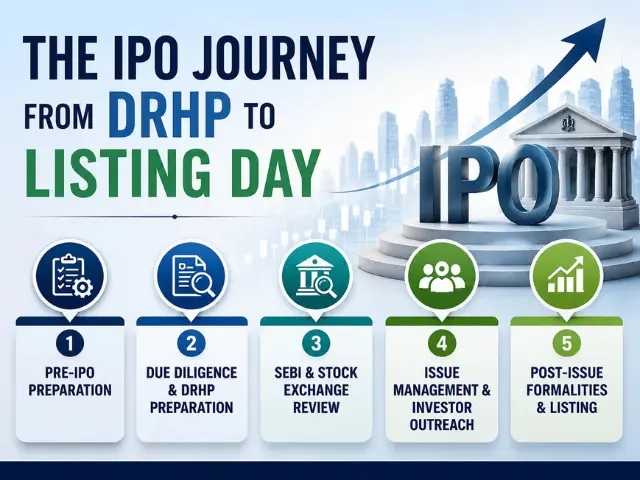



.avif)
.avif)

.avif)



START YOUR INVESTMENT JOURNEY
Get personalized advice from our experts
- Dedicated RM Support
- Smooth and Fast Trading App
