


RBI Policy Update: How The RBI Monetary Policy Shapes Indian Markets


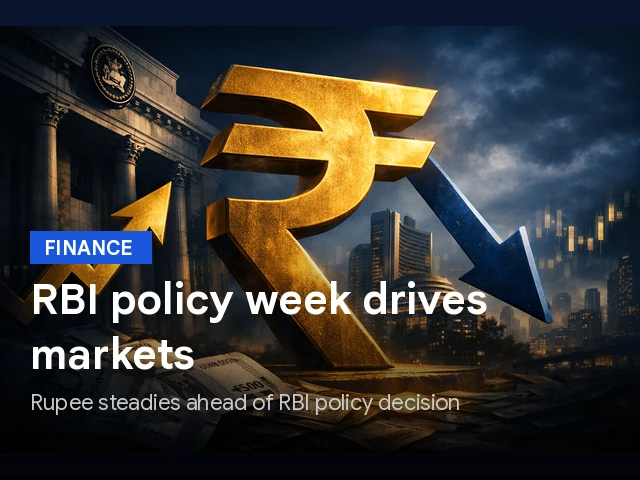

Key Takeaways
- Rupee opened stronger, slipping below ₹95 per USD as crude prices softened and the U.S. dollar weakened.
- The RBI policy decision and its forward guidance will set the near-term direction for the rupee and markets.
- Asian currencies rose while the U.S. Dollar Index hovered near a six-week low of 99.85.
- The rupee is expected to trade in a tight ₹95.00–₹95.75 range ahead of the RBI monetary policy.
Rupee Opens Stronger, Traded Below ₹95 Per Dollar As Crude Prices Slip And The U.S. Dollar Weakens, Setting The Stage For A Pivotal RBI Monetary Policy Week. The RBI policy decision and its forward guidance could chart the near-term direction for currency markets and retail portfolios. Crude prices remain an important driver for India’s import bill, and a softer oil backdrop tends to ease the import burden for the rupee. As markets position ahead of the policy outcome, investors are weighing how the RBI policy stance could influence rate paths, liquidity, and capital flows in the weeks ahead.
RBI Monetary Policy Outlook: What Retail Investors Should Watch In The Short Term
With the RBI monetary policy decision approaching this week, retail investors should focus on the policy stance, the inflation-growth balance, and the forward guidance that will likely shape the path of policy rates. The RBI policy decision will provide clarity on how the central bank intends to manage liquidity and support growth while keeping price pressures in check. The near-term rupee trajectory will hinge on how the RBI frames its stance and the tone of its forward guidance, against a backdrop of evolving oil prices and global financial conditions. In this context, the currency and markets will respond to the policy narrative as well as to external inputs such as overseas capital flows and geopolitical developments.


RBI Policy Update: Signals From The Policy Decision
The policy decision and its forward guidance are widely seen as the primary catalysts for currency markets during the week. Investors will assess whether the RBI policy stance signals tolerance for growth versus inflation risks and how that stance might influence liquidity, financing conditions, and capital flows. The combination of crude price trends and the dollar's movements will shape the policy backdrop, with the rupee’s near-term direction likely to reflect the policy decision more than external factors in the immediate aftermath. The key takeaway for traders is to watch the forward guidance for indications on the trajectory of policy rates and the central bank’s comfort with the current growth-inflation balance.
Rupee Movement And Global Dynamics: Crude Price And Dollar Index The Decision Maker
The global snapshot shows the U.S. Dollar Index near a six-week low, quoted at 99.85, after a period of renewed optimism surrounding Middle East developments that tempered demand for the greenback. Against this backdrop, Asian currencies posted gains: the South Korean won rose 0.34%, the Philippine peso advanced 0.31%, the Taiwan dollar added 0.21%, the Malaysian ringgit gained 0.17%, the Japanese yen rose 0.13%, and the Chinese renminbi edged up 0.09%. The Singapore dollar was largely flat with a marginal 0.02% uptick. In contrast, the Indonesian rupiah weakened by 0.17%, while the Thai baht was almost unchanged, slipping just 0.003%. For India, the main driver remains the RBI policy decision and its forward-looking stance, as crude prices and global liquidity conditions feed into the currency and equity markets.
Asian Currency Trends And Implications For Indian Markets
On balance, the softer dollar and mixed regional moves create a nuanced backdrop for Indian markets. The rupee’s current resilience near the ₹95 mark and the potential for a tighter trading band in the short term–especially in the 95.00–95.75 range–are consistent with a broader pattern where lower global oil prices can support the rupee by reducing import costs. Traders should monitor how the RBI policy decision interacts with oil dynamics and U.S. dollar trajectories, as any shift in policy stance could reconfigure risk appetite and sector rotations across Indian equities and fixed income. For cost-conscious traders, note that some brokers have run promotional pricing, such as a flat ₹20 brokerage offered by 5paisa Capital Ltd, which can affect trading costs and turnover decisions in this policy-sensitive window.
Practical Steps For Retail Investors Ahead Of The RBI Policy Update
To navigate this policy-driven environment, retail investors should: 1) align positions with the RBI policy stance and forward guidance, 2) monitor the rupee’s trading band in the 95.00–95.75 range and adjust hedges accordingly, 3) track crude price direction as a proxy for India’s import costs, and 4) factor in the U.S. Dollar Index movements as they shape global liquidity. Build a concise watchlist around sectors sensitive to policy shifts, such as rate-sensitive equities and banks. For cost efficiency, consider brokers offering competitive pricing, like the flat ₹20 brokerage model, while ensuring you still access robust research and tools for decision making. And when you need institutional-grade stock research on any stock or index to retail investors, explore Swastika's Sarthi AI stock assistant: Swastika's Sarthi AI stock assistant.
Related Reads
- RBI Monetary Policy Signals And The Rupee Rally: A Retail Investor's Guide
- RBI Monetary Policy Repo Rate: Market Signals And HSBC Outlook
- RBI Monetary Policy Repo Rate: Debt Fund NAV Trends Across Major Schemes
Frequently Asked Questions
What is the focus of the RBI monetary policy this week?
Investors will watch the RBI policy decision and its forward guidance to gauge near-term direction for the rupee and markets.
How does crude oil price movement affect the rupee ahead of the RBI policy?
Lower crude prices reduce India’s import costs and can support the rupee; higher prices may weigh on the currency.
What is the near-term rupee trading range as the RBI policy approaches?
The rupee is likely to trade within ₹95.00–₹95.75 in the near term.
What is the current status of the U.S. Dollar Index and how did regional currencies perform?
The U.S. Dollar Index hovered near a six-week low at about 99.85, while several Asian currencies rose against the dollar and the Indian rupee benefited from these moves.
Where can retail investors find AI-driven stock research to navigate RBI policy moves?
Swastika offers institutional-grade stock research for retail investors via Swastika's Sarthi AI stock assistant.Swastika's Sarthi AI stock assistant.
Conclusion
The RBI policy update marks a turning point for Indian markets as investors weigh the central bank’s stance against a backdrop of softer crude prices and a softer U.S. dollar. The near-term direction for the rupee will likely hinge on the RBI policy decision and its forward guidance, with a defined trading band around ₹95.00–₹95.75 acting as a practical guide for traders and portfolio managers in the weeks ahead. In this environment, retail investors should anchor decisions to the policy narrative, monitor oil price signals, and maintain disciplined risk management as the policy framework evolves.
Latest Articles

सरल मौद्रिक निति की उम्मीद में चमके सोना -चांदी।


उच्च ब्याज दरों के असर से अमेरिका में मुद्रास्फीति घट कर 3 प्रतिशत के स्तरों पर आ गई, जो बाजार में मांग कमजोर रहने के संकेत दे रहे है। मुद्रास्फीति में लगातार कमी, फेड को आगे ब्याज़ दर बढ़ोतरी पर विचार करने के लिए मजबूर कर सकता है। मौद्रिक निति में ढील देने की उम्मीदों से अमेरिकी डॉलर, जो सोने के विपरीत दिशा में चलता है, 100 के स्तरों के निचे पहुंच गया है जो 15 महीने का निचला स्तर है, और जिससे कीमती धातुओं की चमक बढ़ने लगी है। पिछले सप्ताह के आंकड़ों से पता चला है कि अमेरिका के बेहतर श्रम बाजार के बावजूद, अमेरिकी उपभोक्ता और उत्पादक मुद्रास्फीति जून में उम्मीद से कम बढ़ी। हालांकि निवेशकों ने इस साल के बाद दरों में किसी भी बढ़ोतरी की सम्भावना को कम कर दिया है, फिर भी अमेरिकी केंद्रीय बैंक द्वारा जुलाई में दरों में 25 आधार अंकों की बढ़ोतरी की उम्मीद है। इसके अतिरिक्त, बाजार मूल्यांकन से संकेत मिलता है कि फेड 2024 में दरें कम करना शुरू कर सकता है। एमसीएक्स में अगस्त वायदा सोने के भाव पिछले सप्ताह 0.76 प्रतिशत बढ़ कर 59250 रुपये दस ग्राम रहे जबकि सितम्बर वायदा चांदी के भाव सप्ताह में 6 प्रतिशत बढ़कर 75800 रुपये प्रति किलो के स्तरों पर पहुंच गए है। अमेरिका में उच्च दरे रहने के दौरान अर्थव्यवस्था का बेहतर प्रदर्शन चांदी की कीमतों को सपोर्ट कर रहा है। इंदौर सराफा बाज़ार में 10 ग्राम सोने के भाव 58700 रुपये रहे जबकि चांदी के भाव 79500 रुपये प्रतिकिलो पर प्रीमियम पर कारोबार करते दिखे।
तकनिकी विश्लेषण :
इस सप्ताह कीमती धातुओं में तेज़ी रह सकती है। एमसीएक्स अगस्त वायदा सोने में सपोर्ट 58300 रुपये पर है और रेजिस्टेंस 60000 रुपये पर है। सितम्बर वायदा चांदी में सपोर्ट 72500 रुपये पर है और रेजिस्टेंस 77000 रुपये पर है।

केंद्रीय बैंको के हॉकिश टोन से दबाव में सोना-चांदी।
फेड द्वारा ब्याज दरों में की गई वृद्धि के बाद सोने और चांदी के भाव में दबाव दिखा और अमेरिकी डॉलर इंडेक्स में उछाल आया। उम्मीद के मुताबिक फेड द्वारा दरों में 25 आधार अंक की बढ़ोतरी के बाद सोना टूट गया और संभावित अमेरिकी मंदी के संबंध में फेड की भाषा भी नरम रही। लेकिन केंद्रीय बैंक ने श्रम बाजार में मजबूती और अपेक्षाकृत स्थिर मुद्रास्फीति का हवाला देते हुए सितंबर में एक और संभावित बढ़ोतरी का दरवाजा भी खुला छोड़ दिया है। कॉमेक्स वायदा में सोना 1,950 डॉलर प्रति औंस के भीतर पहुंच गया है क्योंकि केंद्रीय बैंक ने भविष्य में दर बढ़ोतरी के लिए डेटा-संचालित दृष्टिकोण रखने का संकेत दिया है। बढ़ती ब्याज दरें कीमती धातुओं के लिए ख़राब संकेत हैं और उम्मीद है कि इस साल सोने में बढ़त सीमित रहेगी।फेड ने इस साल दर में कटौती की संभावना को भी कम कर दिया, और अमेरिकी ब्याज़ दर 22 वर्षों में अपने उच्चतम स्तर पर बने रहने से कीमती धातुओं के बाजारों पर निरंतर दबाव की ओर संकेत कर रहा है। यूरोपियन सेंट्रल बैंक ने भी पिछले सप्ताह ब्याज दरों को 0.25 प्रतिशत से बढ़ा दिया है। बैंक ऑफ़ जापान ने ब्याज दरों में कोई बदलाव नहीं किया लेकिन अपने हॉकिश संकेतो से बाज़ार को चौंका दिया। बैंक ऑफ जापान द्वारा अपनी यील्ड कर्व नियंत्रण नीति के लिए अधिक लचीले दृष्टिकोण का संकेत देने के बाद बाजार कुछ हद तक जोखिम-विरोधी रहे, जिससे अंततः बैंक के अल्ट्रा डोवीश रुख से दूर जाने का संकेत मिला है। इस बीच, अमेरिका की जीडीपी और रोज़गार बाज़ार के आंकड़े अनुमान से बेहतर दर्ज किये गए जिससे कीमती धातुओं के भाव में दबाव बना। बेहतर आर्थिक आकड़ो के चलते आर्थिक मंदी का डर कम हुआ है जिससे निवेशक अमेरिकी डॉलर इंडेक्स की और आकर्षित हुए है। हालांकि, केंद्रीय बैंको का मौद्रिक नीति पर लगातार कठोर रुख ग्लोबल अर्थव्यवस्था को नुकसान पंहुचा सकता है, जो कीमती धातुओं को निकट भविष्य में सपोर्ट कर सकता है।
तकनिकी विश्लेषण
इस सप्ताह कीमती धातुएँ दबाव में रह सकती है। एमसीएक्स अक्टूबर वायदा सोने में सपोर्ट 58300 रुपये पर है और रेजिस्टेंस 60500 रुपये पर है। सितम्बर वायदा चांदी में सपोर्ट 71000 रुपये पर है और रेजिस्टेंस 76000 रुपये पर है।
.avif)
ग्लोबल सेंट्रल बैंको की कठोर निति से कीमती धातुओं में गिरावट।
प्रमुख अर्थव्यवस्थाओं की केंद्रीय बैंको द्वारा कठोर मौद्रिक निति का रुख कीमती धातुओं पर दबाव बनाने लगा है। यूरोप की कई सेंट्रल बैंक और फेड द्वारा उम्मीद से अधिक ब्याज दरों में बढ़ोतरी, कीमती धातुओं में बिकवाली का दबाओ बनाये हुए है। ब्याज दरों में अधिक बढ़ोतरी का असर औद्योगिक धातुओं और कच्चे तेल के भाव में दिख रहा है, जिसके चलते इनकी कीमतों में भी बुलियन के साथ दबाव बना हुआ है। हालांकि, बाज़ारो में तरलता कम होने के कारण डिमांड की चिंता सेफ हैवन अपील बढ़ती है जो बढ़ती ब्याज दरों की परिस्थिति में बुलियन की जगह डॉलर को आकर्षित बना रही है। पिछले सप्ताह बैंक ऑफ़ इंग्लैंड ने ब्याज दरों में आधा प्रतिशत की वृद्धि की जो पूर्वानुमान से दो गुना है। ब्रिटैन की मुद्रास्फीति 8.7 प्रतिशत के स्तरों पर स्थिर बनी हुई है और मुद्रास्फीति को कम होने में अनुमान से अधिक समय लगने की उम्मीद है। यू.के. की मुख्य ब्याज दर अब 5 प्रतिशत हो गई है, जो 15 साल के बाद सबसे अधिक है।यू.के. केंद्रीय बैंक ने अमेरिकी फेडरल रिजर्व के ठीक बाद लगातार 13 बार दरें बढ़ाई हैं, और लगातार 10 दौर की सख्ती के साथ अमेरिका में दरें 5.25 प्रतिशत के शिखर पर पहुंच गई हैं। पिछले सप्ताह अमेरिका से जारी एक्सिस्टिंग होम सेल्स और बिल्डिंग परमिशन के आंकड़े अनुमान से बेहतर दर्ज किये गए है जिससे डॉलर इंडेक्स को सपोर्ट मिला है। फेड अध्यक्ष जेरोम पॉवेल ने पिछले सप्ताह सीनेट के सामने टेस्टीफाई देते हुए इस उम्मीद को मजबूत किया कि अमेरिकी केंद्रीय बैंक इस साल दरों में कम से कम दो बार बढ़ोतरी करेगा। हालांकि, उच्च ब्याज दरें ग्लोबल अर्थव्यवस्था को नुकसान पंहुचा रही है और लम्बे समय तक उच्च ब्याज दरे मुद्रास्फीति में कमी के साथ आर्थिक मंदी को बढ़ावा देगा जो कीमती धातुओं को निचले स्तरों पर सपोर्ट करेगा। अगस्त वायदा सोने में पिछले सप्ताह 1.80 प्रतिशत की गिरावट दर्ज की गई है और भाव 58250 रुपये प्रति दस ग्राम, जबकि चांदी में 6 प्रतिशत से अधिक की साप्ताहिक गिरावट हुई जिससे इसके भाव 68000 रुपये प्रति किलो के स्तरों पर पहुंच गए है।
तकनिकी विश्लेषण
इस सप्ताह कीमती धातुओं में दबाव जारी रह सकता है। एमसीएक्स अगस्त वायदा सोने में सपोर्ट 56000 रुपये पर है और रेजिस्टेंस 59500 रुपये पर है। जुलाई वायदा चांदी में सपोर्ट 66000 रुपये पर है और रेजिस्टेंस 71000 रुपये पर है।

डॉलर में दबाव से कीमती धातुओं को सपोर्ट।
कीमती धातुओं में फेड के हॉकिश टिपण्णी के कारण पिछले सप्ताह बिकवाली का दबाव रहा और अमेरिका के मुद्रास्फीति आंकड़े साल-दर-साल 4.9 प्रतिशत से घट कर 4 प्रतिशत रह गए है। फेड ने आने वाले महीनों में दो बार और ब्याज दरे बढ़ाने के संकेत दिए है, जो कीमती धातुओं में दबाव बनाने का कारण रहा। हालांकि, फेड ने पिछले सप्ताह हुई बैठक में ब्याज दरों में बढ़ोतरी नहीं की है और बैंक ऑफ़ चाइना द्वारा अपनी अर्थव्यवस्था को सपोर्ट करने के लिए छोटी अवधि की ब्याज दरों में कटौती कर दी है, जिससे सोने और चांदी के भाव में निचले स्तरों से सुधार दर्ज किया गया है। यूरोपीय सेंट्रल बैंक ने मैन रेफिनान्सिंग दर में 0.25 प्रतिशत की बढ़ोतरी की और यूरोपियन सेंट्रल बैंक की प्रेसिडेंट लेगार्ड ने जुलाई में एक और बढ़ोतरी के संकेत दिए है, जिससे यूरो में मजबूती और डॉलर में दबाव बढ़ा है। अमेरिकी डॉलर इंडेक्स में पिछले सप्ताह 1.7 प्रतिशत की गिरावट दर्ज की गई है। सोने और चांदी की कीमते पिछले कुछ महीनो से दबाव में रहने के बाद सिमित दायरे में देखि जा रही है। फेड के हॉकिश टिपण्णी के बावजूद सोने की कीमतों में निचले स्तरों से सुधार देखा गया है जबकि डॉलर इंडेक्स में छोटी अवधि की तेज़ी अब समाप्त होती दिख रही है जिससे कीमती धातुओं में तेज़ी शुरू होने के सम्भावना बढ़ रही है। प्रमुख अमेरिकी आर्थिक आंकड़ों में कम होता कंस्यूमर इन्फ्लेशन, अपेक्षा से अधिक साप्ताहिक बेरोजगारी दावे और कमजोर औद्योगिक उत्पादन, केंद्रीय बैंक को ब्याज दर बढ़ाने के लिए सीमित जगह देता है।
तकनिकी विश्लेषण
इस सप्ताह कीमती धातुओं में तेज़ी के रुझान देखने को मिल सकते है। एमसीएक्स अगस्त वायदा सोने में सपोर्ट 58400 रुपये पर है और रेजिस्टेंस 60500 रुपये पर है। जुलाई वायदा चांदी में सपोर्ट 70000 रुपये पर है और रेजिस्टेंस 74000 रुपये पर है।

ग्लोबल अर्थव्यवस्था के कमजोर संकेतो से बढ़े सोना-चांदी के भाव।
पिछले सप्ताह रिज़र्व बैंक ऑफ़ इंडिया द्वारा अपनी मॉनेटरी पालिसी में ब्याज दरों में कोई बदलाव नहीं किया और इस सप्ताह जारी होने वाले मुद्रास्फीति के आकड़ो में कमी होने के अनुमान से बाजार में तरलता बनी रहने की उम्मीद है। अमेरिका, चीन और यूरो जोन से जारी होने वाले आंकड़े कमजोर दर्ज किये गए जिससे सोने और चांदी के भाव निचले स्तरों से पलट गए है और अमेरिकी डॉलर इंडेक्स में छोटी अवधि के लिए आई तेज़ी पूरी होती दिखने लगी है। अमेरिका और यूरोप की अर्थव्यवस्था में व्यवसाइक गतिविधियाँ कम होने से निवेशकों का ध्यान कीमती धातुओं की और बढ़ने लगा है। पिछले सप्ताह जारी आकड़ो से संकेत मिले है कि 2023 की पहली तिमाही और 2022 की अंतिम तिमाही की बढ़ोतरी में गिरावट के बाद यूरोज़ोन अर्थव्यवस्था इस साल की पहली तिमाही में मंदी की चपेट में आ गई है। अमेरिका में बेरोज़गारी के आंकड़े 233 हज़ार से बढ़कर 261 हज़ार पहुंच गए है। प्रमुख अर्थव्यवस्थाओ से मिल रहे कमज़ोर संकेतो के चलते सोने और चांदी की कीमतों में पिछले सप्ताह निचले स्तरों से बढ़त दर्ज की गई है। लेकिन, बैंक ऑफ़ कनाडा द्वारा पिछले सप्ताह ब्याज दरों में 0.25 प्रतिशत बढ़ोतरी की गई है और अमेरिका में रोज़गार बाज़ार में मजबूती रहने के कारण फेड हॉकिश रुख अपना सकता है, जिसके संकेत फेड सदस्य दे चुके है। अगर अर्थव्यवस्था में खपत के पैमानें पर नज़र डाली जाये तो अमेरिका में ड्राइविंग सीजन रहने के बावजूद और सऊदी अरब द्वारा पिछले सप्ताह कच्चे तेल के उत्पादन में कटौती करने के बाद भी इसकी कीमतों में दबाव, अर्थव्यवस्था में मांग कमजोर रहने के संकेत देते है। चीन के सबसे बड़े बैंकों ने अर्थव्यवस्था में विकास को बढ़ावा देने के लिए पिछले सप्ताह बचतकर्ताओं के लिए ब्याज दरों में कटौती की, जिससे खपत की धीमी रफ़्तार में सुधार हो सके। इस सप्ताह अमेरिका के सीपीआई, एफओएमसी और यूरोपियन सेंट्रल बैंक की बैठक, और चीन की मौद्रिक नीति, कीमती धातुओं के लिए महत्वपूर्ण रहेंगे।
तकनिकीविश्लेषण :
इस सप्ताह कीमती धातुओं में तेज़ी रहने की सम्भावना है। एमसीएक्स जून वायदा सोने में सपोर्ट 58300 रुपये पर है और रेजिस्टेंस 61000 रुपये पर है। जुलाई वायदा चांदी में सपोर्ट 71000 रुपये पर है और रेजिस्टेंस 76000 रुपये पर है।
The Power of Algo Trading: the Automated Trading Revolution
Introduction
In today's fast-paced world, where technology affects every aspect of our lives, it comes as no surprise that the financial markets have embraced automation. One such powerful technological advancement is algorithmic trading, popularly known as Algo trading. Algo trading has revolutionized the way financial instruments are traded, offering speed, precision, and efficiency like never before.
What is Algo Trading?
Algo trading, short for algorithmic trading, refers to the use of computer programs or algorithms to execute trades in financial markets. These algorithms are designed to analyze vast amounts of market data, identify patterns, and execute trades automatically without human intervention. Algo trading relies on complex mathematical models and statistical analysis to make data-driven decisions in real-time.

Benefits of Algo Trading
- Speed and Efficiency: Algo trading eliminates human limitations and emotions, enabling lightning-fast execution of trades. This speed is crucial in highly volatile markets, where a delay of a few seconds can make a significant difference. Algorithms can instantly analyze multiple indicators, spot trading opportunities, and execute trades in fractions of a second.
- Accuracy and Consistency: By removing human emotions from the trading process, Algo trading ensures consistency in decision-making. Algorithms follow predefined rules and execute trades based on objective criteria, reducing the chances of errors caused by human bias or irrationality.
- Increased Market Access: Algo trading provides access to a wide range of markets and instruments, including stocks, commodities, currencies, and derivatives. It enables traders to diversify their portfolios and explore opportunities across different markets, which would be challenging to achieve manually.
- Risk Management: Algo trading allows for the implementation of risk management strategies in real-time. Algorithms can automatically adjust trade sizes, set stop-loss orders, and apply other risk control measures to protect capital. This proactive approach to risk management helps traders mitigate potential losses and safeguard their investments.
- Back testing and Optimization: Algo trading systems can be back tested using historical data to evaluate their performance and optimize their parameters. Traders can fine-tune their algorithms, identify weaknesses, and refine their strategies based on past market behavior. This iterative process enables continuous improvement and adaptation to changing market conditions.
Disadvantages of Algo Trading
- Complexity- Developing a profitable Algo trading strategy requires a deep understanding of market data, technical indicators, and programming languages. This can be a daunting task for many traders, especially those who are new to the market.
- Reliance on historical data- Algo trading strategies are based on historical data, which may not always be a reliable indicator of future market trends. This can lead to losses if the market behaves differently than expected.
- Expensive-Developing an Algo trading strategy requires a significant investment in time and resources. Traders may also need to pay for access to market data and trading platforms.
Implementing Algo Trading
To engage in Algo trading, traders typically require access to a trading platform or a brokerage that supports algorithmic trading. These Algo trading platforms provide a range of tools and features to develop, test, and execute algorithms. Traders can code their algorithms using programming languages such as Python or use visual programming interfaces to create strategies without coding knowledge. While the technical aspects of Algo trading may seem daunting to beginners, many brokerage firms offer pre-built algorithms or algorithmic trading solutions that can be easily customized by individual traders. This accessibility allows traders with varying levels of technical expertise to participate in Algo trading.
Regulatory Framework and Risks
Algo trading operates within a regulatory framework set by financial authorities to ensure fair and transparent markets. Regulatory bodies establish guidelines to prevent market manipulation, maintain market integrity, and safeguard investor interests. Traders engaging in Algo trading must comply with these regulations, including obtaining necessary licenses and adhering to reporting requirements. However, like any investment strategy, Algo trading carries certain risks. Technical glitches, system failures, or connectivity issues can result in substantial financial losses. Moreover, algorithms are only as good as the underlying data and assumptions they are based on. Sudden market shifts or unforeseen events can disrupt algorithms and lead to unexpected outcomes. It is essential for traders to thoroughly understand the risks involved and implement appropriate risk management measures.
The Future of Algo Trading
Algo trading has rapidly gained popularity and is expected to continue its upward trajectory in the future. Advancements in technology, such as artificial intelligence and machine learning, are further enhancing the capabilities of Algo trading systems. These advancements enable algorithms to learn from past data, adapt to changing market conditions, and make more intelligent trading decisions. Moreover, as Algo trading becomes more accessible and user-friendly, it is attracting a broader range of market participants, including individual traders and small investors. The democratization of Algo trading has the potential to level the playing field and provide equal opportunities for all market participants.
Conclusion
Algo trading has revolutionized the financial markets, empowering traders with unprecedented speed, accuracy, and efficiency. Through the use of sophisticated algorithms, traders can leverage vast amounts of data to make informed trading decisions and execute trades in real-time. While Algo trading carries certain risks, when implemented with proper risk management measures, it can provide significant advantages and opportunities for market participants. As technology continues to advance, Algo trading is poised to evolve further, opening new avenues for innovation and profitability. Whether you are a seasoned trader or a novice investor, understanding and exploring the world of Algo trading can unlock new possibilities and help you stay ahead in today's dynamic investment landscape. So, embrace the power of Algo trading and embark on a journey of automated trading excellence.
Big Budget


Popular Articles





.avif)
.avif)

.avif)



START YOUR INVESTMENT JOURNEY
Get personalized advice from our experts
- Dedicated RM Support
- Smooth and Fast Trading App
