.png)
The US economy remains the single most influential force in global financial markets. From equity flows to currency movements and commodity prices, decisions taken in Washington and by the US Federal Reserve ripple across economies worldwide. As we look ahead, understanding what to expect from the US economy in 2026 becomes essential for Indian investors, traders, exporters and policymakers.
In this blog, we break down the expected economic trends in the US for 2026 and explain how these developments could shape Indian stock markets, interest rates, currency movements and investment strategies.
After years of post pandemic recovery and policy tightening, the US economy is expected to enter 2026 with stable momentum. Most global institutions expect GDP growth to remain around the long term average rather than the sharp expansion seen earlier in the decade.
Key drivers include strong consumer spending, government infrastructure investment and continued capital expenditure in technology and artificial intelligence. At the same time, high base effects and tighter financial conditions could limit rapid growth.
For Indian investors, stable US growth is generally positive as it supports global risk appetite without creating excessive inflationary pressure.
Inflation is expected to trend closer to the US Federal Reserve’s comfort zone by 2026, though it may not settle perfectly at two percent. Wage pressures, energy prices and supply chain restructuring will continue to influence price levels.
Lower inflation reduces the need for aggressive monetary tightening and supports equity markets globally.
One of the most watched elements of the US economy in 2026 will be interest rates. If inflation continues to ease, the Federal Reserve may shift towards a more accommodative stance or maintain stable rates.
For India, this matters because lower US interest rates often lead to increased foreign portfolio inflows into emerging markets like India, improving liquidity and supporting equity valuations.
The US dollar’s trajectory in 2026 will depend largely on interest rate differentials and economic confidence. A stable or slightly weaker dollar typically benefits emerging market currencies, including the Indian rupee.
A stronger rupee can help reduce imported inflation for India, especially in crude oil and raw materials. However, exporters may face margin pressure if currency appreciation becomes sharp.
Foreign Institutional Investors closely track US bond yields and equity performance. If US yields remain stable and growth continues without shocks, India is likely to attract sustained FII inflows.
Historically, periods of US economic stability have coincided with strong performance in Indian sectors such as IT, banking, capital goods and consumer discretionary.
Trade policy remains a key variable. Any shift towards protectionism or tariff changes can affect Indian exports to the US, particularly in textiles, engineering goods and specialty chemicals.
However, diversification away from China continues to create long term opportunities for Indian manufacturers under the China plus one strategy.
From an Indian regulatory standpoint, SEBI continues to emphasize transparency, investor protection and risk management. Global volatility originating from the US economy reinforces the importance of disciplined investing, asset allocation and regulatory compliance.
Platforms like Swastika Investmart, a SEBI registered intermediary, play a crucial role by offering research backed insights, technology driven trading platforms and investor education that helps clients navigate global uncertainty confidently.
👉 Open your trading and investment account today
Long term wealth creation depends on staying invested with a clear strategy rather than timing global events perfectly.
How will the US economy in 2026 affect Indian stock markets?
A stable US economy usually supports global risk appetite, leading to better FII inflows and positive sentiment in Indian equities.
Will US interest rate changes impact Indian investors?
Yes. Lower or stable US rates often encourage foreign investments into India, improving liquidity and market valuations.
Which Indian sectors are most influenced by the US economy?
IT, pharmaceuticals, metals and export oriented manufacturing sectors are most sensitive to US economic trends.
Is a weaker US dollar good for India?
Generally yes, as it supports the rupee and reduces import costs, though exporters may face some pressure.
Understanding what to expect from the US economy in 2026 is essential for making informed investment decisions in India. While global uncertainties will always exist, a balanced US growth outlook combined with easing inflation could create a supportive environment for Indian markets.
With expert research, robust trading platforms and strong customer support, Swastika Investmart helps investors stay ahead of global trends while focusing on long term financial goals.
.png)
Nvidia’s Q3 fiscal-2026 results were nothing short of spectacular. The company clocked $57.0 billion in revenue, a 22% increase quarter-over-quarter and a massive 62% year-over-year jump.
The data-centre business, which fuels much of Nvidia’s strength, reported $51.2 billion — up 25% sequentially and a whopping 66% YoY.
Earnings per share (diluted) stood at $1.30, beating market expectations. Gross margins remained healthy: ~73.4% on a GAAP basis and ~73.6% on non-GAAP.
Jensen Huang, Nvidia’s CEO, painted a bold picture: “Blackwell sales are off the charts, and cloud GPUs are sold out … We’ve entered the virtuous cycle of AI.”
On the capital return front, Nvidia has distributed $37 billion to shareholders via buybacks and dividends in the first nine months of fiscal 2026, while still retaining $62.2 billion under its repurchase authorization.
Nvidia’s blazing growth is a clear sign that AI infrastructure is scaling up rapidly. For Indian cloud service providers, startups, and large enterprises, this means greater access to powerful compute — and hence more opportunity to build or scale AI-driven products, whether in generative AI, autonomous systems, or large-language-model applications.
IT services companies such as TCS, Infosys, HCL Tech, and Wipro stand to benefit in multiple ways:
India has long expressed ambitions to build a vibrant semiconductor ecosystem. Nvidia’s strong earnings fuel confidence in the global semiconductor demand outlook — which may in turn accelerate semiconductor-related investments in India.
While Nvidia’s results are a vote of confidence in the AI era, Indian investors and companies should also remain aware of potential headwinds:
For Indian investors looking to play the Nvidia or AI-infrastructure story:
Q1. Does Nvidia’s strong result mean an “AI bubble” is safe to ignore?
Not entirely. While Nvidia’s performance reinforces real demand, investors should maintain a balanced view — growth is strong, but it’s not without risks like supply chain bottlenecks, valuation, and geopolitical concerns.
Q2. How exactly will Indian semiconductor manufacturing benefit from Nvidia’s growth?
Higher global demand for AI chips strengthens the case for semiconductor investments in India. This could encourage more fabs, design centres, and collaborations if Indian policy and capital conditions align.
Q3. Should I invest in Nvidia directly or via Indian IT companies?
Both routes have merit. Direct exposure (NVDA shares) gives pure-play access, but investing in Indian IT companies offers leverage to India’s AI ecosystem growth, possibly with lower volatility and regulatory simplicity.
Q4. How does Swastika Investmart help in this context?
Swastika Investmart is SEBI-registered, offers powerful research tools, and supports international investing. Use its platform for guided insights, risk analysis, and thematic portfolios around AI/semiconductors.
Nvidia’s Q3 earnings are a resounding signal that AI infrastructure is accelerating, and the ripple effects could meaningfully shape the future of Indian technology markets. For Indian investors and corporations alike, this is more than just a U.S. company doing well — it’s an opportunity that aligns with India’s tech ambitions, semiconductor goals, and digital transformation journey.
If you’re looking to position yourself for this wave, Swastika Investmart offers the tools, trust, and technology to help you navigate global markets smartly. Open an account today and explore:
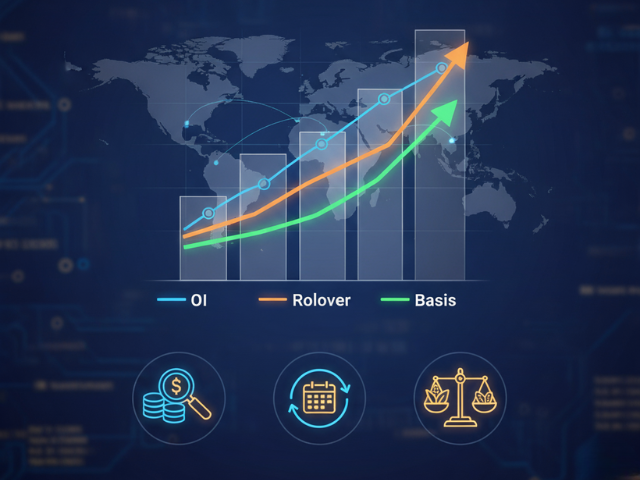
कमोडिटी फ्यूचर्स एक ऐसा डेरिवेटिव कॉन्ट्रैक्ट होता है, जिसमें आप किसी कमोडिटी (जैसे गोल्ड, क्रूड ऑयल, सिल्वर, या कॉपर) को भविष्य की तारीख पर तय कीमत पर खरीदने या बेचने का समझौता करते हैं।
उदाहरण के तौर पर —
अगर आप मानते हैं कि क्रूड ऑयल की कीमत बढ़ेगी, तो आप उसका फ्यूचर कॉन्ट्रैक्ट खरीदते हैं।
अगर कीमत बढ़ती है, तो आपको मुनाफा होता है; अगर गिरती है, तो नुकसान।
कमोडिटी ट्रेडिंग में सिर्फ कीमतें देखना पर्याप्त नहीं है।
डेटा एनालिसिस (OI, Volume, Rollover) से आप यह समझ सकते हैं कि —
इसलिए एक समझदार ट्रेडर के लिए फ्यूचर्स डेटा पढ़ना उतना ही ज़रूरी है जितना चार्ट देखना।
Open Interest (OI) बताता है कि किसी खास कमोडिटी फ्यूचर में कितने ओपन कॉन्ट्रैक्ट्स अभी तक क्लोज़ नहीं हुए हैं।
यह ट्रेंड की मजबूती और भागीदारी को दर्शाता है।
| प्राइस - OI - ट्रेंड की दिशा | ||
|---|---|---|
| प्राइस | OI | ट्रेंड की दिशा |
| बढ़ता हुआ | बढ़ता हुआ | Bullish (खरीदारी का दबाव) |
| घटता हुआ | घटता हुआ | Bearish (बेचने का दबाव) |
| प्राइस बढ़े | OI घटे | Short Covering |
| प्राइस घटे | OI बढ़े | Fresh Short Build-up |
हर फ्यूचर कॉन्ट्रैक्ट की एक एक्सपायरी डेट होती है (आमतौर पर महीने के आखिरी सप्ताह में)।
अगर ट्रेडर अपनी पोजीशन को अगले महीने के कॉन्ट्रैक्ट में शिफ्ट करता है, तो इसे Rollover कहा जाता है।
उदाहरण:
अगर सिल्वर में 85% Rollover दिख रहा है, तो इसका मतलब है कि ज़्यादातर ट्रेडर्स ने अपनी लंबी पोजीशन को अगले महीने तक बढ़ा लिया है — यानी सकारात्मक सेंटिमेंट जारी है।
ट्रेडिंग में सही निर्णय लेने के लिए आपको तीनों डेटा को एक साथ पढ़ना चाहिए।स्मार्ट ट्रेडिंग टिप:
सिर्फ प्राइस देखकर ट्रेड न करें — OI और Volume की पुष्टि ज़रूर करें।
| VOLUME - PRICE - OI INTERPRETATION | |||
|---|---|---|---|
| Volume | Price | OI | Interpretation |
| High | Up | Up | Strong Uptrend |
| High | Down | Up | Fresh Shorts |
| Low | Down | Down | Weak Downtrend |
| Low | Up | Down | Short Covering Rally |
अधिकांश ब्रोकर्स जैसे Swastika Investmart अपने ग्राहकों को Futures Analytics Tools प्रदान करते हैं।
इनसे आप रियल-टाइम OI, Rollover और Volume डेटा देख सकते हैं।
Swastika Investmart के प्लेटफॉर्म पर:
👉 यहाँ क्लिक करें और डेटा देखें
भारत का कमोडिटी डेरिवेटिव मार्केट (MCX, NCDEX) विश्व के सबसे तेज़ी से बढ़ते बाजारों में से एक है।
यहाँ गोल्ड, सिल्वर, क्रूड, कॉपर, और एग्री-कमोडिटीज़ में रोज़ाना अरबों रुपये का कारोबार होता है।
सरकार और SEBI के सख्त नियामक ढाँचे के कारण यह मार्केट अब पहले से कहीं ज़्यादा पारदर्शी और निवेशक-अनुकूल बन गया है।
Swastika Investmart एक SEBI-registered broker है, जो कमोडिटी, इक्विटी और डेरिवेटिव ट्रेडिंग में
अपने रिसर्च-बेस्ड एनालिटिक्स टूल्स और ग्राहक समर्थन के लिए प्रसिद्ध है।
Swastika के साथ आपको मिलता है:
👉 अभी खाता खोलें और डेटा-ड्रिवन ट्रेडिंग शुरू करें।
1️⃣ OI क्या दर्शाता है?
OI दिखाता है कि मार्केट में कितने ओपन कॉन्ट्रैक्ट्स हैं — यह भागीदारी और ट्रेंड की मजबूती बताता है।
2️⃣ Rollover कैसे समझें?
अगर ज़्यादातर ट्रेडर्स अपनी पोजीशन अगले महीने ले जा रहे हैं, तो Rollover हाई होता है — इसका मतलब है कि ट्रेंड में विश्वास बना हुआ है।
3️⃣ क्या OI डेटा रोज़ बदलता है?
हाँ, हर दिन जब भी नए कॉन्ट्रैक्ट्स जुड़ते या खत्म होते हैं, OI डेटा अपडेट होता है।
4️⃣ Futures Trading में यह डेटा क्यों ज़रूरी है?
क्योंकि यह बताता है कि “पैसा कहाँ जा रहा है” — यानी स्मार्ट मनी किस दिशा में ट्रेड कर रही है।
5️⃣ क्या मैं Swastika पर यह डेटा लाइव देख सकता हूँ?
हाँ, Swastika के डैशबोर्ड में रियल-टाइम OI, Volume और Rollover डेटा उपलब्ध है।
कमोडिटी फ्यूचर्स डेटा को समझना हर निवेशक और ट्रेडर के लिए एक महत्वपूर्ण स्किल है।
OI और Rollover से आप सिर्फ ट्रेंड नहीं, बल्कि मार्केट की गहराई और मूड समझ सकते हैं।
अगर आप डेटा-आधारित ट्रेडिंग सीखना चाहते हैं और बेहतर निर्णय लेना चाहते हैं — Swastika Investmart के साथ जुड़ें
The Sudeep Pharma IPO is among the most talked-about offerings this month, thanks to its strong financial performance and leadership position in pharma-grade minerals and excipients. With subscription dates 21–25 November 2025, investors are evaluating whether the steep valuation is justified by the company’s growth story.
This detailed analysis covers the company’s fundamentals, market position, valuations, strengths, risks, and whether retail investors should consider applying.
Founded in 1989, Sudeep Pharma has grown into one of India’s key manufacturers of pharmaceutical excipients and specialty chemicals, supplying more than 200+ products across pharma, food, and nutrition sectors. The company operates six manufacturing facilities with a combined capacity of 50,000 MT and serves several global blue-chip clients.
Their product portfolio includes:
Importantly, Sudeep Pharma holds prestigious global certifications such as US FDA, WHO-GMP, EXCiPACT, ISO 9001, FSSC 22000, HACCP, Kosher, and Halal, positioning the company as a trusted supplier in regulated markets.
In 2025, the company also acquired a European premix manufacturer (NSS), strengthening its foothold in the nutrition business.
Detail Information
Issue Size- ₹895 cr
Fresh Issue- ₹95 cr
OFS- ₹800 cr
Price Band- ₹563–593
Market Lot- 25 shares
Issue Dates- 21–25 Nov 2025
Post-issue Market Cap- ₹6,697.85 cr
Listing- BSE & NSE
The IPO consists largely of an Offer for Sale, meaning most proceeds go to existing shareholders, not the company. Only the fresh issue will fund capex for machinery at the Nandesari facility and general corporate expenses.
This is an impressive trend—both revenue and profitability have shown robust improvement. A near-40% EBITDA margin places Sudeep among the better-performing players in India’s specialty chemicals space.
Based on FY25 financials:
This valuation is on the higher side, even for high-quality pharma ingredient companies. The IPO note itself categorizes the issue as “aggressively priced”, indicating that most near-term growth is already factored into the pricing.
Not significantly. The valuation restricts the short-term upside. Investors looking for 10–20% short-term gains may find the risk-reward unfavourable.
If the company continues delivering:
then the valuation could still be justified over a multi-year horizon.
Manufacturing mineral-based excipients requires high R&D expertise, compliance systems, and technical know-how—creating strong entry barriers.
Sudeep Pharma Ltd. IPO note (1)
Sudeep serves several Fortune 500 and global blue-chip clients. Long-term contracts and consistent quality make the business sticky.
Regulated market approvals (e.g., US FDA, EXCiPACT) give the company a competitive advantage, especially in the pharma excipients space.
Multiple in-house labs, pilot plants, and a team dedicated to mineral salts innovation drive product development.
Even strong companies carry risks. For Sudeep Pharma, key concerns include:
This increases vulnerability to client or segment-level slowdowns.
All manufacturing facilities are located in Gujarat, exposing operations to regional disruptions.
Failure to pass audits from global pharma clients could lead to immediate order loss.
4. M&A Integration Risk
Integrating NSS or future acquisitions may strain resources or fail to deliver expected synergies.
The fundamentals are strong: high margins, diversified products, global certifications, and solid financial growth. However, valuation is steep, reducing the probability of short-term listing gains.
The IPO opens on 21 November 2025 and closes on 25 November 2025.
The price band is ₹563–593 per share.
The IPO is aggressively priced, leaving limited room for short-term gains. Suitable mainly for long-term investors.
Primarily for capex—procurement of machinery for the Nandesari facility—and general corporate purposes.
No direct listed peers exist in India in the same line of business.
Invest in upcoming IPOs, equities, and mutual funds with a trusted SEBI-registered broker. Swastika Investmart offers powerful research tools, strong customer support, and a seamless tech-enabled platform.
Demat Account (Dematerialized Account) वह खाता होता है जिसमें आपके शेयर, म्यूचुअल फंड और बॉन्ड्स इलेक्ट्रॉनिक रूप में रखे जाते हैं।
यह बैंक खाते की तरह काम करता है — बस फर्क इतना है कि इसमें पैसे की जगह शेयर होते हैं।
अगर आप किसी और के साथ मिलकर निवेश करना चाहते हैं, तो आप एक Joint Demat Account खोल सकते हैं।
Joint Demat Account में दो या तीन व्यक्ति मिलकर एक ही Demat खाता खोल सकते हैं।
इसमें एक व्यक्ति को Primary Holder (मुख्य धारक) कहा जाता है और बाकी को Joint Holder(s)।
उदाहरण के तौर पर:
मान लीजिए, आप अपने जीवनसाथी या भाई के साथ मिलकर शेयर निवेश करना चाहते हैं।
ऐसे में आप दोनों एक Joint Demat Account खोल सकते हैं, ताकि शेयर और लाभ साझा रूप से रखे जा सकें।
भारत में दो प्रमुख Depositories हैं — NSDL और CDSL।
आपको इनके अधिकृत DP जैसे Swastika Investmart के माध्यम से खाता खोलना होगा।
👉 Swastika Investmart पर ऑनलाइन खाता खोलें
सभी धारकों को नीचे दिए गए दस्तावेज़ जमा करने होंगे:
सभी applicants को KYC (Know Your Customer) पूरी करनी होती है।
अगर आप ऑनलाइन प्रक्रिया चुनते हैं, तो Aadhaar आधारित e-KYC और e-Sign से पूरा हो जाता है।
आप अपने Joint Demat Account में Nominee जोड़ सकते हैं।
Nominee केवल Primary Holder द्वारा तय किया जा सकता है, लेकिन भविष्य में इसे बदला जा सकता है।
सभी दस्तावेज़ सत्यापित होने के बाद, DP द्वारा खाता सक्रिय किया जाता है।
आपको Login credentials मिलेंगे जिससे आप अपने होल्डिंग्स और ट्रांज़ैक्शन्स देख सकते हैं।
Joint Mode- सभी धारकों के हस्ताक्षर हर ट्रांज़ैक्शन के लिए आवश्यक होते हैं।
Either or Survivor Mode- किसी भी एक धारक के सिग्नेचर से ट्रांज़ैक्शन संभव है (अक्सर पति-पत्नी के खातों में)।
✅ साझा निवेश नियंत्रण – परिवार या पार्टनर के साथ निवेश प्रबंधन आसान।
✅ उत्तराधिकार में सरलता – मृत्यु की स्थिति में दूसरे धारक को स्वामित्व मिल जाता है।
✅ पारदर्शिता – सभी धारक समान रूप से लेनदेन देख सकते हैं।
✅ सुविधाजनक रिकॉर्ड कीपिंग – एक ही खाता, एकीकृत पोर्टफोलियो ट्रैकिंग।
Swastika Investmart एक SEBI-registered, NSDL/CDSL depository participant है,
जो निवेशकों को भरोसेमंद और तकनीक-सक्षम अनुभव देता है।
Swastika के साथ आपको मिलता है:
👉 अभी खाता खोलें और परिवार के साथ समझदारी से निवेश शुरू करें।
1️⃣ क्या मैं अपने माता-पिता या जीवनसाथी के साथ Joint Demat Account खोल सकता हूँ?
हाँ, आप किसी भी वयस्क भारतीय निवासी के साथ संयुक्त खाता खोल सकते हैं।
2️⃣ क्या NRI संयुक्त धारक बन सकता है?
हाँ, लेकिन उसे FEMA और RBI दिशा-निर्देशों का पालन करना होगा।
3️⃣ क्या सभी धारकों को KYC देना होता है?
हाँ, प्रत्येक धारक को अलग-अलग KYC और PAN कार्ड की आवश्यकता होती है।
4️⃣ अगर एक धारक की मृत्यु हो जाए तो क्या होगा?
ऐसी स्थिति में खाता Survivor के नाम पर ट्रांसफर किया जा सकता है।
5️⃣ क्या Swastika Investmart में यह प्रक्रिया ऑनलाइन है?
हाँ, पूरी प्रक्रिया e-KYC और e-Sign के माध्यम से ऑनलाइन पूरी की जा सकती है।
एक Joint Demat Account आपको अपने परिवार या पार्टनर के साथ निवेश की जिम्मेदारी साझा करने की सुविधा देता है।
यह पारदर्शिता, सुरक्षा और आसान उत्तराधिकार की दृष्टि से एक समझदार विकल्प है।
Excelsoft Technologies Limited is gearing up for its public debut, and the IPO has already drawn attention because of its niche positioning in the vertical SaaS EdTech market. The company provides AI-enabled learning, assessment, and digital content solutions to global clients — a space that has seen rapid adoption across corporate, academic, and certification ecosystems.
With Swastika Investmart’s in-depth research backing the IPO note, this article breaks down the business fundamentals, valuation, risks, and whether investors should apply.
Excelsoft Technologies is a global vertical SaaS company specializing in the learning, assessment, and education technology ecosystem. Their products are used by academic institutions, corporates, government bodies, and certification agencies across multiple geographies.
A recurring-revenue, SaaS-driven platform model catering to global education and training markets — with long-term sticky clients.
IPO Size: ₹500 crore
Fresh Issue: ₹180 crore
OFS: ₹320 crore
Price Band: ₹114–₹120
Market Lot: 125 shares
Face Value: ₹10
Listing: BSE, NSE
Market Cap at Upper Band: ₹1,381.01 crore
Issue Opens: 19 Nov 2025
Issue Closes: 21 Nov 2025
Listing Date26 Nov 2025
Funds will be used for:
This signals expansion capacity and infrastructure strengthening — key for SaaS scale-ups.
The company is clearly moving toward improving profitability while scaling.
EdTech, assessments, and learning automation are gaining traction globally — especially post-digital transformation.
76 clients across multiple continents.
Long-term contracts promote predictable recurring revenue.
Experienced team and mature product suite — SARAS, OpenPage, EnablED — built on agile and flexible technology.
AI-enabled proctoring, remote assessment, and digital exams are now standard for institutions and certification bodies.
This is the biggest red flag.
Any renegotiation or loss of this client can materially impact revenue.
Operating across countries brings complex regulatory exposure.
Given sensitive student data and assessment records, any cyber breach can hurt trust & revenue.
Subscription-based revenue shifts can delay recognition.
Renewal risks remain — despite repeat business.
Conclusion:
The pricing looks aggressive, considering the:
Overall Verdict: Neutral
1. What is the size of Excelsoft Technologies’ IPO?
Total size is ₹500 crore including ₹180 crore fresh issue + ₹320 crore OFS.
2. What are the key strengths of the company?
Strong global SaaS presence, long-term client relationships, AI-enabled products, and a healthy financial profile.
3. What is the biggest risk of investing in this IPO?
Excelsoft depends heavily on one client — Pearson — contributing ~59% of revenue.
4. Is the IPO fairly priced?
At P/E ~35×, it appears on the expensive side relative to risk factors.
5. What is Swastika Investmart’s view?
A Neutral rating, indicating moderate prospects and valuation concerns.
.png)
Reports indicate that BC Investments IV, a Bain Capital–affiliated entity, plans to offload about 2.4% of its stake in Emcure Pharma via a block deal. The transaction is pegged at around ₹551 crore, with a floor price of ₹1,279.80 per share. As per regulatory filings, the shares sold will come with a 90-day lock-in.
The deal is being managed by Kotak Securities, which is acting as the lead manager. As of March 2025, BC Investments IV held around 8.68% of Emcure.
The news of a large investor reducing its position tends to trigger two broad reactions:
1. Short-term sell-off:
Some shareholders may view the block deal as profit-taking, leading to short-term selling pressure. Reports suggest that Emcure’s stock dipped modestly after the news broke.
2. Questioning long-term commitment:
Even though Bain Capital isn’t exiting fully, reducing exposure could make investors wonder about its confidence in Emcure’s mid-to-long term trajectory.
At the same time, this might be a liquidity window for other investors — a chance to buy into a well-performing company at a slightly lower price.
While the block deal grabs headlines, Emcure’s business momentum remains robust.
These results suggest that operationally, Emcure is not weakened by the block-deal event.
It’s important to view this block deal in light of recent regulatory changes. SEBI, India’s markets regulator, has updated rules for block deals: the minimum size has been increased, and new price-window norms have been introduced.
These reforms aim to bring more structure and transparency to large-volume trades. For institutional sellers like Bain Capital, it also means more disciplined exit mechanisms, which may mitigate investor overreaction.
Here’s how this block deal could influence investor sentiment going forward:
Q: Why is Bain Capital selling a part of its stake in Emcure Pharma?
A: The block deal could be driven by profit booking or portfolio rebalancing. It does not necessarily signal a lack of faith in Emcure’s growth.
Q: Is Emcure's business under pressure?
A: Not based on its latest financials — in Q1 FY26, Emcure reported strong revenue and PAT growth, both domestically and internationally.
Q: Could the block deal lead to a long-term drop in share price?
A: It depends. While large stake sales can increase volatility, Emcure’s fundamentals are still strong. Long-term investors might view the dip as a buying opportunity; short-term traders could be cautious.
Q: How do SEBI’s new block deal rules affect such transactions?
A: SEBI has raised the minimum size for block deals and introduced stricter pricing windows and transparency measures, which could curb speculative or disorderly trades.
Q: How can retail investors take advantage of this situation?
A: Retail investors can use a reliable, SEBI-registered platform like Swastika Investmart, which offers research tools, educational resources, and real-time data to analyze such developments and make informed decisions.
The Emcure Pharma block deal — with Bain Capital offloading around 2.4% of its stake — is a notable event for the stock. But while it raises some eyebrow-raising questions about promoter intent, the company’s strong Q1 performance, healthy international growth, and strategic consolidation suggest that its core story remains intact.
For long-term investors, this could be a window of opportunity, provided you're comfortable with potential short-term volatility. And if you’re looking for a trusted partner to navigate such market moments, Swastika Investmart stands out — SEBI-registered, backed by quality research tools, and committed to investor education.


Trust Our Expert Picks
for Your Investments!


Monthly auto sales numbers are among the most closely tracked indicators in the Indian equity markets. They offer early signals on consumer demand, rural income trends, infrastructure activity, and overall economic momentum.
The December auto sales boost has caught market attention, especially with Escorts Kubota and SML Mahindra delivering standout growth. At a time when investors were cautious about demand sustainability, these numbers have added fresh confidence to the auto and auto ancillary space.
Escorts Kubota’s sharp rise in December sales reflects improving rural sentiment. Higher minimum support prices, better reservoir levels, and stable crop realizations have supported farm incomes. Tractors remain a key indicator of rural capital spending, and Escorts Kubota appears to be benefiting directly from this trend.
The company’s diversified product portfolio across mid and high horsepower segments has helped it capture demand from both small farmers and commercial users. Strong dealer networks in north and west India have also supported timely deliveries during the peak season.
Following the December auto sales boost, Escorts Kubota’s stock saw renewed buying interest. Investors are factoring in better volume visibility and operating leverage as capacity utilization improves.
SML Mahindra’s 67% sales growth stands out even within a strong month for autos. The surge reflects a recovery in light and intermediate commercial vehicles, supported by rising logistics activity and last mile delivery demand.
Government spending on roads, housing, and public transport continues to drive demand for buses and haulage vehicles. Additionally, fleet operators are replacing older vehicles due to tighter emission norms and better financing availability.
For a relatively smaller player, such strong growth changes the narrative. The December auto sales boost has positioned SML Mahindra as a turnaround candidate, attracting interest from investors looking beyond large cap auto names.
Tractors, two wheelers, and entry level commercial vehicles are all closely linked to rural demand. December sales suggest that the rural slowdown fears may be easing, at least in pockets where crop output and cash flows remain healthy.
NBFCs and banks have maintained credit flow to vehicle buyers, supported by stable interest rates and improving asset quality. This has helped convert demand into actual sales, particularly in the commercial vehicle segment.
Indian auto companies have adjusted well to emission norms and safety regulations. With most transition costs now absorbed, incremental volumes are translating into better margins, a positive sign for equity markets.
The December auto sales boost has reinforced the auto sector’s role as a market leader during economic recovery phases. Stocks linked to tractors, commercial vehicles, and auto components have seen higher trading volumes and improved sentiment.
Higher vehicle production supports auto ancillary companies involved in engines, axles, tyres, and castings. This creates broader participation across mid cap and small cap segments.
While December numbers are encouraging, sustainability matters. Investors should track upcoming quarterly results, margin trends, and management commentary on demand visibility before taking long term positions.
Strong monthly sales data often leads to short term rallies. Long term investors should focus on companies with strong balance sheets, pricing power, and execution capabilities rather than chasing momentum alone.
Escorts Kubota benefited from improved rural demand, better farm income visibility, and a strong product mix in the tractor segment.
The growth was driven by recovery in light commercial vehicles, infrastructure led demand, and fleet replacement cycles.
Not necessarily. Monthly data is an indicator, but investors should track consistency, margins, and future order visibility.
Better sales often improve earnings expectations, leading to positive stock sentiment, especially in cyclical sectors like autos.
The December auto sales boost has delivered a positive surprise for Indian markets. Escorts Kubota’s 38.5% jump and SML Mahindra’s 67% surge highlight improving demand dynamics in both rural and commercial segments.
While near term sentiment has turned upbeat, smart investing still requires careful analysis and risk management. With its strong research ecosystem, investor education focus, and customer centric approach, Swastika Investmart supports investors in navigating such sectoral opportunities with confidence.

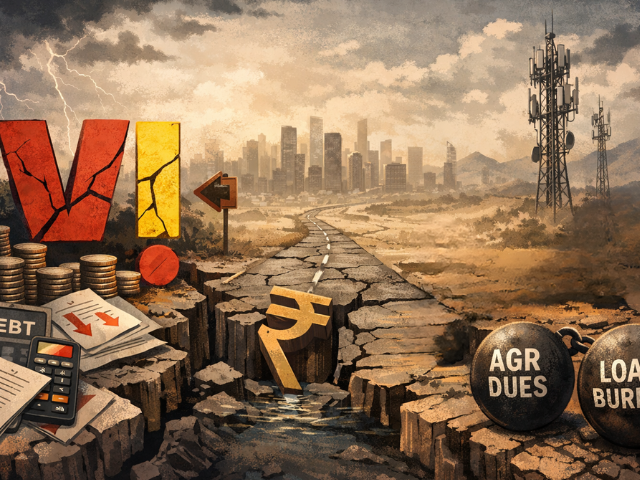
Vodafone Idea’s AGR dues have become one of the most debated issues in India’s telecom sector. For investors, policy watchers, and even everyday mobile users, the question is simple yet crucial: can Vodafone Idea survive under the weight of massive adjusted gross revenue liabilities?
Once a strong challenger in India’s telecom market, Vodafone Idea today represents the fragile balance between regulation, competition, and financial sustainability. Its AGR dues are not just a company problem but a systemic issue with implications for banks, markets, and consumers.
This blog breaks down what lies ahead for Vodafone Idea, what the numbers really mean, and how this situation could shape the future of Indian telecom.
Adjusted Gross Revenue refers to the share of revenue that telecom operators must pay to the government as license fees and spectrum usage charges. In 2019, the Supreme Court ruled that AGR should include not just core telecom revenue but also non telecom income such as interest and rent.
This ruling led to massive retrospective liabilities for telecom companies, with Vodafone Idea emerging as the worst hit.
Vodafone Idea was already dealing with losses due to intense price competition and high debt from past spectrum auctions. The AGR ruling added tens of thousands of crores in dues, pushing the company into a severe liquidity crisis.
Vodafone Idea’s AGR dues run into tens of thousands of crores, making them one of the largest corporate liabilities owed to the government. Even after relief measures like moratoriums and conversion of interest into equity, the dues remain a major overhang.
The government has taken several steps to prevent a market duopoly:
These steps have bought time but have not solved the core issue of long-term profitability.
Vodafone Idea needs fresh capital to survive. Without new equity or strategic investments, meeting future AGR payment schedules will be extremely challenging. The company has repeatedly indicated plans to raise funds, but investor appetite depends on clarity around cash flows and policy stability.
Industry wide tariff hikes have improved average revenue per user. For Vodafone Idea, higher tariffs are essential to generate sustainable operating cash flows. However, tariff increases must balance consumer affordability, especially in price sensitive rural markets.
Even as it struggles financially, Vodafone Idea must invest in network quality and 5G readiness. Falling behind peers on technology could lead to further subscriber losses, creating a vicious cycle.
If Vodafone Idea exits or weakens significantly, India risks moving towards a duopoly. Reduced competition could eventually hurt consumers through higher tariffs and slower innovation.
Vodafone Idea’s debt exposure affects banks and institutional investors. Any adverse development could impact sentiment in telecom related stocks and increase caution toward highly leveraged sectors.
The AGR episode has become a case study in regulatory risk. How the government balances revenue collection with sector sustainability will influence long-term investor confidence in regulated industries.
Vodafone Idea’s stock remains a high risk bet. Price movements are often driven by news flow around government relief, fundraising, or policy changes rather than fundamentals.
For investors, the AGR saga highlights the importance of:
Platforms like Swastika Investmart help investors analyze such risks with structured research tools and SEBI registered advisory frameworks.
Vodafone Idea can meet near term obligations only with continued government support and successful capital raising. Long-term sustainability depends on profitability and tariff growth.
No waiver has been granted. Relief has come in the form of moratoriums, equity conversion, and payment restructuring.
While immediate bankruptcy risk has reduced, financial stress remains high. The company’s future hinges on funding and operational turnaround.
In the long run, high sector costs can lead to higher tariffs and reduced competition, impacting consumer choice.
In complex cases like Vodafone Idea, informed decision making is critical. Swastika Investmart stands out through:
Whether tracking telecom stocks or building a diversified portfolio, having the right research partner makes a real difference.
Vodafone Idea’s AGR dues represent more than a balance sheet issue. They reflect the evolving relationship between regulation, competition, and sustainability in Indian telecom. While government support has kept the company afloat, the road ahead remains challenging.
For investors, this episode reinforces the need for disciplined analysis and reliable advisory support. With its research driven approach and investor first philosophy, Swastika Investmart empowers market participants to navigate such high risk narratives with confidence.
.png)
Indian equity markets began the first trading session of the New Year on a positive note on 1 January 2026, reflecting steady investor confidence and supportive early cues. Benchmark indices opened marginally higher, indicating cautious optimism as participants step into the new calendar year.
With global markets offering mixed but stable signals, domestic investors appear focused on selective buying rather than aggressive positioning. The opening tone suggests an orderly start, with emphasis on quality stocks and key index heavyweights.
At the opening bell on 1 January 2026, major indices were trading as follows:
The mild gains across indices indicate stable participation from investors as the market sets the tone for the year ahead.
The Nifty 50 opened higher, continuing its consolidation near record levels. Early buying interest in select large-cap stocks helped the index maintain positive territory, reflecting confidence without signs of overextension.
This opening move highlights a balanced approach by market participants, where optimism is tempered with caution at elevated valuations.
The Bank Nifty opened in the green, signaling stability in banking stocks. While gains were moderate, the index’s ability to sustain above key levels continues to support overall market sentiment.
Both private and PSU banks remained in focus, as investors track institutional activity and sector-specific developments at the start of the year.
The Nifty IT index opened with modest gains, supported by selective buying in technology stocks. Stable global tech cues and defensive positioning helped the sector maintain a positive bias in early trade.
IT stocks often attract steady interest during periods of market consolidation due to earnings visibility and export-linked revenues.
Global markets remained mixed overnight, providing limited directional cues. In the absence of major global triggers, domestic markets are likely to remain guided by:
Low volatility in early trade suggests a disciplined and measured market environment.
For traders, disciplined risk management remains essential, while long-term investors may continue to focus on fundamentally strong opportunities.
Tracking daily market movements requires timely insights and dependable research. Swastika Investmart, a SEBI-registered brokerage, empowers investors through:
Whether markets are trending or consolidating, the right tools and research can make a meaningful difference.
The market opening on 1 January 2026 reflects a calm and positive start to the New Year, with benchmark indices trading marginally higher. While optimism is visible, investors remain selective and disciplined in their approach.
If you’re planning your investment journey for 2026, partnering with a trusted and research-driven platform can help you stay ahead.
👉 Open your account today with Swastika Investmart
Stay informed. Trade smart. Invest with confidence.
.png)
The first trading session of a new calendar year often sets the tone for short-term market direction. For Indian equities, 01 January 2026 begins with a blend of cautious global cues and strong domestic institutional participation.
With global markets largely shut due to New Year holidays, liquidity remains lighter. In such environments, institutional data, derivatives positioning, and technical levels carry greater significance than headline-driven momentum.
This market set-up provides valuable insight into how traders and investors should approach the opening phase of 2026 with discipline and clarity.
Global cues remain mildly cautious as the year begins.
Key highlights include:
With limited global direction, Indian markets are likely to rely more on domestic flows and technical structure rather than overnight triggers.
Institutional flow data reveals an important divergence.
In the cash market:
This pattern highlights a recurring trend in Indian markets, where domestic institutions act as stabilisers during phases of foreign selling. Such behaviour often limits downside volatility and provides confidence to long-term investors.
For retail participants, this reinforces the importance of tracking net institutional flows rather than isolated selling pressure.
Futures and options data suggests a neutral to cautious market structure.
Key observations:
FII activity in index derivatives shows mixed positioning, with both long and short exposures visible. This indicates lack of aggressive directional conviction, common during holiday-thinned sessions.
From a technical perspective, Nifty is showing signs of short-term pressure.
Current structure indicates:
Unless Nifty decisively reclaims key averages, traders may continue to adopt a cautious approach, focusing on range-based strategies rather than directional bets.
Bank Nifty continues to display relative stability compared to the broader index.
Key technical observations:
This sideways structure suggests that stock-specific action within banking names may outperform index-level movement until a clear breakout emerges.
The 01 January 2026 market set-up points to a measured and selective approach.
Traders may consider:
Investors may focus on:
Early-year sessions often reward patience over urgency.
Market phases with mixed signals require structured decision-making. Relying on verified data, technical levels, and institutional behaviour helps reduce emotional bias.
SEBI-regulated research platforms play a crucial role by offering:
This disciplined approach becomes especially important at the start of a new calendar year.
Swastika Investmart combines regulatory compliance with research depth to support informed investing.
Key strengths include:
Such a framework helps investors navigate evolving market conditions responsibly.
👉 Open your trading and investment account today
Is the first trading session of the year important for markets?
Yes, it provides early clues about sentiment, institutional behaviour, and risk appetite, though trends develop gradually.
Why do DIIs often buy when FIIs sell?
Domestic institutions focus on long-term allocation strategies and often step in to stabilise markets during volatility.
How useful is derivatives data during low-volume sessions?
It helps identify key support and resistance levels but should be used alongside price action.
Should traders avoid markets during holiday weeks?
Not necessarily, but position sizing and risk management become more important due to lower liquidity.
The market set-up for 01 January 2026 reflects a balanced yet cautious environment. While global cues remain mixed, strong domestic institutional participation and defined technical levels offer structure to market participants.
Rather than chasing early moves, investors and traders can benefit from discipline, research-backed insights, and risk-aware strategies as the year begins.
If you are looking for a reliable research partner and a SEBI-registered platform to navigate Indian markets with confidence, Swastika Investmart stands ready to support your journey.
.png)
The New Year is not just a change in dates it marks the beginning of a fresh investment cycle. For market participants, it is a time for portfolio realignment, renewed institutional participation, and a shift towards structured, theme-based investing.
As Indian equity markets enter New Year 2026, investor sentiment remains constructive. With stable macroeconomic indicators, improving global cues, and strong domestic fundamentals, the focus is gradually moving away from short-term trading and toward quality, theme-driven stock selection.
To help investors begin 2026 with clarity, Swastika Investmart has curated a New Year–themed stock list, designed around long-term growth visibility, balance-sheet strength, and sectoral relevance.
| STOCK | CMP (As on 31-12-25) | TARGET | UPSIDE |
|---|---|---|---|
| Sandur Manganese & Iron Ores Ltd | 240 | 400 | 61% |
| AIA Engineering Ltd | 3900 | 5500 | 41% |
| GMR Airport | 103 | 140 | 36% |
| TCS | 3250 | 4200 | 28% |
| GMDC | 595 | 880 | 46% |
| Shriram Pistons and Rings | 3160 | 4800 | 49% |
| Data Patterns | 2600 | 4000 | 47% |
| Samvardhana Motherson | 119 | 150 | 27% |
| SRF | 3040 | 4500 | 44% |
| Nuvama Wealth Management | 1455 | 2100 | 40% |
| NBCC | 120 | 160 | 33% |
| HDFC Bank | 991 | 1250 | 26% |
Theme-based investing allows investors to participate in broader economic and structural trends rather than reacting to daily market volatility.
As 2026 begins, several factors support this approach:
Instead of chasing momentum, thematic investing helps build portfolios aligned with economic continuity and sustainability.
The opening weeks of a new year often bring renewed participation across global and domestic markets. In India, this phase is typically characterised by:
With supportive domestic indicators and measured global expectations, early 2026 provides a favourable environment for selective stock positioning.
The New Year 2026 stock list has been curated around key investment themes, keeping in mind sector relevance, earnings visibility, and long-term sustainability.
These themes are shared for investor awareness and education, not as investment recommendations.
The New Year period often supports continued demand across consumer-facing businesses.
This theme typically includes companies with:
Such businesses tend to benefit from sustained consumption momentum extending into the early part of the year.
Financial services remain a core pillar of the Indian economy as 2026 begins.
Stocks aligned with this theme generally demonstrate:
These characteristics often attract institutional interest during portfolio resets.
Digital adoption and technology-led efficiency continue to shape corporate performance.
This theme focuses on businesses with:
Technology-linked themes remain relevant for medium- to long-term portfolios.
India’s infrastructure and capital expenditure cycle continues to offer long-term opportunities.
Companies under this theme are typically supported by:
Early-year phases often see gradual accumulation in such stocks.
At the beginning of a new year, many investors also reassess asset allocation.
Precious metals play a role by:
Gold and silver remain important components of balanced portfolios in 2026.
Indian markets remain influenced by global developments. Key indicators to monitor include:
A stable global environment generally supports equity participation during the early weeks of the year.
Rather than rushing into trades, experienced investors often use the New Year to align portfolios thoughtfully.
A disciplined approach includes:
The New Year is best viewed as a planning phase, not a speculative one.
Swastika Investmart follows a research-driven, compliance-focused approach to investing.
What investors value:
This approach helps investors navigate markets with confidence, especially during transitional phases like the start of a new year.
Is the New Year a good time to invest in stocks?
The New Year often brings stable participation and fresh allocations, making it suitable for selective, quality investing.
Do FIIs and DIIs invest at the start of the year?
Institutional investors frequently rebalance portfolios in January, leading to selective activity in fundamentally strong stocks.
Should investors focus on themes rather than individual stocks?
Themes help investors align with long-term trends and reduce short-term decision-making noise.
Are New Year themed stock ideas suitable for long-term investors?
Yes, when supported by strong fundamentals and growth visibility, thematic ideas align well with long-term investing.
A New Year symbolises clarity, balance, and thoughtful decisions. The same principles apply to investing. With supportive institutional behaviour, stable global cues, and well-defined themes, New Year 2026 offers an opportunity to strengthen portfolios with purpose.
If you are looking for structured research, investor education, and long-term market guidance, Swastika Investmart is here to support your investing journey throughout 2026 and beyond.
📈 Begin the New Year with informed investing
🎯 Explore New Year 2026 themed insights today
.png)
The New Year is not just a change in dates it marks the beginning of a fresh investment cycle. For market participants, it is a time for portfolio realignment, renewed institutional participation, and a shift towards structured, theme-based investing.
As Indian equity markets enter New Year 2026, investor sentiment remains constructive. With stable macroeconomic indicators, improving global cues, and strong domestic fundamentals, the focus is gradually moving away from short-term trading and toward quality, theme-driven stock selection.
To help investors begin 2026 with clarity, Swastika Investmart has curated a New Year–themed stock list, designed around long-term growth visibility, balance-sheet strength, and sectoral relevance.
| STOCK | CMP (As on 31-12-25) | TARGET | UPSIDE |
|---|---|---|---|
| Sandur Manganese & Iron Ores Ltd | 240 | 400 | 61% |
| AIA Engineering Ltd | 3900 | 5500 | 41% |
| GMR Airport | 103 | 140 | 36% |
| TCS | 3250 | 4200 | 28% |
| GMDC | 595 | 880 | 46% |
| Shriram Pistons and Rings | 3160 | 4800 | 49% |
| Data Patterns | 2600 | 4000 | 47% |
| Samvardhana Motherson | 119 | 150 | 27% |
| SRF | 3040 | 4500 | 44% |
| Nuvama Wealth Management | 1455 | 2100 | 40% |
| NBCC | 120 | 160 | 33% |
| HDFC Bank | 991 | 1250 | 26% |
Theme-based investing allows investors to participate in broader economic and structural trends rather than reacting to daily market volatility.
As 2026 begins, several factors support this approach:
Instead of chasing momentum, thematic investing helps build portfolios aligned with economic continuity and sustainability.
The opening weeks of a new year often bring renewed participation across global and domestic markets. In India, this phase is typically characterised by:
With supportive domestic indicators and measured global expectations, early 2026 provides a favourable environment for selective stock positioning.
The New Year 2026 stock list has been curated around key investment themes, keeping in mind sector relevance, earnings visibility, and long-term sustainability.
These themes are shared for investor awareness and education, not as investment recommendations.
The New Year period often supports continued demand across consumer-facing businesses.
This theme typically includes companies with:
Such businesses tend to benefit from sustained consumption momentum extending into the early part of the year.
Financial services remain a core pillar of the Indian economy as 2026 begins.
Stocks aligned with this theme generally demonstrate:
These characteristics often attract institutional interest during portfolio resets.
Digital adoption and technology-led efficiency continue to shape corporate performance.
This theme focuses on businesses with:
Technology-linked themes remain relevant for medium- to long-term portfolios.
India’s infrastructure and capital expenditure cycle continues to offer long-term opportunities.
Companies under this theme are typically supported by:
Early-year phases often see gradual accumulation in such stocks.
At the beginning of a new year, many investors also reassess asset allocation.
Precious metals play a role by:
Gold and silver remain important components of balanced portfolios in 2026.
Indian markets remain influenced by global developments. Key indicators to monitor include:
A stable global environment generally supports equity participation during the early weeks of the year.
Rather than rushing into trades, experienced investors often use the New Year to align portfolios thoughtfully.
A disciplined approach includes:
The New Year is best viewed as a planning phase, not a speculative one.
Swastika Investmart follows a research-driven, compliance-focused approach to investing.
What investors value:
This approach helps investors navigate markets with confidence, especially during transitional phases like the start of a new year.
Is the New Year a good time to invest in stocks?
The New Year often brings stable participation and fresh allocations, making it suitable for selective, quality investing.
Do FIIs and DIIs invest at the start of the year?
Institutional investors frequently rebalance portfolios in January, leading to selective activity in fundamentally strong stocks.
Should investors focus on themes rather than individual stocks?
Themes help investors align with long-term trends and reduce short-term decision-making noise.
Are New Year themed stock ideas suitable for long-term investors?
Yes, when supported by strong fundamentals and growth visibility, thematic ideas align well with long-term investing.
A New Year symbolises clarity, balance, and thoughtful decisions. The same principles apply to investing. With supportive institutional behaviour, stable global cues, and well-defined themes, New Year 2026 offers an opportunity to strengthen portfolios with purpose.
If you are looking for structured research, investor education, and long-term market guidance, Swastika Investmart is here to support your investing journey throughout 2026 and beyond.
📈 Begin the New Year with informed investing
🎯 Explore New Year 2026 themed insights today