

FII FPI & DII Trading Activity on 1 April 2026 : Key Insights from April 1, 2026


%20(3).webp)

Understanding FII DII trading activity today is crucial for decoding market direction in India. On April 1, 2026, the data shows a sharp contrast between foreign and domestic institutional investors, offering valuable signals for traders and long-term investors alike.
Quick Takeaways
- DIIs remained strong net buyers, supporting market stability
- FIIs continued aggressive selling, creating downward pressure
- Domestic liquidity is currently offsetting foreign outflows
- Market sentiment remains cautious but not weak
What Happened on April 1, 2026
The latest data highlights a clear divergence between institutional players:
- DII Activity (NSE Capital Market): Net buying of ₹7,019 crore
- FII Activity (NSE Capital Market): Net selling of ₹8,072 crore
When combining NSE, BSE, and MSEI data:
- DIIs: Net buyers of ₹7,171 crore
- FIIs: Net sellers of ₹8,331 crore
This pattern reflects a familiar trend where domestic institutions absorb selling pressure from foreign investors.
Why Are FIIs Selling?
Foreign Institutional Investors often react to global cues. Some key reasons include:
Global Interest Rate Outlook
With central banks like the US Federal Reserve maintaining a cautious stance, capital tends to flow back to safer assets. This impacts emerging markets like India.
Currency Fluctuations
The Indian rupee’s volatility can reduce returns for FIIs when converted back to their home currency.
Risk-Off Sentiment
Geopolitical tensions and global uncertainty often trigger FII outflows.
Why DIIs Are Buying Aggressively
Domestic Institutional Investors, including mutual funds and insurance companies, are playing a stabilizing role.
Strong SIP Inflows
Retail participation through Systematic Investment Plans continues to provide steady liquidity.
Confidence in Indian Growth
India’s long-term growth story remains intact, supported by government policies and economic reforms guided by institutions like SEBI and RBI.
Valuation Opportunities
Market corrections due to FII selling often create attractive entry points for DIIs.
What This Means for Retail Investors
Understanding FII DII trading activity today helps you make smarter decisions:
Market Direction Is Not One-Sided
Even though FIIs are selling, strong DII buying prevents sharp crashes.
Focus on Fundamentals
Short-term volatility should not distract from long-term investment goals.
Sectoral Opportunities
DII buying often focuses on fundamentally strong sectors like banking, infrastructure, and manufacturing.
Role of Regulations and Market Stability
The Indian stock market operates under strict regulatory oversight by SEBI, ensuring transparency in institutional trades. RBI policies also influence liquidity and currency stability, indirectly affecting FII flows.
This strong regulatory framework makes India one of the most resilient emerging markets.
How Swastika Investmart Helps You Navigate Markets
In times of mixed signals like these, having the right platform matters. Swastika Investmart stands out with:
- SEBI-registered credibility ensuring trust and compliance
- Advanced research tools that decode FII and DII trends
- Reliable customer support for timely assistance
- A tech-driven platform designed for modern investors
- Strong focus on investor education
These features help investors interpret market data and act with confidence.
Common Questions on FII DII Activity
1. Why is FII selling considered negative for markets?
FII selling often leads to short-term volatility because of large capital outflows, but it does not always signal a long-term downturn.
2. Can DII buying fully offset FII selling?
In many cases, yes. Strong domestic inflows, especially through mutual funds, can stabilize markets.
3. Should retail investors follow FII trends?
FII trends are important but should not be the only factor. Always consider fundamentals and long-term goals.
4. Is this a good time to invest?
Market dips caused by FII selling can offer good opportunities if the underlying fundamentals remain strong.
Final Thoughts
The FII DII trading activity today clearly shows a tug of war between global caution and domestic confidence. While FIIs continue to pull out funds, DIIs are stepping in with strong buying support, keeping the market balanced.
For investors, this is not a time for panic but for informed decision-making. Staying updated with institutional trends and focusing on long-term growth remains key.
If you want deeper insights and smarter investing tools, explore Swastika Investmart here:
Big Budget










.webp)
.webp)
.webp)
.webp)
.webp)















.webp)
.webp)
.webp)
.webp)
Latest Articles
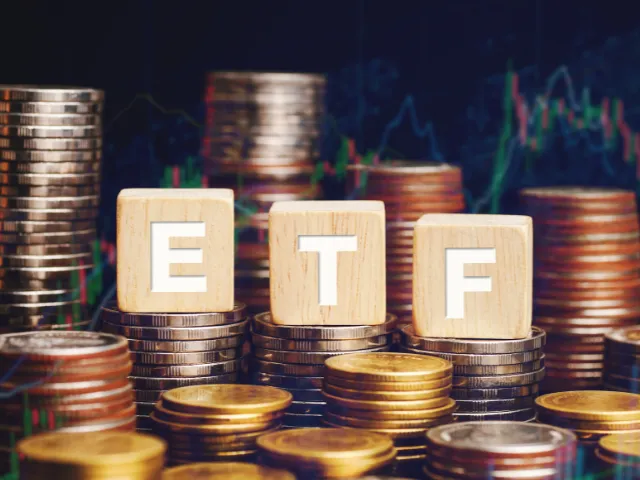
Top Performing Commodity Stocks and ETFs in India: Trends, Leaders & Smart Investing


Key Takeaways
- Explore the best-performing commodity stocks and ETFs in India for 2025
- Learn about critical factors affecting commodity investments
- Understand the role of SEBI and compliance in safeguarding investors
- See how leading brokers and Swastika Investmart enable easy, secure investments
- Get practical insights for beginners navigating commodity trading
Overview
India’s commodity market has witnessed a dynamic shift, with commodity stocks and ETFs gaining remarkable traction among modern investors. As 2025 unfolds, many are seeking exposure to commodities—like gold, energy, and agri-goods—not just for returns, but as a diversification strategy. In this guide, we’ll spotlight current top performers, explore the factors behind their growth, and reveal how Indian investors can harness these opportunities for a future-ready portfolio.
Commodity investing has evolved with the support of robust trading platforms, regulatory frameworks, and growing awareness, making it accessible even to beginners. Let’s dive in!
Top Performing Commodity Stocks in India (2025)
Important: Returns and leaderboard may change as global commodity markets remain volatile; regularly track via your trading platforms.
Leading Commodity ETFs in India (2025)
Why Commodity Stocks & ETFs Are Gaining in 2025
India’s commodities market has seen heightened activity due to global supply chain changes, inflationary pressures, and swings in energy prices. Investors are increasingly turning to commodities to hedge against inflation and to add a non-correlated asset to their equity-heavy portfolios.
Smart investing platforms like Zerodha, Groww, Upstox, Angel One, and ICICI Direct offer seamless access to these asset classes through mobile apps, web platforms, and modern interfaces that facilitate both learning and execution.
Key Points for Beginners:
- Commodity investing requires a demat account, compliant with SEBI and connected to NSDL/CDSL for safety and transparency.
- Brokers must follow SEBI’s strict guidelines, ensuring that client funds and assets have robust investor protection measures.
The Role of SEBI, NSDL, and Investor Protection
The Securities and Exchange Board of India (SEBI) is the primary regulator ensuring commodity trading is fair, transparent, and secure. All exchanges and depositories (NSDL, CDSL) are bound by SEBI’s compliance mandates. This means every trade is backed by clear records, investor grievance redressal, and minimum risk of operational fraud.
New investors typically start by:
- Signing up with a SEBI-registered broker online
- Completing KYC and linking a demat account
- Exploring top-performing commodity stocks and ETFs via research reports and market dashboards
How Brokers Enable Access and Safety
Well-known trading platforms like Zerodha, Upstox, and Angel One champion technology-driven onboarding, user-friendly dashboards, and frequent digital updates to help clients stay ahead.
Swastika Investmart stands out for its:
- Decades-long reputation in customer trust across India
- Advanced research desk producing actionable insights on commodities
- Seamless onboarding with vernacular options for regional support
- SEBI-compliant processes and top-tier advisory services
- Cutting-edge technology stack, mobile investing, and proactive customer support
Ready to begin your journey?
👉 Open a Commodity Investment Account with Swastika Investmart
Experience robust security, expert guidance, and an easy-to-navigate trading experience.
Key Scenarios for Beginners
Imagine a 26-year-old in Indore, beginning with Rs. 5,000 in a gold ETF, guided by Swastika’s research team. Within months, their portfolio grows not just in value but in diversity—by adding metal stocks and agri-commodity ETFs. With SEBI’s regulatory protection and the transparency of NSDL/CDSL, small investors build habits for long-term wealth creation.
Frequently Asked Questions
Q1. How do I start investing in commodity stocks in India?
Open a demat account with a SEBI-registered broker like Swastika Investmart, complete KYC, and use your trading platform to buy shares of listed commodity companies.
Q2. Are commodity ETFs safe for beginners?
Yes, SEBI mandates transparency and safety for all ETFs. These funds are backed by physical commodities or well-structured indices, minimizing counterparty risks.
Q3. Can I invest in commodities using mobile apps?
Absolutely! Leading brokers like Swastika Investmart, Zerodha, and Upstox provide seamless mobile investing, real-time research, and simple onboarding.
Q4. What is the difference between commodity stocks and ETFs?
Commodity stocks refer to shares of companies operating in commodity spaces (e.g., metals, oil); ETFs pool investor money to track underlying commodity assets.
Q5. How do SEBI and NSDL/CDSL protect my investments?SEBI enforces strict compliance and investor protection, while NSDL/CDSL ensure safe demat holdings, digital records, and clear settlement processes.
Conclusion
2025 is an exciting year for commodity investing in India. With top-performing stocks and ETFs leading the way, investors can confidently diversify their portfolios. Support from SEBI regulations, technology-driven brokers, and research-focused partners like Swastika Investmart ensure that every step—from onboarding to trading to monitoring—is safe, user-friendly, and future-focused 😊.
Start your journey now:
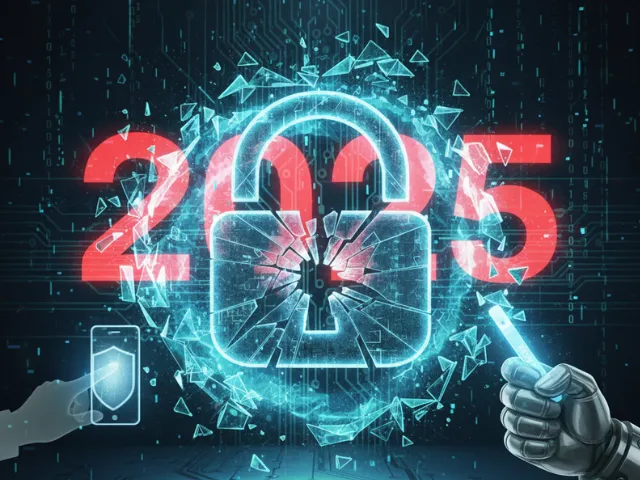
Demat Account Hacked in 2025? Complete Security Guide and Recovery Roadmap
Key Takeaways
- Over 15% increase in demat account security breaches reported in 2024, making cybersecurity crucial.
- Immediate actions include changing passwords, contacting your broker, and freezing suspicious transactions.
- Two-factor authentication and regular monitoring can prevent 90% of unauthorized access attempts.
- SEBI guidelines mandate brokers to compensate investors for proven security lapses within specific timeframes.
- Recovery typically takes 7-15 days with proper documentation and swift action from account holders.
Overview
The digital transformation of India's stock market has brought unprecedented convenience to investors, but it has also opened new avenues for cybercriminals. With over 12 crore demat accounts active in India as of 2024, the threat landscape has evolved significantly, making demat account security a top priority for every investor.
Recent reports from cybersecurity firms indicate a 15% surge in financial account breaches targeting retail investors, with demat accounts becoming prime targets due to their direct link to investment portfolios and bank accounts. Understanding how to protect your investments and respond to security breaches has become as important as making sound investment decisions.
Understanding Modern Demat Account Security Threats
Evolving Cyber Attack Methods
Today's cybercriminals employ sophisticated techniques that go beyond traditional password cracking. SIM swapping attacks have become particularly concerning, where fraudsters convince mobile operators to transfer your phone number to their device, bypassing SMS-based two-factor authentication.
Phishing attacks have also evolved to create near-perfect replicas of popular trading platforms. Fake websites mimicking leading brokers are designed to capture login credentials from unsuspecting users. These sites often appear in search results or arrive through SMS links claiming urgent account actions are needed.
Social Engineering and Data Breaches
Social engineering attacks targeting demat account holders have become increasingly sophisticated. Fraudsters often gather information from social media profiles, professional networks, and public databases to create convincing scenarios that prompt users to share sensitive information.
Third-party data breaches pose another risk, where your information might be compromised through services you've used for KYC verification, loan applications, or other financial services. This stolen data is then used to target your investment accounts through personalized attacks that appear legitimate.
Essential Security Measures for 2025
Multi-Layer Authentication Setup
Implementing robust authentication goes beyond simple passwords. Modern demat account protection requires a multi-layered approach that includes biometric authentication, hardware tokens, and app-based authenticators rather than SMS-based systems.
Leading brokers now offer advanced authentication options including fingerprint and face recognition for mobile apps. These biometric methods provide significantly better security than traditional password combinations and are much harder for fraudsters to replicate.
Consider using dedicated authentication apps like Google Authenticator or Microsoft Authenticator instead of SMS-based OTP systems. These apps generate time-based codes that don't rely on mobile network vulnerabilities, providing superior protection against SIM swapping attacks.
Regular Security Audits and Monitoring
Establishing a routine security review process helps identify potential vulnerabilities before they become serious problems. This includes regularly reviewing login history, checking for unusual trading activity, and monitoring linked bank account transactions.
Set up alerts for all account activities including logins from new devices, trade executions, fund transfers, and profile changes. Most modern trading platforms allow granular notification settings that can alert you to suspicious activities in real-time.
Swastika Investmart has been vigilant in security monitoring systems that track unusual patterns and alert both the platform and users about potential security concerns. Their comprehensive approach to client security includes regular security audits and proactive threat monitoring.
Device and Network Security
Using dedicated devices or browsers for trading activities adds an extra layer of protection. Consider setting up a separate user account on your computer specifically for investment activities, with restricted permissions and enhanced security settings.
Avoid using public Wi-Fi networks for accessing your demat account, even with VPN protection. Public networks present numerous vulnerabilities that sophisticated attackers can exploit to intercept your data or inject malicious content.
Keep all your devices updated with the latest security patches and use reputable antivirus software with real-time protection. Mobile devices should have screen locks enabled and apps should be downloaded only from official app stores.
Identifying Signs of Account Compromise
Unusual Account Activities
The first indication of a compromised account often comes through unexpected notifications or activities. Unauthorized trades appearing in your portfolio, mysterious fund transfers, or changes to your personal information are clear red flags requiring immediate attention.
Login notifications from unfamiliar locations or devices should trigger immediate security reviews. Most trading platforms now provide detailed login logs showing IP addresses, device information, and access times that can help identify unauthorized access.
Missing transaction confirmations via email or SMS might indicate that contact information has been changed to redirect communications. Fraudsters often modify email addresses and phone numbers to prevent victims from receiving security alerts.
Communication Red Flags
Receiving calls or messages claiming to be from your broker asking for sensitive information should raise immediate suspicion. Legitimate brokers never ask for passwords, PINs, or OTP codes through unsolicited communications.
Unexpected emails about account verification, urgent security updates, or mandatory compliance actions often signal phishing attempts. These messages typically create artificial urgency to prompt hasty decisions without proper verification.
Be particularly wary of communications requesting remote access to your devices or asking you to download software for "security updates." These are common tactics used to install malware or gain unauthorized system access.
Step-by-Step Recovery Process
Immediate Response Actions
The first few hours after discovering a security breach are crucial for minimizing damage and beginning the recovery process. Quick action can often prevent further unauthorized access and preserve evidence needed for investigation and potential compensation claims.
Immediately change your demat account password and any linked bank account passwords. If you suspect your email has been compromised, secure that account first as it's often used for password resets across multiple services.
Contact your broker's customer support immediately through verified phone numbers or secure channels. Avoid using email or chat systems that might have been compromised. Request immediate account freezing to prevent further unauthorized transactions.
Document everything related to the incident including screenshots of unauthorized transactions, suspicious emails, unusual login alerts, and any communication with fraudsters. This documentation will be crucial for recovery claims and potential legal proceedings.
Working with Your Broker and Authorities
SEBI regulations require brokers to have robust incident response procedures for security breaches. Understanding your rights and the broker's obligations can significantly impact the recovery process and potential compensation.
Most established brokers including ICICI Direct, Upstox, and others have dedicated security teams that can investigate breaches and work with cybercrime units. Provide them with all available evidence and maintain regular communication throughout the investigation.
File a cybercrime complaint with local police and the National Cyber Crime Reporting Portal. These official reports strengthen your case for compensation and help authorities track cybercriminal networks targeting investors.
Documentation and Evidence Preservation
Maintaining detailed records of the incident and recovery process is essential for successful resolution. Create a timeline of events, preserve all communications, and keep copies of official complaints and responses.
Take screenshots of your account before making any changes to preserve evidence of unauthorized activities. Many victims inadvertently destroy evidence by immediately "fixing" problems without proper documentation.
Work closely with your broker's investigation team and provide requested information promptly. The more comprehensive your documentation, the faster the investigation and potential recovery process.
SEBI Guidelines and Investor Protection
Regulatory Framework for Security Breaches
SEBI has established comprehensive guidelines requiring brokers to implement robust cybersecurity measures and compensate investors for proven security lapses. These regulations provide significant protection for retail investors against various types of cyber fraud.
Under current SEBI guidelines, brokers must investigate reported security breaches within specific timeframes and provide interim relief to affected investors. The regulatory framework also requires brokers to maintain cyber insurance and security audits.
Investors have the right to approach SEBI directly if brokers don't respond adequately to security breach complaints. The regulator takes cybersecurity violations seriously and has imposed penalties on brokers failing to meet security standards.
Compensation and Recovery Rights
SEBI regulations mandate that brokers compensate investors for losses due to proven security lapses in their systems. However, investors must demonstrate that they followed reasonable security practices and weren't negligent in protecting their account credentials.
The compensation process typically involves investigation by the broker, review of security protocols, and assessment of investor behavior leading to the breach. Documentation quality significantly impacts compensation decisions and timelines.
Recent SEBI circulars have strengthened investor protection measures, requiring brokers to implement additional security layers and provide clearer disclosure about security risks and investor responsibilities.
Ready to secure your investments with advanced protection?
Open your secure demat account with Swastika Investmart today:
📱 iOS App
FAQs
1. How quickly should I act if I suspect my demat account has been hacked?
Act immediately within the first few hours of discovering suspicious activity. Change passwords, contact your broker, and freeze the account to prevent further damage. Quick response can significantly reduce losses and improve recovery chances.
2. Will I get compensation if my demat account is hacked due to broker security failures?
Yes, SEBI guidelines require brokers to compensate investors for losses due to proven security lapses in their systems. However, you must demonstrate that you followed reasonable security practices and weren't negligent with your credentials.
3. Can I prevent SIM swapping attacks that bypass SMS-based authentication?
Use app-based authenticators instead of SMS for two-factor authentication. Also, contact your mobile operator to add extra security verification for SIM changes and regularly monitor your mobile account for unauthorized modifications.
4. What should I do if I've shared my demat account details with a fraudster?
Immediately change all passwords, contact your broker to freeze the account, file a cybercrime complaint, and monitor all linked bank accounts for unauthorized transactions. Document all interactions with the fraudster for investigation purposes.
5. How can I verify if a communication claiming to be from my broker is legitimate?
Always verify through official channels by calling the broker's verified customer service number or logging into your account through the official website. Legitimate brokers never ask for sensitive information through unsolicited calls or emails.
Conclusion
Protecting your demat account from cyber threats requires a proactive approach combining robust technical measures with smart behavioral practices. As cybercriminals continue to evolve their tactics, staying informed about current threats and maintaining strong security habits becomes increasingly important for every investor.
The good news is that with proper security measures and quick response to any suspicious activity, you can significantly reduce the risk of account compromise and minimize potential losses. SEBI's strengthened regulations provide additional protection, but the first line of defense always remains your own security awareness and practices.
Remember that investing in cybersecurity is just as important as diversifying your investment portfolio. By following the comprehensive security guidelines outlined in this guide and staying vigilant about emerging threats, you can enjoy the benefits of digital investing while keeping your hard-earned money safe from cybercriminals. Your financial security is worth the extra effort!

September 2025 IPO Alert: Glottis, Fabtech, Om Freight & Advance Agrolife – Which One Should You Pick?
Key Takeaways
- September 2025 sees multiple IPOs including Glottis, Fabtech Technologies, Om Freight, and Advance Agrolife Limited.
- Glottis is in multi-modal logistics; valuation looks aggressive, suitable for high-risk investors.
- Fabtech Technologies provides turnkey engineering solutions in pharma & biotech; fully priced, consider cautiously.
- Om Freight operates in 3PL logistics but faces high competition and inconsistency; better to skip.
- Advance Agrolife in agrochemicals has reasonable pricing; minor allocation for aggressive investors seeking listing gains.
Overview of September 2025 IPOs
The Indian stock market is gearing up for a busy week as four notable IPOs are set to hit the market: Glottis, Fabtech Technologies, Om Freight, and Advance Agrolife Limited. Investors often face the dilemma of choosing which IPO to participate in, balancing potential gains with associated risks. Each of these companies represents a distinct sector, and understanding their business models, financials, and market positioning is crucial before making investment decisions.
Glottis: Multi-Modal Logistics Leader
Glottis operates in the multi-modal logistics and freight forwarding sector, offering ocean, air, road, and customs-related services. The company has a strong presence in ocean freight, which exposes it to global trade volatility and shipping rate fluctuations. While this sector has growth potential, the IPO is priced aggressively. Investors looking for short-term listing gains or willing to accept high risk may consider a small allocation.
For example, in the past, logistics-focused IPOs like Container Corporation of India (Concor) saw significant listing gains due to rising trade volumes, but market conditions played a critical role in their performance. Regulatory oversight by the Ministry of Shipping and adherence to SEBI’s IPO guidelines ensure transparency, but global macroeconomic factors remain a key risk.
Fabtech Technologies: Turnkey Engineering Solutions
Fabtech Technologies provides end-to-end engineering solutions for pharma, biotech, and healthcare sectors. Its services include design, implementation, and support, offered under one roof to domestic and international clients. The company has shown steady revenue and profit growth in recent periods. However, the IPO appears fully priced, limiting the margin for immediate gains. High-risk investors might consider a small participation, but cautious investors may prefer to wait for post-listing performance.
Historically, engineering service IPOs tied to pharma have performed well during periods of strong healthcare demand, but valuation remains a critical factor. SEBI regulations on disclosures and risk factors in IPO documents ensure investors are informed about potential downsides.
IPO DateSeptember 29, 2025 to October 1, 2025
Face Value₹10 per share
Issue Price Band₹181 to ₹191 per share
Lot Size75 Shares
Sale TypeFresh Capital
Total Issue Size1,20,60,000 shares (aggregating up to ₹230.35 Cr)
Om Freight: 3PL Integrated Logistics
Om Freight operates in 3PL integrated logistics, catering to both domestic and international clients. While the sector offers long-term growth opportunities, the company has shown inconsistent financial performance and operates in a highly competitive, fragmented market. The IPO is aggressively priced, making it a high-risk and potentially low-return investment, and skipping it may be a prudent choice for conservative investors.
For context, fragmented logistics companies often face pricing pressure and margin volatility, as seen in several mid-cap IPOs over the past two years. Government initiatives like the Logistics Efficiency Enhancement Program aim to support sector growth, but individual company performance varies significantly.
IPO Open Date: September 29, 2025
IPO Close Date: October 3, 2025
Issue Price Band: ₹128 to ₹135 per share
Face Value: ₹10 per share
Lot Size: 111 Shares
Total Issue Size: ₹122.31 Cr
Sale Type: Fresh Issue + Offer for Sale (OFS)
Tentative Listing Date: October 8, 2025
Listing On: BSE and NSE
Advance Agrolife Limited: Agrochemical Manufacturer
Advance Agrolife manufactures a wide range of agrochemical products, serving a sector with consistent demand due to agriculture dependency in India. Compared to its peers, including PI Industries, UPL, and Rallis India, the IPO valuation seems reasonable. However, market share expansion may be challenging due to strong competition. Aggressive investors seeking minor listing gains can consider a small allocation.
India’s agrochemical sector is influenced by monsoon patterns, government subsidies, and regulatory approvals under the Insecticides Act, 1968, making operational efficiency and compliance critical for sustained growth.
IPO Open Date: September 30, 2025
IPO Close Date: October 3, 2025
Issue Price Band: ₹95 to ₹100 per share
Face Value: ₹10 per share
Lot Size: 150 Shares
Total Issue Size: ₹192.86 Cr
Sale Type: Fresh Capital Only
Tentative Listing Date: October 8, 2025
Listing On: BSE and NSE
Investment Strategy & Market Insights
Choosing the right IPO requires aligning with your risk appetite, investment horizon, and portfolio diversification strategy. High-risk investors may explore Glottis or minor allocation in Advance Agrolife, while cautious investors may prefer to wait and observe post-listing performance. Understanding SEBI disclosures, sector trends, and historical IPO performances provides an edge in decision-making.
Swastika Investmart Advantage
When participating in IPOs, platforms like Swastika Investmart can enhance your experience. SEBI-registered and tech-enabled, Swastika Investmart offers:
- Real-time research and expert insights
- Robust customer support for investors
- Advanced tools for tracking and applying to IPOs
- Investor education resources to make informed decisions
Open an account now and access these features: Open Account with Swastika Investmart
Frequently Asked Questions (FAQ)
Q1. Which IPO among these four is considered safest?
Advance Agrolife appears reasonably priced compared to peers and may be suitable for conservative allocation, whereas others are more aggressive or risky.
Q2. Can small investors apply to multiple IPOs simultaneously?
Yes, investors can apply to multiple IPOs, but it’s important to allocate funds based on risk tolerance and investment strategy.
Q3. Are these IPOs suitable for short-term listing gains?
Glottis and possibly Advance Agrolife could offer short-term listing gains, but market conditions and IPO pricing will heavily influence outcomes.
Q4. What regulatory guidelines govern these IPOs?
All IPOs are regulated by SEBI, with disclosures on financials, risk factors, and company operations mandatory under SEBI (ICDR) Regulations, 2018.
Conclusion
September 2025 offers diverse IPO opportunities across logistics, engineering, and agrochemical sectors. While high-risk investors may explore Glottis or small allocation in Advance Agrolife, cautious investors should weigh valuations and sector dynamics carefully. Platforms like Swastika Investmart simplify IPO participation with research-backed insights, investor education, and seamless application processes.
Start exploring IPO opportunities today with Swastika Investmart: Open Account
.webp)
Back-to-Back IPOs! Trualt Bioenergy & Jinkushal Industries – Which One Should You Pick?
Quick Takeaways
- Two Mainboard IPOs—Trualt Bioenergy and Jinkushal Industries—are opening back-to-back.
- Trualt is among India’s leading ethanol producers with a focus on renewable fuels.
- Jinkushal operates in trading and distribution of stainless steel products.
- Investors should weigh sector growth, financial performance, and valuations.
- Research-backed platforms like Swastika Investmart can help simplify IPO investing.
Introduction
The Indian IPO market has been buzzing with activity in 2025, and now investors are looking at two back-to-back SME offerings: Trualt Bioenergy Limited and Jinkushal Industries Limited. Both companies come from very different sectors—renewable fuels and steel trading—yet they are competing for the same pool of retail investors.
So, which one deserves your attention? Let’s break down the details, compare their fundamentals, and evaluate the outlook.
Trualt Bioenergy IPO – Riding the Ethanol Wave
Trualt Bioenergy Limited, incorporated in 2021, is engaged in the production of ethanol and other biofuels. With India’s strong push for ethanol blending (20% by 2025 target under the National Biofuel Policy), companies like Trualt are positioned to benefit significantly.
- Installed Capacity: 2,000 kilo litres of ethanol production annually.
- Business Strengths: Focus on clean energy, reducing crude oil dependency, and tapping into government incentives.
- Growth Drivers: Rising demand for ethanol from oil marketing companies, government subsidies, and India’s commitment to net-zero by 2070.
Example: In 2024, India achieved 12% ethanol blending, up from just 1.5% in 2014. Companies like Trualt are key players in accelerating this growth.
Risks to Note
- Highly regulated sector; changes in policy may impact profitability.
- Dependent on raw materials like sugarcane and maize, which are prone to price volatility.
Outlook & Valuation
- The company operates in the biofuel sector, with a strong focus on ethanol and a diversified product portfolio.
- It is pursuing multiple expansion and diversification initiatives that could be game-changers.
- While it delivered strong results in FY25, it experienced a decline in FY24.
- Considering recent financials, the IPO seems aggressively priced, overlooking some short-term positives.
- Aggressive Investors may consider allocating funds for the listing gains and long term.
Jinkushal Industries IPO – Steel Trading in a Growing Economy
Jinkushal Industries Limited is primarily engaged in trading and distribution of stainless steel products, catering to industries like construction, infrastructure, and manufacturing.
- Business Model: Acts as a supply-chain partner for businesses requiring stainless steel sheets, coils, and plates.
- Market Outlook: With infrastructure spending increasing in India (₹11.11 lakh crore allocation in Union Budget 2025), steel demand is expected to remain strong.
- Strengths: Established supplier relationships and growing distribution network.
Example: The Indian stainless steel market is projected to grow at a CAGR of 6–7% in the next five years, driven by urbanization and housing projects.
Risks to Note
- Thin operating margins typical of trading businesses.
- Exposure to steel price fluctuations and global commodity cycles.
Outlook & Valuation
- The company is engaged in export trading of new/customized/used/refurbished construction machines in global markets.
- The company enjoys niche place in this segment as a preferred partner.
- Based on its recent financial data, the issue appears fully priced.
- Aggressive investors may apply for minor lisitng gains and may go for long term also.
Comparing the Two IPOs
FactorTrualt BioenergyJinkushal IndustriesSectorRenewable Energy (Ethanol)Steel TradingGrowth DriverGovt. push for ethanol blendingInfra & housing demandRiskRegulatory changes, raw material pricesCommodity price volatilityLong-term OutlookAligned with sustainability goalsDependent on cyclical steel market
Investor Perspective:
- If you prefer sustainable, government-backed sectors, Trualt Bioenergy looks promising.
- If you believe in India’s infrastructure boom, Jinkushal may be worth considering.
Impact on the Indian Market
While these SME IPOs may not shift large-cap market trends, they reflect two important themes shaping India’s economy:
- Energy Transition – India reducing oil imports through ethanol adoption.
- Infrastructure Push – Steel demand rising with mega housing and infra projects.
Both companies symbolize opportunities for retail investors to participate in sectors directly linked to India’s growth story.
How to Approach These IPOs as an Investor
Before applying, investors should evaluate:
- Company’s financial performance (revenue, profitability, debt levels).
- Valuation compared to listed peers.
- Use of IPO proceeds.
- Personal risk appetite (cyclical vs policy-driven businesses).
Platforms like Swastika Investmart offer SEBI-registered advisory, detailed IPO analysis, and easy online application tools. Their research-backed insights and investor education initiatives can help you take informed decisions rather than chasing market hype.
👉 Open your Swastika Investmart Account here
FAQs
Q1: Which IPO is safer—Trualt Bioenergy or Jinkushal Industries?
Both carry risks. Trualt is exposed to regulatory policies, while Jinkushal depends on volatile steel prices. Safety depends on your investment horizon.
Q2: Are SME IPOs riskier than mainboard IPOs?
Yes. SME IPOs often have smaller balance sheets, lower liquidity, and higher volatility, though they can deliver strong returns if the business scales.
Q3: Can I apply for both IPOs simultaneously?
Yes. Retail investors can apply to both if they meet eligibility requirements and have funds available.
Q4: How do I know if an IPO is overvalued?
Check the Price-to-Earnings (P/E) ratio, compare with listed peers, and look at profitability trends.
Q5: Why use Swastika Investmart for IPO investing?
Because it offers SEBI-registered research, strong customer support, and tech-enabled investing platforms that make the IPO process seamless.
Conclusion
Both Trualt Bioenergy and Jinkushal Industries IPOs present unique opportunities—one in clean energy and the other in infrastructure-linked steel trading. Your choice should depend on whether you lean towards long-term sustainability themes or cyclical infrastructure demand.
No matter which way you lean, remember that IPO investing works best with informed decisions, not speculation.
👉 Open your Swastika Investmart Account today and stay ahead with expert research, powerful tools, and investor-friendly guidance.
.webp)
3 IPOs in Spotlight 🔍 Jain Resource, BMW Ventures & Epack Prefab – Apply or Avoid?
Quick Takeaways
- Jain Resource Recycling IPO: Large issue, strong growth but fully priced; suitable for medium-to-long-term investors.
- Epack Prefab IPO: Strong order book & expansion plans; priced aggressively, best for risk-taking long-term investors.
- BMW Ventures IPO: Diversified operations but inconsistent performance; better to avoid for now.
- Market Context: IPO momentum continues in India amid positive investor sentiment.
- Swastika Advantage: Trusted SEBI-registered broker with expert research & tech-enabled tools for smarter investing.
Introduction
The Indian IPO market remains vibrant in 2025, with several companies tapping the primary market to raise capital. This week, three IPOs—Jain Resource Recycling, Epack Prefab Technologies, and BMW Ventures—have come into the spotlight.
From recycling non-ferrous metals to prefab steel structures and diversified trading businesses, these IPOs represent different sectors of India’s growth story. But the key question remains: Should you apply or avoid? Let’s break down each IPO, their financials, valuation, and market positioning.
Jain Resource Recycling IPO – Strong Growth, Fully Priced
Business Overview
Jain Resource is engaged in recycling and manufacturing non-ferrous metals such as lead, copper, aluminium, and alloys. With facilities in South India, it has built a niche in the recycling industry, which aligns well with India’s sustainability push.
Key IPO Details
- Price Band: ₹220 – ₹232 per share
- Issue Size: ₹1,250 crore (₹500 crore fresh issue + ₹750 crore OFS)
- Anchor Investors: Raised ₹562.5 crore at ₹232 per share
Financial Snapshot
- Revenue FY25: ₹7,126 crore (61% YoY growth)
- PAT FY25: ₹223.29 crore vs ₹163.83 crore in FY24
- Valuation: ~35.9× FY25 earnings (upper band)
Outlook
While Jain Resource has posted impressive revenue and profit growth, the valuation suggests the IPO is fully priced. Given its competitive and fragmented sector, investors should consider this for a medium to long-term horizon rather than quick listing gains.
Epack Prefab Technologies IPO – Growth with Aggressive Valuation
Business Overview
Epack Prefab is into turnkey pre-engineered steel buildings (PEBs), prefabricated structures, and EPS packaging products. Its facilities in UP, Rajasthan, and Andhra Pradesh provide strong regional coverage.
Key IPO Details
- Price Band: ₹194 – ₹204 per share
- Issue Size: ₹504 crore (₹300 crore fresh + ₹204 crore OFS)
Use of Proceeds:
- New facility at Ghiloth (Rajasthan)
- Expansion at Mambattu (AP)
- Debt repayment & corporate uses
Financial Snapshot
- Revenue FY25: ₹1,140.49 crore vs ₹906.39 crore in FY24
- PAT FY25: ₹59.32 crore vs ₹42.96 crore in FY24
- Order Book: >₹900 crore in prefab business
- Post-issue Market Cap: ~₹2,049 crore
Outlook
Epack Prefab enjoys strong industry tailwinds as infrastructure spending and industrial expansion pick up in India. With a healthy order book and capacity expansion plans, growth visibility is high. However, the IPO appears aggressively priced. Risk-taking investors can consider it for long-term allocation, but conservative investors may wait.
BMW Ventures IPO – Diversified but Inconsistent
Business Overview
BMW Ventures operates in steel trading, tractor engines & spare parts distribution, PVC pipe manufacturing, and pre-engineered buildings. The company has a significant distribution presence in Bihar.
Key IPO Details
- Price Band: ₹94 – ₹99 per share
- Issue Size: ₹231.66 crore (entirely fresh issue of ~2.34 crore shares)
Financial Snapshot
- Revenue FY25: ₹2,067.33 crore
- EBITDA FY25: ₹87.39 crore
- PAT FY25: ₹32.82 crore (modest growth)
Outlook
Although BMW Ventures covers multiple segments, its financial performance has been inconsistent. Operating in a highly fragmented and competitive industry, margins remain thin. Analysts suggest that investors may avoid this IPO for now, unless the company demonstrates sustainable earnings improvement.
Market Context – Why IPOs Matter in 2025
The strong pipeline of IPOs reflects the bullish investor sentiment in India’s equity markets, supported by reforms, robust retail participation, and regulatory oversight from SEBI. However, valuations are a critical factor, as seen in these three IPOs. Retail investors must weigh growth prospects against pricing risks before applying.
FAQs
1. Which IPO is best among Jain Resource, Epack Prefab, and BMW Ventures?
Epack Prefab and Jain Resource show stronger growth, but valuations are high. BMW Ventures looks weaker; better avoided.
2. Are these IPOs good for listing gains?
Given the pricing, listing gains may be limited. Jain and Epack may offer long-term potential, but BMW Ventures seems risky.
3. How do I decide whether to apply for an IPO?
Check business fundamentals, sector outlook, financials, valuations, and anchor investor participation before investing.
4. What role does SEBI play in IPOs?
SEBI ensures transparency, investor protection, and fair disclosure norms in the IPO process.
5. Can Swastika Investmart help me apply for these IPOs?
Yes, Swastika offers tech-enabled investing tools, research-backed insights, and SEBI-registered advisory for IPOs and stock markets.
Conclusion
The three IPOs bring diverse opportunities:
- Jain Resource Recycling: Strong growth but fairly priced – suitable for patient investors.
- Epack Prefab: Solid order book and expansion-led growth – good for long-term risk-takers.
- BMW Ventures: Inconsistent track record – best to avoid at present.
As always, investors should align decisions with their risk appetite and long-term goals.
👉 Ready to participate in IPOs and other market opportunities?
Open an Account with Swastika Investmart today and get expert-backed insights for smarter investing.
.webp)
FII/DII Futures Activity: What Retail Traders Must Know
Quick Takeaways
- FIIs (Foreign Institutional Investors) and DIIs (Domestic Institutional Investors) drive liquidity in India’s futures market.
- Their activity often sets the short-term market direction.
- Retail traders can track FII/DII data to align trades with institutional flows.
- Futures data helps gauge market sentiment (bullish, bearish, or neutral).
- Swastika Investmart provides research and tools to simplify tracking and execution.
Why FII/DII Activity Matters
The Indian futures and derivatives market is heavily influenced by large institutional players.
- FIIs bring global capital flows, often reacting to interest rates, U.S. dollar trends, and geopolitical shifts.
- DIIs — such as mutual funds, insurance companies, and pension funds — provide domestic stability by countering excessive volatility.
Retail traders alone may not move markets, but by understanding institutional positioning, they can trade with the trend instead of against it.
How FIIs Use Futures
Foreign investors frequently use futures contracts to hedge and speculate:
- Index Futures (Nifty, Bank Nifty):
FIIs buy when bullish and short-sell when cautious. Example: If FIIs have net long positions of 80,000 contracts in Nifty futures, it signals bullish sentiment. - Stock Futures:
FIIs may build long positions in sector leaders (Infosys, HDFC Bank, Reliance) when they expect growth, or short when bearish on specific industries. - Hedging Spot Positions:
If FIIs buy equity shares worth ₹5,000 crore, they may simultaneously short futures to protect against market downturns.
How DIIs Use Futures
DIIs generally adopt a risk management role:
- Mutual funds may hedge equity portfolios during volatile phases.
- Insurance companies may use index futures to maintain portfolio balance.
- Unlike FIIs, DIIs focus more on long-term stability rather than short-term speculation.
Example: When FIIs aggressively sell futures, DIIs often step in through spot buying or limited hedging, helping cushion the market.
Reading FII/DII Data for Retail Traders
Retail traders can monitor daily FII/DII futures activity via NSE reports and broker research.
Key indicators to track:
- Net Long vs. Short Contracts – Shows whether institutions expect markets to rise or fall.
- Index Options Positioning (Put/Call Ratio) – Reveals hedging strategies.
- Monthly Expiry Trends – Indicates rollover bias (bullish, bearish, neutral).
Example:
- If FIIs turn net buyers of 10,000 Nifty futures contracts after weeks of selling, it could mean a trend reversal.
- A rising Put/Call ratio often signals excessive bearish bets, sometimes leading to short-covering rallies.
How Retail Traders Can Benefit
- Follow the Flow, Don’t Fight It
Align trades with institutional positioning. If FIIs are net long, intraday and swing traders can look for buying opportunities. - Use Futures Data for Confirmation
Combine technical charts with FII/DII futures data for stronger conviction. - Sector Rotation Insights
If FIIs build positions in IT futures and reduce metals exposure, retail traders can adjust portfolios accordingly. - Risk Management
Institutions hedge consistently — retail traders should adopt similar discipline with stop-losses and defined risk per trade.
Real-World Example
In August 2025, FIIs recorded heavy selling in Nifty futures, creating downward pressure. However, DIIs supported the market with strong cash equity buying. Retail traders who observed this could have:
- Avoided aggressive long positions in futures.
- Shifted towards safer swing trades in defensive sectors like FMCG and Pharma.
- Prepared for a potential bounce when DII support began outweighing FII selling.
FAQs
Q1. Where can I track FII/DII futures activity?
You can check NSE’s derivative reports, daily FII/DII statistics, or broker research portals like Swastika Investmart.
Q2. Do FIIs always influence market direction?
Not always, but their flows set the tone for short-term sentiment. DIIs often counterbalance them.
Q3. Can retail traders directly copy FII moves?
Blindly copying isn’t advisable. Instead, use their activity as a sentiment guide along with technical and fundamental analysis.
Q4. Are FIIs more active in index futures or stock futures?
FIIs trade both, but index futures (Nifty, Bank Nifty) see the most action due to high liquidity.
Q5. How does expiry affect FII/DII activity?
Near monthly expiry, institutions roll over positions or square them off, leading to high volatility.
Conclusion
For retail traders in India, tracking FII/DII activity in futures can provide valuable clues about market direction and sentiment. Instead of trading in isolation, aligning with institutional flows improves odds of success.
With Swastika Investmart’s tech-enabled platforms, SEBI-registered trust, advanced derivatives research, and investor education, retail traders can confidently navigate futures trading.
👉 Open a Demat & Trading Account with Swastika Investmart and make informed trading decisions today.


.webp)
.webp)

.webp)





START YOUR INVESTMENT JOURNEY
Get personalized advice from our experts
- Dedicated RM Support
- Smooth and Fast Trading App
