

Market Closing Summary Today 1 April 2026: Nifty, Sensex, and Bank Nifty Surge Strongly & What’s Driving the Surge?


%20(3).webp)

The Indian stock market rally April 2026 has caught the attention of investors across the country. Benchmark indices like Nifty 50 and Sensex posted strong gains, signaling renewed optimism after a volatile March. But what exactly is fueling this momentum, and more importantly, can it sustain?
Let’s break it down in a simple, practical way.
Key Takeaways
- Indian markets surged over 1.5% driven by global geopolitical easing
- Banking, IT, and metal sectors led the rally
- FIIs showed renewed buying interest after weeks of selling
- Volatility may persist due to global macro uncertainties
- Long-term investors should stay disciplined and avoid chasing momentum
What Triggered the April 2026 Market Rally?
Geopolitical Relief Boosted Sentiment
One of the biggest catalysts behind the Indian stock market rally April 2026 was easing tensions in West Asia. Markets had been under pressure due to uncertainty around global conflicts, especially impacting crude oil prices.
With signs of de-escalation, investor confidence improved rapidly. Lower crude oil expectations are particularly positive for India, as it is a major oil importer.
Strong Domestic Macros
India’s macroeconomic fundamentals remain resilient. Inflation is under control within the RBI’s tolerance band, and GDP growth continues to outperform most major economies.
The Reserve Bank of India (RBI) has maintained a balanced stance, supporting growth while keeping inflation in check. This stability acts as a strong backbone for equity markets.
FII Inflows Return
Foreign Institutional Investors had been net sellers in March 2026. However, early April saw a shift, with FIIs turning buyers again. This added liquidity played a key role in pushing indices higher.
Sector-Wise Performance: Who Led the Rally?
Banking and Financials
Banking stocks were among the top performers. Strong credit growth, stable asset quality, and improving margins supported the uptrend.
IT Sector Gains Momentum
IT stocks rebounded as global recession fears eased slightly. A stable US outlook often benefits Indian IT companies, given their export-heavy business model.
Metals Shine on Global Hopes
Metal stocks surged on expectations of improved global demand. Any positive shift in China or global infrastructure spending tends to boost this sector.
What Should Investors Do Now?
Avoid Emotional Investing
Sharp rallies often trigger FOMO. However, disciplined investing remains key. Avoid entering stocks purely based on momentum.
Focus on Fundamentals
Look for companies with strong balance sheets, consistent earnings growth, and good management quality.
Diversification is Crucial
A well-diversified portfolio across sectors like banking, IT, FMCG, and pharma helps manage risk effectively.
Keep an Eye on Regulations
Market participants should stay updated with guidelines from the Securities and Exchange Board of India (SEBI). Regulatory changes can influence market behavior, especially in derivatives and margin trading.
Role of Research and Advisory
Navigating such market phases requires reliable insights. This is where platforms like Swastika Investmart add value. As a SEBI-registered broker, it offers robust research tools, actionable advisory, and a tech-enabled investing experience. Their focus on investor education helps individuals make informed decisions rather than speculative bets.
Risks That Could Impact the Rally
Global Uncertainty
Any escalation in geopolitical tensions or unexpected macro shocks can quickly reverse gains.
Interest Rate Outlook
If global central banks adopt a hawkish stance again, it may impact liquidity flows into emerging markets like India.
Profit Booking
After a sharp rally, short-term corrections are natural as traders lock in profits.
Frequently Asked Questions
What caused the Indian stock market rally in April 2026?
The rally was driven by easing geopolitical tensions, FII inflows, and strong domestic economic indicators.
Which sectors performed best during the rally?
Banking, IT, and metal sectors were the top gainers.
Is it a good time to invest in the stock market now?
Yes, but with caution. Focus on fundamentally strong stocks and avoid chasing short-term trends.
How do RBI and SEBI impact the stock market?
RBI influences liquidity and interest rates, while SEBI regulates market practices to ensure transparency and investor protection.
Final Thoughts
The Indian stock market rally April 2026 reflects improving sentiment and strong underlying fundamentals. While the outlook remains positive, investors should stay cautious and avoid impulsive decisions.
A balanced approach combining research, discipline, and long-term thinking is the best way forward.
If you are looking to make smarter investment decisions with expert-backed insights, you can explore Swastika Investmart’s platform here
Big Budget






.webp)
.webp)
.webp)
.webp)
.webp)







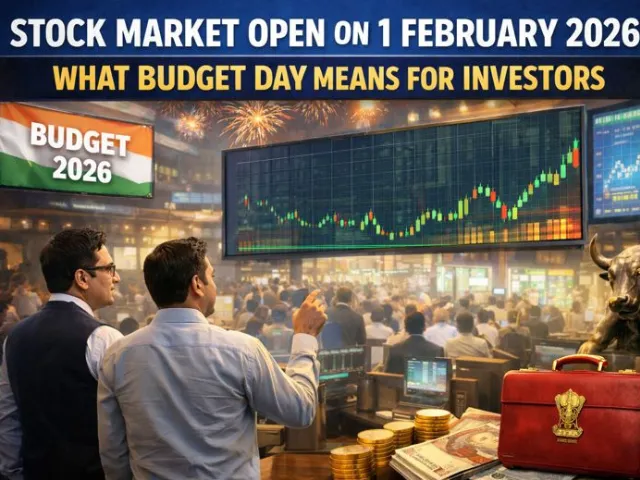
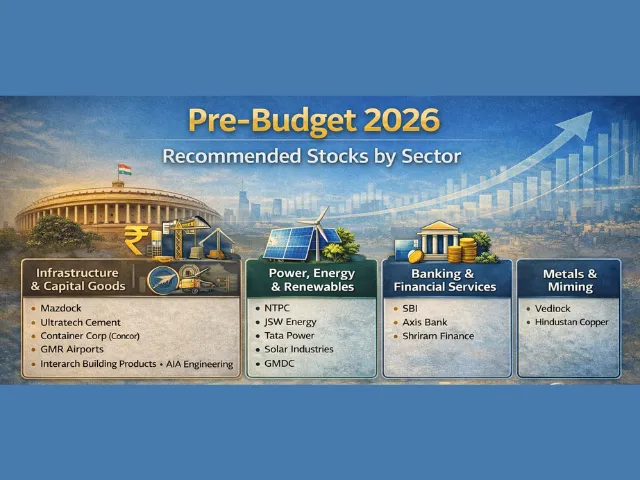
.webp)
.webp)
.webp)
.webp)
Latest Articles
.webp)
Intraday vs Positional Trading in Commodities: A Complete Guide


Key Takeaways
- Intraday trading = short-term, high-risk, high-reward.
- Positional trading = long-term, trend-based, less stressful.
- Both require SEBI compliance, risk management, and reliable brokers.
- Swastika Investmart offers strong research, regional support, and SEBI trust.
- Choose based on your risk appetite, time, and market knowledge.
Introduction: Commodities Trading
Commodity trading has been a cornerstone of India’s financial markets, offering investors exposure to gold, silver, crude oil, agricultural products, and more. With SEBI-regulated exchanges like MCX and NCDEX, traders today can participate in commodities either through intraday trading or positional trading.
But which strategy is better for you? This guide breaks down Intraday vs Positional Trading in Commodities, using real-world market insights, beginner-friendly explanations, and best practices.
What is Intraday Trading in Commodities?
Intraday trading means buying and selling a commodity within the same trading day.
- Positions are squared off before the market closes.
- Popular among traders seeking quick profits.
- Relies heavily on price volatility and technical analysis.
Example: A trader buys crude oil futures in the morning expecting a price spike. By afternoon, they exit the trade with a small profit (or loss).
What is Positional Trading in Commodities?
Positional trading involves holding commodities for days, weeks, or months depending on broader trends.
- Focuses on long-term fundamentals.
- Less stressful compared to intraday.
- Ideal for investors who cannot track markets constantly.
Example: An investor holds gold futures for several weeks, anticipating global uncertainties to drive prices higher.
Key Differences: Intraday vs Positional Trading
Which is Better for Beginners?
For new traders, positional trading is generally safer. It provides:
- More time for decision-making.
- Reduced exposure to intraday volatility.
- Learning opportunity to understand commodities’ fundamentals.
That said, intraday trading can be rewarding if you have the time, discipline, and strategy. Always start small and never risk more than you can afford to lose.
Role of Brokers in Commodity Trading
Your choice of broker plays a critical role in both strategies:
- Zerodha & Upstox → Popular for active, cost-sensitive traders.
- Groww → Simple UI, suited for beginners in equities & MFs.
- Angel One → Strong research content, advisory-driven.
- ICICI Direct → Trusted among traditional investors with full-service features.
👉 Swastika Investmart stands out for:
- Strong research-backed recommendations.
- SEBI-compliant operations ensuring investor protection.
- Technology-driven trading platforms for both beginners and active traders.
- Regional presence & customer trust built over decades.
This makes Swastika a reliable partner whether you want to start with intraday strategies or positional commodity investments.
Best Practices for Commodity Traders
- Always check SEBI guidelines before trading.
- Use stop-loss orders to manage risks.
- Diversify across multiple commodities.
- Track global cues like crude oil prices, US Fed announcements, or weather patterns (for agri commodities).
- Test strategies via paper trading before going live.
FAQs
Q1. Can I start commodity trading without a Demat Account?
No. For delivery-based trades, you need a Demat account linked with NSDL/CDSL. For derivatives like futures, some brokers allow margin trading without holding physical commodities.
Q2. Is commodity intraday trading riskier than equities?
Yes. Commodities like crude oil or silver are highly volatile, making intraday trades riskier than equities.
Q3. Which brokers are best for commodity trading in India?
Brokers like Zerodha, Angel One, Upstox, and ICICI Direct are well-known. Swastika Investmart is trusted for research, advisory, and beginner support.
Q4. Can beginners make money in commodities?
Yes, but only with discipline, research, and risk management. Beginners should start small, preferably with positional trading.
Conclusion
Both intraday and positional trading in commodities have their advantages. Intraday offers quick opportunities but comes with higher risks. Positional trading allows you to ride long-term trends with less stress.
For Indian investors, the key lies in aligning your strategy with your risk appetite, time availability, and knowledge level. And most importantly, trading with a SEBI-regulated, trustworthy broker like Swastika Investmart ensures safety, support, and research-driven guidance.
👉 Ready to start? Open your account today: 🔗 Swastika Investmart Web
📱 iOS App
📱 Android App
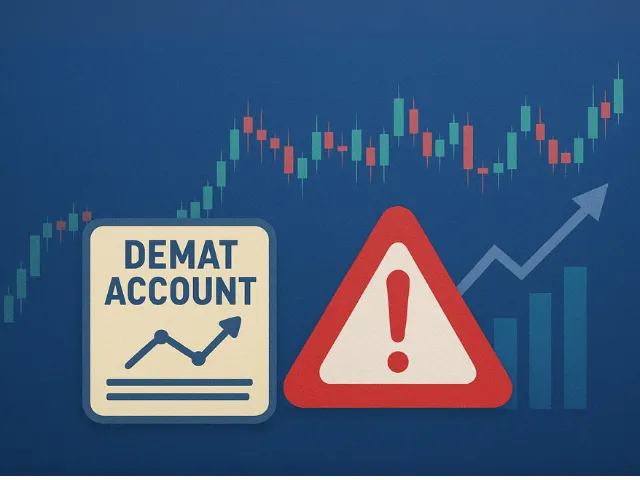
Common Mistakes to Avoid While Using a Demat Account (Beginner’s Guide)
Key Takeaways
- Not understanding the difference between Demat & trading accounts is a big mistake.
- Ignoring regular portfolio reviews can harm long-term wealth creation.
- Always update KYC details to stay SEBI-compliant.
- Don’t share login credentials or ignore nominee updates
- Choose a trusted broker like Swastika Investmart for safe investing.
Introduction
A Demat Account is the foundation of stock market investing in India. As mandated by SEBI (Securities and Exchange Board of India), every investor must hold securities in electronic form through a Demat account with NSDL or CDSL.
While opening a Demat account is simple, many investors—especially beginners—commit mistakes that can affect their portfolio performance, safety, and compliance. This blog highlights the most common mistakes to avoid while using a Demat account and how you can invest smarter.
Mistake 1: Confusing Demat with Trading Account
Many beginners assume a Demat account alone is enough to buy and sell shares. In reality:
- A Demat Account stores your securities digitally.
- A Trading Account acts as a bridge between your Demat and your bank.
👉 Without both, you cannot invest efficiently. Brokers like Zerodha, Upstox, Groww, Angel One, ICICI Direct, and Swastika Investmart provide integrated accounts for seamless transactions.
Mistake 2: Ignoring KYC and Updates
SEBI requires all investors to complete KYC (Know Your Customer). Failing to:
- Update your PAN, Aadhaar, or address changes can block transactions.
- Not linking nominee details can create inheritance issues.
📌 Pro Tip: Always keep your KYC and nominee details updated with your broker to ensure compliance and smooth ownership transfer.
Mistake 3: Sharing Login Credentials
In the era of mobile trading apps, some investors share their login details with friends or family. This can expose you to:
- Unauthorized trades
- Identity theft
- Fraudulent transactions
✅ Always enable 2FA (Two-Factor Authentication) and never share passwords.
Mistake 4: Not Reviewing Portfolio Regularly
A Demat account isn’t a “buy and forget” tool. Many investors don’t track their holdings and miss:
- Bonus issues, rights issues, or stock splits
- Poor-performing stocks dragging down portfolio returns
- Opportunities for tax-loss harvesting
📌 Regular reviews help optimize your wealth journey.
Mistake 5: Falling for “Free Demat” Traps
Some investors choose brokers just for “zero account opening charges” without checking:
- Research support
- Technology reliability
- Advisory services
- Regional support
This leads to poor investing experience. For example, Swastika Investmart has built trust over decades by combining technology-driven platforms, SEBI compliance, strong research advisory, and local support in regional languages.
Mistake 6: Ignoring Security Features
A Demat account holds valuable assets. Yet many investors:
- Don’t activate SMS/email alerts
- Fail to monitor account statements
- Ignore unusual activity
✅ Always monitor your CDSL/NSDL alerts and report anomalies immediately.
Mistake 7: Overlooking Nomination & Transmission Rules
A shocking number of Demat accounts have no nominee added. In case of unfortunate events, family members face legal hurdles in claiming assets.
📌 Add or update your nominee details—a simple yet powerful safeguard.
Quick Comparison Table: Demat Account Do’s & Don’ts
Real-Life Example
In 2022, SEBI reported thousands of dormant Demat accounts that became targets for fraudulent activity because investors had ignored monitoring alerts. Such risks can be avoided by regularly reviewing accounts and choosing reliable brokers like Swastika Investmart.
6. FAQs
Q1. What is the most common mistake in Demat usage?
Not reviewing your portfolio and ignoring SEBI alerts is among the most common mistakes.
Q2. Can I have multiple Demat accounts?
Yes, you can hold multiple Demat accounts, but monitoring them carefully is essential.
Q3. How do I secure my Demat account?
Enable 2FA, keep login details private, and monitor NSDL/CDSL alerts regularly.
Q4. What happens if I don’t update nominee details?
Your family may face legal challenges in transferring securities after your lifetime.
Q5. Which broker is best for Demat safety?
Several brokers are SEBI-registered. However, Swastika Investmart stands out with robust research, advisory, compliance, and regional support.
7. Conclusion
A Demat account is the gateway to investing in India’s capital markets, but mishandling it can lead to losses, compliance issues, or even fraud. By avoiding the mistakes outlined above, you safeguard your investments and grow wealth with confidence.
If you are looking for a trusted, SEBI-compliant broker with strong research, technology, and advisory support, Swastika Investmart is a reliable partner for your journey.
👉 Open Your Demat + Trading Account with Swastika Today
🔗 Open Account Now
📱 iOS App: Download Here
📱 Android App: Download Here
%20(1)%20(1).webp)
Trump’s Ukraine Talks: What It Means for Global & Indian Markets
Key Takeaways
- A potential meeting between Donald Trump, Vladimir Putin, and Volodymyr Zelensky is being discussed to end the Russia-Ukraine conflict.
- The outcome could have significant global economic repercussions, affecting energy prices, commodity markets, and international trade.
- For Indian investors, the primary impact would be on crude oil and fertiliser prices, given India's large import dependence.
- A swift resolution could stabilise global supply chains, benefiting export-oriented sectors and boosting investor sentiment.
- Swastika Investmart provides SEBI-registered expertise and tools to help you navigate such market volatility with confidence.
Navigating Geopolitical Headwinds
The Potential Impact of Trump's Ukraine Talks on Indian MarketsGlobal financial markets are inherently interconnected, and a seemingly distant geopolitical event can send ripples across continents, affecting everything from crude oil prices to the value of our domestic currency. A prime example is the ongoing discussion about a potential meeting involving President Donald Trump, Russian President Vladimir Putin, and Ukrainian President Volodymyr Zelenskyy. While the specifics of such a trilateral meeting are still being worked out, the very prospect of it has become a major talking point for investors worldwide.
This blog post will delve into the potential implications of a Trump meeting with Putin and Zelenskyy, analysing how different scenarios could play out and, most importantly, what it all means for the Indian financial market. We will explore the direct and indirect impacts, from commodity prices to policy shifts, and provide a framework for Indian investors to understand and respond to these developments.
The Geopolitical Chessboard and Its Economic Stakes
The Russia-Ukraine conflict, which began in 2022, has been a major source of global economic instability. It has disrupted supply chains, sent energy and food prices soaring, and heightened inflationary pressures worldwide. For a country like India, which is a net importer of commodities, this has been a particularly challenging period. Our reliance on imported crude oil and fertilisers has made us vulnerable to the price volatility driven by this conflict.
Now, with a new diplomatic initiative being championed by Donald Trump, there is a renewed sense of anticipation. His proposed approach, which reportedly focuses on a final peace agreement rather than just a ceasefire, could lead to a significant shift. While this has been met with mixed reactions globally, its potential to alter the economic landscape cannot be ignored. A sudden resolution could lead to a normalisation of trade relations and a softening of commodity prices. Conversely, a failure to reach an agreement could prolong uncertainty and lead to further market volatility.
How Different Scenarios Could Impact Indian Financial Markets
The Indian market, known for its resilience and domestic consumption-driven growth, is not immune to global events. The financial services industry, in particular, must be vigilant. Here’s a look at how different outcomes of the proposed meeting could affect key sectors in India:Scenario 1: A Swift and Successful Peace DealIf the talks result in a comprehensive and lasting peace agreement, the impact could be overwhelmingly positive.
- Crude Oil and Energy: A stable geopolitical environment would likely lead to a fall in global crude oil prices. As India imports over 85% of its crude oil, this would directly benefit our economy. Lower oil prices would reduce the import bill, strengthen the Indian Rupee (INR), and ease inflationary pressures. Companies in the paint, aviation, and logistics sectors, which are highly dependent on crude oil derivatives, would see their input costs fall, potentially boosting their profit margins.
- Food and Fertiliser: Russia and Ukraine are major exporters of grains and fertilisers. A resolution would re-establish crucial supply routes, bringing down the prices of these essential commodities. For Indian farmers and the agricultural sector, this would be a major relief, lowering the cost of cultivation and contributing to food security.
- Market Sentiment: A global de-escalation would significantly improve investor confidence. Foreign Portfolio Investors (FPIs), who have been cautious due to global risks, might increase their allocations to emerging markets like India. This could lead to a rally in key indices like the Nifty 50 and Sensex, benefiting a broad range of stocks.
Scenario 2: Talks Stall or FailThe risk of the talks failing is a reality. If an agreement is not reached or if the discussions prolong the uncertainty, markets could react negatively.
- Market Volatility: A lack of clear progress would prolong the current state of geopolitical tension. This could lead to increased market volatility, with FPIs pulling back and domestic investors taking a "wait and watch" approach.
- Commodity Price Spikes: Any renewed hostilities or lack of a resolution would keep commodity prices, especially energy, at elevated levels. This would maintain pressure on India’s trade deficit and could weaken the Rupee, making imports more expensive across the board. The Reserve Bank of India (RBI) might have to maintain a hawkish stance to combat inflation, affecting interest rates and credit growth.
- Sectoral Impact: Sectors dependent on imported raw materials, such as chemicals, metals, and consumer durables, would face continued pressure on their margins.
The Indian Regulatory and Market ContextIn this environment, the role of institutions like the Securities and Exchange Board of India (SEBI) becomes crucial. SEBI, the regulator of the Indian securities market, ensures a fair and transparent trading environment. As an investor, it is imperative to work with a SEBI-registered entity. This provides a layer of trust and security, protecting your interests in a volatile market.In times of global uncertainty, having access to expert advice and robust research tools is invaluable. Reputable financial intermediaries offer detailed reports, live market data, and expert analysis that can help you cut through the noise. They can explain complex scenarios, like the impact of a Trump meeting with Putin and Zelensky, and translate them into actionable investment strategies.
For example, when global oil prices spiked, a good financial advisor would have guided clients away from sectors with high energy costs and towards sectors that were insulated or even benefited from the situation. This kind of nuanced, expert-backed guidance is critical for making informed decisions.Case in Point: The Rupee and the US DollarA simple but powerful example of global-local linkage is the USD-INR exchange rate. Geopolitical tensions often lead investors to seek the safety of the US Dollar, causing it to strengthen against other currencies, including the Indian Rupee. A strong dollar makes our imports more expensive, from oil to electronics, and can fuel inflation.
If the Trump-led talks succeed, the resulting decrease in global risk aversion could lead to a weakening of the dollar and a strengthening of the Rupee. This would be a welcome development for the Indian economy, reducing import costs and potentially boosting exports.
Conclusion
The prospect of a Trump meeting with Putin and Zelensky represents a high-stakes geopolitical event with tangible economic consequences for India. While the outcome is uncertain, a prepared investor can use these moments of flux to their advantage. Understanding the potential impacts on key sectors and commodities is the first step.The next is to partner with a trusted financial firm that provides the expertise, trustworthiness, and advanced technology needed to navigate these waters. At Swastika Investmart, we pride ourselves on being a SEBI-registered entity with a deep commitment to investor education, robust research, and seamless tech-enabled investing platforms. Our goal is to empower you with the right tools and knowledge to make confident investment decisions, no matter how the global landscape shifts.
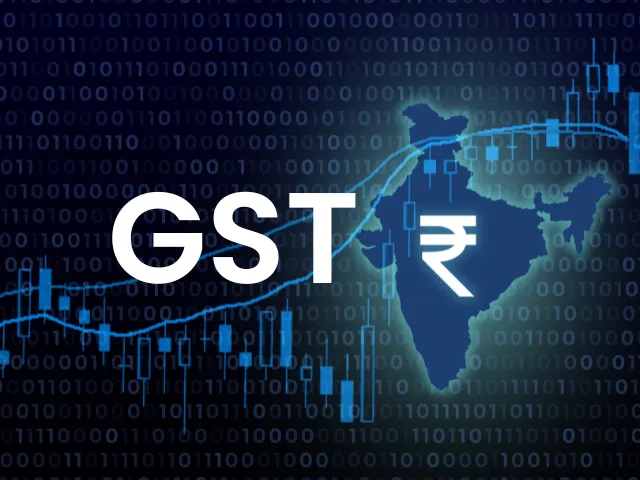
GST Rate Changes: Impact on Indian Economy, Industries & Consumers
Key Takeaways
- Recent discussions on rationalizing GST slabs aim to simplify the tax structure, potentially moving towards a two-slab system (5% and 18%) to replace the current four-tier system.
- These changes are expected to significantly benefit consumers by lowering the prices of a wide range of goods, from automobiles and consumer durables to everyday essentials.
- For businesses, particularly in sectors like cement and FMCG, a streamlined GST framework can reduce compliance burdens, correct inverted duty structures, and boost demand.
- The overall impact is anticipated to stimulate consumption-led growth, ease inflationary pressures, and formalize the Indian economy, though the government will need to manage potential revenue loss.
Unpacking the Impact: How GST Rate Changes
Shape the Indian Economy
The Goods and Services Tax (GST) has been a cornerstone of India's economic reforms, creating a unified national market and simplifying the complex indirect tax regime. However, its evolution is an ongoing process. Discussions around potential GST rate changes, especially the move towards a more rationalized slab structure, are at the forefront of policy debates. These adjustments aren't just administrative tweaks; they are significant economic levers that can influence everything from household budgets to corporate bottom lines and the nation's overall growth trajectory.This blog post will delve into the multifaceted impact of GST rate changes on the Indian economy, examining the ripple effects on various sectors, inflation, and the common consumer. We will explore how these adjustments are more than just a reduction in numbers—they represent a strategic move to spur demand and formalize the economy.
A Shift Towards a Simplified Tax Structure
The current GST framework operates with four main tax slabs: 5%, 12%, 18%, and 28%, in addition to a few exempted and special categories. While this has been instrumental in India’s economic journey, there has been a persistent call for rationalization. The recent buzz suggests a possible move towards a simpler two-slab structure, primarily 5% and 18%. The goal is to eliminate the confusion and compliance complexities associated with multiple rates and to correct inverted duty structures that have plagued some industries.
Consider the example of the automobile industry. For years, small cars and two-wheelers have faced a GST of 28%. A potential rate reduction to 18% would be a monumental shift. It directly translates to lower prices for consumers, which can act as a powerful catalyst for sales. This is particularly crucial in a price-sensitive market like India, where even a small reduction can sway purchase decisions. The ripple effect extends to ancillary industries, like component manufacturers, creating a positive feedback loop of increased production and employment.
Similarly, consumer durables like air conditioners and refrigerators, currently in the 28% slab, would become more affordable. This not only boosts the sales of these items but also increases the demand for consumer credit and financing, benefiting the banking and financial services sector.
Impact on Businesses and Industries
GST rate changes have distinct implications for different business sectors. For some, a rate reduction is a much-needed shot in the arm, while for others, the impact is more nuanced.For the cement industry, a GST rate cut from 28% to 18% could be a game-changer. Lower taxes would directly reduce the cost of construction materials, potentially leading to lower real estate prices. This could boost the housing sector and related industries. It also helps businesses by correcting the inverted duty structure where the tax on inputs is higher than the tax on the final product, a challenge that has been a long-standing issue for several sectors.
Conversely, for sectors that may see a minor rate increase, the impact could be different. However, the overall simplification of the tax code is a significant benefit. It reduces the administrative and compliance burden for businesses, especially Small and Medium Enterprises (SMEs), which often struggle with complex tax filing procedures. A simplified structure under GST 2.0, as some reports call it, would mean less time spent on paperwork and more time dedicated to business growth.The government's intent, as outlined in recent policy discussions, is not just to cut rates but to bring stability and clarity. This includes resolving classification disputes that have led to legal battles, such as the famous case of Hindustan Coca-Cola Beverages. Such reforms can provide much-needed certainty, allowing companies to plan and invest with greater confidence.
Consumer Benefits and Inflationary Effects
The most immediate and tangible impact of GST rate changes is on the Indian consumer. A rationalized tax structure can lead to a significant reduction in the retail prices of a wide array of goods. The government's focus on shifting goods from higher tax brackets to lower ones is a direct effort to put more money in the hands of the common man.
For instance, if ayurvedic products currently taxed at 12% move to the 5% slab, it makes them more accessible and affordable for a larger population. This aligns with the government's push for a healthier and more accessible lifestyle. A reduction in taxes on essential goods also helps in managing inflation. While the initial GST rollout caused some temporary inflationary pressures, a well-thought-out rate rationalization can lead to a gradual reduction in the Consumer Price Index (CPI), making daily life more affordable.
The shift towards a consumption-led growth model is a key takeaway. By lowering the tax burden on goods, the government aims to stimulate demand, which in turn fuels production and economic activity. This macroeconomic strategy is crucial for sustaining a high-growth rate in a large, developing economy like India.
The Role of Technology and the Formalization of the Economy
The GST system, with its digital backbone, has already played a pivotal role in formalizing the Indian economy. Every transaction is recorded, making it difficult for businesses to operate in the shadows. GST rate changes and a streamlined framework further accelerate this process. When tax compliance becomes simpler and more rewarding (due to lower rates), more small businesses are incentivized to join the formal economy. This expands the tax base, leading to increased government revenue in the long run, even with lower rates on some goods.
For investors, understanding these policy shifts is paramount. A change in GST rates can alter the profitability of a company and, consequently, its stock valuation. For example, a stock in the automobile sector might see a positive re-rating following a tax cut, as investors factor in the potential for higher sales and earnings.This is where a robust and tech-enabled platform becomes invaluable. An investor needs access to real-time data, expert research, and tools to analyze the potential impact of such policy changes on their portfolio.
Frequently Asked Questions
Q1. What is the main objective of GST rate rationalization?
A1. The primary objective is to simplify the tax structure, reduce the number of tax slabs, and correct issues like inverted duty structures. This aims to ease the compliance burden on businesses and make goods more affordable for consumers.
Q2. How does a GST rate change affect a consumer?
A2. A rate reduction on a particular good directly lowers its final price, making it more affordable. This can lead to increased purchasing power and higher consumption.
Q3. Will a GST rate cut lead to a loss in government revenue?
A3. While there might be a short-term impact, the government expects the revenue loss to be offset by increased tax compliance, higher consumption, and an overall expansion of the formal tax base.
Q4. Which sectors are likely to benefit most from GST rate changes?
A4. Sectors like automobiles, consumer durables, and cement, which currently fall under higher tax brackets, are expected to be the biggest beneficiaries of a rate rationalization.
Conclusion:
Navigating a Dynamic LandscapeThe evaluation of the impact of GST rate changes on the Indian economy is a complex exercise, but the direction is clear: a simpler, more efficient tax system is being pursued to boost growth and improve the ease of doing business. These policy shifts create new opportunities for both businesses and investors. Staying informed and having the right tools to navigate this dynamic landscape is crucial.For investors looking to capitalize on these shifts, a strong partner like Swastika Investmart can make all the difference. As a SEBI-registered entity with a deep-rooted commitment to investor education, Swastika Investmart provides robust research tools, seamless tech-enabled investing platforms, and dedicated customer support. Whether you are a seasoned trader or a new investor, their expertise can help you make sense of market-moving events and build a resilient portfolio. The future of the Indian economy is being shaped by these significant policy reforms; ensure your investment strategy is well-equipped to grow with it.
Open Account with Swastika Investmart today and start your journey with a trusted partner.
.webp)
Commodity Trading: From Basics to Pro-Level Strategies
Key Takeaways
- 📌 Commodity trading involves buying and selling raw materials like gold, crude oil, and agricultural products.
- 📌 MCX and NCDEX are India’s primary commodity exchanges, regulated by SEBI.
- 📌 Both beginners and advanced traders can benefit from futures and options strategies.
- 📌 Global market trends directly influence commodity prices in India.
- 📌 Swastika Investmart offers research-backed commodity calls, fast execution, and a reliable mobile app.
Commodity trading in India has evolved from open-outcry pits to fully digital platforms, making it accessible to both small investors and professional traders. Whether you’re hedging risk or speculating on price movements, understanding the commodity markets is essential to trade profitably.
What is Commodity Trading?
Commodity trading is the buying and selling of raw materials — metals, energy products, and agricultural goods — on regulated exchanges. In India, the two primary exchanges are:
- MCX (Multi Commodity Exchange) – Focuses on metals (gold, silver, copper) and energy (crude oil, natural gas).
- NCDEX (National Commodity & Derivatives Exchange) – Specialises in agricultural commodities (soybean, chana, guar seed).
SEBI oversees both exchanges, ensuring transparency and protecting investors.
Why Trade Commodities?
- Diversification – Reduce portfolio risk by adding non-equity assets.
- Hedging – Protect against adverse price movements (e.g., farmers hedging crop prices).
- Speculation – Profit from short-term price changes.
- Leverage – Trade larger positions with smaller capital.
Example: If you believe gold prices will rise due to geopolitical tensions, you can take a long position in MCX gold futures and benefit from the upward movement.
Advanced Strategies for Pro Traders
- Spread Trading – Trade two related commodities to profit from price differences (e.g., gold vs silver spreads).
- Calendar Spreads – Exploit pricing differences between contracts with different expiry dates.
- Hedging with Options – Use call/put options to lock in prices while limiting risk.
- Pair Trading in Energy – Trade crude oil and natural gas contracts based on seasonal demand patterns.
Global Factors Affecting Indian Commodity Markets
Commodity prices in India are influenced by:
- International benchmarks like COMEX (gold/silver) and NYMEX (crude oil).
- Currency fluctuations – A weaker INR can increase commodity import costs.
- Geopolitical events – Wars, sanctions, and trade policies can cause volatility.
- Weather patterns – Impact agricultural commodities on NCDEX.
Example: A spike in Brent crude oil prices due to Middle East tensions often leads to a direct rise in MCX crude oil futures.
Why Choose Swastika Investmart for Commodity Trading?
- ✅ SEBI-registered broker partnered with MCX & NCDEX.
- ✅ Dedicated research desk for commodity-specific recommendations.
- ✅ Advanced trading platforms with real-time market data and charting tools.
- ✅ Regional presence and multilingual client support.
- ✅ Fast account opening and seamless mobile app experience.
📌 Open Your Commodity Trading Account Today: Click here to start with Swastika Investmart
App Download Links
📲 Download for iOS
📲 Download for Android
Safety & Compliance
- Two-factor authentication for secure logins.
- Real-time trade alerts via SMS & email.
- Margin monitoring to prevent over-leverage.
- KYC compliance before account activation.
FAQs (Text Version)
Q1. What are the main commodity exchanges in India?
MCX and NCDEX are the two primary exchanges regulated by SEBI.
Q2. Can I trade commodities with a small capital?
Yes, commodity derivatives allow leveraged positions, but manage risk carefully.
Q3. How is commodity trading different from stock trading?
Commodities involve raw materials, while stocks represent company ownership.
Q4. Is Swastika Investmart safe for commodity trading?
Yes, it’s SEBI-registered, MCX & NCDEX partnered, and follows strict compliance.
Q5. What are the most traded commodities in India?
Gold, silver, crude oil, natural gas, soybean, and chana are among the top traded.

Intraday Trading App: How to Trade Stocks Like a Pro 📈
Key Takeaways
- 📌 Intraday trading means buying and selling stocks within the same day.
- 📌 A good intraday trading app should have real-time data, quick execution, and advanced charting tools.
- 📌 SEBI regulations ensure brokers follow strict compliance and safety protocols.
- 📌 Popular apps in India include Zerodha, Upstox, Groww, Angel One, and Swastika Investmart.
- 📌 Swastika Investmart offers a blend of research, technology, and personalised support for traders.
Intraday trading is about speed, timing, and precision. Unlike long-term investing, it involves buying and selling stocks within the same trading day to profit from short-term price movements.
In today’s fast-paced market, having the right intraday trading app can make all the difference. The ideal app should provide real-time market data, fast order execution, and advanced technical analysis tools. With mobile trading on the rise in India, both beginners and seasoned traders can access the markets anytime, anywhere.
What Is Intraday Trading?
In intraday trading, all trades are squared off before the market closes. This approach offers several advantages:For example, you could buy 500 shares of a stock at ₹250 in the morning and sell them at ₹255 before market close, earning a profit from the price difference.
- No overnight exposure to market risk
- Quick liquidity
- Multiple trading opportunities in a single day
For example, you could buy 500 shares of a stock at ₹250 in the morning and sell them at ₹255 before market close, earning a profit from the price difference.
Intraday Trading vs Delivery Trading
Why You Need a High-Performance Intraday Trading App
A well-designed trading app offers:
- 📊 Real-time market data and live charts
- ⚡ Quick execution for seizing short-term opportunities
- 📈 Technical indicators like RSI, MACD, and Moving Averages
- 📱 Simple navigation with watchlists and alerts
- 🔐 SEBI-regulated security measures
Popular Intraday Trading Apps in India
- Zerodha Kite – Known for its clean interface and charts
- Upstox Pro – Packed with trading features
- Groww – Simple for beginners
- Swastika Investmart – A complete package with research, advisory, and fast technology
Aarav’s Journey: From Beginner to Pro
Aarav, a 28-year-old engineer, wanted to explore intraday trading. Using Swastika Investmart, he:
- Opened his account in minutes via Aadhaar e-KYC
- Followed intraday calls from Swastika’s research team
- Used advanced charts for trade planning
- Executed trades quickly and securely
SEBI Compliance and Investor Safety
- Two-factor authentication for accounts
- SMS and email alerts for all trades
- Daily reports for positions and margins
- Mandatory KYC for all traders
Pro Tips for Intraday Trading
- Always use stop-loss orders
- Avoid overtrading during volatile events
- Trade only a few selected stocks daily
- Stick to your trading strategy
Conclusion
An intraday trading app is your gateway to participating in the fast-paced stock market. With the right app, you can trade efficiently, manage risks, and make informed decisions.
For traders who want not only speed but also expert insights and personal support, Swastika Investmart offers an excellent balance of technology and human guidance.
Download the Swastika App 📲
📌 Download for iOS
📌 Download for Android
FAQs
Q1. What is the minimum amount needed for intraday trading?
It varies by broker, but you should always start with risk capital you can afford to lose.
Q2. Can I use one account for both intraday and delivery trading?
Yes, the same account can be used for both.
Q3. Is intraday trading risky?
Yes, it involves high volatility and requires discipline.
Q4. Which app is best for intraday trading in India?
Swastika Investmart is a great choice for traders who want both research and fast execution.
Q5. Can beginners do intraday trading?
Yes, but they should start small, learn strategies, and use stop-loss orders.


.webp)
.webp)

.webp)





START YOUR INVESTMENT JOURNEY
Get personalized advice from our experts
- Dedicated RM Support
- Smooth and Fast Trading App
