

From Inflation to Bond Yields: Understanding Interest Rate Cycles & Market Impact.




Key Takeaways
- Inflation directly influences interest rate decisions by central banks
- Rising inflation pushes bond yields higher and impacts equity valuations
- Interest rate cycles affect different sectors in different ways
- Bond markets react faster than equities to macro changes
- Smart asset allocation helps investors navigate these cycles
Introduction
If you have ever wondered why markets suddenly turn volatile or why borrowing costs change, the answer often lies in three interconnected factors: inflation, bond yields, and interest rate cycles.
At the center of this ecosystem is the Reserve Bank of India, which adjusts policy rates to balance growth and inflation. These decisions ripple through bond markets, equity markets, and ultimately your investment portfolio.
Understanding this chain reaction is essential for investors who want to stay ahead rather than react late.
What is Inflation and Why It Matters
Inflation refers to the rise in prices of goods and services over time. While moderate inflation is a sign of healthy demand, excessive inflation can disrupt economic stability.
Real-World Example
When fuel prices increase, transportation costs go up. This affects everything from groceries to manufacturing. As a result, consumers end up paying more across categories.
👉 This is how inflation spreads across the economy
How Inflation Impacts Interest Rates
Central banks use interest rates as a tool to control inflation.
When Inflation Rises
- Central bank increases interest rates
- Borrowing becomes expensive
- Demand slows down
When Inflation Falls
- Central bank cuts interest rates
- Borrowing becomes cheaper
- Consumption and investment rise
The Policy Role
The Reserve Bank of India closely tracks inflation trends before making policy decisions. Its primary goal is to maintain price stability while supporting growth.
Understanding Interest Rate Cycles
Interest rate cycles move in phases depending on economic conditions.
📉 Easing Phase
- Rates are reduced
- Liquidity increases
- Equity markets tend to perform well
📈 Tightening Phase
- Rates are increased
- Liquidity tightens
- Market valuations may compress
⏸️ Pause Phase
- Rates remain unchanged
- Markets turn data-dependent
- Volatility can remain high
Bond Yields: The Missing Link
Bond yields are often the first indicators of changing economic conditions.
What Are Bond Yields?
Bond yield is the return an investor earns on a bond.
Relationship Between Inflation and Bond Yields
- Rising inflation leads to higher bond yields
- Falling inflation leads to lower bond yields
👉 Key Rule:
When yields rise, bond prices fall, and vice versa
Why Bond Markets React First
Bond investors closely monitor:
- Inflation data
- Interest rate expectations
- Fiscal policies
👉 This makes bond markets more sensitive and quicker to react than equity markets
Impact on Equity Markets
Equity markets respond differently depending on the stage of the cycle.
🔴 High Inflation and Rising Rates
- Valuations come under pressure
- Growth stocks may correct
- Cost-sensitive sectors struggle
🟢 Stable Inflation and Lower Rates
- Earnings visibility improves
- Liquidity supports valuations
- Market sentiment turns positive
Sector-Wise Impact in India
🚀 Beneficiaries
- Banking sector during rising rates
- Commodities and energy during inflation spikes
⚠️ Challenged Sectors
- Real estate and auto due to higher borrowing costs
- FMCG due to input cost pressures
Practical Example from Indian Markets
During periods of rising inflation in India, bond yields have historically moved higher, leading to cautious equity market behavior. Rate-sensitive sectors such as real estate and auto often underperform, while banks may benefit from improved margins.
This pattern reinforces the importance of tracking macro indicators rather than focusing only on stock-specific news.
How Investors Should Respond
Understanding macro cycles can significantly improve investment decisions.
🧠 1. Focus on Asset Allocation
Balance between equity, debt, and other assets
📊 2. Track Bond Yields
They often signal upcoming changes in interest rates
📉 3. Adjust Sector Exposure
Reduce exposure to rate-sensitive sectors during tightening phases
⏳ 4. Stay Long-Term Focused
Short-term volatility is part of market cycles
Why This Matters More Today
With global uncertainties, commodity price fluctuations, and changing inflation trends, interest rate cycles have become more dynamic.
For Indian investors, this means:
- More frequent market shifts
- Greater importance of macro awareness
- Need for disciplined investing
FAQs
1. What is the relationship between inflation and bond yields?
Rising inflation usually leads to higher bond yields, while falling inflation leads to lower yields.
2. How do interest rate cycles affect stock markets?
Rate hikes can pressure valuations, while rate cuts generally support market growth.
3. Why do bond markets react faster than equity markets?
Bond markets are more sensitive to macroeconomic changes like inflation and interest rates.
4. Which sectors perform well during rising interest rates?
Banking and financial sectors may benefit, while rate-sensitive sectors may struggle.
5. How should investors use this information?
Investors should track macro indicators, diversify their portfolios, and adjust strategies based on economic cycles.
Conclusion
From inflation to bond yields and interest rate cycles, the connection is clear. These factors shape market direction and influence investment outcomes more than short-term news flows.
For investors, the goal is not to predict every move but to understand the cycle and position accordingly.
At Swastika Investmart, we combine deep market research, advanced tools, and investor education to help you navigate complex market environments with confidence.
Big Budget






.webp)
.webp)
.webp)
.webp)
.webp)









.webp)
.webp)
.webp)
.webp)
Latest Articles
.webp)
Nestlé India Posts Mixed Q2: Revenue Rises, Profit Dips: Key Insights for Investors


Key Takeaways
- Nestlé India’s Q2 revenue grew, but net profit declined, reflecting margin pressures.
- Rising input costs and competitive pricing impacted profitability.
- Investors should track product mix, cost control measures, and market share trends.
- Swastika Investmart offers research-backed insights, SEBI-registered trading, and tech-enabled tools for informed investing.
- Careful portfolio planning is essential amid mixed FMCG results and market volatility.
Nestlé India Posts Mixed Q2: Revenue Rises, Profit Dips — Key Insights for Investors
Nestlé India, one of India’s leading FMCG players, recently announced its Q2 results, catching the attention of market watchers and retail investors alike. While the company reported a healthy increase in revenue, its net profit fell compared to the same quarter last year. This mixed performance raises key questions for investors: What factors are driving these results, and how should one navigate investment decisions in light of these trends?
Revenue Growth Amidst Market Challenges
Nestlé India’s revenue for Q2 increased, reflecting strong consumer demand for products like Maggi noodles, Nescafé coffee, and KitKat chocolates. This growth indicates resilience in the Indian FMCG sector, where brand loyalty and consistent demand help companies maintain top-line expansion even during cost pressures.
For instance, despite inflationary pressures on raw materials like milk, cocoa, and packaging, Nestlé India managed to post double-digit revenue growth in segments such as instant foods and beverages. This underscores the strength of its brand portfolio and distribution network.
Profit Decline: Causes and Context
Despite revenue growth, net profit fell due to:
- Rising input costs: Increased prices of raw materials and logistics added pressure on margins.
- Promotional activities and pricing strategies: To maintain market share, Nestlé India invested in marketing and offered promotional discounts, which impacted overall profitability.
- Currency fluctuations: Import costs for select ingredients increased due to INR volatility against the US dollar.
This trend is not unique to Nestlé India; several FMCG players are grappling with similar margin pressures as they balance growth with cost control.
Key Factors Investors Should Monitor
When analyzing Nestlé India’s stock or the FMCG sector in general, investors should keep an eye on:
1. Product Mix and Innovation
New product launches and portfolio diversification play a critical role in driving revenue and profitability. Products catering to health-conscious or convenience-seeking consumers have shown strong growth potential.
2. Cost Management Strategies
Effective management of input costs, supply chain efficiency, and pricing strategies will determine whether revenue growth translates into sustainable profit.
3. Competitive Landscape
With competitors like Hindustan Unilever, Britannia, and ITC investing in aggressive marketing and distribution, market share dynamics can impact long-term performance.
4. Regulatory and Market Environment
SEBI guidelines ensure transparent financial reporting, while FSSAI regulations influence product approvals and labeling standards. Investors should stay informed about regulatory updates that may impact operational costs or product portfolios.
Real-World Scenario
Consider an investor who tracks FMCG stocks closely. By leveraging Swastika Investmart’s research tools and advisory services, they were able to analyze Nestlé India’s Q2 performance, compare it with peers, and identify trends in raw material cost impacts. This enabled informed decisions, whether for long-term investment or tactical trading during quarterly earnings season.
Why Swastika Investmart Helps Investors
Navigating mixed earnings results requires reliable insights and seamless execution. Swastika Investmart offers:
- SEBI-registered trading platforms ensuring secure and compliant investments.
- Detailed research reports and analytical tools for market trends and stock comparisons.
- Tech-enabled platforms for efficient order placement and portfolio management.
- Investor education and customer support to guide both beginners and experienced traders.
With these features, investors can make timely and informed decisions even in volatile market scenarios.
FAQs
Q1: Why did Nestlé India’s profit decline despite revenue growth?
A: Rising input costs, promotional activities, and currency fluctuations pressured profit margins.
Q2: Should investors be concerned about Nestlé India’s Q2 results?
A: While profits dipped, revenue growth and strong brand positioning suggest resilience. Investors should consider long-term trends and sector context.
Q3: How does Nestlé India compare with other FMCG players?
A: Competitors like Hindustan Unilever and Britannia face similar margin pressures, making brand strength, innovation, and distribution key differentiators.
Q4: How can Swastika Investmart help in tracking FMCG stocks?
A: Swastika Investmart provides SEBI-registered trading, research-backed insights, and tech-enabled platforms for effective monitoring and informed decisions.
Q5: What should investors focus on post-Q2 results?
A: Key focus areas include product mix, cost management, market share trends, and regulatory developments affecting operations.
Conclusion
Nestlé India’s mixed Q2 performance reflects both the growth opportunities and cost challenges in the Indian FMCG sector. Investors should focus on long-term trends, margin management, and brand performance when making decisions. With Swastika Investmart, investors gain access to SEBI-compliant trading, expert research, and tech-enabled tools to navigate such market scenarios confidently.
Stay ahead in your investment journey — Open an Account with Swastika Investmart and trade with confidence.

Bank Nifty Hits Record Levels — Is This the Start of a New Banking Rally?
Key Takeaways
- Bank Nifty recently hit record highs, signaling bullish momentum in the banking sector.
- Strong quarterly results and macroeconomic stability are key drivers.
- Investors are analyzing sectoral trends, liquidity, and RBI policy impacts.
- Swastika Investmart offers research-backed insights, SEBI-registered trading, and tech-enabled tools.
- Market volatility remains, so informed trading and risk management are crucial.
Bank Nifty Hits Record Levels — Is a New Banking Rally on the Horizon?
The Indian stock market has witnessed a remarkable surge recently, with Bank Nifty hitting all-time highs. For investors, traders, and market enthusiasts, this is a development worth dissecting. But is this the beginning of a sustained banking rally, or are we seeing a short-term spike? Let’s dive into the market dynamics, sector fundamentals, and what this could mean for your portfolio.
Why Bank Nifty Is Making Headlines
Bank Nifty, comprising 12 major banking stocks listed on NSE, acts as a barometer of the Indian banking sector. Recently, the index surged past its previous records, driven by:
- Strong quarterly earnings: Leading private banks like HDFC Bank, ICICI Bank, and Kotak Mahindra Bank posted robust Q2 results, boosting investor confidence.
- RBI’s stable policy stance: With controlled inflation and manageable interest rate expectations, banks have better margins and credit growth potential.
- Liquidity in the market: Higher retail and institutional participation has pushed banking stocks upward.
For example, HDFC Bank’s net profit rose 16% YoY in Q2, while ICICI Bank reported a sharp reduction in non-performing assets. Such results create optimism among traders and long-term investors alike.
Key Drivers Behind the Rally
Several macroeconomic and sector-specific factors have contributed to Bank Nifty’s record levels:
1. Economic Growth & Credit Demand
India’s GDP growth remains resilient, and credit demand, especially in retail and corporate segments, is rising. Banks stand to benefit from increased lending activity, which directly impacts their profitability and stock performance.
2. Regulatory Confidence
The Reserve Bank of India’s (RBI) consistent regulatory framework and stress tests provide a stable environment for banks. SEBI regulations ensure transparency and protect investor interests, making banking stocks attractive for long-term investors.
3. Tech-Enabled Banking
Digital adoption, fintech collaborations, and AI-driven analytics are helping banks reduce costs and improve efficiency. For instance, ICICI Bank and Axis Bank’s online platforms have significantly increased customer engagement, reflecting in stock valuations.
4. Investor Sentiment
Domestic and foreign institutional investors have shown increased appetite for banking stocks, buoyed by a stable interest rate regime and improved asset quality.
Potential Risks to Consider
While the outlook seems optimistic, investors must remain cautious:
- Valuation concerns: With Bank Nifty at record highs, some stocks may be trading above intrinsic value.
- Global headwinds: Geopolitical risks, foreign rate changes, or oil price volatility can affect market sentiment.
- Sectoral concentration: Banking heavily influences Bank Nifty; a sectoral downturn can impact the index significantly.
How Swastika Investmart Supports Investors
Navigating the banking rally requires reliable research and seamless trading. Swastika Investmart stands out by offering:
- SEBI-registered trading and advisory services ensuring compliance and safety.
- Advanced research tools and market insights to make informed decisions.
- Tech-enabled platforms for seamless order execution.
- Strong customer support and educational resources for both new and experienced traders.
This combination allows investors to monitor the banking sector closely, execute timely trades, and manage risks efficiently.
Real-World Scenario
Consider an investor tracking Bank Nifty over the last six months. By leveraging Swastika Investmart’s research reports, they identified trends in PSU vs. private banks, RBI policy updates, and macroeconomic indicators. This insight allowed them to make calculated trades, optimizing their portfolio returns even amid market volatility.
FAQs
Q1: Why has Bank Nifty hit record levels recently?
A: Strong quarterly earnings, RBI stability, increased liquidity, and positive investor sentiment have driven Bank Nifty to new highs.
Q2: Is this a good time to invest in banking stocks?
A: While the sector shows potential, investors should analyze valuations, market trends, and their risk appetite before investing.
Q3: How does RBI policy impact Bank Nifty?
A: RBI’s interest rate decisions, credit policies, and regulatory measures directly affect banks’ profitability and lending activity, influencing the index.
Q4: How can Swastika Investmart help investors during a banking rally?
A: Swastika Investmart provides SEBI-registered advisory, research-backed insights, tech-enabled trading, and investor education for informed decision-making.
Q5: Are there risks in trading Bank Nifty at record levels?
A: Yes, market volatility, global factors, and overvaluation can impact returns. Diversification and risk management are essential.
Conclusion
Bank Nifty’s record-breaking performance indicates renewed optimism in the banking sector. While the rally presents opportunities, informed investing is key. With Swastika Investmart, investors gain access to SEBI-registered platforms, expert research, and cutting-edge tools to navigate the market efficiently.
Ready to explore the banking rally? Open an account with Swastika Investmart and trade confidently: Open Account
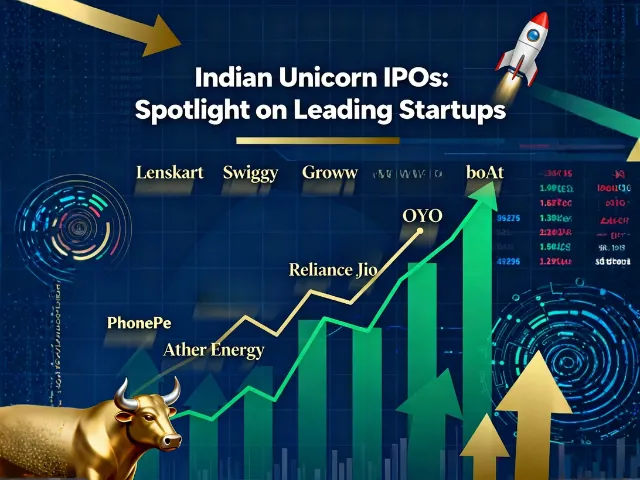
From Unicorn Hype to Public Scrutiny: How Lenskart, Swiggy, Groww, boAt, Raliance JIo, Ather Energy, Phone pe and OYO's IPOs are Redefining 'New-Age' Valuations.
Key Takeaways
- A Demat account holds your investments securely in digital form.
- AMC, brokerage, and transaction charges are governed by SEBI.
- Hidden costs often arise from inactivity or value-added services.
- Always verify your broker’s transparency before investing.
- Swastika Investmart ensures clarity, SEBI compliance, and strong regional support.
Understanding Demat Account Charges in India
A Demat Account—short for Dematerialized Account—is the foundation of modern investing in India. It allows investors to hold shares and securities electronically instead of physical certificates. This digital system, regulated by SEBI (Securities and Exchange Board of India), ensures safety, transparency, and ease of access for every investor.
However, investors—especially beginners—often get confused by different Demat account charges, such as AMC, brokerage, and hidden fees. Let’s break them down clearly so you can make informed decisions.
What is a Demat Account and Why is it Important?
A Demat account is essential for trading and investing in stocks, mutual funds, bonds, ETFs, and IPOs. It acts like a digital locker that securely stores your holdings under depositories such as NSDL (National Securities Depository Limited) and CDSL (Central Depository Services Limited).
Every investor must open a Demat account through a Depository Participant (DP), which could be a brokerage firm like Zerodha, Groww, Angel One, Upstox, ICICI Direct, or Swastika Investmart.
The key benefit of this system is investor protection — all holdings are regulated by SEBI, making the system safe and traceable.
1. Account Opening Charges
Most brokers charge a one-time account opening fee when you create your Demat account. Many platforms offer zero-cost onboarding, but sometimes a small fee ensures proper KYC verification, compliance, and documentation.
Swastika Investmart stands out here for offering personalized account setup support, ensuring investors—especially first-timers—complete their onboarding with full regulatory compliance and clarity.
2. Annual Maintenance Charges (AMC)
AMC, or Annual Maintenance Charge, is one of the most common Demat account costs. It’s levied yearly for maintaining your digital holdings with depositories like NSDL/CDSL.
This fee covers:
- Secure electronic storage
- Record maintenance
- SEBI compliance and investor communication
Some brokers waive AMC for the first year, while others adjust it based on your portfolio size.
At Swastika Investmart, the AMC structure is transparent—you know exactly what you’re paying for. The firm emphasizes no hidden deductions, coupled with strong customer support for resolving investor queries promptly.
3. Brokerage Charges Simplified
Brokerage is the fee brokers charge to execute trades on your behalf—whether buying or selling shares.
While discount brokers like Zerodha and Groww focus on minimal brokerage with DIY platforms, full-service firms like Swastika Investmart or ICICI Direct provide value-added services like research reports, market insights, and advisory—helpful for both beginners and serious investors.
Remember, brokerage is not just about the lowest cost—it’s about reliability and execution quality. A slightly higher brokerage may actually save you money by ensuring timely trades and better returns through expert research.
What differentiates Swastika Investmart is its open communication policy. Investors receive clear fee breakdowns, helping avoid confusion or mistrust—a strong sign of SEBI-aligned ethics.
4. How SEBI and Depositories Protect Investors
The SEBI framework ensures every investor’s money and securities are protected.
Through depositories like NSDL and CDSL, SEBI mandates:
- Daily reconciliation of securities
- Regular audits of brokers and DPs
- Mandatory e-verification (eDIS) for all trades
This ensures no unauthorized movement of securities, even if your broker faces operational challenges.
Swastika Investmart’s SEBI registration and long-standing reputation in the Indian financial market underline its commitment to these standards. Its combination of regulatory discipline and human advisory makes it a trusted partner for long-term investors.
5. Tips for Beginners Before Opening a Demat Account
If you’re new to investing, here’s a checklist to follow before opening your account:
- Check SEBI registration of your broker.
- Understand AMC and transaction fees beforehand.
- Review the mobile trading app’s security features.
- Prefer a broker with good research support—like Swastika Investmart—to guide your early investment journey.
By ensuring these points, you can start your investment journey confidently and safely.
FAQs
1. What is AMC in a Demat account?
AMC stands for Annual Maintenance Charge, a yearly fee brokers charge for maintaining your Demat account with NSDL/CDSL.
2. Can I hold multiple Demat accounts?
Yes, you can open multiple accounts with different brokers. However, managing them responsibly is crucial to avoid confusion or additional costs.
3. Which is the safest Demat account in India?
All SEBI-registered brokers linked to NSDL/CDSL are safe. Look for brokers like Swastika Investmart that emphasize compliance and transparent communication.
4. Do I need a Demat account for mutual funds?
It’s optional. Many platforms allow you to invest directly without a Demat account, but having one centralizes all your holdings efficiently.
Conclusion
A Demat account is your gateway to India’s growing capital markets—but understanding AMC, brokerage, and hidden charges is vital to a stress-free investing experience.
While platforms like Zerodha, Groww, and Upstox offer convenience, Swastika Investmart provides something deeper—trust, regional guidance, and transparent SEBI-compliant support.
As an investor, prioritize clarity, compliance, and confidence. Because in finance, knowing what you pay for is the first step to growing what you own.
.webp)
Demat Account Charges Explained: AMC, Brokerage & Hidden Fees Every Investor Should Know Copy
Key Takeaways
- A Demat account holds your investments securely in digital form.
- AMC, brokerage, and transaction charges are governed by SEBI.
- Hidden costs often arise from inactivity or value-added services.
- Always verify your broker’s transparency before investing.
- Swastika Investmart ensures clarity, SEBI compliance, and strong regional support.
Understanding Demat Account Charges in India
A Demat Account—short for Dematerialized Account—is the foundation of modern investing in India. It allows investors to hold shares and securities electronically instead of physical certificates. This digital system, regulated by SEBI (Securities and Exchange Board of India), ensures safety, transparency, and ease of access for every investor.
However, investors—especially beginners—often get confused by different Demat account charges, such as AMC, brokerage, and hidden fees. Let’s break them down clearly so you can make informed decisions.
What is a Demat Account and Why is it Important?
A Demat account is essential for trading and investing in stocks, mutual funds, bonds, ETFs, and IPOs. It acts like a digital locker that securely stores your holdings under depositories such as NSDL (National Securities Depository Limited) and CDSL (Central Depository Services Limited).
Every investor must open a Demat account through a Depository Participant (DP), which could be a brokerage firm like Zerodha, Groww, Angel One, Upstox, ICICI Direct, or Swastika Investmart.
The key benefit of this system is investor protection — all holdings are regulated by SEBI, making the system safe and traceable.
1. Account Opening Charges
Most brokers charge a one-time account opening fee when you create your Demat account. Many platforms offer zero-cost onboarding, but sometimes a small fee ensures proper KYC verification, compliance, and documentation.
Swastika Investmart stands out here for offering personalized account setup support, ensuring investors—especially first-timers—complete their onboarding with full regulatory compliance and clarity.
2. Annual Maintenance Charges (AMC)
AMC, or Annual Maintenance Charge, is one of the most common Demat account costs. It’s levied yearly for maintaining your digital holdings with depositories like NSDL/CDSL.
This fee covers:
- Secure electronic storage
- Record maintenance
- SEBI compliance and investor communication
Some brokers waive AMC for the first year, while others adjust it based on your portfolio size.
At Swastika Investmart, the AMC structure is transparent—you know exactly what you’re paying for. The firm emphasizes no hidden deductions, coupled with strong customer support for resolving investor queries promptly.
3. Brokerage Charges Simplified
Brokerage is the fee brokers charge to execute trades on your behalf—whether buying or selling shares.
While discount brokers like Zerodha and Groww focus on minimal brokerage with DIY platforms, full-service firms like Swastika Investmart or ICICI Direct provide value-added services like research reports, market insights, and advisory—helpful for both beginners and serious investors.
Remember, brokerage is not just about the lowest cost—it’s about reliability and execution quality. A slightly higher brokerage may actually save you money by ensuring timely trades and better returns through expert research.
What differentiates Swastika Investmart is its open communication policy. Investors receive clear fee breakdowns, helping avoid confusion or mistrust—a strong sign of SEBI-aligned ethics.
4. How SEBI and Depositories Protect Investors
The SEBI framework ensures every investor’s money and securities are protected.
Through depositories like NSDL and CDSL, SEBI mandates:
- Daily reconciliation of securities
- Regular audits of brokers and DPs
- Mandatory e-verification (eDIS) for all trades
This ensures no unauthorized movement of securities, even if your broker faces operational challenges.
Swastika Investmart’s SEBI registration and long-standing reputation in the Indian financial market underline its commitment to these standards. Its combination of regulatory discipline and human advisory makes it a trusted partner for long-term investors.
5. Tips for Beginners Before Opening a Demat Account
If you’re new to investing, here’s a checklist to follow before opening your account:
- Check SEBI registration of your broker.
- Understand AMC and transaction fees beforehand.
- Review the mobile trading app’s security features.
- Prefer a broker with good research support—like Swastika Investmart—to guide your early investment journey.
By ensuring these points, you can start your investment journey confidently and safely.
FAQs
1. What is AMC in a Demat account?
AMC stands for Annual Maintenance Charge, a yearly fee brokers charge for maintaining your Demat account with NSDL/CDSL.
2. Can I hold multiple Demat accounts?
Yes, you can open multiple accounts with different brokers. However, managing them responsibly is crucial to avoid confusion or additional costs.
3. Which is the safest Demat account in India?
All SEBI-registered brokers linked to NSDL/CDSL are safe. Look for brokers like Swastika Investmart that emphasize compliance and transparent communication.
4. Do I need a Demat account for mutual funds?
It’s optional. Many platforms allow you to invest directly without a Demat account, but having one centralizes all your holdings efficiently.
Conclusion
A Demat account is your gateway to India’s growing capital markets—but understanding AMC, brokerage, and hidden charges is vital to a stress-free investing experience.
While platforms like Zerodha, Groww, and Upstox offer convenience, Swastika Investmart provides something deeper—trust, regional guidance, and transparent SEBI-compliant support.
As an investor, prioritize clarity, compliance, and confidence. Because in finance, knowing what you pay for is the first step to growing what you own.

Dhanteras Investment Dilemma: Gold vs. Silver in the Current Market - Which is the Smarter Buy?
Key Takeaways
- Gold prices remain strong amid global uncertainty and central bank buying.
- Silver offers higher growth potential but comes with volatility.
- Experts suggest balancing both assets for portfolio stability.
- Gold ETFs and digital gold simplify investing for modern investors.
- Swastika Investmart helps you make smarter, research-backed investment decisions this festive season.
The Festive Gold Rush: Why Dhanteras Matters
Every Dhanteras, Indian households turn into mini investment hubs. It’s a day deeply rooted in tradition — symbolizing wealth, prosperity, and new beginnings. But this year, amid fluctuating global markets, rising inflation, and geopolitical tensions, one question stands out: “Should I invest in gold or silver this Dhanteras?”
Let’s decode this Dhanteras investment dilemma with a data-driven and research-backed approach.
Gold: The Timeless Guardian of Wealth
Gold has long been India’s favorite asset — not just for cultural reasons but for its proven ability to preserve value during uncertainty.
In 2025, gold prices have shown resilience, hovering around ₹71,000 per 10 grams (as of mid-October 2025), driven by:
- Central Bank Buying: Global central banks continue to accumulate gold to hedge against economic instability.
- Rupee Depreciation: The weaker rupee has further boosted domestic gold prices.
- Inflation Hedge: With inflation still a global concern, gold remains a safe haven.
Example: During 2020–2023, when equity markets were volatile, gold delivered an average annualized return of 10–12%, protecting investor portfolios.
However, the current trend indicates a consolidation phase — meaning that while gold remains a long-term wealth preserver, short-term upside could be limited.
Best Ways to Invest in Gold (2025):
- Gold ETFs (available on Swastika Investmart’s platform)
- Sovereign Gold Bonds (offered by RBI with 2.5% annual interest)
- Digital Gold via trusted platforms
- Physical gold (for traditional buyers)
Silver: The Underdog with Industrial Spark
Silver may not have the same emotional appeal as gold, but its dual nature — both as a precious and industrial metal — makes it extremely relevant in today’s green-tech economy.
In 2025, silver has been gaining traction due to:
- Industrial Demand: Silver is crucial for solar panels, EV batteries, and semiconductor production.
- Undervalued Pricing: At around ₹90,000 per kg, silver remains significantly cheaper than gold on a per-ounce basis.
- Volatility Advantage: While prices fluctuate more, they offer stronger returns during economic recovery phases.
Example: In FY24, silver outperformed gold globally, delivering ~20% returns amid the clean energy push.
However, investors must be prepared for price swings since silver’s demand is heavily tied to industrial growth cycles.
Ways to Invest in Silver (2025):
- Silver ETFs or ETPs
- Silver mini contracts on commodity exchanges
- Digital silver platforms
- Physical bars and coins
Comparing Gold vs. Silver: The 2025 Outlook
What Are Experts Saying This Dhanteras?
Market analysts believe that 2025 could be a pivotal year for precious metals. With the US Fed nearing rate cuts and global inflation cooling down, both gold and silver could shine — but in different ways.
- Short-Term (3–6 months): Silver may outperform gold due to industrial momentum.
- Long-Term (3–5 years): Gold remains the better hedge against systemic risks.
According to Swastika Investmart’s commodity research team, investors should consider a balanced allocation — 70% gold and 30% silver — to capture both stability and growth.
Real-World Scenario: How Investors Are Reacting
Let’s take an example — Meera, a 35-year-old professional from Mumbai. Last Dhanteras, she invested ₹1 lakh in gold ETFs and ₹50,000 in silver coins.
Today, her gold investment has grown moderately (~7%), while silver has delivered nearly double-digit gains, thanks to industrial demand. This diversified approach helped her balance returns and risk — a strategy that reflects modern investor sentiment.
How to Make Smarter Investments This Dhanteras
Dhanteras investments should not just be emotional but strategic.
Here’s how you can approach it smartly with Swastika Investmart:
- Use Research-Backed Insights: Get expert market research on gold and silver price trends.
- Invest Digitally: Access Gold and Silver ETFs directly through Swastika’s user-friendly platform.
- Diversify Smartly: Allocate based on your financial goals and risk appetite.
- Stay Educated: Learn through Swastika’s investor education resources and webinars.
👉 Open your investment account today:
Start Investing with Swastika Investmart
FAQs
1. Is gold still a good investment in 2025?
Yes. Gold remains a strong hedge against inflation and global uncertainty, especially with central banks increasing their gold reserves.
2. Why should I consider silver this Dhanteras?
Silver offers higher potential returns due to its growing industrial demand, particularly in renewable energy and electric vehicles.
3. Which is safer: Gold or Silver?
Gold is safer due to lower volatility, while silver offers better short-term growth potential. A mix of both can balance risk and reward.
4. Are Gold ETFs better than physical gold?
Yes, for investors seeking liquidity, safety, and no storage hassles, Gold ETFs are a practical alternative.
5. How can I invest in precious metals with Swastika Investmart?
You can open an account online and invest in gold/silver ETFs, sovereign bonds, or other digital options easily through Swastika’s platform.
Conclusion
Dhanteras 2025 is not just about tradition — it’s about making informed financial choices. Whether you choose gold for stability or silver for growth, remember that the smartest investment is one backed by research and discipline.
Swastika Investmart empowers investors with expert insights, reliable tools, and tech-enabled platforms — making your festive investments secure and future-ready.
🎉 Invest Smartly. Celebrate Prosperity.
Open Your Account with Swastika Investmart
.webp)
Supply Glut Fears Hit Crude Oil — How Should Investors Position Themselves Now?
Key Takeaways
- The International Energy Agency forecasts a record oil glut of 4 million barrels per day in 2026.
- Oil prices have slid nearly 17% in 2025, trading near multi-month lows.
- Supply growth outpaces demand as OPEC+ ramps up production and demand remains weak.
- Indian markets are influenced by both price falls and currency movement, impacting inflation and sectoral performance.
- Investors should focus on sector rotations, hedging, and informed portfolio moves in this volatile environment.
Crude Oil Supply Glut: What’s Happening?
Global crude oil markets are undergoing a significant shift. After years of supply cuts, OPEC+ (including Russia) has started rolling back production curbs sooner than expected. The International Energy Agency predicts that the world could face a surplus of up to 4 million barrels per day in 2026, roughly 4% of worldwide demand. This surplus is intensified by tepid demand, with economic growth forecasts being trimmed for major markets. As a result, oil prices dropped by 17% so far in 2025, with Brent trading near $62 and WTI below $59 per barrel — the lowest levels seen in five months.
Real-World Example:
In April 2025, OPEC+ announced faster output restoration. By September, global supply had already risen by more than 3 million barrels per day, outstripping demand growth. The result: traders now anticipate Brent staying below $60 for an extended period, with timespreads flipping into contango — signaling excess near-term supply and lower spot prices moving forward.
How Does This Impact Investors?
For Indian Market Participants:
Crude oil is central to India’s economy, with over 80% of consumption met via imports. Low prices can ease inflation pressures, improve trade deficits, and strengthen the rupee in the short term. However, sectors that rely on oil, such as upstream exploration and refining, may see profit margins squeezed, while downstream users (aviation, paints, adhesives, transport) could benefit from reduced costs.
Market Context:
- Oil exploration companies (ONGC, Oil India) typically suffer from low prices, whereas refiners and large consumers gain.
- Currency impacts: Cheaper oil can help stabilize the rupee, cushion inflation, and influence RBI policy.
- Equity flows: Lower oil prices may support equity valuations in affected sectors and help dampen overall inflation.
Regulatory Perspective:
India’s government and RBI closely monitor import bills, currency flows, and inflation data. Decisions on fiscal and monetary policy — such as interest rates or excise duties — are often calibrated with crude price movements.
Investor Strategies in an Oil Glut
With record supply likely to depress prices further, investors should consider these approaches:
- Sector Rotation: Focus on industries benefiting from lower input costs (aviation, paints, chemicals, transport), and remain cautious with oil producers.
- Hedging & Diversification: Use commodity-linked ETFs or futures, and diversify portfolios to mitigate sector-specific risk.
- Currency Watching: Track rupee-dollar movements to anticipate potential gains or risks for export-oriented and import-dependent sectors.
- Policy Signals: Watch for RBI and government interventions that may impact interest rates, excise duties, or sectoral support.
Relatable Scenario:
An investor exposed to ONGC shares may consider trimming positions or switching to airline stocks or FMCG firms that gain from cheaper energy costs. Portfolio balance is critical, and commodities can be used for hedging when markets are volatile.
Frequently Asked Questions
Q: Why are oil prices falling despite OPEC+ supply actions?
A: OPEC+ is increasing output faster than demand growth, resulting in oversupply and downward price pressure.
Q: What does a supply glut mean for Indian investors?
A: It can support sectors consuming oil, reduce inflation, and influence government monetary policy — but could hurt oil producers and exporters.
Q: Should I buy or avoid energy stocks now?
A: Consider sector trends; downstream users often benefit when oil is cheap, while upstream producers risk margin contraction. Diversification is key.
Q: How does the rupee respond to falling oil prices?
A: Lower oil import bills strengthen the rupee and dampen inflation, but global currency trends can still introduce volatility.
Q: Where can I learn to position my portfolio more effectively?
A: Leverage platforms like Swastika Investmart for comprehensive research, strategy tools, and investor education on commodity market trends.
Conclusion
The record oil surplus reshaping markets in 2025–26 means investors must adapt. Focusing on sector rotation, hedging, and attention to macro trends will help navigate volatility and identify new opportunities. With Swastika Investmart’s SEBI registration, advanced research, and pro investor support, you can position your portfolio smartly for evolving market conditions.


.webp)
.webp)
.webp)





START YOUR INVESTMENT JOURNEY
Get personalized advice from our experts
- Dedicated RM Support
- Smooth and Fast Trading App
