

NHPC’s ₹26,070 Crore Hydroelectric Project: A Game-Changer for Growth?


Key Takeaways
- NHPC Ltd receives approval for a ₹26,070 crore hydroelectric project
- Project to be developed in partnership with the Arunachal Pradesh government
- Strengthens India’s renewable energy push and hydro capacity
- Long gestation period but strong long-term visibility
- Execution, funding, and timelines remain key factors
Introduction
India’s renewable energy ambitions are gaining momentum, and hydropower is once again coming into focus. In a significant move, NHPC Ltd has received approval for a ₹26,070 crore investment in the Kamala Hydroelectric Project.
This development not only strengthens NHPC’s project pipeline but also signals a broader policy push toward clean and sustainable energy. For investors, the key question is whether this project can truly act as a growth catalyst or if challenges around execution and timelines may limit its near-term impact.
Project Overview
The Kamala Hydroelectric Project will be implemented through a joint venture between NHPC and the Government of Arunachal Pradesh.
Key highlights
- Total investment: ₹26,070 crore
- Location: Arunachal Pradesh
- Structure: Joint venture model
- Objective: Expand hydroelectric capacity
Hydropower projects are capital-intensive and long-term in nature, often taking several years to become operational.
Strategic Importance of the Project
Strengthening Renewable Energy Portfolio
Hydropower plays a crucial role in balancing renewable energy sources like solar and wind. Unlike intermittent sources, hydro provides stable and flexible power.
For NHPC, this project enhances its position as a leading player in India’s renewable energy ecosystem.
Government Policy Support
India has been actively promoting renewable energy through policy initiatives and incentives. Large-scale hydro projects are now being recognized as an essential part of this transition.
Approvals from bodies like the Cabinet Committee on Economic Affairs reflect strong government backing for such investments.
Regional Development
Projects in the Northeast region contribute to:
- Infrastructure development
- Employment generation
- Improved connectivity
This aligns with the government’s broader focus on regional growth.
Impact on Indian Stock Market
Positive Signals for Investors
The project sends a strong message about NHPC’s growth ambitions.
- Expands long-term revenue visibility
- Reinforces leadership in hydro power
- Aligns with India’s clean energy goals
Such developments often improve investor sentiment, especially in PSU and energy stocks.
Sectoral Impact
The announcement may have a broader impact on:
- Renewable energy companies
- Power equipment manufacturers
- Infrastructure and EPC players
As hydro projects scale up, ancillary industries also benefit.
Financial Implications
High Capital Investment
A project of this scale requires significant funding.
- Potential increase in debt levels
- Long payback period
- Gradual revenue realization
Investors should be mindful that returns from such projects are not immediate.
Revenue Visibility
Once operational, hydro projects generate stable and predictable cash flows. This makes them attractive from a long-term perspective.
Risks to Consider
Execution Risk
Large infrastructure projects often face delays due to:
- Land acquisition challenges
- Environmental clearances
- Logistical constraints
Cost Overruns
Inflation in raw materials and delays can increase project costs, impacting profitability.
Regulatory and Environmental Factors
Hydropower projects require multiple approvals and are subject to environmental scrutiny, which can affect timelines.
Real-World Context
Globally, countries are increasingly investing in hydroelectric power as part of their renewable energy mix. In India, companies like NHPC are at the forefront of this transition.
With rising electricity demand and a push for clean energy, hydro projects are expected to play a key role in ensuring grid stability.
Investor Perspective
Short-Term View
- Limited immediate earnings impact
- Possible neutral to mild positive market reaction
Long-Term View
- Strong revenue visibility once operational
- Strategic alignment with energy transition
- Potential for steady cash flows
Investors with a long-term horizon may find such projects attractive.
Regulatory Framework
Projects of this scale operate under strict regulatory oversight. Institutions like the Securities and Exchange Board of India ensure transparency for listed companies, while government approvals add credibility to large investments.
What Should Investors Do?
Investors should take a balanced approach.
- Evaluate NHPC’s overall project pipeline
- Monitor funding strategy and execution progress
- Consider long-term potential rather than short-term gains
Hydropower investments are typically suited for patient investors.
FAQs
What is the size of NHPC’s new project?
The project involves an investment of ₹26,070 crore.
Where will the project be developed?
It will be developed in Arunachal Pradesh through a joint venture.
Is this project positive for NHPC stock?
It is positive from a long-term perspective but may not have an immediate impact on earnings.
What are the key risks?
Execution delays, cost overruns, and regulatory challenges are the main risks.
Should investors invest in NHPC now?
Investors should consider their risk appetite and investment horizon before making a decision.
Conclusion
NHPC’s ₹26,070 crore hydroelectric project reflects a strong commitment to India’s renewable energy future. While the scale of the investment is impressive, the benefits will unfold gradually over time.
For investors, this is not a short-term trigger but a long-term structural story. Tracking execution, funding, and policy developments will be key to understanding the real impact.
Navigating such opportunities requires the right guidance and tools. With SEBI registration, robust research capabilities, advanced technology, and a strong focus on investor education, Swastika Investmart empowers you to make informed investment decisions.
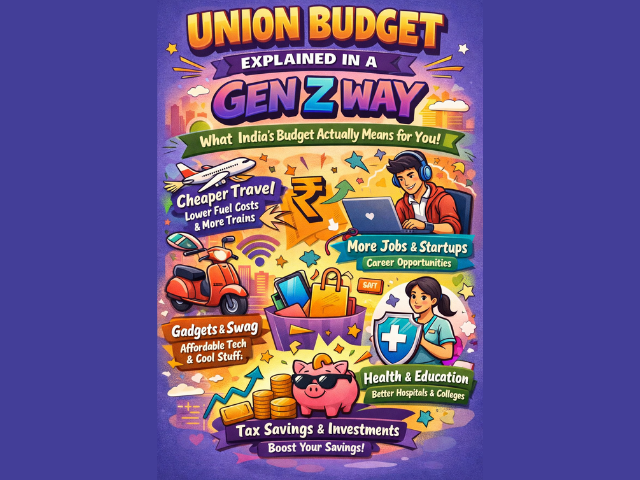
Big Budget




.webp)
.webp)
.webp)
.webp)
.webp)










.webp)
.webp)
.webp)
.webp)
Latest Articles
.webp)
Anlon Healthcare & Vikran Engineering IPOs: What Investors Need to Know in August 2025


Key Takeaways
- Anlon Healthcare IPO (₹121 cr, ₹86–91/share, 164 lot): Strong fundamentals, expansion focus, but valuation seems full and there are risks like falling FY 24 revenue, high debt, client concentration, and single‑facility dependency—so it may be safer to skip this round.
- Vikran Engineering IPO (₹772 cr, ₹92–97/share, 148 lot): Well‑valued with solid growth, order book, and diversified project portfolio in essential infrastructure—I staying open to both listing gain and long‑term possibilities.
- Indian investors should weigh expansion potential versus execution and execution risks—policy‑sensitive nature is key for Vikran.
- Swastika Investmart is a reliable SEBI‑registered platform offering research tools, tech‑based investing, customer support, and investor education to help navigate IPO decisions.
Anlon Healthcare and Vikran Engineering IPO Review: Investor Perspective
Anlon Healthcare Limited – API and Pharmaceutical Intermediates
Anlon Healthcare, based in Rajkot, has carved a niche in manufacturing high‑purity pharmaceutical intermediates and APIs used in medications, personal care, nutraceuticals, and animal health—critical raw materials in drug production. Its IPO is a fully fresh issue of around ₹121 crore at ₹86–91 per share, with a lot size of 164 shares. Proceeds are earmarked for capacity expansion (₹30.7 crore), working capital (₹43 crore), debt reduction, and general corporate use MoneycontrolIPO Watch.
Pros Under the Hood:
- Profits climbed from ₹5.82 crore in FY 23 to ₹9.65 crore in FY 24, even though revenue dropped sharply from ₹112.9 crore to ₹66.6 crore Business StandardMoneycontrol.
- The company meets pharmacopoeia standards (IP, BP, EP, JP, USP) and holds international approvals for key APIs, boosting credibility Business Standard.
Caveats to Consider:
- Revenue decline in FY 24 raises concerns about sustainability—one‐off recovery possible but uncertain.
- Financial leverage appears elevated, and competition in API space is fierce—pricing power may be limited.
- Heavy reliance on a single facility in Rajkot and 78% revenue concentration from top 10 clients poses operational and client‑diversification risks.
- Current valuations appear full—little room for upside unless growth trajectory rapidly improves.
Verdict: With expansion plans and stronger margins in sight, Anlon Healthcare shows promise—but given the high valuation, past revenue dip, location dependency, debt, and narrow client base—cautious investors may prefer to sit this one out.
Vikran Engineering Limited – Key EPC Player
Vikran Engineering, headquartered in Thane (Maharashtra), is a fast‑growing EPC firm focused on core sectors like power transmission (EHV substations, smart metering), water infrastructure, railway electrification, and solar projects. The IPO totals ₹772 crore, comprising ₹721 crore fresh issue and ₹51 crore via offer for sale, at ₹92–97 per share, with a lot size of 148 shares. The net proceeds largely support working capital and corporate needs SharescartUpstox - Online Stock and Share TradingFortune India.
Strengths That Stand Out:
- FY 25 revenue jumped ~16–17% to ₹922–923 crore from ~₹786 crore, while PAT rose ~4% to ₹78 crore Fortune IndiaIPO Watch.
- A robust order book: ₹2,442 crore as of mid‑2025, backed by 45 completed and 44 ongoing projects across 14–16 states Upstox - Online Stock and Share TradingFortune India.
- Diversified across essential infrastructure sectors, reducing dependency on any single vertical.
Risks to Note:
- EPC is highly execution‑dependent; delays—especially on tightly bid government projects—can pressure earnings.
- Heavy reliance on government contracts (around 62% by order book) makes it vulnerable to policy shifts or funding changes.
- Working capital intensity and receivables could strain liquidity if project receipts lag.
Verdict: A fundamentally sound candidate with solid growth, diverse project mix, and strong credibility. Investors could consider participating for potential listing gains and long‑term growth, while remaining watchful on execution and policy risks.
Why Swastika Investmart stands out:
- SEBI‑registered broker with transparency and regulatory rigor.
- Sophisticated yet intuitive IPO analytics and comparison dashboards.
- Dedicated customer support to clarify IPO terms, allotment, and demat credit.
- Tech‑forward platform enabling quick bidding, tracking, and alerts.
- Investor education resources—webinars, blogs, FAQs—empowering decision-making.
Frequently Asked Questions
Q1. When do these IPOs open and list?
Both IPOs—Anlon and Vikran—open on August 26, 2025, and close on August 29. Allotment is expected by September 1, with refunds and demat credit on September 2, and listing on September 3 on BSE and NSE IPO Watch+1Sharescart.
Q2. What is the minimum investment for retail investors?
- Anlon Healthcare: 164 shares (~₹14,924 at upper band) IPO WatchBusiness Standard.
- Vikran Engineering: 148 shares (~₹13,616 at upper band) Business StandardFortune India.
Q3. What share quotas are allocated among investor categories?
- Anlon: 75% QIB, 10% retail, 15% NII IPO Watch.
- Vikran: Up to 50% QIB, at least 35% retail, at least 15% NII IPO WatchUpstox - Online Stock and Share Trading.
Q4. What does the grey market premium (GMP) suggest?
Vikran shows a strong grey market premium (~17–23%), indicating investor enthusiasm and possible listing upside The Economic TimesMoneycontrol. Anlon currently has no visible GMP activity The Economic Times.
Q5. Should a risk‑aware investor subscribe to both?
Anlon’s full valuation, FY 24 revenue slump, and operational concentration suggest prudence—this one could be avoided for now. Vikran, however, offers a well-balanced risk‑reward profile; investors may consider applying for potential gains and long-term infrastructure exposure.
Conclusion
The Anlon Healthcare IPO tells a story of niche manufacturing with potential—but shadowed by recent revenue decline, high valuation, and reliance on a single facility and a few clients. In contrast, Vikran Engineering stands out with healthy financials, diversified order book in vital sectors, and encouraging market sentiment.
For investors seeking support, clarity, and confidence in navigating these IPOs, Swastika Investmart delivers with its SEBI‑registered platform, powerful research tools, supportive customer care, and educational edge.
To explore these IPOs or your next investment opportunity with ease and authority:
%20(3).webp)
Online Gaming Bill Passed: What It Means for Investors and Markets
Key Takeaways
- India’s Online Gaming Bill 2025 bans all real money online gaming nationwide, reshaping the digital gaming sector.
- The Bill aims to protect users from addiction, fraud, and security threats, but has sparked concern over job losses and startup closures.
- Investors may face losses as gaming platforms suspend operations and shift away from real-money segments.
- Indian markets are witnessing portfolio rebalancing, with opportunities emerging in tech innovation and investor education for safer sectors.
- Swastika Investmart offers SEBI-registered, tech-driven investing and customer-centric support to help you adapt confidently.
India’s Online Gaming Bill Passed: How Will It Shape Investments and Markets?
India’s rapidly growing digital economy is undergoing a dramatic policy shift. The passage of the Promotion and Regulation of Online Gaming Bill, 2025 by both houses of Parliament has triggered intense debate, concern, and strategic repositioning—particularly for investors and market participants. The Bill, which awaits presidential assent (largely seen as a formality), brings sweeping changes to India’s online gaming landscape, especially targeting real-money games. But what does this mean for your investments and the broader financial markets?
Understanding the New Online Gaming Bill
India boasted over 568 million online gamers in 2025—one in five globally. The real-money gaming (RMG) segment, comprised of fantasy sports, rummy, and poker, contributed to 85% of industry revenue last year, embedding itself deep into India’s startup ecosystem and attracting massive foreign and domestic investments.
Key Provisions of the 2025 Bill:
- A total ban on all real-money online games and gambling platforms.
- Strict penalties: Platform operators could face up to three years' imprisonment or a ₹1 crore fine. Promoting celebrities and financial facilitators are also liable.
- No distinction between games of skill and chance. Even fantasy sports and rummy are included, leaving little room for legal recourse.
- Financial clampdown: Banks and payment gateways are now prohibited from processing transactions related to banned games.
- Focus on e-sports and casual gaming: Sectors that don’t involve monetary stakes are encouraged and regulated.
Why Did the Government Intervene?
Policymakers argue the ban was necessary for national security and public health:
- Curbing addiction and financial ruin: Tamil Nadu alone reported 47 suicides linked to gaming addiction in the last five years.
- Busting illicit activities: Real-money games have reportedly enabled money laundering and even terror financing.
- Protecting families: On average, Indians lose nearly ₹20,000 crore annually in these games, eroding household savings and trust.
Real-World Market Impact: Investors, Startups & Markets React
The passage of the Bill has sent shockwaves across India’s startup and investment communities:
- Immediate shutdowns: Industry leaders like Dream Sports, MPL, PokerBaazi, and Zupee have already begun winding down their real-money operations.
- Potential job losses and capital erosion: The industry fears over two lakh job losses and the closure of 400+ startups, with investors left stranded.
- Valuation nosedive: Venture-backed platforms, once valued in billions, are rapidly reassessing models. Some are pivoting to free-to-play or e-sports—but revenue and growth projections have changed drastically.
- Stock market ripple effects: Investor portfolios linked to gaming, interactive entertainment, and fintech are witnessing rebalancing, with the tech sector closely watched for further regulatory clarity.
Example:
Amit, an angel investor, had allocated 10% of his portfolio to emerging fantasy gaming startups. Overnight, the Bill rendered these investments non-viable. Forced to reassess his positions, Amit is now redirecting capital towards SEBI-regulated fintech and tech stocks with robust compliance records.
What’s Next? Navigating Opportunities in Tech and Investor Safety
The Online Gaming Bill is more than just a ban—it’s a call for responsible digital development, innovation, and investor protection. The focus now shifts to:
- Growth of regulated e-sports & social gaming: Platforms emphasizing community, skill-building, and non-monetary rewards are gaining traction.
- Enhanced investor education: SEBI and market leaders are rolling out awareness campaigns around digital fraud, regulatory risks, and safe investing.
- Tech-driven platforms: Brokers offering advanced research tools, real-time analytics, and customer transparency are attracting former gaming investors.
Why Swastika Investmart Stands Out For Investors
As Indian markets evolve, the need for a trusted, SEBI-registered, and technologically advanced broker is paramount. Swastika Investmart ticks every box:
- Full SEBI registration and 30+ years of legacy instill trust and safety.
- Real-time research tools, screeners, and investment alerts designed for proactive, smart investing.
- Unmatched support: Advisory, investor education, and regional language features for new and seasoned investors.
- Data privacy matters: ISO-certification and bank-grade encryption for peace of mind.
Example:
Ravi, after facing losses with a gaming app, opened an account with Swastika Investmart. He used Swastika’s research screeners to diversify into energy and banking stocks, accessed regional support for clarity, and benefitted from timely educational webinars.
FAQs
Q1. Does the new Online Gaming Bill completely ban all online games?
No, it bans only real-money gaming. E-sports, educational, and social (non-monetary) games are still encouraged and regulated.
Q2. How will this affect my investments as an individual investor?
Expect volatility in gaming and fintech stocks. Diversify and favor SEBI-regulated sectors and brokers for safer, research-backed investing.
Q3. Can Indian startups challenge the Bill?
Some gaming companies are exploring legal challenges, but the Bill’s provisions are sweeping and its passage by Parliament signals strong government intent.
Q4. Where can investors look for the next growth opportunity?
E-sports, fintech, AI, green energy, and regulated tech platforms with strong compliance and user support are emerging as new avenues.
Q5. Is Swastika Investmart safe for online investing after these regulatory changes?
Absolutely. The platform is SEBI-registered, ISO-certified, and follows stringent privacy and compliance protocols.
Conclusion: Invest Smarter with Swastika Investmart
The passage of the Online Gaming Bill signals a careful regulatory tone in India’s digital economy. While it brings challenges for a thriving sector, it also unlocks safer, more transparent, and innovative investing opportunities. For investors seeking stability, advanced market research, and trusted compliance, Swastika Investmart is your ideal partner.
Take charge of your financial future—Open an Account today with Swastika Investmart.
(Open Account CTA: https://trade.swastika.co.in/?UTMsrc=OnlineGamingBillPassed)
%20(2).webp)
Pivot Points & Support/Resistance: A Beginner’s Guide to Intraday Trading
Key Takeaways
- Pivot Points and Support/Resistance are core tools for intraday traders
- Widely used in Nifty, Bank Nifty, Gold, and Crude Oil markets
- Beginners can easily apply them with trading platforms like Zerodha, Groww, Upstox, or Angel One
- Swastika Investmart stands out for advisory, SEBI compliance, and regional investor support
- Regularly track SEBI, NSDL, and CDSL alerts to stay safe
Introduction
Intraday trading in India has become one of the most exciting opportunities for retail investors. With the right tools, traders can read market psychology and make faster decisions. Among these tools, Pivot Points and Support/Resistance levels stand out as some of the most reliable indicators. If you’re trading on platforms like Zerodha, Groww, Angel One, Upstox, or ICICI Direct, you’ve probably seen these levels on your charts. Let’s dive deep into how they work, why they matter, and how you can apply them effectively.
What Are Pivot Points?
Pivot Points are calculated price levels that traders use to identify possible support and resistance zones for the trading day. They are derived from the previous day’s high, low, and close. Many traders believe these levels reflect institutional behavior, making them powerful decision points.
For intraday traders, pivot levels provide:
- Entry signals when prices bounce from support
- Exit or reversal signals when prices fail near resistance
- Confidence in setting stop-loss levels
Understanding Support and Resistance
Support and resistance are fundamental to price action trading:
- Support is where buying interest appears strong enough to prevent further price decline.
- Resistance is where selling pressure halts upward momentum.
These levels, when combined with Pivot Points, help traders validate intraday moves with greater accuracy.
Pivot Point Formula (Classic Method)
Most trading platforms auto-calculate these levels, so traders only need to interpret them.
Why Are Pivot Points Popular in India?
Indian intraday traders, especially in indices like Nifty 50 and Bank Nifty, rely heavily on pivot levels due to high liquidity and volatility. Commodities such as Gold and Crude Oil also respond well to pivot analysis.
For example:
- A trader might buy Nifty near S1 if it shows strong buying activity.
- They may sell or book profits near R1 or R2 if the index faces rejection.
Beginner-Friendly Application
If you’re new to trading:
- Start with observing Pivot, R1, and S1.
- Avoid chasing trades; instead, wait for price confirmation.
- Use stop-loss orders below support or above resistance.
- Combine Pivot analysis with candlestick patterns for accuracy.
Trading apps like Zerodha Kite, Groww, and Upstox display these levels directly on intraday charts, making them accessible for beginners.
SEBI Regulations & Investor Protection
The Securities and Exchange Board of India (SEBI) consistently reminds traders to prioritize risk management. Pivot Points can assist in this by offering logical stop levels. Also, monitoring NSDL/CDSL alerts helps ensure your Demat and trading activities remain secure.
Why Swastika Investmart Deserves a Mention
While several brokers provide excellent trading platforms, Swastika Investmart distinguishes itself through:
- Regional support for investors beyond metro cities
- SEBI-compliant operations ensuring regulatory safety
- Strong advisory and research desk to guide traders with strategies
- Trusted technology stack offering seamless mobile investing
For traders who value both tools and trusted guidance, Swastika adds an extra layer of confidence.
👉 Open your account with Swastika Investmart today
📱 iOS: Swastika on App Store
📱 Android: Swastika on Play Store
Pro Tips for Traders
- Avoid over-relying on one tool; combine Pivot Points with volume and momentum indicators.
- Stay updated with RBI announcements, corporate results, and global cues.
- Practice in a virtual trading environment before risking real money.
FAQs
Q1. Are Pivot Points reliable for intraday trading?
Yes. They are widely used, especially in indices and commodities, to identify intraday turning points.
Q2. Which is better – Pivot Points or Moving Averages?
Pivot Points are better for intraday setups, while moving averages are suited for long-term trend identification.
Q3. Can beginners use Pivot Points?
Absolutely. They are easy to understand, automatically plotted on charts, and widely trusted.
Q4. Do Pivot Points work in all markets?
They work best in liquid and volatile markets like Nifty, Bank Nifty, Gold, and Crude Oil.
Conclusion
Pivot Points and Support/Resistance are not just technical jargon — they are practical tools that help intraday traders make informed decisions. In India’s fast-moving markets, combining these levels with SEBI’s safety guidelines and reliable platforms can significantly enhance trading success. While brokers like Zerodha, Groww, Angel One, and Upstox provide the infrastructure, Swastika Investmart’s blend of advisory, compliance, and trust makes it an excellent partner for your trading journey.
Whether you’re a beginner or an experienced trader, learning Pivot Points could be your first step toward consistent intraday performance.
.webp)
Insurance Premiums Without GST: What It Means for Customers, Insurers, and Investors
Key Takeaways
- GST exemption may make insurance premiums appear cheaper, but insurers could lose input tax credit benefits.
- Customers might see short-term relief, but higher operating costs may push premiums up later.
- Insurers could face margin pressure, affecting stock valuations in the financial sector.
- Investors need to track how listed insurance companies adapt to regulatory shifts.
- Balanced perspective: benefits for policy holders vs hidden costs for insurers.
Insurance Premiums Without GST: What It Means for Customers, Insurers, and Investors
India’s insurance sector has been at the center of policy reforms in recent years, aiming to improve financial inclusion and make risk protection more affordable. The latest discussion revolves around removing Goods and Services Tax (GST) on health and life insurance premiums. On the surface, this may look like a boon for customers. But beneath the surface, the implications are more complex—for insurers, the financial markets, and even long-term policyholders.
Why GST Matters in Insurance
Currently, insurance premiums in India attract an 18% GST (except a few segments like certain micro-insurance products). For example:
- If your life insurance premium is ₹10,000 annually, you pay ₹1,800 as GST.
- For health insurance, a family floater premium of ₹25,000 attracts ₹4,500 GST.
Removing GST would reduce the immediate outflow for customers. However, insurers today enjoy input tax credit (ITC) on GST paid for their services, technology, and operations. If GST is removed, insurers lose this credit and may face higher net costs.
Impact on Customers: Short-Term Relief or Long-Term Uncertainty?
At first glance, policyholders save money upfront. A ₹25,000 health insurance policy would cost exactly₹25,000 instead of ₹29,500 (with GST). This reduction could encourage more people, especially in middle-income households, to purchase insurance.
However, if insurers pass on their increased operational costs due to loss of ITC, premiums could rise in the medium term. Customers may face:
- Short-term benefit: Lower immediate cost of premiums.
- Long-term challenge: Possible rise in premiums as insurers adjust their margins.
- Product variations: More differentiation in premium pricing between insurers, depending on efficiency.
Impact on Insurers: Margin Pressure Ahead
For insurers, this move is a double-edged sword. On one side, the industry can promote insurance as more affordable and expand penetration. On the other side, companies may face-
- Loss of ITC benefits: Increased effective cost of operations.
- Tighter margins: Impacting profitability, especially for smaller and mid-sized insurers.
- Compliance challenges: Re-aligning tax structures and accounting processes.
This could also trigger industry consolidation, with stronger players leveraging technology and scale to offset costs.
Impact on Investors: Watching the Financial Sector Closely
India’s stock markets are highly sensitive to regulatory shifts, and insurance companies are a key part of the financial services sector indices (Nifty Financial Services, Nifty 50 in case of HDFC Life, SBI Life, ICICI Prudential).
For investors, GST exemption means:
- Uncertain earnings trajectory: Listed insurers may face short-term cost pressures.
- Market sentiment shift: Stock valuations could see volatility based on how insurers manage margins.
- Opportunity in efficiency leaders: Companies with strong digital adoption and distribution (like bancassurance partnerships) may outperform.
Example: If SBI Life manages to offset ITC loss through its wide distribution and bancassurance tie-ups, it could sustain margins better than smaller peers.
Indian Regulatory Context
The GST Council and Insurance Regulatory and Development Authority of India (IRDAI) both play a role in shaping this decision.
- The GST Council decides indirect tax structure. Its GoM proposal signals intent to promote insurance inclusion.
- IRDAI’s focus remains on expanding coverage—especially health insurance penetration, which is still below 20% in India compared to over 80% in developed countries.
This reform aligns with the government’s larger push toward “Insurance for All by 2047”.
How Swastika Investmart Can Help Investors
For investors trying to under stand the bigger picture, navigating the insurance sector’s dynamics requires research-backed insights.
At Swastika Investmart (SEBI Registered Research Analyst), we provide:
- In-depth sectoral research on insurance and financial services.
- Real-time analysis of regulatory changes and their impact on listed insurers.
- Tech-enabled trading and investing platforms for smarter decision-making.
- Investor education to help you stay ahead of market shifts.
FAQs
Q1. Will customers really save money if GST is removed from insurance premiums?
Yes, initially premiums will appear cheaper, but insurers may increase base premiums later due to higher operating costs.
Q2. How will this affect listed insurance companies like HDFC Life or SBI Life?
They may face margin pressure in the short term, but companies with scale and strong distribution can manage better.
Q3. Is this reform final?
Not yet. The GST Council has proposed it, but final implementation depends on government approval.
Q4. Will this boost insurance penetration in India?
Yes, lower upfront costs could encourage more middle-class families to buy insurance, supporting long-term penetration goals.
Q5. What should investors do?
Investors should monitor quarterly results of insurance companies and track how each adapts to regulatory shifts before making decisions.
Conclusion
The idea of insurance premiums without GST sounds appealing to customers, but the story is more nuanced. While households may save upfront, insurers could face margin pressures, potentially leading to higher premiums in the future. For investors, this is acritical policy shift that can reshape stock valuations in the financial services sector.
As the sector evolves, staying informed and guided by expert research is essential. With Swastika Investmart, you get trusted insights, tech-enabled investing tools, and dedicated support to help you make better financial decisions.
👉 Open Your Account with Swastika Investmart today and stay ahead in your investing journey.
.webp)
Intraday vs Positional Trading in Commodities: A Complete Guide
Key Takeaways
- Intraday trading = short-term, high-risk, high-reward.
- Positional trading = long-term, trend-based, less stressful.
- Both require SEBI compliance, risk management, and reliable brokers.
- Swastika Investmart offers strong research, regional support, and SEBI trust.
- Choose based on your risk appetite, time, and market knowledge.
Introduction: Commodities Trading
Commodity trading has been a cornerstone of India’s financial markets, offering investors exposure to gold, silver, crude oil, agricultural products, and more. With SEBI-regulated exchanges like MCX and NCDEX, traders today can participate in commodities either through intraday trading or positional trading.
But which strategy is better for you? This guide breaks down Intraday vs Positional Trading in Commodities, using real-world market insights, beginner-friendly explanations, and best practices.
What is Intraday Trading in Commodities?
Intraday trading means buying and selling a commodity within the same trading day.
- Positions are squared off before the market closes.
- Popular among traders seeking quick profits.
- Relies heavily on price volatility and technical analysis.
Example: A trader buys crude oil futures in the morning expecting a price spike. By afternoon, they exit the trade with a small profit (or loss).
What is Positional Trading in Commodities?
Positional trading involves holding commodities for days, weeks, or months depending on broader trends.
- Focuses on long-term fundamentals.
- Less stressful compared to intraday.
- Ideal for investors who cannot track markets constantly.
Example: An investor holds gold futures for several weeks, anticipating global uncertainties to drive prices higher.
Key Differences: Intraday vs Positional Trading
Which is Better for Beginners?
For new traders, positional trading is generally safer. It provides:
- More time for decision-making.
- Reduced exposure to intraday volatility.
- Learning opportunity to understand commodities’ fundamentals.
That said, intraday trading can be rewarding if you have the time, discipline, and strategy. Always start small and never risk more than you can afford to lose.
Role of Brokers in Commodity Trading
Your choice of broker plays a critical role in both strategies:
- Zerodha & Upstox → Popular for active, cost-sensitive traders.
- Groww → Simple UI, suited for beginners in equities & MFs.
- Angel One → Strong research content, advisory-driven.
- ICICI Direct → Trusted among traditional investors with full-service features.
👉 Swastika Investmart stands out for:
- Strong research-backed recommendations.
- SEBI-compliant operations ensuring investor protection.
- Technology-driven trading platforms for both beginners and active traders.
- Regional presence & customer trust built over decades.
This makes Swastika a reliable partner whether you want to start with intraday strategies or positional commodity investments.
Best Practices for Commodity Traders
- Always check SEBI guidelines before trading.
- Use stop-loss orders to manage risks.
- Diversify across multiple commodities.
- Track global cues like crude oil prices, US Fed announcements, or weather patterns (for agri commodities).
- Test strategies via paper trading before going live.
FAQs
Q1. Can I start commodity trading without a Demat Account?
No. For delivery-based trades, you need a Demat account linked with NSDL/CDSL. For derivatives like futures, some brokers allow margin trading without holding physical commodities.
Q2. Is commodity intraday trading riskier than equities?
Yes. Commodities like crude oil or silver are highly volatile, making intraday trades riskier than equities.
Q3. Which brokers are best for commodity trading in India?
Brokers like Zerodha, Angel One, Upstox, and ICICI Direct are well-known. Swastika Investmart is trusted for research, advisory, and beginner support.
Q4. Can beginners make money in commodities?
Yes, but only with discipline, research, and risk management. Beginners should start small, preferably with positional trading.
Conclusion
Both intraday and positional trading in commodities have their advantages. Intraday offers quick opportunities but comes with higher risks. Positional trading allows you to ride long-term trends with less stress.
For Indian investors, the key lies in aligning your strategy with your risk appetite, time availability, and knowledge level. And most importantly, trading with a SEBI-regulated, trustworthy broker like Swastika Investmart ensures safety, support, and research-driven guidance.
👉 Ready to start? Open your account today: 🔗 Swastika Investmart Web
📱 iOS App
📱 Android App
Common Mistakes to Avoid While Using a Demat Account (Beginner’s Guide)
Key Takeaways
- Not understanding the difference between Demat & trading accounts is a big mistake.
- Ignoring regular portfolio reviews can harm long-term wealth creation.
- Always update KYC details to stay SEBI-compliant.
- Don’t share login credentials or ignore nominee updates
- Choose a trusted broker like Swastika Investmart for safe investing.
Introduction
A Demat Account is the foundation of stock market investing in India. As mandated by SEBI (Securities and Exchange Board of India), every investor must hold securities in electronic form through a Demat account with NSDL or CDSL.
While opening a Demat account is simple, many investors—especially beginners—commit mistakes that can affect their portfolio performance, safety, and compliance. This blog highlights the most common mistakes to avoid while using a Demat account and how you can invest smarter.
Mistake 1: Confusing Demat with Trading Account
Many beginners assume a Demat account alone is enough to buy and sell shares. In reality:
- A Demat Account stores your securities digitally.
- A Trading Account acts as a bridge between your Demat and your bank.
👉 Without both, you cannot invest efficiently. Brokers like Zerodha, Upstox, Groww, Angel One, ICICI Direct, and Swastika Investmart provide integrated accounts for seamless transactions.
Mistake 2: Ignoring KYC and Updates
SEBI requires all investors to complete KYC (Know Your Customer). Failing to:
- Update your PAN, Aadhaar, or address changes can block transactions.
- Not linking nominee details can create inheritance issues.
📌 Pro Tip: Always keep your KYC and nominee details updated with your broker to ensure compliance and smooth ownership transfer.
Mistake 3: Sharing Login Credentials
In the era of mobile trading apps, some investors share their login details with friends or family. This can expose you to:
- Unauthorized trades
- Identity theft
- Fraudulent transactions
✅ Always enable 2FA (Two-Factor Authentication) and never share passwords.
Mistake 4: Not Reviewing Portfolio Regularly
A Demat account isn’t a “buy and forget” tool. Many investors don’t track their holdings and miss:
- Bonus issues, rights issues, or stock splits
- Poor-performing stocks dragging down portfolio returns
- Opportunities for tax-loss harvesting
📌 Regular reviews help optimize your wealth journey.
Mistake 5: Falling for “Free Demat” Traps
Some investors choose brokers just for “zero account opening charges” without checking:
- Research support
- Technology reliability
- Advisory services
- Regional support
This leads to poor investing experience. For example, Swastika Investmart has built trust over decades by combining technology-driven platforms, SEBI compliance, strong research advisory, and local support in regional languages.
Mistake 6: Ignoring Security Features
A Demat account holds valuable assets. Yet many investors:
- Don’t activate SMS/email alerts
- Fail to monitor account statements
- Ignore unusual activity
✅ Always monitor your CDSL/NSDL alerts and report anomalies immediately.
Mistake 7: Overlooking Nomination & Transmission Rules
A shocking number of Demat accounts have no nominee added. In case of unfortunate events, family members face legal hurdles in claiming assets.
📌 Add or update your nominee details—a simple yet powerful safeguard.
Quick Comparison Table: Demat Account Do’s & Don’ts
Real-Life Example
In 2022, SEBI reported thousands of dormant Demat accounts that became targets for fraudulent activity because investors had ignored monitoring alerts. Such risks can be avoided by regularly reviewing accounts and choosing reliable brokers like Swastika Investmart.
6. FAQs
Q1. What is the most common mistake in Demat usage?
Not reviewing your portfolio and ignoring SEBI alerts is among the most common mistakes.
Q2. Can I have multiple Demat accounts?
Yes, you can hold multiple Demat accounts, but monitoring them carefully is essential.
Q3. How do I secure my Demat account?
Enable 2FA, keep login details private, and monitor NSDL/CDSL alerts regularly.
Q4. What happens if I don’t update nominee details?
Your family may face legal challenges in transferring securities after your lifetime.
Q5. Which broker is best for Demat safety?
Several brokers are SEBI-registered. However, Swastika Investmart stands out with robust research, advisory, compliance, and regional support.
7. Conclusion
A Demat account is the gateway to investing in India’s capital markets, but mishandling it can lead to losses, compliance issues, or even fraud. By avoiding the mistakes outlined above, you safeguard your investments and grow wealth with confidence.
If you are looking for a trusted, SEBI-compliant broker with strong research, technology, and advisory support, Swastika Investmart is a reliable partner for your journey.
👉 Open Your Demat + Trading Account with Swastika Today
🔗 Open Account Now
📱 iOS App: Download Here
📱 Android App: Download Here


.webp)
.webp)

.webp)





START YOUR INVESTMENT JOURNEY
Get personalized advice from our experts
- Dedicated RM Support
- Smooth and Fast Trading App
