

Income Tax Rules 2026 Explained: Save More Tax with These Hidden Updates


.png)

 Add Swastika as preferred source
Understanding the latest Income Tax Rules 2026 can make a big difference to your financial planning. With subtle changes and lesser-known provisions, taxpayers in India now have more opportunities to legally reduce their tax burden. Whether you are a salaried individual, freelancer, or investor, staying updated can help you save more and invest smarter.
Key Highlights at a Glance
- New tax regime continues to gain preference with simplified slabs
- Deductions under old regime still beneficial for specific taxpayers
- Standard deduction adjustments improve salaried income relief
- Increased focus on digital reporting and compliance
- Investment-linked savings remain a powerful tax-saving tool
What’s New in Income Tax Rules 2026
Shift Towards the New Tax Regime
The government continues to promote the new tax regime by making it more attractive. Lower tax rates and fewer exemptions simplify filing, especially for individuals who do not claim multiple deductions.
However, the old regime still works well for those investing in instruments like ELSS, PPF, or claiming housing loan interest.
Standard Deduction Benefits
Salaried individuals and pensioners benefit from a standard deduction, which reduces taxable income without requiring proof of expenses. This continues to be a key relief feature under both regimes.
Updated Compliance and Reporting
With increasing digitization, the Income Tax Department now tracks financial transactions more closely. High-value transactions, stock market trades, and mutual fund investments are automatically reported.
This makes accurate filing essential and reduces chances of tax evasion.
Smart Ways to Save Tax in 2026
Maximize Section 80C Investments
Investments under Section 80C still offer deductions up to ₹1.5 lakh. Popular options include:
- Equity Linked Savings Scheme
- Public Provident Fund
- Tax-saving fixed deposits
For example, a salaried individual investing ₹1.5 lakh in ELSS can significantly reduce taxable income while also gaining exposure to equity markets.
Use Health Insurance Deductions
Under Section 80D, premiums paid for health insurance policies provide additional deductions. This is especially useful for families and senior citizens.
Capital Gains Planning
Investors in stocks and mutual funds should plan their capital gains strategically. Long-term investments often enjoy lower tax rates compared to short-term gains.
Using tools and research platforms from brokers like Swastika Investmart can help investors optimize their portfolio and reduce tax liability through better planning.
Real-World Example
Consider Rahul, a salaried employee earning ₹12 lakh annually.
- Under the new regime, he benefits from lower tax rates but fewer deductions
- Under the old regime, he claims deductions for PPF, insurance, and home loan interest
After comparison, Rahul finds the old regime saves him more due to his disciplined investments. This highlights why choosing the right regime is crucial.
Role of Regulations and Financial Platforms
Indian regulatory bodies like the Income Tax Department, along with frameworks influenced by institutions such as SEBI and RBI, ensure transparency and compliance in financial transactions.
Platforms like Swastika Investmart support investors with research-backed insights, tax-efficient strategies, and easy-to-use tools. Their SEBI-registered status and strong advisory services make them a reliable partner for both beginners and experienced investors.
Common Mistakes to Avoid
Ignoring Regime Comparison
Many taxpayers choose the default regime without evaluating which one benefits them more.
Missing Investment Deadlines
Failing to invest before the financial year ends can lead to missed deductions.
Incorrect Reporting
With automated tracking, mismatched income reporting can trigger notices.
Frequently Asked Questions
1. Which tax regime is better in 2026?
It depends on your financial profile. The new regime suits those with fewer deductions, while the old regime benefits investors and homeowners.
2. Are tax-saving investments still useful?
Yes, especially under the old regime. They reduce taxable income and help build long-term wealth.
3. How are stock market gains taxed?
Short-term gains are taxed higher, while long-term gains enjoy concessional rates after a threshold.
4. Is filing income tax more complex now?
Not necessarily. While reporting has become stricter, digital tools have made filing easier and faster.
Final Thoughts
The Income Tax Rules 2026 bring both simplicity and opportunity. By understanding the differences between tax regimes, leveraging deductions, and planning investments wisely, you can significantly reduce your tax outgo.
If you want to take smarter financial decisions backed by research and technology, consider exploring Swastika Investmart’s platform for better tax planning and investment strategies.
Big Budget









.webp)
.webp)
.webp)
.webp)
.webp)












.webp)
.webp)
.webp)
.webp)
Latest Articles
.webp)
Union Budget 2026-27 Preview: Signals India and Investors Are Watching


Summary
- Union Budget 2026-27 will be presented on February 1, 2026 at 11 AM
- Middle-class tax relief and higher standard deduction are widely expected
- Infrastructure and manufacturing likely to remain government priorities
- Markets may react short term but focus will stay on long-term reforms
Union Budget 2026-27 Preview: Signals India and Investors Are Watching
The Union Budget for the financial year 2026-27 will be presented by Finance Minister Nirmala Sitharaman on February 1, 2026. As India continues its growth journey amid global uncertainty, this budget is expected to address both economic stability and future readiness.
With the government aligning policy direction toward the Viksit Bharat 2047 vision, Budget 2026 is likely to focus on strengthening domestic demand, maintaining fiscal discipline, and supporting sectors critical to long-term development. Since the budget has not yet been tabled, the expectations discussed here are based on expert commentary and economic assessments.
Economic Setting Ahead of Budget Day
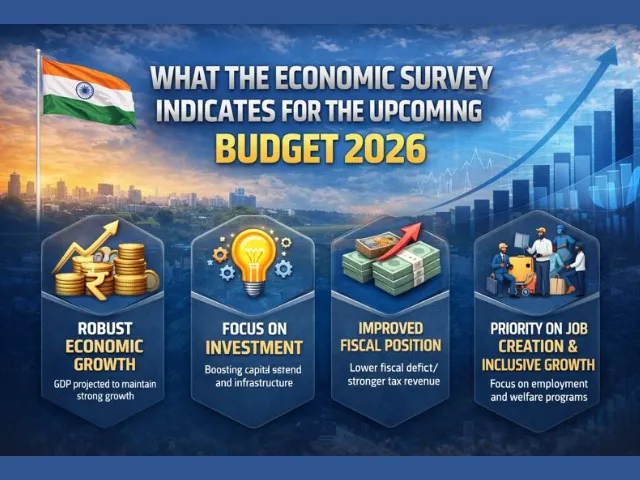
India enters FY27 with relatively strong fundamentals. GDP growth is expected to remain between 7 and 7.5 percent, supported by capital expenditure, steady service exports, and resilient domestic consumption.
However, global challenges persist. Trade tensions, geopolitical risks, and uncertain monetary policy cycles in developed economies could influence capital flows and export demand. Domestically, inflation has eased but household budgets remain under pressure, keeping consumption support high on the policy agenda.
Expectations on Taxation and Compliance
Relief for Salaried and Middle-Income Groups
One of the most anticipated announcements in Union Budget 2026-27 relates to income tax relief. There is growing expectation of an increase in the standard deduction for salaried individuals, potentially improving take-home pay and boosting consumption.
Simplification of tax structures under the new tax regime is also being discussed, with the aim of making compliance easier and more transparent. Even incremental relief could have a positive ripple effect across consumption-oriented sectors.
Ease of Doing Business
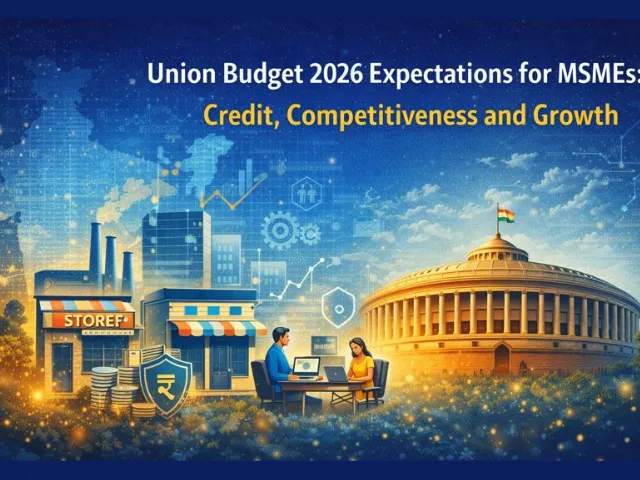
Beyond tax rates, businesses are looking for clarity and faster resolution of disputes. Streamlined GST procedures, quicker refunds, and reduced litigation are expected to improve working capital cycles, especially for MSMEs and exporters.
Fiscal Strategy and Capital Spending
Infrastructure Remains Central
Despite expectations of tax relief, the government is widely expected to stay committed to fiscal consolidation. Maintaining a credible deficit reduction path while continuing strong capital expenditure is likely to remain a priority.
Investment in roads, railways, ports, and logistics has shown clear multiplier benefits in past budgets. Such spending supports job creation, boosts allied industries, and strengthens long-term productivity.
Preparing for Global Uncertainty
Policy measures that strengthen domestic manufacturing and reduce import dependence may gain renewed focus. Incentives under Atmanirbhar Bharat initiatives could help cushion the economy from external shocks.
Sectoral Focus Areas
Agriculture and Rural Economy
Agriculture continues to be a key pillar of economic stability. Expectations include better credit access for farmers, focus on oilseed and pulse production, and investments in storage and post-harvest infrastructure.
Such measures can help improve farm incomes while reducing supply-side inflation risks.
Education, Skills, and Emerging Technologies
Increased allocation toward skill development, digital education, and AI infrastructure is also anticipated. Strengthening industry-academia collaboration could help India stay competitive in emerging technologies.
Manufacturing, Startups, and GCCs
Manufacturing incentives, PLI scheme extensions, and policy support for startups remain key expectations. Support for Global Capability Centers in non-metro cities could drive employment and regional growth.
Other Priority Segments
Railways, defence, electric mobility, affordable housing, and MSMEs are likely to continue receiving policy attention. Any rationalisation of indirect taxes or targeted incentives could influence sector-specific market sentiment.
Market Perspective on Budget 2026
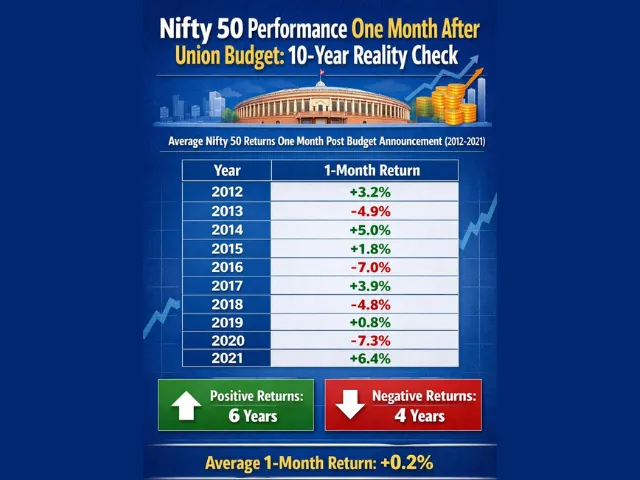
Budget announcements often lead to short-term volatility in equity markets. Sectors directly impacted by policy changes tend to see sharp reactions on Budget Day.
However, long-term investors generally benefit more from structural reforms rather than headline-driven moves. Consistent capex, fiscal credibility, and policy continuity remain key drivers of market confidence.
How Investors Can Approach Budget Season
Rather than attempting to trade on predictions, investors may benefit from aligning portfolios with long-term growth themes such as infrastructure, manufacturing, consumption recovery, and digital transformation.
Having access to timely research and reliable market insights becomes crucial during major policy events. SEBI-registered platforms like Swastika Investmart provide research-backed insights, technology-driven tools, and strong customer support to help investors navigate volatility with discipline.
Frequently Asked Questions
When is Union Budget 2026-27 scheduled?
The budget will be presented on February 1, 2026 at 11 AM.
Is tax relief likely in Budget 2026?
Tax relief is widely expected, particularly for salaried taxpayers, though official announcements will confirm the details.
How does the budget affect stock markets?
Budgets can cause short-term volatility, but long-term impact depends on growth measures and fiscal credibility.
Which sectors may gain from Budget 2026?
Infrastructure, manufacturing, agriculture, defence, and consumption-linked sectors are expected to remain in focus.
Conclusion
Union Budget 2026-27 is expected to reinforce India’s growth roadmap while addressing near-term economic needs. For investors, the focus should remain on long-term fundamentals rather than short-term reactions.
With trusted research, investor education, and technology-enabled investing, Swastika Investmart helps investors stay prepared for key events like the Union Budget.
Union Budget 2026-27 Expectations: What India and Markets Are Watching
Summary
- Union Budget 2026-27 will be presented on February 1, 2026, with strong focus on growth and fiscal discipline
- Middle-class tax relief, capex push, and sector-specific reforms are widely expected
- Markets may remain volatile but long-term investors should focus on structural themes
- Budget aligns with the Viksit Bharat 2047 vision and global economic challenges
Union Budget 2026-27 Expectations: What India and Markets Are Watching
India’s Union Budget 2026-27 will be presented by Finance Minister Nirmala Sitharaman on February 1, 2026, at 11:00 AM. As the economy targets growth of around 7 to 7.5 percent amid global uncertainty, this budget is being closely watched by taxpayers, businesses, and investors alike.
With India moving steadily toward its Viksit Bharat 2047 vision, Budget 2026 is expected to balance consumption support, fiscal prudence, and long-term competitiveness. Since the budget is yet to be announced, let us break down the most discussed expectations and what they could mean for Indian markets.
Economic Context Ahead of Budget 2026
India enters FY27 on relatively strong footing. Domestic demand has remained resilient, government capital expenditure continues to support growth, and inflation has moderated compared to previous years. However, challenges remain.
Global trade tensions, geopolitical risks, and potential tariff pressures from developed economies could impact exports. Domestically, consumption needs a boost, especially among the salaried and middle-income groups. Against this backdrop, Budget 2026-27 is expected to walk a fine line between stimulus and discipline.
Tax Reforms and Relief: Key Expectations
Focus on Salaried and Middle Class
One of the most anticipated announcements in Union Budget 2026-27 expectations is income tax relief. Market experts and industry bodies expect an increase in the standard deduction, possibly up to ₹1 lakh, to offset the impact of rising living costs.
There is also talk of rationalising tax slabs under the new tax regime to make it more attractive. Even a marginal reduction in tax outgo can translate into higher disposable income, which directly supports consumption driven sectors like FMCG, retail, automobiles, and housing.
Simplification and Compliance
Beyond rates, simplification of tax laws remains a priority. Faster resolution of tax disputes, clarity on deductions, and smoother GST processes are expected to improve ease of doing business. For small businesses and professionals, better GST refunds and reduced litigation could improve cash flows.
Fiscal Discipline with Growth Focus
Capex Remains the Backbone
Despite expectations of tax relief, the government is unlikely to compromise on fiscal consolidation. A clear glide path for reducing the fiscal deficit is expected, supported by strong capital expenditure.
Infrastructure spending on roads, railways, ports, and logistics has historically created a multiplier effect. For example, previous capex-led budgets benefited sectors like cement, steel, capital goods, and construction related stocks. Investors may see a similar trend this year as well.
Guarding Against Global Headwinds
Measures to protect the economy from external shocks are also expected. This may include incentives for domestic manufacturing, export support, and diversification of supply chains under Atmanirbhar Bharat initiatives.
Sector-Specific Expectations from Budget 2026
Agriculture and Rural Economy
Agriculture remains central to India’s economic stability. Budget 2026-27 expectations include improved access to institutional credit, focus on oilseed and pulse self-sufficiency, and investments in storage, cold chains, and food processing.
Such measures not only support farmers but also reduce inflation volatility, which is positive for long-term market stability.
Education, Skilling, and AI
India’s demographic advantage depends on skill development. Higher allocation toward digital education, AI infrastructure, and industry-linked skilling programs is expected. This could support IT services, edtech platforms, and emerging technology firms.
Manufacturing, Startups, and GCCs
Manufacturing and startups remain key growth engines. Possible extensions or expansion of PLI schemes, tax incentives for deep-tech startups, and support for Global Capability Centers in Tier 2 and Tier 3 cities are widely anticipated.
For investors, this reinforces long-term themes in electronics manufacturing, defence production, renewables, and export-oriented industries.
Other Focus Areas
Railways, defence, electric vehicles, affordable housing, and MSMEs are likely to remain in focus. Rationalisation of GST on real estate and incentives for green mobility could directly influence sectoral stocks and indices.
Impact on Indian Stock Markets
Historically, Budget Day brings short-term volatility, especially in sectors directly impacted by policy announcements. However, markets tend to stabilise once clarity emerges.
If Budget 2026 delivers credible fiscal discipline alongside growth initiatives, it could strengthen investor confidence. Long-term investors should focus less on knee-jerk reactions and more on structural reforms that improve earnings visibility over time.
SEBI regulations also require investors to rely on informed advice rather than speculation. Having access to quality research and timely insights becomes crucial during such high-impact events.
How Investors Can Prepare
Instead of trying to predict every announcement, investors should align portfolios with long-term themes such as infrastructure, manufacturing, consumption recovery, and digital transformation. Reviewing asset allocation and risk exposure ahead of the budget can help manage volatility.
Platforms like Swastika Investmart support investors with SEBI-registered research, real-time market insights, and educational resources, helping traders and investors navigate events like Union Budget 2026 with confidence.
Frequently Asked Questions
When will Union Budget 2026-27 be presented?
The Union Budget 2026-27 will be presented on February 1, 2026, at 11:00 AM by the Finance Minister.
Is major income tax relief expected in Budget 2026?
While nothing is confirmed, expectations include a higher standard deduction and possible rationalisation of tax slabs to support consumption.
How does the Union Budget impact the stock market?
Budgets often cause short-term volatility, but long-term market direction depends on growth measures, fiscal discipline, and structural reforms.
Which sectors may benefit the most from Budget 2026?
Infrastructure, manufacturing, agriculture, defence, EVs, and consumption-linked sectors are expected to remain in focus.
Should investors trade aggressively on Budget Day?
Budget Day trading involves high risk. Long-term investors are advised to focus on fundamentals rather than short-term price movements.
Conclusion
Union Budget 2026-27 is set to be a defining policy moment as India balances near-term growth needs with its long-term vision of becoming a developed economy by 2047. Tax reforms, infrastructure spending, and sector-specific support will play a critical role in shaping market sentiment.
For investors, preparation matters more than prediction. With reliable research, technology-driven platforms, and strong customer support, Swastika Investmart helps investors make informed decisions during key events like the Union Budget.

Silver & Gold Breakout: Understanding the Momentum Behind the Rally
Quick Snapshot
- Gold and silver have witnessed a strong breakout amid global uncertainty
- Falling real yields, central bank buying, and geopolitical risks are key drivers
- Silver is outperforming due to industrial demand and supply tightness
- Indian markets feel the impact through MCX prices, jewellery demand, and ETFs
Silver & Gold Breakout: Understanding the Momentum Behind the Rally
Gold and silver have once again grabbed investor attention. After months of consolidation, both precious metals have broken out sharply, signalling renewed momentum in global commodity markets. For Indian investors, this rally is more than just a headline move. It reflects deeper macroeconomic forces at play and carries implications for portfolios, inflation expectations, and currency dynamics.
While gold is often seen as a traditional safe haven, silver’s rally adds an interesting twist, combining defensive appeal with industrial demand. Understanding what is driving this breakout helps investors separate short-term noise from structural trends.
What Sparked the Breakout in Gold and Silver Prices
The recent surge in gold and silver prices is not driven by a single factor. Instead, it is the result of multiple global forces aligning at the same time.
One of the biggest triggers has been expectations around global interest rates. As markets price in the possibility of rate cuts by major central banks, real yields have softened. When returns on bonds fall, non-yielding assets like gold become more attractive.
At the same time, geopolitical tensions and economic uncertainty have kept risk appetite in check, pushing investors towards assets perceived as stores of value.
Gold’s Rally: A Classic Safe Haven Trade Returns
Central Bank Buying Provides a Strong Floor
Central banks across emerging and developed economies have been steadily increasing their gold reserves. This trend has provided a strong demand base for gold prices, limiting downside risk even during phases of equity market strength.
For countries looking to diversify away from traditional reserve currencies, gold remains a preferred choice.
Currency and Inflation Dynamics
A softer US dollar has also supported gold prices. Since gold is priced in dollars globally, any weakness in the dollar tends to make gold cheaper for non-US buyers, boosting demand.
In India, gold prices are influenced by both global trends and the rupee-dollar exchange rate. Even when global prices stabilise, a weaker rupee can push domestic gold prices higher, directly impacting jewellery demand and investment flows.
Why Silver Is Outperforming Gold
While gold has been steady, silver has shown sharper gains, catching the eye of traders and long-term investors alike.
Industrial Demand Plays a Bigger Role
Unlike gold, silver has significant industrial applications. It is widely used in electronics, electric vehicles, and solar panels. As the global energy transition gathers pace, demand for silver from clean energy sectors has grown steadily.
This industrial linkage gives silver a dual character. It benefits from safe haven demand during uncertainty and from economic recovery when industrial activity picks up.
Supply Constraints Add to the Momentum
Silver supply growth has remained relatively limited. Mining output has not kept pace with rising demand, creating tighter market conditions. When investment demand picks up during such phases, price moves can be sharp.
This supply-demand imbalance has been a key contributor to silver’s recent breakout.
Impact on Indian Markets and Investors
The rally in precious metals has several knock-on effects for Indian markets.
MCX Prices and Retail Participation
On the Multi Commodity Exchange, gold and silver contracts have seen increased volumes and participation. Retail investors often turn to precious metals during volatile equity markets as a diversification tool.
Gold ETFs and silver ETFs have also seen renewed interest, offering investors a simpler way to gain exposure without physical storage concerns.
Jewellery and Consumption Trends
Higher prices can temporarily dampen jewellery demand, especially in price-sensitive rural markets. However, festive and wedding-related buying often cushions the impact.
From a regulatory standpoint, Indian authorities continue to monitor gold imports closely due to their impact on the current account deficit. Policies around import duties and hallmarking standards also influence the domestic gold ecosystem.
Are These Levels Sustainable?
A key question for investors is whether the breakout in gold and silver is sustainable or nearing exhaustion.
In the near term, prices may see volatility as markets react to economic data and central bank signals. However, the broader backdrop of global uncertainty, high debt levels, and structural demand from central banks suggests that precious metals could remain supported over the medium term.
Silver, given its industrial linkage, may remain more volatile than gold but also offers higher upside during favourable cycles.
How Investors Can Approach the Precious Metals Rally
Rather than chasing momentum, investors may consider precious metals as part of a balanced portfolio. Gold often acts as a hedge against inflation and market stress, while silver adds a growth-linked element.
Position sizing, time horizon, and risk tolerance remain critical. Tracking global cues such as interest rates, currency movements, and industrial demand trends can help in making informed decisions.
How Swastika Investmart Supports Informed Commodity Investing
Navigating commodity cycles requires timely insights and disciplined execution. Swastika Investmart, a SEBI-registered financial services firm, provides investors with strong research tools, tech-enabled trading platforms, and responsive customer support.
With a focus on investor education, Swastika Investmart helps clients understand market trends, manage risk, and align investments with long-term financial goals.
Frequently Asked Questions
Why are gold and silver prices rising together?
Both metals are benefiting from lower real yields, global uncertainty, and increased demand for safe assets, along with strong industrial demand in silver’s case.
Is silver a better investment than gold right now?
Silver can offer higher upside due to industrial demand but is also more volatile. Gold remains more stable as a defensive asset.
How do global interest rates affect precious metals?
Lower interest rates reduce the opportunity cost of holding non-yielding assets like gold and silver, supporting prices.
What is the impact of this rally on Indian investors?
Indian investors see higher MCX prices, increased ETF participation, and potential effects on jewellery demand and import dynamics.
Should precious metals be part of a long-term portfolio?
Yes, when used in moderation, precious metals can help diversify portfolios and manage risk during market uncertainty.
Closing Thoughts
The breakout in gold and silver prices reflects more than short-term speculation. It highlights shifting global dynamics, from monetary policy expectations to industrial transformation. For Indian investors, understanding these drivers is key to making informed decisions rather than reacting to price swings.
With the right research support and a disciplined approach, precious metals can play a meaningful role in navigating uncertain market cycles.

US Natural Gas Prices Surge 20% Amid Arctic Freeze: What’s Driving the Spike?
Quick Snapshot
- US natural gas prices surged nearly 20% due to extreme Arctic weather
- Supply disruptions and rising heating demand tightened the market
- LNG exports amplified domestic price volatility
- Indian energy markets may see indirect effects through LNG imports and fuel costs
US Natural Gas Prices Surge 20% Amid Arctic Freeze: What’s Driving the Spike?
A sudden surge in US natural gas prices has caught global markets’ attention. Prices jumped nearly 20% in a short span as an intense Arctic freeze swept across large parts of the United States, pushing heating demand sharply higher while disrupting production and transportation.
While weather-driven price spikes are not new, the scale and speed of this move highlight how fragile energy balances can become during extreme conditions. For investors and market participants, understanding the forces behind this surge is critical, especially as global energy markets remain tightly interconnected.
How the Arctic Freeze Disrupted the US Gas Market
Extreme cold across key regions such as Texas and the Midwest significantly increased demand for natural gas used in residential and commercial heating. At the same time, freezing temperatures affected production wells and pipeline infrastructure.
In energy markets, timing matters. The freeze arrived when inventories were already being drawn down for winter consumption, leaving little buffer to absorb sudden demand shocks.
In simple terms, more people needed gas at the exact moment when supply struggled to keep up.
Demand Shock Meets Supply Constraints
Heating Demand Spikes Sharply
During severe winters, natural gas becomes the primary fuel for heating in much of the US. Power utilities also switch to gas to meet higher electricity demand.
This surge in consumption can overwhelm normal supply flows, especially when weather events stretch across multiple states simultaneously.
Production and Logistics Face Disruptions
Cold weather does not just boost demand. It can also reduce supply. Freezing conditions can shut in gas production, slow processing facilities, and limit pipeline throughput.
Even temporary disruptions can cause outsized price reactions when markets are already tight.
The Role of LNG Exports in Amplifying Volatility
The US is now one of the world’s largest exporters of liquefied natural gas. During periods of high global demand, LNG cargoes continue to flow overseas, reducing the volume available domestically.
While LNG exports strengthen the US energy sector structurally, they also mean that domestic prices are more exposed to global demand dynamics. When local weather shocks coincide with strong export demand, price volatility tends to increase.
This dynamic played a role in the recent surge, as export commitments limited flexibility in redirecting supply quickly.
Why the 20% Price Jump Matters for Global Markets
Natural gas is not just a regional commodity anymore. Price movements in the US influence global LNG benchmarks, energy-linked equities, and even inflation expectations.
For commodity traders, such sharp moves signal heightened risk. For policymakers, they underline the importance of storage, grid resilience, and diversified energy sources.
Impact on Indian Markets and Energy Costs
Although India is not directly linked to US gas pipelines, the country is deeply connected through LNG imports.
Potential Impact on LNG Prices
India relies on LNG to meet a portion of its energy needs, especially for power generation and city gas distribution. A surge in US gas prices can push global LNG prices higher, affecting import costs.
Higher LNG prices may:
- Increase fuel costs for gas-based power plants
- Pressure margins for city gas distributors
- Influence fertiliser subsidy requirements
Broader Market Implications
Energy price volatility can spill over into inflation expectations, bond yields, and equity sector performance. Indian energy stocks, logistics companies, and even FMCG players can feel indirect effects if fuel costs rise persistently.
From a regulatory perspective, Indian authorities closely monitor energy price trends to manage inflation and ensure supply stability through strategic sourcing and long-term contracts.
Is This a Short-Term Spike or a Structural Shift?
Weather-driven price spikes are usually temporary. Once temperatures normalise and production resumes, prices tend to cool off.
However, repeated extreme weather events, growing LNG exports, and limited spare capacity suggest that volatility may become a more regular feature of natural gas markets.
For investors, this means energy commodities could remain sensitive to both climate patterns and geopolitical developments.
What Investors Should Watch Next
Key indicators to track include:
- US weather forecasts and storage data
- LNG export volumes and global demand trends
- Policy responses related to energy security
- Impact on inflation and interest rate expectations
Understanding these factors can help investors anticipate how energy price swings might affect broader portfolios.
How Swastika Investmart Helps Investors Navigate Commodity Volatility
Commodity-driven market moves can be complex and fast-moving. Interpreting their impact across equities, currencies, and interest rates requires strong research and timely insights.
Swastika Investmart, a SEBI-registered financial services firm, offers robust research tools, tech-enabled investing platforms, and responsive customer support. With a strong focus on investor education, it helps clients understand global developments and position their portfolios with clarity and discipline.
If you are looking to stay ahead of global market trends and make informed investment decisions, consider taking the next step.
Frequently Asked Questions
Why did US natural gas prices surge by 20%?
Prices surged due to extreme Arctic weather that sharply increased heating demand while disrupting gas production and transportation.
Is the price spike likely to be temporary?
Such spikes are often short-term, but repeated weather events and strong LNG exports can keep volatility elevated.
How does US natural gas pricing affect India?
India may see indirect effects through higher LNG prices, which can influence energy costs and inflation.
Do LNG exports worsen domestic price volatility?
LNG exports tighten domestic supply flexibility, which can amplify price movements during demand shocks.
Should investors track natural gas trends closely?
Yes. Natural gas prices influence inflation, energy stocks, and global commodity sentiment, making them important for portfolio analysis.
Final Thoughts
The 20% surge in US natural gas prices is a reminder that energy markets remain highly sensitive to weather and supply dynamics. While the immediate trigger was an Arctic freeze, the broader story points to tighter global gas balances and rising volatility.
For investors, staying informed and agile is essential. With the right research support and a clear strategy, global commodity movements can be understood not as noise, but as signals shaping the next phase of market trends.

Q3 FY26 Earnings Scorecard: IT Under Pressure, Manufacturing Shines
Quick Snapshot
- Q3 FY26 earnings show a clear divergence across sectors
- IT companies faced margin and profit pressure due to one-time labour code costs
- Manufacturing, consumer durables, and auto ancillaries delivered strong growth
- Financial services remained resilient with steady income and profit expansion
- The trend highlights a gradual shift in market leadership within Indian equities
Q3 FY26 Earnings Scorecard: IT Under Pressure, Manufacturing Shines
The Q3 FY26 earnings season has underlined a growing divide in India Inc. While manufacturing and consumption-driven businesses posted healthy growth, the IT sector struggled with profitability pressures. This divergence reflects changing economic realities, sector-specific challenges, and evolving regulatory costs.
For investors, Q3 FY26 earnings offer valuable clues about where momentum is building and where caution may be warranted. Let us break down the key trends, supported by company-level performance and broader market context.
IT Sector Feels the Heat as Costs Bite
The IT sector entered Q3 FY26 amid hopes of stabilising demand, but profitability took a hit due to cost-related challenges. A key factor was the impact of labour code-related one-time expenses, which weighed heavily on bottom lines.
LTIMindtree Highlights the IT Sector Strain
LTIMindtree’s Q3 FY26 performance reflects this pressure clearly. Revenue rose 3.7 percent to Rs 10,781 crore, supported by steady deal execution. EBIT also improved 5.4 percent, with margins inching up to 16.1 percent.
However, net profit declined sharply by 30.7 percent to Rs 971 crore. The primary reason was a one-time labour code cost of Rs 590 crore, which offset operational gains.
This result captures the broader IT sector theme. Revenue visibility remains intact, but regulatory costs and cautious global spending are limiting near-term earnings growth.
Market Implication for IT Stocks
For the Indian markets, IT stocks may continue to see range-bound movement in the near term. Investors are likely to focus more on margin commentary, deal pipelines, and cost normalisation timelines rather than topline growth alone.
Manufacturing and Industrials Take the Lead
In contrast to IT, manufacturing and industrial companies delivered strong and broad-based performance in Q3 FY26. Demand recovery, pricing power, and operating leverage played key roles.
Havells Shows Strength in Consumer Durables
Havells posted a solid Q3 FY26 performance with revenue rising 14.3 percent to Rs 5,588 crore. EBITDA grew 21 percent, supported by improved margins at 9.2 percent. Net profit increased 8.1 percent to Rs 301 crore.
The company also announced an interim dividend of Rs 4 per share, signalling confidence in cash flows. Strong housing demand, premiumisation, and stable input costs supported performance.
CEAT Delivers Robust Growth with Capex Push
CEAT stood out with an impressive Q3 FY26 showing. Revenue surged 26 percent to Rs 4,157 crore, while EBITDA jumped 65.3 percent. Margins expanded sharply to 13.6 percent.
Net profit rose 60.4 percent despite a one-time labour code loss of Rs 58 crore. The company also announced a proposed capital expenditure of around Rs 1,314 crore at its Chennai plant, reflecting confidence in future demand.
This performance highlights how manufacturing companies are benefiting from scale, capacity expansion, and improving operating efficiency.
Bansal Wire Reflects Steady Industrial Demand
Bansal Wire reported stable growth with revenue up 11.29 percent to Rs 1,029 crore. EBITDA rose 18 percent, and margins improved to 8.26 percent. Net profit increased modestly by 3.8 percent.
The numbers point to consistent demand from infrastructure and construction-linked segments, reinforcing the strength of the industrial cycle.
Financial Services Remain a Pillar of Stability
Financial services continued to provide earnings stability during Q3 FY26, supported by healthy credit demand and controlled asset quality.
Tata Capital Maintains Strong Growth Trajectory
Tata Capital reported a 12.2 percent rise in total income to Rs 7,979 crore. Profit increased 20.4 percent to Rs 1,265 crore, reflecting strong loan growth and operational discipline.
This steady performance underscores the resilience of well-managed financial institutions amid macro uncertainty.
Real Estate Shows Mixed but Stable Performance
Real estate performance in Q3 FY26 was steady, though margin pressures were visible in some cases.
Oberoi Realty Maintains Profit Stability
Oberoi Realty’s revenue grew 5.8 percent to Rs 1,493 crore. EBITDA remained largely flat, and margins moderated to 57.4 percent. Profit rose marginally by 0.7 percent to Rs 623 crore.
While growth was modest, stability in profits highlights sustained demand in premium real estate segments.
What This Means for Indian Markets
The Q3 FY26 earnings scorecard reinforces a clear sectoral shift. Manufacturing, auto ancillaries, and consumer durables are emerging as earnings leaders, while IT is navigating a phase of cost adjustment.
For the broader Indian markets, this divergence could influence sector rotation, with investors gradually reallocating towards companies with visible earnings momentum and capex-led growth.
Regulatory factors such as labour code implementation are also becoming an important variable in earnings analysis, especially for people-intensive sectors.
How Investors Can Navigate This Earnings Phase
Understanding earnings trends requires more than headline numbers. Investors must assess sustainability, one-time impacts, and management guidance.
Swastika Investmart, a SEBI-registered financial services firm, supports investors with strong research tools, tech-enabled investing platforms, and dedicated customer support. Its focus on investor education helps clients interpret earnings data in the right context and align portfolios with long-term themes.
Frequently Asked Questions
Why did IT companies face profit pressure in Q3 FY26?
Profitability was impacted mainly due to one-time labour code-related costs and cautious global demand, despite stable revenue growth.
Which sectors performed best in Q3 FY26 earnings?
Manufacturing, consumer durables, auto ancillaries, and select financial services companies delivered strong earnings growth.
How did labour code costs affect company results?
Labour code implementation led to one-time expenses for companies with large workforces, impacting net profits in the quarter.
What does this earnings trend mean for investors?
The trend suggests potential sector rotation towards manufacturing and consumption-led businesses with stronger earnings visibility.
Is this divergence between IT and manufacturing likely to continue?
In the near term, yes. However, medium-term performance will depend on demand recovery, cost normalisation, and macro conditions.
Final Thoughts
Q3 FY26 earnings have made one thing clear. India’s growth story is becoming more diversified, with manufacturing and domestic demand-driven sectors stepping into the spotlight. While IT remains structurally strong, near-term challenges are shaping investor sentiment.
Staying informed, disciplined, and research-driven is key in such phases. With the right guidance and tools, investors can navigate earnings cycles and align their portfolios with India’s evolving economic landscape.

How Lodha’s $11 Billion Data Centre Park Will Transform India’s Digital Infrastructure
Quick Snapshot
- Lodha Group’s $11 billion data centre park signals India’s shift into a digital infrastructure–led growth phase
- The project strengthens India’s cloud, AI, and data localisation capabilities
- It creates long-term opportunities across real estate, power, telecom, and capital markets
- Investors may see indirect benefits via listed infrastructure, IT, and financial services players
How Lodha’s $11 Billion Data Centre Park Will Transform India’s Digital Infrastructure
India’s digital economy is quietly entering its next big phase, and large infrastructure bets are setting the tone. Lodha Group’s announcement of a $11 billion data centre park is not just another real estate expansion story. It reflects how data, cloud computing, and digital storage are becoming core economic assets, much like roads and ports once were.
As India witnesses rising data consumption from 5G rollout, AI adoption, fintech growth, and stricter data localisation norms, the need for world-class data centre capacity has become urgent. Lodha’s move places India firmly on the global data infrastructure map and opens up interesting implications for investors and markets.
Why Data Centres Are the New Infrastructure Backbone
Data centres power everything from UPI transactions and OTT streaming to enterprise cloud services and government platforms. India’s data consumption is among the fastest-growing globally, driven by affordable internet, smartphone penetration, and digitisation across sectors.
For perspective, a single large hyperscale data centre can consume as much power as a mid-sized town. This is why data centres are increasingly seen as strategic infrastructure rather than traditional real estate.
Key demand drivers include:
- Expansion of cloud services by global tech firms
- Growth in AI workloads and enterprise data storage
- Digital India initiatives and government platforms
- RBI and IT Act guidelines pushing data localisation
Lodha’s data centre park aims to address this demand at scale.
What Makes Lodha’s $11 Billion Data Centre Park Significant
Unlike smaller standalone facilities, this project is designed as an integrated data centre ecosystem. It combines large land parcels, scalable power infrastructure, advanced cooling systems, and high-speed connectivity.
This approach offers three clear advantages:
- Faster deployment for global and domestic clients
- Cost efficiencies through scale and shared infrastructure
- Compliance readiness with Indian regulatory requirements
By investing $11 billion over multiple phases, Lodha is signalling long-term confidence in India’s digital growth story rather than chasing short-term returns.
Impact on India’s Digital Infrastructure Landscape
Strengthening India’s Cloud and AI Readiness
India’s ambition to become a global hub for AI and digital services depends heavily on data availability and processing power. Large data centre parks support high-density computing needed for AI training models, analytics, and enterprise cloud solutions.
This infrastructure can help India reduce dependence on overseas data storage, improving latency, security, and compliance.
Boost to Power, Renewables, and Grid Infrastructure
Data centres are energy-intensive. Lodha’s project is expected to drive demand for reliable power, including renewable energy sources. This creates spillover benefits for power generation companies, transmission players, and green energy developers.
Over time, it could accelerate investments in captive renewable capacity and energy storage solutions.
Supporting Financial Services and Digital Payments
India’s banking, fintech, and capital markets rely heavily on uptime, data security, and speed. Scalable data infrastructure strengthens the backbone for digital payments, algorithmic trading, and real-time risk management.
For listed banks and fintech-linked companies, this indirectly supports operational resilience and growth.
Market and Investment Implications
While Lodha’s data centre park itself may not be a listed pure-play opportunity, the ripple effects are broad.
Sectors that could benefit include:
- Infrastructure and power utilities
- IT services and cloud solution providers
- Telecom and fibre network companies
- Capital goods firms supplying cooling, electrical, and automation systems
From an investor’s lens, this aligns with the structural theme of digital infrastructure, which offers long-duration growth visibility compared to cyclical real estate.
Regulatory Context and Policy Tailwinds
India’s regulatory environment is gradually aligning with global best practices for data governance. Policies around data localisation, cybersecurity, and digital public infrastructure encourage domestic data storage and processing.
Additionally, state governments are competing to attract data centre investments through incentives on land, power tariffs, and approvals. Such policy support lowers execution risk for large projects like Lodha’s.
How This Fits Into India’s Long-Term Growth Story
Think of data centres as the highways of the digital economy. Just as industrial corridors once unlocked manufacturing growth, data infrastructure enables the next wave of services-led expansion.
Lodha’s project reflects a broader shift where traditional real estate developers are repositioning themselves as infrastructure partners to the digital economy. This evolution mirrors global trends seen in the US and Asia-Pacific markets.
For investors, it reinforces the importance of looking beyond headline sectors and understanding how enabling infrastructure creates value across the ecosystem.
Where Swastika Investmart Adds Value for Investors
Tracking such large structural themes requires more than just headline news. Investors need sectoral insights, regulatory understanding, and disciplined portfolio strategies.
Swastika Investmart, a SEBI-registered financial services firm, supports investors with strong research tools, tech-enabled investing platforms, and dedicated customer support. Whether it is identifying indirect beneficiaries or managing risk during sectoral shifts, informed guidance can make a meaningful difference.
Frequently Asked Questions
What is Lodha’s $11 billion data centre park?
It is a large-scale data centre development focused on creating integrated digital infrastructure to support cloud, AI, and enterprise data needs in India.
Why are data centres important for India’s economy?
They support digital payments, cloud services, AI applications, and data localisation, all of which are critical for India’s digital and financial ecosystem.
Will this project impact stock markets directly?
Not directly, but it can benefit listed companies in power, IT services, telecom, and infrastructure through increased demand and capacity expansion.
How does regulation support data centre growth in India?
Policies around data localisation, cybersecurity, and Digital India initiatives encourage domestic data storage and infrastructure investments.
Is this a long-term investment theme?
Yes. Data infrastructure is a structural growth theme with long visibility, driven by rising digital consumption and enterprise adoption.
Final Thoughts
Lodha’s $11 billion data centre park marks a decisive step in India’s journey toward becoming a digitally self-reliant economy. Beyond real estate, it strengthens the foundations of cloud computing, AI innovation, and financial digitisation.
For investors, understanding such structural shifts early can open up smarter, more resilient investment strategies. With the right research support and a disciplined approach, themes like digital infrastructure can become powerful long-term portfolio drivers.


.webp)
.webp)

.webp)





START YOUR INVESTMENT JOURNEY
Get personalized advice from our experts
- Dedicated RM Support
- Smooth and Fast Trading App
