FII FPI & DII Trading Activity on 1 April 2026 : Key Insights from April 1, 2026


%20(3).webp)

Understanding FII DII trading activity today is crucial for decoding market direction in India. On April 1, 2026, the data shows a sharp contrast between foreign and domestic institutional investors, offering valuable signals for traders and long-term investors alike.
Quick Takeaways
- DIIs remained strong net buyers, supporting market stability
- FIIs continued aggressive selling, creating downward pressure
- Domestic liquidity is currently offsetting foreign outflows
- Market sentiment remains cautious but not weak
What Happened on April 1, 2026
The latest data highlights a clear divergence between institutional players:
- DII Activity (NSE Capital Market): Net buying of ₹7,019 crore
- FII Activity (NSE Capital Market): Net selling of ₹8,072 crore
When combining NSE, BSE, and MSEI data:
- DIIs: Net buyers of ₹7,171 crore
- FIIs: Net sellers of ₹8,331 crore
This pattern reflects a familiar trend where domestic institutions absorb selling pressure from foreign investors.
Why Are FIIs Selling?
Foreign Institutional Investors often react to global cues. Some key reasons include:
Global Interest Rate Outlook
With central banks like the US Federal Reserve maintaining a cautious stance, capital tends to flow back to safer assets. This impacts emerging markets like India.
Currency Fluctuations
The Indian rupee’s volatility can reduce returns for FIIs when converted back to their home currency.
Risk-Off Sentiment
Geopolitical tensions and global uncertainty often trigger FII outflows.
Why DIIs Are Buying Aggressively
Domestic Institutional Investors, including mutual funds and insurance companies, are playing a stabilizing role.
Strong SIP Inflows
Retail participation through Systematic Investment Plans continues to provide steady liquidity.
Confidence in Indian Growth
India’s long-term growth story remains intact, supported by government policies and economic reforms guided by institutions like SEBI and RBI.
Valuation Opportunities
Market corrections due to FII selling often create attractive entry points for DIIs.
What This Means for Retail Investors
Understanding FII DII trading activity today helps you make smarter decisions:
Market Direction Is Not One-Sided
Even though FIIs are selling, strong DII buying prevents sharp crashes.
Focus on Fundamentals
Short-term volatility should not distract from long-term investment goals.
Sectoral Opportunities
DII buying often focuses on fundamentally strong sectors like banking, infrastructure, and manufacturing.
Role of Regulations and Market Stability
The Indian stock market operates under strict regulatory oversight by SEBI, ensuring transparency in institutional trades. RBI policies also influence liquidity and currency stability, indirectly affecting FII flows.
This strong regulatory framework makes India one of the most resilient emerging markets.
How Swastika Investmart Helps You Navigate Markets
In times of mixed signals like these, having the right platform matters. Swastika Investmart stands out with:
- SEBI-registered credibility ensuring trust and compliance
- Advanced research tools that decode FII and DII trends
- Reliable customer support for timely assistance
- A tech-driven platform designed for modern investors
- Strong focus on investor education
These features help investors interpret market data and act with confidence.
Common Questions on FII DII Activity
1. Why is FII selling considered negative for markets?
FII selling often leads to short-term volatility because of large capital outflows, but it does not always signal a long-term downturn.
2. Can DII buying fully offset FII selling?
In many cases, yes. Strong domestic inflows, especially through mutual funds, can stabilize markets.
3. Should retail investors follow FII trends?
FII trends are important but should not be the only factor. Always consider fundamentals and long-term goals.
4. Is this a good time to invest?
Market dips caused by FII selling can offer good opportunities if the underlying fundamentals remain strong.
Final Thoughts
The FII DII trading activity today clearly shows a tug of war between global caution and domestic confidence. While FIIs continue to pull out funds, DIIs are stepping in with strong buying support, keeping the market balanced.
For investors, this is not a time for panic but for informed decision-making. Staying updated with institutional trends and focusing on long-term growth remains key.
If you want deeper insights and smarter investing tools, explore Swastika Investmart here:
Big Budget



.webp)
.webp)
.webp)
.webp)
.webp)







.webp)
.webp)
.webp)
.webp)
Latest Articles

Trump’s 25% Iran Trade Tariff: What It Means for India’s Exports and Chabahar Port


Key Takeaways at a Glance
- A proposed 25% US tariff on Iran-linked trade raises fresh geopolitical and economic concerns
- India’s exports face indirect risks, especially in commodities, engineering goods, and logistics
- Chabahar Port remains strategically vital, but operational momentum could slow
- Indian markets may see short-term volatility in select sectors tied to trade and logistics
- Long-term impact depends on diplomatic negotiations and regulatory clarity
Why Trump’s Iran Trade Tariff Is Back in Focus
Global markets are once again paying attention to US trade policy after former President Donald Trump reiterated a hardline stance on Iran, including a proposed 25% tariff on trade linked to the country. While the US already maintains strict sanctions on Iran, this move signals a tougher enforcement regime that could have spillover effects beyond direct US Iran trade.
For India, the issue is not about direct exports to Iran alone. It is about secondary effects on supply chains, regional connectivity projects, and strategic trade routes, particularly the Chabahar Port, which India has invested in as a gateway to Central Asia and Afghanistan.
Understanding the 25% Iran Trade Tariff
The proposed tariff aims to penalize trade flows connected to Iran by raising costs for goods and services moving through or sourced from the country. While India has largely reduced direct oil imports from Iran due to existing sanctions, several Indian companies still have exposure through infrastructure projects, shipping routes, and regional trade partnerships.
A higher tariff environment discourages global firms from engaging with Iran-linked logistics, even when exemptions exist. This creates uncertainty for Indian exporters who rely on stable routes and predictable costs.
India’s Export Exposure: Where the Risks Lie
India’s exports to Iran have already moderated in recent years, but the broader concern is indirect exposure. Engineering goods, agricultural commodities, pharmaceuticals, and chemicals often move through complex regional networks. Any disruption in shipping insurance, freight availability, or payment mechanisms can raise transaction costs.
For example, Indian exporters using West Asian shipping corridors may face higher freight rates or longer transit times if shipping companies become cautious. This does not stop trade, but it reduces competitiveness, especially for price-sensitive goods.
From a regulatory perspective, Indian exporters must also comply with Reserve Bank of India guidelines on trade settlement and foreign exchange. Heightened sanctions scrutiny can delay payments or complicate documentation, adding working capital stress for small and mid-sized exporters.
Chabahar Port: Strategic Asset Under Pressure
Chabahar Port holds long-term strategic value for India. It provides access to landlocked Central Asian markets without routing trade through Pakistan. India has invested in port development and operations to strengthen regional connectivity and energy security.
Trump’s 25% Iran trade tariff does not directly target Chabahar, especially since India has previously received limited waivers for the project due to its geopolitical importance. However, tougher enforcement raises uncertainty. Private logistics players, insurers, and financiers may adopt a cautious stance, slowing cargo movement.
In the real world, even a small increase in perceived risk can reduce port throughput. This affects not just trade volumes but also the commercial viability of allied infrastructure such as rail links and warehousing.
Impact on Indian Markets and Sectors
Indian equity markets tend to react quickly to geopolitical headlines, even when the economic impact is indirect. Sectors that could see near-term volatility include logistics, shipping, metals, and export-oriented manufacturing.
That said, the broader market impact is likely to remain contained unless policy actions escalate. Large-cap exporters with diversified geographic exposure are better insulated, while smaller firms with regional concentration may face earnings pressure.
Historically, markets have shown resilience once clarity emerges. Investors often differentiate between headline risk and fundamental earnings impact, especially when India’s domestic demand remains strong.
How India May Navigate the Challenge
India’s approach is likely to remain pragmatic. Diplomatic engagement with the US, along with careful compliance with international regulations, will be key. India has previously balanced strategic autonomy with economic realism, and similar calibration can be expected here.
From a policy standpoint, export diversification and alternative trade routes continue to be priorities. Government initiatives supporting exporters through credit guarantees and digital trade facilitation also help mitigate external shocks.
Why Informed Investing Matters in Such Phases
Geopolitical developments like Trump’s Iran trade tariff highlight the importance of context-driven investing. Knee-jerk reactions often create noise, while long-term opportunities emerge for those who understand sectoral linkages and regulatory nuances.
This is where platforms like Swastika Investmart add value. With SEBI-registered research, strong analytical tools, and a focus on investor education, Swastika helps investors interpret global events through an Indian market lens. Tech-enabled investing and responsive customer support further empower investors to act with confidence rather than emotion.
Common Questions Investors Are Asking
Does the 25% Iran trade tariff directly affect Indian exports?
Not directly in most cases, but indirect effects through logistics, insurance, and payment channels can impact costs and timelines.
Is Chabahar Port at risk because of this policy?
The port remains strategically important, but operational momentum could slow if global partners adopt a cautious stance.
Will Indian stock markets see a major impact?
Any impact is likely to be sector-specific and short-term unless geopolitical tensions escalate significantly.
How can exporters reduce risk in such situations?
Diversifying markets, strengthening compliance, and managing currency exposure can help reduce vulnerability.
What should long-term investors focus on now?
Investors should focus on fundamentals, balance sheet strength, and companies with diversified revenue streams.
Final Thoughts
Trump’s 25% Iran trade tariff proposal adds another layer of uncertainty to an already complex global trade environment. For India, the challenge lies in managing indirect risks to exports and safeguarding the strategic relevance of projects like Chabahar Port. While short-term volatility is possible, the long-term impact will depend on diplomacy, regulatory clarity, and global trade realignments.
For investors looking to stay ahead of such developments, informed analysis and disciplined decision-making are essential. Swastika Investmart supports this journey with trusted research, advanced tools, and a strong commitment to investor education.

TCS Q3 Results: One-Time Labour Code Cost Weighs on Profit as Margins Hold Firm
Summary
- TCS reported steady operational performance in Q3 despite a one-off cost linked to new labour codes
- Operating margins remained resilient, reflecting strong cost controls
- Revenue growth stayed broad-based across key verticals and geographies
- The impact is accounting-led rather than structural, with no long-term margin shock
- The results reinforce TCS’s reputation as a defensive large-cap IT stock
Setting the Context: Why TCS Q3 Results Matter
Tata Consultancy Services, India’s largest IT services company, often sets the tone for the entire IT sector each quarter. Its Q3 results are closely watched by institutional investors, retail participants, and analysts alike because they provide early signals on demand trends, hiring conditions, and margin sustainability in global technology spending.
In the latest quarter, TCS Q3 results reflected a familiar pattern. Core operations remained stable, client spending held up reasonably well, and margins stayed firm. However, reported profit came under pressure due to a one-time cost related to the implementation of new labour codes in India. This led to a short-term dent in net profit but did not alter the company’s long-term financial trajectory.
Understanding the One-Time Labour Code Cost
India is in the process of rolling out four new labour codes that consolidate multiple existing laws covering wages, social security, industrial relations, and occupational safety. For large employers like TCS, this transition involves accounting adjustments, higher provisioning, and changes in employee-related benefits.
In Q3, TCS absorbed a one-time labour code cost linked to these regulatory changes. This expense was largely non-recurring and accounting-driven, rather than a reflection of rising operational inefficiency. Such costs typically arise when companies align gratuity, provident fund, or other long-term employee benefit provisions with revised legal frameworks.
From an investor’s perspective, this distinction is critical. A structural increase in employee costs would warrant concern, but a one-off regulatory adjustment is usually treated as a temporary hit that cleans up the balance sheet.
Margin Performance: A Key Positive in TCS Q3 Results
Despite the additional cost, TCS managed to keep its operating margins largely intact. This highlights the company’s strong execution capabilities and disciplined cost management.
Several factors supported margin stability:
- Efficient utilization of workforce through optimized staffing
- Controlled subcontracting expenses
- Stable offshore delivery mix
- Pricing discipline in ongoing client contracts
In a global environment where IT companies are facing pricing pressure and cautious client budgets, margin resilience stands out as a positive surprise. It reinforces TCS’s ability to defend profitability even when external headwinds emerge.
Revenue Growth and Deal Momentum
TCS Q3 results also reflected steady revenue growth, supported by continued demand in key verticals such as banking, financial services, retail, and manufacturing. While discretionary tech spending remains selective globally, core digital transformation and cost optimization projects continue to move forward.
Large deal wins during the quarter added visibility to future revenue streams. These long-term contracts provide earnings stability and help cushion short-term volatility caused by macroeconomic uncertainty or currency movements.
Impact on the Indian IT Sector and Markets
The Indian stock market often reacts sharply to IT earnings, especially those of bellwether stocks like TCS. In this case, the one-time labour code cost was largely anticipated by analysts, limiting negative surprises.
For the broader IT sector, the results send a balanced signal. Demand is not booming, but it is far from collapsing. Companies with scale, strong client relationships, and diversified portfolios are better positioned to navigate this phase.
From a regulatory standpoint, the labour code implementation represents a transition cost for corporate India. Over time, clearer compliance frameworks may actually improve transparency and predictability in employee-related expenses.
How Investors Should Read These Results
For long-term investors, TCS Q3 results underline the importance of looking beyond headline profit numbers. Adjusting for the one-off labour code cost provides a clearer picture of underlying performance.
TCS continues to be viewed as a defensive large-cap stock, offering stability during periods of market volatility. While near-term upside may be capped by global IT spending trends, downside risks appear limited due to strong cash flows and a solid order book.
Using Research Tools to Track Such Developments
Quarterly results often trigger short-term price movements that may not fully reflect long-term fundamentals. This is where disciplined research and timely insights matter.
Platforms like Swastika Investmart support investors with SEBI-registered research, detailed earnings analysis, and tech-enabled tools that help separate noise from meaningful signals. For investors navigating earnings season, access to structured data and expert commentary can make a real difference in decision-making.
Frequently Asked Questions
Why did TCS profit decline in Q3 despite stable margins?
The decline was mainly due to a one-time labour code related cost, not because of operational weakness.
Is the labour code cost a recurring expense?
No, it is largely a one-off adjustment linked to regulatory changes in India.
How did TCS margins hold firm during the quarter?
Strong cost controls, efficient workforce management, and stable pricing supported margins.
Does this impact TCS’s long-term outlook?
Not materially. The underlying business remains stable with healthy deal wins and cash flows.
What does this mean for Indian IT stocks overall?
It suggests resilience, especially for large, diversified players with strong balance sheets.
Closing Thoughts
TCS Q3 results highlight a classic case of short-term accounting impact versus long-term business strength. While the one-time labour code cost weighed on reported profit, operational performance and margins remained steady. For investors focused on fundamentals, this quarter reinforces TCS’s role as a stable anchor within the Indian IT space.
If you are looking to track such earnings trends, analyze sector-wide implications, or build a disciplined investment approach, Swastika Investmart offers a robust ecosystem backed by SEBI registration, strong research capabilities, responsive customer support, and a focus on investor education.
.webp)
Stocks in News Today: Key Market Movers to Watch 13 January 2026
Summary
- NBCC partners with Bharat Electronics to enter healthcare infrastructure.
- KP Energy signs renewable energy projects with Gujarat government worth Rs 4,000 crore.
- Adani Energy’s smart metering revenue potential reaches Rs 29,519 crore.
- TVS Supply secures a 3-year logistics contract with Daimler India.
- These developments indicate positive long-term growth opportunities in Indian markets.
Blog Title: Stocks in Focus: NBCC, KP Energy, Adani Energy, and TVS Supply Make Headlines
Indian Stock Market Highlights: 13 January 2026
The Indian stock market continues to witness strategic expansions and contracts across key sectors. Today’s noteworthy developments involve NBCC, KP Energy, Adani Energy, and TVS Supply, reflecting opportunities for investors in infrastructure, renewable energy, and smart metering solutions. Here’s a detailed look at these updates and what they mean for the Indian financial markets.
NBCC Enters Healthcare Infrastructure with Bharat Electronics
NBCC recently signed a Memorandum of Understanding (MoU) with Bharat Electronics, aiming to develop a healthcare manufacturing and service ecosystem. This strategic move marks NBCC’s foray into the healthcare infrastructure sector, a segment with promising long-term growth potential.
Market Context:
India’s healthcare infrastructure is witnessing accelerated growth, supported by government initiatives such as the National Health Mission (NHM) and increased private sector participation. Companies expanding into this space are poised to benefit from rising demand for quality healthcare facilities and equipment.
Investor Takeaway:
NBCC’s collaboration with Bharat Electronics combines NBCC’s project management expertise with Bharat Electronics’ technological capabilities. Investors may view this as a positive development for NBCC’s diversified growth strategy.
KP Energy Signs Rs 4,000 Crore Renewable Energy Projects with Gujarat
KP Energy has partnered with the Gujarat government to develop renewable energy projects worth Rs 4,000 crore, reinforcing India’s renewable energy goals under the National Solar Mission and the broader push for sustainable power.
Market Impact:
Renewable energy has become a cornerstone of India’s energy policy, with strong incentives for solar, wind, and hybrid projects. Public-private collaborations like this signal government support, which may boost investor confidence in KP Energy’s long-term revenue prospects.
Real-World Example:
Similar initiatives, like ReNew Power’s large-scale solar projects in Rajasthan, have demonstrated significant revenue growth and enhanced market credibility for participating firms.
Adani Energy’s Smart Metering Expansion
Adani Energy reported an installed base of 18.88 lakh smart meters, bringing its total to 92.5 lakh meters. The company’s smart metering order book stands at 2.46 crore meters, with a revenue potential of Rs 29,519 crore.
Why It Matters:
Smart meters are pivotal to India’s electricity distribution reform and digital grid modernization. By expanding its smart metering infrastructure, Adani Energy is well-positioned to benefit from improved energy efficiency, regulatory incentives, and increased revenue from digital energy services.
Investor Insight:
For investors looking for long-term growth in the energy sector, Adani Energy’s smart metering business represents a scalable and technologically forward-looking opportunity.
TVS Supply Secures 3-Year Logistics Contract with Daimler India
TVS Supply has signed a 3-year contract to manage warehouse operations for Daimler India’s commercial vehicles at its Chennai unit. This logistics deal highlights TVS Supply’s growing presence in industrial supply chain solutions.
Market Relevance:
The Indian logistics and warehousing sector is projected to reach USD 215 billion by 2030, driven by e-commerce, industrial growth, and efficient supply chain operations. Contracts with established manufacturers like Daimler signal credibility and revenue stability for TVS Supply.
Investor Perspective:
This deal emphasizes TVS Supply’s operational expertise and the potential for recurring income through long-term logistics partnerships.
Conclusion: Opportunities Across Sectors
The developments in NBCC, KP Energy, Adani Energy, and TVS Supply underscore diversified growth opportunities in India’s infrastructure, renewable energy, smart grid technology, and logistics sectors. For investors, staying informed about such corporate strategies and contracts can guide informed decision-making.
Invest Smarter with Swastika Investmart
Swastika Investmart offers SEBI-registered trading platforms, research-driven insights, and tech-enabled tools for seamless investing. Explore market opportunities and make confident investment choices.
👉 Open Your Account now
Frequently Asked Questions (FAQs)
Q1: What is the significance of NBCC’s MoU with Bharat Electronics?
A: It marks NBCC’s entry into healthcare infrastructure, leveraging Bharat Electronics’ technology for long-term growth opportunities.
Q2: How does KP Energy’s project with Gujarat impact its business?
A: The Rs 4,000 crore renewable energy project enhances KP Energy’s revenue potential and positions it as a key player in India’s sustainable energy transition.
Q3: Why are Adani Energy’s smart meters important for investors?
A: Smart meters improve energy efficiency, support digital grids, and offer substantial revenue potential, making them a strategic growth area.
Q4: What does TVS Supply’s Daimler contract indicate?
A: The 3-year logistics contract shows TVS Supply’s operational capability and potential for steady revenue in India’s expanding warehousing sector.
Q5: How can Swastika Investmart help investors?
A: Swastika provides research-backed recommendations, advanced trading tools, investor education, and a SEBI-registered platform to invest confidently.
👉 Open Your Account now
.webp)
Market Set-Up for 13 January 2026: What Indian Investors Should Watch Today
Summary
- Global markets are mixed, with GIFT Nifty indicating a mildly positive start
- FIIs remain net sellers in cash but derivatives data shows a mixed stance
- Nifty faces resistance near 25900–26100 with strong support around 25500
- Bank Nifty holds above key moving averages, keeping the bias cautiously positive
Market Set-Up for 13 January 2026: What Indian Investors Should Watch Today
The Indian stock market enters the trading session of 13 January 2026 with a cautiously optimistic tone. Global cues are stable, derivatives data is mixed, and domestic indices are attempting to consolidate after recent volatility. For traders and investors, today’s market set-up provides important clues on momentum, key levels, and sector-specific behaviour.
In this blog, we break down the market set-up for 13 January 2026 in a simple, actionable way, covering global markets, FII and DII activity, derivatives positioning, and technical levels for Nifty and Bank Nifty. The analysis is designed to help Indian investors align their strategy with real market data rather than noise.
Global Market Cues: Supportive but Not Decisive
Global markets remain an important sentiment driver for Indian equities, especially for short-term traders.
US markets closed higher overnight, with the Dow Jones gaining around 86 points. This reflects steady investor confidence, although futures are currently trading flat to mildly negative. Asian markets are showing mixed trends, suggesting a lack of strong directional cues.
For Indian markets, GIFT Nifty is indicating a positive start of around 40 points. This signals that the domestic market may open slightly higher, but follow-through will depend on institutional flows and index-heavy stocks.
From an Indian investor’s perspective, such global conditions usually favour a range-bound to mildly positive opening rather than a sharp trending move.
Institutional Activity: Reading Between the Lines
Cash Market Flows
Foreign Institutional Investors continue to remain net sellers in the cash market, with selling of approximately ₹3,638 crore. Domestic Institutional Investors, on the other hand, have provided strong support by buying nearly ₹5,839 crore worth of equities. This results in a net positive institutional flow.
This pattern has been visible over recent weeks, where DIIs such as mutual funds and insurance companies are cushioning the market during phases of FII selling. For long-term investors, this reflects confidence in India’s economic growth and corporate earnings visibility.
Derivatives Positioning and Its Meaning
In index derivatives, FII data presents a mixed picture. There is an increase in futures longs but also a significant rise in futures shorts. In options, FIIs have added put longs and put shorts while reducing call positions.
Such a structure often indicates uncertainty rather than outright bearishness. Traders typically interpret this as a market preparing for consolidation with sharp intraday moves on news or global cues.
The India VIX has moved up by over 4 percent to around 11.37, indicating a mild rise in expected volatility. However, this level is still relatively low by historical standards, suggesting panic is absent.
Nifty Outlook: Key Levels That Matter Today
Nifty has shown a smart recovery from the 25470 zone, which has emerged as a short-term base. This bounce highlights the presence of buying interest at lower levels.
Important Resistance Zones
The immediate resistance lies at 25900, followed by 26000 and 26100. These levels are psychologically important and also align with options open interest concentrations. If Nifty manages to sustain above 26000 with volume, it could trigger short covering and momentum buying.
Crucial Support Levels
On the downside, the 25500 to 25450 zone remains an important support area. A decisive break below this could drag the index towards 25400 to 25300, where fresh buying interest is expected.
For positional traders, the current structure suggests a buy-on-dips approach near support rather than aggressive buying near resistance.
Bank Nifty Outlook: Strength with Caution
Bank Nifty continues to outperform the broader market and has managed to close above the 59400 level, which coincides with the 20-day moving average. This is a positive technical sign.
Resistance Levels
Immediate resistance is seen at 59800 and the psychological 60000 mark. A breakout above 60000 could open the door for further upside, especially if private banking stocks participate.
Support and Demand Zone
The 59000 to 58700 range is a strong demand zone. As long as Bank Nifty holds above this band, the medium-term structure remains constructive.
Given the heavy weight of banking stocks in Nifty, Bank Nifty’s behaviour will be critical in deciding whether the broader market sustains higher levels.
What This Market Set-Up Means for Indian Investors
For short-term traders, the market set-up for 13 January 2026 suggests a range-bound session with stock-specific opportunities. Volatility may rise intraday, making risk management essential.
For long-term investors, the continued support from DIIs and stable macro conditions reinforce the case for staggered investing rather than timing the market. Regulatory oversight by SEBI and improving transparency in Indian markets further strengthen investor confidence.
Platforms that offer strong research, timely insights, and easy execution can make a meaningful difference in such environments.
Why Many Investors Prefer Swastika Investmart
Swastika Investmart, a SEBI-registered intermediary, stands out for its disciplined research approach and investor-first philosophy. The firm combines experienced market professionals with technology-driven tools to help investors navigate both calm and volatile markets.
Key strengths include detailed market insights, derivative analysis, responsive customer support, and a strong focus on investor education. For traders tracking daily market set-ups, such structured guidance can be especially valuable.
Frequently Asked Questions
What is the market set-up in the stock market?
Market set-up refers to a pre-market assessment that includes global cues, institutional activity, derivatives data, and technical levels to understand possible market direction.
Is today’s market outlook bullish or bearish?
The outlook for 13 January 2026 is cautiously positive with a range-bound bias, supported by DII buying and stable global cues.
Why is FII and DII data important for Indian markets?
FIIs and DIIs influence liquidity and sentiment. Their buying or selling patterns often impact short-term trends in indices like Nifty and Bank Nifty.
How should retail investors use daily market set-ups?
Retail investors should use them as a guidance tool, not a prediction. Combining market set-up insights with risk management and long-term goals is crucial.
Conclusion: Trade with Clarity, Not Emotion
The market set-up for 13 January 2026 points towards cautious optimism backed by domestic institutional support and improving technical structure. While global cues remain mixed, Indian markets continue to show resilience.
Whether you are a trader looking for short-term opportunities or an investor building long-term wealth, staying informed is key. With its research-driven approach and SEBI-registered credibility, Swastika Investmart helps investors make confident, well-informed decisions.
Ready to take the next step?
Open your trading and investment account today with Swastika Investmart and access expert insights, smart tools, and reliable support.

NSE IPO Nears Clearance: SEBI May Grant NoC Within This Month
Summary
- NSE IPO is nearing a key regulatory milestone with SEBI likely to issue NoC soon
- Clearance could revive India’s most awaited public listing
- NSE’s strong market position makes the IPO structurally significant
- Listing may deepen capital markets and boost investor participation
- Regulatory clarity remains the final trigger before timelines firm up
NSE IPO Nears Clearance: SEBI May Grant NoC Within This Month
India’s most anticipated public issue may finally be approaching a decisive moment. The National Stock Exchange IPO is back in focus after reports suggest that the Securities and Exchange Board of India may grant a No Objection Certificate within this month. If confirmed, this would mark a critical step toward unlocking one of the largest and most closely watched listings in Indian capital market history.
For years, the NSE IPO has remained a topic of speculation rather than execution. Regulatory scrutiny, governance concerns, and pending approvals kept timelines uncertain. Recent developments, however, indicate that the regulatory logjam may finally be easing.
For investors, intermediaries, and market participants, this potential clearance carries implications far beyond a single IPO.
Why the NSE IPO Matters So Much
Backbone of India’s equity markets
The National Stock Exchange is not just another company seeking a listing. It is the core infrastructure on which India’s equity and derivatives markets operate. NSE handles the majority of equity cash market volumes and an overwhelming share of index derivatives trading.
Listing such an institution is fundamentally different from listing a private corporate. It represents the formal market valuation of India’s financial plumbing.
Long standing investor interest
Several domestic institutions, global funds, and strategic investors already hold stakes in NSE. A public listing would provide liquidity to these shareholders while offering retail and institutional investors a chance to own a stake in India’s most important exchange.
This is why every update on regulatory approval attracts intense attention.
SEBI’s Role and the Importance of NoC
What the NoC signifies
A No Objection Certificate from SEBI is a critical regulatory clearance that signals the watchdog’s comfort with governance standards, compliance frameworks, and listing readiness.
For NSE, this approval has been the missing piece. Without it, filing updated draft papers and moving toward a listing timeline was not possible.
Why clearance may come now
Over the past few years, NSE has undertaken multiple corrective steps. These include governance restructuring, settlement of past regulatory issues, strengthening compliance systems, and enhanced disclosures.
Market observers believe these measures have addressed key concerns that delayed approval earlier. If SEBI grants the NoC this month, it would suggest that regulatory confidence has improved.
What Happens After the NoC
Updated IPO documents and timelines
Once the NoC is granted, NSE is expected to move ahead with updating its offer documents. Given the time elapsed since its initial plans, financials, risk disclosures, and regulatory sections would need refreshment.
Only after this process will concrete IPO timelines emerge. While a listing may not be immediate, the direction would finally be clear.
Market conditions will matter
Even with regulatory clearance, timing the IPO will depend on broader market conditions. Volatility, global cues, and domestic liquidity will influence the final launch window.
Given NSE’s size and significance, authorities and stakeholders are likely to prefer a stable market backdrop.
Potential Impact on Indian Markets
Deepening market participation
An NSE listing could broaden retail participation in capital market infrastructure. Much like how exchanges are listed in global markets, India would join a select group of economies where investors can own a stake in the exchange itself.
This could also spark renewed interest in market linked investments and financial literacy.
Valuation benchmarks for market infrastructure
The IPO would establish valuation benchmarks for exchanges, clearing corporations, and other market infrastructure entities. This has implications for future listings and strategic investments in the financial ecosystem.
Sentiment boost for capital markets
From a sentiment perspective, progress on the NSE IPO would be seen as a positive signal for regulatory stability and capital market maturity. It reinforces the message that governance issues can be resolved through compliance and reform.
Regulatory Context and Oversight
SEBI’s cautious approach reflects the importance of exchanges as systemically critical institutions. Unlike regular companies, exchanges operate under stricter oversight due to their role in price discovery, risk management, and investor protection.
Granting the NoC only after governance concerns are addressed aligns with SEBI’s mandate to safeguard market integrity. For investors, this caution enhances trust rather than diluting opportunity.
How Investors Should View the Development
For now, the NSE IPO remains an event driven opportunity rather than an immediate action point. Investors should focus on understanding the business model of exchanges, revenue drivers like transaction fees and data services, and regulatory risks.
Once disclosures are available, deeper analysis will be required around valuation, growth sustainability, and competitive dynamics.
Platforms like Swastika Investmart help investors stay prepared for such landmark events through timely updates, research driven insights, and educational resources. With SEBI registration, strong research capabilities, responsive customer support, and a tech enabled investing platform, Swastika Investmart supports informed participation in evolving market opportunities.
Frequently Asked Questions
What is the current status of the NSE IPO
Reports suggest that SEBI may grant a No Objection Certificate within this month, bringing the IPO closer to execution.
Why has the NSE IPO been delayed for so long
The delay was due to regulatory and governance concerns that required corrective actions and enhanced compliance.
What does SEBI’s NoC mean for the IPO timeline
The NoC allows NSE to proceed with updated filings and move toward finalising listing timelines.
Will the NSE IPO be open to retail investors
Details will be clear only after official disclosures, but as a public issue, it is expected to include retail participation.
How important is this IPO for Indian markets
The listing is significant as it involves India’s primary stock exchange and reflects the maturity of domestic capital markets.
Conclusion: A Defining Moment for India’s Capital Markets
The possibility of SEBI granting NoC to the NSE IPO marks a potentially defining moment for Indian capital markets. While final timelines will depend on multiple factors, regulatory clearance would remove the biggest hurdle that has kept the IPO in limbo.
For investors, this development is a reminder that market infrastructure itself can become an investable opportunity, provided governance and transparency are firmly in place.
To stay updated on such high impact market developments and prepare for future opportunities, Swastika Investmart offers a trusted, research led platform designed for informed investors.
DMart Q3 FY26 Results: Profit Jumps 18.3% as Revenue Crosses ₹18,100 Crore
Summary
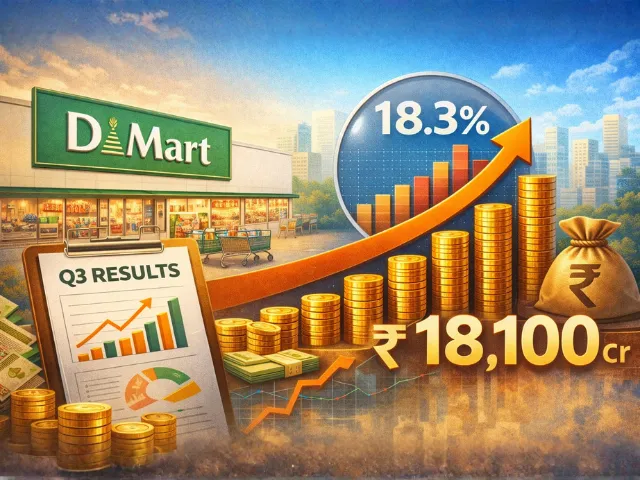
- DMart reported an 18.3% rise in net profit in Q3 FY26
- Revenue crossed ₹18,100 crore, driven by steady store level growth
- Operating efficiency and cost control supported margins
- Consumer demand remained resilient despite inflation pressures
- Results reinforced DMart’s long term retail growth story
DMart Q3 FY26 Results: Profit Jumps 18.3% as Revenue Crosses ₹18,100 Crore
Avenue Supermarts, the company behind the DMart retail chain, delivered a steady and reassuring performance in the third quarter of FY26. Net profit rose 18.3% year on year, while revenue crossed the ₹18,100 crore mark, highlighting the strength of its everyday low price model even in a challenging consumption environment.
At a time when Indian consumers are closely watching spending and discretionary demand remains uneven, DMart’s performance stands out for its consistency rather than surprise. The numbers underline how disciplined execution and cost control can still deliver growth in a competitive retail landscape.
For investors tracking consumer stocks, the latest DMart Q3 FY26 results provide useful signals about demand trends, margins, and the broader outlook for organised retail in India.
Key Highlights from DMart Q3 FY26 Results
Revenue growth remains steady
DMart reported revenue of over ₹18,100 crore in Q3 FY26, reflecting healthy year on year growth. Store level sales continued to benefit from high footfalls and strong traction in essential categories such as groceries, staples, and household products.
Unlike discretionary focused retailers, DMart’s core offerings cater to daily needs. This makes its revenue stream more resilient during periods of inflation or cautious consumer sentiment.
Profit rises despite cost pressures
Net profit increased by 18.3%, supported by operational efficiency and tight control over expenses. While input costs and logistics expenses remained elevated, DMart’s scale and sourcing strength helped absorb some of these pressures.
The company’s focus on owning stores rather than leasing also plays a role in maintaining predictable cost structures over the long term.
What Drove Performance This Quarter
Everyday low pricing strategy at work
DMart’s everyday low pricing model continues to resonate with value conscious consumers. Even as inflation impacts household budgets, shoppers gravitate toward retailers that offer consistent savings rather than short term discounts.
For example, families looking to manage monthly grocery bills are more likely to shift spending toward organised players like DMart that offer transparency and stable pricing.
Store expansion with discipline
DMart continued to add stores selectively, focusing on locations with strong catchment potential. Rather than aggressive expansion, the company prioritised profitability and return on capital.
This disciplined approach helps avoid the margin dilution that often accompanies rapid store additions in the retail sector.
Supply chain efficiency
Efficient supply chain management remains a key differentiator. Direct sourcing, higher private label penetration, and bulk procurement allow DMart to protect margins even when suppliers face cost pressures.
These operational strengths are not easily replicated and contribute to DMart’s long term competitive advantage.
Comparison with Broader Retail Trends
The Indian retail sector has seen mixed trends in recent quarters. While premium and discretionary segments face volatility, value led formats have shown relative stability.
DMart’s Q3 FY26 performance aligns with this trend. Organised retail players focusing on essentials are seeing steadier demand compared to fashion or lifestyle focused chains.
This divergence is important for investors evaluating sector allocation within consumer stocks.
Impact on Indian Markets and Investor Sentiment
Stock market perspective
DMart is widely tracked as a bellwether for consumption trends. Strong quarterly results often influence sentiment across the retail and FMCG space.
While valuations remain a point of discussion, consistent earnings growth supports the long term investment thesis. Market participants often view DMart as a proxy for urban and semi urban consumption health.
Signals for consumption recovery
The results suggest that while discretionary spending may still be selective, essential consumption remains intact. This is a positive sign for the broader economy, especially as policymakers monitor demand conditions.
Stable consumption also supports GST collections and reinforces confidence in domestic growth drivers.
Regulatory and Compliance Context
As a listed entity, Avenue Supermarts operates under the regulatory framework of the Securities and Exchange Board of India. Quarterly disclosures, governance standards, and transparency norms help investors assess performance with confidence.
The organised retail sector also benefits from clarity in GST implementation compared to unorganised players, creating a level playing field and supporting formalisation.
What Investors Should Watch Going Forward
Several factors will shape DMart’s performance in coming quarters:
- Trends in food inflation and commodity prices
- Pace of store additions and capital expenditure
- Margin movement amid competitive pricing
- Consumer sentiment in urban and semi urban markets
Long term investors often focus less on single quarter numbers and more on execution consistency, an area where DMart has built a strong track record.
Platforms like Swastika Investmart help investors track such fundamentals through research reports, earnings analysis, and sector insights. With SEBI registration, strong research tools, and a tech enabled trading ecosystem, Swastika Investmart supports informed decision making across market cycles.
Frequently Asked Questions
How much profit did DMart report in Q3 FY26
DMart reported an 18.3% year on year increase in net profit during Q3 FY26.
What was DMart’s revenue in the quarter
Revenue crossed ₹18,100 crore, driven by steady store level sales and strong demand for essentials.
What supported margins despite cost pressures
Operational efficiency, scale benefits, and disciplined cost control helped protect margins.
Is DMart still expanding its store network
Yes, but expansion remains selective and focused on long term profitability rather than rapid growth.
How do these results impact retail sector stocks
Strong performance from DMart often supports sentiment across organised retail and consumer stocks.
Conclusion: Consistency Remains DMart’s Biggest Strength
The DMart Q3 FY26 results highlight the power of a focused business model executed with discipline. Profit growth of 18.3% and revenue above ₹18,100 crore reinforce confidence in the company’s long term strategy.
For investors, the quarter offers reassurance rather than surprise. In an environment where consumption trends are uneven, consistency itself becomes a valuable asset.
If you want to track such earnings trends, analyse stocks with research backed insights, and invest with confidence, Swastika Investmart provides a comprehensive platform built for informed investors.


.webp)
.webp)

.webp)





START YOUR INVESTMENT JOURNEY
Get personalized advice from our experts
- Dedicated RM Support
- Smooth and Fast Trading App