

FII FPI & DII Trading Activity on 6 April 2026 : Key Insights from April 6, 2026


%20(3).webp)

 Add Swastika as preferred source
Understanding FII vs DII trading activity today is essential for anyone tracking the Indian stock market. On 06 April 2026, the divergence between Foreign Institutional Investors (FIIs) and Domestic Institutional Investors (DIIs) once again highlighted how global and local sentiments shape market direction.
FIIs were strong sellers, while DIIs stepped in aggressively to support the market. Let’s break down what this means and how investors should interpret these signals.
Key Highlights at a Glance
- FIIs remained net sellers, indicating cautious global sentiment
- DIIs continued strong buying, supporting market stability
- Domestic liquidity is currently cushioning foreign outflows
- Market direction may remain range-bound in the short term
FII vs DII Activity Today: Data Breakdown
On 06 April 2026, in the capital market segment:
- FIIs sold equities worth ₹7,839 crore (NSE) and ₹8,167 crore (combined exchanges)
- DIIs bought equities worth ₹7,950 crore (NSE) and ₹8,088 crore (combined exchanges)**
This clearly shows a tug-of-war between foreign selling and domestic buying.
Why Are FIIs Selling?
Foreign Institutional Investors often react to global macroeconomic factors. Key reasons behind the current selling trend include:
1. Global Uncertainty
Rising interest rates in developed economies and geopolitical tensions can trigger capital outflows from emerging markets like India.
2. Dollar Strength
A stronger US dollar reduces the attractiveness of Indian equities for FIIs.
3. Profit Booking
After recent rallies, FIIs may be locking in profits, especially in large-cap stocks.
Why Are DIIs Buying Aggressively?
Domestic Institutional Investors, including mutual funds and insurance companies, are playing a stabilizing role.
1. Strong Retail Inflows
Consistent SIP inflows into mutual funds are giving DIIs steady liquidity.
2. Long-Term Outlook
DIIs focus more on India’s long-term growth story rather than short-term volatility.
3. Market Correction Opportunities
DII buying often increases when markets dip, helping maintain balance.
Impact on Indian Stock Market
The contrasting behavior of FIIs and DIIs creates a balanced market environment.
Short-Term Impact
- Markets may remain volatile
- Sector rotation is likely
- Midcaps and smallcaps could see selective action
Long-Term Impact
- Domestic liquidity is becoming a key pillar
- Reduced dependence on foreign capital
- Stronger resilience during global shocks
Regulatory bodies like the Securities and Exchange Board of India and Reserve Bank of India continue to ensure market stability and transparency, which further strengthens investor confidence.
What Should Investors Do?
Understanding FII vs DII trends can help you make smarter investment decisions:
- Avoid panic selling during FII outflows
- Focus on fundamentally strong companies
- Use market dips as buying opportunities
- Track sector-wise FII and DII movement
Role of Swastika Investmart
In such dynamic market conditions, having the right platform and research support matters. Swastika Investmart stands out as a SEBI-registered broker offering:
- Advanced research and advisory tools
- Reliable and responsive customer support
- A tech-driven platform for seamless trading
- Strong focus on investor education
These features help investors navigate volatile markets with confidence.
Frequently Asked Questions
What is FII vs DII activity?
FII vs DII activity refers to the buying and selling of stocks by foreign and domestic institutional investors in the market.
Why do FIIs impact the market more?
FIIs bring large volumes of capital, so their buying or selling can significantly influence market trends.
Is DII buying a positive sign?
Yes, strong DII buying indicates confidence in the domestic economy and can stabilize markets during FII selling.
How can I track FII and DII data daily?
You can track it through stock exchange websites like NSE and BSE or brokerage platforms offering market insights.
Final Thoughts
The ongoing trend in FII vs DII trading activity today shows that while global investors remain cautious, domestic institutions are strongly backing the Indian market. This balance is crucial for maintaining stability.
For investors, the key is to stay informed, avoid emotional decisions, and focus on long-term growth opportunities.
If you want to make smarter investment decisions backed by research and technology, explore Swastika Investmart here:
Big Budget










.webp)
.webp)
.webp)
.webp)
.webp)
















.webp)
.webp)
.webp)
.webp)
Latest Articles

Indian Rupee Slides to 90.44: What’s Driving the Latest Currency Pressure?


Quick Snapshot for Investors
- Indian Rupee weakened to 90.44 against the US dollar in early trade
- Strong dollar and global uncertainty are key pressure points
- Crude oil prices and capital outflows are adding to volatility
- Exporters benefit while importers and inflation face challenges
- RBI monitoring remains critical for currency stability
Introduction
The Indian Rupee slipping to 90.44 against the US dollar has once again brought currency volatility into sharp focus. While a 10 paise move may appear modest on the surface, it reflects deeper global and domestic undercurrents that investors cannot afford to ignore.
Currency movements influence everything from foreign investment flows to inflation, corporate earnings, and equity market sentiment. For Indian investors, understanding what is driving the rupee lower is just as important as tracking stock indices.
Why Is the Indian Rupee Under Pressure Right Now
The latest fall in the Indian Rupee is not the result of a single trigger. Instead, it is a combination of global monetary trends, geopolitical risks, and domestic demand for dollars.
Strong US Dollar Dominance
One of the biggest factors weighing on the rupee is the persistent strength of the US dollar. Expectations of higher interest rates in the United States and a resilient US economy have pushed global investors toward dollar assets.
When global funds move into dollar-denominated instruments, emerging market currencies like the rupee tend to weaken. This trend has played out repeatedly during periods of global uncertainty.
Rising Crude Oil Prices
India is heavily dependent on crude oil imports. Any uptick in oil prices increases dollar demand from oil marketing companies, putting direct pressure on the rupee.
For example, when crude prices rise sharply, Indian refiners need more dollars to settle import bills. This demand-supply imbalance often reflects immediately in the currency market.
Risk Aversion in Global Markets
Heightened geopolitical tensions and uneven global growth have increased risk aversion among foreign investors. In such phases, funds typically move away from emerging markets toward safer assets.
This shift results in capital outflows, which weaken the rupee further in the short term.
Domestic Factors Adding to Rupee Volatility
While global forces play a dominant role, domestic dynamics also influence the rupee’s trajectory.
Foreign Portfolio Investment Flows
Foreign Institutional Investors closely track currency stability when allocating capital. Even modest rupee weakness can prompt cautious positioning, especially in debt markets.
Periods of sustained FPI outflows tend to coincide with pressure on the rupee, creating a feedback loop between equities, bonds, and the currency market.
Trade Deficit Concerns
India’s trade deficit widens when import growth outpaces exports. Higher imports of oil, electronics, and capital goods increase dollar demand, impacting the rupee.
Although exports benefit from a weaker currency, the overall effect depends on global demand conditions.
Inflation Expectations
A weaker rupee can make imports costlier, especially fuel and commodities. This raises concerns about imported inflation, which the Reserve Bank of India closely monitors while setting monetary policy.
Impact of a Weaker Rupee on Indian Markets
Currency movements do not affect all sectors equally. Some benefit, while others face margin pressure.
Export Oriented Sectors Gain
IT services, pharmaceuticals, and specialty chemical exporters typically benefit from rupee depreciation. Their revenues are largely dollar-linked, while costs are mostly rupee-based.
For instance, a weaker rupee often supports earnings visibility for IT majors, improving market sentiment around the sector.
Import Dependent Sectors Face Pressure
Aviation, oil marketing companies, and capital goods manufacturers that rely on imported components tend to see margin stress when the rupee weakens.
This is why currency movements are closely tracked by sector analysts and equity investors.
Equity Market Sentiment
While short-term rupee weakness can unsettle markets, its impact depends on whether the move is orderly or abrupt. Gradual depreciation is usually absorbed by markets, while sharp swings can trigger volatility.
Role of RBI in Managing Rupee Stability
The Reserve Bank of India does not target a specific exchange rate but focuses on preventing excessive volatility.
Using its forex reserves, the RBI intervenes in the currency market when movements become disruptive. India’s healthy reserve position provides confidence that sharp, disorderly moves can be managed effectively.
At the same time, the central bank balances currency stability with broader goals like growth, inflation control, and financial stability.
What Should Investors Do During Rupee Weakness
For retail investors, currency volatility should not trigger knee-jerk reactions. Instead, it offers an opportunity to review portfolio positioning.
Diversification across sectors, exposure to export-oriented companies, and a long-term investment horizon help navigate currency-driven volatility.
This is where platforms like Swastika Investmart, a SEBI-registered market participant, add value through research-backed insights, sector analysis, and investor education. Having access to timely market intelligence helps investors make informed decisions rather than emotional ones.
FAQs
Why did the Indian Rupee fall to 90.44 against the dollar?
The fall was driven by a strong US dollar, rising crude oil prices, and cautious global investor sentiment.
Does a weaker rupee always hurt the stock market?
Not necessarily. Export-oriented sectors often benefit, while import-heavy sectors may face pressure.
Will RBI intervene if the rupee weakens further?
The RBI typically intervenes to manage excessive volatility, not to defend a specific level.
How does rupee depreciation affect inflation?
A weaker rupee can increase import costs, especially for fuel, which may contribute to imported inflation.
Conclusion
The Indian Rupee sliding to 90.44 against the US dollar reflects a complex mix of global and domestic factors rather than a single economic weakness. While currency pressure creates challenges, it also reshapes sector dynamics and investment opportunities.
For investors, staying informed and focused on fundamentals is crucial during such phases. With its SEBI registration, strong research tools, responsive customer support, and emphasis on investor education, Swastika Investmart helps investors navigate currency-driven market volatility with confidence.
Upcoming Shadowfax IPO: What Retail Investors Must Know Before Applying
Quick Snapshot for Investors
- Shadowfax Technologies IPO opens on January 20, 2026 at a price band of ₹118 to ₹124
- Company operates a technology-led, asset-light last-mile logistics platform
- Revenue growth is strong but profitability remains thin
- Valuation appears premium compared to listed peer Delhivery
- Suitable mainly for high-risk, long-term investors
Introduction
The Indian primary market continues to attract attention as new-age, technology-driven companies line up for listing. Among them, the upcoming Shadowfax IPO has generated interest due to its strong presence in last-mile logistics and e-commerce delivery.
Shadowfax Technologies Limited operates at the intersection of logistics, technology, and India’s booming digital commerce ecosystem. While revenue growth has been impressive, margin sustainability and customer concentration remain key questions for retail investors.
Before applying, it is important to understand the business model, financial health, valuation, and risks involved.
About Shadowfax Technologies Limited
Shadowfax Technologies Limited is a technology-led third-party logistics company enabling end-to-end delivery solutions across India. The company serves major e-commerce marketplaces, quick commerce platforms, food delivery companies, and on-demand mobility players
Key Services Offered
• Express parcel delivery
• Reverse logistics
• Hyperlocal and quick commerce deliveries
• Mobility and on-demand logistics
Shadowfax follows an asset-light platform model, relying on a flexible gig workforce supported by proprietary technology for routing, partner management, address intelligence, and security controls.
The company currently covers more than 14,700 pin codes, making it one of the widest delivery networks in India.
Shadowfax IPO Details
Issue Structure
• Issue opens on January 20, 2026
• Issue closes on January 22, 2026
• Price band set at ₹118 to ₹124 per share
• Market lot size of 120 shares
• Face value of ₹10 per share
• Listing proposed on BSE and NSE
Issue Size
• Total IPO size of ₹1,907 crore
• Fresh issue of ₹1,000 crore
• Offer for Sale of ₹907 crore
The post-issue market capitalization is estimated at around ₹7,168 crore at the upper price band
Investor Allocation
• QIB portion: 75 percent
• NII portion: 15 percent
• Retail portion: 10 percent
Use of IPO Proceeds
Funds raised from the fresh issue will be used primarily for growth-oriented initiatives, including:
• Network expansion and logistics infrastructure
• Lease payments for first-mile, last-mile, and sorting centers
• Branding, marketing, and strategic growth initiatives
• General corporate purposes
This reflects the company’s focus on scaling operations and strengthening delivery capabilities across India
Financial Performance Snapshot
Shadowfax has demonstrated strong revenue momentum, supported by India’s e-commerce and quick commerce expansion. Importantly, FY25 marked a turnaround into profitability, though margins remain modest
Net worth improved sharply to ₹660.43 crore in FY25, reflecting improved balance sheet strength.
Valuation and Peer Comparison
At the upper price band, Shadowfax is valued at a Price to Sales multiple of around 2.8 times, which is higher than Delhivery, a listed peer in the logistics space
While the company has no direct listed peer with an identical business model, comparison with established players shows that Shadowfax is still at an early stage in terms of margin maturity.
This premium valuation means much of the future growth is already priced in, making execution critical post-listing.
Key Strengths
• Asset-light, scalable logistics platform
• Strong presence in high-growth segments like e-commerce and quick commerce
• Nationwide network covering over 14,700 pin codes
• Proprietary technology improving efficiency and partner management
• Long-standing relationships with large enterprise clients
Key Risks Retail Investors Should Know
Despite the positives, the Shadowfax IPO carries notable risks:
• High revenue dependence on a limited number of clients such as Flipkart and Meesho
• Thin profit margins and evolving profitability visibility
• Heavy reliance on third-party delivery partners
• Exposure to seasonal demand fluctuations
• Intense competition in the last-mile logistics space
Retail investors should carefully review these risks in the Red Herring Prospectus before applying
Should Retail Investors Apply to the Shadowfax IPO
The Shadowfax IPO is best viewed as a long-term, high-risk investment rather than a short-term listing play.
Investors with a higher risk appetite who believe in India’s logistics and e-commerce growth story may consider applying with a long-term horizon. Conservative investors may prefer to wait for post-listing price discovery and margin stability.
Having access to strong research, risk analysis, and post-listing tracking becomes crucial in such IPOs.
FAQs
Is Shadowfax a profitable company?
Shadowfax reported a net profit of ₹6.06 crore in FY25, marking its first profitable year after losses in previous years
What is the price band for the Shadowfax IPO?
The IPO is priced between ₹118 and ₹124 per share.
Who are the major clients of Shadowfax?
The company derives a significant portion of revenue from large clients such as Flipkart and Meesho.
Is the IPO suitable for short-term listing gains?
Given the premium valuation and evolving margins, listing gains are uncertain. The IPO suits long-term investors with higher risk tolerance.
Conclusion
The upcoming Shadowfax IPO offers exposure to India’s fast-growing last-mile logistics ecosystem. While revenue growth and scale are encouraging, profitability and client concentration remain areas to watch closely.
Retail investors should assess their risk appetite carefully and rely on quality research before making a decision. Platforms like Swastika Investmart, a SEBI-registered market participant, offer robust IPO analysis, advanced research tools, and strong investor education support to help investors navigate such opportunities with clarity.

Q3 Results Preview: Federal Bank, Polycab, Reliance & IT Stocks in Spotlight
Q3 Results Preview: Federal Bank, Polycab, Reliance & IT Stocks in Spotlight
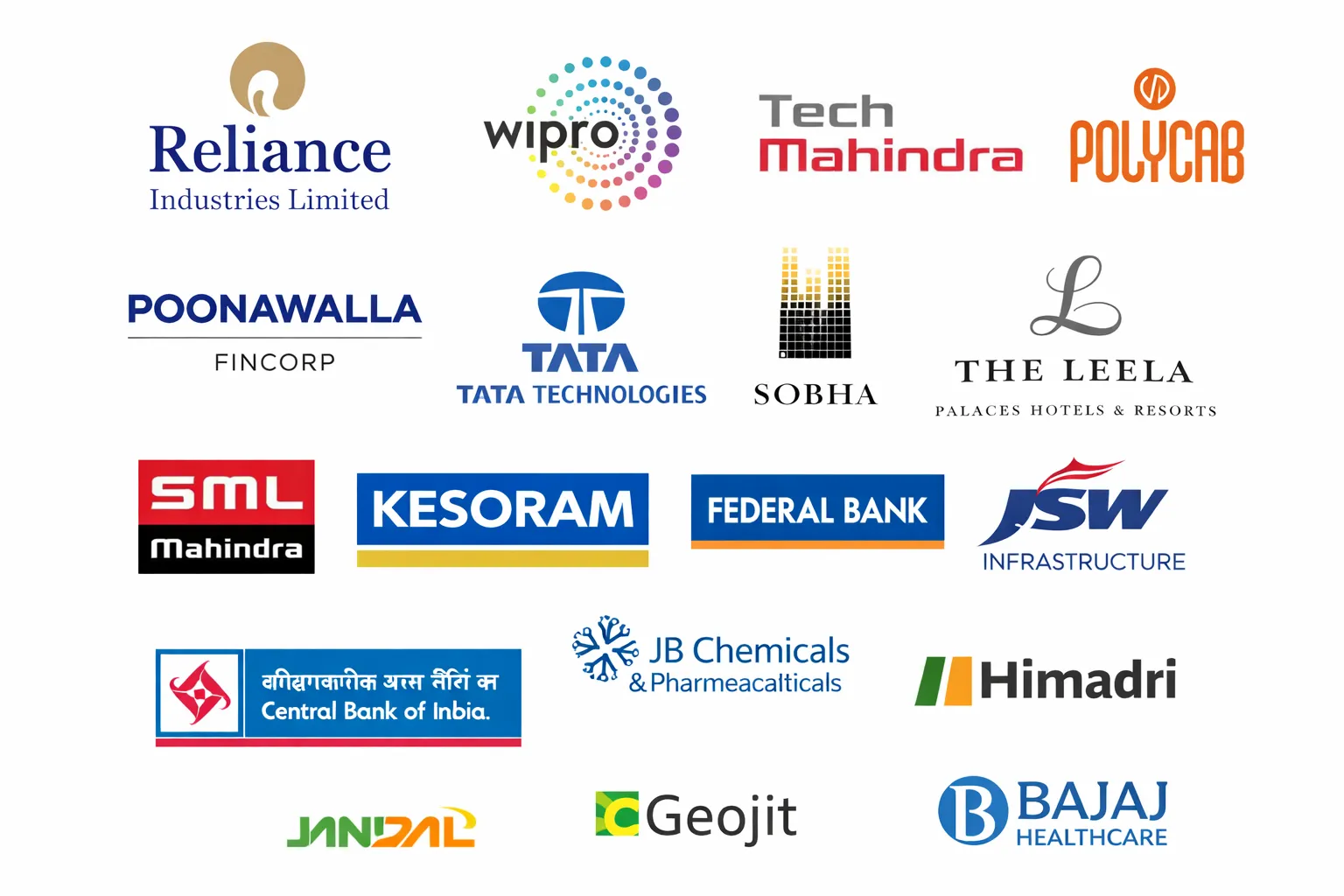
As the December quarter earnings season gathers pace, Q3 results preview for Federal Bank, Polycab, Reliance & IT stocks has become a key talking point for Dalal Street. On January 16, 2026, several heavyweight companies across banking, IT, infrastructure, capital goods, and consumer-facing sectors are set to announce their Q3 numbers.
For investors, this earnings lineup is important not just because of the size of these companies, but also due to what their results can reveal about India’s economic momentum, consumption trends, credit growth, and global demand conditions.
Let us break down what the market is watching and why these results matter.
Quick Snapshot for Investors
- Banking, IT, and industrial stocks dominate today’s Q3 results calendar
- Federal Bank and L&T Finance may offer insights into credit growth and asset quality
- Reliance Industries and Polycab will reflect demand trends across energy, infra, and consumption
- IT stocks like Wipro and Tech Mahindra remain sensitive to global cues and margins
- Q3 earnings may drive short-term volatility and sector-specific opportunities
Why Q3 Results Matter for Indian Markets
The October to December quarter is one of the most important periods for Indian companies. It captures festive season demand, year-end corporate spending, and global macro shifts.
From a regulatory standpoint, SEBI-mandated quarterly disclosures ensure transparency and help investors assess whether companies are meeting guidance and managing risks effectively. Q3 results often set the tone for full-year expectations and influence fund flows in the early months of the new calendar year.
Banking Stocks in Focus: Federal Bank and Others
Federal Bank Q3 Results Preview
Federal Bank is among the most closely watched banking stocks today. Investors will focus on net interest income growth, loan book expansion, and asset quality trends. With competition intensifying among private and PSU banks, margins and cost control will be critical.
Market participants will also track deposit growth, CASA ratio, and provisioning levels to assess balance sheet strength.
Central Bank of India and L&T Finance
Central Bank of India’s results will provide cues on PSU bank recovery and credit discipline. L&T Finance, on the other hand, will be tracked for retail loan growth, asset quality, and collection efficiency, especially in the NBFC space.
Reliance Industries: A Bellwether Stock to Watch
Reliance Industries’ Q3 results often act as a sentiment driver for the broader market. Investors will closely monitor performance across its key segments:
- Oil to chemicals margins amid volatile crude prices
- Retail business growth during the festive season
- Digital and telecom performance, including subscriber trends
Given Reliance’s weight in benchmark indices, any earnings surprise can influence Nifty and Sensex movements.
IT Stocks in Spotlight: Wipro, Tech Mahindra, Tata Technologies
What to Expect from IT Q3 Results
The IT sector remains sensitive to global economic cues, particularly from the US and Europe. Wipro and Tech Mahindra results will be analyzed for revenue growth, deal wins, client commentary, and margin outlook.
Investors will also watch how companies are managing employee costs and regulatory changes, including compliance-related expenses.
Tata Technologies’ numbers will offer insight into engineering services demand, especially from the automotive and manufacturing segments.
Industrial and Capital Goods Stocks: Polycab and JSW Infrastructure
Polycab India Q3 Expectations
Polycab India’s Q3 results are expected to reflect infrastructure spending, housing demand, and government capex momentum. Cable and wire demand often mirrors construction and power sector activity, making Polycab an important indicator stock.
JSW Infrastructure and Jindal Saw
JSW Infrastructure’s performance will highlight port activity and logistics demand, while Jindal Saw’s numbers will shed light on infrastructure and pipeline projects in India and overseas markets.
Realty, Hospitality, and Consumer Plays
Companies like Sobha and Leela Palaces Hotels & Resorts will reflect trends in real estate sales and hospitality demand. Strong occupancy rates and higher realizations could signal continued recovery in discretionary spending.
Consumer and specialty chemical names such as Himadri Speciality Chemical and Bajaj Healthcare will be tracked for margin stability and input cost trends.
How Markets May React to Q3 Results
Earnings-driven sessions often see stock-specific volatility rather than broad-based moves. A strong set of results can trigger short-term rallies, while misses may lead to sharp corrections.
For retail investors, this is where disciplined research and timely insights matter. SEBI-registered platforms like Swastika Investmart help investors interpret earnings data through fundamental research, technical analysis tools, and expert market commentary, enabling informed decision-making rather than reactive trading.
Using Q3 Results to Make Smarter Investment Decisions
Instead of reacting to headline numbers, investors should focus on:
- Management commentary and future guidance
- Sustainability of margins and cash flows
- Balance sheet strength and debt levels
- Sector-specific tailwinds or risks
This approach aligns well with long-term wealth creation rather than short-term speculation.
Frequently Asked Questions
Why are Q3 results important for investors?
Q3 results capture festive demand and business momentum, offering a clear view of full-year performance expectations.
Which stocks are announcing Q3 results today?
Key companies include Reliance Industries, Wipro, Tech Mahindra, Polycab India, Federal Bank, L&T Finance, Tata Technologies, and others.
How do Q3 results impact stock prices?
Strong earnings can boost stock prices, while weak results may trigger corrections, depending on market expectations.
Should retail investors trade based on Q3 results?
Earnings can create volatility. Investors should rely on research, risk management, and long-term strategy rather than impulsive trades.
Final Thoughts
The Q3 results preview for Federal Bank, Polycab, Reliance & IT stocks highlights how diverse sectors are navigating economic shifts, regulatory changes, and evolving demand patterns. While some companies may deliver strong numbers, others could face margin or growth pressures.
For investors looking to track earnings, analyze data, and act with confidence, Swastika Investmart offers a robust ecosystem with SEBI registration, advanced research tools, responsive customer support, and continuous investor education.
If you want to stay ahead of earnings-driven market moves, now is a good time to get started.

Earnings Wrap: Key Takeaways from Q3 Results Announcements
Key Takeaways at a Glance
- IT majors reported steady revenue growth but faced margin pressure due to labour code costs
- Financial services and wealth management firms delivered strong profit and AUM growth
- Pharma companies focused on capital raising and US market expansion
- Realty and infrastructure players reported record sales and order inflows
- Overall sentiment remains stock-specific rather than sector-wide
Q3 FY26 Results Highlights: What India Inc’s Latest Earnings Tell Investors
India’s Q3 FY26 earnings season has delivered a mixed yet insightful picture of corporate performance. While revenue growth remains resilient across sectors like IT services, financials, asset management, pharma, and real estate, profitability trends reflect cost pressures, regulatory impacts, and changing market dynamics.
From Infosys and L&T Technology Services facing labour code-related headwinds to strong growth in asset management and NBFC businesses, the Q3 FY26 results offer important cues for investors positioning their portfolios in 2026.
IT Sector Q3 FY26 Results: Revenue Growth, Profit Pressure
The IT services sector showed resilience in topline growth, supported by steady deal wins and digital transformation demand. However, profitability came under pressure.
Infosys Q3 FY26 Performance
Infosys reported a 2.2 percent year-on-year decline in net profit at ₹6,654 crore. This came despite an 8.9 percent rise in rupee revenue to ₹45,479 crore. In dollar terms, revenue increased 3.2 percent to $5,099 million.
A key factor impacting profitability was a labour code-related cost of ₹1,289 crore. This highlights how regulatory changes in India are reshaping cost structures for large IT employers. For investors, this reinforces the importance of tracking margin sustainability, not just revenue growth.
L&T Technology Services Results
L&T Technology Services also reflected similar trends. Net profit declined 6.1 percent to ₹302.6 crore, while revenue grew 10.2 percent to ₹2,923.5 crore. The company reported a labour code impact of ₹35.4 crore during the quarter.
The broader takeaway from IT Q3 FY26 results is clear: growth continues, but margins will remain sensitive to wage costs, compliance expenses, and client spending patterns.
Financial Services and Wealth Management: Growth Outpaces Challenges
Financial stocks emerged as relative outperformers this quarter, driven by rising assets under management, strong loan growth, and higher investor participation.
Jio Financial Services Q3 FY26 Update
Jio Financial Services reported an 8.75 percent decline in net profit to ₹268.98 crore. However, total income surged 10.7 percent to ₹901.05 crore. The standout metric was NBFC assets under management, which jumped 4.5 times year-on-year to ₹19,049 crore.
This reflects early-stage investment in scaling the lending and financial services platform. For long-term investors, AUM growth often precedes profitability expansion.
ICICI Prudential Asset Management Company
ICICI Prudential AMC delivered one of the strongest Q3 FY26 performances. Net profit surged 45.1 percent to ₹917.1 crore, while revenue rose 23.5 percent to ₹1,514.7 crore. The company also announced an interim dividend of ₹14.85 per share.
Rising equity market participation, SIP inflows, and mutual fund penetration continue to support asset management companies in India.
360 ONE WAM Performance
360 ONE WAM reported a 20.3 percent rise in net profit to ₹331 crore, with revenue jumping 33.2 percent to ₹806 crore. Strong client additions and market-linked income drove growth.
NBFC and Broking Stocks: Selective Strength
HDB Financial Services
HDB Financial Services posted a healthy 36.3 percent jump in net profit to ₹643.9 crore. Revenue increased 22 percent to ₹2,285 crore, reflecting strong retail lending demand.
Angel One Q3 FY26 Results
Angel One reported a 4.5 percent decline in net profit at ₹268.7 crore, while revenue grew 5.8 percent to ₹1,334.9 crore. The board approved a 1:10 stock split and declared an interim dividend of ₹23 per share.
The results indicate rising operational costs even as client activity remains stable. Corporate actions like stock splits often aim to improve liquidity and retail participation.
Pharma Sector Updates: Expansion and Capital Raising
Biocon QIP Highlights
Biocon successfully raised ₹4,150 crore through a Qualified Institutions Placement. The funds will be used to pay cash consideration to Viatris for acquiring its stake in Biocon Biologics.
Such capital allocation strengthens balance sheets and supports long-term growth in biosimilars and global markets.
Dr Reddy’s Laboratories US Launch
Dr Reddy’s launched an over-the-counter version of Olopatadine Hydrochloride Ophthalmic Solution in the US after USFDA approval. This move expands the company’s consumer healthcare presence in regulated markets.
Realty and Infrastructure: Strong Momentum Continues
Kolte-Patil Developers Q3 FY26
Kolte-Patil recorded a sales value of ₹605 crore and collections of ₹709 crore, its highest-ever quarterly collections. For the nine months ended December 2025, both sales and collections reached record levels.
The data reflects sustained housing demand in key urban markets.
Transrail Lighting Order Wins
Transrail Lighting secured new orders worth ₹527 crore during the quarter. Total FY26 order inflows now stand at ₹5,637 crore, improving revenue visibility for upcoming quarters.
Banking Sector Snapshot
South Indian Bank reported a 9.5 percent rise in net profit to ₹374.3 crore. Net interest income grew marginally, while provisions increased 21.8 percent, indicating a cautious approach to asset quality.
What Do Q3 FY26 Results Mean for Indian Markets?
The Q3 FY26 earnings season highlights a clear shift toward stock-specific opportunities rather than broad sector rallies. Regulatory costs, margin discipline, and capital efficiency are becoming as important as growth numbers.
For investors, tracking quality balance sheets, sustainable cash flows, and management commentary is crucial.
Platforms like Swastika Investmart, a SEBI-registered research and broking firm, support investors with in-depth research, advanced trading tools, and continuous investor education. Such insights help navigate earnings-driven volatility with confidence.
Frequently Asked Questions
What is the overall trend in Q3 FY26 results?
Revenue growth remains steady, but profitability is mixed due to cost pressures and regulatory impacts.
Which sectors performed best in Q3 FY26?
Asset management, wealth management, NBFCs, real estate, and select infrastructure companies showed strong performance.
How did labour codes impact IT companies?
Labour code compliance increased costs for companies like Infosys and L&T Technology Services, affecting margins.
Are Q3 results important for long-term investors?
Yes. They provide insight into business sustainability, cost structures, and growth visibility.
Final Thoughts
Q3 FY26 results reinforce the importance of disciplined investing in a market shaped by regulation, costs, and evolving demand. While some sectors face short-term pressure, others continue to build long-term value through scale and efficiency.
For investors seeking structured research, reliable execution, and technology-enabled investing, Swastika Investmart offers a comprehensive ecosystem backed by SEBI registration, strong analytics, and responsive customer support.
Take the next step toward informed investing.
Amagi IPO Review: Key Details, Price Band & Subscription Outlook
Key Takeaways at a Glance
- Amagi shows strong revenue growth but continues to report losses
- EBITDA margin remains low at around 2 percent, limiting operating leverage
- Valuation appears expensive even on FY26 annualised earnings
- IPO proceeds are focused on growth and technology, not near-term profits
- Risk reward looks unfavourable for now; long-term investors may wait
Amagi IPO Analysis: High Growth, High Valuation, Limited Profit Visibility
The upcoming Amagi IPO has attracted attention due to its presence in the fast-growing advertising technology and connected TV segment. While the company’s topline growth story is compelling, a closer look at its financials raises important questions around profitability, valuation comfort, and risk reward balance.
In an IPO market that has become increasingly selective, investors are now looking beyond growth narratives and focusing on sustainable earnings. Against this backdrop, Amagi’s public issue warrants a cautious and well-informed evaluation.
Strong Revenue Growth Supports the Business Story
Amagi has reported robust revenue growth over recent years, driven by rising adoption of connected TV advertising and increased demand for data-driven ad solutions. The company has built a strong presence in global markets, particularly the United States, which contributes a large share of its revenue.
This growth reflects increasing advertiser preference for targeted digital platforms over traditional television advertising. From a business perspective, Amagi’s positioning within this structural shift supports long-term scalability.
However, revenue growth alone does not automatically translate into shareholder value, especially in public markets that now prioritise profitability discipline.
Profitability Remains the Biggest Concern
Despite strong topline expansion, Amagi continues to report negative Profit After Tax and Return on Equity. This indicates that the company is still investing heavily in growth, technology, and market expansion without generating sustainable bottom-line returns.
The EBITDA margin remains extremely low at around 2 percent. Such thin margins suggest that operating leverage has not yet kicked in and cost structures remain elevated. In comparison, mature adtech and platform businesses typically demonstrate improving margins as scale increases.
At present, Amagi appears to be in an early or transition phase, where profitability visibility remains uncertain.
Valuation Appears Stretched Even After Adjustments
Valuation is one of the most critical factors in any IPO decision. Even after factoring in a valuation haircut, the implied Price-to-Earnings multiple based on FY26 annualised earnings appears extremely high.
This creates a challenging risk reward equation for investors. High valuations can be justified when companies show clear visibility of profitability, strong cash flows, and improving return ratios. In Amagi’s case, earnings visibility remains limited, making it difficult to justify premium multiples.
Recent market trends show that investors have become cautious about overpaying for growth, particularly in loss-making or low-margin businesses.
IPO Proceeds Focus on Growth, Not Earnings Visibility
The primary objective of the IPO is to fund growth initiatives and technology investments rather than deliver immediate earnings improvement. While this strategy supports long-term business expansion, it also delays profitability timelines.
For investors, this means returns will largely depend on future execution rather than near-term financial performance. Any slowdown in global advertising spends or competitive pressure could impact growth assumptions and valuations.
Such IPOs are better suited for investors with a high risk appetite and a long investment horizon.
Risk Reward Assessment for Investors
From a risk reward perspective, the current setup appears unfavourable.
- Strong revenue growth is offset by weak profitability
- Margins remain too low to absorb business shocks
- Valuation leaves limited margin of safety
- Returns depend heavily on future execution and market conditions
In a market where several listed companies are offering stable earnings and reasonable valuations, the opportunity cost of investing in a high-risk IPO becomes significant.
Long-term investors may be better served by waiting for consistent profitability, improved EBITDA margins, and clearer return ratios before considering exposure.
Broader Market and Regulatory Context
SEBI’s disclosure norms ensure transparency around financials, risks, and use of proceeds. However, regulatory compliance does not reduce business risk. The responsibility lies with investors to assess whether the company’s fundamentals align with their investment objectives.
Recent IPO outcomes show that markets are no longer rewarding growth without profits. Companies with weak earnings visibility have seen post-listing volatility, reinforcing the importance of valuation discipline.
How Swastika Investmart Helps IPO Investors Make Better Choices
Analysing IPOs requires a balance of numbers, business understanding, and market awareness. Swastika Investmart, a SEBI-registered broking and research firm, supports investors with detailed IPO evaluations, valuation insights, and risk analysis.
With strong research tools, technology-enabled platforms, responsive customer support, and a focus on investor education, Swastika Investmart helps investors navigate IPO opportunities with clarity rather than speculation.
Frequently Asked Questions
Is Amagi a profitable company at present?
No, the company continues to report negative PAT and ROE, indicating profitability is yet to stabilise.
Why is EBITDA margin a concern in this IPO?
An EBITDA margin of around 2 percent suggests limited operating leverage and weak cost efficiency at the current scale.
Does high revenue growth justify the valuation?
Revenue growth alone may not justify high valuation multiples without clear profitability and cash flow visibility.
Who should consider investing in this IPO?
Only investors with a high risk appetite and long-term horizon should consider it, while conservative investors may wait.
Final Verdict
Amagi’s IPO presents an interesting business story backed by strong revenue growth and exposure to a promising digital advertising segment. However, weak profitability, low margins, and expensive valuation tilt the risk reward balance unfavourably.
Given the current financial profile, it may be prudent to avoid the IPO for now. Long-term investors can revisit the opportunity once the company demonstrates consistent profits and improved return ratios.
For research-backed IPO analysis and disciplined investment guidance, consider opening your account with Swastika Investmart.

Infosys Shares in Focus After 10% ADR Surge: What to Expect in Indian Markets
Key Takeaways at a Glance
- Infosys ADR surged nearly 10% in US trading, boosting investor sentiment
- ADR movements often influence early trade cues for Indian IT stocks
- Positive global cues could support Infosys shares in Indian markets
- Fundamentals, guidance, and global tech spending remain key drivers
- Long-term investors should focus on earnings visibility, not just ADR moves
Infosys Shares in Focus After 10% ADR Surge: What to Expect in Indian Markets
Infosys shares are back in the spotlight after the company’s American Depository Receipts surged nearly 10% in US trading. Such sharp moves in ADRs often grab investor attention, especially when domestic markets are closed. For Indian investors, the big question is whether this rally will translate into momentum for Infosys shares on Dalal Street.
ADR movements can influence sentiment, but they are not the sole factor shaping stock performance. Understanding the reasons behind the surge and its likely impact on Indian markets is crucial for making informed investment decisions.
What Triggered the Surge in Infosys ADR?
Infosys ADRs trade on US exchanges and typically reflect how global investors perceive the company. A sharp rise usually points to improved sentiment, triggered by factors such as earnings expectations, sectoral tailwinds, or broader market rallies.
In this case, optimism around global technology stocks, easing concerns over US interest rates, and renewed confidence in IT spending cycles have played a role. Large-cap IT companies like Infosys often benefit when global funds rotate back into technology after periods of caution.
ADR gains also reflect expectations of stable revenue visibility and margin resilience, especially at a time when global enterprises are selectively increasing digital transformation spends.
How ADR Movements Affect Infosys Shares in India
ADR prices act as an overnight indicator for Indian markets. While they do not guarantee identical price movement, they often influence opening sentiment.
Early trade cues
A strong ADR performance usually leads to positive cues during pre-market sessions in India. Traders and short-term participants closely track ADR premiums or discounts to anticipate opening gaps.
Currency and valuation impact
ADR prices are dollar-denominated, while Infosys shares trade in rupees. Exchange rate movements can amplify or moderate the impact of ADR gains on domestic prices.
Not a standalone trigger
It is important to note that ADR rallies do not override domestic fundamentals. Indian market participants eventually align stock prices with earnings, guidance, and management commentary.
Current Market Context for Indian IT Stocks
The Indian IT sector has seen mixed sentiment over the past year. While long-term digital demand remains intact, short-term challenges such as delayed client spending, pricing pressure, and cautious global outlook have weighed on valuations.
However, recent signs suggest stabilisation.
- US inflation data has shown signs of cooling, supporting risk appetite
- Global technology indices have regained momentum
- Large IT companies continue to report strong deal pipelines
Infosys, being one of India’s top IT exporters, is closely linked to global economic trends. A positive ADR move reflects improved confidence in these broader conditions.
What Investors Should Watch Going Forward
Earnings consistency
Infosys has maintained disciplined execution despite global uncertainty. Investors should track quarterly revenue growth, deal wins, and margin trends rather than short-term price spikes.
Management guidance
Forward-looking commentary often matters more than historical numbers. Any improvement in demand outlook or discretionary spending can support sustained upside.
Regulatory and compliance environment
As a SEBI-compliant listed entity, Infosys operates under strict disclosure norms. Transparent communication and governance standards continue to strengthen investor trust, especially among foreign institutional investors.
Broader IT sector movement
Infosys rarely moves in isolation. If peers also see buying interest, it signals sector-wide optimism rather than stock-specific speculation.
Short-Term Trading vs Long-Term Investing
For traders, ADR surges can offer short-term opportunities driven by momentum and sentiment. However, such trades carry higher volatility risk.
Long-term investors should view ADR rallies as confirmation of improving sentiment rather than a reason to chase prices. Sustainable wealth creation in IT stocks depends on earnings growth, return ratios, and competitive positioning.
This distinction is crucial, especially for retail investors navigating fast-moving headlines.
How Swastika Investmart Supports Smarter Decisions
Interpreting global cues like ADR movements requires context and clarity. Swastika Investmart, a SEBI-registered broking and research firm, empowers investors with in-depth analysis, sector insights, and timely market updates.
With strong research tools, technology-driven platforms, responsive customer support, and a focus on investor education, Swastika Investmart helps clients cut through market noise and focus on fundamentals that matter.
Frequently Asked Questions
Why do Infosys ADR movements matter to Indian investors?
ADR prices provide overnight cues on global investor sentiment and can influence early trading in Indian markets.
Does a 10% ADR surge guarantee a similar rise in Infosys shares in India?
No. While sentiment may turn positive, domestic prices ultimately depend on fundamentals, currency movement, and overall market conditions.
Are ADR-based trades suitable for long-term investors?
ADR movements are better suited for short-term sentiment tracking. Long-term investors should focus on earnings and growth visibility.
Is the IT sector entering a recovery phase?
Signs of stabilisation are visible, but a full recovery depends on global economic growth and technology spending trends.
Final Takeaway
The sharp rise in Infosys ADRs has brought the stock back into focus and improved near-term sentiment. While this could support Infosys shares in Indian markets, investors should avoid making decisions based solely on overnight cues.
A balanced approach that considers fundamentals, global trends, and long-term strategy remains key.
If you want expert insights, research-backed recommendations, and a reliable trading platform, consider opening your account with Swastika Investmart today.


.webp)
.webp)

.webp)





START YOUR INVESTMENT JOURNEY
Get personalized advice from our experts
- Dedicated RM Support
- Smooth and Fast Trading App
