

Market Opening Updates for Today 1 April 2026: Will Nifty 50, Sensex, Bank Nifty Markets Extend the Fall?


%20(3).webp)

Indian stock markets are set for a weak start on April 2, 2026, as global uncertainties weigh heavily on sentiment. The Nifty 50 outlook April 2 2026 suggests a gap-down opening, driven by geopolitical tensions and sharp declines in global indices.
After a brief relief rally in the previous session, traders now face renewed volatility. Let’s break down what this means for investors and how to approach today’s market.
Key Takeaways
- GIFT Nifty signals shows a sharp gap-down opening of over 400 points
- Weak global cues and geopolitical risks are pressuring sentiment
- Banking and IT sectors likely to remain under pressure
- Traders should focus on key support and resistance levels before taking positions
Why Markets Are Falling Today
Global Cues Turn Negative
Global markets have turned cautious due to rising geopolitical tensions in the Middle East. Such developments often trigger risk-off sentiment, leading to selling in emerging markets like India.
Foreign Institutional Investors tend to pull money from equities during uncertain times, which impacts indices like the Nifty 50 and BSE Sensex.
GIFT Nifty Signals Weak Opening
GIFT Nifty futures are down significantly, indicating a gap-down opening. This reflects overnight global weakness and sets the tone for domestic markets.
Sector-Wise Impact
Banking and Financials Under Pressure
The Nifty Bank is expected to remain volatile. Rising uncertainty affects lending outlook and investor confidence in financial stocks.
IT Sector Faces Selling
The Nifty IT index may continue its downward trend due to weak global tech sentiment and concerns about US demand.
Defensive Sectors May Outperform
Sectors like FMCG and pharma could show relative strength as investors shift toward safer bets during market stress.
Key Levels to Watch
For April 2, traders should closely monitor these levels:
- Immediate support for Nifty 50: 22,200
- Strong support zone: 22,000
- Resistance levels: 22,500 and 22,700
A break below key support may trigger further selling pressure, while any recovery above resistance could indicate short covering.
What Should Traders Do?
Short-Term Strategy
In volatile markets, capital protection is crucial. Avoid aggressive long positions at the open. Instead:
- Wait for confirmation before entering trades
- Use strict stop losses
- Prefer intraday opportunities over positional trades
Long-Term Investors
For long-term investors, such corrections often create buying opportunities. However, staggered buying is advisable instead of lump sum investments.
As per guidelines from the Securities and Exchange Board of India, investors should always assess risk tolerance and diversify portfolios.
How Swastika Investmart Helps You Navigate Volatility
During uncertain market phases, having the right partner makes a difference. Swastika Investmart, a SEBI-registered broker, offers:
- Advanced research and advisory tools
- Reliable customer support during volatile sessions
- A tech-enabled platform for seamless trading
- Strong focus on investor education and risk management
These features help both beginners and experienced traders make informed decisions, especially when markets turn unpredictable.
Frequently Asked Questions
What is the Nifty 50 outlook for April 2, 2026?
The outlook is bearish with a gap-down opening expected due to weak global cues and geopolitical tensions.
Which sectors are most affected today?
Banking and IT sectors are likely to see the most pressure, while defensive sectors may perform relatively better.
Should I buy stocks in a falling market?
It is better to adopt a staggered approach and avoid aggressive buying until the market stabilizes.
What are the key levels for Nifty today?
Support is around 22,200 and 22,000, while resistance is near 22,500 and 22,700.
Conclusion
The Nifty 50 outlook April 2 2026 clearly signals heightened volatility and a cautious trading environment. Global uncertainties and weak sentiment are likely to dominate today’s session.
For traders, discipline and risk management are key. For investors, patience and a long-term perspective can turn market dips into opportunities.
If you want expert-backed insights and a reliable trading platform, you can explore Swastika Investmart here:
Stay informed, stay cautious, and trade smart.
Big Budget





.webp)
.webp)
.webp)
.webp)
.webp)










.webp)
.webp)
.webp)
.webp)
Latest Articles
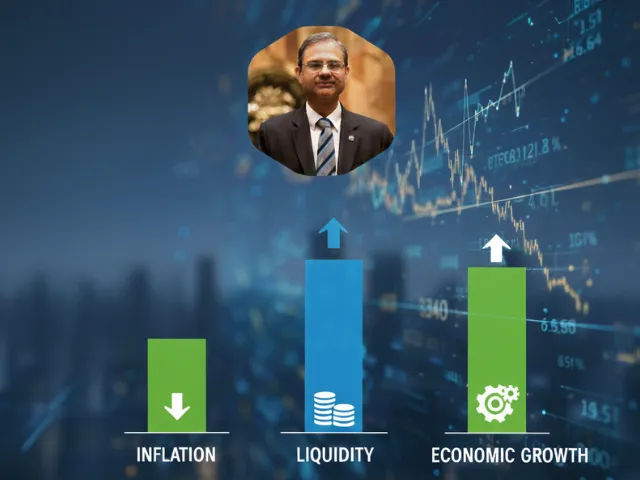
Monetary Policy 2025: RBI Cuts Repo Rate to 5.25% : December Policy Explained & Its Impact on India’s Economy


Key Takeaways
- RBI reduced the repo rate by 25 bps to 5.25% in its December 2025 monetary policy.
- The move aims to support growth, ease borrowing costs, and improve liquidity.
- Inflation is expected to moderate gradually, giving RBI space to adjust rates.
- Borrowers may see lower EMIs, while banks gain better credit demand visibility.
- Financial markets may react positively as rate cuts usually support economic momentum.
The Reserve Bank of India (RBI) delivered its much-awaited December 2025 Monetary Policy, announcing a 25 bps cut in the repo rate, bringing it down to 5.25%. This move signals the central bank’s intent to revive economic momentum while ensuring inflation stays within the target band.
For the Indian financial markets, banks, borrowers, and businesses, this rate cut carries significant implications. Here’s a detailed breakdown of what the latest monetary policy means and how it shapes the economic landscape going into 2026.
Why Did RBI Cut the Repo Rate?
The repo rate—the rate at which banks borrow funds from the RBI—plays a key role in controlling inflation and supporting growth.
Key reasons behind the 25 bps cut:
1. Easing Inflation Pressures
Despite temporary spikes due to food inflation, core inflation has stayed within the comfort zone. This gave the RBI room to support growth through a moderate rate cut.
2. Boosting Consumption & Investment
A lower repo rate makes loans cheaper.
This helps push consumer spending in sectors like real estate, auto, and fintech lending—critical pillars of India’s economy.
3. Supporting Economic Growth
With global economic uncertainty and weakening exports, domestic growth needs a push. The rate cut aims to strengthen India’s economic resilience.
How the Rate Cut Impacts Inflation, Liquidity & Growth
Inflation Impact
A rate cut can potentially increase demand, which may push inflation slightly higher.
However, RBI expects food inflation to soften and supply chains to improve, keeping overall inflation manageable.
Liquidity Impact
Lower repo rates make borrowing easier for banks, improving overall systemic liquidity.
This helps NBFCs, fintech lenders, and sectors dependent on credit availability.
Economic Growth Impact
A 25 bps cut boosts:
- Housing demand
- Auto sales
- SME and MSME borrowing
- Corporate capex plans
Economic activity tends to pick up when borrowing becomes cheaper.
What the Rate Cut Means for Borrowers
1. EMIs May Reduce
Borrowers with floating-rate home loans, car loans, and personal loans could see reduced EMIs in the coming cycles.
2. Faster Loan Approvals
Banks may push more credit to accelerate growth, improving overall lending conditions.
3. Refinancing Becomes Attractive
Borrowers may consider switching lenders to take advantage of lower interest rates.
Impact on Banks and NBFCs
1. Improved Credit Demand
With cheaper loans, demand for retail and business credit may rise.
2. Pressure on NIMs (Net Interest Margins)
Lower rates can reduce banks’ margins, especially for those with higher cost of funds.
3. Stronger Retail Lending Cycle
Banks in home loans, vehicle financing, and personal loans may see stronger growth.
How the Indian Stock Market May React
Stock markets generally react positively to rate cuts because they improve economic outlook.
Potential Beneficiaries:
- Banks & NBFCs
- Real estate developers
- Automobile companies
- Rate-sensitive sectors like capital goods and consumer durables
Market Caution Areas:
- PSU banks with high deposit costs
- Sectors facing global headwinds (IT, exports)
Does This Mark the Start of a Rate-Cut Cycle?
While the RBI did not commit to future cuts, the tone of the policy was accommodative.
Future rate cuts will depend on:
- Inflation trajectory
- Global economic conditions
- Crude oil prices
- Domestic demand patterns
FAQs
1. Why did RBI cut the repo rate to 5.25%?
To support economic growth, improve liquidity and encourage borrowing while inflation remains manageable.
2. Will loan EMIs come down after this rate cut?
Yes, floating-rate loans are likely to see reduced EMIs as banks gradually pass on the rate cut.
3. What are the risks of this rate cut?
Inflation may rise if demand shoots up aggressively, and bank margins may remain under pressure.
4. Which sectors benefit the most?
Real estate, auto, banks, NBFCs, and consumer discretionary typically gain from lower interest rates.
5. Is this the beginning of a rate cut cycle?
Not confirmed, but RBI’s stance appears accommodative, opening the door for further adjustments depending on inflation data.
Conclusion
RBI’s December 2025 monetary policy marks a key moment for India’s economic road ahead.
The 25 bps cut to 5.25% aims to strike a balance between supporting growth and keeping inflation under control. Borrowers, banks, and financial markets stand to benefit from improved liquidity and cheaper credit.
As India heads into 2026, monitoring inflation, global cues, and domestic demand will be important to understanding RBI’s next moves.
If you want to navigate such market shifts with expert-backed research, tools, and dedicated support, Swastika Investmart can be your trusted partner.
%20(7)%20(2).webp)
Why Kaynes Tech Shares Are Falling: A Breakdown of Kotak’s Critical Report
Key Takeaways
- Kaynes Tech shares fell sharply after Kotak Institutional Equities raised concerns over its FY25 disclosures.
- Issues flagged: negative cash flows, higher CCC days, questionable accounting of technical know-how, and lack of clarity in disclosures.
- Market reacted before the exchange filing, showing shaken investor confidence.
- The concerns do not automatically mean fraud—but they highlight the need for stronger governance and transparency.
- Investors should track future disclosures closely and assess fundamentals before taking decisions.
Kaynes Technology, one of India’s most-watched electronics manufacturing services (EMS) companies, has recently come under pressure. The stock fell 4.56% in a single day, dropped 7% over the last five days, and is down 22.7% in one month—raising eyebrows across the market.
The trigger?
A critical report by Kotak Institutional Equities questioning the company’s FY25 financial disclosures, accounting treatment, cash flow quality, and transparency.
This blog breaks down:
- What Kotak flagged
- Why the market reacted so strongly
- What this means for investors
- Broader implications for the Indian markets
All in a simple, fact-driven, educational manner.
Kaynes Tech: What Triggered the Sell-Off?
In early December, Kotak Institutional Equities released a report raising significant concerns about Kaynes Technology’s FY25 numbers. Interestingly, the market reacted even before the official exchange filing, suggesting the concerns circulated among institutions ahead of time.
As a result, the stock—already under pressure—fell even more sharply.
Major Concerns Raised by Kotak (Explained Simply)
1. Negative Cash Flow Despite Revenue Growth
Kotak pointed out that Kaynes reported negative operating cash flow for the year.
Why?
- Cash conversion cycle increased by 22 days
- Higher working capital requirements
- Increased capital expenditure
In the EMS business, where efficiency and cash turnaround are crucial, this is a red flag.
2. Questionable Accounting of Technical Know-How
One of the most debated points:
Kaynes capitalised ₹180 crore (about 6.5% of revenue) as technical know-how.
Kotak said:
- No sufficient detail was provided on what this know-how is
- Why such a large amount was capitalised
- How it contributes to future revenue or margins
When companies capitalise expenses aggressively, profitability can appear inflated.
This raised investor suspicion.
3. Concerns Over Smart Metering Acquisition
Kotak questioned the accounting treatment of Kaynes’s smart metering acquisition.
The report pointed out:
- Lack of clarity in disclosures
- Unexplained adjustments
- Uncertain financial synergies
Since acquisitions are a major growth lever for EMS companies, transparency becomes essential.
4. Inconsistencies in Cash Flow Reporting
Kotak flagged:
- Gaps in related-party disclosures
- Variance between reported profit vs. cash flow
- Unexplained changes in working capital items
Such inconsistencies usually make analysts more cautious, especially in a high-growth sector.
5. Market Sentiment Turned Risk-Off
The overall Indian market has been cautious in December due to global volatility.
Small and mid-cap stocks have been under pressure, and reports like this amplify the sell-off.
For a stock like Kaynes—which previously traded at a premium valuation—any governance or disclosure concern triggers a strong reaction.
Why the Market Reacted So Quickly
Even though companies often clarify such issues later, markets tend to price in risk immediately.
Three reasons:
1. High valuations = Low tolerance for bad news
Kaynes traded at rich multiples, so even small concerns can cause a steep correction.
2. Institutions act fast
When institutional brokerages flag issues, FII and DII flows adjust quickly.
3. Cash Flow concerns scare long-term investors
Profit can be adjusted.
Cash cannot.
Negative cash flow instantly triggers caution.
Impact on the Indian Market & EMS Sector
1. EMS sector under scrutiny
Kaynes' situation has led to broader questions on:
- Governance
- Transparency
- Capital allocation practices in EMS companies
Rivals like Syrma SGS, Dixon, and Amber also saw intraday volatility.
2. Regulators may seek clarity
Accounting treatment of technical know-how and related-party reporting may draw attention from SEBI.
3. Investors becoming more selective
High-growth sectors now face closer scrutiny.
This is healthy for long-term market quality.
What Should Investors Watch Next (Educational Checklist)
This is not investment advice, but a general educational guide on what key areas matter:
1. Clarification from Management
Watch for detailed explanations on:
- Technical know-how capitalisation
- Smart metering acquisition accounting
- Related-party disclosures
2. Q3 & Q4 Cash Flow Trends
Sustained cash burn could become a bigger concern.
3. Auditor Notes
Any emphasis of matter in annual reports is important.
4. Working Capital Cycle
EMS companies must maintain discipline here.
5. Institutional Activity
Track FII/DII buying or selling patterns.
Frequently Asked Questions
1. Why did Kaynes Tech shares fall sharply?
Due to concerns raised by Kotak about FY25 disclosures, accounting treatment, cash flows, and transparency.
2. Is this a sign of fraud?
No. Kotak’s report highlights red flags—not fraud.
It simply calls for clearer disclosures.
3. Should investors panic?
Investors should wait for management clarification and analyse fundamentals.
Corrections often happen when valuations are high.
4. How does this affect the EMS sector?
It creates short-term volatility but may improve governance and transparency long-term.
5. What should retail investors track?
Cash flows, working-capital cycle, disclosures, and management commentary.
Conclusion
Kaynes Technology’s recent stock correction reflects how sensitive markets are to financial reporting clarity and governance standards. Kotak’s report has raised valid questions that the company needs to address clearly and transparently.
For investors, this is a reminder that:
- Cash flow matters more than reported profit
- High valuations demand high governance
- Transparency builds trust in the long run
If you want research-backed insights, tools, and support for your investing journey, Swastika Investmart offers SEBI-registered advisory, robust platforms, and a customer-first approach to simplify decision-making.
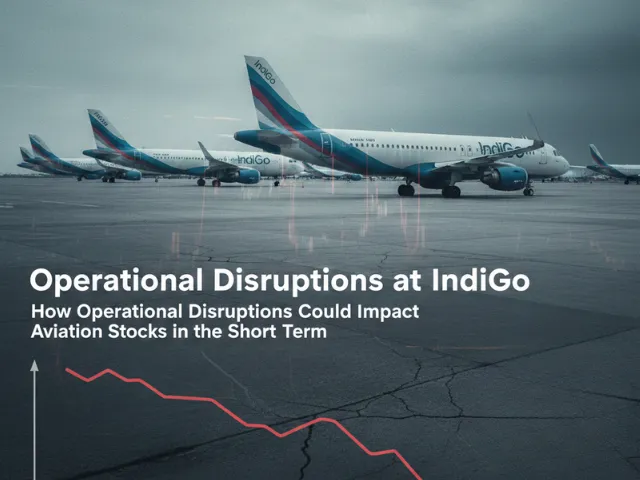
Operational Disruptions at IndiGo: How Operational Disruptions Could Impact Aviation Stocks in the Short Term
Key Takeaways
- IndiGo’s recent operational disruptions may trigger short-term volatility across aviation stocks.
- Flight cancellations, delays, and crew shortages directly influence costs and passenger sentiment.
- The aviation sector is already facing elevated fuel prices and capacity constraints.
- Investors should track DGCA updates, operational metrics, and forward-booking trends.
- Long-term structural growth in Indian aviation remains strong despite near-term pressures.
Operational disruptions in the aviation industry are not uncommon, but when they occur at scale—especially at India’s largest airline—markets tend to react sharply. IndiGo, which commands more than half of India’s domestic aviation market, has recently faced operational challenges ranging from flight cancellations to crew shortages. These issues have not only inconvenienced passengers but have also raised questions about the short-term outlook for aviation stocks.
In a sector where margins are thin and operating costs are unpredictable, even temporary disruptions can create ripple effects in stock performance. This blog explores what IndiGo’s operational issues could mean for the broader aviation sector and what investors should monitor going forward.
Understanding the Nature of IndiGo’s Operational Disruptions
IndiGo’s disruptions typically stem from a combination of internal and external factors. Recent incidents have included:
- Large-scale delays due to crew availability
- Weather-related disturbances impacting key hubs
- Aircraft groundings for maintenance and safety checks
- Supply chain bottlenecks affecting spare parts and engine components
Since IndiGo operates a massive fleet network with tight turnaround times, even small inefficiencies can snowball across multiple routes.
India’s aviation regulator, the Directorate General of Civil Aviation (DGCA), closely monitors such disruptions and may issue advisories or require corrective action when they impact flight safety or scheduling reliability.
Immediate Market Impact: Why Aviation Stocks React Quickly
Short-Term Hit to Investor Sentiment
When operational disruptions become news headlines, airline stocks often witness immediate selling pressure. The reasons are straightforward:
- Investors fear rising operational costs
- Disruptions affect passenger satisfaction and brand perception
- Short-term revenue may drop due to cancellations and reimbursements
For example, during earlier disruptions across airlines in 2019 and 2023, market leaders like Indigo and SpiceJet observed swift intraday declines as uncertainty mounted.
Higher Operating Costs and Fuel Sensitivity
Even under normal operations, aviation companies struggle with fluctuating ATF (Aviation Turbine Fuel) prices, which account for nearly 35–40% of an airline’s operating expenses. When disruptions occur:
- Turnaround times increase
- Aircraft utilisation drops
- Compensation and refund costs rise
This combination puts pressure on operating margins, leading analysts to revise short-term forecasts.
Impact on Competitors
Interestingly, when the market leader faces disruptions, smaller competitors may experience mixed effects:
- They may gain passengers temporarily
- Yet, sector-wide sentiment often weakens
- Operational stress can shift across the industry as demand redistributes
Thus, aviation stocks often move together during such episodes.
How IndiGo’s Issues May Affect Other Aviation Stocks
Spillover Effects on Market Perception
Markets tend to view aviation as a high-risk sector due to its capital-intensive nature. When one major player struggles, investors question the resilience of all airlines. This can trigger:
- Short-term corrections in airline stocks
- Higher volatility in aviation-related companies, including airport operators
Potential Short-Term Gains for Competitors
Airlines like Air India, Vistara, or Akasa may temporarily gain market share if passengers switch carriers due to IndiGo’s reliability concerns. However, gains typically remain short-lived unless disruptions persist.
Possible Support for Ancillary Aviation Stocks
Companies involved in:
- Airport services
- Maintenance, repair & overhaul (MRO)
- Aviation technology and logistics
may experience temporary tailwinds if airlines accelerate outsourcing or expand capacity planning.
Regulatory Oversight: The Role of DGCA
The DGCA’s involvement is crucial in such scenarios. In past disruptions, the regulator has instructed airlines to:
- Increase crew availability
- Rework flight schedules
- Improve passenger communication
- Ensure compliance with minimum service standards
If IndiGo’s disruptions escalate, regulatory scrutiny may intensify, influencing operational costs and investor expectations.
What Should Investors Watch in the Coming Weeks?
1. Passenger Load Factors (PLF) and On-Time Performance (OTP)
A drop in OTP often leads to cascading disruptions. Investors should track weekly DGCA updates to assess recovery.
2. ATF Prices
Rising fuel prices amplify the financial impact of disruptions. If global crude prices remain elevated, the pressure could persist.
3. Guidance from Management
Statements regarding fleet availability, staffing, and scheduling adjustments often influence market reactions.
4. Capacity Additions and Route Rationalisation
IndiGo may adjust flight frequencies to stabilise operations. This impacts revenue projections and competitive dynamics.
5. Forward Bookings and Yield Trends
A decline in booking momentum or ticket prices can indicate near-term demand softness.
Is This a Buying Opportunity or a Red Flag?
Short-term disruptions alone rarely change the long-term trajectory of India’s aviation sector. With rising domestic travel demand, expanding airports, and favourable demographics, the industry remains on a structural growth path.
However, investors should differentiate between temporary noise and deeper operational issues.
Near-Term Risks
- Pressure on margins
- Elevated volatility in aviation stocks
- Sector-wide sentiment challenges
Long-Term Positives
- IndiGo’s leadership position
- Expanding domestic passenger traffic
- Government focus on improving aviation infrastructure
- Growing Tier-2/Tier-3 airport connectivity
Investors who prefer stability may wait for clearer signals, while risk-tolerant investors may view price dips as accumulation opportunities—backed by thorough research.
FAQs
1. Why are IndiGo’s operational disruptions affecting aviation stocks?
Because IndiGo holds the largest market share, disruptions at scale influence sector sentiment, passenger behaviour, and operational cost expectations.
2. Will these disruptions impact IndiGo’s long-term performance?
Short-term performance may be affected, but long-term fundamentals depend on fleet expansion, cost management, and demand growth.
3. Do competitors gain when IndiGo faces disruptions?
Competitors may gain passengers for a short period, but broader sector sentiment can still remain weak.
4. What regulatory actions can be expected?
The DGCA may require schedule adjustments, better staffing, or operational audits to ensure passenger safety and service continuity.
5. Should retail investors buy aviation stocks right now?
Investors should monitor operational metrics, costs, and management commentary. Aviation stocks require careful timing due to volatility.
Conclusion
IndiGo’s operational disruptions have once again highlighted the sensitivity of aviation stocks to even temporary disturbances. While short-term corrections are common, the long-term Indian aviation narrative remains intact. Investors should maintain a data-driven approach and avoid reacting purely to headlines.
Platforms like Swastika Investmart, backed by SEBI registration, strong research capabilities, and tech-enabled tools, can help investors make informed decisions in volatile sectors like aviation.
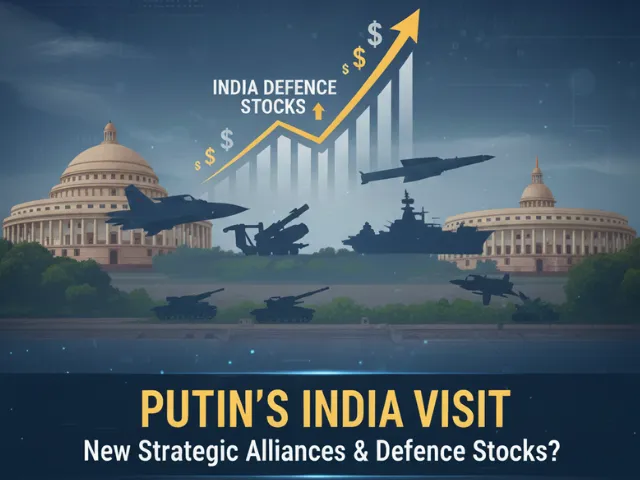
Putin’s India Visit: Could New Strategic Alliances Re-rate India’s Defence Stocks?
Key Takeaways
- Putin’s India visit may strengthen defence, energy, space, and technology cooperation.
- Possible long-term defence contracts could benefit domestic defence manufacturers.
- Markets may see sentiment-driven rallies in defence stocks in the short term.
- India’s Make in India and Atmanirbhar Bharat push limits reliance on imports.
- Investors should track policy announcements, orders, and valuations before acting.
India–Russia ties have historically been rooted in defence cooperation, spanning aircraft, submarines, missiles, and joint technology development. With President Vladimir Putin’s latest visit to India, markets are once again buzzing about whether fresh strategic alliances could spark a re-rating in Indian defence stocks.
While geopolitics doesn’t always translate into immediate market moves, strategic defence collaboration often influences long-term capital flows, order pipelines, and investor expectations. In this blog, we decode what Putin’s visit could mean for India’s defence sector and how investors may position themselves amid policy shifts and market sentiment.
Why Putin’s Visit Matters for India’s Defence Outlook
Russia has been one of India’s biggest defence partners for decades, and the relationship continues to evolve. During major bilateral summits, defence and strategic technology are typically top-priority agenda topics. This visit arrives at an important time:
- India is pushing aggressively for defence indigenization.
- Global supply chains face disruptions due to ongoing geopolitical tensions.
- India aims to become a net defence exporter by 2028–2030.
- Russia is actively looking to strengthen Asian partnerships.
Together, these trends create an environment where Indo–Russian cooperation could reshape both procurement and domestic manufacturing opportunities.
Possible Areas of Collaboration Discussed During the Visit
1. Joint Development of Defence Platforms
India and Russia have earlier co-developed systems like BrahMos, which has now become an export-ready platform. Renewed focus on joint development could involve:
- Advanced missile systems
- Fighter jet modernization
- Submarine technologies
- Air defence systems
Such collaborations typically bring multi-year order visibility to companies involved in integration, components, and systems development.
2. Expansion of Local Manufacturing Under Make in India
India has been pushing global defence partners to establish manufacturing bases locally. Any new deals with Russia may include:
- Deeper localisation of spares and components
- Transfer of technology agreements
- JV announcements benefiting Indian defence PSUs and private players
This aligns with India’s Atmanirbhar Bharat vision, potentially unlocking higher revenue streams for domestic players in aerospace, electronics, and heavy engineering.
3. Strengthening Supply Chain Resilience
Geopolitical tensions have made defence supply chain reliability a strategic priority. Agreements improving logistics, maintenance, spare-part stockpiling, and quicker delivery timelines could help:
- Bharat Dynamics
- Hindustan Aeronautics
- Bharat Electronics
- Cochin Shipyard
- Mishra Dhatu Nigam
Investors often interpret such outcomes as positive, as stable supply chains reduce execution risk.
Impact on Indian Defence Stocks: What the Markets May Look At
Market Sentiment Boost
Historically, major diplomatic visits involving defence discussions often result in short-term rallies. For example, during previous India–Russia and India–US summits, defence stocks such as HAL, BEL, and BDL saw intraday jumps on hopes of future orders.
A similar sentiment play may occur this time as well, especially if joint statements emphasize defence or technology cooperation.
Long-Term Order Pipeline Visibility
Defence manufacturing cycles stretch across years. Even a single large contract—like the S-400 system deal or Akula-class submarine leasing—creates multi-year revenue streams for multiple listed players involved at various stages.
If Putin’s visit results in:
- R&D partnerships
- New co-production initiatives
- Agreements for local upgrades of Russian-origin platforms
…investors can anticipate more predictable order flow.
Exports: The Big Story for Re-rating
India’s defence exports have jumped from ₹1,500 crore in 2016 to over ₹21,000 crore+ recently, according to MoD data. If Indo–Russian collaborations help India export more platforms (like BrahMos), it could contribute to re-rating potential for:
- HAL
- Bharat Electronics
- Bharat Dynamics
- Solar Industries
- Data Patterns
Global exports make valuations richer, similar to how US and European defence firms are valued.
Regulatory and Policy Context Supporting the Sector
- India’s Positive Indigenisation Lists restrict imports and boost domestic manufacturing.
- The Defence Acquisition Procedure (DAP) encourages Make in India.
- The government has increased defence capital outlay consistently.
- Strategic partnerships with Russia may accelerate technology transfer, reinforcing policies.
These structural trends ensure that markets react not just to geopolitics but also to the underlying policy framework.
Should Investors Buy Defence Stocks Based on Putin’s Visit?
Diplomatic visits should not be the sole reason to invest. However, they can be a trigger that adds confidence to the long-term sector story.
Consider the following:
What Works in Favour
- Multi-year visibility of defence spending
- India’s push for self-reliance
- Rising exports
- Strong order books for HAL, BEL, BDL
What Investors Must Watch
- Valuations, which are already elevated in many defence stocks
- Execution capacity and delivery timelines
- Geopolitical risks influencing supply chains
- Actual agreements vs announcements
A disciplined, research-backed approach is essential.
FAQs
1. Will Putin’s India visit immediately impact defence stocks?
Markets may see a short-term sentiment boost, but long-term impact depends on actual deals and policy outcomes.
2. Which Indian defence companies could benefit the most?
PSUs like HAL, BEL, BDL, and firms involved in aerospace and missile systems could gain from deeper collaboration or new joint projects.
3. Does this visit reduce India’s dependence on defence imports?
If the visit leads to local manufacturing and technology transfer, it strengthens India’s indigenisation goals.
4. Are defence stocks overvalued right now?
Some are trading at premium valuations. Investors should assess order books, earnings growth, and balance sheets before investing.
5. What should retail investors do next?
Track official announcements from the Ministry of Defence and stay focused on fundamentals rather than speculation.
Conclusion
Putin’s India visit comes at a pivotal moment in global geopolitics and India’s push toward defence self-reliance. While immediate market reactions are usually sentiment-driven, the real story lies in potential long-term collaboration, local manufacturing, and expanding defence exports.
For investors, the defence theme remains structurally strong, but careful research is key. Platforms like Swastika Investmart, backed by SEBI registration, robust research tools, and tech-enabled investing solutions, help investors navigate such evolving sectors with clarity.
%20(6).webp)
Which IPO Matches Your Portfolio Style? A Comparative Guide to Meesho, Aequs and Vidya Wires
Key Takeaways
- Meesho, Aequs, and Vidya Wires represent three different sectors: tech, aerospace manufacturing, and specialty wires
- Meesho suits growth-focused and aggressive investors
- Aequs fits stable, long-horizon investors seeking industrial expansion
- Vidya Wires is ideal for value-seekers wanting steady earnings
- Your choice depends on risk tolerance, sector preference, and investment horizon
Indian markets have entered a phase where IPOs are no longer just about chasing listing gains. Retail investors today are more informed, more selective, and more conscious about matching IPOs with their long-term goals. With three major offerings—Meesho, Aequs, and Vidya Wires—opening doors to very different sectors, choosing the right one depends entirely on your portfolio style.
This guide simplifies the decision, compares business fundamentals, and helps you decide which IPO fits your investment strategy.
India’s Dynamic IPO Landscape
In FY25–26, India witnessed strong IPO participation driven by robust domestic liquidity, expanding demat account numbers, and higher retail awareness. Sectors like tech, manufacturing, and industrial components continue to attract investor attention thanks to government initiatives, Make in India, and rising digital adoption.
Meesho, Aequs, and Vidya Wires each ride different mega-trends:
- India’s booming value e-commerce market
- Rising demand for precision aerospace manufacturing
- Expansion of power & electrical infrastructure
Understanding where you fit in this growth curve is the key.
Overview of the Three IPOs
Meesho IPO: A Play on India’s Value E-Commerce Boom
Meesho is one of India’s most awaited tech IPOs. Built around affordability, social commerce, and AI-driven efficiency, it has carved a niche among Tier-2 and Tier-3 consumers.
Investor fit:
✔ Growth-driven investors
✔ Those who understand tech cycles
✔ Higher-risk, long-term investors
Meesho is still loss-making but has strong revenue growth, improving margins, and a rising user base. Its valuation remains competitive compared to peers like Zomato and Nykaa.
Aequs IPO: Aerospace Manufacturing with Global Partnerships
Aequs, known for aerospace precision components, benefits from Make in India, increasing defence spending, and supply chain diversification by global OEMs.
Investor fit:
✔ Long-term investors
✔ Those seeking industrial growth
✔ Investors preferring predictable cash flows
Aequs serves major global customers with recurring orders. The company’s visibility and strong industry tailwinds make it suitable for investors who prefer stability over rapid growth.
Vidya Wires IPO: Stable Earnings from a Niche Market
Vidya Wires operates in a traditional but essential segment: copper and aluminium winding wires. With applications across motors, EV components, transformers, and appliances, demand remains steady and cyclical.
Investor fit:
✔ Value investors
✔ Those wanting consistent earnings
✔ Investors seeking low-risk, manufacturing-focused exposure
Vidya Wires shows solid profitability metrics such as ROE and margin stability, making it a good fit for conservative investors.
Comparative Snapshot: Meesho vs Aequs vs Vidya Wires
Below is the simplified text-based comparison:
Company: Meesho
Sector: Value E-Commerce
Strength: High growth, AI-driven scale, Tier-2/3 dominance
Risk: Competition, losses, regulatory sensitivity
Best for: Aggressive investors
Company: Aequs
Sector: Aerospace & Manufacturing
Strength: Global client base, Make-in-India support, stable demand
Risk: High capex cycles, export dependency
Best for: Long-term moderate investors
Company: Vidya Wires
Sector: Electrical & Metal Wires
Strength: Strong ROE, stable margins, diversified demand
Risk: Commodity dependence, price volatility
Best for: Conservative or value-oriented investors
Which IPO Suits Which Portfolio Style?
1. If Your Portfolio Focuses on High Growth
You prefer companies with scalable models, rapid user expansion, and optionalities from tech and brand play.
Best choice: Meesho IPO
Why:
- Fastest revenue growth among the three
- Asset-light business model
- Large upside if profitability improves
2. If You Prefer Stability and Manufacturing Exposure
Your strategy revolves around steady cash flows, tangible assets, and long-term contracts.
Best choice: Aequs IPO
Why:
- Aerospace demand is structurally growing
- Government push for defence & manufacturing
- Predictable order books
3. If You Value Earnings Consistency and Lower Volatility
You want companies that are financially sound with strong unit economics.
Best choice: Vidya Wires IPO
Why:
- Stable demand from electrical, EV and infrastructure sectors
- Strong profitability and manageable debt
- Clear visibility in operations
Real-World Market Context
Recent policy measures such as the Production Linked Incentive (PLI) schemes, defence reforms, and investments in renewable energy have strong spillover effects on Aequs and Vidya Wires. Meanwhile, the rapid digitalisation of Bharat and rising smartphone penetration directly benefit Meesho.
Additionally, SEBI’s framework for transparency in tech IPO valuations encourages better pricing and deeper investor trust.
In the secondary market, investors have shown a stronger appetite for manufacturing IPOs in the past year, but tech IPOs with strong growth potential continue to find demand among aggressive investors.
FAQs
1. Which IPO is best for short-term listing gains?
Listing gains depend on market sentiment, but manufacturing and specialty wire companies often see stronger short-term traction due to profitability.
2. Is Meesho suitable for conservative investors?
Not typically. It suits long-term and growth-focused investors comfortable with volatility.
3. Which IPO offers the most stable fundamentals?
Vidya Wires and Aequs offer stronger financial stability compared to Meesho.
4. Can I apply to all three IPOs?
Yes. Diversifying across sectors reduces concentration risk.
5. Is SEBI regulating these IPOs?
All IPOs undergo SEBI scrutiny, ensuring investor protection, transparent disclosures, and compliance with listing rules.
Conclusion
Choosing between Meesho, Aequs, and Vidya Wires is not about which IPO is “best”. It’s about which one fits your investing style.
Tech-focused growth investors may lean toward Meesho, stability-seekers may prefer Aequs, while conservative investors might find Vidya Wires a better value play.
No matter your choice, always invest through a trusted platform with strong research support and transparent processes.
Swastika Investmart, a SEBI-registered broker, offers expert insights, portfolio tools, and a seamless IPO application experience.
%20(5).webp)
Meesho IPO Review: Apply or Avoid? A Practical Investor’s Guide
Key Takeaways
- Meesho IPO size: ₹5,421 crore
- FY25 revenue jumped sharply, but Net Profit remains negative due to one-offs
- Company turned FCF positive; operates an asset-light, AI-driven, zero-commission model
- At ~5.5× FY25 Sales, valuation is attractive vs premium tech peers
- Suitable for aggressive, long-term investors
Meesho IPO Overview
India’s value-driven e-commerce space is rapidly expanding, and Meesho has emerged as a dominant disruptor—serving Tier-2 & Tier-3 buyers underserved by Amazon and Flipkart. With the IPO opening on December 3, 2025, here’s an in-depth analysis for investors.
Meesho IPO Details
Issue Open: December 3, 2025
Issue Close: December 5, 2025
Total Issue Size: ₹5,421.20 crore
Fresh Issue: ₹4,250 crore
Offer for Sale: ₹1,171.20 crore
Price Band: ₹105–₹111
Market Lot: 135 shares
Estimated M-Cap: ₹50,095.75 crore
Listing: BSE & NSE
Issue Allocation:
- QIBs – 75%
- NIIs – 15%
- Retail – 10%
Use of Funds:
- Cloud infrastructure for subsidiaries
- Branding & marketing
- Acquisitions and general corporate expenses
- Hiring for AI/ML & tech teams
Understanding Meesho’s Business Model
Founded in 2015, Meesho is a multi-sided value-commerce marketplace connecting:
- Non-metro consumers
- Small sellers & micro entrepreneurs
- Logistics providers (including in-house Valmo)
- Influencers/content creators
Key Advantages
- Zero-commission model
- Asset-light structure
- AI-based personalization
- Strong Tier-2/3 penetration
- 30% share of India’s e-commerce shipments
Financial Performance (Restated Consolidated)
Revenue Growth
- FY23: ₹5,897.69 crore
- FY24: ₹7,859.24 crore
- FY25: ₹9,900.90 crore
Strong, consistent rise in volume & efficiency.
Net Profit / Loss
- FY23: –₹1,671.90 crore
- FY24: –₹327.64 crore
- FY25: –₹3,941.71 crore
FY25 losses reflect one-time accounting items, not operational weakness.
EBITDA Margin
- FY23: –28.72%
- FY24: –2.93%
- FY25: –2.22%
Margins improving steadily.
Net Worth
- FY23: ₹2,548.31 crore
- FY24: ₹2,301.64 crore
- FY25: ₹1,561.88 crore
Valuation Ratios (FY25)
- EPS: –₹9.98
- P/E: –11.63×
- P/B: 30.16×
Negative earnings are typical during the scaling phase of digital platforms.
Why Investors Are Interested
1. Free Cash Flow Positive in FY25
Shows solid unit economics despite accounting losses.
2. Dominance in Tier-2 & Tier-3 Markets
India’s most underpenetrated and fastest-growing segment.
3. Zero-Commission Model
Boosts seller margins → drives affordability.
4. Scarcity Premium
Meesho is the only pure-play value e-commerce listed/going public.
5. AI-Led Flywheel
AI helps across:
- Recommendations
- Fraud detection
- Logistics planning
- Seller monetization
Competitive Strategy Going Forward
- Increase product catalog and transaction frequency
- Deepen AI/ML capabilities
- Strengthen affordability and cost innovation
- Scale monetization
- Invest in Horizon 2 businesses (media, fintech, content commerce)
Key Risks to Consider
- Tough competition from Amazon, Flipkart, Jiomart, Ajio, D2C brands
- Small-seller dependence → risk of low-quality goods
- High reliance on Cash-on-Delivery
- Sensitive to e-commerce regulation changes
- Counterfeit risk → brand perception issues
Peer Comparison
Meesho vs Key Listed/New-Age Peers (FY25)
Meesho
- Revenue: ₹9,389.9 crore
- P/E: –11.63
- NAV: 3.68
- RoNW: –252.37%
Zomato
- High P/S (10×+), strong RoNW, positive earnings
Swiggy
- Loss-making, NAV ~40.98
Brainbees (FirstCry)
- Loss-making, global listing candidate
Nykaa (FSN)
- P/E 1,168×; profitable but premium priced
Trent
- Strong profitability, P/E 100.87
Avenue Supermarts (DMart)
- Retail leader; P/E ~98.43
Conclusion:
Meesho’s ~5.5× Sales valuation is reasonable compared to premium peers.
FAQs
1. Is Meesho profitable?
Not yet. Losses continue due to one-off items, but cash flow is positive.
2. Why is the Meesho IPO attractive?
Affordable valuation, strong growth, and value-commerce dominance.
3. Main risks for investors?
Competition, quality issues, COD dependency.
4. Is the valuation reasonable?
Yes—~5.5× Sales, cheaper than Zomato & Nykaa.
5. Who should apply?
Aggressive, long-term tech investors.
Conclusion
- Meesho has successfully carved out a niche in Tier-2/3 cities where Amazon and Flipkart struggle to penetrate deeply
- Meesho has turned Free Cash Flow (FCF) positive in FY25, even though reported Net Profit is still negative due to one-off items.
- At a valuation of ~$6 Billion (₹50,000 Cr), it is priced at roughly 5.5x Price-to-Sales (FY25). This is attractive compared to Zomato (trading often at >10x Sales).
- It has "scarcity premium" as it is the only pure-play "value e-commerce" stock in India.
- Aggressive investors can subscribe for both listing gain and long term.


.webp)
.webp)

.webp)





START YOUR INVESTMENT JOURNEY
Get personalized advice from our experts
- Dedicated RM Support
- Smooth and Fast Trading App
