

Nifty Weekly Expiry View Range-Bound or Breakout Ahead : Key Levels to Watch for Tomorrow 7 April 2026


.png)

 Add Swastika as preferred source
The Nifty weekly expiry view for tomorrow suggests a cautiously optimistic tone in the market. After taking strong support near 22,180, the index has shown a solid recovery over the last two sessions, closing near the psychological 23,000 mark. This recovery has improved short-term sentiment and indicates that bulls are gradually regaining control.
However, global developments, especially geopolitical tensions and macro cues, will remain critical drivers for tomorrow’s expiry movement.
Quick Takeaways
- Nifty has bounced strongly from the 22,180 support zone
- 22,800–22,900 is the immediate support range
- 23,200 and 23,500 are key resistance levels
- Positive global cues can push Nifty toward 24,000
- Dips may offer buying opportunities if support holds
Current Market Sentiment
The recent rebound in Nifty reflects renewed buying interest at lower levels. The index defending the 22,180 zone signals strong institutional support, often influenced by domestic institutional investors and foreign flows regulated under frameworks by SEBI.
Short-term sentiment has turned positive as the index reclaimed 23,000. This level acts as both a psychological and technical pivot. If sustained, it can attract further momentum-driven buying.
At the same time, traders must stay alert to global triggers, including crude oil movements and currency fluctuations, which are often influenced by policies from the RBI and international developments.
Key Support Levels for Tomorrow’s Expiry
Immediate Support Zone: 22,900–22,800
This range is crucial for maintaining bullish momentum. If Nifty holds above this band, it indicates strength and continued buying interest on dips.
Strong Support Level: 22,500
A break below 22,800 could lead to a retest of 22,500. This is a critical level where positional traders may reassess their strategies. A fall below this zone could weaken the short-term trend.
Resistance Levels to Watch
First Resistance: 23,000–23,200
Nifty is currently hovering around this zone. A decisive breakout above 23,200 can trigger fresh bullish momentum and short covering.
Next Resistance: 23,500
This level will act as a major hurdle. If crossed, it can open the path toward the 24,000 mark, especially if supported by favorable global cues.
Role of Global Cues
Geopolitical developments, particularly tensions involving the US and Iran, can significantly impact market sentiment. A positive development such as a ceasefire or easing tensions could boost investor confidence globally.
In such a scenario, Nifty may witness a sharp upward move, potentially testing the 24,000 level in the near term. On the flip side, negative news could trigger volatility and profit booking.
Trading Strategy for Weekly Expiry
For short-term traders and options players, discipline and level-based trading are key during expiry sessions.
- Consider buying on dips as long as Nifty stays above 22,800
- Watch for breakout confirmation above 23,200 before aggressive long positions
- Keep strict stop losses below key support levels
- Avoid over-leveraging due to potential expiry volatility
Experienced traders often combine technical levels with derivatives data such as open interest and PCR ratios to refine their strategies.
How Swastika Investmart Supports Traders
In a fast-moving market like weekly expiry, having the right tools and insights makes a significant difference. Swastika Investmart, a SEBI-registered broker, provides robust research-backed insights, helping traders make informed decisions.
Its tech-enabled platform offers real-time data, advanced charting tools, and reliable customer support. The company also emphasizes investor education, which is crucial for navigating volatile sessions like expiry days.
Frequently Asked Questions
Q1. What is the outlook for Nifty weekly expiry tomorrow?
The outlook is mildly bullish as long as Nifty sustains above 22,800, with resistance near 23,200 and 23,500.
Q2. What are the key support levels for Nifty?
Immediate support lies between 22,800 and 22,900, while 22,500 is a strong support level.
Q3. Can Nifty reach 24,000 soon?
Yes, if global cues turn positive and Nifty breaks above 23,500, a move toward 24,000 is possible.
Q4. Is it safe to trade during weekly expiry?
Expiry trading can be volatile. It is advisable to trade with proper risk management and clear stop losses.
Final Thoughts
The Nifty weekly expiry view indicates improving sentiment backed by strong technical recovery. As long as the index holds above key support levels, dips are likely to be seen as buying opportunities.
That said, global developments will play a decisive role in shaping tomorrow’s movement. Traders should stay cautious, follow levels closely, and avoid emotional decisions.
If you want deeper market insights and reliable trading tools, you can explore Swastika Investmart’s platform here:
Big Budget



.webp)
.webp)
.webp)
.webp)
.webp)









.webp)
.webp)
.webp)
.webp)
Latest Articles

Park Medi World IPO Review (Dec 10–12): Business Model, Valuation & Investment Call


Key Takeaways
- Park Medi World operates 14 NABH-accredited multi-super speciality hospitals across North India.
- IPO size is ₹920 crore with a price band of ₹154–162.
- Healthy FY25 performance: ₹1,425.97 crore revenue and 26.11% EBITDA margin.
- Strong RoNW of 20% and reasonable valuation at 29.21x P/E.
- Suitable for medium to long-term investors seeking healthcare growth exposure.
India’s healthcare sector has been one of the most resilient and fast-evolving spaces, backed by rising demand for speciality care, medical infrastructure expansion, and increasing insurance penetration. Against this backdrop, the Park Medi World IPO has generated noticeable investor interest ahead of its December 10–12 bidding window.
The company operates a large network of multi-super speciality hospitals under the “Park” brand and is already one of the largest private healthcare providers in North India. Given the strong fundamentals and sectoral momentum, the IPO has become a talking point among retail and institutional investors.
Let’s dive deeper into its business model, financials, valuation, strengths, and key risks.
About Park Medi World
Park Medi World runs 14 multi-super speciality hospitals across Haryana, Delhi, Punjab, and Rajasthan. Its hospitals offer more than 30 speciality and super-speciality services including:
- Internal Medicine
- Neurology
- Oncology
- Orthopaedics
- Gastroenterology
- General Surgery
- Urology
All hospitals are NABH accredited, and eight facilities also hold NABL accreditation, reflecting strong clinical standards. The diverse speciality mix positions the group as a reliable healthcare provider across major population clusters.
IPO Details at a Glance
Issue Open: 10 December 2025
Issue Close: 12 December 2025
Total IPO Size: ₹920 crore
Fresh Issue: ₹770 crore
Offer for Sale: ₹150 crore
Price Band: ₹154–162
Market Lot: 92 shares
Face Value: ₹2
Listing: BSE, NSE
Expected Market Cap: ₹6,997.28 crore
Issue Break-up:
- QIBs: 50%
- NII: 35%
- Retail: 15%
Indicative Timetable:
- Basis of Allotment: 15 Dec 2025
- Refunds/ASBA Unblocking: 16 Dec 2025
- Shares to Demat: 16 Dec 2025
- Listing Date: 17 Dec 2025
Objects of the Issue
The company plans to deploy the fresh capital for:
- Expansion of 117 new company-operated (COCO) stores
- Lease and license fee payments for existing centres
- Purchase of new medical equipment and machinery
- Marketing and brand-building activities
- Debt repayment (a major positive)
- General corporate purposes
The ₹380 crore earmarked for debt repayment is expected to instantly improve net margins post-listing.
Valuation Metrics
- EPS (Pre-IPO): 5.55
- P/E (Post Issue): 29.21x
- RoNW: 20.08%
The valuation is reasonable when compared with premium-listed peers like Apollo Hospitals, Max Healthcare, Global Health, Krishna Institute of Medical Sciences, etc.
Strengths of Park Medi World
1. Strong Presence in North India
It is the second largest private hospital chain in North India and the largest in Haryana, offering deep regional penetration.
2. Diverse Speciality Mix
From oncology to orthopaedics, the wide range of specialities creates a stable revenue stream and enhances patient retention.
3. Accredited and Quality-Driven Network
NABH and NABL certifications across multiple hospitals strengthen clinical credibility.
4. Scalable Operating Model
A proven track record of acquiring and integrating hospitals gives the company an edge in expansion-driven growth.
5. Healthy Financial Profile
Consistent revenue growth, strong margins, and improving net worth make the financials robust.
Risks to Consider
High Operating Costs
Running large multi-speciality hospitals demands constant capex and skilled manpower, impacting cost structures.
Healthcare Regulatory Environment
The sector faces strict regulatory oversight relating to pricing, reporting, and medical standards.
Competitive Pressure
Private hospital chains and government institutions both create competitive intensity in major markets.
Dependence on Medical Professionals
Availability and retention of skilled doctors and staff remain critical to operational stability.
Seasonality in Patient Footfall
Certain treatments and admission rates fluctuate seasonally, affecting quarterly performance.
Competitive Landscape
Although the company claims no direct comparable peers with the same business model, listed players in the broader healthcare space include:
- Apollo Hospitals
- Narayana Hrudalaya
- Fortis Healthcare
- Max Healthcare
- KIMS
- Global Health
- Jupiter Hospitals
Park Medi World’s valuation is noticeably lower compared to many of these, offering an attractive entry point for long-term investors seeking healthcare exposure.
Should You Subscribe? – Valuation & Investment View
The IPO arrives with a favorable mix of growth, profitability, and reasonable valuation. Key positives include:
- Strong RoNW of 20%
- 26.11% EBITDA margin in FY25
- Debt reduction expected to boost profitability
- Large and expanding hospital network
- Healthy demand outlook in India’s healthcare sector
With growing healthcare consumption, rising insurance penetration, and government-backed initiatives supporting medical infrastructure, Park Medi World is well-positioned to benefit from structural sectoral demand.
For medium to long-term investors, the IPO appears to offer a solid combination of stable business fundamentals and attractive valuation.
Frequently Asked Questions
1. What is the price band of the Park Medi World IPO?
The IPO is priced at ₹154 to ₹162 per share.
2. How is the company financially performing?
In FY25, Park Medi World generated ₹1,425.97 crore in revenue, with a 26.11% EBITDA margin and ₹213.22 crore net profit.
3. What will the company use the IPO proceeds for?
Funds will be used for expansion, equipment purchase, marketing, and debt repayment.
4. Is the valuation attractive?
At 29.21x P/E, the valuation is reasonable compared to major listed hospital chains with significantly higher multiples.
5. Is this IPO suitable for long-term investors?
Given the strong operating performance and regional leadership, the IPO suits investors seeking long-term exposure to India’s healthcare growth story.
Conclusion
Park Medi World’s IPO comes at a time when healthcare demand in India is rising rapidly. With strong financials, expanding capacity, and a track record of consistent execution, the company presents a compelling long-term investment case. As always, aligning IPO investments with your risk appetite and financial goals is important.
For deeper insights, SEBI-registered guidance, and easy investing tools, platforms like Swastika Investmart help investors make informed decisions with confidence.

Nephrocare IPO Opens Dec 10–12: Should Investors Back Asia’s Largest Dialysis Provider?
Key Takeaways
- Nephrocare is Asia’s largest dialysis provider with 519 centers across India and international markets.
- IPO opens December 10–12; price band ₹438–460; total issue size ₹4,615 crore.
- Revenues grew from ₹443 crore in FY23 to ₹770 crore in FY25; FY25 profit stood at ₹67 crore.
- Valuation appears aggressive at a P/E of 63.52x vs listed healthcare peers.
- Suitable primarily for aggressive long-term investors; short-term listing gains uncertain.
India’s healthcare ecosystem has transformed rapidly over the past decade, with specialized service providers playing a crucial role in bridging critical care gaps. One segment that has grown consistently is dialysis care, driven by rising chronic kidney disease (CKD) cases and limited access to quality treatment in Tier II and Tier III cities.
Against this backdrop, Nephrocare Health Services, Asia’s largest dialysis care provider and the world’s fifth-largest by treatment volume, is launching its IPO from December 10 to December 12. The company’s scale, operational footprint, and unique service model have attracted strong investor attention.
This analysis breaks down whether the Nephrocare IPO deserves a spot in your portfolio.
Company Overview
Founded in 2010, Nephrocare offers end-to-end dialysis services, including diagnosis, haemodialysis, mobile dialysis, home dialysis, and wellness programs. The company also runs an in-house pharmacy, which enhances value per patient and operational efficiency.
As of September 30, 2025, Nephrocare operated:
- 519 dialysis centers
- 51 international centers across the Philippines, Uzbekistan, and Nepal
- Presence in 288 cities across 21 states and 4 union territories
- 77.53% centers in Tier II and III regions
Its international presence includes the world’s largest dialysis clinic in Uzbekistan, highlighting its execution capability outside India as well.
Nephrocare also partners with major hospitals such as Max Super Speciality Hospital, Fortis Escorts, Care Hospitals, Wockhardt Hospitals, Paras Healthcare, Jehangir Hospital, and Ruby Hall Clinic—strengthening credibility and patient inflows.
IPO Details
Here is the IPO information converted from the table into clean descriptive text:
- IPO Date: December 10–12, 2025
- Total Issue Size: ₹4,615 crore
- Fresh Issue: ₹3,534 crore
- Offer for Sale (OFS): ₹1,080+ crore (11.25 million shares)
- Price Band: ₹438–460
- Market Lot: 32 shares
- Face Value: ₹2
- Market Capitalization at Upper Band: ₹4,615 crore
- Listing: NSE and BSE
- QIB Allocation: 50%
- NII Allocation: 15%
- Retail Allocation: 35%
Important dates:
- Basis of Allotment – December 15
- Refunds/ASBA Unblocking – December 16
- Credit to Demat – December 16
- Listing – December 17
Objects of the Issue
According to the RHP and uploaded note, the proceeds will be used for:
- Opening new dialysis centers in India
- Repayment/prepayment of certain borrowings
- General corporate purposes
This aligns with Nephrocare’s expansion-led growth model.
Financial Performance
Here is the table translated into simple text:
FY23 to FY25 Financial Trend
- Revenue:
- FY23: ₹443.26 crore
- FY24: ₹574.72 crore
- FY25: ₹769.92 crore
- EBITDA Margin:
- FY23: 11%
- FY24: 17.3%
- FY25: 21.6%
- Net Profit/Loss:
- FY23: –₹11.79 crore (loss)
- FY24: ₹35.13 crore (profit)
- FY25: ₹67.10 crore (profit)
- Net Worth:
- FY23: ₹384.73 crore
- FY24: ₹423.55 crore
- FY25: ₹594.21 crore
This financial trajectory shows that Nephrocare has achieved consistent revenue growth, margin expansion, and a turnaround from losses to profits within two years.
However, the note also highlights that higher finance costs affected profitability in H1 FY26, indicating the impact of expansion-related borrowing.
Key Strengths
- Asia’s largest dialysis provider, serving over 33,000 patients annually
- Extensive clinic network across India and key international markets
- Deep penetration in underserved Tier II and III markets
- Strategic partnerships with major hospital chains
- Operational excellence backed by an experienced management team
Key Risks
- Capital-intensive expansion demands continuous funding
- Maintaining quality control across 500+ clinics is challenging
- Profit margins vulnerable to policy changes in dialysis reimbursement
- Rising competition from hospital chains and local providers
- High OFS component may reflect partial exits by existing shareholders
Valuation and Peer Comparison
The IPO is valued at 63.52x earnings, based on FY25 EPS of ₹8.28.
When compared with listed Indian healthcare players:
- Narayana Health – 45.21x
- Jupiter Lifeline Hospitals – 51.10x
- Rainbow Children’s Hospital – 56.84x
- Dr. Lal Path Labs – 52.47x
- Metropolis Healthcare – 69.48x
- Vijaya Diagnostics – 73.14x
While a direct comparison is difficult due to Nephrocare’s unique dialysis-focused model, the valuation appears aggressive, especially considering its relatively smaller scale compared to multispecialty hospital chains.
This suggests that strong listing gains are not guaranteed unless subscription is exceptionally high.
Market Context and Regulatory Relevance
Dialysis demand in India is rising sharply due to:
- Increasing CKD prevalence
- Limited access to kidney care in semi-urban regions
- Supportive government schemes like Ayushman Bharat
- Public-private partnership models for dialysis centers
The sector’s growth is resilient and relatively non-cyclical, which helps companies like Nephrocare maintain steady patient footfall regardless of market cycles.
SEBI’s oversight on IPO disclosures and IRDA/RBI-backed financial compliance add another layer of investor protection.
Should You Apply for the Nephrocare IPO?
Nephrocare presents a strong long-term growth opportunity powered by scale, rising healthcare demand, and a proven operating model. However, the valuation premium and capital-intensive nature of the business require cautious optimism.
Best suited for:
✔ Aggressive long-term investors
✔ Those who believe in chronic-care healthcare models
✔ Investors comfortable with higher valuations
Not ideal for:
✘ Risk-averse investors
✘ Those seeking guaranteed short-term listing gains
FAQs
1. Is Nephrocare IPO good for long-term investment?
Yes, provided you are comfortable with higher valuations and expect steady growth in healthcare services.
2. How has Nephrocare performed financially?
The company grew revenues from ₹443 crore in FY23 to ₹770 crore in FY25, with profits improving sharply.
3. Why is the valuation considered aggressive?
Its P/E of 63.52x is higher than many listed healthcare peers, despite smaller revenue size.
4. What makes Nephrocare different from hospital chains?
It is a pure-play dialysis provider, giving it specialization advantage but also limiting diversification.
5. Who should avoid this IPO?
Investors seeking low-risk opportunities or short-term listing gains may skip.
Conclusion
Nephrocare’s IPO brings a unique healthcare opportunity to the Indian markets. The company’s strong presence in underserved regions, international expansion, and improving financials make it a compelling option for long-term investors. However, the valuation premium means investors must balance growth potential with cautious expectations.
For investors who want expert research, seamless IPO application, and tech-enabled investing backed by a SEBI-registered entity, Swastika Investmart provides a trusted platform.

Fino Payments Bank Gets Green Light from RBI - Will This Fuel New Growth in Financial Inclusion?
Key Takeaways
- RBI lifts restrictions on Fino Payments Bank, enabling a fresh start.
- Move expected to boost last-mile digital banking and rural inclusion.
- Strengthens the role of fintech-led micro-banking ecosystems.
- Could influence investor sentiment across small finance and fintech players.
- Swastika Investmart highlights investor education and data-backed insights for smarter decisions.
The recent approval granted to Fino Payments Bank by the Reserve Bank of India (RBI) has revived conversations around the future of digital banking and financial inclusion in India. The lifting of restrictions marks a crucial turning point for a bank that has always positioned itself as a last-mile service provider, especially across Tier-3 and rural regions.
With India’s financial ecosystem becoming more digital and regulated than ever, this move carries significant implications—not just for customers, but also for fintech competition, investor sentiment, and the overall payments landscape.
Let’s break down what this development means, why it matters, and how it may shape the future of India's financial inclusion efforts.
Why RBI's Green Light Matters
Stronger Trust in the Payments Bank Model
Payments banks were conceptualized to bridge India’s financial inclusion gap by offering safe, low-cost digital banking services. When the RBI reinstates operational clarity to such a player, it sends a signal that the model still holds value—especially for enabling micro-transactions, doorstep banking, Aadhaar-enabled services, and cash-in/cash-out points.
Fino has a strong presence across rural pockets, functioning like a bridge between formal banking systems and underserved communities. With the recent approval, the bank can accelerate operations that were earlier limited or paused.
What This Means for Customers
1. Revival of Digital Banking Services
Customers can expect smoother access to services like:
- Digital savings account operations
- Micro-ATM withdrawals
- Aadhaar-enabled payment services
- Utility bill payments
- Remittance services
This is crucial for regions where traditional banking infrastructure remains limited.
2. Boost for Rural & Semi-Urban Banking
Fino’s vast merchant network—spanning kirana stores, CSCs, and micro-businesses—supports millions of small-value transactions daily. With RBI’s go-ahead, these services resume normalcy, ensuring uninterrupted financial activity in remote areas.
3. Increased Security & Compliance Assurance
RBI oversight ensures improved operational controls, cybersecurity protocols, and customer protection—important for users who rely heavily on cash-led transactions.
Impact on the Indian Financial Markets
While the development does not directly move major indices, it does influence sentiment across:
- Payments and fintech companies
- Small finance banks
- NBFC-MFI players
- Rural banking solution providers
Investors read RBI’s decision as a signal of stability and consistency in the regulatory stance toward digital financial models. This comes at a time when India is rapidly advancing toward a less-cash economy driven by UPI, Aadhaar-based verification, and interoperable infrastructure.
Real-World Parallel
When Airtel Payments Bank received regulatory clarity in the past after temporary restrictions, customer activity rebounded quickly. A similar rejuvenation could occur for Fino, particularly in domestic remittances and agent-assisted banking.
How This Shapes the Future of Financial Inclusion
1. Strengthening the “Phygital” Model
India’s unique financial landscape requires both digital and physical touchpoints. Fino’s large on-ground network complements digital interfaces, making it easier for first-time users to adopt formal banking.
2. Support for Government-Led Initiatives
Reforms such as:
- Jan Dhan Yojana
- PM Kisan
- Direct Benefit Transfers (DBT)
- Digital literacy programs
get a direct operational boost as the last-mile delivery channel becomes more robust.
3. Job Creation & Local Enterprise Support
Banking correspondents, micro-merchants, and rural service points benefit economically from resumed services.
Competitive Landscape: Navigating Neutrally but Smartly
While players like Airtel Payments Bank, India Post Payments Bank, and small finance banks continue strengthening their digital stack, the reinstatement allows Fino to re-align its position.
Amid this, Swastika Investmart stands apart in helping investors interpret such developments with:
- SEBI-registered advisory
- Strong research-backed insights
- Tech-enabled platforms for smooth investing
- Focus on investor education
- Reliable customer support for new and seasoned investors
These strengths matter when markets move on regulatory developments, especially in emerging sectors like fintech and digital banking.
FAQs
1. Why did RBI’s approval for Fino Payments Bank create buzz?
Because it restores full operational capacity, enabling the bank to continue serving millions of customers in rural and semi-urban India.
2. Will this impact other fintech or payments bank stocks?
Not directly, but it improves confidence in the payments bank ecosystem, which can positively influence sectoral sentiment.
3. Does Fino's reinstatement help financial inclusion?
Yes. It strengthens last-mile service delivery, which is central to India’s financial inclusion mission.
4. Are customers safe using services after RBI’s nod?
Yes. RBI clearance indicates adherence to regulatory norms, improving trust and operational transparency.
5. Should investors consider fintech or banking stocks now?
Investors should evaluate fundamentals, compliance track record, and growth opportunities—preferably with guidance from a SEBI-registered advisor like Swastika Investmart.
Conclusion
RBI’s approval for Fino Payments Bank is more than a compliance milestone—it’s a reaffirmation of India’s vision of inclusive, accessible, and digitally empowered banking. As demand for low-cost, last-mile financial services grows, players like Fino will continue shaping the future of rural and semi-urban banking.
For investors, staying informed about such regulatory developments is essential. That’s where Swastika Investmart, with its strong research tools and investor-first approach, empowers you to make smarter decisions.
Monetary Policy 2025: RBI Cuts Repo Rate to 5.25% : December Policy Explained & Its Impact on India’s Economy
Key Takeaways
- RBI reduced the repo rate by 25 bps to 5.25% in its December 2025 monetary policy.
- The move aims to support growth, ease borrowing costs, and improve liquidity.
- Inflation is expected to moderate gradually, giving RBI space to adjust rates.
- Borrowers may see lower EMIs, while banks gain better credit demand visibility.
- Financial markets may react positively as rate cuts usually support economic momentum.
The Reserve Bank of India (RBI) delivered its much-awaited December 2025 Monetary Policy, announcing a 25 bps cut in the repo rate, bringing it down to 5.25%. This move signals the central bank’s intent to revive economic momentum while ensuring inflation stays within the target band.
For the Indian financial markets, banks, borrowers, and businesses, this rate cut carries significant implications. Here’s a detailed breakdown of what the latest monetary policy means and how it shapes the economic landscape going into 2026.
Why Did RBI Cut the Repo Rate?
The repo rate—the rate at which banks borrow funds from the RBI—plays a key role in controlling inflation and supporting growth.
Key reasons behind the 25 bps cut:
1. Easing Inflation Pressures
Despite temporary spikes due to food inflation, core inflation has stayed within the comfort zone. This gave the RBI room to support growth through a moderate rate cut.
2. Boosting Consumption & Investment
A lower repo rate makes loans cheaper.
This helps push consumer spending in sectors like real estate, auto, and fintech lending—critical pillars of India’s economy.
3. Supporting Economic Growth
With global economic uncertainty and weakening exports, domestic growth needs a push. The rate cut aims to strengthen India’s economic resilience.
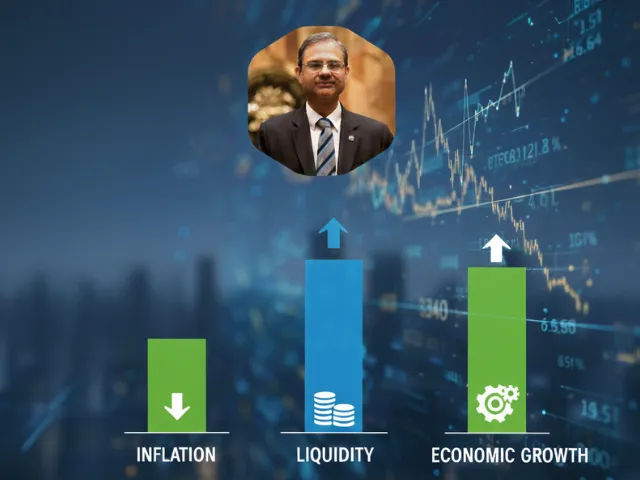
How the Rate Cut Impacts Inflation, Liquidity & Growth
Inflation Impact
A rate cut can potentially increase demand, which may push inflation slightly higher.
However, RBI expects food inflation to soften and supply chains to improve, keeping overall inflation manageable.
Liquidity Impact
Lower repo rates make borrowing easier for banks, improving overall systemic liquidity.
This helps NBFCs, fintech lenders, and sectors dependent on credit availability.
Economic Growth Impact
A 25 bps cut boosts:
- Housing demand
- Auto sales
- SME and MSME borrowing
- Corporate capex plans
Economic activity tends to pick up when borrowing becomes cheaper.
What the Rate Cut Means for Borrowers
1. EMIs May Reduce
Borrowers with floating-rate home loans, car loans, and personal loans could see reduced EMIs in the coming cycles.
2. Faster Loan Approvals
Banks may push more credit to accelerate growth, improving overall lending conditions.
3. Refinancing Becomes Attractive
Borrowers may consider switching lenders to take advantage of lower interest rates.
Impact on Banks and NBFCs
1. Improved Credit Demand
With cheaper loans, demand for retail and business credit may rise.
2. Pressure on NIMs (Net Interest Margins)
Lower rates can reduce banks’ margins, especially for those with higher cost of funds.
3. Stronger Retail Lending Cycle
Banks in home loans, vehicle financing, and personal loans may see stronger growth.
How the Indian Stock Market May React
Stock markets generally react positively to rate cuts because they improve economic outlook.
Potential Beneficiaries:
- Banks & NBFCs
- Real estate developers
- Automobile companies
- Rate-sensitive sectors like capital goods and consumer durables
Market Caution Areas:
- PSU banks with high deposit costs
- Sectors facing global headwinds (IT, exports)
Does This Mark the Start of a Rate-Cut Cycle?
While the RBI did not commit to future cuts, the tone of the policy was accommodative.
Future rate cuts will depend on:
- Inflation trajectory
- Global economic conditions
- Crude oil prices
- Domestic demand patterns
FAQs
1. Why did RBI cut the repo rate to 5.25%?
To support economic growth, improve liquidity and encourage borrowing while inflation remains manageable.
2. Will loan EMIs come down after this rate cut?
Yes, floating-rate loans are likely to see reduced EMIs as banks gradually pass on the rate cut.
3. What are the risks of this rate cut?
Inflation may rise if demand shoots up aggressively, and bank margins may remain under pressure.
4. Which sectors benefit the most?
Real estate, auto, banks, NBFCs, and consumer discretionary typically gain from lower interest rates.
5. Is this the beginning of a rate cut cycle?
Not confirmed, but RBI’s stance appears accommodative, opening the door for further adjustments depending on inflation data.
Conclusion
RBI’s December 2025 monetary policy marks a key moment for India’s economic road ahead.
The 25 bps cut to 5.25% aims to strike a balance between supporting growth and keeping inflation under control. Borrowers, banks, and financial markets stand to benefit from improved liquidity and cheaper credit.
As India heads into 2026, monitoring inflation, global cues, and domestic demand will be important to understanding RBI’s next moves.
If you want to navigate such market shifts with expert-backed research, tools, and dedicated support, Swastika Investmart can be your trusted partner.
%20(7)%20(2).webp)
Why Kaynes Tech Shares Are Falling: A Breakdown of Kotak’s Critical Report
Key Takeaways
- Kaynes Tech shares fell sharply after Kotak Institutional Equities raised concerns over its FY25 disclosures.
- Issues flagged: negative cash flows, higher CCC days, questionable accounting of technical know-how, and lack of clarity in disclosures.
- Market reacted before the exchange filing, showing shaken investor confidence.
- The concerns do not automatically mean fraud—but they highlight the need for stronger governance and transparency.
- Investors should track future disclosures closely and assess fundamentals before taking decisions.
Kaynes Technology, one of India’s most-watched electronics manufacturing services (EMS) companies, has recently come under pressure. The stock fell 4.56% in a single day, dropped 7% over the last five days, and is down 22.7% in one month—raising eyebrows across the market.
The trigger?
A critical report by Kotak Institutional Equities questioning the company’s FY25 financial disclosures, accounting treatment, cash flow quality, and transparency.
This blog breaks down:
- What Kotak flagged
- Why the market reacted so strongly
- What this means for investors
- Broader implications for the Indian markets
All in a simple, fact-driven, educational manner.
Kaynes Tech: What Triggered the Sell-Off?
In early December, Kotak Institutional Equities released a report raising significant concerns about Kaynes Technology’s FY25 numbers. Interestingly, the market reacted even before the official exchange filing, suggesting the concerns circulated among institutions ahead of time.
As a result, the stock—already under pressure—fell even more sharply.
Major Concerns Raised by Kotak (Explained Simply)
1. Negative Cash Flow Despite Revenue Growth
Kotak pointed out that Kaynes reported negative operating cash flow for the year.
Why?
- Cash conversion cycle increased by 22 days
- Higher working capital requirements
- Increased capital expenditure
In the EMS business, where efficiency and cash turnaround are crucial, this is a red flag.
2. Questionable Accounting of Technical Know-How
One of the most debated points:
Kaynes capitalised ₹180 crore (about 6.5% of revenue) as technical know-how.
Kotak said:
- No sufficient detail was provided on what this know-how is
- Why such a large amount was capitalised
- How it contributes to future revenue or margins
When companies capitalise expenses aggressively, profitability can appear inflated.
This raised investor suspicion.
3. Concerns Over Smart Metering Acquisition
Kotak questioned the accounting treatment of Kaynes’s smart metering acquisition.
The report pointed out:
- Lack of clarity in disclosures
- Unexplained adjustments
- Uncertain financial synergies
Since acquisitions are a major growth lever for EMS companies, transparency becomes essential.
4. Inconsistencies in Cash Flow Reporting
Kotak flagged:
- Gaps in related-party disclosures
- Variance between reported profit vs. cash flow
- Unexplained changes in working capital items
Such inconsistencies usually make analysts more cautious, especially in a high-growth sector.
5. Market Sentiment Turned Risk-Off
The overall Indian market has been cautious in December due to global volatility.
Small and mid-cap stocks have been under pressure, and reports like this amplify the sell-off.
For a stock like Kaynes—which previously traded at a premium valuation—any governance or disclosure concern triggers a strong reaction.
Why the Market Reacted So Quickly
Even though companies often clarify such issues later, markets tend to price in risk immediately.
Three reasons:
1. High valuations = Low tolerance for bad news
Kaynes traded at rich multiples, so even small concerns can cause a steep correction.
2. Institutions act fast
When institutional brokerages flag issues, FII and DII flows adjust quickly.
3. Cash Flow concerns scare long-term investors
Profit can be adjusted.
Cash cannot.
Negative cash flow instantly triggers caution.
Impact on the Indian Market & EMS Sector
1. EMS sector under scrutiny
Kaynes' situation has led to broader questions on:
- Governance
- Transparency
- Capital allocation practices in EMS companies
Rivals like Syrma SGS, Dixon, and Amber also saw intraday volatility.
2. Regulators may seek clarity
Accounting treatment of technical know-how and related-party reporting may draw attention from SEBI.
3. Investors becoming more selective
High-growth sectors now face closer scrutiny.
This is healthy for long-term market quality.
What Should Investors Watch Next (Educational Checklist)
This is not investment advice, but a general educational guide on what key areas matter:
1. Clarification from Management
Watch for detailed explanations on:
- Technical know-how capitalisation
- Smart metering acquisition accounting
- Related-party disclosures
2. Q3 & Q4 Cash Flow Trends
Sustained cash burn could become a bigger concern.
3. Auditor Notes
Any emphasis of matter in annual reports is important.
4. Working Capital Cycle
EMS companies must maintain discipline here.
5. Institutional Activity
Track FII/DII buying or selling patterns.
Frequently Asked Questions
1. Why did Kaynes Tech shares fall sharply?
Due to concerns raised by Kotak about FY25 disclosures, accounting treatment, cash flows, and transparency.
2. Is this a sign of fraud?
No. Kotak’s report highlights red flags—not fraud.
It simply calls for clearer disclosures.
3. Should investors panic?
Investors should wait for management clarification and analyse fundamentals.
Corrections often happen when valuations are high.
4. How does this affect the EMS sector?
It creates short-term volatility but may improve governance and transparency long-term.
5. What should retail investors track?
Cash flows, working-capital cycle, disclosures, and management commentary.
Conclusion
Kaynes Technology’s recent stock correction reflects how sensitive markets are to financial reporting clarity and governance standards. Kotak’s report has raised valid questions that the company needs to address clearly and transparently.
For investors, this is a reminder that:
- Cash flow matters more than reported profit
- High valuations demand high governance
- Transparency builds trust in the long run
If you want research-backed insights, tools, and support for your investing journey, Swastika Investmart offers SEBI-registered advisory, robust platforms, and a customer-first approach to simplify decision-making.
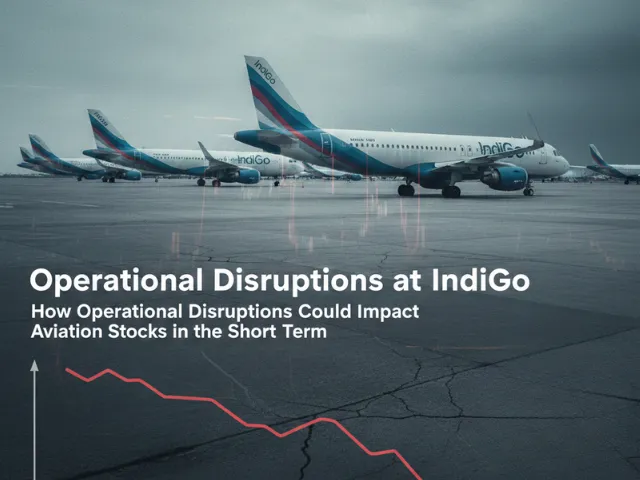
Operational Disruptions at IndiGo: How Operational Disruptions Could Impact Aviation Stocks in the Short Term
Key Takeaways
- IndiGo’s recent operational disruptions may trigger short-term volatility across aviation stocks.
- Flight cancellations, delays, and crew shortages directly influence costs and passenger sentiment.
- The aviation sector is already facing elevated fuel prices and capacity constraints.
- Investors should track DGCA updates, operational metrics, and forward-booking trends.
- Long-term structural growth in Indian aviation remains strong despite near-term pressures.
Operational disruptions in the aviation industry are not uncommon, but when they occur at scale—especially at India’s largest airline—markets tend to react sharply. IndiGo, which commands more than half of India’s domestic aviation market, has recently faced operational challenges ranging from flight cancellations to crew shortages. These issues have not only inconvenienced passengers but have also raised questions about the short-term outlook for aviation stocks.
In a sector where margins are thin and operating costs are unpredictable, even temporary disruptions can create ripple effects in stock performance. This blog explores what IndiGo’s operational issues could mean for the broader aviation sector and what investors should monitor going forward.
Understanding the Nature of IndiGo’s Operational Disruptions
IndiGo’s disruptions typically stem from a combination of internal and external factors. Recent incidents have included:
- Large-scale delays due to crew availability
- Weather-related disturbances impacting key hubs
- Aircraft groundings for maintenance and safety checks
- Supply chain bottlenecks affecting spare parts and engine components
Since IndiGo operates a massive fleet network with tight turnaround times, even small inefficiencies can snowball across multiple routes.
India’s aviation regulator, the Directorate General of Civil Aviation (DGCA), closely monitors such disruptions and may issue advisories or require corrective action when they impact flight safety or scheduling reliability.
Immediate Market Impact: Why Aviation Stocks React Quickly
Short-Term Hit to Investor Sentiment
When operational disruptions become news headlines, airline stocks often witness immediate selling pressure. The reasons are straightforward:
- Investors fear rising operational costs
- Disruptions affect passenger satisfaction and brand perception
- Short-term revenue may drop due to cancellations and reimbursements
For example, during earlier disruptions across airlines in 2019 and 2023, market leaders like Indigo and SpiceJet observed swift intraday declines as uncertainty mounted.
Higher Operating Costs and Fuel Sensitivity
Even under normal operations, aviation companies struggle with fluctuating ATF (Aviation Turbine Fuel) prices, which account for nearly 35–40% of an airline’s operating expenses. When disruptions occur:
- Turnaround times increase
- Aircraft utilisation drops
- Compensation and refund costs rise
This combination puts pressure on operating margins, leading analysts to revise short-term forecasts.
Impact on Competitors
Interestingly, when the market leader faces disruptions, smaller competitors may experience mixed effects:
- They may gain passengers temporarily
- Yet, sector-wide sentiment often weakens
- Operational stress can shift across the industry as demand redistributes
Thus, aviation stocks often move together during such episodes.
How IndiGo’s Issues May Affect Other Aviation Stocks
Spillover Effects on Market Perception
Markets tend to view aviation as a high-risk sector due to its capital-intensive nature. When one major player struggles, investors question the resilience of all airlines. This can trigger:
- Short-term corrections in airline stocks
- Higher volatility in aviation-related companies, including airport operators
Potential Short-Term Gains for Competitors
Airlines like Air India, Vistara, or Akasa may temporarily gain market share if passengers switch carriers due to IndiGo’s reliability concerns. However, gains typically remain short-lived unless disruptions persist.
Possible Support for Ancillary Aviation Stocks
Companies involved in:
- Airport services
- Maintenance, repair & overhaul (MRO)
- Aviation technology and logistics
may experience temporary tailwinds if airlines accelerate outsourcing or expand capacity planning.
Regulatory Oversight: The Role of DGCA
The DGCA’s involvement is crucial in such scenarios. In past disruptions, the regulator has instructed airlines to:
- Increase crew availability
- Rework flight schedules
- Improve passenger communication
- Ensure compliance with minimum service standards
If IndiGo’s disruptions escalate, regulatory scrutiny may intensify, influencing operational costs and investor expectations.
What Should Investors Watch in the Coming Weeks?
1. Passenger Load Factors (PLF) and On-Time Performance (OTP)
A drop in OTP often leads to cascading disruptions. Investors should track weekly DGCA updates to assess recovery.
2. ATF Prices
Rising fuel prices amplify the financial impact of disruptions. If global crude prices remain elevated, the pressure could persist.
3. Guidance from Management
Statements regarding fleet availability, staffing, and scheduling adjustments often influence market reactions.
4. Capacity Additions and Route Rationalisation
IndiGo may adjust flight frequencies to stabilise operations. This impacts revenue projections and competitive dynamics.
5. Forward Bookings and Yield Trends
A decline in booking momentum or ticket prices can indicate near-term demand softness.
Is This a Buying Opportunity or a Red Flag?
Short-term disruptions alone rarely change the long-term trajectory of India’s aviation sector. With rising domestic travel demand, expanding airports, and favourable demographics, the industry remains on a structural growth path.
However, investors should differentiate between temporary noise and deeper operational issues.
Near-Term Risks
- Pressure on margins
- Elevated volatility in aviation stocks
- Sector-wide sentiment challenges
Long-Term Positives
- IndiGo’s leadership position
- Expanding domestic passenger traffic
- Government focus on improving aviation infrastructure
- Growing Tier-2/Tier-3 airport connectivity
Investors who prefer stability may wait for clearer signals, while risk-tolerant investors may view price dips as accumulation opportunities—backed by thorough research.
FAQs
1. Why are IndiGo’s operational disruptions affecting aviation stocks?
Because IndiGo holds the largest market share, disruptions at scale influence sector sentiment, passenger behaviour, and operational cost expectations.
2. Will these disruptions impact IndiGo’s long-term performance?
Short-term performance may be affected, but long-term fundamentals depend on fleet expansion, cost management, and demand growth.
3. Do competitors gain when IndiGo faces disruptions?
Competitors may gain passengers for a short period, but broader sector sentiment can still remain weak.
4. What regulatory actions can be expected?
The DGCA may require schedule adjustments, better staffing, or operational audits to ensure passenger safety and service continuity.
5. Should retail investors buy aviation stocks right now?
Investors should monitor operational metrics, costs, and management commentary. Aviation stocks require careful timing due to volatility.
Conclusion
IndiGo’s operational disruptions have once again highlighted the sensitivity of aviation stocks to even temporary disturbances. While short-term corrections are common, the long-term Indian aviation narrative remains intact. Investors should maintain a data-driven approach and avoid reacting purely to headlines.
Platforms like Swastika Investmart, backed by SEBI registration, strong research capabilities, and tech-enabled tools, can help investors make informed decisions in volatile sectors like aviation.


.webp)
.webp)

.webp)





START YOUR INVESTMENT JOURNEY
Get personalized advice from our experts
- Dedicated RM Support
- Smooth and Fast Trading App
