FII FPI & DII Trading Activity on 6 April 2026 : Key Insights from April 6, 2026


%20(3).webp)

 Add Swastika as preferred source
Understanding FII vs DII trading activity today is essential for anyone tracking the Indian stock market. On 06 April 2026, the divergence between Foreign Institutional Investors (FIIs) and Domestic Institutional Investors (DIIs) once again highlighted how global and local sentiments shape market direction.
FIIs were strong sellers, while DIIs stepped in aggressively to support the market. Let’s break down what this means and how investors should interpret these signals.
Key Highlights at a Glance
- FIIs remained net sellers, indicating cautious global sentiment
- DIIs continued strong buying, supporting market stability
- Domestic liquidity is currently cushioning foreign outflows
- Market direction may remain range-bound in the short term
FII vs DII Activity Today: Data Breakdown
On 06 April 2026, in the capital market segment:
- FIIs sold equities worth ₹7,839 crore (NSE) and ₹8,167 crore (combined exchanges)
- DIIs bought equities worth ₹7,950 crore (NSE) and ₹8,088 crore (combined exchanges)**
This clearly shows a tug-of-war between foreign selling and domestic buying.
Why Are FIIs Selling?
Foreign Institutional Investors often react to global macroeconomic factors. Key reasons behind the current selling trend include:
1. Global Uncertainty
Rising interest rates in developed economies and geopolitical tensions can trigger capital outflows from emerging markets like India.
2. Dollar Strength
A stronger US dollar reduces the attractiveness of Indian equities for FIIs.
3. Profit Booking
After recent rallies, FIIs may be locking in profits, especially in large-cap stocks.
Why Are DIIs Buying Aggressively?
Domestic Institutional Investors, including mutual funds and insurance companies, are playing a stabilizing role.
1. Strong Retail Inflows
Consistent SIP inflows into mutual funds are giving DIIs steady liquidity.
2. Long-Term Outlook
DIIs focus more on India’s long-term growth story rather than short-term volatility.
3. Market Correction Opportunities
DII buying often increases when markets dip, helping maintain balance.
Impact on Indian Stock Market
The contrasting behavior of FIIs and DIIs creates a balanced market environment.
Short-Term Impact
- Markets may remain volatile
- Sector rotation is likely
- Midcaps and smallcaps could see selective action
Long-Term Impact
- Domestic liquidity is becoming a key pillar
- Reduced dependence on foreign capital
- Stronger resilience during global shocks
Regulatory bodies like the Securities and Exchange Board of India and Reserve Bank of India continue to ensure market stability and transparency, which further strengthens investor confidence.
What Should Investors Do?
Understanding FII vs DII trends can help you make smarter investment decisions:
- Avoid panic selling during FII outflows
- Focus on fundamentally strong companies
- Use market dips as buying opportunities
- Track sector-wise FII and DII movement
Role of Swastika Investmart
In such dynamic market conditions, having the right platform and research support matters. Swastika Investmart stands out as a SEBI-registered broker offering:
- Advanced research and advisory tools
- Reliable and responsive customer support
- A tech-driven platform for seamless trading
- Strong focus on investor education
These features help investors navigate volatile markets with confidence.
Frequently Asked Questions
What is FII vs DII activity?
FII vs DII activity refers to the buying and selling of stocks by foreign and domestic institutional investors in the market.
Why do FIIs impact the market more?
FIIs bring large volumes of capital, so their buying or selling can significantly influence market trends.
Is DII buying a positive sign?
Yes, strong DII buying indicates confidence in the domestic economy and can stabilize markets during FII selling.
How can I track FII and DII data daily?
You can track it through stock exchange websites like NSE and BSE or brokerage platforms offering market insights.
Final Thoughts
The ongoing trend in FII vs DII trading activity today shows that while global investors remain cautious, domestic institutions are strongly backing the Indian market. This balance is crucial for maintaining stability.
For investors, the key is to stay informed, avoid emotional decisions, and focus on long-term growth opportunities.
If you want to make smarter investment decisions backed by research and technology, explore Swastika Investmart here:
Big Budget







.webp)
.webp)
.webp)
.webp)
.webp)











.webp)
.webp)
.webp)
.webp)
Latest Articles
%20(3)%20(1).webp)
Reliance Q2 Results 2025: What the Numbers Reveal About India’s Largest Conglomerate


Key Takeaways
- Reliance Industries Limited (RIL) posted a ~10–16 % year-on-year net profit growth in Q2 FY26, with revenue also up ~10 %. Moneycontrol+1
- Strong outperformance in the digital services and retail segments; legacy oil-to-chemicals (O2C) business remains profitable but facing margin pressure. mint+1
- Key milestones: Jio Platforms subscriber base crossed ~500 million; quick hyper-local retail delivery grew ~200 % YoY. The Economic Times+1
- For investors, this result reinforces RIL’s strategic pivot from commodity-cycles toward consumer & digital growth, though challenges in chemicals and global demand linger.
- With regulatory clarity, SEBI-registered broker partners like Swastika Investmart (equipped with strong research tools and tech-enabled investing) can help monitor these developments for long-term outcomes.
Introduction
When a company holds the title of India’s largest conglomerate by market capitalisation it naturally draws attention every earnings season. For Reliance Industries, the second quarter of FY26 (July-Sept 2025) did just that — delivering solid numbers across many fronts, while laying bare the shifting mix of its business model. In this blog, we walk through the Q2 results in a digestible way, highlight what’s working (and what isn’t), and explore what this means for the broader Indian market and for investors. As always, transparency, experience and thoughtful analysis are our guiding principles.
Performance Overview: What the Numbers Say
Revenue and Profit
RIL’s consolidated revenue climbed roughly 10 % YoY to around ₹2.59 lakh crore in Q2 FY26, up from ~₹2.35 lakh crore in the same quarter last year. The Times of India+1 The net profit attributable to owners rose to ~₹18,165 crore, a ~10 % increase YoY. The Financial Express+1 Some broker commentary and news reports mention even a ~14-16 % rise when including joint ventures and associates. Moneycontrol
These are respectable numbers for a company of this scale. Importantly, they reaffirm that Reliance’s core businesses are producing growth even as some global headwinds persist.
Business Segment Performance
Oil to Chemicals (O2C):
While the revenue growth here was modest (for example ~3.2 % YoY in some segment disclosures) the EBITDA expansion was stronger, thanks in part to improved fuel cracks and volumes. Moneycontrol+1 However, the downstream chemicals side reported margin pressure due to global oversupply of polyester chains. Moneycontrol
Retail (via Reliance Retail Ventures Ltd.):
The retail arm continues to shine, with reported ~18 % YoY revenue growth and EBITDA growth of ~16.5 %. Moneycontrol A big driver has been “quick hyper-local” delivery operations, which have seen explosive growth. Moneycontrol+1
Digital Services (via Jio Platforms):
Jio’s business reached a milestone of crossing ~500 million mobile subscribers. Its ARPU rose to around ₹211. The Economic Times+1 Its segment revenue grew ~14–15 % YoY, and management emphasised margin expansion. Moneycontrol
Strategic Implications: Why This Matters
- Shift in business mix – Every conglomerate reaches a point where legacy earnings flatten and growth comes from newer segments. For Reliance, consumer-facing (retail + digital) now appear to be driving value more than the cycle-sensitive O2C business. This matters for the long-term investor.
- India-centric growth story – With global demand weak and commodity cycles volatile, a company with deep India exposure (domestic retail, telecom, quick commerce) is better positioned to ride secular themes of consumption, connectivity and services.
- Margin and leverage watching – While growth is good, margin headwinds in chemicals and global volatility (raw materials, input costs) remain a risk. Investors should also monitor debt levels: though RIL has a strong balance sheet, keeping leverage in check is crucial, especially given large capex commitments (renewables, data centres).
- Regulatory & macro backdrop – From SEBI’s listing frameworks for telecom/consumer firms to India’s push in digital infrastructure and manufacturing, the landscape is favourable. Investors working through a SEBI-registered broker like Swastika Investmart gain access to research, regulatory updates, and tech-enabled tools to stay ahead.
Real-World Context: What does this mean for Indian Markets?
- A strong RIL result often lifts sentiment across sectors: energy, commodities, telecom, retail all get a boost because RIL’s operations touch them.
- For retail investors, rising ARPU in telecom and fast growth in quick-commerce point to structural shifts (e.g., higher data consumption, faster delivery). That creates opportunities across ancillary stocks: semiconductor, logistics, digital services.
- On the flip side, margin softness in petrochemicals signals caution for cyclical commodity-linked companies (both domestic and global).
What Investors Should Keep an Eye On
- Quarterly updates of Jio’s subscriber additions, ARPU trend and margins — the telecom sector is dynamic and can surprise.
- Retail format expansion and same-store-sales growth at Reliance Retail — as consumption recovers, these figures matter.
- Chemicals business margins on a global scale, given raw-material volatility and global oversupply.
- Capex commitments in new-energy, data-centres and manufacturing — these are longer-term, but they affect investor sentiment today.
- Regulatory developments in IPOs (e.g., Jio IPO plans), data-privacy laws, telecom policy — all important for valuation re-rating.
Frequently Asked Questions
Q1. Did Reliance beat market expectations in Q2 FY26?
The company delivered double-digit revenue and profit growth, though some analysts believe certain segments missed more optimistic estimates. mint+1
Q2. Which segment drove the most growth?
Retail and digital segments drove the bulk of the growth, thanks to strong volume uptick and expansion of quick-commerce. The O2C division grew revenue modestly, with margin pressure noted in chemicals.
Q3. Should I buy Reliance shares now?
This depends on your investment horizon. If you believe in India’s long-term growth story and the shift to digital/retail, Reliance presents a strong play. However, if you’re more focused on near-term cyclical gains from chemicals/petro, be cautious. Using a regulated broker like Swastika Investmart can help you access expert research and make informed decisions.
Q4. How does this result compare with peers?
While peers in telecom or retail may show sharper growth percentages, few have the scale and diversification of Reliance. That scale means both higher stability and higher complexity, which is why understanding segmental detail matters.
Q5. What are the key risks for Reliance going forward?
Key risks include commodity margin erosion (especially in chemicals), global demand slowdown, execution risk in new-energy capex, and regulatory changes in telecom/retail sectors.
Conclusion
Reliance’s Q2 FY26 numbers reflect a company in transition: still anchored in energy and petrochemicals, but rapidly tilting toward consumer-facing and digital businesses. For investors, this offers both a steady base and a growth extension. While some macro- and segment-specific risks remain, the overall snapshot is encouraging.
If you’re looking to track these developments with depth, use advanced tools, get timely research and trade safely, consider opening an account with Swastika Investmart — a SEBI-registered broker with robust investor education, responsive customer support and tech-enabled platforms built for today’s market.
Stay informed, assess per your strategy, and invest wisely.
%20(2)%20(1).webp)
Understanding Margin, Lot Size, and Leverage in Commodity Trading: A Complete Beginner’s Guide.
Key Takeaways
- Margin is the upfront amount you deposit to open a trade — not the full contract value.
- Lot size defines the minimum quantity of a commodity you can trade.
- Leverage allows you to control large positions with smaller capital.
- Together, they amplify both potential profits and losses.
- Learn how Swastika Investmart simplifies commodity trading with research-backed insights and user-friendly platforms.
Understanding Margin, Lot Size, and Leverage in Commodity Trading: A Complete Beginner’s Guide
Commodity trading in India has evolved into one of the most dynamic segments of the financial market. From gold and crude oil to agricultural products like soybeans and cotton, commodities offer investors an opportunity to diversify beyond equities and bonds. But before you dive in, it’s crucial to understand three fundamental concepts that govern this space — margin, lot size, and leverage.
These terms may sound technical, but they form the very foundation of how you trade and manage risk in commodities. Let’s break them down in the simplest way possible.
What Is Margin in Commodity Trading?
When you trade commodities on exchanges like MCX (Multi Commodity Exchange) or NCDEX (National Commodity & Derivatives Exchange), you don’t have to pay the full contract value upfront. Instead, you only pay a margin — a small percentage of the total value — to take a position.
This system enables traders to participate in large trades even with limited capital.
Example:
Let’s say gold futures are trading at ₹65,000 per 10 grams and the contract size is 1 kg (1000 grams).
- Total contract value = ₹65,000 × 100 = ₹65,00,000
- If the exchange requires a margin of 5%, you need to deposit ₹3,25,000 to open this position.
This ₹3,25,000 acts as a security deposit, allowing you to control a position worth ₹65 lakh. However, if the price moves against you, your losses could quickly eat into this margin — hence risk management becomes crucial.
Types of Margin
- Initial Margin: The minimum amount you need to initiate a trade.
- Maintenance Margin: The minimum balance that must remain in your account to keep the position open.
- Mark-to-Market (MTM) Margin: Adjusted daily to reflect gains or losses in your position.
Regulatory Note:
Margins in India are governed by SEBI to ensure fair play and adequate risk coverage for all participants.
What Is Lot Size in Commodity Trading?
Each commodity traded on an exchange has a standardized lot size, which ensures uniformity in contracts. The lot size represents the minimum quantity that can be traded for that specific commodity.
Example:
- Gold: 1 kg per lot
- Silver Mini: 5 kg per lot
- Crude Oil: 100 barrels per lot
- Natural Gas: 1,250 MMBtu per lot
So, if crude oil is trading at ₹7,000 per barrel, one lot equals ₹7,00,000 (₹7,000 × 100).
The lot size not only defines your trade volume but also directly impacts your margin requirement and risk exposure. Larger lot sizes mean bigger potential profits — but also greater potential losses.
Understanding Leverage in Commodity Trading
Leverage is the power of margin. It allows you to control large positions using smaller capital. Simply put, leverage magnifies your market exposure.
Formula:
Leverage = Total Contract Value ÷ Margin Requirement
Example:
If the total contract value is ₹65 lakh and your margin is ₹3.25 lakh, then:
Leverage = 65,00,000 ÷ 3,25,000 = 20x
This means every ₹1 you invest controls ₹20 worth of commodity exposure. While leverage can multiply your gains, it can also amplify losses if prices move in the opposite direction. Hence, understanding how to manage leverage is key to surviving in the volatile world of commodities.
Real-World Scenario:
In 2024, when global crude oil prices fluctuated due to OPEC decisions, highly leveraged traders on MCX faced both exceptional profits and heavy margin calls within hours. This highlights why risk management and discipline are essential in leveraged trading.
Margin, Lot Size, and Leverage — How They Work Together
Think of lot size as the scale of your trade, margin as the capital you commit, and leverage as the multiplier that connects them. Together, they determine how much exposure you have and how much risk you’re
A good trader balances all three — ensuring that leverage is used wisely, margins are maintained, and lot sizes match risk capacity.
Key Regulatory Insights
- SEBI (Securities and Exchange Board of India) and FMC (Forward Markets Commission) ensure margin systems are transparent and fair.
- MCX and NCDEX specify lot sizes and margin requirements per contract.
- Margin and leverage ratios can change based on volatility, market liquidity, and regulatory revisions.
Always check the latest margin circulars issued by your broker or the exchange before trading.
Why Choose Swastika Investmart for Commodity Trading
Swastika Investmart, a SEBI-registered full-service brokerage, provides a tech-enabled platform designed for both beginners and experienced traders.
Here’s what makes Swastika stand out:
- Advanced Research Tools: In-depth market insights, daily reports, and expert analysis.
- Investor Education: Regular webinars and learning modules to strengthen trading knowledge.
- Dedicated Support: 24×7 customer service with personalized guidance.
- User-Friendly Platform: Fast order execution and real-time market data.
Ready to explore commodities confidently?
👉 Open Your Commodity Account with Swastika Investmart
FAQs
1. Is commodity trading suitable for beginners?
Yes, with proper education and guidance. Start small, use minimal leverage, and trade through trusted brokers like Swastika Investmart.
2. What happens if I can’t maintain margin requirements?
Your broker may issue a margin call, and if unmet, your position could be squared off to limit risk.
3. How is margin decided in commodity trading?
It’s set by exchanges based on volatility, liquidity, and SEBI regulations.
4. Can I use leverage in all commodities?
Yes, but the leverage ratio varies across commodities and is subject to exchange and SEBI norms.
5. Are profits from commodity trading taxable?
Yes, profits are treated as business income under the Income Tax Act and must be reported accordingly.
Conclusion
Understanding margin, lot size, and leverage isn’t just about mastering formulas — it’s about mastering your risk and reward balance. These three elements form the backbone of every commodity trade and determine your long-term success in the markets.
With Swastika Investmart’s reliable research, advanced trading tools, and investor-first approach, you can make smarter, more confident trading decisions in the Indian commodity space.
👉 Start Your Commodity Trading Journey with Swastika Investmart Today
.webp)
Nestlé India Posts Mixed Q2: Revenue Rises, Profit Dips: Key Insights for Investors
Key Takeaways
- Nestlé India’s Q2 revenue grew, but net profit declined, reflecting margin pressures.
- Rising input costs and competitive pricing impacted profitability.
- Investors should track product mix, cost control measures, and market share trends.
- Swastika Investmart offers research-backed insights, SEBI-registered trading, and tech-enabled tools for informed investing.
- Careful portfolio planning is essential amid mixed FMCG results and market volatility.
Nestlé India Posts Mixed Q2: Revenue Rises, Profit Dips — Key Insights for Investors
Nestlé India, one of India’s leading FMCG players, recently announced its Q2 results, catching the attention of market watchers and retail investors alike. While the company reported a healthy increase in revenue, its net profit fell compared to the same quarter last year. This mixed performance raises key questions for investors: What factors are driving these results, and how should one navigate investment decisions in light of these trends?
Revenue Growth Amidst Market Challenges
Nestlé India’s revenue for Q2 increased, reflecting strong consumer demand for products like Maggi noodles, Nescafé coffee, and KitKat chocolates. This growth indicates resilience in the Indian FMCG sector, where brand loyalty and consistent demand help companies maintain top-line expansion even during cost pressures.
For instance, despite inflationary pressures on raw materials like milk, cocoa, and packaging, Nestlé India managed to post double-digit revenue growth in segments such as instant foods and beverages. This underscores the strength of its brand portfolio and distribution network.
Profit Decline: Causes and Context
Despite revenue growth, net profit fell due to:
- Rising input costs: Increased prices of raw materials and logistics added pressure on margins.
- Promotional activities and pricing strategies: To maintain market share, Nestlé India invested in marketing and offered promotional discounts, which impacted overall profitability.
- Currency fluctuations: Import costs for select ingredients increased due to INR volatility against the US dollar.
This trend is not unique to Nestlé India; several FMCG players are grappling with similar margin pressures as they balance growth with cost control.
Key Factors Investors Should Monitor
When analyzing Nestlé India’s stock or the FMCG sector in general, investors should keep an eye on:
1. Product Mix and Innovation
New product launches and portfolio diversification play a critical role in driving revenue and profitability. Products catering to health-conscious or convenience-seeking consumers have shown strong growth potential.
2. Cost Management Strategies
Effective management of input costs, supply chain efficiency, and pricing strategies will determine whether revenue growth translates into sustainable profit.
3. Competitive Landscape
With competitors like Hindustan Unilever, Britannia, and ITC investing in aggressive marketing and distribution, market share dynamics can impact long-term performance.
4. Regulatory and Market Environment
SEBI guidelines ensure transparent financial reporting, while FSSAI regulations influence product approvals and labeling standards. Investors should stay informed about regulatory updates that may impact operational costs or product portfolios.
Real-World Scenario
Consider an investor who tracks FMCG stocks closely. By leveraging Swastika Investmart’s research tools and advisory services, they were able to analyze Nestlé India’s Q2 performance, compare it with peers, and identify trends in raw material cost impacts. This enabled informed decisions, whether for long-term investment or tactical trading during quarterly earnings season.
Why Swastika Investmart Helps Investors
Navigating mixed earnings results requires reliable insights and seamless execution. Swastika Investmart offers:
- SEBI-registered trading platforms ensuring secure and compliant investments.
- Detailed research reports and analytical tools for market trends and stock comparisons.
- Tech-enabled platforms for efficient order placement and portfolio management.
- Investor education and customer support to guide both beginners and experienced traders.
With these features, investors can make timely and informed decisions even in volatile market scenarios.
FAQs
Q1: Why did Nestlé India’s profit decline despite revenue growth?
A: Rising input costs, promotional activities, and currency fluctuations pressured profit margins.
Q2: Should investors be concerned about Nestlé India’s Q2 results?
A: While profits dipped, revenue growth and strong brand positioning suggest resilience. Investors should consider long-term trends and sector context.
Q3: How does Nestlé India compare with other FMCG players?
A: Competitors like Hindustan Unilever and Britannia face similar margin pressures, making brand strength, innovation, and distribution key differentiators.
Q4: How can Swastika Investmart help in tracking FMCG stocks?
A: Swastika Investmart provides SEBI-registered trading, research-backed insights, and tech-enabled platforms for effective monitoring and informed decisions.
Q5: What should investors focus on post-Q2 results?
A: Key focus areas include product mix, cost management, market share trends, and regulatory developments affecting operations.
Conclusion
Nestlé India’s mixed Q2 performance reflects both the growth opportunities and cost challenges in the Indian FMCG sector. Investors should focus on long-term trends, margin management, and brand performance when making decisions. With Swastika Investmart, investors gain access to SEBI-compliant trading, expert research, and tech-enabled tools to navigate such market scenarios confidently.
Stay ahead in your investment journey — Open an Account with Swastika Investmart and trade with confidence.

Bank Nifty Hits Record Levels — Is This the Start of a New Banking Rally?
Key Takeaways
- Bank Nifty recently hit record highs, signaling bullish momentum in the banking sector.
- Strong quarterly results and macroeconomic stability are key drivers.
- Investors are analyzing sectoral trends, liquidity, and RBI policy impacts.
- Swastika Investmart offers research-backed insights, SEBI-registered trading, and tech-enabled tools.
- Market volatility remains, so informed trading and risk management are crucial.
Bank Nifty Hits Record Levels — Is a New Banking Rally on the Horizon?
The Indian stock market has witnessed a remarkable surge recently, with Bank Nifty hitting all-time highs. For investors, traders, and market enthusiasts, this is a development worth dissecting. But is this the beginning of a sustained banking rally, or are we seeing a short-term spike? Let’s dive into the market dynamics, sector fundamentals, and what this could mean for your portfolio.
Why Bank Nifty Is Making Headlines
Bank Nifty, comprising 12 major banking stocks listed on NSE, acts as a barometer of the Indian banking sector. Recently, the index surged past its previous records, driven by:
- Strong quarterly earnings: Leading private banks like HDFC Bank, ICICI Bank, and Kotak Mahindra Bank posted robust Q2 results, boosting investor confidence.
- RBI’s stable policy stance: With controlled inflation and manageable interest rate expectations, banks have better margins and credit growth potential.
- Liquidity in the market: Higher retail and institutional participation has pushed banking stocks upward.
For example, HDFC Bank’s net profit rose 16% YoY in Q2, while ICICI Bank reported a sharp reduction in non-performing assets. Such results create optimism among traders and long-term investors alike.
Key Drivers Behind the Rally
Several macroeconomic and sector-specific factors have contributed to Bank Nifty’s record levels:
1. Economic Growth & Credit Demand
India’s GDP growth remains resilient, and credit demand, especially in retail and corporate segments, is rising. Banks stand to benefit from increased lending activity, which directly impacts their profitability and stock performance.
2. Regulatory Confidence
The Reserve Bank of India’s (RBI) consistent regulatory framework and stress tests provide a stable environment for banks. SEBI regulations ensure transparency and protect investor interests, making banking stocks attractive for long-term investors.
3. Tech-Enabled Banking
Digital adoption, fintech collaborations, and AI-driven analytics are helping banks reduce costs and improve efficiency. For instance, ICICI Bank and Axis Bank’s online platforms have significantly increased customer engagement, reflecting in stock valuations.
4. Investor Sentiment
Domestic and foreign institutional investors have shown increased appetite for banking stocks, buoyed by a stable interest rate regime and improved asset quality.
Potential Risks to Consider
While the outlook seems optimistic, investors must remain cautious:
- Valuation concerns: With Bank Nifty at record highs, some stocks may be trading above intrinsic value.
- Global headwinds: Geopolitical risks, foreign rate changes, or oil price volatility can affect market sentiment.
- Sectoral concentration: Banking heavily influences Bank Nifty; a sectoral downturn can impact the index significantly.
How Swastika Investmart Supports Investors
Navigating the banking rally requires reliable research and seamless trading. Swastika Investmart stands out by offering:
- SEBI-registered trading and advisory services ensuring compliance and safety.
- Advanced research tools and market insights to make informed decisions.
- Tech-enabled platforms for seamless order execution.
- Strong customer support and educational resources for both new and experienced traders.
This combination allows investors to monitor the banking sector closely, execute timely trades, and manage risks efficiently.
Real-World Scenario
Consider an investor tracking Bank Nifty over the last six months. By leveraging Swastika Investmart’s research reports, they identified trends in PSU vs. private banks, RBI policy updates, and macroeconomic indicators. This insight allowed them to make calculated trades, optimizing their portfolio returns even amid market volatility.
FAQs
Q1: Why has Bank Nifty hit record levels recently?
A: Strong quarterly earnings, RBI stability, increased liquidity, and positive investor sentiment have driven Bank Nifty to new highs.
Q2: Is this a good time to invest in banking stocks?
A: While the sector shows potential, investors should analyze valuations, market trends, and their risk appetite before investing.
Q3: How does RBI policy impact Bank Nifty?
A: RBI’s interest rate decisions, credit policies, and regulatory measures directly affect banks’ profitability and lending activity, influencing the index.
Q4: How can Swastika Investmart help investors during a banking rally?
A: Swastika Investmart provides SEBI-registered advisory, research-backed insights, tech-enabled trading, and investor education for informed decision-making.
Q5: Are there risks in trading Bank Nifty at record levels?
A: Yes, market volatility, global factors, and overvaluation can impact returns. Diversification and risk management are essential.
Conclusion
Bank Nifty’s record-breaking performance indicates renewed optimism in the banking sector. While the rally presents opportunities, informed investing is key. With Swastika Investmart, investors gain access to SEBI-registered platforms, expert research, and cutting-edge tools to navigate the market efficiently.
Ready to explore the banking rally? Open an account with Swastika Investmart and trade confidently: Open Account
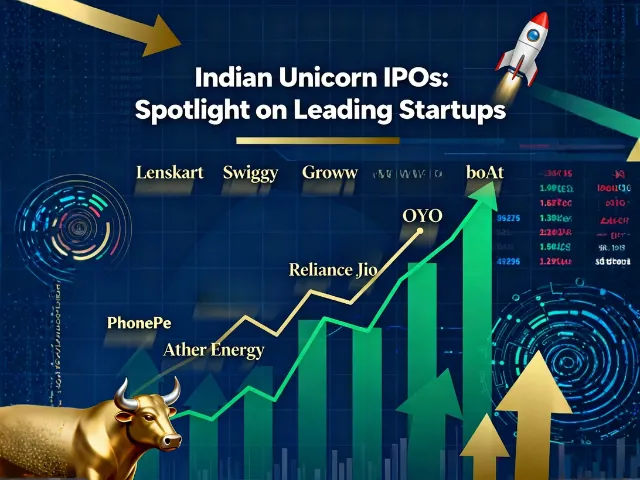
From Unicorn Hype to Public Scrutiny: How Lenskart, Swiggy, Groww, boAt, Raliance JIo, Ather Energy, Phone pe and OYO's IPOs are Redefining 'New-Age' Valuations.
Key Takeaways
- A Demat account holds your investments securely in digital form.
- AMC, brokerage, and transaction charges are governed by SEBI.
- Hidden costs often arise from inactivity or value-added services.
- Always verify your broker’s transparency before investing.
- Swastika Investmart ensures clarity, SEBI compliance, and strong regional support.
Understanding Demat Account Charges in India
A Demat Account—short for Dematerialized Account—is the foundation of modern investing in India. It allows investors to hold shares and securities electronically instead of physical certificates. This digital system, regulated by SEBI (Securities and Exchange Board of India), ensures safety, transparency, and ease of access for every investor.
However, investors—especially beginners—often get confused by different Demat account charges, such as AMC, brokerage, and hidden fees. Let’s break them down clearly so you can make informed decisions.
What is a Demat Account and Why is it Important?
A Demat account is essential for trading and investing in stocks, mutual funds, bonds, ETFs, and IPOs. It acts like a digital locker that securely stores your holdings under depositories such as NSDL (National Securities Depository Limited) and CDSL (Central Depository Services Limited).
Every investor must open a Demat account through a Depository Participant (DP), which could be a brokerage firm like Zerodha, Groww, Angel One, Upstox, ICICI Direct, or Swastika Investmart.
The key benefit of this system is investor protection — all holdings are regulated by SEBI, making the system safe and traceable.
1. Account Opening Charges
Most brokers charge a one-time account opening fee when you create your Demat account. Many platforms offer zero-cost onboarding, but sometimes a small fee ensures proper KYC verification, compliance, and documentation.
Swastika Investmart stands out here for offering personalized account setup support, ensuring investors—especially first-timers—complete their onboarding with full regulatory compliance and clarity.
2. Annual Maintenance Charges (AMC)
AMC, or Annual Maintenance Charge, is one of the most common Demat account costs. It’s levied yearly for maintaining your digital holdings with depositories like NSDL/CDSL.
This fee covers:
- Secure electronic storage
- Record maintenance
- SEBI compliance and investor communication
Some brokers waive AMC for the first year, while others adjust it based on your portfolio size.
At Swastika Investmart, the AMC structure is transparent—you know exactly what you’re paying for. The firm emphasizes no hidden deductions, coupled with strong customer support for resolving investor queries promptly.
3. Brokerage Charges Simplified
Brokerage is the fee brokers charge to execute trades on your behalf—whether buying or selling shares.
While discount brokers like Zerodha and Groww focus on minimal brokerage with DIY platforms, full-service firms like Swastika Investmart or ICICI Direct provide value-added services like research reports, market insights, and advisory—helpful for both beginners and serious investors.
Remember, brokerage is not just about the lowest cost—it’s about reliability and execution quality. A slightly higher brokerage may actually save you money by ensuring timely trades and better returns through expert research.
What differentiates Swastika Investmart is its open communication policy. Investors receive clear fee breakdowns, helping avoid confusion or mistrust—a strong sign of SEBI-aligned ethics.
4. How SEBI and Depositories Protect Investors
The SEBI framework ensures every investor’s money and securities are protected.
Through depositories like NSDL and CDSL, SEBI mandates:
- Daily reconciliation of securities
- Regular audits of brokers and DPs
- Mandatory e-verification (eDIS) for all trades
This ensures no unauthorized movement of securities, even if your broker faces operational challenges.
Swastika Investmart’s SEBI registration and long-standing reputation in the Indian financial market underline its commitment to these standards. Its combination of regulatory discipline and human advisory makes it a trusted partner for long-term investors.
5. Tips for Beginners Before Opening a Demat Account
If you’re new to investing, here’s a checklist to follow before opening your account:
- Check SEBI registration of your broker.
- Understand AMC and transaction fees beforehand.
- Review the mobile trading app’s security features.
- Prefer a broker with good research support—like Swastika Investmart—to guide your early investment journey.
By ensuring these points, you can start your investment journey confidently and safely.
FAQs
1. What is AMC in a Demat account?
AMC stands for Annual Maintenance Charge, a yearly fee brokers charge for maintaining your Demat account with NSDL/CDSL.
2. Can I hold multiple Demat accounts?
Yes, you can open multiple accounts with different brokers. However, managing them responsibly is crucial to avoid confusion or additional costs.
3. Which is the safest Demat account in India?
All SEBI-registered brokers linked to NSDL/CDSL are safe. Look for brokers like Swastika Investmart that emphasize compliance and transparent communication.
4. Do I need a Demat account for mutual funds?
It’s optional. Many platforms allow you to invest directly without a Demat account, but having one centralizes all your holdings efficiently.
Conclusion
A Demat account is your gateway to India’s growing capital markets—but understanding AMC, brokerage, and hidden charges is vital to a stress-free investing experience.
While platforms like Zerodha, Groww, and Upstox offer convenience, Swastika Investmart provides something deeper—trust, regional guidance, and transparent SEBI-compliant support.
As an investor, prioritize clarity, compliance, and confidence. Because in finance, knowing what you pay for is the first step to growing what you own.
.webp)
Demat Account Charges Explained: AMC, Brokerage & Hidden Fees Every Investor Should Know Copy
Key Takeaways
- A Demat account holds your investments securely in digital form.
- AMC, brokerage, and transaction charges are governed by SEBI.
- Hidden costs often arise from inactivity or value-added services.
- Always verify your broker’s transparency before investing.
- Swastika Investmart ensures clarity, SEBI compliance, and strong regional support.
Understanding Demat Account Charges in India
A Demat Account—short for Dematerialized Account—is the foundation of modern investing in India. It allows investors to hold shares and securities electronically instead of physical certificates. This digital system, regulated by SEBI (Securities and Exchange Board of India), ensures safety, transparency, and ease of access for every investor.
However, investors—especially beginners—often get confused by different Demat account charges, such as AMC, brokerage, and hidden fees. Let’s break them down clearly so you can make informed decisions.
What is a Demat Account and Why is it Important?
A Demat account is essential for trading and investing in stocks, mutual funds, bonds, ETFs, and IPOs. It acts like a digital locker that securely stores your holdings under depositories such as NSDL (National Securities Depository Limited) and CDSL (Central Depository Services Limited).
Every investor must open a Demat account through a Depository Participant (DP), which could be a brokerage firm like Zerodha, Groww, Angel One, Upstox, ICICI Direct, or Swastika Investmart.
The key benefit of this system is investor protection — all holdings are regulated by SEBI, making the system safe and traceable.
1. Account Opening Charges
Most brokers charge a one-time account opening fee when you create your Demat account. Many platforms offer zero-cost onboarding, but sometimes a small fee ensures proper KYC verification, compliance, and documentation.
Swastika Investmart stands out here for offering personalized account setup support, ensuring investors—especially first-timers—complete their onboarding with full regulatory compliance and clarity.
2. Annual Maintenance Charges (AMC)
AMC, or Annual Maintenance Charge, is one of the most common Demat account costs. It’s levied yearly for maintaining your digital holdings with depositories like NSDL/CDSL.
This fee covers:
- Secure electronic storage
- Record maintenance
- SEBI compliance and investor communication
Some brokers waive AMC for the first year, while others adjust it based on your portfolio size.
At Swastika Investmart, the AMC structure is transparent—you know exactly what you’re paying for. The firm emphasizes no hidden deductions, coupled with strong customer support for resolving investor queries promptly.
3. Brokerage Charges Simplified
Brokerage is the fee brokers charge to execute trades on your behalf—whether buying or selling shares.
While discount brokers like Zerodha and Groww focus on minimal brokerage with DIY platforms, full-service firms like Swastika Investmart or ICICI Direct provide value-added services like research reports, market insights, and advisory—helpful for both beginners and serious investors.
Remember, brokerage is not just about the lowest cost—it’s about reliability and execution quality. A slightly higher brokerage may actually save you money by ensuring timely trades and better returns through expert research.
What differentiates Swastika Investmart is its open communication policy. Investors receive clear fee breakdowns, helping avoid confusion or mistrust—a strong sign of SEBI-aligned ethics.
4. How SEBI and Depositories Protect Investors
The SEBI framework ensures every investor’s money and securities are protected.
Through depositories like NSDL and CDSL, SEBI mandates:
- Daily reconciliation of securities
- Regular audits of brokers and DPs
- Mandatory e-verification (eDIS) for all trades
This ensures no unauthorized movement of securities, even if your broker faces operational challenges.
Swastika Investmart’s SEBI registration and long-standing reputation in the Indian financial market underline its commitment to these standards. Its combination of regulatory discipline and human advisory makes it a trusted partner for long-term investors.
5. Tips for Beginners Before Opening a Demat Account
If you’re new to investing, here’s a checklist to follow before opening your account:
- Check SEBI registration of your broker.
- Understand AMC and transaction fees beforehand.
- Review the mobile trading app’s security features.
- Prefer a broker with good research support—like Swastika Investmart—to guide your early investment journey.
By ensuring these points, you can start your investment journey confidently and safely.
FAQs
1. What is AMC in a Demat account?
AMC stands for Annual Maintenance Charge, a yearly fee brokers charge for maintaining your Demat account with NSDL/CDSL.
2. Can I hold multiple Demat accounts?
Yes, you can open multiple accounts with different brokers. However, managing them responsibly is crucial to avoid confusion or additional costs.
3. Which is the safest Demat account in India?
All SEBI-registered brokers linked to NSDL/CDSL are safe. Look for brokers like Swastika Investmart that emphasize compliance and transparent communication.
4. Do I need a Demat account for mutual funds?
It’s optional. Many platforms allow you to invest directly without a Demat account, but having one centralizes all your holdings efficiently.
Conclusion
A Demat account is your gateway to India’s growing capital markets—but understanding AMC, brokerage, and hidden charges is vital to a stress-free investing experience.
While platforms like Zerodha, Groww, and Upstox offer convenience, Swastika Investmart provides something deeper—trust, regional guidance, and transparent SEBI-compliant support.
As an investor, prioritize clarity, compliance, and confidence. Because in finance, knowing what you pay for is the first step to growing what you own.


.webp)
.webp)
.webp)





START YOUR INVESTMENT JOURNEY
Get personalized advice from our experts
- Dedicated RM Support
- Smooth and Fast Trading App