Stock Market Midday Live Updates 2 April 2026: India Market Crash Today & Why Nifty 50 and Sensex Fell Sharply


.png)

 Add Now!
The India market crash today has caught investors off guard, with benchmark indices witnessing a steep decline. The Nifty 50 slipped below key levels while the Sensex saw a sharp drop, reflecting panic across sectors. This sudden sell-off has raised concerns about market stability and near-term outlook.
Let’s break down what triggered this fall and what it means for investors.
Key Highlights
- Nifty 50 and Sensex fell over 1.5 percent amid global uncertainty
- Banking and financial stocks led the decline
- Geopolitical tensions triggered risk-off sentiment
- IT stocks showed relative strength against broader weakness
What Caused the India Market Crash Today
Global Geopolitical Tensions
The primary trigger behind the India market crash today is rising geopolitical uncertainty. Escalating tensions in the Middle East have shaken global markets, leading to a risk-off environment. Investors typically move funds away from equities during such periods, impacting emerging markets like India.
Weak Global Cues
Asian and European markets also traded lower, influencing Indian benchmarks. Foreign Institutional Investors tend to reduce exposure during global uncertainty, leading to heavy selling pressure in frontline stocks.
Sharp Selling in Banking Stocks
Banking stocks, especially those in the Nifty Bank index, faced intense selling. Financial stocks often react quickly to macroeconomic uncertainty due to their exposure to credit cycles and liquidity conditions.
Profit Booking After Recent Rally
Markets had rallied strongly in recent sessions. The sudden fall also reflects profit booking by traders and institutional investors who locked in gains.
Sector-Wise Impact
Banking and Financial Services
This sector was the biggest loser. Stocks in NBFCs and private banks declined sharply as investors turned cautious.
FMCG and Pharma
Defensive sectors like FMCG and pharmaceuticals showed relatively smaller losses. These sectors usually perform better during market volatility due to stable demand.
IT Sector Resilience
Interestingly, IT stocks managed to stay in the green. A weaker rupee and strong global demand outlook supported the sector.
Regulatory Perspective and Market Stability
The Securities and Exchange Board of India plays a crucial role in maintaining market integrity during volatile periods. Circuit filters, surveillance mechanisms, and margin requirements help prevent extreme panic selling.
Additionally, the Reserve Bank of India monitors liquidity and ensures stability in the financial system. Both institutions act as safeguards during periods of heightened volatility.
What Should Investors Do Now
Stay Calm and Avoid Panic Selling
Market corrections are a normal part of investing. Panic selling often leads to losses and missed recovery opportunities.
Focus on Fundamentals
Invest in fundamentally strong companies with stable earnings and good governance. Long-term investors should view corrections as buying opportunities.
Diversify Your Portfolio
Diversification across sectors like IT, pharma, and FMCG can reduce risk during volatile phases.
Use Reliable Platforms
Choosing a trusted broker is critical during such times. Platforms like Swastika Investmart offer strong research tools, real-time insights, and a tech-driven interface to help investors make informed decisions. Being a SEBI-registered broker, it ensures compliance and transparency, while also focusing on investor education.
FAQs
Why did the Indian stock market fall today
The market fell due to global geopolitical tensions, weak international cues, and heavy selling in banking stocks.
Is this a good time to invest in stocks
Yes, long-term investors can consider buying quality stocks at lower valuations during market corrections.
Which sectors performed better during the crash
Defensive sectors like IT, FMCG, and pharma showed relative strength compared to banking and financial stocks.
How do regulators control market crashes
SEBI uses mechanisms like circuit breakers and surveillance systems, while RBI ensures liquidity stability in the financial system.
Conclusion
The India market crash today highlights how global events can quickly impact domestic markets. While the fall may seem alarming, it also presents opportunities for disciplined investors. Staying informed, focusing on fundamentals, and avoiding emotional decisions are key to navigating such volatility.
If you’re looking to make smarter investment decisions with expert-backed insights, explore a reliable platform like Swastika Investmart and take your investing journey forward
Big Budget



.webp)
.webp)
.webp)
.webp)
.webp)










.webp)
.webp)
.webp)
.webp)
Latest Articles

Amazon’s Big Bet on OpenAI: What It Means for Global Tech and Indian Investors


Summary
- Amazon may invest up to $50 billion in OpenAI linked to IPO or AGI milestones
- The deal highlights intensifying global competition in artificial intelligence
- AI investments are influencing global technology valuations
- Indian IT, semiconductor, and AI-linked stocks may benefit indirectly
- Long-term investors should track AI-driven structural opportunities
Amazon Investment in OpenAI: A Turning Point in the AI Race
Artificial Intelligence has moved from experimentation to large-scale economic transformation. The latest development attracting global attention is the proposed Amazon investment in OpenAI, which could reach as high as $50 billion.
This potential deal signals more than just funding. It reflects how technology giants are positioning themselves for dominance in the next generation of computing powered by artificial intelligence.
For investors, especially in India, understanding such global developments is becoming increasingly important because global tech capital flows often influence domestic market trends.
Understanding the Amazon Investment in OpenAI
Amazon is reportedly negotiating a multi-stage investment into OpenAI, the company behind advanced AI systems transforming industries worldwide.
Proposed Investment Structure
Reports suggest the investment may include:
- $15 billion initial funding
- Additional $35 billion tied to performance milestones
- Conditions linked to achieving Artificial General Intelligence or launching an IPO
If completed, this would become one of the largest private technology investments ever.
The move also positions Amazon more aggressively against cloud and AI competitors already partnering with OpenAI.
Why Big Tech Is Racing Toward AI Partnerships
Artificial intelligence today is comparable to the early internet boom of the late 1990s. Companies that control AI infrastructure are likely to dominate future digital ecosystems.
OpenAI already maintains strong collaboration with Microsoft, particularly through cloud computing integrations. Amazon’s entry strengthens competition across:
- Cloud computing platforms
- Enterprise automation
- AI-powered software services
- Data center expansion
At the same time, investors like SoftBank and chip leader Nvidia are reportedly planning major investments as part of the same funding round.
This clearly shows that AI is no longer a niche technology theme but a core global investment cycle.
The IPO Angle: Could OpenAI Become a $1 Trillion Company?
Market discussions suggest OpenAI could eventually pursue an Initial Public Offering that may value the company close to $1 trillion.
If that happens, it would join the league of mega-cap technology firms that shape global equity markets.
Historically, large technology IPOs have created ripple effects worldwide. For example:
- The listing of global tech giants boosted semiconductor demand globally
- Cloud adoption accelerated IT outsourcing opportunities
- Emerging markets benefited through service exports
A similar chain reaction could follow an OpenAI IPO.
Impact of Amazon’s OpenAI Investment on Indian Markets
While OpenAI is not listed in India, the Amazon investment in OpenAI carries indirect implications for Indian investors.
1. Boost for Indian IT Companies
Indian IT firms increasingly provide AI integration, cloud migration, and automation services. Rising AI spending globally can increase demand for Indian technology expertise.
Companies working in:
- Data analytics
- AI engineering
- Cloud services
- Digital transformation
may experience stronger deal pipelines.
2. Semiconductor and Hardware Opportunity
AI models require massive computing power. Increased spending benefits semiconductor ecosystems globally, influencing Indian companies participating in electronics manufacturing and chip supply chains.
India’s push under semiconductor incentives and digital infrastructure initiatives aligns with this global trend.
3. Increased Global Liquidity in Tech
Large funding rounds typically improve investor sentiment toward technology stocks worldwide. When global tech valuations expand, Indian growth and new-age technology companies often see renewed investor interest.
Real-World Example: How Global Tech Trends Reach Indian Investors
Consider the cloud computing boom.
When global companies accelerated cloud adoption between 2016 and 2021, Indian IT majors witnessed multi-year growth cycles due to outsourcing demand.
Similarly, the AI investment wave could create opportunities across:
- SaaS startups
- Fintech automation
- AI-enabled customer engagement platforms
- Digital infrastructure providers
Indian investors tracking structural themes rather than short-term news may benefit more from such transitions.
Regulatory Perspective for Indian Investors
Indian investors participating in global technology themes must remain aligned with regulations governed by the:
- Securities and Exchange Board of India guidelines
- Overseas investment norms through regulated intermediaries
- Risk disclosures related to global technology volatility
Diversification remains essential since emerging technologies often experience valuation swings before long-term stability.
What Should Investors Watch Next?
Key developments worth tracking include:
- Progress toward Artificial General Intelligence milestones
- OpenAI’s potential IPO announcement
- Expansion of AI data centers globally
- Partnerships between global cloud providers and enterprises
These indicators will determine whether AI becomes the next decade’s dominant investment megatrend.
Frequently Asked Questions
Why is Amazon investing in OpenAI?
Amazon aims to strengthen its artificial intelligence and cloud ecosystem to compete more effectively in the rapidly growing AI market.
Will OpenAI’s IPO impact Indian markets?
Yes, indirectly. Global tech listings influence investor sentiment, IT demand, and technology valuations worldwide, including India.
Can Indian investors invest in OpenAI?
Currently, OpenAI is privately held. Investors may gain exposure through technology ecosystem companies benefiting from AI growth.
Which Indian sectors benefit from AI investments?
Information technology, semiconductor manufacturing, digital infrastructure, and AI-enabled services are likely beneficiaries.
Is AI investing suitable for long-term investors?
AI represents a structural theme. Long-term investors with diversified portfolios may consider gradual exposure rather than speculative bets.
Final Thoughts: A Global AI Shift Investors Cannot Ignore
The proposed Amazon investment in OpenAI highlights a major shift in how technology leadership will be defined over the next decade. Massive capital commitments signal confidence that artificial intelligence will drive productivity, innovation, and economic transformation globally.
For Indian investors, the opportunity may not lie in chasing headlines but in identifying companies that quietly benefit from AI adoption.
Platforms like Swastika Investmart, a SEBI-registered broker known for strong research capabilities, investor education initiatives, responsive customer support, and technology-enabled investing tools, help investors navigate such global trends with clarity and discipline.
Staying informed, diversified, and research-oriented remains the smartest way to approach the evolving AI-driven market landscape.

Trump Policies and Their Impact on the Indian Stock Market in February 2026
Summary
• Trump’s trade and tariff policies increased volatility in Indian markets during February 2026
• IT and export sectors faced pressure while domestic sectors stayed resilient
• FII flows reacted sharply to global uncertainty and dollar movement
• India’s strong domestic economy helped limit long term damage
• Investors shifted focus toward banking, infrastructure, and consumption themes
Trump Policies and Their Impact on the Indian Stock Market in February 2026
Global politics often moves markets faster than earnings reports. February 2026 proved this once again when policy decisions from the United States triggered sharp reactions across global equities, including India.
The return of protectionist economic measures under Donald Trump created uncertainty around global trade, supply chains, and capital flows. Indian investors closely tracked every tariff announcement, court ruling, and trade negotiation because the United States remains India’s largest export destination.
Let us understand what really happened and how Indian markets responded.
Why Trump’s Policies Matter for Indian Investors
The Indian stock market is deeply connected to global capital flows. Even though India is driven by domestic consumption, foreign institutional investors still influence short term market direction.
Trump’s 2026 economic approach focused on:
• Higher import tariffs
• Domestic manufacturing protection
• Strategic trade renegotiations
• Tougher stance on global supply chains
These policies directly affect export driven economies and emerging markets like India.
When global trade slows, risk appetite drops. Investors move money toward safer assets such as US bonds or the dollar. This often results in volatility across emerging equity markets.
February 2026 Market Reaction in India
During February 2026, Indian benchmark indices witnessed sudden swings linked to US policy headlines rather than domestic events.
Market Movement Pattern
Indian markets reacted in three clear phases:
Phase 1: Tariff Announcements
Markets corrected as fears of global slowdown increased. Export heavy sectors declined first.
Phase 2: Legal and Policy Revisions in the US
Relief rallies followed when tariff implementation faced legal challenges.
Phase 3: Trade Negotiation Signals
Selective buying returned, especially in domestic sectors.
This pattern highlighted an important lesson. Markets were reacting to uncertainty, not economic weakness in India.
Sector Wise Impact on Indian Stock Market
IT Sector Faced Immediate Pressure
India’s IT industry earns a large share of revenue from US clients. Any slowdown expectation in American corporate spending impacts valuations quickly.
In February 2026:
• Large IT companies saw selling pressure
• Deal closures slowed due to cautious enterprise spending
• Currency volatility added earnings uncertainty
For example, when US recession fears rose, investors reduced exposure to technology stocks even before actual earnings impact appeared.
Export Manufacturing and Chemicals Saw Caution
Industries linked to global trade experienced hesitation:
• Engineering exports
• Specialty chemicals
• Textiles
• Auto components
Higher tariffs can reduce competitiveness in overseas markets. Exporters adopted a wait and watch strategy instead of aggressive expansion.
Banking and Domestic Consumption Emerged Strong
Interestingly, Indian banking and consumption stocks showed resilience.
Why?
Because India’s growth story today depends largely on internal demand rather than exports alone.
Sectors that performed relatively better included:
• Private and PSU banks
• Infrastructure companies
• Capital goods manufacturers
• FMCG and retail businesses
Investors rotated money into companies benefiting from government spending and domestic consumption trends.
Impact on FII Flows and Rupee Movement
Foreign institutional investors reacted quickly to global uncertainty.
Trump’s protectionist tone strengthened the US dollar temporarily. A stronger dollar usually leads to:
• FII outflows from emerging markets
• Pressure on the Indian rupee
• Short term equity corrections
February 2026 witnessed intermittent FII selling, especially in globally exposed sectors.
However, steady inflows from domestic institutional investors helped stabilize markets. India’s growing SIP culture played a major role in cushioning volatility.
Regulatory Stability Helped India Stand Strong
One reason Indian markets avoided deep correction was regulatory confidence.
India’s financial ecosystem remains supported by:
• Strong oversight from SEBI
• Stable monetary guidance from RBI
• Transparent corporate disclosure norms
• Increasing retail investor participation
Unlike earlier global shocks, investors now view India as a relatively stable emerging market rather than a high risk destination.
Hidden Long Term Opportunity for India
While short term volatility increased, Trump’s policies may indirectly benefit India over time.
Global companies are actively diversifying supply chains away from single country dependence. This trend strengthens India’s position under the China Plus One strategy.
Possible long term advantages include:
• Growth in manufacturing investments
• Expansion in electronics and defense production
• Increased foreign direct investment
• Rising export diversification beyond the US
Market history shows that geopolitical shifts often create new leaders rather than permanent losers.
What Should Indian Investors Learn From February 2026?
A key takeaway from this phase is simple.
Global headlines create temporary noise, but structural growth drives long term wealth creation.
Smart investors focused on:
• Companies with strong domestic revenue
• Low debt balance sheets
• Policy supported sectors
• Long term earnings visibility
Instead of reacting emotionally to global news, disciplined allocation helped investors navigate volatility better.
Platforms offering strong research insights and investor education became especially valuable during uncertain periods.
How Research Driven Investing Makes a Difference
In volatile environments, access to credible research and timely insights becomes critical.
SEBI registered brokers like Swastika Investmart help investors make informed decisions through:
• Advanced research backed recommendations
• Technology enabled trading platforms
• Dedicated customer support
• Investor education initiatives for beginners and experienced traders
Rather than chasing headlines, structured investing backed by research improves decision making consistency.
Frequently Asked Questions
Did Trump’s policies cause a market crash in India?
No. They created short term volatility, but India’s domestic strength prevented a major structural decline.
Which sectors were most affected in February 2026?
IT and export oriented sectors faced pressure, while banking and consumption sectors remained stable.
Why do US policies impact Indian markets so quickly?
Global capital flows and export dependency make emerging markets sensitive to US economic decisions.
Should investors avoid global facing companies?
Not necessarily. Investors should diversify rather than exit fundamentally strong companies.
Is this volatility temporary?
Historically, policy driven volatility tends to be temporary unless it leads to prolonged economic slowdown.
Final Thoughts
February 2026 reminded investors that markets are global even when portfolios are local. Trump’s economic policies increased uncertainty, yet India demonstrated resilience supported by strong regulation, domestic demand, and investor participation.
For investors, the real opportunity lies in staying informed, avoiding panic decisions, and relying on research backed investing strategies.
With trusted guidance, robust technology, and SEBI registered credibility, Swastika Investmart empowers investors to navigate both global uncertainty and long term wealth creation with confidence.
Start your investing journey today and make smarter market decisions backed by expert research.

Omnitech Engineering IPO GMP Today: Should Investors Expect Listing Gains?
Summary
• Omnitech Engineering IPO GMP currently indicates modest listing expectations
• Grey market premium has cooled from early highs before IPO closing
• Listing gains may remain limited unless subscription demand improves
• Investors should evaluate fundamentals alongside GMP trends
• Market sentiment remains cautious but stable
Omnitech Engineering IPO GMP Today: Complete Analysis, Trend & Listing Expectations
The primary market in India continues to remain active in 2026, with several mid-sized companies tapping investor interest through public offerings. One such issue gaining attention is the Omnitech Engineering IPO, especially due to rising searches around its Grey Market Premium (GMP).
For many retail investors, GMP acts as an early signal of listing performance. But does the current Omnitech Engineering IPO GMP truly indicate strong listing gains, or is the market signalling caution?
Let’s understand the complete picture.
What Is Omnitech Engineering IPO GMP?
Grey Market Premium refers to the unofficial price at which IPO shares trade before listing on stock exchanges like NSE and BSE. These trades happen outside regulated exchanges and reflect short-term demand among market participants.
If an IPO priced at ₹227 trades at a GMP of ₹4, it suggests an expected listing near ₹231.
While GMP offers sentiment clues, it is important to remember that it is not regulated by SEBI and should never be the only factor guiding investment decisions.
Omnitech Engineering IPO GMP Today
As of 27 February 2026:
- IPO Price Band: ₹216 to ₹227 per share
- Latest GMP: Around ₹4
- Estimated Listing Price: ₹230 to ₹232
- Expected Listing Gain: Nearly 1 to 2 percent
The premium remains positive but relatively small. This indicates that the market expects a stable listing rather than a sharp debut.
GMP Trend Analysis: Why Sentiment Has Softened
Interestingly, Omnitech Engineering’s GMP started on a strong note but gradually declined closer to IPO closure.
GMP Movement Snapshot
- Early market buzz pushed GMP near ₹16
- Profit booking reduced enthusiasm
- GMP stabilized around ₹4 in recent sessions
This cooling trend usually reflects investors reassessing valuation, sector outlook, and broader market momentum.
In India’s IPO market, such behaviour is common. Several engineering and infrastructure-linked IPOs have shown moderate GMP despite decent long-term prospects.
Understanding the Business Context
Omnitech Engineering operates within India’s expanding engineering and industrial ecosystem. The sector benefits from government-led initiatives such as:
- Make in India manufacturing push
- Infrastructure spending growth
- Capital expenditure revival across industries
Engineering companies typically attract institutional investors focused on long-term growth rather than short-term listing gains.
For example, past industrial IPOs linked to infrastructure cycles often delivered gradual wealth creation instead of immediate listing pops.
This explains why GMP may remain controlled even when business fundamentals appear reasonable.
What Does Current GMP Signal for Investors?
Positive Indicators
A positive GMP suggests no major negative perception in the unofficial market. Investor confidence remains intact, and downside fears appear limited before listing.
Areas of Caution
The sharp fall from earlier GMP highs shows that speculative demand has reduced. Listing gain traders may not see aggressive upside unless subscription numbers surprise positively.
In practical terms, the market currently expects Omnitech Engineering to deliver a steady debut rather than headline-making returns.
Impact on Indian IPO Market Sentiment
India’s IPO landscape in recent years has matured significantly. Retail investors are increasingly evaluating valuation and profitability rather than chasing hype-driven listings.
Moderate GMP trends like this reflect a healthier market environment where pricing discipline matters.
SEBI’s tighter disclosure norms and improved transparency have also helped investors move beyond grey market speculation toward research-based investing.
This shift benefits long-term wealth creation across the Indian equity ecosystem.
Listing Day Scenarios Investors Should Consider
Optimistic Scenario
Strong institutional subscription and supportive market conditions could push listing gains toward 5 percent or more.
Base Scenario
Most analysts expect listing around issue price with marginal upside between 1 to 3 percent.
Conservative Scenario
If broader markets remain volatile, shares may list close to the IPO price.
Such balanced expectations help investors avoid emotional decisions often driven by GMP headlines.
Smart IPO Investing: Beyond Grey Market Premium
Experienced investors usually combine multiple factors before applying:
- Company fundamentals
- Industry outlook
- Valuation compared to peers
- Institutional participation
- Market liquidity conditions
Platforms offering strong research insights become valuable here.
Brokerages like Swastika Investmart, a SEBI registered stock broker, focus heavily on investor education, research-backed insights, and technology-enabled investing tools that help investors evaluate IPO opportunities more objectively.
Instead of relying solely on market rumours, access to structured analysis improves decision-making confidence, especially for retail participants entering IPO markets regularly.
Real Investor Example
Consider a retail investor applying purely based on GMP during peak excitement at ₹16 premium expectations. If listing happens near ₹230, returns may disappoint short-term traders.
However, investors who evaluate long-term engineering sector growth may still benefit if business execution improves over time.
This difference highlights why informed investing matters more than speculative signals.
Frequently Asked Questions
Is Omnitech Engineering IPO GMP reliable?
GMP reflects market sentiment but remains unofficial and unregulated. It should be used only as a reference indicator.
What listing gain can investors expect?
Current GMP suggests modest gains of around 1 to 3 percent, subject to market conditions.
Can GMP change before listing?
Yes. GMP can fluctuate significantly until listing day depending on demand and market sentiment.
Should retail investors apply for listing gains?
Investors seeking quick gains should remain cautious as expectations currently appear moderate.
Does SEBI regulate grey market trading?
No. Grey market transactions operate outside SEBI regulated exchanges.
Final Thoughts
The Omnitech Engineering IPO GMP today points toward a stable yet cautious market outlook. While the issue does not currently signal blockbuster listing gains, it also does not reflect negative sentiment.
For investors, the key takeaway is simple. GMP offers direction, not certainty.
Making IPO decisions using research, valuation understanding, and long-term perspective often leads to better outcomes than chasing short-term excitement.
If you are looking to participate in IPOs with access to research insights, advanced trading technology, and strong customer support, you can explore investing with Swastika Investmart.
Open your investment account here
A disciplined approach combined with the right investing platform can make every IPO decision smarter and more confident.

India’s Consumption Boom: Why Retail Stocks Are Becoming the Market’s Next Growth Engine
Summary
• Rising disposable income is fueling India’s consumption-led growth
• Retail, FMCG, and discretionary sectors are gaining investor attention
• Tier 2 and Tier 3 cities are driving the next demand wave
• Organized retail players are benefiting from formalization
• Long-term investors are tracking consumption themes closely
India’s Consumption Boom and the Rising Opportunity in Retail Stocks
Walk into any mall in Indore, Lucknow, or Jaipur today and one trend becomes obvious. India is spending more than ever before. From affordable fashion to electronics and quick-service dining, consumption is expanding beyond metros.
This structural shift is now reflecting clearly in the stock market. Retail and consumption-focused companies are emerging as one of the strongest long-term investment themes in India.
For investors, understanding India’s consumption boom is no longer optional. It is becoming central to portfolio strategy.
What Is Driving India’s Consumption Growth?
India’s consumption story is backed by multiple long-term economic factors rather than short-term optimism.
Rising Disposable Income
India’s middle-class population continues to expand rapidly. Salary growth in services, technology, manufacturing, and digital sectors has improved purchasing power.
Government initiatives such as infrastructure spending and production-linked incentive schemes have also supported employment generation, indirectly boosting consumption demand.
As income stability improves, spending shifts from essentials to discretionary products like branded apparel, lifestyle goods, travel, and dining.
Growth Beyond Metro Cities
Earlier, consumption growth was concentrated in cities like Mumbai, Delhi, and Bengaluru. Today, Tier 2 and Tier 3 cities contribute significantly to retail expansion.
Organized retailers are aggressively opening stores in emerging urban centers where competition remains lower and demand visibility is high.
Affordable retail formats, value supermarkets, and omnichannel brands are benefiting from this expansion.
Organized Retail vs Unorganized Market Shift
India has traditionally been dominated by unorganized retail. However, GST implementation, digital payments adoption, and improved logistics are accelerating formalization.
Consumers now prefer:
• Transparent pricing
• Better product quality
• Easy return policies
• Digital payment convenience
Listed retail companies are gaining market share from local fragmented players, creating scalable growth opportunities.
Stock Market Impact of the Consumption Theme
Consumption-led businesses typically show resilient earnings even during global uncertainty because demand originates domestically.
In recent years, sectors benefiting from consumption growth include:
• Value retail chains
• Quick service restaurants
• Consumer durables
• FMCG companies
• Beauty and lifestyle platforms
Institutional investors increasingly allocate capital toward consumption stocks due to predictable cash flows and expansion visibility.
During periods when export-driven sectors face volatility, domestic consumption often acts as a stabilizing force for Indian equity markets.
Real Market Example: Festival Season Effect
India’s festive calendar plays a crucial role in consumption trends.
During Diwali and wedding seasons:
• Retail sales surge significantly
• Automobile bookings rise
• Electronics demand spikes
• Apparel and jewelry consumption increases
Companies reporting strong festive quarter earnings often witness stock price momentum afterward.
This recurring demand cycle makes consumption businesses attractive for long-term investors.
Digital Transformation Accelerating Retail Growth
Technology adoption has fundamentally changed how Indians shop.
Omnichannel retail models combining physical stores with online platforms allow companies to reach customers across geographies efficiently.
Key trends include:
• App-based shopping
• AI-driven product recommendations
• Faster delivery networks
• Unified inventory systems
Tech-enabled retail improves operational efficiency and margins, which investors closely monitor.
Risks Investors Should Consider
Despite strong growth prospects, consumption stocks are not risk-free.
Valuation Concerns
High investor interest often pushes valuations above historical averages.
Inflation Sensitivity
Rising raw material costs can impact margins if companies cannot pass costs to consumers.
Competition
New entrants and aggressive discounting strategies may affect profitability.
Balanced stock selection remains essential.
Role of Regulation and Market Transparency
India’s capital markets operate under strict oversight from the Securities and Exchange Board of India (SEBI), ensuring disclosure standards and investor protection.
Mandatory quarterly reporting, governance norms, and audit transparency help investors evaluate consumption companies more effectively.
Such regulatory strength increases confidence among domestic as well as foreign institutional investors.
How Investors Can Participate in the Consumption Theme
Investors typically approach this theme through:
• Long-term equity investing
• SIP-based accumulation strategies
• Sector diversification
• Fundamental research-backed stock selection
Rather than chasing short-term momentum, disciplined allocation toward structurally growing businesses often delivers sustainable returns.
This is where access to research insights, analytical tools, and reliable execution platforms becomes important.
Frequently Asked Questions
Why are retail stocks gaining popularity in India?
Retail stocks benefit from rising income levels, urbanization, and increasing consumer spending across smaller cities.
Is India’s consumption growth sustainable?
Yes, demographic advantage, digital adoption, and policy support indicate long-term structural growth rather than cyclical expansion.
Are consumption stocks suitable for beginners?
They are often easier to understand because business performance directly connects with everyday consumer behavior.
Do consumption stocks perform well during market volatility?
Domestic demand-driven companies may show relatively stable earnings compared to export-oriented sectors.
What should investors track before investing?
Revenue growth, store expansion, margins, debt levels, and management execution consistency are key indicators.
Conclusion
India’s consumption boom represents one of the most powerful long-term stories shaping the equity markets today. As spending shifts from necessity to aspiration, organized retail and consumer-focused companies stand to benefit significantly.
For investors, the opportunity lies not just in identifying trends but in executing investments with the right research support and technology platform.
With SEBI registration, advanced research capabilities, strong customer support, and a technology-driven investing ecosystem, Swastika Investmart empowers investors to participate confidently in India’s evolving growth journey.
Start exploring market opportunities today and take your next investing step here:
%20(3).webp)
Market Opening Updates for 10 February 2026: Nifty 50 and Bank Nifty Show Mixed Start While IT Stocks Shine
Summary
• Indian markets opened mixed with mild profit booking in frontline indices
• IT stocks led gains as technology sector outperformed sharply
• Banking stocks saw early selling pressure
• Investors remained cautious ahead of global and domestic triggers
Market Opening Updates for 10 February 2026: Nifty 50 and Bank Nifty Show Mixed Start While IT Stocks Shine
Indian equity markets opened Tuesday’s session on a cautious yet stable note. Early trade reflected selective sectoral strength rather than broad based buying. While benchmark indices traded slightly in the red, strong momentum in technology stocks supported overall sentiment.
According to the opening data, the Nifty 50 opened at 25,459.85, down 0.14 percent. The BSE Sensex remained nearly flat at 82,220.48, slipping marginally by 0.03 percent.
Meanwhile, the Nifty Bank faced mild selling pressure, declining 0.21 percent in early trade. The standout performer was clearly the Nifty IT, which surged nearly 1.94 percent, indicating strong institutional buying in technology counters.
This divergence highlights an important market theme currently shaping Indian equities: sector rotation.
Why Markets Opened Mixed Today
Market openings often reflect overnight global cues combined with domestic investor positioning. On 10 February 2026, three key factors influenced sentiment.
Global Technology Optimism
Positive momentum in global technology stocks boosted investor confidence in Indian IT companies. Strong earnings expectations from export driven tech firms supported early buying interest.
Since Indian IT companies derive a large share of revenue from the US and Europe, stable global demand outlook directly impacts sector performance.
Profit Booking in Banking Stocks
After recent rallies in financial stocks, traders appeared to lock in short term gains. Banking heavyweights typically influence index movement due to their higher weightage in benchmark indices.
This explains why both Nifty 50 and Bank Nifty traded slightly lower despite strength in selective sectors.
Cautious Institutional Positioning
Foreign Institutional Investors often adjust exposure ahead of inflation data releases, interest rate commentary, or currency movements. Early flat openings usually signal waiting mode rather than bearish sentiment.
Sectoral Performance at Market Open
IT Sector Leads the Rally
The strong rise in Nifty IT suggests renewed confidence in technology exports. Investors are increasingly betting on improving deal pipelines and stable digital spending globally.
Historically, IT rallies during periods when:
• Rupee remains stable or weak against the dollar
• Global recession fears reduce
• Corporate tech spending improves
Today’s opening aligns with this pattern.
Banking and Financials Under Pressure
Despite being market leaders over the past year, banking stocks showed temporary weakness. This does not necessarily signal trend reversal.
Short term declines in Bank Nifty often occur due to:
• Valuation concerns after rallies
• Expiry week positioning
• Institutional portfolio rebalancing
Long term structural growth in India’s credit cycle remains intact under RBI regulation and improving asset quality trends.
What This Means for Indian Investors
A mixed opening like today provides valuable insight into market structure.
Instead of broad selling, markets are witnessing rotation driven movement. Money is moving from one sector to another rather than exiting equities altogether.
For retail investors, this signals:
1. Markets Are Consolidating
Flat openings after rallies usually indicate consolidation phases. Such periods allow markets to build a stronger base before the next directional move.
2. Stock Selection Matters More Than Index Direction
Even when indices remain flat, sector specific opportunities continue to emerge. IT stocks gaining nearly 2 percent while benchmarks decline is a classic example.
3. Long Term Sentiment Remains Stable
Minor declines of 0.1 to 0.2 percent are normal opening fluctuations and should not be interpreted as trend reversal.
Real Market Context: Similar Historical Patterns
Indian markets have repeatedly shown sector leadership cycles.
For example:
• During 2023 banking stocks led rallies while IT lagged
• In early 2024 technology stocks rebounded amid global recovery expectations
• Consolidation phases often rotated leadership between BFSI, IT, and FMCG sectors
Such transitions help sustain long term bull markets rather than creating overheated rallies.
Regulatory stability from institutions like the Securities and Exchange Board of India continues to strengthen investor confidence, encouraging disciplined participation across market cycles.
Key Levels to Watch Today
Traders and investors may track these zones during intraday movement:
Nifty 50
Support near 25,350
Resistance around 25,600
Bank Nifty
Immediate support near 60,800
Upside resistance close to 61,400
Nifty IT
Momentum remains positive above 31,000 levels.
These levels often influence short term trading sentiment and derivatives positioning.
How Smart Investors Approach Market Openings
Experienced investors rarely react emotionally to opening ticks. Instead, they observe:
• Sector leadership changes
• Institutional participation trends
• Volume confirmation
• Macro triggers
A disciplined approach supported by research tools and advisory insights helps investors avoid impulsive decisions.
Platforms that combine technology driven analytics with strong research support allow investors to interpret such openings more effectively.
Frequently Asked Questions
Why did Nifty open lower despite IT stocks rising?
Banking and heavyweight stocks saw mild profit booking, offsetting gains from the IT sector.
Is today’s opening bearish for the market?
No. The decline is marginal and reflects consolidation rather than selling pressure.
Why is the IT sector outperforming today?
Positive global technology sentiment and expectations of steady overseas demand supported IT buying.
Should investors buy during flat openings?
Flat openings often provide selective opportunities, but decisions should align with research and long term goals.
Does Bank Nifty weakness indicate trend reversal?
Short term declines are common after rallies. Structural banking growth in India remains strong.
Final Thoughts
The Market Opening Updates for 10 February 2026 highlight an important reality of modern markets: indices may move slowly, but opportunities continue beneath the surface.
While benchmark indices opened slightly subdued, strong participation in technology stocks signals healthy sector rotation rather than weakness. Such balanced market behaviour often supports sustainable long term growth.
For investors looking to navigate daily market movements with confidence, access to reliable research, investor education, and technology enabled trading platforms becomes essential.
Swastika Investmart, a SEBI registered stock broker, combines deep market research, robust trading infrastructure, responsive customer support, and investor focused education to help participants make informed investment decisions.
👉 Open your trading account and stay ahead of market opportunities:
Smart investing begins with informed decisions. Today’s opening is another reminder that markets reward preparation more than prediction.
GIFT Nifty Analysis February 2026: What Indian Markets Learned from a Volatile Month
Summary
• February 2026 remained a consolidation phase for Indian equities
• GIFT Nifty signaled volatile but range-bound openings
• IT sector weakness and global tech correction drove sentiment
• Strong DII buying prevented deeper market correction
• Markets are building a base for the next directional move
Understanding GIFT Nifty in February 2026
GIFT Nifty Analysis February 2026 reveals one clear theme: markets paused after a strong rally and entered a healthy consolidation phase.
For Indian traders, GIFT Nifty has become the first indicator of how Dalal Street may open each morning. Traded at NSE International Exchange in Gujarat’s GIFT City, it reflects overnight global sentiment before domestic markets begin trading.
Throughout February 2026, GIFT Nifty consistently indicated mixed to mildly positive or subdued openings, showing uncertainty rather than a strong bullish or bearish trend. On multiple trading sessions, futures moved within a narrow band around the 25,500–25,700 zone, pointing toward cautious investor positioning.
Why February 2026 Was a Consolidation Month
Global Markets Set the Tone
Indian markets did not move in isolation during February. Global technology stocks faced selling pressure despite strong earnings announcements. This weakness filtered into Asian markets and eventually reflected in GIFT Nifty futures.
Toward the end of February, weaker global tech sentiment pushed GIFT Nifty lower, signaling subdued openings for Indian benchmarks.
A practical example:
If US markets corrected overnight, traders often saw gap-down indications in GIFT Nifty the next morning. However, domestic buying frequently absorbed declines after market open.
This pattern dominated most sessions in February.
IT Sector Correction Impacted Sentiment
One of the biggest drivers behind February volatility was the underperformance of the IT sector.
Indian IT stocks reacted to:
- Global AI disruption concerns
- Slower tech spending outlook
- Institutional profit booking
Weekly market data showed banking stocks outperforming while IT stocks lagged, keeping benchmark indices range-bound despite selective strength.
Since IT carries heavy weight in Nifty 50, weakness here directly influenced GIFT Nifty trends.
FII vs DII Battle Stabilised Markets
Another key insight from GIFT Nifty Analysis February 2026 was institutional behavior.
During several sessions:
- Foreign Institutional Investors remained selective
- Domestic Institutional Investors continued aggressive buying
Combined institutional buying exceeding ₹8,000 crore in late February provided strong downside support to markets.
In simple terms:
Global investors created volatility.
Domestic liquidity created stability.
This explains why GIFT Nifty showed uncertainty while Indian markets avoided major breakdowns.
Budget 2026 and Derivatives Tax Effect
February sentiment was also shaped by regulatory developments.
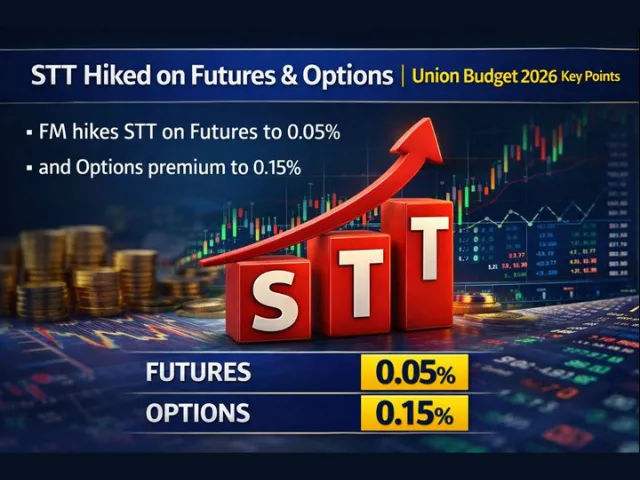
The Union Budget 2026 increased Securities Transaction Tax on derivatives trading, aiming to moderate speculative activity in futures and options markets.
Impact on markets included:
- Temporary decline in trading sentiment
- Reduced aggressive derivatives positioning
- Slight moderation in short-term liquidity
Because GIFT Nifty reflects futures positioning, this regulatory change indirectly influenced volatility patterns seen during the month.
Technical View: Key Levels Observed in February
Market behaviour during February helped define important trading zones.
Resistance Zone: 25,800 – 26,000
Repeated rejections occurred near this level.
Support Zone: 25,300 – 25,400
Institutional buying emerged consistently.
Major Positional Support: 25,000
Technical setups suggested a range-bound bullish structure, where markets corrected but quickly found buyers.
Expiry weeks especially saw sharp intraday swings due to derivatives adjustments and hedging activity.
Real Market Scenario: How Traders Experienced February
Consider a retail trader tracking GIFT Nifty daily:
Morning indication: +60 points
Market open: Gap up
Mid-session: Profit booking
Closing: Flat or marginal gain
This pattern repeated frequently.
Such conditions favor:
- Intraday traders
- Options sellers
- Swing traders using support zones
But they challenge momentum investors waiting for breakouts.
What February 2026 Means for Indian Investors
GIFT Nifty Analysis February 2026 suggests the Indian market is not weakening but preparing.
Key structural positives remain:
- India GDP expectations above 8 percent growth outlook
- Strong domestic consumption
- Continued DII liquidity support
Instead of a correction phase, markets appear to be undergoing valuation adjustment after sustained rallies.
Historically, consolidation phases often precede strong directional moves once global clarity improves.
Why Tracking GIFT Nifty Matters More Today
With increasing global participation in Indian equities, overnight developments now influence domestic markets more than ever.
GIFT Nifty helps investors:
- Prepare trading strategy before market open
- Understand global risk sentiment
- Avoid emotional decision-making at opening bell
Modern investors increasingly rely on research-backed insights rather than speculation.
Platforms offering integrated research tools, market analytics, and investor education therefore play a critical role in decision-making.
Swastika Investmart, a SEBI-registered stock broker, focuses on combining research-driven insights, technology-enabled investing platforms, and dedicated customer support to help investors interpret such market signals effectively.
Frequently Asked Questions
Is GIFT Nifty bullish or bearish in February 2026?
It remained largely range-bound, indicating consolidation rather than a clear trend.
Why was GIFT Nifty volatile in February?
Global tech correction, institutional positioning, and Budget-related derivative tax changes increased uncertainty.
Does GIFT Nifty accurately predict market direction?
It indicates opening sentiment, not full-day market movement.
How should traders use GIFT Nifty data?
Use it for pre-market preparation along with technical and institutional flow analysis.
Is consolidation good for markets?
Yes. Consolidation helps markets build a stronger base before the next rally.
Conclusion
February 2026 reminded investors that markets do not move in straight lines. GIFT Nifty reflected a month of digestion where global uncertainty met strong domestic resilience.
Despite volatility, Indian equities held crucial support levels, signaling underlying strength rather than weakness.
For investors and traders, the real edge lies in interpreting signals correctly rather than reacting emotionally.
With strong research capabilities, investor education initiatives, and technology-driven platforms, Swastika Investmart helps market participants navigate evolving market conditions with confidence.
👉 Open your trading account and stay prepared for the next market move


.webp)
.webp)

.webp)





START YOUR INVESTMENT JOURNEY
Get personalized advice from our experts
- Dedicated RM Support
- Smooth and Fast Trading App