

FII FPI & DII Trading Activity on 6 April 2026 : Key Insights from April 6, 2026


%20(3).webp)

 Add Swastika as preferred source
Understanding FII vs DII trading activity today is essential for anyone tracking the Indian stock market. On 06 April 2026, the divergence between Foreign Institutional Investors (FIIs) and Domestic Institutional Investors (DIIs) once again highlighted how global and local sentiments shape market direction.
FIIs were strong sellers, while DIIs stepped in aggressively to support the market. Let’s break down what this means and how investors should interpret these signals.
Key Highlights at a Glance
- FIIs remained net sellers, indicating cautious global sentiment
- DIIs continued strong buying, supporting market stability
- Domestic liquidity is currently cushioning foreign outflows
- Market direction may remain range-bound in the short term
FII vs DII Activity Today: Data Breakdown
On 06 April 2026, in the capital market segment:
- FIIs sold equities worth ₹7,839 crore (NSE) and ₹8,167 crore (combined exchanges)
- DIIs bought equities worth ₹7,950 crore (NSE) and ₹8,088 crore (combined exchanges)**
This clearly shows a tug-of-war between foreign selling and domestic buying.
Why Are FIIs Selling?
Foreign Institutional Investors often react to global macroeconomic factors. Key reasons behind the current selling trend include:
1. Global Uncertainty
Rising interest rates in developed economies and geopolitical tensions can trigger capital outflows from emerging markets like India.
2. Dollar Strength
A stronger US dollar reduces the attractiveness of Indian equities for FIIs.
3. Profit Booking
After recent rallies, FIIs may be locking in profits, especially in large-cap stocks.
Why Are DIIs Buying Aggressively?
Domestic Institutional Investors, including mutual funds and insurance companies, are playing a stabilizing role.
1. Strong Retail Inflows
Consistent SIP inflows into mutual funds are giving DIIs steady liquidity.
2. Long-Term Outlook
DIIs focus more on India’s long-term growth story rather than short-term volatility.
3. Market Correction Opportunities
DII buying often increases when markets dip, helping maintain balance.
Impact on Indian Stock Market
The contrasting behavior of FIIs and DIIs creates a balanced market environment.
Short-Term Impact
- Markets may remain volatile
- Sector rotation is likely
- Midcaps and smallcaps could see selective action
Long-Term Impact
- Domestic liquidity is becoming a key pillar
- Reduced dependence on foreign capital
- Stronger resilience during global shocks
Regulatory bodies like the Securities and Exchange Board of India and Reserve Bank of India continue to ensure market stability and transparency, which further strengthens investor confidence.
What Should Investors Do?
Understanding FII vs DII trends can help you make smarter investment decisions:
- Avoid panic selling during FII outflows
- Focus on fundamentally strong companies
- Use market dips as buying opportunities
- Track sector-wise FII and DII movement
Role of Swastika Investmart
In such dynamic market conditions, having the right platform and research support matters. Swastika Investmart stands out as a SEBI-registered broker offering:
- Advanced research and advisory tools
- Reliable and responsive customer support
- A tech-driven platform for seamless trading
- Strong focus on investor education
These features help investors navigate volatile markets with confidence.
Frequently Asked Questions
What is FII vs DII activity?
FII vs DII activity refers to the buying and selling of stocks by foreign and domestic institutional investors in the market.
Why do FIIs impact the market more?
FIIs bring large volumes of capital, so their buying or selling can significantly influence market trends.
Is DII buying a positive sign?
Yes, strong DII buying indicates confidence in the domestic economy and can stabilize markets during FII selling.
How can I track FII and DII data daily?
You can track it through stock exchange websites like NSE and BSE or brokerage platforms offering market insights.
Final Thoughts
The ongoing trend in FII vs DII trading activity today shows that while global investors remain cautious, domestic institutions are strongly backing the Indian market. This balance is crucial for maintaining stability.
For investors, the key is to stay informed, avoid emotional decisions, and focus on long-term growth opportunities.
If you want to make smarter investment decisions backed by research and technology, explore Swastika Investmart here:
Big Budget










.webp)
.webp)
.webp)
.webp)
.webp)
















.webp)
.webp)
.webp)
.webp)
Latest Articles

Airtel’s Big Fintech Push: What ₹20,000 Cr Investment Means for Investors


Airtel’s Big Fintech Push: What ₹20,000 Cr Investment Means for Investors
TL;DR
- Bharti Airtel plans to invest ₹20,000 crore into its NBFC arm Airtel Money
- The move signals a serious expansion into digital lending and financial services
- Airtel aims to monetize its massive telecom user base through credit products
- The development could open a new long term growth engine for the company
- Investors should track execution, asset quality, and regulatory developments
Why Airtel’s ₹20,000 Cr Fintech Move Matters
India’s telecom giant Bharti Airtel is making one of its boldest strategic shifts in recent years. By committing ₹20,000 crore to its NBFC arm Airtel Money, the company is clearly signaling that its future growth will not rely only on connectivity.
Instead, Airtel is positioning itself at the intersection of telecom, fintech, and digital credit. For investors tracking long term wealth creators in the Indian markets, this is a development that deserves close attention.
The timing is also important. Digital lending in India is expanding rapidly, driven by smartphone penetration, UPI adoption, and increasing comfort with app based financial services.
What Exactly Has Airtel Announced
Airtel has outlined a multi year capital infusion plan into Airtel Money after receiving an NBFC license from the Reserve Bank of India.
Key highlights
- Total planned investment: ₹20,000 crore
- Around 70 percent to be infused by the promoter group
- Remaining 30 percent expected from external investors
- Focus on building a scalable digital lending platform
With the NBFC license in place, Airtel Money can now legally offer loans, though it cannot accept public deposits like banks.
This regulatory approval is critical because it transforms Airtel’s financial services ambitions from experimentation into a structured business vertical.
The Strategic Logic Behind Airtel’s Fintech Push
This is not just capital allocation. It is a calculated ecosystem play.
Airtel already has several structural advantages that many fintech startups spend years trying to build.
Massive customer base
The company serves more than 380 million telecom users. This provides:
- Ready distribution
- Lower customer acquisition cost
- Deep behavioral data
In digital lending, distribution is often the biggest moat. Airtel already owns it.
Rich data for credit underwriting
Through mobile usage patterns, recharge behavior, and payment history, Airtel can build alternative credit models. This can help:
- Expand lending to thin file customers
- Improve risk based pricing
- Reduce default risk over time
Global players have successfully used this data led lending model, and Airtel appears to be following a similar path.
Strong digital ecosystem
With platforms like Airtel Thanks and its payments bank infrastructure, the company can embed credit products directly into the customer journey.
For example, a prepaid user could see a small ticket loan offer inside the app based on usage patterns. This is where embedded finance becomes powerful.
Why the Market Is Watching Closely
Investors typically reward companies that successfully open new profit pools. Digital lending offers exactly that.
Higher margin potential
Compared to telecom services, lending businesses can generate:
- Higher return on assets
- Better operating leverage
- Strong fee income streams
If executed well, this segment could meaningfully improve Airtel’s overall profitability profile.
Diversification of revenue streams
Telecom is capital intensive and highly competitive. By expanding into financial services, Airtel is reducing its dependence on pure connectivity revenues.
This diversification often leads to better long term valuation multiples.
Potential Risks Investors Should Not Ignore
While the opportunity is large, the execution risks are equally real.
Credit risk and asset quality
Digital lending growth is attractive, but poor underwriting can quickly damage balance sheets. Investors should monitor:
- Gross NPA trends
- Provisioning levels
- Collection efficiency
The Reserve Bank of India has also tightened digital lending norms in recent years, making compliance critical.
Competitive intensity
Airtel will face competition from:
- Established NBFCs
- Fintech lenders
- Large banks with digital capabilities
The market is crowded, and differentiation will depend on execution quality.
Regulatory oversight
NBFCs operate under RBI supervision. Any change in digital lending guidelines, customer protection rules, or capital norms could affect growth plans.
Impact on the Indian Market Landscape
Airtel’s entry reinforces a broader structural trend. India’s next financial leaders may not come only from traditional banking.
Companies that already control large customer ecosystems are increasingly moving into finance. Similar patterns have been seen globally where telecom and tech firms expand into lending.
For the Indian market, this could mean:
- Greater competition in small ticket lending
- Faster growth of embedded finance
- More data driven credit models
From a sectoral perspective, the move may keep fintech and NBFC valuations in focus over the medium term.
What Should Investors Track Going Forward
If you are tracking Airtel as a long term story, keep an eye on these milestones:
- Pace of loan book growth
- Early asset quality indicators
- Customer adoption inside Airtel apps
- Partnerships with external investors
- Management commentary on return ratios
Early success metrics over the next 6 to 8 quarters will be crucial in determining whether this becomes a meaningful value driver.
How Investors Can Position Themselves
For market participants, the key is disciplined evaluation rather than excitement driven decisions.
Investors should:
- Track quarterly disclosures
- Compare fintech margins with telecom margins
- Watch regulatory developments
- Avoid over extrapolating early growth numbers
Having access to strong research tools and timely insights can make a meaningful difference in navigating such structural shifts.
Why Choose Swastika Investmart for Market Insights
In a fast evolving market environment, informed decision making is critical. Swastika Investmart offers a robust ecosystem designed for both new age traders and long term investors.
With SEBI registration, advanced research tools, responsive customer support, and a tech enabled investing platform, Swastika Investmart helps investors stay ahead of market developments.
The platform also emphasizes investor education, enabling users to understand opportunities like Airtel’s fintech expansion with greater clarity.
👉 Open your account here:
https://trade.swastika.co.in/?UTMsrc=AirtelFintechPush
Frequently Asked Questions
Is Airtel Money now a bank
No. Airtel Money has received an NBFC license from the RBI. It can offer loans but cannot accept public deposits like a traditional bank.
Why is Airtel investing ₹20,000 crore
The investment is aimed at building a large scale digital lending and financial services business to unlock a new growth engine.
Is this positive for Airtel stock
Strategically, it is a positive long term move. However, near term stock movement will depend on execution, asset quality, and market conditions.
What risks should investors watch
Key risks include credit quality deterioration, regulatory changes, and intense competition in the digital lending space.
How long before results become visible
Meaningful financial impact typically takes a few years in lending businesses. Investors should monitor progress over the next 2 to 3 years.
Final Thoughts
Airtel’s ₹20,000 crore fintech push marks a significant strategic evolution. The company is clearly aiming to transform from a pure telecom operator into a broader digital financial ecosystem player.
If executed with discipline, the move could unlock a powerful new growth lever. However, as with any lending business, the real test will lie in underwriting quality and risk management.
For investors, this is a story worth tracking closely rather than reacting to impulsively. Staying informed with credible research and the right investing platform can make all the difference in capturing long term opportunities.
To explore such market opportunities with confidence, consider starting your journey with Swastika Investmart.
Omnitech Engineering IPO Analysis: High-Growth Engineering Play or Overvalued Bet?
TL;DR
• Omnitech Engineering is a precision engineering player with strong export clients
• FY25 revenue jumped 92 percent with EBITDA margin above 34 percent
• IPO valued at around 50x to 53x P/E, which is premium but below some peers
• Debt level and customer concentration remain key risks
• Suitable mainly for growth focused investors with medium term horizon
Omnitech Engineering IPO Overview
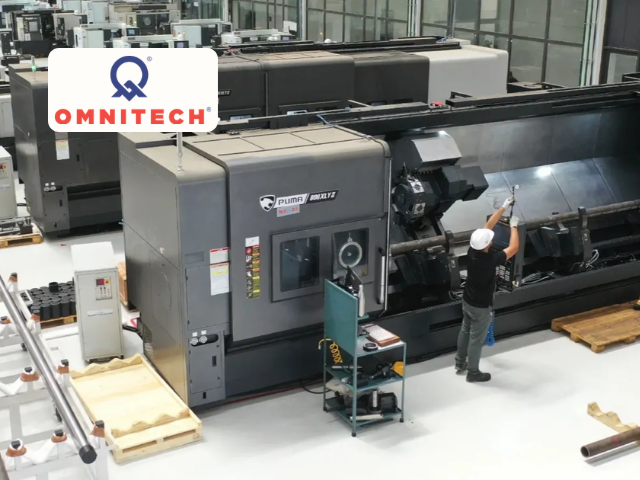
The Omnitech Engineering IPO has started attracting attention among investors looking for opportunities in the Make in India manufacturing theme. The company operates in precision engineering and industrial automation, supplying critical components used in safety critical applications across industries.
With strong revenue growth and healthy margins, the issue positions itself as a high growth mid cap engineering play. However, valuation comfort and balance sheet risks need careful evaluation before applying.
Company Background and Business Model
Omnitech Engineering is a manufacturing and engineering solutions company specializing in precision engineered components, turnkey automation solutions and customized mechanical systems for various industries.
In simple terms, the company manufactures highly accurate industrial parts that are used in sectors such as energy, automation and industrial equipment.
Key Business Highlights
• Nearly two decades of industry experience
• Customers across 24 countries
• Strong focus on safety critical applications
• Integrated manufacturing facilities in Gujarat
The company’s business model revolves around customized precision machining, value added assemblies and long term client partnerships. This creates sticky relationships but also leads to customer concentration risk.
Omnitech Engineering IPO Details
ParticularDetailsIPO Open DateFeb 25, 2026IPO Close DateFeb 27, 2026Price Band₹216 to ₹227Lot Size66 sharesIssue Size₹583 croreFresh Issue₹418 croreOFS₹165 croreListingBSE and NSE
Issue Structure
• QIB portion: 50 percent
• NII portion: 15 percent
• Retail portion: 35 percent
Financial Performance: Strong Growth Momentum
Omnitech has delivered impressive growth in recent years, which is the biggest attraction of this IPO.
Revenue Growth
• FY23 Revenue: ₹183.71 crore
• FY24 Revenue: ₹181.95 crore
• FY25 Revenue: ₹349.71 crore
FY25 revenue jumped about 92 percent year on year, indicating strong order execution and demand visibility.
Profitability
• FY25 Net Profit: ₹43.87 crore
• FY24 Net Profit: ₹18.91 crore
• EBITDA Margin FY25: 33.64 percent
Margins above 34 percent place the company in the healthy profitability zone for a mid size engineering firm. However, investors should watch whether such high margins are sustainable.
Objects of the Issue
The company plans to utilize IPO proceeds for:
• Debt repayment or prepayment
• Capex for new facilities and expansion
• General corporate purposes
Reducing debt is positive, but expansion execution will be key to future growth.
Competitive Strengths
Strong Engineering Capabilities
Omnitech has built expertise in high precision components used in safety critical applications, which typically have higher entry barriers.
Global Customer Base
The company exports to multiple countries and maintains long term client relationships, supporting revenue visibility.
Integrated Manufacturing Setup
Advanced machining capabilities in Gujarat help maintain quality control and operational efficiency.
Experienced Promoter Led Management
Nearly two decades of industry experience provides execution comfort.
Key Risks Investors Must Watch
High Customer Concentration
Revenue dependence on top clients may create volatility if any major customer is lost.
Geographic Concentration
Manufacturing facilities are concentrated in Rajkot, Gujarat, increasing operational risk.
Elevated Debt Levels
The company carries significant borrowings with debt to equity around 1.60x, which needs monitoring.
Forex Exposure
Export oriented business exposes the company to currency fluctuations.
Execution Risk
Capacity expansion and new facilities always carry cost and timeline risks.
Valuation Check: Is the Pricing Reasonable
At the upper price band of ₹227:
• Post issue P/E: approximately 50x to 53x
• Pre issue P/E: about 54x
• ROCE FY25: around 9 percent
The valuation appears premium for a mid cap engineering firm but still lower than some listed peers such as Azad Engineering and MTAR Technologies. This positions Omnitech as a potential growth at reasonable price opportunity, but not a cheap IPO.
Industry and Market Context
India’s precision engineering and industrial automation space is benefiting from multiple structural drivers:
• Make in India push
• China plus one strategy
• Rising global outsourcing
• Automation demand in manufacturing
• Energy transition investments
Companies supplying safety critical components are seeing increasing global demand. However, competition from established players remains intense.
Should You Apply to Omnitech Engineering IPO
Positive Factors
• Strong FY25 growth momentum
• Healthy EBITDA margins
• Export oriented business
• Beneficiary of Make in India theme
• Capacity expansion for future growth
Concern Areas
• Premium valuation
• High debt levels
• Customer concentration risk
• Execution risk in expansion
Investor Suitability
Best suited for growth focused investors with a 2 to 3 year horizon who are comfortable with mid cap risk.
How Swastika Investmart Helps IPO Investors
Applying to IPOs becomes much easier when you have the right research and execution support. Swastika Investmart, a SEBI registered broker, offers:
• Advanced research tools and IPO insights
• Seamless tech enabled investing platform
• Dedicated customer support
• Strong investor education ecosystem
Open your account here:
https://trade.swastika.co.in/?UTMsrc=OmnitechEngineeringIPO
Frequently Asked Questions
Is Omnitech Engineering IPO good for listing gains
Listing gains depend on subscription demand and market sentiment. Fundamentals are strong but valuation is not very cheap.
What is the price band of Omnitech Engineering IPO
The price band is ₹216 to ₹227 per share.
What are the biggest risks in this IPO
Key risks include high customer concentration, elevated debt and execution risks in expansion.
Is the company profitable
Yes, the company reported ₹43.87 crore net profit in FY25 with EBITDA margin above 33 percent.
Who should consider applying
Investors with medium term horizon and appetite for growth oriented manufacturing plays may consider it.
Final Verdict
The Omnitech Engineering IPO presents a compelling growth story backed by strong revenue momentum and healthy margins. The company is well positioned to benefit from India’s manufacturing push and global outsourcing trends.
However, the premium valuation, high debt and customer concentration risks cannot be ignored. Investors should approach this IPO with a medium term perspective rather than purely for listing gains.
For investors who believe in the precision engineering theme, Omnitech can be a selective bet. Disciplined investors may prefer to evaluate post listing price action before taking large exposure.
If you want research backed IPO insights and a smooth investing experience, Swastika Investmart can be a reliable partner in your wealth creation journey.

PNGS Reva Diamond Jewellery IPO Review: Affordable Luxury Play — Apply or Avoid?
Quick Snapshot
- Revenue and profits have grown steadily over three years.
- EBITDA margins remain strong compared to industry peers.
- IPO valuation appears aggressive in the short term.
- Expansion plan includes 15 new stores and digital growth push.
- Suitable mainly for long term investors, not listing gain seekers.
IPO Overview and Key Details
The PNGS Reva Diamond Jewellery IPO has entered the primary market at a time when India’s luxury consumption segment is expanding rapidly. Rising disposable income, urbanization, and wedding demand are fueling growth in jewellery retail, making niche brands attractive to investors.
Key issue highlights
- Price band: ₹367 to ₹386 per share
- Lot size: 32 shares
- Issue opens: February 24, 2026
- Issue closes: February 26, 2026
- Listing date: March 4, 2026
- Pre issue market cap: about ₹1,224 crore
Quota allocation shows strong institutional participation with 75 percent reserved for QIBs, 15 percent for NIIs, and 10 percent for retail investors.
About the Company
PNGS Reva Diamond Jewellery operates in the design led diamond jewellery segment, offering products crafted using diamonds, gold, platinum, and precious stones.
Its strategy focuses on affordable luxury jewellery targeting aspirational consumers who want premium designs at accessible price points. The company operates company owned and franchise stores across Maharashtra, Gujarat, and Karnataka.
A unique aspect of its business model is the shop in shop format inside promoter owned retail outlets. This approach reduces capital expenditure and helps leverage existing footfall.
Financial Performance Analysis
Revenue Growth
Revenue increased from ₹199.35 crore in FY23 to ₹259.11 crore in FY25, showing steady expansion.
Consistent top line growth suggests rising brand acceptance and successful store scaling.
Profitability
Net profit reached ₹59.47 crore in FY25 versus ₹42.41 crore in FY24.
EBITDA margin stood at 30.7 percent, indicating strong operational efficiency for a retail jewellery company.
Return on equity for FY25 was about 18.3 percent, which reflects improving capital productivity.
Balance Sheet Trend
Net worth improved significantly from negative territory in earlier years to ₹100.19 crore in FY25, suggesting a turnaround in financial strength.
Valuation Check
The pre IPO EPS is ₹35.21 and post issue P/E is about 10.96 times.
At first glance, this valuation looks attractive relative to listed peers such as
- Tribhovandas Bhimji Zaveri Ltd
- Thangamayil Jewellery Ltd
- Senco Gold Limited
However, despite strong margins, analysts believe pricing appears slightly aggressive considering its scale and regional concentration.
Objects of the Issue
Funds raised will be used for
- Opening 15 new exclusive stores
- Brand promotion and marketing
- General corporate purposes
Expansion driven IPOs are common in retail businesses because store rollout directly impacts revenue growth. If executed well, this strategy can multiply earnings over time.
Competitive Advantages
Strong promoter backing
The company benefits from the legacy of P. N. Gadgil & Sons, strengthening brand trust.
Focused product strategy
Unlike traditional jewellers offering everything, the brand specializes in diamond jewellery, helping build niche positioning.
Asset light expansion
Shop in shop retail format reduces rental and infrastructure costs, improving margins.
Design driven portfolio
Products cater to different budgets and occasions, widening target audience.
Key Risks Investors Must Consider
Every IPO comes with uncertainties. Here are the main ones
- Heavy dependence on Maharashtra market for revenue
- Rising competition from lab grown diamonds
- Reliance on a few suppliers for inventory sourcing
- Execution risk in scaling new stores
- Brand reputation dependence on promoter group
Such risks are common in retail expansion stories where growth relies heavily on execution quality.
Industry Outlook and Market Context
India is one of the largest jewellery markets globally, driven by weddings, festivals, and cultural demand. Organized jewellery retailers are gaining share from local unorganized stores due to transparency, hallmarking regulations, and brand trust monitored by the Securities and Exchange Board of India and other authorities.
Premium yet affordable brands like PNGS Reva are targeting young urban consumers who prefer lightweight diamond jewellery for daily wear rather than heavy traditional pieces.
Should You Apply or Avoid?
Short term investors seeking listing gains may find limited upside because valuation leaves little margin of safety.
Long term investors who believe in India’s branded jewellery growth story and the company’s expansion strategy may consider tracking it after listing.
In simple terms
- Traders may avoid for quick gains
- Long term investors can monitor and accumulate gradually
FAQs
Is PNGS Reva IPO good for listing gains?
The valuation appears aggressive, so short term listing gains may be limited.
What is the company’s biggest strength?
Strong margins and asset light expansion model.
What is the major risk?
High dependence on a single region and supplier concentration.
How will IPO funds be used?
Mainly for opening new stores and brand promotion.
Is the jewellery sector growing in India?
Yes, rising incomes and urban demand are driving organized jewellery retail growth.
Final Verdict
The PNGS Reva Diamond Jewellery IPO presents a classic growth versus valuation situation. The company shows strong financial improvement, solid margins, and a focused brand strategy. However, pricing already reflects much of this optimism, which reduces short term upside potential. Investors should evaluate their time horizon before applying rather than following market hype.
For investors who want research backed insights, advanced screening tools, and guided decision making, platforms like Swastika Investmart offer a strong ecosystem supported by SEBI registration, powerful research tools, responsive support, and investor education resources.

ABB India Fundamental Analysis: Growth, Valuation & Long-Term Potential
Quick Summary
- Revenue rose 8 percent in CY2025 while orders hit a record high.
- Margins dipped due to cost inflation but order backlog remains strong.
- Debt free balance sheet with solid cash reserves.
- Valuation looks premium yet aligns with historical trading range.
- Long term outlook tied to India’s infrastructure and electrification push.
Introduction
ABB India fundamental analysis has become a hot topic among investors as the engineering major enters a new growth phase backed by record order inflows and structural demand from infrastructure sectors. With a 75 year manufacturing legacy in the country, the company has established itself as a core player in electrification, automation, and industrial technology. The key question investors are asking today is simple: does the current valuation justify its long term potential?
Business Overview and Market Position
ABB India is a listed subsidiary of the global ABB Group and operates across electrification, motion, process automation, and robotics technologies. Its solutions power industries ranging from railways and renewable energy to data centers and manufacturing.
The company benefits from strong brand equity, advanced technology partnerships, and a wide client base that includes government infrastructure projects and private industrial players. Such diversification reduces dependence on any single sector and improves earnings stability.
Financial Performance Snapshot
Revenue and Orders
In CY2025, revenue reached ₹13,203 crore, reflecting 8 percent year on year growth. Even more impressive was the order inflow, which climbed to ₹14,115 crore, driven by a sharp 52 percent surge in the fourth quarter alone. This indicates strong demand visibility.
Profitability Trends
Profit After Tax stood at ₹1,669 crore, roughly 11 percent lower than the previous year. The decline was mainly due to higher material costs and a one time employee provision of ₹65.94 crore. Profit Before Tax margin moderated to 16.9 percent from 20.6 percent earlier.
While the drop may look concerning at first glance, it is important to note that margin compression in capital goods companies often occurs during cost inflation cycles and tends to normalize once commodity prices stabilize.
Order Backlog Strength
The company closed 2025 with an order backlog of ₹10,471 crore. For investors, this acts as a revenue visibility cushion because it ensures future execution pipelines.
Strategic Shift: Robotics Divestment
In January 2026, ABB India sold its robotics division for about ₹1,568 crore to a related entity. The robotics business contributed only 3.6 percent of turnover, so the sale is viewed as a strategic move rather than a loss of capability.
The objective is to sharpen focus on higher margin segments like electrification and automation. This aligns with global restructuring initiatives and improves capital allocation efficiency.
Valuation Analysis
At around 76 times trailing earnings, the stock trades at a premium multiple. However, its ten year average valuation is close to 74.9 times, meaning the current level is not significantly above historical norms.
High quality industrial technology companies often command premium valuations due to:
- Strong entry barriers
- Long term contracts
- Specialized engineering capabilities
- Limited listed peers
Compared with industry players like Siemens India and Schneider Electric, the valuation appears consistent with sector trends rather than excessive.
Balance Sheet Strength
One of the strongest pillars of the ABB India investment case is its financial stability.
- Zero debt balance sheet
- Cash reserves of ₹5,694 crore
- Dividend payout of ₹39.36 per share for 2025
A debt free structure provides flexibility to invest in growth, manage downturns, and return capital to shareholders.
Key Growth Drivers
Infrastructure Boom in India
Government initiatives such as Make in India and the National Infrastructure Pipeline are boosting demand for electrification and automation equipment. Large scale railway electrification, metro expansion, and renewable energy integration projects directly benefit companies like ABB India.
Data Center Expansion
India’s digital economy is expanding rapidly, leading to strong investment in data centers. These facilities require reliable power management systems, an area where ABB India has strong expertise.
Local Manufacturing Advantage
The company’s domestic manufacturing footprint allows it to produce close to customers, reducing logistics costs and supply chain disruptions. This has become especially valuable after global supply chain shocks seen in recent years.
Sustainability Leadership
A large share of the company’s facilities are water positive and classified as zero waste to landfill. Strong environmental metrics attract institutional investors who increasingly consider ESG factors.
Risks Investors Should Watch
Even fundamentally strong companies face risks, and investors should keep these factors in mind.
Commodity Price Volatility
Rising copper and steel prices can pressure margins since these materials are key inputs.
Valuation Sensitivity
When stocks trade near highs, even small disappointments in earnings can trigger corrections.
Competitive Pressure
Global and domestic engineering firms constantly compete for infrastructure contracts, which may impact pricing power.
Real Market Context
The Indian capital goods sector has historically performed well during economic expansion cycles. For example, during previous infrastructure upcycles, companies involved in power equipment and automation saw strong order growth followed by multi year earnings expansion.
ABB India appears positioned similarly today, benefiting from structural demand rather than cyclical spikes.
What Type of Investor Should Consider ABB India?
- Long term investors seeking exposure to infrastructure growth themes
- Portfolio builders looking for high quality industrial stocks
- Dividend investors wanting stable payouts
Short term traders may find the valuation demanding, but patient investors often focus on execution visibility and balance sheet strength.
FAQs
Is ABB India a fundamentally strong company?
Yes, it has a strong balance sheet, healthy order book, and leadership in industrial automation.
Why is the stock valuation high?
Premium valuation reflects its technology edge, stable earnings profile, and scarcity of similar listed companies.
Does robotics divestment weaken growth?
Not really. The segment contributed a small share of revenue and the sale improves focus on core segments.
What are the biggest risks?
Commodity cost inflation, competition, and valuation sensitivity to earnings growth.
Is ABB India suitable for long term investing?
Investors with a long horizon who believe in India’s infrastructure growth story may find it suitable after proper analysis.
Final Thoughts
ABB India combines strong fundamentals, a clean balance sheet, and structural growth tailwinds from India’s industrial expansion. While the valuation is not cheap, it remains aligned with historical averages, suggesting the market continues to price in its quality and long term potential. For investors, the decision should depend on risk tolerance, investment horizon, and portfolio strategy rather than short term price movements.
For those who want research backed insights, real time analytics, and expert guidance, platforms like Swastika Investmart offer a strong ecosystem with SEBI registration, advanced tools, reliable support, and investor education resources.
You can start your investing journey here:

IDFC First Bank Flags ₹590 Crore Discrepancy at Chandigarh Branch: Should Investors Worry?
TL;DR
- IDFC First Bank reported a ₹590 crore discrepancy at its Chandigarh branch.
- The issue relates to accounting irregularities, not a systemic banking failure.
- The bank has initiated internal checks and informed regulators.
- Short term sentiment may stay cautious, but fundamentals matter more for long term investors.
What Happened at IDFC First Bank?
IDFC First Bank recently disclosed a ₹590 crore discrepancy discovered at its Chandigarh branch during internal reconciliation. According to initial findings, the mismatch appears linked to irregular accounting entries rather than a liquidity or solvency issue. The bank has already launched a detailed investigation and notified regulators, including the Reserve Bank of India.
Events like this are not common but they are not unheard of in banking. Even well governed institutions sometimes uncover branch level issues during audits or reconciliation cycles. The key factor for investors is not just the discrepancy but how management responds.
Understanding the Nature of the Discrepancy
Accounting issue vs financial crisis
It is important to separate perception from reality. A discrepancy does not automatically mean fraud or financial distress. In many cases, such gaps arise from delayed entries, reconciliation errors, or procedural lapses.
For example, several Indian banks in the past have reported localized accounting mismatches that were later resolved without affecting depositors or overall profitability. What matters most is whether the issue is isolated or systemic.
Why investors should watch carefully
Investors should track three factors closely:
- Whether the amount changes after audit review
- Whether senior management commentary remains transparent
- Whether regulators issue any supervisory remarks
Clear communication often prevents panic selling.
Immediate Market Reaction and Sentiment
Markets tend to react quickly to negative headlines, especially in the banking sector where trust is the backbone. News about discrepancies can trigger short term volatility in stock prices because traders price in uncertainty.
However, experienced investors often wait for clarity before making decisions. If the issue remains limited to a single branch and does not affect capital adequacy, asset quality, or deposits, the long term impact may remain limited.
Regulatory Framework and Investor Protection
India’s banking system operates under strict supervision. The Reserve Bank of India regularly conducts inspections, stress tests, and compliance checks. Listed banks must also disclose material developments to stock exchanges under rules monitored by the Securities and Exchange Board of India.
These layers of oversight are designed to protect investors and depositors. When discrepancies are reported promptly, it often signals that internal controls are functioning rather than failing.
Financial Strength Still Matters More
Before reacting emotionally to news, investors should review fundamentals such as:
- Net interest margin trends
- Loan growth trajectory
- Asset quality metrics like GNPA and NNPA
- Capital adequacy ratio
If these remain stable, a one time operational issue usually does not change the long term thesis.
For instance, a bank with strong retail growth, improving CASA ratio, and steady profitability can absorb temporary setbacks better than a weak institution.
Real World Context from Indian Markets
Indian markets have seen similar situations before. In several past cases across sectors, companies disclosed internal discrepancies or audit observations. Stocks initially corrected but later recovered once clarity emerged and governance actions were taken.
Seasoned investors often treat such dips as opportunities if they believe the core business remains intact.
Should Investors Be Worried?
Short term view
Short term traders may expect volatility because sentiment driven selling can occur. News flow, analyst commentary, and management updates will drive price movement.
Long term view
Long term investors should focus on fundamentals rather than headlines. Key questions to ask:
- Is the issue isolated?
- Is management transparent?
- Are auditors satisfied?
- Does it affect earnings materially?
If answers remain reassuring, panic selling may not be justified.
Risk Factors to Monitor Going Forward
Investors should track upcoming quarterly results and disclosures for:
- Any revised financial impact
- Changes in provisions or write offs
- Internal control improvements
- Regulatory observations
Monitoring these signals helps investors separate temporary noise from structural risk.
Smart Investing During Uncertain News
Periods of uncertainty test investor discipline. Instead of reacting to every headline, structured analysis is more effective. This includes reviewing financial statements, listening to management calls, and comparing valuations with peers.
Having access to reliable research tools and advisory platforms can make this process easier. Many investors prefer platforms like Swastika Investmart because of their SEBI registration, strong research support, responsive customer service, and tech driven investing tools. Their investor education resources also help users understand market events without panic.
Frequently Asked Questions
Is ₹590 crore a large amount for a bank?
It depends on the bank’s balance sheet size. For a large bank, this may be manageable if it is a one time adjustment.
Does this discrepancy affect depositors?
There is no indication of deposit risk. The issue appears accounting related and under review.
Will regulators take action?
Regulators typically assess disclosures and internal controls. Action is taken only if violations are found.
Should investors sell immediately?
Not necessarily. Decisions should be based on fundamentals, not just headlines.
What should investors watch next?
Audit findings, management commentary, and quarterly results will be key.
Final Thoughts
The news that IDFC First Bank flagged a ₹590 crore discrepancy has created understandable concern, but context matters. Early disclosure, regulatory reporting, and internal investigation suggest that the situation is being handled responsibly. Short term volatility is possible, yet long term investors should evaluate whether the core business remains strong before making decisions.
If you want expert research insights, advanced tools, and guided investing support, consider opening an account with Swastika Investmart today:

ABB India Results: Should Investors Stay Bullish?
TL;DR
- Q4 revenue of ₹3,557 crore beats estimates, but net profit declines 18% YoY.
- EBITDA falls 17%, operating margin contracts to 15.3% amid cost pressures.
- Q4 orders surge 52%, highest in five years, indicating strong demand momentum.
- FY25 sees record orders of ₹14,115 crore and revenue of ₹13,203 crore.
- Dividend declared at ₹29.59/share, reflecting confidence despite margin pressures.
ABB India Results: Should Investors Stay Bullish?
ABB India Ltd recently announced its Q4 FY25 results, stirring discussions among investors and analysts. While revenue growth exceeded market expectations, profitability faced headwinds due to rising input and labor costs. With a record order book and a healthy dividend, the question remains: is ABB India a stock to stay bullish on for the medium-to-long term?
Revenue and Profit Performance
ABB India reported revenue of ₹3,557 crore in Q4, up 5.7% YoY and exceeding the CNBC-TV18 estimate of ₹3,436.2 crore. This is a positive indicator of sustained demand for ABB’s automation, electrification, and robotics solutions in India’s industrial and infrastructure sectors.
However, net profit fell 18% YoY to ₹433 crore, missing analyst expectations of ₹442.6 crore. EBITDA declined 17% to ₹545.6 crore, and operating margins contracted sharply to 15.3% from 19.5% last year, reflecting pressures from material-cost inflation and higher labor costs, including compliance with new labor codes.
While profitability took a hit, the revenue beat demonstrates that ABB’s core business demand remains resilient, driven by automation and electrification needs in Indian industries.
Record Order Inflow Signals Growth
A standout feature of ABB India’s Q4 results was the 52% jump in order inflows, marking the highest Q4 order intake in five years. This was fueled by broad-based demand across sectors and the timing of certain large projects.
For the full calendar year 2025, ABB India reported record orders of ₹14,115 crore and revenue of ₹13,203 crore, both up 8% YoY. Profit before tax margin stood at 16.9%, and return on capital employed reached 21%, reflecting strong operational efficiency despite margin pressures.
This order momentum indicates healthy pipeline visibility, which could translate into sustained revenue growth in upcoming quarters. For comparison, companies like Siemens India and Schneider Electric India also rely on order book growth as a proxy for long-term revenue potential. ABB’s robust order inflow positions it well relative to peers in industrial automation.
Dividend Highlights and Investor Confidence
The board recommended a final dividend of ₹29.59 per share, subject to shareholder approval. This is significant as it signals management confidence in cash flows and financial health, even during a period of margin pressure.
For long-term investors, consistent dividend payouts combined with strong order books enhance ABB India’s attractiveness as a blue-chip industrial stock.
Market and Cost Pressures
The decline in margins and net profit is largely due to:
- Material-cost inflation: Rising steel, copper, and electronics prices impact manufacturing costs.
- Labor costs: New labor codes and increased workforce expenses add to operating costs.
- Margin compression: Despite strong revenue, input costs reduce profitability.
Investors should consider these factors in the context of India’s industrial growth and renewable energy infrastructure spending, which continue to support ABB’s core business.
Expert Analysis: Bullish or Cautious?
ABB India’s results highlight a classic scenario of revenue growth versus margin pressure. Key takeaways for investors:
Positives:
- Record order inflows indicate strong future revenue visibility.
- Revenue growth exceeded market expectations.
- Healthy dividend signals management confidence.
Concerns:
- Profitability and operating margins under pressure.
- Input-cost inflation and labor expenses may persist.
- Competitive pressures in industrial automation could limit pricing power.
Overall, the stock appears suitable for medium-to-long-term investors, especially those bullish on India’s industrial automation and infrastructure expansion. Short-term traders or margin-focused investors may want to exercise caution.
Real-World Context and Market Impact
India is currently experiencing robust industrial activity and infrastructure spending, supported by government initiatives like Make in India, National Infrastructure Pipeline (NIP), and renewable energy expansion. ABB India, with its automation and electrification portfolio, is well-positioned to benefit.
For example, ABB’s solutions in industrial robotics, smart grids, and renewable energy integration align with India’s push for efficiency, sustainability, and digital transformation. Investors should view ABB’s results as a barometer for industrial automation trends in India rather than short-term stock performance.
FAQs
1. Why did ABB India’s net profit decline despite higher revenue?
Profit fell due to material-cost inflation and higher labor expenses, which compressed EBITDA margins.
2. How significant is the 52% Q4 order growth?
It represents the highest Q4 order intake in five years, signaling strong demand visibility for the next quarters.
3. Is ABB India a good stock for dividend income?
Yes, the company declared a final dividend of ₹29.59 per share, showing consistent shareholder returns.
4. Should investors focus on short-term gains from this stock?
ABB India is more suited for medium-to-long-term investors due to strong order pipelines but margin pressures limit short-term upside.
5. How does ABB India compare with peers in industrial automation?
ABB’s diversified portfolio and record order book position it competitively, though margin pressures are industry-wide challenges affecting all peers.
Conclusion
ABB India’s Q4 FY25 results demonstrate a resilient revenue growth story, robust order inflows, and shareholder-friendly dividends, though profitability remains under pressure. Investors with a long-term view on India’s industrial automation and electrification may find ABB India an attractive addition to their portfolio.
For reliable research, market insights, and seamless investing, platforms like Swastika Investmart offer SEBI-registered tools, strong customer support, tech-enabled trading, and investor education resources to make informed investment decisions.


.webp)
.webp)

.webp)





START YOUR INVESTMENT JOURNEY
Get personalized advice from our experts
- Dedicated RM Support
- Smooth and Fast Trading App
