

Stock Market Midday Live Updates 2 April 2026: India Market Crash Today & Why Nifty 50 and Sensex Fell Sharply


.png)

 Add Swastika as preferred source
The India market crash today has caught investors off guard, with benchmark indices witnessing a steep decline. The Nifty 50 slipped below key levels while the Sensex saw a sharp drop, reflecting panic across sectors. This sudden sell-off has raised concerns about market stability and near-term outlook.
Let’s break down what triggered this fall and what it means for investors.
Key Highlights
- Nifty 50 and Sensex fell over 1.5 percent amid global uncertainty
- Banking and financial stocks led the decline
- Geopolitical tensions triggered risk-off sentiment
- IT stocks showed relative strength against broader weakness
What Caused the India Market Crash Today
Global Geopolitical Tensions
The primary trigger behind the India market crash today is rising geopolitical uncertainty. Escalating tensions in the Middle East have shaken global markets, leading to a risk-off environment. Investors typically move funds away from equities during such periods, impacting emerging markets like India.
Weak Global Cues
Asian and European markets also traded lower, influencing Indian benchmarks. Foreign Institutional Investors tend to reduce exposure during global uncertainty, leading to heavy selling pressure in frontline stocks.
Sharp Selling in Banking Stocks
Banking stocks, especially those in the Nifty Bank index, faced intense selling. Financial stocks often react quickly to macroeconomic uncertainty due to their exposure to credit cycles and liquidity conditions.
Profit Booking After Recent Rally
Markets had rallied strongly in recent sessions. The sudden fall also reflects profit booking by traders and institutional investors who locked in gains.
Sector-Wise Impact
Banking and Financial Services
This sector was the biggest loser. Stocks in NBFCs and private banks declined sharply as investors turned cautious.
FMCG and Pharma
Defensive sectors like FMCG and pharmaceuticals showed relatively smaller losses. These sectors usually perform better during market volatility due to stable demand.
IT Sector Resilience
Interestingly, IT stocks managed to stay in the green. A weaker rupee and strong global demand outlook supported the sector.
Regulatory Perspective and Market Stability
The Securities and Exchange Board of India plays a crucial role in maintaining market integrity during volatile periods. Circuit filters, surveillance mechanisms, and margin requirements help prevent extreme panic selling.
Additionally, the Reserve Bank of India monitors liquidity and ensures stability in the financial system. Both institutions act as safeguards during periods of heightened volatility.
What Should Investors Do Now
Stay Calm and Avoid Panic Selling
Market corrections are a normal part of investing. Panic selling often leads to losses and missed recovery opportunities.
Focus on Fundamentals
Invest in fundamentally strong companies with stable earnings and good governance. Long-term investors should view corrections as buying opportunities.
Diversify Your Portfolio
Diversification across sectors like IT, pharma, and FMCG can reduce risk during volatile phases.
Use Reliable Platforms
Choosing a trusted broker is critical during such times. Platforms like Swastika Investmart offer strong research tools, real-time insights, and a tech-driven interface to help investors make informed decisions. Being a SEBI-registered broker, it ensures compliance and transparency, while also focusing on investor education.
FAQs
Why did the Indian stock market fall today
The market fell due to global geopolitical tensions, weak international cues, and heavy selling in banking stocks.
Is this a good time to invest in stocks
Yes, long-term investors can consider buying quality stocks at lower valuations during market corrections.
Which sectors performed better during the crash
Defensive sectors like IT, FMCG, and pharma showed relative strength compared to banking and financial stocks.
How do regulators control market crashes
SEBI uses mechanisms like circuit breakers and surveillance systems, while RBI ensures liquidity stability in the financial system.
Conclusion
The India market crash today highlights how global events can quickly impact domestic markets. While the fall may seem alarming, it also presents opportunities for disciplined investors. Staying informed, focusing on fundamentals, and avoiding emotional decisions are key to navigating such volatility.
If you’re looking to make smarter investment decisions with expert-backed insights, explore a reliable platform like Swastika Investmart and take your investing journey forward
Big Budget









.webp)
.webp)
.webp)
.webp)
.webp)













.webp)
.webp)
.webp)
.webp)
Latest Articles
Brutal Selloff in Gold & Silver: Why Precious Metals Crashed in an Exceptionally Volatile Session?


TL;DR Summary
- Gold and silver prices witnessed a sharp intraday crash amid global risk repricing
- Strong US dollar and rising bond yields triggered heavy profit booking
- Indian MCX prices mirrored global weakness with heightened volatility
- Regulatory norms and margin pressures amplified short-term selling
A Sudden Shock for Precious Metal Investors
The brutal selloff in gold and silver caught many investors off guard. Precious metals, often considered safe-haven assets during uncertainty, witnessed steep declines in a single trading session marked by extreme volatility. Gold prices slipped sharply while silver faced an even deeper fall, triggering stop losses across global and Indian markets.
For Indian investors tracking MCX gold and silver contracts or holding ETFs and sovereign gold bonds, the sudden move raised an important question. Why did precious metals crash when geopolitical and economic risks still remain elevated?
To understand this, one must look beyond headlines and into the confluence of global macro triggers, speculative positioning, and domestic market dynamics.
What Triggered the Brutal Selloff in Gold and Silver?
Strong US Dollar and Rising Bond Yields
One of the primary reasons behind the crash in precious metals was the sharp rise in the US dollar index. Gold and silver are priced in dollars globally, and a stronger dollar makes them more expensive for non-US buyers, reducing demand.
At the same time, US Treasury yields surged as markets reassessed the likelihood of interest rate cuts. Higher yields increase the opportunity cost of holding non-interest-bearing assets like gold, leading institutional investors to rotate capital into bonds.
Historically, such phases have often resulted in short but violent corrections in precious metals, and this session was no different.
Hawkish Central Bank Expectations
Despite earlier optimism around rate cuts, recent macroeconomic data suggested that inflation may remain sticky. This prompted markets to push back expectations of aggressive monetary easing by global central banks.
When central banks maintain a hawkish stance, gold typically faces pressure. Silver, being both a precious and industrial metal, tends to amplify the move, which explains its sharper decline during the session.
Heavy Profit Booking After a Strong Rally
Crowded Long Positions Unwound
Before the crash, gold and silver had rallied strongly over the past few months. This led to a build-up of leveraged long positions across futures markets.
When prices started slipping, algorithmic trading systems and hedge funds triggered stop losses, accelerating the fall. Such cascading exits are common during volatile sessions and often exaggerate price movements beyond fundamentals.
This was a classic example of how sentiment-driven markets can reverse sharply even without a major negative headline.
Impact on Indian Markets and MCX Prices
MCX Gold and Silver Reflect Global Weakness
In India, MCX gold and silver prices tracked global cues closely. MCX silver saw heightened volatility, while gold slipped despite steady physical demand from jewellers.
The fall came at a time when Indian investors were already cautious due to fluctuating rupee movements and margin requirements. A strengthening dollar also put pressure on the rupee, partially cushioning gold’s fall in domestic terms but not enough to prevent losses.
Role of Indian Regulations and Margins
The Securities and Exchange Board of India mandates dynamic margin adjustments during high volatility. As price swings intensified, higher margins forced some retail traders to cut positions, adding to selling pressure.
This regulatory mechanism, while essential for systemic stability, can temporarily deepen corrections during volatile sessions.
Should Indian Investors Be Worried?
Short-Term Volatility vs Long-Term Role of Gold
While the brutal selloff in gold and silver was unsettling, it does not necessarily invalidate the long-term case for precious metals. Gold continues to act as a hedge against currency depreciation, geopolitical risks, and systemic stress.
For long-term investors, such corrections often present opportunities rather than threats, provided allocations are aligned with financial goals and risk tolerance.
Silver, on the other hand, tends to remain more volatile due to its industrial linkage, making disciplined position sizing crucial.
How Swastika Investmart Helps Investors Navigate Volatility
Periods like these highlight the importance of research-backed decision-making. Swastika Investmart, a SEBI-registered brokerage, equips investors with robust research tools, real-time market insights, and expert commentary across commodities and other asset classes.
With strong customer support, tech-enabled trading platforms, and a focus on investor education, Swastika helps traders and investors navigate volatile sessions with clarity rather than panic.
Instead of reacting emotionally to sudden selloffs, informed strategies backed by data and expert guidance make all the difference.
Frequently Asked Questions
Why did gold fall despite global uncertainty?
Gold fell due to a stronger US dollar, rising bond yields, and profit booking after a strong rally, outweighing safe-haven demand in the short term.
Why is silver more volatile than gold?
Silver has a dual role as a precious and industrial metal, making it more sensitive to economic expectations and speculative trading.
Did the rupee movement impact Indian gold prices?
Yes, a weaker rupee partially cushioned the fall in MCX gold prices, though global weakness still dominated.
Is this a good time to invest in gold?
For long-term investors, corrections can offer staggered buying opportunities, provided allocations are aligned with financial goals.
How can traders manage such volatility?
Using proper risk management, understanding margin requirements, and relying on expert research can help manage sharp market swings.
Final Thoughts
The brutal selloff in gold and silver serves as a reminder that even traditional safe havens are not immune to short-term volatility. Markets are constantly repricing expectations, and sudden moves are part of that process.
For Indian investors, staying informed, disciplined, and research-driven is key. If you are looking to trade or invest across commodities with confidence, expert support matters.
%20(3).webp)
FII vs DII Trading Activity: What Recent Flows Signal for Indian Investors Today 30 January 2026
Summary
• Foreign investors were net buyers while domestic institutions booked profits, signaling mixed market sentiment.
• Institutional flows often act as early indicators of short-term market direction.
• Strong domestic participation helps cushion volatility caused by global capital movement.
• Retail investors should focus on fundamentals rather than reacting to daily flow data.
FII vs DII Trading Activity: What Recent Flows Signal for Indian Investors
Institutional money often shapes the trajectory of Indian equity markets. Whether it is Foreign Institutional Investors (FIIs) bringing global capital or Domestic Institutional Investors (DIIs) stabilizing the market with local inflows, tracking their activity helps investors understand underlying sentiment.
On 30 January 2026, market data showed a notable divergence:
- FII/FPI Buy Value: ₹30,492.98 crore
- FII/FPI Sell Value: ₹28,241.61 crore
- Net Flow: +₹2,251.37 crore
Meanwhile:
- DII Buy Value: ₹18,590.13 crore
- DII Sell Value: ₹19,191.16 crore
- Net Flow: -₹601.03 crore
At first glance, this appears to be a classic tug-of-war between global optimism and domestic profit booking. But what does it actually mean for investors and the broader Indian stock market?
Let’s break it down.
Understanding FII and DII Activity
Institutional flows are closely watched because they reflect the conviction of large investors with deep research capabilities.
Who are FIIs and FPIs?
Foreign Institutional Investors and Foreign Portfolio Investors include global asset managers, sovereign funds, pension funds, and hedge funds investing in Indian equities. Their decisions are influenced by:
- Global interest rates
- Currency trends
- Inflation outlook
- Geopolitical stability
- Growth potential in emerging markets
When FIIs turn buyers, it usually signals confidence in India’s economic trajectory.
Who are DIIs?
Domestic Institutional Investors include mutual funds, insurance companies, banks, and pension funds. Unlike foreign investors, DIIs often take a long-term view aligned with India’s structural growth story.
Their presence has become stronger over the past decade due to rising SIP inflows and increased financial awareness among Indian households.
What the Latest Data Suggests
The recent session saw foreign investors step in as net buyers while domestic institutions trimmed positions.
Global Confidence in India
Positive FII inflows often indicate that India remains attractive relative to other emerging markets. Factors that could be driving this include:
- Stable GDP growth expectations
- Government infrastructure spending
- Continued digital and manufacturing expansion
- Regulatory strength under SEBI
Foreign investors typically rotate capital toward economies with predictable policy environments, and India checks many of those boxes.
Why Did DIIs Sell?
DII selling does not automatically signal bearishness. Often, it reflects tactical moves such as:
- Profit booking after market rallies
- Portfolio rebalancing
- Sector rotation
- Managing redemption pressure
For example, if markets approach record highs, fund managers may lock in gains to maintain risk balance.
Impact on Indian Markets
Institutional flows influence liquidity, volatility, and short-term direction.
1. Market Support Levels Strengthen
When FIIs buy aggressively, large-cap stocks usually benefit first because foreign funds prefer liquid counters such as banking, IT, and energy.
This can help indices like the Nifty 50 and Sensex hold key support zones.
2. Reduced Volatility Due to Domestic Cushion
A decade ago, heavy FII selling could trigger sharp corrections. Today, strong DII participation often absorbs that pressure.
This structural shift has made Indian markets more resilient.
3. Sectoral Momentum May Shift
Foreign investors frequently chase growth sectors, while domestic funds lean toward defensives during uncertain phases.
Watching where the money flows can help investors spot emerging trends earlier.
A Real World Example
Consider the post-pandemic rally. FIIs poured capital into Indian equities in anticipation of economic recovery. When global tightening began, many pulled money out.
However, DIIs stepped in aggressively through mutual fund inflows, preventing a deeper correction.
The lesson is clear: markets move not just on earnings but also on liquidity.
Should Retail Investors React to Daily Flow Data?
Short answer: not impulsively.
Institutional numbers are useful indicators, but they should complement, not replace, your investment strategy.
Smart Investor Approach
- Focus on companies with strong balance sheets
- Avoid panic selling during temporary outflows
- Use corrections as accumulation opportunities
- Stay aligned with long-term financial goals
Remember, FIIs trade with global mandates. Your portfolio should reflect personal wealth creation, not short-term noise.
Regulatory Strength Adds Confidence
India’s capital markets operate under the supervision of the Securities and Exchange Board of India (SEBI), ensuring transparency and investor protection.
Key safeguards include:
- Strict disclosure norms
- Robust settlement systems
- Risk management frameworks
- Continuous market surveillance
These factors enhance trust among both domestic and foreign investors, supporting sustained capital inflows.
How the Right Broker Makes a Difference
Navigating institutional trends requires reliable research, fast execution, and investor education.
Swastika Investmart, a SEBI registered stockbroker, empowers investors with:
- Advanced research tools for data-driven decisions
- Tech-enabled trading platforms
- Dedicated customer support
- Strong focus on investor awareness
- Insights that simplify complex market movements
Whether you are a beginner or an experienced trader, having the right ecosystem helps you act with confidence rather than speculation.
Frequently Asked Questions
Is FII buying always bullish for the market?
Not always. While it signals optimism, markets also depend on earnings, macroeconomic factors, and domestic participation.
Why are DIIs important for market stability?
They provide consistent liquidity through mutual fund inflows, which helps absorb sudden foreign outflows.
Should I track FII and DII data daily?
Weekly or trend-based tracking is more meaningful than reacting to single-day movements.
Which sectors benefit most from FII inflows?
Typically banking, IT, infrastructure, and large-cap growth stocks attract foreign capital first.
Can institutional flows predict market direction?
They offer clues but should be combined with technical and fundamental analysis for better decision-making.
Conclusion
The latest FII and DII trading activity reflects a healthy balance between global confidence and domestic prudence. Foreign inflows highlight India’s growing stature in the world economy, while domestic institutions continue to provide stability.
For investors, the takeaway is simple: observe institutional trends, but stay committed to disciplined investing.
With a trusted partner like Swastika Investmart, you gain access to credible research, modern technology, and expert support that can help transform market insights into smarter financial decisions.
Start your investing journey with confidence and stay prepared for every market phase.
👉 Open your trading and investment account with Swastika Investmart
Stay informed. Stay disciplined. Stay invested.

NSE DRHP IPO Filing: A Complete Guide for Indian Investors
Summary
- NSE DRHP IPO filing is the first formal step toward the long-awaited NSE listing
- DRHP reveals business details, risks, and IPO structure but not final pricing
- SEBI scrutiny plays a critical role in protecting investor interest
- NSE IPO could reshape India’s capital market landscape
- Investors should track filings closely and rely on research-driven platforms
NSE DRHP IPO Filing: A Complete Guide for Indian Investors
The NSE DRHP IPO filing has been one of the most anticipated developments in Indian capital markets. For retail and institutional investors alike, the potential listing of the National Stock Exchange carries both symbolic and financial significance. But what exactly does an NSE DRHP filing mean, and why does it matter so much?
This blog breaks down the concept in clear, simple language, connects it with real market context, and explains how investors can prepare themselves better.
What Is a DRHP and Why It Matters
A Draft Red Herring Prospectus (DRHP) is a preliminary document submitted to the market regulator before a company launches its IPO. It acts as a detailed disclosure report for potential investors.
In the case of the NSE DRHP IPO filing, the document is expected to outline:
- NSE’s business model and revenue streams
- Financial performance over recent years
- Regulatory history and risk factors
- Details of promoters and key shareholders
- The structure of the proposed IPO
Importantly, a DRHP does not disclose the final issue price or listing date. Its primary purpose is transparency.
For investors, this document serves as the first real opportunity to evaluate whether the IPO aligns with their risk appetite and investment goals.
Why the NSE IPO Is Unique
Unlike most IPOs, the NSE listing is not about a growing startup or a capital-hungry company. NSE is already a dominant institution in India’s financial ecosystem.
Here is what makes the NSE DRHP IPO filing special:
A Market Infrastructure Institution Going Public
NSE is not just another company. It is the backbone of India’s equity derivatives and cash markets. Its listing could set a benchmark for governance and disclosure standards.
Likely Offer for Sale Structure
Market expectations suggest the IPO may largely be an offer for sale. This means existing shareholders may dilute their stake rather than NSE raising fresh capital.
Regulatory Sensitivity
Because NSE is a systemically important institution, regulatory scrutiny is far more intense compared to regular IPOs. This makes the DRHP stage even more critical.
SEBI’s Role in the NSE DRHP Process
The NSE DRHP IPO filing cannot move forward without strict regulatory clearance. SEBI’s review focuses on:
- Past governance and compliance issues
- Transparency in revenue and ownership disclosures
- Fair access to information for all investors
- Risk disclosures related to market operations
SEBI’s involvement ensures that investor interest remains protected, especially given NSE’s influence over Indian capital markets.
For retail investors, this regulatory oversight adds a layer of comfort and trust.
Potential Impact on Indian Stock Markets
The NSE IPO could have broader implications beyond just one listing.
Improved Transparency
Once listed, NSE will need to meet continuous disclosure norms. This could further strengthen trust in market infrastructure.
Valuation Benchmarks
The listing may help establish valuation benchmarks for financial market infrastructure companies in India.
Increased Retail Participation
A high-profile IPO like NSE often attracts first-time investors, increasing market participation and awareness.
Sentiment Booster
The NSE DRHP IPO filing itself can act as a sentiment trigger, especially during phases when primary markets are active.
What Investors Should Look for in the NSE DRHP
When the DRHP becomes public, investors should focus on a few key areas:
Revenue Mix
Understanding how much NSE earns from trading, data services, technology, and other streams helps assess sustainability.
Risk Disclosures
Operational risks, regulatory changes, and technology dependence should be read carefully.
Shareholding Structure
Knowing who is selling and how much gives insight into long-term confidence levels.
Corporate Governance
Board composition and governance practices matter greatly for an institution like NSE.
This is where research-driven platforms and professional guidance become invaluable.
How Swastika Investmart Adds Value for IPO Investors
Navigating complex IPOs like NSE requires more than headlines. This is where Swastika Investmart stands out.
With SEBI registration, strong in-house research, and technology-enabled investing tools, Swastika Investmart helps investors:
- Understand IPO documents in simple language
- Access well-researched insights without hype
- Make informed decisions aligned with their goals
- Get reliable customer support during volatile market phases
- Learn continuously through investor education initiatives
Rather than pushing aggressive narratives, the focus remains on clarity, compliance, and long-term wealth creation.
Frequently Asked Questions
What does NSE DRHP IPO filing mean for investors
It means NSE has initiated the formal IPO process, giving investors early visibility into its business and risks.
Does DRHP confirm the IPO date
No. DRHP is only a draft document. The final IPO timeline is announced later.
Will NSE raise fresh capital through the IPO
Market expectations suggest the issue may largely be an offer for sale, though final details will be clear in the DRHP.
Is NSE IPO suitable for retail investors
Suitability depends on individual risk appetite, investment horizon, and understanding of market infrastructure businesses.
Where can investors get reliable IPO insights
SEBI-registered platforms with strong research frameworks offer the most dependable guidance.
Conclusion: Preparing for the NSE IPO the Smart Way
The NSE DRHP IPO filing is more than just another market event. It represents a significant milestone in India’s financial market evolution. For investors, it is an opportunity to participate in a core institution that powers everyday trading activity.
However, informed participation is key. Reading disclosures carefully, understanding risks, and relying on credible research can make a meaningful difference.
If you are planning to track upcoming IPOs and want research-backed insights with a strong compliance framework, consider exploring Swastika Investmart’s tech-enabled investing platform.
Smart investing starts with informed decisions.
Bank of Baroda Q3 FY26 Results Highlight Stable Growth Amid Banking Headwinds
Summary
- Bank of Baroda reported steady year on year profit growth in Q3 FY26
- Net Interest Income remained stable despite margin pressures
- Asset quality and balance sheet strength continue to support earnings visibility
- PSU banking stocks remain sensitive to interest rate and policy signals
Bank of Baroda Q3 FY26 Performance at a Glance
Bank of Baroda’s Q3 FY26 results reflect the growing maturity of India’s public sector banking turnaround. At a time when credit costs, interest rate movements, and deposit competition remain key challenges, the bank delivered consistent profitability with controlled risk metrics.
The numbers indicate a phase of consolidation rather than aggressive expansion, which is often seen as a positive sign for long term investors in PSU banks.
Key Financial Highlights from Q3 FY26
During the December 2025 quarter, Bank of Baroda posted stable operational performance compared to the same period last year.
Net Profit Shows Steady Improvement
The bank reported a net profit of ₹5,054 crore in Q3 FY26, up from ₹4,837 crore in Q3 FY25. This represents a year on year growth of around 4.5 percent. The improvement reflects disciplined lending practices, stable credit quality, and better control over operating expenses.
Net Interest Income Remains Flat
Net Interest Income stood at ₹11,800 crore, marginally higher than ₹11,786 crore reported last year. While growth was muted, maintaining NII levels in a competitive deposit environment highlights balance sheet resilience.
Focus on Sustainable Earnings
Unlike earlier cycles where PSU banks relied heavily on one time gains, Bank of Baroda’s earnings in Q3 FY26 appear more core driven. This strengthens confidence in the sustainability of profits going forward.
What Worked in Bank of Baroda’s Favour
Stable Credit Demand
Retail loans, MSME credit, and selective corporate lending continued to support loan growth. Government infrastructure spending and steady economic activity provided a supportive backdrop.
Improved Asset Quality
Although exact NPA figures are not highlighted in the snapshot, the consistent profit growth suggests that slippages remain under control. Over the past few years, Bank of Baroda has significantly cleaned up its loan book, which now acts as a strong foundation.
PSU Banking Reforms Paying Off
Regulatory oversight by RBI, improved governance standards, and recapitalisation initiatives have strengthened public sector banks. Bank of Baroda remains one of the key beneficiaries of this structural shift.
Challenges to Watch Going Ahead
Margin Pressure Environment
With deposit rates remaining elevated and competition for low cost funds increasing, net interest margins across the banking sector may face pressure in coming quarters.
Interest Rate Sensitivity
Any shift in RBI’s monetary stance can impact treasury income, loan pricing, and credit growth momentum. PSU banks tend to be more sensitive to policy signals than private peers.
Market Reaction and Investor Sentiment
For equity markets, Bank of Baroda’s Q3 FY26 results are largely in line with expectations. The absence of negative surprises often supports stock stability, especially in a volatile broader market.
PSU bank stocks are typically valued on return ratios, asset quality trends, and earnings consistency rather than high growth alone. From that perspective, Bank of Baroda’s steady performance keeps it relevant for long term portfolio allocation.
Broader Impact on Indian Banking Sector
The Q3 FY26 performance highlights how Indian banks are transitioning from recovery to steady growth mode. Strong regulatory supervision, improved credit discipline, and digital adoption have reshaped the sector.
Institutions like Bank of Baroda operate under strict SEBI disclosure norms and RBI banking regulations, ensuring transparency for investors. These frameworks also help reduce systemic risk, which is crucial for long term market stability.
How Investors Can Interpret These Results
For conservative investors, stable PSU banks offer predictable earnings and dividend potential. For active traders, quarterly results like these help gauge near term sentiment and sector rotation trends.
Understanding such results requires deeper insight beyond headline numbers, including margin trajectory, credit mix, and policy signals.
This is where platforms like Swastika Investmart play a meaningful role by offering SEBI registered research, detailed result breakdowns, advanced trading tools, and continuous investor education.
👉 Open your trading and investment account here
Frequently Asked Questions
How did Bank of Baroda perform in Q3 FY26?
Bank of Baroda reported steady profit growth with stable Net Interest Income, reflecting balanced lending and controlled risk.
Is Bank of Baroda’s profit growth sustainable?
The profit growth appears sustainable as it is supported by core banking income and improved asset quality rather than one time gains.
What are the key risks for Bank of Baroda going forward?
Margin pressure, deposit competition, and interest rate changes remain key risks to monitor.
How do Bank of Baroda’s results impact PSU banking stocks?
Stable results generally support sentiment for PSU banks, especially among long term investors focused on earnings visibility.
Final Takeaway
Bank of Baroda’s Q3 FY26 results reinforce the narrative of steady progress rather than aggressive expansion. While growth may appear moderate, the quality of earnings and balance sheet strength remain reassuring.
For investors navigating India’s evolving banking landscape, combining such result analysis with structured research and expert guidance can make decision making more confident and disciplined. Swastika Investmart continues to support investors with the tools, insights, and education needed to stay ahead in dynamic market conditions.
Jindal Steel Q3 FY26 Results: Revenue Growth Meets Profit Pressure
Summary
- Jindal Steel reported a sharp YoY drop in net profit despite higher revenues
- EBITDA and margins declined due to cost pressures and pricing challenges
- Domestic demand stayed resilient, but global steel headwinds impacted profitability
- Near-term stock performance may remain volatile, with focus on margin recovery
Understanding Jindal Steel’s Q3 FY26 Performance
Jindal Steel’s Q3 FY26 results reflect a familiar theme playing out across the Indian metals sector: volume resilience and revenue growth on one side, and margin compression on the other. While the company managed to expand its topline, profitability took a significant hit due to weaker realizations, elevated input costs, and global steel market softness.
For investors tracking the steel sector closely, these numbers highlight why earnings quality matters just as much as revenue growth.
Key Financial Highlights from Q3 FY26
During the quarter ended December 2025, Jindal Steel reported mixed financial performance when compared with the same period last year.
Profitability Takes a Hit
Net profit for Q3 FY26 declined sharply to ₹188.5 crore from ₹951 crore in Q3 FY25, marking an 80 percent year-on-year fall. This steep decline underlines the pressure faced by steel producers amid softer global prices and higher operating costs.
Revenue Shows Healthy Growth
Revenue for the quarter rose to ₹13,026 crore compared with ₹11,750 crore in the previous year, translating into a growth of nearly 11 percent. Strong domestic demand, infrastructure spending, and steady dispatch volumes supported the topline.
EBITDA and Margins Under Pressure
EBITDA fell to ₹1,632 crore from ₹2,184 crore, down over 25 percent year on year. Operating margins compressed sharply to 12.5 percent from 18.6 percent, a decline of 610 basis points. This margin contraction was driven by higher raw material costs, energy expenses, and pricing pressure in export markets.
What Impacted Jindal Steel’s Q3 Earnings
Global Steel Market Weakness
International steel prices remained subdued during the quarter due to excess supply and muted demand from key economies. Export realizations were under pressure, affecting blended margins.
Rising Input Costs
Costs related to coal, power, logistics, and maintenance remained elevated. Even with operational efficiencies, these expenses weighed on EBITDA performance.
Domestic Demand Stability
On the positive side, domestic steel demand in India remained stable, supported by government-led infrastructure projects, housing activity, and industrial capex. This helped Jindal Steel maintain volumes and revenue growth.
How the Market May React
From a stock market perspective, such results often lead to short-term volatility. While revenue growth signals demand resilience, sharp profit erosion tends to concern investors focused on return ratios and earnings sustainability.
Institutional investors typically track margin trends closely in cyclical sectors like steel. Any signs of cost normalization, better realizations, or improvement in global steel prices could become near-term triggers for sentiment recovery.
Broader Impact on the Indian Steel Sector
Jindal Steel’s Q3 FY26 performance mirrors broader trends seen across Indian metal stocks. The sector continues to balance strong domestic demand against global uncertainty.
From a regulatory standpoint, Indian steel producers operate under environmental norms, mining regulations, and export-import policies governed by authorities such as the Ministry of Steel and SEBI disclosure requirements. These frameworks ensure transparency while also influencing cost structures and long-term capacity planning.
What Should Investors Watch Going Forward
Margin Recovery Signals
Any improvement in operating margins, whether through cost control or pricing recovery, will be closely monitored in upcoming quarters.
Global Steel Price Movement
Changes in international steel demand, especially from China and developed markets, can significantly impact realizations.
Capex and Balance Sheet Strength
Investors should track debt levels, capex discipline, and cash flow generation to assess long-term financial stability.
How Swastika Investmart Helps Investors Navigate Such Results
Interpreting quarterly earnings, especially in cyclical sectors like steel, requires more than headline numbers. Swastika Investmart supports investors with SEBI-registered research, detailed earnings analysis, sector insights, and tech-enabled trading platforms.
Whether you are a long-term investor or an active trader, having access to timely research tools and expert insights can make a meaningful difference during volatile earnings seasons.
👉 Open your trading and investment account today
Frequently Asked Questions
Why did Jindal Steel’s profit fall sharply in Q3 FY26?
The profit decline was mainly due to lower EBITDA margins caused by higher costs and weaker steel price realizations.
Did Jindal Steel’s revenue grow in Q3 FY26?
Yes, revenue grew by nearly 11 percent year on year, supported by stable domestic demand and steady volumes.
How important are margins for steel stocks?
Margins are critical because steel is a cyclical business. Even small changes in costs or prices can significantly impact profitability.
Is the Indian steel sector still fundamentally strong?
Domestic demand remains healthy due to infrastructure and industrial growth, but global factors continue to influence earnings volatility.
Final Thoughts
Jindal Steel’s Q3 FY26 results underline the reality of operating in a cyclical industry where revenue growth does not always translate into higher profits. While short-term challenges persist, long-term prospects will depend on cost efficiency, demand recovery, and disciplined capital allocation.
For investors looking to stay ahead of earnings trends and sector movements, partnering with a research-driven platform like Swastika Investmart can provide clarity, confidence, and consistency in decision-making.
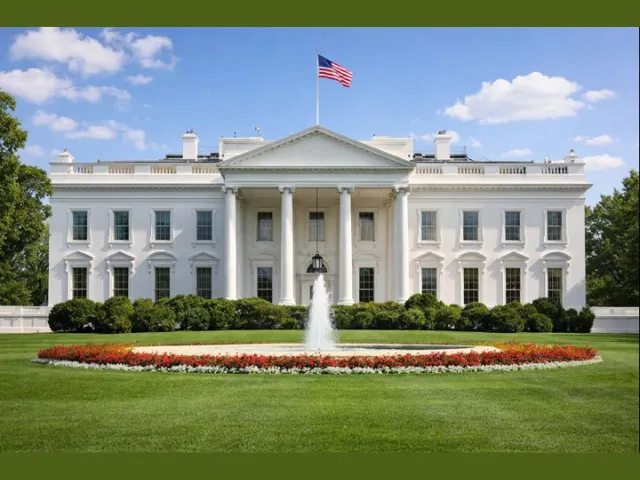
Why Kevin Warsh as Fed Chair Is Spooking Global Markets
Summary
- Speculation around Kevin Warsh as Fed Chair has triggered profit booking across metals, crypto and equities
- A potentially hawkish Federal Reserve strengthens the US dollar and tightens global liquidity
- Gold and commodities corrected sharply as interest rate expectations shifted
- Indian markets felt the ripple effect, with Sensex and Nifty snapping a three-day rally
Kevin Warsh Fed Chair Buzz and Why Markets Care
Global financial markets rarely react to political speculation unless it directly impacts liquidity, interest rates or currency stability. The growing buzz around Kevin Warsh being the frontrunner for the next Chair of the US Federal Reserve ticks all three boxes.
Formerly a Federal Reserve Governor, Warsh is viewed as supportive of lower interest rates over the long term. However, compared to more aggressive stimulus advocates, he is also considered relatively cautious. That balance has made markets nervous.
As rumours gained traction, investors across asset classes began reassessing risk, leading to visible corrections in precious metals, cryptocurrencies and equities worldwide.
Why Precious Metals Reacted First
Gold prices fell over four percent as markets priced in the possibility of a less accommodative Federal Reserve. The relationship is straightforward.
A hawkish Fed typically leads to higher interest rates and a stronger US dollar. Since gold does not generate yield, rising rates reduce its appeal relative to interest-bearing assets. At the same time, a stronger dollar makes gold more expensive for non-US buyers.
Analysts pointed out that gold was already in overbought territory, making it vulnerable to sharp profit booking once macro uncertainty surfaced. The Warsh speculation acted as the trigger.
This move also weighed on broader commodity markets, as tighter global liquidity generally dampens demand expectations.
Impact on Bitcoin and the Crypto Market
Cryptocurrencies thrive in environments with abundant liquidity and low borrowing costs. As expectations of monetary easing were scaled back, digital assets came under pressure.
Bitcoin, often treated as a high-risk, high-reward asset, tends to struggle when interest rates rise and risk appetite declines. Investors shift capital towards safer instruments, reducing speculative exposure.
Concerns around heavy capital spending by Big Tech on artificial intelligence without immediate earnings visibility added to the cautious tone. With credit spreads already tight, markets that were firmly risk-on began to pause.
This combination of tighter liquidity expectations and valuation concerns proved unfriendly for crypto assets.
Equities Feel the Heat Globally
Equity markets are sensitive to funding costs. A hawkish Federal Reserve raises the cost of capital, potentially slowing economic growth and corporate earnings.
US markets ended mostly lower, with futures indicating further pressure. Technology-heavy indices were particularly affected due to their dependence on future growth and lower discount rates.
European markets showed relative resilience, but Asian equities displayed mixed performance. While South Korea’s Kospi closed higher, key indices in Japan, China and Hong Kong ended in the red.
This divergence highlights how global markets are reassessing regional exposure amid shifting US monetary expectations.
What It Meant for Indian Markets
Indian equities were not immune to global cues. Both Sensex and Nifty snapped a three-day rally, dragged lower by metal and IT stocks.
Metal stocks mirrored the decline in global commodity prices, while IT stocks faced pressure due to their sensitivity to US interest rates and currency movements. A stronger dollar often impacts IT margins and client spending outlook.
Despite the decline, the broader structure of Indian markets remains supported by domestic flows, a stable regulatory environment and improving corporate balance sheets.
SEBI’s robust market oversight and India’s improving macro fundamentals continue to provide long-term stability, even during phases of global uncertainty.
How Investors Can Navigate Such Macro Shocks
Episodes like these underline the importance of diversification and disciplined investing. Short-term volatility driven by global policy speculation often creates noise rather than long-term trend shifts.
Investors should focus on asset allocation, quality businesses and risk management rather than reacting emotionally to headlines. Monitoring global central bank signals is important, but decisions should align with individual financial goals.
This is where research-backed platforms and professional guidance make a difference.
Why Swastika Investmart Stands Out in Volatile Markets
Swastika Investmart, a SEBI-registered brokerage, equips investors with strong research tools, timely market insights and tech-enabled investing platforms.
From daily market updates to in-depth macro analysis, the focus remains on investor education and informed decision-making. Reliable customer support and transparent processes further help investors stay confident during uncertain times.
In fast-changing global environments, having access to credible research and structured advice can significantly improve outcomes.
Frequently Asked Questions
Why did gold prices fall on Kevin Warsh Fed Chair speculation
Markets fear a more hawkish Fed, which supports higher interest rates and a stronger dollar, both negative for gold prices.
How does a hawkish Federal Reserve affect Indian markets
It can lead to foreign fund outflows, pressure on equities and currency volatility, especially in rate-sensitive sectors.
Is Bitcoin directly impacted by US interest rate expectations
Yes, tighter liquidity and higher rates reduce risk appetite, which often weighs on cryptocurrencies.
Should long-term investors worry about such global news
Short-term volatility is common, but long-term investors should stay focused on fundamentals and asset allocation.
How can Indian investors track global macro risks better
Using research-driven platforms, market insights and professional advisory services helps investors stay prepared.
Final Thoughts
Speculation around leadership changes at the US Federal Reserve highlights how interconnected global markets have become. While such developments can trigger short-term volatility, they also offer learning opportunities for disciplined investors.
With the right research, tools and guidance, navigating global uncertainty becomes far more manageable.
If you want to invest with confidence backed by SEBI-registered expertise, advanced research tools and strong investor support, explore smart investing with Swastika Investmart.


.webp)
.webp)

.webp)





START YOUR INVESTMENT JOURNEY
Get personalized advice from our experts
- Dedicated RM Support
- Smooth and Fast Trading App
