


India Stock Market Outlook: Nifty50 Range 23,800–24,200 and Sensex at 76,803


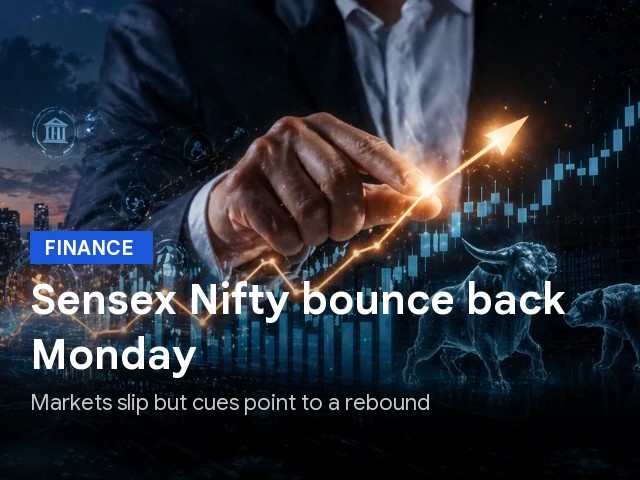

Key Takeaways
- Sensex closed at 76,802.90 and Nifty50 at 24,013.10 after a volatile week.
- Nifty50 trades in 23,800–24,200 range with immediate support 23,850–23,800 and resistance 24,150–24,200; a break below 23,800 could push toward 23,500.
- FII inflows around Rs 3,400 crore and DII inflows around Rs 7,100 crore provided market support amid volatility.
- Rupee at 94.32 per USD; Brent at 80.57 and WTI around 77.54; RSI 58 and ADX DI- crossing DI+ signal caution.
The week delivered a sharp reminder: Indian equities can swing on global headlines even after a strong run. The Sensex settled at 76,802.90 and the Nifty50 closed at 24,013.10, after both indices had surged as much as 5% across the previous five trading sessions. For retail investors, the question is not just what happened today, but what comes next in a market defined by geopolitical headlines, macro data, and shifting flows. Here is a practical, price-focused read on what these levels imply for your portfolio and how to navigate the coming sessions with discipline.
What the Sensex close at 76,802.90 and Nifty50 close at 24,013.10 tell you about near-term market direction
The close numbers anchor the near-term narrative: Sensex at 76,802.90 and Nifty50 at 24,013.10 mark a consolidation phase after a run higher. The index remains below key short- and long-term moving averages, and the RSI has slipped below 40, signaling bearish momentum in the immediate term. The ADX indicator shows DI- has crossed above DI+, reflecting growing seller dominance. Yet the broader momentum isn’t uniformly negative; the index has to reclaim momentum on the upside to sustain a fresh leg higher. In practical terms, retail investors should watch whether price action can reclaim the 20-day EMA and the 50-day EMA as proof of renewed buying interest, and avoid chasing moves that break below major support levels without confirmation.
How to read Nifty50's immediate support and resistance: 23,800–23,850 and 24,150–24,200
From a technical standpoint, the near-term range is well defined. Immediate support sits in the 23,850–23,800 band, which coincides with both the 50-day EMA and the 50% Fibonacci retracement of the latest rally. A decisive break below 23,800 could push the index toward the next support around 23,500, opening more downside. For resistance, 24,150–24,200 aligns with the 100-day EMA and is likely to cap gains in the short run. A sustainable move above 24,200 would improve bullish sentiment and could open the path toward 24,500 in the near term. This setup argues for a cautious, range-trading mindset rather than aggressive breakout plays until there is a clear price-action signal.
The 27,050–27,000 zone and 28,250–28,300 zone: what they imply for the medium term
Despite the current price residing around 24,000, the longer-term chart highlights meaningful structural levels. The 27,050–27,000 zone is described as a crucial support region in the broader context, while 28,250–28,300 represents a meaningful resistance barrier above the current range. For retail investors, this implies markets may stay in a wide range for the intermediate term, with meaningful breakout requiring sustained participation from global funds and a favorable macro backdrop. The upshot is a reminder to spread risk and prepare for two-way moves rather than chase a single directional bet from here.
Rupee movement and RBI measures: how currency moves influence Indian equity returns
The rupee closed at 94.32 per dollar after a volatile session, with an intraday high of 94.21 as traders trimmed long-dollar positions before global and domestic cues took hold. Gains from the unwinding of long-dollar positions were offset by weakness in regional currencies and index-related outflows. RBI measures introduced two weeks ago aimed at attracting dollar inflows appear to support the rupee in a risk-on backdrop, but the overarching dynamic–global dollar strength versus local flows–keeps currency moves a key variable for Indian equities. For retail investors, this means that currency movements will often interact with earnings visibility and export-led sectors in ways that aren’t always predictable, so hedging and diversification remain important tools.
FII net buying and DII support: what flows say about sentiment
Foreign institutional investors turned net buyers during the week, bringing cumulative inflows of around Rs 3,400 crore. Domestic institutional investors continued to purchase around Rs 7,100 crore, providing steady market support during periods of volatility. This dual flow pattern suggests a broader risk-appetite stabilization and a willingness among both foreign and domestic participants to maintain exposure to Indian equities amid geopolitical tensions and oil-price volatility. Retail investors can take this as evidence that the market environment remains data-driven and liquidity-driven rather than fragile, though individual stock risk remains.
What momentum indicators are signaling for the near term
Technical setup indicates a mixed but cautiously constructive backdrop. The broader Nifty trend remains positive as the index trades above its 20-day and 50-day EMAs. The daily RSI sits at 58 and remains above its nine-day moving average, signaling underlying momentum is still favorable despite consolidation. However, the ADX indicator shows DI- crossing above DI+, which points to rising seller strength in the absence of a decisive price action to the upside. In practical terms, this combination advises traders to favor stocks with strong earnings visibility and to use price action around the EMA clusters as a guide for entry and exit, rather than relying solely on momentum alone.
Oil, geopolitics, and global risk appetite: why crude prices matter for Indian stocks
Global headlines continue to influence risk appetite in Indian markets. Brent crude prices advanced 0.9% to close at 80.57 per barrel, while West Texas Intermediate futures were around 77.54 earlier in the day. Although a 60-day ceasefire framework between the United States and Iran aimed to facilitate negotiations, tensions persisted after Iran’s IRGC announced the closure of the Strait of Hormuz. The U.S. military stated that commercial shipping traffic remained uninterrupted. Brent and WTI movements add a layer of energy-price risk to equities, particularly for industrials and energy-linked stocks, and a sustained rise in oil prices can compress margins for import-dependent sectors while benefiting energy exporters. Retail investors should consider these macro energy dynamics when evaluating sector allocations and stock-level exposure.
Putting it all together: practical steps for Indian retail investors
Against this composite backdrop, a disciplined, risk-conscious approach is prudent. Favor high-quality names with robust balance sheets and recurring earnings, and be mindful of concentration in IT or energy sectors that can experience outsized moves in volatile weeks. IT heavyweights such as Infosys, TCS, Tech Mahindra, and HCL Tech tumbled as much as 7% in the session, underscoring the need for diversification and risk controls. A practical way forward is to use clearly defined stop losses, limit leverage, and allocate capital in a way that aligns with your risk tolerance and investment horizon. If you want precise, stock-level research aligned to your risk profile, consider Swastika Investmart’s Sarthi – an AI stock assistant that delivers institutional-grade research for retail investors. Learn how Sarthi can tailor ideas and risk controls to your portfolio here: https://www.swastika.co.in/sarthi.
FAQ
What do the Sensex close of 76,802.90 and Nifty50 close of 24,013.10 indicate for near-term market direction?
The close indicates consolidation after a prior rally and suggests caution unless prices reclaim key moving averages; momentum indicators point to potential downside pressure unless price action strengthens.
Where are the immediate support and resistance levels for Nifty50, and how can they guide trading?
Immediate support sits around 23,850–23,800, coinciding with the 50-day EMA and 50% retracement. Immediate resistance sits around 24,150–24,200, aligning with the 100-day EMA. A break below 23,800 could target 23,500, while a move above 24,200 could aim for 24,500.
How do FII net buying and DII support affect sentiment in this environment?
FII inflows totaling around Rs 3,400 crore and DII purchases around Rs 7,100 crore indicate broad institutional support despite volatility, signaling that liquidity and risk appetite remain constructive for Indian equities in the near term.
What is the significance of the rupee level and oil prices for Indian stocks now?
The rupee closed at 94.32 per dollar with intraday highs around 94.21, influenced by RBI measures to attract dollars. Brent crude at 80.57 and WTI around 77.54 add macro headwinds, especially for energy-intensive sectors, making currency and commodity dynamics important considerations for stock selection and hedging.
What do RSI and ADX readings imply about near-term momentum?
RSI at 58 indicates continued momentum to the upside, but ADX shows DI- crossing DI+ signaling growing seller strength and a potential risk to price action without a reaffirmation above key moving averages.
Conclusion
For the retail investor, the story is less about chasing the next breakout and more about trading the range with discipline. The Nifty50’s near-term axis of 23,800–24,200, paired with the larger 27,000–27,050 support and 28,250–28,300 resistance anchors, points to a market that may continue to oscillate in the absence of a decisive macro signal. The immediate next step is to watch how prices behave around 23,800 and 24,200, and to adjust risk exposure accordingly using a probability-based framework that accounts for both global cues and domestic flows. In parallel, use a tool like Sarthi to refine stock ideas, risk controls, and time horizons so your decisions stay aligned with your financial goals and risk tolerance in this evolving environment.
Open your trading and demat account here
Big Budget





.avif)
.avif)
.avif)
.avif)
.avif)














.avif)
.avif)
.avif)
.avif)
Latest Articles
%20(3).avif)
Stock Market Closed Today 26 March 2026: Ram Navami Holiday


If you were planning to trade today, you may have noticed that the Indian stock market is closed on 26 March 2026 due to Ram Navami. This public holiday impacts trading activity across major exchanges and can influence short-term strategies for traders and investors.
Understanding why markets close and how it affects trading decisions is crucial, especially in a fast-moving environment like the Indian equity markets.
Key Takeaways
- Indian stock markets remained closed on 26 March 2026 for Ram Navami
- No trading in equity, derivatives, or currency segments
- Commodity markets had a partial trading session in the evening
- Normal trading resumes on 27 March 2026
- Market holidays can influence liquidity and short-term volatility
Why Was the Market Closed on 26 March 2026?
The closure was due to Ram Navami, a widely celebrated Hindu festival marking the birth of Lord Rama. It is recognized as an official holiday in India, during which financial markets remain shut.
Both major exchanges, the National Stock Exchange of India and the Bombay Stock Exchange, observe this holiday as part of their annual trading calendar.
Such closures are pre-scheduled and released at the beginning of the year, allowing traders to plan their positions accordingly.
What Segments Were Affected?
On this trading holiday, the following segments remained closed:
- Equity cash market
- Equity derivatives (F&O)
- Currency derivatives
- SLB segment
However, commodity traders had a slightly different experience.
Commodity Market Timings
The Multi Commodity Exchange of India followed a split schedule:
- Morning session remained closed
- Evening session opened after 5 PM
This is a common pattern during certain holidays where international commodity markets continue to operate.
How Market Holidays Impact Traders
Market holidays may seem like a simple pause, but they can have subtle effects on trading strategies and market behavior.
1. Liquidity Gaps
A non-trading day can create gaps in liquidity, especially if global markets move significantly during the holiday. When trading resumes, prices may open higher or lower depending on global cues.
2. Global Market Influence
Indian markets are closely linked with global indices. Events in the US, Europe, or Asia during the holiday can lead to gap-up or gap-down openings the next day.
3. Expiry Adjustments
If a holiday falls near derivatives expiry, it may shift trading volumes or expiry dates. Traders must stay updated with exchange notifications.
4. Psychological Impact
Retail traders often use holidays to reassess their portfolios. This can lead to increased activity on the next trading day.
Regulatory Framework and Holiday Calendar
Market holidays in India are governed and approved under the supervision of the Securities and Exchange Board of India. Exchanges publish a detailed holiday calendar annually, ensuring transparency for all participants.
It is always advisable to check official exchange notifications or broker platforms before planning trades around holidays.
Real-World Example
Consider a scenario where US markets rally sharply on 26 March 2026 while Indian markets remain closed. When trading resumes on 27 March:
- Nifty 50 may open with a gap-up
- Banking and IT stocks could see strong buying
- Traders who anticipated global cues may benefit
This shows how even a single holiday can create trading opportunities.
How Smart Investors Prepare
Experienced investors do not treat holidays as downtime. Instead, they use this period strategically:
- Review portfolio allocation
- Track global market trends
- Plan entry and exit levels
- Analyze sector-specific news
Platforms like Swastika Investmart provide research-backed insights and tools that help investors stay prepared even when markets are closed. As a SEBI-registered broker, it offers reliable advisory services, strong customer support, and a tech-enabled investing experience focused on investor education.
Frequently Asked Questions
Is the stock market fully closed on Ram Navami?
Yes, equity, derivatives, and currency markets remain closed on this day.
Are commodity markets also closed?
Not completely. MCX remains closed in the morning but opens for the evening session.
When will the market reopen after 26 March 2026?
Trading resumes on 27 March 2026.
Do market holidays affect stock prices?
Indirectly, yes. Global developments during the holiday can impact opening prices on the next trading day.
Where can I check official market holidays?
You can refer to NSE, BSE, or SEBI official websites and broker platforms for accurate holiday calendars.
Conclusion
The stock market holiday on 26 March 2026 for Ram Navami is a routine yet important event for traders and investors. While trading pauses for the day, global developments continue to shape the next session’s direction.
Understanding these dynamics can help you stay ahead and make informed decisions. Instead of viewing holidays as inactivity, treat them as an opportunity to plan smarter.
If you want deeper market insights and research-backed strategies, explore the tools and services offered by Swastika Investmart.
FII FPI & DII Trading Activity on 25 March 2026 : Market Tug of War: FIIs Exit While DIIs Power the Rally
Understanding FII vs DII trading activity is one of the most powerful ways to decode short-term market direction in India. On 25 March 2026, fresh data from National Stock Exchange of India reveals a strong divergence between foreign and domestic investors, offering key insights for traders and long-term investors alike.
Foreign Institutional Investors showed net selling, while Domestic Institutional Investors stepped in aggressively as buyers. This push and pull dynamic often defines market momentum.
Key Takeaways
- DIIs were strong net buyers, injecting over ₹5,000 crore into equities
- FIIs remained net sellers, continuing cautious positioning
- Domestic liquidity helped cushion downside pressure in the market
- The trend reflects rising retail and institutional confidence within India
Breaking Down Today’s FII and DII Data
On 25 March 2026, the capital market segment showed a clear contrast:
Domestic Institutional Investors Lead the Rally
DIIs recorded net buying of approximately ₹5,100 to ₹5,400 crore across exchanges. This includes mutual funds, insurance companies, and banks.
This consistent buying trend indicates strong domestic confidence. Over the past few years, DIIs have played a stabilizing role, especially during periods of global uncertainty.
Foreign Institutional Investors Stay Cautious
FIIs or FPIs were net sellers, offloading equities worth around ₹1,500 to ₹1,800 crore.
Foreign investors often react to global cues such as US interest rates, currency fluctuations, and geopolitical risks. Their selling does not always indicate weakness in Indian fundamentals but rather portfolio rebalancing.
Why FII vs DII Activity Matters
Liquidity Drives Market Direction
Markets move on liquidity. When DIIs absorb FII selling, it prevents sharp corrections. This trend has become more visible post-2020, as domestic participation surged.
Sentiment Indicator
FII flows are often considered a proxy for global sentiment. On the other hand, DII activity reflects local confidence in India’s growth story.
Impact on Nifty and Sectoral Trends
Heavy DII buying can support indices like Nifty 50 even when FIIs are selling. Sectors such as banking, FMCG, and infrastructure often see strong domestic participation.
Regulatory Backbone Ensuring Transparency
Institutions operate under strict regulations from Securities and Exchange Board of India and monetary policies influenced by Reserve Bank of India.
These frameworks ensure transparency, reduce systemic risk, and maintain investor confidence. Daily disclosure of FII and DII activity is part of this transparency initiative.
Real Market Insight: What Should Investors Do
Short-Term Traders
If FIIs are selling but DIIs are buying heavily, markets may remain range-bound instead of falling sharply. This creates opportunities for swing trading.
Long-Term Investors
Consistent DII buying signals faith in India’s long-term growth. This is often a positive indicator for long-term portfolio allocation.
Watch the Trend, Not Just One Day
A single day’s data is not enough. Look for trends over weeks. Continuous FII selling combined with weak DII support could signal caution.
The Rise of Domestic Strength in Indian Markets
India’s markets have evolved. Earlier, FIIs dominated trends. Today, DIIs and retail investors have significantly reduced dependency on foreign flows.
This shift is a structural positive for the Indian equity market.
Platforms like Swastika Investmart empower investors with advanced tools, research insights, and educational resources, helping them interpret such data effectively and make informed decisions.
FAQs
What is the difference between FII and DII?
FIIs are foreign investors investing in Indian markets, while DIIs are domestic institutions like mutual funds and insurance companies.
Why do FIIs sell when DIIs are buying?
FIIs react to global factors, while DIIs focus more on domestic fundamentals and long-term growth.
Does FII selling always mean the market will fall?
No. Strong DII buying can offset FII selling and keep markets stable.
How can retail investors use this data?
Retail investors can track trends to understand market sentiment and adjust short-term strategies accordingly.
Where can I track daily FII and DII data?
You can track it on official exchange websites like NSE and BSE, as well as through brokerage platforms.
Conclusion
The latest FII vs DII trading activity highlights a familiar but important trend. Foreign investors remain cautious, while domestic institutions continue to show confidence in India’s growth story. This balance is crucial in maintaining market stability.
For investors, the key lies in understanding these flows rather than reacting emotionally. Staying informed and using the right tools can make a significant difference.
If you want to track market trends, access expert research, and make smarter investment decisions, explore platforms like Swastika Investmart here:

Tax Planning for Salaried Individuals: Smart Ways to Save More in 2026
Quick Summary
- Choose wisely between old and new tax regimes
- Maximise deductions under Section 80C, 80D and more
- Structure your salary smartly to reduce tax burden
- Use tax-saving investments like ELSS and NPS
- Plan early to avoid last-minute mistakes
Why Tax Planning Matters More Than Ever in 2026
Tax planning for salaried individuals is not just about saving money. It is about managing your finances efficiently and keeping more of what you earn.
With changing tax rules and increasing income levels, many salaried professionals end up paying more tax than necessary simply because they do not plan ahead.
The good news is that with the right approach, you can legally reduce your tax liability and improve your overall financial health.
Old vs New Tax Regime: The First Big Decision
One of the most important aspects of tax planning for salaried individuals is choosing between the old and new tax regimes.
Old Tax Regime
- Allows multiple deductions and exemptions
- Suitable for individuals with investments and expenses
New Tax Regime
- Lower tax rates
- Fewer deductions allowed
- Simpler structure
Example
If your annual salary is ₹10 lakh and you claim deductions like 80C, HRA, and medical insurance, the old regime may work better.
But if you prefer simplicity and have fewer deductions, the new regime might be beneficial.
Maximise Deductions to Reduce Taxable Income
Deductions are one of the easiest ways to save tax.
Section 80C
You can claim up to ₹1.5 lakh through:
- ELSS mutual funds
- Public Provident Fund
- Life insurance premiums
- Employee Provident Fund
Section 80D
Health insurance premiums for yourself and family are eligible for deduction.
Section 24
Interest on home loans can also reduce your taxable income.
Planning these deductions at the start of the year ensures you do not miss out.
Smart Salary Structuring Can Save You More
Many salaried individuals overlook the power of salary structuring.
Certain components of your salary are tax-efficient.
Key components
- House Rent Allowance
- Leave Travel Allowance
- Food coupons and reimbursements
Real-world scenario
Two employees earning the same salary may pay different taxes simply because one has a better salary structure.
Discussing your salary breakup with your HR can help optimise your tax outgo.
Use Tax-Saving Investments Wisely
Investments should not be made just to save tax. They should align with your financial goals.
Popular tax-saving options
- ELSS mutual funds with market-linked returns
- National Pension System for long-term retirement planning
- Fixed deposits with tax-saving benefits
Example
If you invest ₹1.5 lakh in ELSS, you not only save tax but also participate in equity market growth.
This creates wealth while reducing tax liability.
Don’t Ignore NPS for Additional Benefits
The National Pension System offers an additional deduction of ₹50,000 under Section 80CCD(1B).
This is over and above the 80C limit.
It is especially useful for salaried individuals looking to build a retirement corpus while saving tax.
Avoid Common Tax Planning Mistakes
Even experienced professionals make mistakes while planning taxes.
Common errors
- Waiting till March to invest
- Choosing wrong tax regime
- Ignoring health insurance deductions
- Not keeping proper documentation
Tip
Start tax planning in April itself. This gives you enough time to make informed decisions.
Impact on Indian Investors and Markets
Tax-saving investments like ELSS mutual funds bring significant inflows into equity markets every year.
This supports market liquidity and long-term wealth creation.
Regulations by SEBI ensure transparency and protect investor interests in such products.
Understanding taxation also helps investors make better decisions regarding capital gains and portfolio allocation.
A Simple Tax Planning Strategy for 2026
If you want a practical approach, follow this simple plan:
- Estimate your annual income
- Choose the right tax regime
- Plan deductions in advance
- Invest systematically throughout the year
- Review your plan quarterly
This ensures you stay on track and avoid last-minute stress.
FAQs
1. Which tax regime is better for salaried individuals in 2026?
It depends on your deductions and income. The old regime suits those with high deductions, while the new regime offers simplicity with lower rates.
2. What is the maximum deduction under Section 80C?
You can claim up to ₹1.5 lakh under Section 80C through eligible investments and expenses.
3. Can I claim both 80C and NPS benefits?
Yes, NPS offers an additional ₹50,000 deduction under Section 80CCD(1B) over and above 80C.
4. Is ELSS better than FD for tax saving?
ELSS offers market-linked returns and tax benefits, while FDs provide fixed returns. Choice depends on risk appetite.
5. When should I start tax planning?
Ideally, you should start at the beginning of the financial year to maximise benefits and avoid last-minute decisions.
Conclusion
Tax planning for salaried individuals in 2026 is all about being proactive and making informed choices.
From selecting the right tax regime to optimising deductions and investments, every step can help you save more and grow your wealth.
If you want expert guidance, research-backed insights, and a seamless investing experience, Swastika Investmart offers a trusted platform with SEBI registration, advanced tools, and strong customer support.

Why is the stock market rising today?
Quick Summary
- Indian markets bounced back after recent sharp correction
- Banking stocks like HDFC Bank and ICICI Bank led the rally
- Crude oil prices cooled, easing inflation concerns
- Global cues improved amid hopes of easing geopolitical tensions
- Short covering and buying at lower levels boosted momentum
A Strong Comeback After Weakness
If you are wondering why the stock market is rising today, the answer lies in a mix of global relief and domestic strength.
After a weak start earlier in the week, Indian benchmark indices staged a strong recovery. The BSE Sensex jumped sharply above 74,000, while the Nifty 50 crossed 22,900 levels.
This kind of sharp rebound often indicates that markets are reacting to improving sentiment rather than just fundamentals.
Cooling Crude Oil Prices Brought Relief
One of the biggest triggers behind today’s rally is the fall in crude oil prices.
After recent geopolitical tensions pushed oil prices higher, a decline below $100 per barrel has eased pressure on inflation expectations.
Why does crude oil matter so much?
India imports a large portion of its crude oil. When oil prices rise:
- Inflation increases
- Rupee comes under pressure
- Corporate margins get impacted
So, when oil prices fall, markets take it as a positive signal.
Banking Stocks Led the Rally
The rally was largely driven by heavyweight banking stocks like HDFC Bank and ICICI Bank.
These stocks have a high weightage in indices and often dictate market direction.
Why banks are important
- They reflect the health of the economy
- Strong credit growth supports earnings
- Institutional investors prefer large-cap banks
When banking stocks rise, the broader market usually follows.
Global Cues Turned Positive
Another major factor is improving global sentiment.
There are growing expectations that geopolitical tensions, especially related to the US-Iran situation, may ease.
Even a slight improvement in global risk sentiment can lead to strong buying in emerging markets like India.
Short Covering Added Fuel
Apart from fundamental reasons, technical factors also played a role.
Markets had fallen sharply earlier, and many traders had built short positions.
As prices started rising:
- Short sellers rushed to cover their positions
- This added buying pressure
- Resulted in a sharp upward move
This is often called a short covering rally.
Bargain Buying at Lower Levels
After a recent correction, many quality stocks were trading at attractive valuations.
Long-term investors and institutions used this opportunity to accumulate stocks.
Real-world example
Whenever markets correct 5 to 10 percent, it often attracts fresh buying from:
- Mutual funds
- Domestic institutional investors
- Retail investors with long-term view
This creates a strong base for recovery.
Impact on Indian Investors
Today’s rally is encouraging, but investors should remain cautious.
What this means for you
- Markets are still sensitive to global news
- Volatility may continue in the short term
- Long-term investors can use dips to invest
Key sectors to watch
- Banking and financials
- Oil and gas
- IT and export-oriented companies
Each sector reacts differently to global and domestic cues.
Role of Policy and Regulation
In India, market stability is supported by regulators like the SEBI.
Strong regulatory frameworks ensure transparency and protect investor interests.
This is one of the reasons why global investors continue to trust Indian markets despite volatility.
What Should Investors Do Now?
It is important not to get carried away by one day’s rally.
Smart strategy
- Stay invested with a long-term perspective
- Avoid chasing momentum blindly
- Focus on fundamentally strong companies
- Diversify across sectors
Markets move in cycles, and disciplined investing always wins in the long run.
FAQs
1. Why is the stock market rising today?
The market is rising due to falling crude oil prices, positive global cues, banking stock rally, and short covering.
2. Is this rally sustainable?
It depends on global factors like geopolitical tensions and inflation. Short-term volatility may continue.
3. Which sectors are leading the rally?
Banking and financial stocks are leading, supported by improved sentiment and strong fundamentals.
4. Should I invest now or wait?
Investors should follow a staggered approach and avoid lump sum investing during volatile phases.
5. How do global events impact Indian markets?
Global events affect oil prices, currency movement, and investor sentiment, which in turn impact Indian equities.
Conclusion
The answer to why the stock market is rising today lies in a combination of global relief, sectoral strength, and technical factors.
While the rally is a positive sign, markets remain sensitive to global developments. Investors should focus on disciplined investing rather than short-term movements.
If you are looking for expert guidance, strong research tools, and a reliable platform, Swastika Investmart offers a SEBI-registered ecosystem designed for modern investors.

RCB Stake Sale Explained: Why United Spirits is Exiting & Who Benefits?
Quick Summary
- United Spirits plans to sell its entire stake in Royal Challengers Sports for ₹16,660 crore
- The deal reflects rising IPL franchise valuations and strong investor interest
- Strategic shift by United Spirits towards core business focus
- New investors like Times Internet bring media and digital synergy
- Limited direct impact, but strong sentiment boost for sports business in India
A Big Ticket Deal in Indian Sports Business
The recent announcement that United Spirits will divest its stake in Royal Challengers Sports has caught the attention of both market participants and cricket fans.
The deal, valued at ₹16,660 crore, highlights how Indian Premier League franchises have evolved into high-value business assets rather than just sports teams.
For many investors, this raises two important questions. Why is United Spirits exiting now, and who stands to gain from this deal?
Understanding the RCB Stake Sale
Royal Challengers Sports is the entity that owns the popular IPL franchise Royal Challengers Bangalore. Over the years, the team has built a strong brand, massive fan following, and significant commercial value.
The entry of investors like Times Internet and Metropolitan Media Company signals a shift toward media-driven monetisation.
This is not just a stake sale. It is a reflection of how sports, media, and digital platforms are converging in India.
Why is United Spirits Exiting?
Strategic Business Focus
United Spirits is primarily a liquor company. Managing a sports franchise may not align with its long-term core strategy.
By exiting RCB, the company can focus on strengthening its main business segments and improving operational efficiency.
Unlocking Value
The IPL ecosystem has seen a massive jump in valuations over the past few years.
Selling the stake at ₹16,660 crore allows United Spirits to unlock significant value from a non-core asset. This capital can be redeployed into higher-return opportunities.
Regulatory and Governance Considerations
Companies often streamline their business structure to improve transparency and governance.
Exiting unrelated businesses can simplify financial reporting and align better with investor expectations.
Who Benefits from the Deal?
1. New Investors
Investors like Times Internet bring strong expertise in digital content, advertising, and audience engagement.
This opens up new monetisation channels such as:
- Digital streaming and content partnerships
- Fan engagement platforms
- Brand collaborations and sponsorships
2. IPL Ecosystem
The deal reinforces the growing commercial strength of the IPL.
Higher valuations create a positive ripple effect across:
- Media rights deals
- Sponsorship contracts
- Franchise expansions
3. United Spirits Shareholders
If the proceeds are used efficiently, shareholders could benefit through:
- Debt reduction
- Higher dividends
- Reinvestment in core growth areas
IPL Valuations: A Bigger Story
The Indian Premier League has transformed into one of the most valuable sports leagues globally.
For example, media rights deals have crossed billions of dollars in recent cycles.
Franchises are no longer dependent only on match revenues. Today, they generate income from:
- Sponsorships
- Merchandise sales
- Digital content
- Global fan base monetisation
This makes IPL teams attractive investment assets for institutional investors.
Impact on Indian Stock Market
While this deal may not have an immediate broad market impact, it sends strong signals.
Positive Sentiment for Sports and Media
Companies involved in sports management, media, and digital platforms may see increased investor interest.
Corporate Strategy Shift
Investors are increasingly rewarding companies that focus on core competencies and exit non-core businesses.
Capital Allocation Focus
This move highlights the importance of efficient capital allocation, a key factor in long-term wealth creation.
Real-World Context
Globally, sports franchises have seen rising valuations.
In leagues like the NBA and English Premier League, teams are often valued in billions of dollars due to media rights and global fan engagement.
India is now following a similar trend, with IPL leading the way.
What Should Investors Watch Next?
Investors should keep an eye on a few key developments:
- How United Spirits uses the proceeds from the sale
- Growth strategy of new investors in RCB
- Future IPL valuation trends
- Expansion of digital monetisation in sports
These factors will determine the long-term impact of this deal.
FAQs
1. Why is United Spirits selling its RCB stake?
The company is exiting to focus on its core liquor business and unlock value from a non-core asset.
2. Who are the new investors in RCB?
The investor consortium includes Times Internet and Metropolitan Media Company.
3. What is the value of the deal?
The stake sale is valued at approximately ₹16,660 crore.
4. How does this impact the IPL?
It highlights rising franchise valuations and growing investor interest in the league.
5. Should investors track United Spirits stock after this deal?
Yes, investors should monitor how the company utilizes the proceeds and its future growth strategy.
Conclusion
The RCB stake sale is more than just a corporate transaction. It reflects the rapid evolution of sports into a serious business opportunity in India.
For United Spirits, this is a strategic move toward sharper focus and better capital allocation. For new investors, it opens doors to leverage digital and media synergies in one of the world’s fastest-growing sports markets.
For investors, such developments underline the importance of tracking not just numbers, but also strategy.
If you want expert insights, research-backed recommendations, and a seamless investing experience, Swastika Investmart offers a strong platform backed by SEBI registration, advanced tools, and dedicated customer support.
Market Closing Summary Today 25 March 2026: Nifty, Sensex, and Bank Nifty Surge Strongly & What’s Fueling the Market Momentum?
The Indian stock market witnessed a strong rally today, with the Nifty 50, Sensex, and Bank Nifty all closing higher. The Nifty 50 rally today reflects growing investor confidence, supported by sectoral strength and positive sentiment across global and domestic cues. But what exactly is driving this surge, and how should investors interpret it?
Let’s break it down in a simple and practical way.
Key Takeaways
- Nifty 50 and Sensex gained over 1.5 percent, showing strong bullish sentiment
- Banking and financial stocks led the rally, lifting Bank Nifty above 2 percent
- IT sector showed mild gains, indicating selective buying
- Positive global cues and domestic stability supported the uptrend
- Investors should focus on sector rotation and risk management
Market Overview: A Strong Bullish Day
The broader indices moved upward with notable strength. The Nifty 50 surged by over 1.7 percent, while the Sensex gained more than 1.6 percent. Bank Nifty outperformed the broader market, rising over 2 percent, signaling strong participation from financial stocks.
This kind of synchronized rally across indices typically indicates institutional buying, especially from domestic institutional investors and foreign portfolio investors.
What’s Driving the Nifty 50 Rally Today?
1. Banking Sector Strength
The biggest contributor to today’s rally was the banking sector. Large private banks and PSU banks saw strong buying interest. This is often a positive sign because banking stocks are considered a backbone of the Indian economy.
With stable interest rate expectations from the Reserve Bank of India and improving asset quality, banking stocks are attracting investor attention.
2. Positive Global Cues
Global markets played a supportive role. When international markets perform well, Indian markets often follow due to interconnected capital flows. Stability in crude oil prices and easing inflation concerns also boosted sentiment.
3. Domestic Economic Confidence
India’s macroeconomic indicators remain strong. GDP growth outlook, controlled inflation, and government spending continue to support the market. Regulatory bodies like SEBI ensure transparency and investor protection, which builds long-term confidence.
4. Sector Rotation Strategy
Investors are rotating their funds from overvalued sectors to undervalued ones. While IT stocks showed only marginal gains, banking and financial stocks took the lead. This rotation helps sustain the rally rather than creating a bubble.
Sector-Wise Performance
Banking and Financials
The clear winners of the day. Strong credit growth and improving balance sheets are key reasons behind the rally.
IT Sector
Nifty IT showed limited gains. This indicates cautious optimism due to global uncertainty in tech spending.
FMCG and Defensive Stocks
These sectors remained relatively stable, showing that investors are willing to take calculated risks rather than staying defensive.
What Should Investors Do Now?
Avoid Chasing the Rally
While the Nifty 50 rally today looks attractive, entering at peak levels without proper analysis can be risky. Markets often experience short-term corrections after sharp rallies.
Focus on Quality Stocks
Investors should look for fundamentally strong companies with consistent earnings growth. Banking, infrastructure, and capital goods sectors may offer opportunities.
Diversify Your Portfolio
Diversification helps reduce risk. Instead of putting all your funds into one sector, spread investments across multiple sectors.
Stay Updated with Regulations
Keep an eye on updates from SEBI and RBI. Policy changes can impact market direction significantly.
Real-World Insight
For example, during previous rallies, investors who focused only on trending stocks often faced losses when the market corrected. On the other hand, those who invested in fundamentally strong companies and stayed patient benefited in the long run.
How Swastika Investmart Can Help
Navigating such market movements requires the right tools and guidance. Swastika Investmart offers a reliable platform for investors looking to make informed decisions.
With SEBI-registered operations, advanced research tools, and a strong focus on investor education, it helps both beginners and experienced investors understand market trends better. The platform’s tech-driven approach ensures smooth and efficient trading.
Frequently Asked Questions
What is causing the Nifty 50 rally today?
The rally is driven by strong performance in banking stocks, positive global cues, and stable domestic economic conditions.
Is it a good time to invest in the stock market?
It depends on your investment strategy. Long-term investors can look for opportunities, but short-term traders should be cautious.
Why is Bank Nifty outperforming?
Banking stocks are benefiting from strong credit growth, improving asset quality, and stable interest rate expectations.
Should I invest in IT stocks now?
IT stocks may offer selective opportunities, but global uncertainties make them slightly volatile in the short term.
How can I manage risk during a market rally?
Diversify your portfolio, avoid over-investing in one sector, and focus on fundamentally strong companies.
Conclusion
The Nifty 50 rally today highlights the strength and resilience of the Indian stock market. With banking stocks leading the charge and supportive macroeconomic factors in place, the outlook remains positive. However, smart investing requires discipline, research, and patience.
If you want to make informed investment decisions and stay ahead of market trends, explore a reliable platform that combines technology with expert insights.
Popular Articles



.avif)
.avif)

.avif)




START YOUR INVESTMENT JOURNEY
Get personalized advice from our experts
- Dedicated RM Support
- Smooth and Fast Trading App
