

Income Tax Rules 2026 Explained: Save More Tax with These Hidden Updates


.png)

 Add Swastika as preferred source
Understanding the latest Income Tax Rules 2026 can make a big difference to your financial planning. With subtle changes and lesser-known provisions, taxpayers in India now have more opportunities to legally reduce their tax burden. Whether you are a salaried individual, freelancer, or investor, staying updated can help you save more and invest smarter.
Key Highlights at a Glance
- New tax regime continues to gain preference with simplified slabs
- Deductions under old regime still beneficial for specific taxpayers
- Standard deduction adjustments improve salaried income relief
- Increased focus on digital reporting and compliance
- Investment-linked savings remain a powerful tax-saving tool
What’s New in Income Tax Rules 2026
Shift Towards the New Tax Regime
The government continues to promote the new tax regime by making it more attractive. Lower tax rates and fewer exemptions simplify filing, especially for individuals who do not claim multiple deductions.
However, the old regime still works well for those investing in instruments like ELSS, PPF, or claiming housing loan interest.
Standard Deduction Benefits
Salaried individuals and pensioners benefit from a standard deduction, which reduces taxable income without requiring proof of expenses. This continues to be a key relief feature under both regimes.
Updated Compliance and Reporting
With increasing digitization, the Income Tax Department now tracks financial transactions more closely. High-value transactions, stock market trades, and mutual fund investments are automatically reported.
This makes accurate filing essential and reduces chances of tax evasion.
Smart Ways to Save Tax in 2026
Maximize Section 80C Investments
Investments under Section 80C still offer deductions up to ₹1.5 lakh. Popular options include:
- Equity Linked Savings Scheme
- Public Provident Fund
- Tax-saving fixed deposits
For example, a salaried individual investing ₹1.5 lakh in ELSS can significantly reduce taxable income while also gaining exposure to equity markets.
Use Health Insurance Deductions
Under Section 80D, premiums paid for health insurance policies provide additional deductions. This is especially useful for families and senior citizens.
Capital Gains Planning
Investors in stocks and mutual funds should plan their capital gains strategically. Long-term investments often enjoy lower tax rates compared to short-term gains.
Using tools and research platforms from brokers like Swastika Investmart can help investors optimize their portfolio and reduce tax liability through better planning.
Real-World Example
Consider Rahul, a salaried employee earning ₹12 lakh annually.
- Under the new regime, he benefits from lower tax rates but fewer deductions
- Under the old regime, he claims deductions for PPF, insurance, and home loan interest
After comparison, Rahul finds the old regime saves him more due to his disciplined investments. This highlights why choosing the right regime is crucial.
Role of Regulations and Financial Platforms
Indian regulatory bodies like the Income Tax Department, along with frameworks influenced by institutions such as SEBI and RBI, ensure transparency and compliance in financial transactions.
Platforms like Swastika Investmart support investors with research-backed insights, tax-efficient strategies, and easy-to-use tools. Their SEBI-registered status and strong advisory services make them a reliable partner for both beginners and experienced investors.
Common Mistakes to Avoid
Ignoring Regime Comparison
Many taxpayers choose the default regime without evaluating which one benefits them more.
Missing Investment Deadlines
Failing to invest before the financial year ends can lead to missed deductions.
Incorrect Reporting
With automated tracking, mismatched income reporting can trigger notices.
Frequently Asked Questions
1. Which tax regime is better in 2026?
It depends on your financial profile. The new regime suits those with fewer deductions, while the old regime benefits investors and homeowners.
2. Are tax-saving investments still useful?
Yes, especially under the old regime. They reduce taxable income and help build long-term wealth.
3. How are stock market gains taxed?
Short-term gains are taxed higher, while long-term gains enjoy concessional rates after a threshold.
4. Is filing income tax more complex now?
Not necessarily. While reporting has become stricter, digital tools have made filing easier and faster.
Final Thoughts
The Income Tax Rules 2026 bring both simplicity and opportunity. By understanding the differences between tax regimes, leveraging deductions, and planning investments wisely, you can significantly reduce your tax outgo.
If you want to take smarter financial decisions backed by research and technology, consider exploring Swastika Investmart’s platform for better tax planning and investment strategies.
Big Budget







.webp)
.webp)
.webp)
.webp)
.webp)













.webp)
.webp)
.webp)
.webp)
Latest Articles
%20(13).webp)
What Investors Should Know About the HDFC AMC 1:1 and Thyrocare 2:1 Bonus Issues in November 2025


Key Takeaways
- HDFC AMC announces a 1:1 bonus issue; Thyrocare announces a 2:1 bonus issue in Nov 2025.
- Bonus shares increase the number of shares but do not change total portfolio value instantly.
- Short-term volatility is common around record dates due to retail participation.
- Both companies aim to improve liquidity and attract more long-term investors.
- Investors must review fundamentals and not view bonus issues as guaranteed value creators.
Bonus issues have again taken center stage in the Indian markets as HDFC AMC and Thyrocare Technologies announce generous bonus ratios for November 2025. While these moves have sparked excitement among retail investors, it’s important to look beyond the headline ratios and understand what these bonus issues mean for valuation, liquidity, taxation, and long-term investment decisions.
To help you make an informed choice, here’s a detailed breakdown of both corporate actions, their market context, and what smart investors should keep in mind.
Understanding Bonus Issues: A Quick Refresher
A bonus issue is when a listed company issues additional shares to existing shareholders for free by capitalizing its reserves. This typically improves liquidity and makes the stock price more affordable without affecting the company's underlying fundamentals.
For example, if you hold 50 shares, and the company declares a 1:1 bonus, you will receive 50 additional shares, doubling your share count.
However, the market value of the investment remains broadly the same on the ex-bonus date because the stock price adjusts proportionately.
HDFC AMC 1:1 Bonus Issue : What It Means for Investors
HDFC AMC’s announcement of a 1:1 bonus issue has drawn attention because it comes at a time when the asset management industry is witnessing record inflows, especially through SIPs and equity-oriented schemes.
Why the Bonus Now?
- AMC stocks tend to attract long-term investors due to stable cash flows.
- A bonus issue can expand the retail shareholder base by reducing the post-bonus stock price.
- It may strengthen liquidity ahead of anticipated growth in the mutual fund industry.
Market Impact
Short-term traders may witness:
- Increased volatility around the record date
- Higher volumes as new retail buyers enter post-price adjustment
- Improved market depth
From a regulatory angle, SEBI mandates transparent disclosures of bonus ratios, record dates, and corporate action timelines. HDFC AMC’s bonus announcement follows these norms, and market analysts expect healthy participation.
Example Scenario
Before bonus:
- Shares held: 40
- Share price (hypothetical): ₹3,000
- Value: ₹1,20,000
After 1:1 bonus:
- Shares: 80
- Expected price: ~₹1,500
- Approx value: ₹1,20,000
No immediate monetary gain — but future growth potential remains intact.
Thyrocare 2:1 Bonus Issue - A More Aggressive Ratio
Thyrocare’s 2:1 bonus (two additional shares for each existing one) is more aggressive and usually seen as a signal of strong reserve position and confidence in future earnings visibility.
Why Investors Are Excited
- A 2:1 bonus drastically increases the share count.
- The adjusted stock price typically becomes far more attractive to retail investors.
- Liquidity jumps significantly post-issue, helping bring tighter bid-ask spreads.
Business Context
Thyrocare has been expanding its diagnostics footprint, leveraging rising demand for preventive health checks in India. Increased retail participation could benefit the stock’s long-term price discovery.
Example Scenario
Before bonus:
- Shares held: 20
- Price (hypothetical): ₹1,200
- Value: ₹24,000
After 2:1 bonus:
- Shares: 60
- Expected price: ~₹400
- Value: ₹24,000
Again, no immediate value addition but improved liquidity and psychological affordability may help long-term valuations.
How Bonus Issues Affect the Broader Indian Market
Bonus announcements often generate short-term enthusiasm in the index-heavy segments if large companies are involved. In this case:
- HDFC AMC, being part of the broader financial ecosystem, can influence sentiment in financial services stocks.
- Thyrocare’s announcement may draw attention toward healthcare and diagnostics stocks.
Additionally, rising bonus activity is sometimes viewed as a sign of strong corporate balance sheets and improving business confidence across sectors.
However, investors must remember that bonus issues do not improve fundamentals. They simply increase share count and improve liquidity.
Key Things Investors Should Keep in Mind
1. No Change in Intrinsic Value
A bonus issue does not change the company’s profitability, cash flows, or intrinsic worth.
2. Short-Term Volatility
Prices may fluctuate around the record date as speculative traders enter and exit.
3. Taxation
Bonus shares have zero acquisition cost, and taxation depends on the holding period from the date of allotment.
4. Record Date Importance
Holding shares before the ex-date is essential to be eligible for the bonus.
5. Fundamentals Matter More Than Bonus Ratios
A company giving a high bonus ratio is not always a sign of superior performance.
Are Bonus Issues Good for Long-Term Investors?
They can be provided the company continues to execute well on earnings, margins, and growth. Bonuses generally:
- Improve liquidity
- Make stock price psychologically attractive
- Enhance participation from new retail investors
But the real returns come from earnings growth, not corporate actions.
Why Many Investors Prefer Platforms With Strong Research Support
Bonus issues can attract many new investors looking to capitalize on post-bonus opportunities. This is where research-backed guidance, transparent tools, and reliable trading platforms play an important role.
Platforms like Swastika Investmart, a SEBI-registered brokerage firm, support investors with:
- Advanced research insights
- Tech-enabled trading solutions
- Responsive customer support
- Educational tools for informed decision-making
This helps investors avoid hype-driven decisions and stay aligned with fundamentals.
Frequently Asked Questions
1. Do bonus shares increase the value of my portfolio?
No. Your portfolio value remains nearly the same immediately after the bonus because the stock price adjusts in proportion to the bonus ratio.
2. What is the difference between a 1:1 and 2:1 bonus?
A 1:1 bonus gives one extra share for every share held. A 2:1 bonus gives two extra shares for every share held — tripling the share count.
3. Do I need to pay tax on bonus shares?
Bonus shares are tax-free upon receipt. Capital gains tax applies only when you sell them, based on the holding period.
4. Is it mandatory to buy shares before the record date?
Yes. Only shareholders who hold shares before the ex-date set by the company are eligible for bonus allotment.
5. Do bonus issues mean a company is performing well?
Not necessarily. They only indicate that the company has sufficient reserves. The company’s financial health still depends on earnings and business metrics.
Conclusion
Bonus issues like those announced by HDFC AMC (1:1) and Thyrocare (2:1) often generate excitement but should be evaluated with a balanced perspective. They improve liquidity and accessibility but do not inherently create new value. Long-term investors should focus on fundamentals, industry trends, and disciplined investing frameworks.
If you’re exploring bonus plays or long-term investment opportunities, a trusted, research-driven platform can make all the difference.
Open your account with Swastika Investmart and start investing with confidence:
.webp)
Nvidia Results Explained: What They Mean for Indian Markets, IT Giants & Semiconductor Plans
Key Takeaways
- Nvidia posted a record $57 billion revenue in Q3 FY26, driven by explosive demand for Blackwell AI chips.
- Its data-center segment surged 66% YoY, underlining its dominance in high-performance computing.
- Positive earnings strengthen the AI infrastructure narrative, potentially boosting semiconductor investments globally — including in India.
- Indian IT giants (like TCS, Infosys) could benefit indirectly through increased demand for AI services, while India’s semiconductor push gains momentum.
- Platforms like Swastika Investmart, with SEBI-registration and strong research tools, can help Indian investors tap Nvidia’s growth safely.
Nvidia’s Latest Earnings: What Went Down
Nvidia’s Q3 fiscal-2026 results were nothing short of spectacular. The company clocked $57.0 billion in revenue, a 22% increase quarter-over-quarter and a massive 62% year-over-year jump.
The data-centre business, which fuels much of Nvidia’s strength, reported $51.2 billion — up 25% sequentially and a whopping 66% YoY.
Earnings per share (diluted) stood at $1.30, beating market expectations. Gross margins remained healthy: ~73.4% on a GAAP basis and ~73.6% on non-GAAP.
Jensen Huang, Nvidia’s CEO, painted a bold picture: “Blackwell sales are off the charts, and cloud GPUs are sold out … We’ve entered the virtuous cycle of AI.”
On the capital return front, Nvidia has distributed $37 billion to shareholders via buybacks and dividends in the first nine months of fiscal 2026, while still retaining $62.2 billion under its repurchase authorization.
Why This Matters for Indian Markets
Surge in AI Infrastructure & Cloud Demand
Nvidia’s blazing growth is a clear sign that AI infrastructure is scaling up rapidly. For Indian cloud service providers, startups, and large enterprises, this means greater access to powerful compute — and hence more opportunity to build or scale AI-driven products, whether in generative AI, autonomous systems, or large-language-model applications.
Boost for Indian IT Giants
IT services companies such as TCS, Infosys, HCL Tech, and Wipro stand to benefit in multiple ways:
- AI Consulting & Implementation: As global firms lean into Nvidia-powered deployments, Indian IT firms can win more AI transformation projects.
- Edge Deployment: Nvidia’s edge computing push (AI at the edge) aligns well with telecom-led, localized AI deployments in India.
- Partnerships: These IT companies often partner with cloud hyperscalers; increases in data-centre investments could indirectly boost consulting and integration revenue.
Semiconductor Ambitions in India
India has long expressed ambitions to build a vibrant semiconductor ecosystem. Nvidia’s strong earnings fuel confidence in the global semiconductor demand outlook — which may in turn accelerate semiconductor-related investments in India.
- Government Push: In recent years, India has introduced incentive schemes (e.g., PLI for chip manufacturing) to attract global semiconductor players.
- Local Manufacturing: A continued boom in AI chips makes it more feasible for India to host fabs or assembly units, especially as global supply chains diversify.
- Talent Leverage: India’s deep engineering talent pool could feed specialized roles in design, testing, and AI compute research.
Broader Implications & Risks
While Nvidia’s results are a vote of confidence in the AI era, Indian investors and companies should also remain aware of potential headwinds:
- Regulatory Risk: Export controls, especially restrictions on chip technologies, could affect supply chains.
- Valuation Risk: Nvidia’s business is growing fast, but high expectations mean any missteps might trigger sharp market reactions.
- Competition: Other semiconductor players (both in the U.S. and Asia) are vying for a piece of the AI compute pie — and India’s own semiconductor strategy must be realistic and capital-efficient.
- Macroeconomic Conditions: Global interest rates, currency fluctuations, and supply-chain disruptions could influence profitability and investments.
How Indian Investors Can Navigate This
For Indian investors looking to play the Nvidia or AI-infrastructure story:
- Direct Exposure via US Markets: Buy Nvidia (NVDA) or related semiconductor stocks through brokerages with international access.
- Indirect Exposure via Indian Tech Stocks: Consider Indian IT firms that could gain from increased AI consulting, cloud migration, and data-centre deployment.
- ETFs & Themed Funds: Look for mutual funds or ETFs focused on AI, cloud, or semiconductor sectors.
- Research Tools Matter: Use a platform with robust research capabilities — like Swastika Investmart — to track earnings, sentiment, and global tech trends.
FAQ
Q1. Does Nvidia’s strong result mean an “AI bubble” is safe to ignore?
Not entirely. While Nvidia’s performance reinforces real demand, investors should maintain a balanced view — growth is strong, but it’s not without risks like supply chain bottlenecks, valuation, and geopolitical concerns.
Q2. How exactly will Indian semiconductor manufacturing benefit from Nvidia’s growth?
Higher global demand for AI chips strengthens the case for semiconductor investments in India. This could encourage more fabs, design centres, and collaborations if Indian policy and capital conditions align.
Q3. Should I invest in Nvidia directly or via Indian IT companies?
Both routes have merit. Direct exposure (NVDA shares) gives pure-play access, but investing in Indian IT companies offers leverage to India’s AI ecosystem growth, possibly with lower volatility and regulatory simplicity.
Q4. How does Swastika Investmart help in this context?
Swastika Investmart is SEBI-registered, offers powerful research tools, and supports international investing. Use its platform for guided insights, risk analysis, and thematic portfolios around AI/semiconductors.
Conclusion
Nvidia’s Q3 earnings are a resounding signal that AI infrastructure is accelerating, and the ripple effects could meaningfully shape the future of Indian technology markets. For Indian investors and corporations alike, this is more than just a U.S. company doing well — it’s an opportunity that aligns with India’s tech ambitions, semiconductor goals, and digital transformation journey.
If you’re looking to position yourself for this wave, Swastika Investmart offers the tools, trust, and technology to help you navigate global markets smartly. Open an account today and explore:
👉 Open your account with Swastika Investmart today
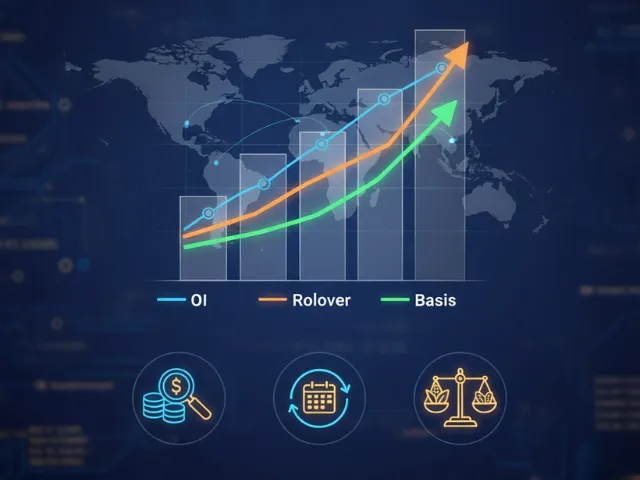
कमोडिटी फ्यूचर्स डेटा कैसे पढ़ें | OI, Rollover और बेसिक्स को समझें
Key Takeaways
- OI (Open Interest) बताता है कि कितने कॉन्ट्रैक्ट्स मार्केट में एक्टिव हैं।
- Rollover दिखाता है कि ट्रेडर्स अपनी पोजीशन अगले महीने तक ले जा रहे हैं या नहीं।
- Futures डेटा से मार्केट की दिशा और सेंटिमेंट समझा जा सकता है।
- OI और प्राइस का रिश्ता ट्रेंड की पुष्टि करता है।
- Swastika Investmart के एनालिटिक्स टूल्स से ये डेटा आसानी से पढ़ा जा सकता है।
🌾 कमोडिटी फ्यूचर्स क्या होते हैं?
कमोडिटी फ्यूचर्स एक ऐसा डेरिवेटिव कॉन्ट्रैक्ट होता है, जिसमें आप किसी कमोडिटी (जैसे गोल्ड, क्रूड ऑयल, सिल्वर, या कॉपर) को भविष्य की तारीख पर तय कीमत पर खरीदने या बेचने का समझौता करते हैं।
उदाहरण के तौर पर —
अगर आप मानते हैं कि क्रूड ऑयल की कीमत बढ़ेगी, तो आप उसका फ्यूचर कॉन्ट्रैक्ट खरीदते हैं।
अगर कीमत बढ़ती है, तो आपको मुनाफा होता है; अगर गिरती है, तो नुकसान।
📘 फ्यूचर्स डेटा को पढ़ना क्यों ज़रूरी है?
कमोडिटी ट्रेडिंग में सिर्फ कीमतें देखना पर्याप्त नहीं है।
डेटा एनालिसिस (OI, Volume, Rollover) से आप यह समझ सकते हैं कि —
- बड़े खिलाड़ी (institutions) किस दिशा में पोजीशन बना रहे हैं
- क्या मार्केट में नया ट्रेंड शुरू हो रहा है या पुराना खत्म
- ट्रेंड “Strong” है या “Weak”
इसलिए एक समझदार ट्रेडर के लिए फ्यूचर्स डेटा पढ़ना उतना ही ज़रूरी है जितना चार्ट देखना।
🔍 Open Interest (OI) क्या है?
Open Interest (OI) बताता है कि किसी खास कमोडिटी फ्यूचर में कितने ओपन कॉन्ट्रैक्ट्स अभी तक क्लोज़ नहीं हुए हैं।
यह ट्रेंड की मजबूती और भागीदारी को दर्शाता है।
OI को समझने का सरल तरीका:
उदाहरण:
अगर गोल्ड फ्यूचर्स की कीमत ₹72,000 से ₹73,200 तक बढ़ती है और OI भी बढ़ता है,
तो यह दर्शाता है कि नए खरीदार मार्केट में प्रवेश कर रहे हैं — यानी ट्रेंड मज़बूत Bullish है।
🔁 Rollover क्या है और यह क्यों मायने रखता है?
हर फ्यूचर कॉन्ट्रैक्ट की एक एक्सपायरी डेट होती है (आमतौर पर महीने के आखिरी सप्ताह में)।
अगर ट्रेडर अपनी पोजीशन को अगले महीने के कॉन्ट्रैक्ट में शिफ्ट करता है, तो इसे Rollover कहा जाता है।
Rollover डेटा से क्या पता चलता है?
- उच्च Rollover (%): ट्रेडर्स अपने पोजीशन पर भरोसा कर रहे हैं।
- कम Rollover: ट्रेडर्स एक्सपायरी के बाद निकलना चाह रहे हैं।
- Rollover कॉस्ट: यह बताता है कि अगले महीने में ट्रेडिंग की दिशा कैसी रह सकती है।
उदाहरण:
अगर सिल्वर में 85% Rollover दिख रहा है, तो इसका मतलब है कि ज़्यादातर ट्रेडर्स ने अपनी लंबी पोजीशन को अगले महीने तक बढ़ा लिया है — यानी सकारात्मक सेंटिमेंट जारी है।
🧮 Volume, OI और Price — तीनों का रिश्ता
ट्रेडिंग में सही निर्णय लेने के लिए आपको तीनों डेटा को एक साथ पढ़ना चाहिए।स्मार्ट ट्रेडिंग टिप:
सिर्फ प्राइस देखकर ट्रेड न करें — OI और Volume की पुष्टि ज़रूर करें।
📊 कैसे पढ़ें यह डेटा (Using Broker Tools)
अधिकांश ब्रोकर्स जैसे Swastika Investmart अपने ग्राहकों को Futures Analytics Tools प्रदान करते हैं।
इनसे आप रियल-टाइम OI, Rollover और Volume डेटा देख सकते हैं।
Swastika Investmart के प्लेटफॉर्म पर:
- Multi-commodity OI analysis
- Historical trend comparison
- Sector-wise OI ranking
- Auto rollover tracking
👉 यहाँ क्लिक करें और डेटा देखें
📈 भारत में कमोडिटी मार्केट का संदर्भ
भारत का कमोडिटी डेरिवेटिव मार्केट (MCX, NCDEX) विश्व के सबसे तेज़ी से बढ़ते बाजारों में से एक है।
यहाँ गोल्ड, सिल्वर, क्रूड, कॉपर, और एग्री-कमोडिटीज़ में रोज़ाना अरबों रुपये का कारोबार होता है।
सरकार और SEBI के सख्त नियामक ढाँचे के कारण यह मार्केट अब पहले से कहीं ज़्यादा पारदर्शी और निवेशक-अनुकूल बन गया है।
💡 Swastika Investmart क्यों?
Swastika Investmart एक SEBI-registered broker है, जो कमोडिटी, इक्विटी और डेरिवेटिव ट्रेडिंग में
अपने रिसर्च-बेस्ड एनालिटिक्स टूल्स और ग्राहक समर्थन के लिए प्रसिद्ध है।
Swastika के साथ आपको मिलता है:
- Advanced OI & Rollover Analysis
- Multi-Asset Research Reports
- Personalized Market Alerts
- Fast & Secure Trading Platform
- Dedicated Commodity Research Desk
👉 अभी खाता खोलें और डेटा-ड्रिवन ट्रेडिंग शुरू करें।
❓ अक्सर पूछे जाने वाले प्रश्न (FAQs)
1️⃣ OI क्या दर्शाता है?
OI दिखाता है कि मार्केट में कितने ओपन कॉन्ट्रैक्ट्स हैं — यह भागीदारी और ट्रेंड की मजबूती बताता है।
2️⃣ Rollover कैसे समझें?
अगर ज़्यादातर ट्रेडर्स अपनी पोजीशन अगले महीने ले जा रहे हैं, तो Rollover हाई होता है — इसका मतलब है कि ट्रेंड में विश्वास बना हुआ है।
3️⃣ क्या OI डेटा रोज़ बदलता है?
हाँ, हर दिन जब भी नए कॉन्ट्रैक्ट्स जुड़ते या खत्म होते हैं, OI डेटा अपडेट होता है।
4️⃣ Futures Trading में यह डेटा क्यों ज़रूरी है?
क्योंकि यह बताता है कि “पैसा कहाँ जा रहा है” — यानी स्मार्ट मनी किस दिशा में ट्रेड कर रही है।
5️⃣ क्या मैं Swastika पर यह डेटा लाइव देख सकता हूँ?
हाँ, Swastika के डैशबोर्ड में रियल-टाइम OI, Volume और Rollover डेटा उपलब्ध है।
🔚 निष्कर्ष
कमोडिटी फ्यूचर्स डेटा को समझना हर निवेशक और ट्रेडर के लिए एक महत्वपूर्ण स्किल है।
OI और Rollover से आप सिर्फ ट्रेंड नहीं, बल्कि मार्केट की गहराई और मूड समझ सकते हैं।
अगर आप डेटा-आधारित ट्रेडिंग सीखना चाहते हैं और बेहतर निर्णय लेना चाहते हैं — Swastika Investmart के साथ जुड़ें
👉 Open your account with Swastika Investmart today
%20(2)%20(5).webp)
Sudeep Pharma IPO Review: Should You Apply Between 21–25 Nov? Complete Analysis Inside!
Key Takeaways
- Sudeep Pharma IPO opens 21–25 Nov 2025 with a price band of ₹563–593.
- Strong FY25 metrics: ₹501.9 cr revenue, 27.88% RONW, and high EBITDA margins.
- Valuation is aggressive at 45–48x P/E, limiting short-term listing gains.
- Dominant presence in pharma excipients with global certifications and stable clients.
- Suitable mainly for long-term (2–5 years) investors seeking exposure to specialty pharma ingredients.
The Sudeep Pharma IPO is among the most talked-about offerings this month, thanks to its strong financial performance and leadership position in pharma-grade minerals and excipients. With subscription dates 21–25 November 2025, investors are evaluating whether the steep valuation is justified by the company’s growth story.
This detailed analysis covers the company’s fundamentals, market position, valuations, strengths, risks, and whether retail investors should consider applying.
Understanding Sudeep Pharma: A 35+ Year Legacy in Excipients
Founded in 1989, Sudeep Pharma has grown into one of India’s key manufacturers of pharmaceutical excipients and specialty chemicals, supplying more than 200+ products across pharma, food, and nutrition sectors. The company operates six manufacturing facilities with a combined capacity of 50,000 MT and serves several global blue-chip clients.
Their product portfolio includes:
- Pharmaceutical, Food & Nutrition ingredients
- Specialty mineral-based ingredients
- Triturates (ready-to-use blends used in tablets & nutraceutical formulations)
Importantly, Sudeep Pharma holds prestigious global certifications such as US FDA, WHO-GMP, EXCiPACT, ISO 9001, FSSC 22000, HACCP, Kosher, and Halal, positioning the company as a trusted supplier in regulated markets.
In 2025, the company also acquired a European premix manufacturer (NSS), strengthening its foothold in the nutrition business.
IPO Details at a Glance
Detail Information
Issue Size- ₹895 cr
Fresh Issue- ₹95 cr
OFS- ₹800 cr
Price Band- ₹563–593
Market Lot- 25 shares
Issue Dates- 21–25 Nov 2025
Post-issue Market Cap- ₹6,697.85 cr
Listing- BSE & NSE
The IPO consists largely of an Offer for Sale, meaning most proceeds go to existing shareholders, not the company. Only the fresh issue will fund capex for machinery at the Nandesari facility and general corporate expenses.
This is an impressive trend—both revenue and profitability have shown robust improvement. A near-40% EBITDA margin places Sudeep among the better-performing players in India’s specialty chemicals space.
What’s driving growth?
- Higher demand from global pharma clients
- Product diversification
- Increased contribution from nutrition and specialty ingredients
- High-entry-barrier mineral-based excipient industry
Valuation: Is the IPO Expensive?
Based on FY25 financials:
- Pre-IPO EPS: 12.46
- P/E at the price band: 45–48x
This valuation is on the higher side, even for high-quality pharma ingredient companies. The IPO note itself categorizes the issue as “aggressively priced”, indicating that most near-term growth is already factored into the pricing.
Does this leave room for listing gains?
Not significantly. The valuation restricts the short-term upside. Investors looking for 10–20% short-term gains may find the risk-reward unfavourable.
Long-term view (2–5 years)
If the company continues delivering:
- 35–40% EBITDA margins
- Strong RONW
- Successful integration of NSS
- Further expansion in specialty minerals
then the valuation could still be justified over a multi-year horizon.
Key Strengths of Sudeep Pharma
1. Leadership in High-Entry-Barrier Ingredients
Manufacturing mineral-based excipients requires high R&D expertise, compliance systems, and technical know-how—creating strong entry barriers.
Sudeep Pharma Ltd. IPO note (1)
2. Deeply Integrated Global Supply Chain
Sudeep serves several Fortune 500 and global blue-chip clients. Long-term contracts and consistent quality make the business sticky.
3. Strong Certifications & Compliance
Regulated market approvals (e.g., US FDA, EXCiPACT) give the company a competitive advantage, especially in the pharma excipients space.
4. Consistent R&D Focus
Multiple in-house labs, pilot plants, and a team dedicated to mineral salts innovation drive product development.
Key Risks You Should Be Aware Of
Even strong companies carry risks. For Sudeep Pharma, key concerns include:
1. Revenue Concentration
- Top 10 customers contribute over 35% of revenues.
- One business segment accounts for 60%+ of total revenues.
This increases vulnerability to client or segment-level slowdowns.
2. Regional Operational Dependence
All manufacturing facilities are located in Gujarat, exposing operations to regional disruptions.
3. Quality & Audit Compliance Risk
Failure to pass audits from global pharma clients could lead to immediate order loss.
4. M&A Integration Risk
Integrating NSS or future acquisitions may strain resources or fail to deliver expected synergies.
Should You Apply for the Sudeep Pharma IPO?
Best for Long-term, Not Listing Gains
The fundamentals are strong: high margins, diversified products, global certifications, and solid financial growth. However, valuation is steep, reducing the probability of short-term listing gains.
Recommended For:
- Long-term investors (2–5 years horizon)
- Those seeking exposure to India’s rising pharma ingredients and specialty minerals industry
- Investors comfortable with premium valuations for quality businesses
Avoid If:
- You’re looking for short-term returns
- You have low-risk tolerance
- Valuation discipline is your priority
FAQs
1. What are the Sudeep Pharma IPO dates?
The IPO opens on 21 November 2025 and closes on 25 November 2025.
2. What is the price band for the IPO?
The price band is ₹563–593 per share.
3. Is the Sudeep Pharma IPO good for listing gains?
The IPO is aggressively priced, leaving limited room for short-term gains. Suitable mainly for long-term investors.
4. What will the funds be used for?
Primarily for capex—procurement of machinery for the Nandesari facility—and general corporate purposes.
5. Does Sudeep Pharma have listed peers?
No direct listed peers exist in India in the same line of business.
Conclusion: A High-Quality Company, But at a High Price
- The company delivers robust performance with rising revenues, high EBITDA margins, and an impressive FY25 RONW of 27.88%.
- It operates as a preferred partner for critical pharma-grade ingredients, serving a solid roster of marquee global customers.
- The issue is considered "aggressively priced" at a P/E of 45–48x, fully capturing its current stable profitability.
- This steep valuation leaves very little room for immediate listing gains or short-term "pops."
- Agressive Investors are advised to apply only if they have a holding horizon of 2–5 years.
Invest in upcoming IPOs, equities, and mutual funds with a trusted SEBI-registered broker. Swastika Investmart offers powerful research tools, strong customer support, and a seamless tech-enabled platform.
👉 Open your account with Swastika Investmart today
%20(12).webp)
भारत में (Joint) Demat खाता कैसे खोलें
मुख्य बातें (TL;DR)
- एक Joint Demat Account में अधिकतम 3 व्यक्ति शामिल हो सकते हैं।
- सभी धारकों का KYC और PAN आवश्यक है।
- सभी ट्रांज़ैक्शन primary holder के नाम से होते हैं।
- संयुक्त खाता परिवार या बिज़नेस पार्टनर के साथ खोला जा सकता है।
- Swastika Investmart के साथ यह प्रक्रिया पूरी तरह ऑनलाइन और तेज़ है।
Demat Account क्या होता है?
Demat Account (Dematerialized Account) वह खाता होता है जिसमें आपके शेयर, म्यूचुअल फंड और बॉन्ड्स इलेक्ट्रॉनिक रूप में रखे जाते हैं।
यह बैंक खाते की तरह काम करता है — बस फर्क इतना है कि इसमें पैसे की जगह शेयर होते हैं।
अगर आप किसी और के साथ मिलकर निवेश करना चाहते हैं, तो आप एक Joint Demat Account खोल सकते हैं।
Joint Demat Account क्या है?
Joint Demat Account में दो या तीन व्यक्ति मिलकर एक ही Demat खाता खोल सकते हैं।
इसमें एक व्यक्ति को Primary Holder (मुख्य धारक) कहा जाता है और बाकी को Joint Holder(s)।
उदाहरण के तौर पर:
मान लीजिए, आप अपने जीवनसाथी या भाई के साथ मिलकर शेयर निवेश करना चाहते हैं।
ऐसे में आप दोनों एक Joint Demat Account खोल सकते हैं, ताकि शेयर और लाभ साझा रूप से रखे जा सकें।
Joint Demat Account खोलने की प्रक्रिया (Step-by-Step Guide)
1. ब्रोकर या DP (Depository Participant) चुनें
भारत में दो प्रमुख Depositories हैं — NSDL और CDSL।
आपको इनके अधिकृत DP जैसे Swastika Investmart के माध्यम से खाता खोलना होगा।
👉 Swastika Investmart पर ऑनलाइन खाता खोलें
2. आवश्यक दस्तावेज़ तैयार रखें
सभी धारकों को नीचे दिए गए दस्तावेज़ जमा करने होंगे:
- PAN Card
- Aadhaar Card (या अन्य पहचान प्रमाण)
- Address Proof (Electricity Bill, Passport आदि)
- Passport-size Photo
- Bank Account Proof (Cancelled Cheque या Passbook)
3. KYC और e-Sign प्रक्रिया पूरी करें
सभी applicants को KYC (Know Your Customer) पूरी करनी होती है।
अगर आप ऑनलाइन प्रक्रिया चुनते हैं, तो Aadhaar आधारित e-KYC और e-Sign से पूरा हो जाता है।
4. Nominee जोड़ें (वैकल्पिक)
आप अपने Joint Demat Account में Nominee जोड़ सकते हैं।
Nominee केवल Primary Holder द्वारा तय किया जा सकता है, लेकिन भविष्य में इसे बदला जा सकता है।
5. Account Activation और Login
सभी दस्तावेज़ सत्यापित होने के बाद, DP द्वारा खाता सक्रिय किया जाता है।
आपको Login credentials मिलेंगे जिससे आप अपने होल्डिंग्स और ट्रांज़ैक्शन्स देख सकते हैं।
Joint Demat Account के प्रकार
Joint Mode- सभी धारकों के हस्ताक्षर हर ट्रांज़ैक्शन के लिए आवश्यक होते हैं।
Either or Survivor Mode- किसी भी एक धारक के सिग्नेचर से ट्रांज़ैक्शन संभव है (अक्सर पति-पत्नी के खातों में)।
Joint Demat Account के फायदे
✅ साझा निवेश नियंत्रण – परिवार या पार्टनर के साथ निवेश प्रबंधन आसान।
✅ उत्तराधिकार में सरलता – मृत्यु की स्थिति में दूसरे धारक को स्वामित्व मिल जाता है।
✅ पारदर्शिता – सभी धारक समान रूप से लेनदेन देख सकते हैं।
✅ सुविधाजनक रिकॉर्ड कीपिंग – एक ही खाता, एकीकृत पोर्टफोलियो ट्रैकिंग।
महत्वपूर्ण नियम और सावधानियाँ
- सभी धारकों का PAN और KYC अनिवार्य है।
- एक Joint Demat Account को Trading Account से लिंक करने के लिए सभी के सिग्नेचर आवश्यक हैं।
- एक बार Primary Holder तय हो जाने पर उसे बदला नहीं जा सकता।
- Death के मामले में खाता “Survivor” के नाम पर ट्रांसफर किया जा सकता है।
Swastika Investmart क्यों चुनें?
Swastika Investmart एक SEBI-registered, NSDL/CDSL depository participant है,
जो निवेशकों को भरोसेमंद और तकनीक-सक्षम अनुभव देता है।
Swastika के साथ आपको मिलता है:
- Paperless Online Account Opening
- Real-time Portfolio Tracking
- Dedicated Relationship Manager
- Research-backed Investment Insights
- Investor Education Programs
👉 अभी खाता खोलें और परिवार के साथ समझदारी से निवेश शुरू करें।
अक्सर पूछे जाने वाले प्रश्न (FAQs)
1️⃣ क्या मैं अपने माता-पिता या जीवनसाथी के साथ Joint Demat Account खोल सकता हूँ?
हाँ, आप किसी भी वयस्क भारतीय निवासी के साथ संयुक्त खाता खोल सकते हैं।
2️⃣ क्या NRI संयुक्त धारक बन सकता है?
हाँ, लेकिन उसे FEMA और RBI दिशा-निर्देशों का पालन करना होगा।
3️⃣ क्या सभी धारकों को KYC देना होता है?
हाँ, प्रत्येक धारक को अलग-अलग KYC और PAN कार्ड की आवश्यकता होती है।
4️⃣ अगर एक धारक की मृत्यु हो जाए तो क्या होगा?
ऐसी स्थिति में खाता Survivor के नाम पर ट्रांसफर किया जा सकता है।
5️⃣ क्या Swastika Investmart में यह प्रक्रिया ऑनलाइन है?
हाँ, पूरी प्रक्रिया e-KYC और e-Sign के माध्यम से ऑनलाइन पूरी की जा सकती है।
निष्कर्ष
एक Joint Demat Account आपको अपने परिवार या पार्टनर के साथ निवेश की जिम्मेदारी साझा करने की सुविधा देता है।
यह पारदर्शिता, सुरक्षा और आसान उत्तराधिकार की दृष्टि से एक समझदार विकल्प है।
अगर आप अपने निवेश सफर की शुरुआत भरोसेमंद पार्टनर के साथ करना चाहते हैं — 👉 Swastika Investmart पर खाता खोलें - जहाँ आपको मिलेगा आसान ऑनबोर्डिंग, बेहतर रिसर्च और 24×7 सपोर्ट।
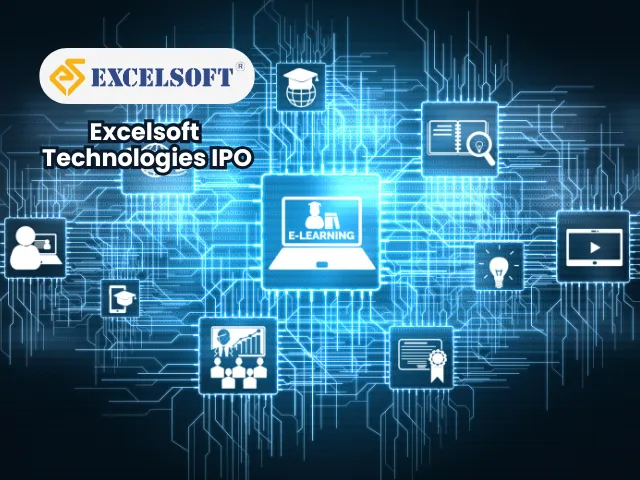
Excelsoft Technologies Ltd. IPO: Detailed Analysis, Valuation & Verdict
Key Takeaways
- Excelsoft Technologies’ ₹500 crore IPO includes ₹180 crore fresh issue + ₹320 crore OFS.
- Price band: ₹114–₹120, lot size 125 shares, market cap approx. ₹1,381 crore.
- The company is a global vertical SaaS player in the EdTech learning & assessment space.
- Strong FY25 performance: PAT up ~172%, stable margins, ROCE at 16.11%.
- Key risks include heavy reliance on Pearson (≈59% revenue) and compliance & cybersecurity exposure.
- Verdict: Neutral—growth potential strong, but valuation looks stretched.
Excelsoft Technologies Limited is gearing up for its public debut, and the IPO has already drawn attention because of its niche positioning in the vertical SaaS EdTech market. The company provides AI-enabled learning, assessment, and digital content solutions to global clients — a space that has seen rapid adoption across corporate, academic, and certification ecosystems.
With Swastika Investmart’s in-depth research backing the IPO note, this article breaks down the business fundamentals, valuation, risks, and whether investors should apply.
A Closer Look at Excelsoft Technologies
Excelsoft Technologies is a global vertical SaaS company specializing in the learning, assessment, and education technology ecosystem. Their products are used by academic institutions, corporates, government bodies, and certification agencies across multiple geographies.
Key Product Segments
- Assessment & Proctoring
- SARAS e-Assessments
- EasyProctor
- Learning & Student Success Platforms
- SARAS Learning Solutions
- OpenPage Digital Books
- EnablED LXP
- CollegeSparc
- LearnActiv (K-12 focus)
Business Model in One Line
A recurring-revenue, SaaS-driven platform model catering to global education and training markets — with long-term sticky clients.
IPO Details at a Glance
IPO Size: ₹500 crore
Fresh Issue: ₹180 crore
OFS: ₹320 crore
Price Band: ₹114–₹120
Market Lot: 125 shares
Face Value: ₹10
Listing: BSE, NSE
Market Cap at Upper Band: ₹1,381.01 crore
Issue Opens: 19 Nov 2025
Issue Closes: 21 Nov 2025
Listing Date26 Nov 2025
Objects of the Issue
Funds will be used for:
- Land purchase & new building construction (Mysore)
- External electrical upgrades
- IT upgrades (software, hardware, networking)
- General corporate purposes
This signals expansion capacity and infrastructure strengthening — key for SaaS scale-ups.
Highlights
- PAT growth of ~172% YoY in FY25 — excellent turnaround.
- EBITDA margin stable and healthy (31.4%).
- ROCE at 16.11%, respectable for a SaaS firm investing in expansion.
The company is clearly moving toward improving profitability while scaling.
Strengths of Excelsoft Technologies
1. Focus on a High-Growth Vertical SaaS Segment
EdTech, assessments, and learning automation are gaining traction globally — especially post-digital transformation.
2. Strong Global Client Base
76 clients across multiple continents.
Long-term contracts promote predictable recurring revenue.
3. Leadership & Product Depth
Experienced team and mature product suite — SARAS, OpenPage, EnablED — built on agile and flexible technology.
4. High Demand for Assessment Tech
AI-enabled proctoring, remote assessment, and digital exams are now standard for institutions and certification bodies.
Key Concerns & Risks
1. Heavy Dependency on Pearson (≈59% revenue)
This is the biggest red flag.
Any renegotiation or loss of this client can materially impact revenue.
2. Compliance & Global Regulations
Operating across countries brings complex regulatory exposure.
3. Cybersecurity Risks
Given sensitive student data and assessment records, any cyber breach can hurt trust & revenue.
4. SaaS Transition Impacts Cash Flow
Subscription-based revenue shifts can delay recognition.
5. No Long-Term Contracts
Renewal risks remain — despite repeat business.
Valuation: Is the IPO Fairly Priced?
- EPS (Pre-IPO): ₹3.47
- P/E at upper band: ~34.62×
- Sector peers trade between 22× to 42×, but most have diversified client bases.
Conclusion:
The pricing looks aggressive, considering the:
- Client concentration risk
- Contingent liabilities
- Scale vs competitors
- Size of the addressable market
Verdict: Should You Apply for Excelsoft Technologies IPO?
Overall Verdict: Neutral
- Focuses on the high-growth Vertical SaaS segment, specifically in the EdTech learning and assessment market.
- Serves 76 global clients (including Pearson Group), ensuring predictable, recurring revenue via long-term contracts.
- Demonstrated significant financial health, highlighted by a ~172% PAT surge in FY25.
- Client Concentration: Highly reliant on the Pearson Education Group (~59% of revenue), posing a significant disruption risk.
- Valuation & Rating: Appears aggressively priced (P/E ~ 35), leading to a neutral rating with an expectation of only a minor listing gain.
Frequently Asked Questions
1. What is the size of Excelsoft Technologies’ IPO?
Total size is ₹500 crore including ₹180 crore fresh issue + ₹320 crore OFS.
2. What are the key strengths of the company?
Strong global SaaS presence, long-term client relationships, AI-enabled products, and a healthy financial profile.
3. What is the biggest risk of investing in this IPO?
Excelsoft depends heavily on one client — Pearson — contributing ~59% of revenue.
4. Is the IPO fairly priced?
At P/E ~35×, it appears on the expensive side relative to risk factors.
5. What is Swastika Investmart’s view?
A Neutral rating, indicating moderate prospects and valuation concerns.
👉 Open your account with Swastika Investmart today


.webp)
.webp)

.webp)





START YOUR INVESTMENT JOURNEY
Get personalized advice from our experts
- Dedicated RM Support
- Smooth and Fast Trading App
