

Tax Planning vs Tax Evasion: Understanding the Difference


Key Takeaways
- Tax planning is legal and helps reduce tax liability using government-approved provisions
- Tax evasion is illegal and can lead to penalties, prosecution, and scrutiny
- Understanding the difference is essential for financial safety and compliance
- Smart tax planning improves wealth creation and long-term investing
- Indian tax laws clearly distinguish between legal planning and illegal evasion
Why This Topic Matters for Every Taxpayer
When it comes to managing taxes, most individuals and investors aim to reduce their tax burden. However, there is a fine line between what is legally allowed and what can get you into serious trouble.
Understanding the difference between tax planning and tax evasion is not just important for compliance, but also for building long-term financial security.
In India, tax laws are governed by the Income Tax Department, and non-compliance can lead to strict penalties. Knowing where to draw the line can save both money and stress.
What is Tax Planning?
Tax planning refers to the legal use of tax provisions to minimize your tax liability.
It involves structuring your finances in a way that takes advantage of deductions, exemptions, and benefits provided under the Income Tax Act.
Common examples of tax planning:
- Investing under Section 80C (ELSS, PPF, LIC)
- Claiming deductions for health insurance under Section 80D
- Using HRA and standard deduction benefits
- Setting off capital losses against gains
These are all legitimate strategies encouraged by the government to promote savings and investments.
Real-world example:
A salaried individual invests ₹1.5 lakh in ELSS funds and reduces taxable income under Section 80C. This is completely legal and considered smart financial planning.
What is Tax Evasion?
Tax evasion, on the other hand, involves illegal methods to avoid paying taxes.
This includes hiding income, falsifying documents, or misreporting financial information.
Common examples of tax evasion:
- Not reporting cash income
- Claiming fake deductions
- Using benami transactions
- Not declaring capital gains from stock market trades
Tax evasion is a punishable offense and can lead to penalties, interest, and even prosecution under Indian laws.
Real-world example:
An individual earns income from trading but does not report it while filing returns. This is tax evasion and can attract scrutiny notices.
Key Differences Between Tax Planning and Tax Evasion
Legality
Tax planning is legal and compliant with the law.
Tax evasion is illegal and punishable.
Intent
Tax planning aims to optimize tax liability within the law.
Tax evasion aims to hide income and avoid taxes unlawfully.
Risk
Tax planning carries no legal risk.
Tax evasion can result in penalties, audits, and prosecution.
Transparency
Tax planning is fully disclosed in tax returns.
Tax evasion involves concealment or misrepresentation.
Indian Regulatory Framework and Penalties
The Income Tax Act clearly defines consequences for tax evasion.
Possible penalties include:
- Monetary penalties up to 200 percent of tax evaded
- Interest on unpaid taxes
- Legal prosecution in severe cases
With increasing digitization, the government now tracks financial transactions more closely. Systems like AIS and TIS help the tax department identify mismatches in reported income.
This means that tax evasion has become riskier than ever before.
Impact on Investors and Financial Markets
Tax compliance plays a crucial role in maintaining transparency in financial markets.
For example:
- Investors must report capital gains from stocks and mutual funds
- Traders need to disclose income from derivatives and intraday trading
- Dividend income is fully taxable under current laws
Non-compliance not only leads to penalties but also affects credibility, especially for active market participants.
In a growing economy like India, tax compliance strengthens the overall financial ecosystem and boosts investor confidence.
Smart Tax Planning Strategies for Investors
If you are investing in the stock market, there are several ways to optimize taxes legally.
1. Use Long-Term Capital Gains Benefits
Holding equities for more than one year qualifies for LTCG taxation, which is lower compared to short-term gains.
2. Tax-Loss Harvesting
Offsetting losses against gains can help reduce overall tax liability.
3. Diversified Investment Approach
Using a mix of equity, debt, and tax-saving instruments helps balance returns and tax efficiency.
4. Proper Documentation
Maintaining accurate records ensures smooth filing and avoids unnecessary notices.
Why Investors Should Avoid Shortcuts
In the short term, tax evasion may seem like a way to save money. But the long-term consequences can be severe.
With data integration across banks, exchanges, and financial institutions, authorities have access to detailed financial information.
Choosing legal tax planning over shortcuts ensures:
- Peace of mind
- Long-term wealth creation
- Better financial discipline
Role of Technology in Tax Compliance
Modern platforms and brokerage services are making it easier for investors to stay compliant.
Features like:
- Automated capital gains reports
- Transaction summaries
- Integrated tax statements
help investors file accurate returns without hassle.
This is especially important for traders and active investors who deal with multiple transactions.
FAQs
What is the main difference between tax planning and tax evasion?
Tax planning is legal and uses approved methods to reduce taxes, while tax evasion is illegal and involves hiding or misreporting income.
Is tax planning allowed in India?
Yes, tax planning is completely legal and encouraged under the Income Tax Act.
What are the penalties for tax evasion?
Penalties can include fines, interest, and even prosecution depending on the severity of the offense.
Can stock market income be taxed?
Yes, capital gains, dividends, and trading income are all taxable under Indian tax laws.
How can investors reduce taxes legally?
Investors can use strategies like long-term investing, tax-loss harvesting, and deductions under various sections of the Income Tax Act.
Conclusion
Understanding the difference between tax planning and tax evasion is essential for every taxpayer and investor. While both aim to reduce tax liability, only one is legal and sustainable.
In today’s transparent financial system, compliance is not just a requirement but a smart financial habit. By following the right strategies, investors can optimize taxes while staying on the right side of the law.
If you are actively investing or planning to enter the markets, having the right support system can make a big difference.
With SEBI-registered credibility, strong research tools, advanced technology, and a focus on investor education, Swastika Investmart helps you invest with confidence while staying compliant.
Big Budget










.webp)
.webp)
.webp)
.webp)
.webp)
















.webp)
.webp)
.webp)
.webp)
Latest Articles
.webp)
TCS Q2 Results Breakdown: How the IT Giant Is Preparing for the Next Phase of AI Growth, — The Road Ahead for Investors.


Key Takeaways
- TCS reported a net profit of ₹12,075 crore and revenue of ₹65,799 crore in Q2 FY25.
- The company is heavily investing in AI and digital infrastructure, including a 1 GW AI data center in India.
- Focus on AI-driven efficiency and innovation marks the next growth phase for TCS.
- The move supports India’s Digital and AI mission, positioning TCS as a global AI enabler.
- Investors can see long-term opportunities across IT, infrastructure, and AI-linked sectors.
TCS Q2 Performance: Stable Results Amid Global Uncertainty
Tata Consultancy Services (TCS), India’s largest IT services exporter, reported its Q2 FY25 results showing a blend of stability and strategic foresight.
The company delivered a net profit of ₹12,075 crore, up on a sequential basis, while revenue stood at ₹65,799 crore, reflecting resilience despite global IT demand moderation.
TCS’s operating margins showed improvement, driven by cost discipline and efficiency gains through automation. The company also maintained a strong order book, backed by new deals in BFSI, healthcare, and manufacturing.
While global IT peers face cautious client spending, TCS’s strength lies in its diversified portfolio and long-term contracts. The Q2 results prove that TCS is not just surviving the slowdown — it’s preparing for its next big leap: Artificial Intelligence.
TCS’s AI Strategy: Building the Future, Not Just Coding It
Beyond the numbers, the real story this quarter is TCS’s strategic investment in AI and data infrastructure.
The company announced a plan to set up a 1 gigawatt (GW) AI data center in India, a first-of-its-kind move that underlines its long-term vision.
This data center will provide computational power for AI model training, cloud services, and enterprise-level AI solutions — enabling faster adoption of generative AI technologies by clients across industries.
TCS has also been integrating AI tools in software development, customer analytics, and operational automation, leading to both cost savings and productivity gains.
By combining its deep domain expertise with AI capabilities, TCS aims to build AI-first solutions that enhance efficiency and decision-making for clients globally.
This aligns with India’s growing ambition to become a global AI hub under initiatives like the IndiaAI Mission 2024, which encourages domestic companies to invest in data infrastructure and AI ecosystems.
How TCS’s AI Move Impacts the Broader Indian Market
TCS’s AI investment isn’t limited to IT — it’s creating ripple effects across multiple sectors.
For instance, the proposed 1 GW data center will require massive real estate, power, and cooling infrastructure, indirectly boosting real estate, renewable energy, and infra companies.
This has already been reflected in the short-term rally seen in real estate and REIT stocks, particularly those with exposure to tech cities like Bengaluru, Hyderabad, and Pune.
Moreover, this move signals a shift in India’s economic structure — where digital and physical infrastructure are now interdependent.
The power sector, especially renewable energy, could benefit as data centers demand sustainable energy sources to reduce carbon footprint.
In essence, TCS’s AI journey represents a multi-sector opportunity, from IT and infra to energy and property.
Global Context: Competing in the AI Race
Globally, technology leaders like Microsoft, Google, and Amazon are racing to expand their AI and cloud infrastructure.
TCS’s latest move places it firmly in that global race — not as a follower but as a strategic contributor in enabling enterprise-level AI in emerging markets.
India, with its young tech workforce and cost advantage, is ideally positioned to become a data processing powerhouse, and TCS is at the center of that transformation.
By expanding domestic data capacity, TCS not only enhances its competitiveness but also strengthens India’s data sovereignty and compliance with local data storage regulations under MeitY (Ministry of Electronics and Information Technology).
Investor Takeaways: What This Means for the Market
TCS’s Q2 results and AI strategy send a clear message to investors — the company is building for the next decade, not just the next quarter.
Short-Term Outlook:
- Stock performance may remain steady as markets digest global IT demand trends.
- AI infrastructure news may continue to boost sentiment for IT and infra-linked sectors.
Long-Term Outlook:
- TCS’s AI investments could unlock sustainable growth over the next 3–5 years.
- Investors may consider accumulating positions gradually for long-term wealth creation.
- The rise in AI and digital infrastructure demand could support cross-sector investments, including real estate and power.
Regulatory & Economic Backdrop
India’s focus on digital transformation, supported by programs like Digital India and AI Mission 2047, provides a favorable ecosystem for such developments.
Additionally, SEBI’s continued push for transparency and investor protection helps maintain confidence in listed IT majors like TCS.
This convergence of policy support, technology innovation, and financial stability is shaping India’s next growth phase — and TCS is one of its key architects.
FAQs
Q1: How did TCS perform in Q2 FY25?
TCS reported a net profit of ₹12,075 crore and revenue of ₹65,799 crore, maintaining healthy margins and consistent deal flow.
Q2: What is the significance of TCS’s 1 GW AI data center plan?
It represents a large-scale commitment to AI infrastructure, supporting India’s digital economy and positioning TCS as a leader in AI-driven enterprise services.
Q3: How does TCS’s AI investment impact other sectors?
Data centers drive demand for land, power, and infra, benefiting real estate, renewable energy, and infrastructure stocks.
Q4: What is the investor outlook for TCS after Q2 results?
TCS remains a strong long-term play due to its robust fundamentals, AI leadership, and diversified business model.
Q5: How can investors capitalize on this trend?
By investing through trusted platforms like Swastika Investmart, which offers in-depth research, AI-based tools, and expert advisory to help investors identify emerging opportunities.
Conclusion: The Road Ahead for Investors
TCS’s Q2 results highlight more than financial strength — they reveal a company transforming itself for the AI-powered decade ahead.
Its investments in AI, automation, and data infrastructure are setting new benchmarks for the Indian IT industry while opening growth avenues for sectors like real estate, energy, and infrastructure.
For investors, this is the right time to stay informed, diversify, and think beyond short-term volatility.
Partnering with Swastika Investmart, a SEBI-registered brokerage known for its robust research tools, personalized support, and investor education initiatives, can help you stay ahead in this evolving landscape.
👉 Open your investment account with Swastika Investmart today:
https://trade.swastika.co.in/?UTMsrc=TCSQ2Results
%20(1)%20(3).webp)
Rubicon Research vs Canara Robeco IPO: Which One Should You Pick?
Key Takeaways
- Both Rubicon Research and Canara Robeco are hitting the IPO market, attracting strong investor interest.
- Rubicon operates in the pharma formulation and R&D space, while Canara Robeco is a legacy-driven AMC.
- Canara Robeco shows steady growth and a robust AUM base; Rubicon has high potential but carries higher risk.
- Market trends, valuations, and promoter credibility play key roles in IPO selection.
- Swastika Investmart offers expert research, investor tools, and education to help you make informed IPO decisions.
Rubicon Research vs Canara Robeco IPO: Which One Should Investors Bet On?
The IPO market in India continues to witness a flood of new issues, from pharma innovators to established asset management firms. Among the recent entrants, Rubicon Research Limited and Canara Robeco Asset Management Company Limited have emerged as two of the most discussed names.
Both cater to different sectors—pharma innovation vs. financial services—but their IPOs are being closely tracked by institutional and retail investors alike. Let’s dive deep into their business models, financials, valuations, and what makes each issue stand out in the current market scenario.
Understanding the Companies
Rubicon Research Limited
Rubicon Research is a pharmaceutical formulation and product development company engaged in developing complex generics, novel drug delivery systems, and value-added products. It caters to both domestic and international markets, with a strong emphasis on R&D-driven growth.
The company’s operations span the entire drug development lifecycle—from formulation to regulatory filing—and it serves several leading global pharma companies.
Key Highlights:
- Diversified product portfolio across oral solids, topicals, ophthalmics, and injectables.
- Significant revenue contribution from exports, especially to regulated markets like the U.S.
- R&D focus helps maintain competitive advantage in high-margin segments.
However, Rubicon’s financial performance has seen volatility, with fluctuating margins due to high R&D costs and dependency on contract-based projects.
Canara Robeco Asset Management Company Ltd.
Backed by Canara Bank and Robeco (OCE Group, Netherlands), Canara Robeco is India’s second-oldest AMC with a proven legacy in managing investor wealth.
The company offers a wide range of mutual fund schemes catering to equity, debt, hybrid, and ESG themes. Its growth has been steady, driven by a strong distribution network, digital initiatives, and brand trust from both parent organizations.
Key Highlights:
- Consistent growth in Assets Under Management (AUM) over the reported periods.
- Strong brand equity from Canara Bank and Robeco.
- Rising retail participation in mutual funds boosts long-term prospects.
Unlike Rubicon, Canara Robeco’s business model is fee-based and relatively stable, offering predictable cash flows and lower risk exposure.
Industry Context: Pharma vs. AMC
The pharma industry has faced global headwinds, including pricing pressure in the U.S. market and regulatory scrutiny. However, the domestic market remains resilient, supported by rising healthcare spending and export opportunities.
In contrast, the asset management industry in India has been booming, with AUM crossing ₹60 lakh crore in 2025, according to AMFI data. The structural shift toward financialization of savings is creating long-term tailwinds for AMCs like Canara Robeco.
Thus, while Rubicon represents a growth-oriented bet, Canara Robeco offers stability and steady returns—a classic case of growth vs. consistency.
Valuation and Outlook for Rubicon Research Ltd.
- The company makes pharma formulations with strong R&D and earns 95% of its revenue from the US market.
- It has shown steady growth in revenue and profits after a FY23 loss.
- Expanding portfolio of specialized US products supports growth.
- The issue looks aggressively priced.
- Risky investors may apply this for minor listing gains and for long term also.
Valuation and Outlook for Canara Robeco Asset Management Co.Ltd.
- The company, backed by Canara Bank and OCE, is India’s second-oldest asset management company (AMC).
- It has shown consistent earnings growth over the reported periods.
- Despite operating in a highly competitive industry, its strong legacy supports a healthy AUM base.
- Based on recent financials, the issue appears fairly priced.
- Considering the trust and reputation of its parent institutions, investors may consider it for minor Listing Gain and long-term investment horizon.
Investor Sentiment and Market Impact
Both issues are drawing attention amid strong secondary market momentum. However, recent listings show that profitability and promoter credibility heavily influence post-listing performance.
In a market driven by fundamentals, investors prefer businesses with clear earnings visibility. Therefore, while Rubicon might attract short-term traders, Canara Robeco could appeal to long-term wealth creators.
For the Indian markets, these IPOs highlight the diversity of investment opportunities—from innovation-driven pharma to legacy-rich financial services—signaling the deepening of the capital market ecosystem.
Expert Tip from Swastika Investmart
At Swastika Investmart, we believe that every IPO decision should be backed by solid research and a clear understanding of your investment horizon.
With SEBI registration, robust research tools, 24x7 customer support, and tech-enabled platforms, Swastika helps investors make data-backed, confident investment decisions.
Whether you’re exploring IPOs, mutual funds, or equities, Swastika’s research team ensures you’re equipped with the right insights at every step.
👉 Open your account with Swastika Investmart today and experience seamless investing with expert guidance.
FAQs
1. Which IPO is better between Rubicon Research and Canara Robeco?
It depends on your investment style. Rubicon offers higher growth potential but higher risk, while Canara Robeco provides steady, stable returns.
2. Is Canara Robeco’s IPO good for long-term investment?
Yes, given its legacy, brand strength, and consistent earnings, Canara Robeco is suitable for long-term wealth creation.
3. What are the key risks in Rubicon Research’s IPO?
High R&D costs, regulatory challenges, and margin volatility are major risks for Rubicon Research.
4. How does Swastika Investmart help IPO investors?
Swastika offers expert research, IPO insights, and a user-friendly tech platform to simplify IPO investing.
5. What should investors look at before applying for an IPO?
Review the company’s financials, sector outlook, valuation, and promoter background before making a decision.
Conclusion
The Rubicon Research vs Canara Robeco IPO comparison captures two ends of India’s growth story—innovation vs legacy, volatility vs stability. Both IPOs have their merits, but investor suitability depends on individual risk appetite and return expectations.
Before making any move, equip yourself with expert insights and real-time research from trusted advisors like Swastika Investmart.
👉 Open an account now and start your journey towards informed investing.
%20(6).webp)
Intraday Trading Using RSI, MACD, and Bollinger Bands
Key Takeaways
- Combine RSI, MACD, and Bollinger Bands for precise intraday entries and exits
- RSI highlights overbought/oversold momentum shifts for trade timing
- MACD confirms trend direction through line crossovers and histogram analysis
- Bollinger Bands identify volatility extremes and potential price reversals
- Use all three indicators together for stronger trade signals and risk management
Overview
Intraday trading can be highly rewarding but demands timely decisions based on effective market signals. Using technical indicators like RSI (Relative Strength Index), MACD (Moving Average Convergence Divergence), and Bollinger Bands together creates a robust strategy to capture short-term price movements.
Understanding the Indicators
- RSI measures momentum, pinpointing when a stock or index is overbought (above 70) or oversold (below 30). Watching RSI reversals from these levels helps identify potential reversals or pullbacks.
- MACD uses two exponential moving averages (typically 12 and 26 periods) to show momentum trends. Bullish or bearish crossovers of the MACD line over the signal line indicate potential entry or exit points.
- Bollinger Bands consist of a moving average enveloped by upper and lower bands set two standard deviations apart, highlighting price volatility. Prices hitting the bands often signal a reversal or continuation, especially when combined with momentum indicators.
How to Time Entry and Exit Points
Entry Signal for Buying
- Price touches or dips just below the lower Bollinger Band, suggesting an oversold condition.
- RSI falls below 30 and then starts to turn upward, signaling rising buying momentum.
- MACD line crosses above the signal line, confirming upward momentum.
When these three converge, it forms a strong signal for entering a long position.
Entry Signal for Selling
- Price reaches or exceeds the upper Bollinger Band, indicating overbought conditions.
- RSI rises above 70 and then begins to dip, implying a potential downturn.
- MACD line crosses below the signal line, confirming bearish momentum.
This alignment suggests a good opportunity to enter a short position or exit long trades.
Risk Management and Trade Exits
- Always set stop-loss levels just beyond recent swing highs/lows or outside Bollinger Bands to limit losses.
- Consider taking profits as the price approaches the opposite Bollinger Band or other key support/resistance levels.
- Avoid trading when the bands are very tight (low volatility) as this can generate false signals.
Practical Example
Suppose a stock's price drops below its lower Bollinger Band intraday. Simultaneously, the RSI hits 25 and reverses upward, while the MACD line crosses above the signal line, turning the histogram green. Such a coordinated signal suggests it's an opportune moment to buy with well-placed stops and targets.
Why Combine These Indicators?
Each indicator approaches market analysis differently: RSI tests momentum extremes, MACD checks trend direction, and Bollinger Bands measure price volatility. Using these together reduces false signals and enhances confidence in intraday trading decisions.
Conclusion
For intraday traders aiming to navigate volatile markets in 2025, mastering RSI, MACD, and Bollinger Bands offers a powerful edge. This combination provides reliable entry and exit cues by balancing momentum, trend strength, and volatility insights. Traders who integrate these indicators thoughtfully with strict risk management can improve trade accuracy and boost profitability over time.
Start your journey now:
%20(5).webp)
Two Big IPOs This Week! Tata Capital & LG Electronics — Which Should You Apply For?
Key Takeaways
- Tata Capital is issuing a ₹15,512-crore IPO (fresh + OFS) at ₹310–₹326 per share, meeting RBI’s NBFC listing norm.
- LG Electronics India is launching a ₹11,607-crore offer-for-sale IPO at ₹1,080–₹1,140 per share, with proceeds going to the Korean parent.
- Anchor demand for both has been strong, though Grey Market Premium (GMP) is more buoyant for LG than Tata.
- Key risks include valuation, rate environment, credit/demand cycles, and regulatory implications.
- Using a SEBI-registered platform like Swastika Investmart offers compliance, research backing, and tech tools to help you invest intelligently.
Overview
Futures trading in 2025 continues to be a vital tool for both hedgers and speculators in India’s dynamic financial markets. While both approaches revolve around trading futures contracts, their core objectives differ fundamentally. Understanding the distinctions, benefits, and best practices for hedging and speculation can empower investors and businesses to effectively achieve their financial goals.
Introduction
India’s IPO calendar in October 2025 features two heavyweight offerings: Tata Capital and LG Electronics India. Their combined issue size—over ₹27,000 crores—makes this a defining moment for the primary markets. For investors, understanding the nuances of each is essential to make informed decisions. In this article, we break down their structures, business merits, risks, and how a platform like Swastika Investmart can help you navigate with confidence.
Tata Capital IPO: What’s Behind the Numbers
Company Profile & Rationale
Tata Capital is the financial services arm of the Tata Group, offering a spectrum of services — consumer loans, commercial finance, wealth management, and more. Through mergers (notably with Tata Motors Finance), it has expanded its reach and scale.
Because the Reserve Bank of India (RBI) classifies it as an “upper-layer NBFC,” it is mandated to list publicly unless granted exemption.
IPO Structure & Pricing
- Total Issue Size: ₹15,511.87 crores
- Fresh Issue Portion: ₹6,846 crores
- Offer-for-Sale Portion: ₹8,665.87 crores (by existing promoters/shareholders)
- Price Band: ₹310 to ₹326 per share
- Lot Size: 46 shares per lot (≈ ₹14,996 at upper band)
- Timeline:
• Opens: 6 October 2025
• Closes: 8 October 2025
• Allotment: 9 October (tentative)
• Listing: 13 October (tentative)
Strengths & Potential Upside
- Brand & Trust Factor: Backed by the Tata name, which carries credibility in Indian markets.
- Asset Quality & Ratings: Its gross Stage-3 loan ratio is ~2.1%, and it holds AAA ratings from major agencies.
- Diversified Products & Reach: It spans retail, SME, and commercial lending, helping it mitigate concentration risk.
- Capital Buffer via Fresh Issue: The equity infusion will help reinforce its Tier-I capital and enable growth.
Risks to Watch
- High Leverage & Borrowing Costs: Its debt-to-equity ratio is high; rising interest rates could squeeze margins.
- Valuation Stretch: At the upper band, the P/E may be aggressive relative to peers.
- Integration Risk: The recent merger with Tata Motors Finance complicates comparability and execution risk.
- Regulatory & Macro Risks: NBFC regulation changes, credit cycles, and macro slowdowns can hurt.
- Muted Grey Market Sentiment: Even though 68 anchor investors committed ₹4,642 crores, public GMP is only ~2–3%.
Outlook & Valuation
- The company is the third largest diversified NBFC in India.
- It is operating in a highly competitive and fragmented segment.
- TCL, the Tata Group’s flagship financial services arm, leverages strong brand equity, a diverse loan portfolio, and wide distribution to drive long-term growth.
- Considering “TATA” legacy, investors can park funds for long term.
LG Electronics India IPO: Consumer Story Meets Capital Markets
Business Snapshot
LG Electronics India is the Indian arm of global consumer electronics giant LG. It manufactures and markets TVs, refrigerators, washing machines, air-conditioners, and more.
The company is also expanding manufacturing: a new ₹600 million plant near Chennai (Sri City) is underway, signaling a push for domestic strength.
IPO Structure & Key Terms
- Issue Type: Pure Offer-for-Sale — no fresh shares.
- Shares Offered: 10.18 crore equity shares (approx 15% stake)
- Issue Size: ₹11,607 crores
- Price Band: ₹1,080 to ₹1,140 per share
- Dates: Opens 7 October — Closes 9 October 2025
- Valuation: At the upper price, it values LG India at ~₹77,000 crores.
Strengths & Appeal
- Strong Brand & Global Backing: LG has deep global R&D and reputation.
- Consumer Demand Tailwinds: Rising Indian consumer spends, premiumization of home appliances help the outlook.
- No Dilution Risk: Since it’s a pure OFS, existing profits of LG India are not diluted.
- Anchor Investor Interest: Top names like ADIA, Goldman Sachs have participated.
Risks to Consider
- Proceeds Flow Abroad: All IPO proceeds go to the Korean parent.
- Foreign Control & Governance Concerns: Overseas parent dominates; minority protections matter.
- Valuation Premium: The IPO is priced high, and upside depends heavily on execution.
- Market Volatility Impact: Consumer durable sector is cyclical, and demand can soften with external shocks.
- Comparative GMP Volatility: LG’s IPO shows a stronger grey market premium (~24%) versus Tata’s muted trend.
Outlook & Valuation
- The company is one of the leading players in home appliances and consumer electronics (excluding mobile phones), in India.
- The company expanded its sphere in India in the last 28 years of its existence.
- The company marked growth in its top and bottom lines for the last three fiscals.
- It’s a part of largest global brand and is aiming to be the global hub for its products from India.
- Investors can lap it up to park funds for medium to long term.
Market Context & Strategic Implications
These two IPOs together command over ₹27,000 crores, forming nearly 90% of the upcoming primary issuance wave, which could dent liquidity in secondary markets.
Interestingly, the so-called “₹10,000-crore IPO curse”—where exceptionally large IPOs failed to deliver expectations—may be turning. More conservative pricing and stronger fundamentals are helping these new issues break that trend.
In the crowded IPO environment, investors must pick key differentiators like business durability, financing strength, and corporate governance. Retail bandwidth, margin pressures, and macro shifts could differentiate winners from underperformers.
How Swastika Investmart Helps You Navigate These IPOs
When accessing these IPOs, you want more than just a platform — you want an informed, trustworthy partner. Here’s how Swastika Investmart stands out:
- SEBI Registration & Compliance: Fully regulated, ensuring your investments are safeguarded.
- Strong Research Tools: Get in-depth IPO notes, comparative analytics, and guidance backed by market expertise.
- Tech-Enabled Investing: Seamless application for IPOs, real-time alerts, and portfolio monitoring.
- Investor Education Focus: Webinars, articles, and real-time support to empower you to act wisely.
Ready to apply for Tata Capital or LG Electronics IPO? Open your account now with Swastika Investmart and subscribe with confidence:
Open Account & Apply
Frequently Asked Questions
Q1: Can retail investors apply to both Tata Capital and LG IPOs?
Yes — retail investors can participate in both, subject to available funds and eligibility criteria in their demat and bank accounts.
Q2: What’s the minimum investment in Tata Capital IPO?
With a lot size of 46 shares and the upper price band ₹326, the minimum investment is approximately ₹14,996.
Q3: Why is LG’s IPO entirely OFS (Offer-for-Sale)?
The parent company intends to monetize part of its stake; the Indian subsidiary is not issuing fresh capital in this round.
Q4: Does anchor investor interest guarantee good listing gains?
Not always. Anchor demand is a positive signal but doesn’t guarantee listing-day performance — that depends on demand, valuations, and market sentiment.
Q5: What happens if IPOs do not get fully subscribed?
Typically, undersubscription is rare for large, well-backed IPOs. In such cases, subscription pools may be reallocated, but often subscriptions are well above the required threshold.
Conclusion
The Tata Capital and LG Electronics IPOs mark a pivotal moment in India’s financial markets in 2025. Tata Capital brings scale in NBFC lending under regulatory mandate, while LG India offers access to the consumer electronics boom under a strong global brand. Each has merits and risks — valuation, execution, and macro cycles will matter.
If you want to participate intelligently in these offerings, using a SEBI-registered, research-backed, tech-powered broker like Swastika Investmart gives you that edge. With the right guidance, you can balance ambition with prudence and position yourself for potential long-term gains.
Open your account now and be ready when the subscription window opens: Open Account & Apply
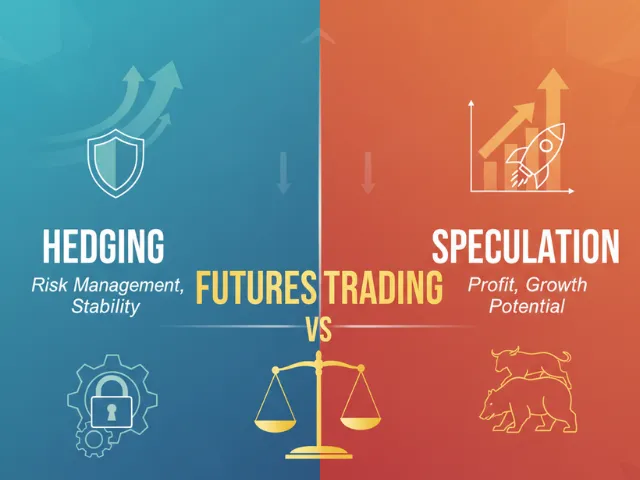
Futures Trading for Hedging vs Speculation: Best Approaches in 2025
Key Takeaways
- Hedging in futures protects investments by reducing price risk.
- Speculation seeks profit by taking market risks through futures contracts.
- Both approaches are critical for market liquidity and price discovery.
- Beginners should align their futures trading approach with their risk tolerance.
- 2025 trends favor combining technology, research, and compliance for success.
Overview
Futures trading in 2025 continues to be a vital tool for both hedgers and speculators in India’s dynamic financial markets. While both approaches revolve around trading futures contracts, their core objectives differ fundamentally. Understanding the distinctions, benefits, and best practices for hedging and speculation can empower investors and businesses to effectively achieve their financial goals.
What is Hedging in Futures Trading?
Hedging is a strategy primarily used for risk reduction. It allows businesses, institutional investors, and individual traders to protect themselves against unfavorable price fluctuations in commodities or securities by locking in prices through futures contracts. For example, an airline company might use futures contracts to hedge against rising fuel costs, or agricultural producers may sell futures to secure stable income despite volatile crop prices.
The main goal of hedging is to create price stability and protect existing investments or business operations, sometimes at the expense of limiting profit potential during favorable market movements.
What is Speculation in Futures Trading?
Speculation, on the other hand, is the pursuit of profit by taking on market risk through futures contracts. Speculators do not typically own the underlying assets but instead seek to capitalize on price volatility by strategically buying or selling futures contracts based on market predictions. This approach increases market liquidity and ensures efficient price discovery, even though it involves higher potential gains and losses.
Speculation requires a thorough understanding of market dynamics, discipline, and risk management to avoid undue losses, especially in high-volatility environments.
Key Differences: Hedging vs Speculation
Popular Futures Trading Strategies in 2025
- Trend Following: Traders use technical indicators like moving averages to follow market direction, buying futures in uptrends and selling in downtrends.
- Spread Trading: Exploiting price differentials between related futures contracts, such as between crude oil and natural gas.
- Breakout Trading: Entering trades when prices break key support or resistance levels, capturing strong momentum moves.
- Pullback Trading: Waiting for temporary reversals in a trend to enter at favorable levels.
- Hedging with Futures: Safeguarding investments against adverse price movements by offsetting positions using futures contracts.
Role of Regulation and Market Safety in India
Indian futures markets operate under strict SEBI regulations that ensure transparency, investor protection, and operational integrity. Exchanges and depositories like NSE, NSDL, and CDSL enforce compliance, making futures trading secure and accessible to retail investors. Well-regulated brokers such as Zerodha, Angel One, Groww, Upstox, and ICICI Direct provide robust platforms for executing hedging and speculative strategies with confidence.
Swastika Investmart’s Position in Futures Trading
Swastika Investmart stands out for its customer-centric approach backed by decades of trust. Their research-driven advisory supports both hedgers and speculators with comprehensive insights catered to Indian markets. With a strong SEBI-compliant setup and advanced technology infrastructure, Swastika enables smooth onboarding and user-friendly futures trading experiences powered by regional support and expert guidance.
Best Practices for Futures Trading in 2025
- Align Strategy with Objectives: Choose hedging if risk reduction and price stability are priorities; select speculation if capitalizing on volatility is preferred.
- Understand Market Dynamics: Follow macroeconomic trends, geopolitical developments, and technical indicators that influence futures pricing.
- Leverage Technology: Utilize broker-provided trading tools, mobile apps, and real-time data to stay updated on market movements.
- Risk Management: Apply stop-loss orders, position sizing, and diversification to protect capital.
- Continuous Learning: Engage with expert resources, training, and communities to refine futures trading skills.
Frequently Asked Questions
Q1. Can beginners use futures trading for both hedging and speculation?
Yes, but beginners should start with hedging or simple directional trades aligned with their risk tolerance and gradually explore complex speculative strategies.
Q2. How does SEBI ensure safety in futures trading?
SEBI regulates futures exchanges, ensuring compliance with risk management, investor protection, and transparent settlement processes.
Q3. What is the difference between futures and options for hedging?
Futures obligate contract fulfillment at expiration, while options provide the right, not obligation, to buy or sell. Both can be used for hedging with different risk profiles.
Q4. How do speculators benefit the futures market?
Speculators enhance liquidity, enable efficient price discovery, and facilitate smoother trade executions for hedgers.
Q5. Where can I learn futures trading strategies suited for the Indian market?
Platforms like Swastika Investmart offer research, educational content, and advisory services tailored to Indian futures markets.
Conclusion
Futures trading in 2025 offers two powerful pathways: hedging to safeguard investments and speculation to tap market potential. Both approaches complement each other, creating an efficient and liquid market. Indian investors can leverage advanced strategies and technology, supported by SEBI compliant brokers like Swastika Investmart, to navigate futures trading effectively. Finding the right balance between risk and reward tailored to individual goals will be key to success in the evolving futures landscape.
👉 Ready to explore futures trading?
Open an account with Swastika Investmart today!
Top Performing Commodity Stocks and ETFs in India: Trends, Leaders & Smart Investing
Key Takeaways
- Explore the best-performing commodity stocks and ETFs in India for 2025
- Learn about critical factors affecting commodity investments
- Understand the role of SEBI and compliance in safeguarding investors
- See how leading brokers and Swastika Investmart enable easy, secure investments
- Get practical insights for beginners navigating commodity trading
Overview
India’s commodity market has witnessed a dynamic shift, with commodity stocks and ETFs gaining remarkable traction among modern investors. As 2025 unfolds, many are seeking exposure to commodities—like gold, energy, and agri-goods—not just for returns, but as a diversification strategy. In this guide, we’ll spotlight current top performers, explore the factors behind their growth, and reveal how Indian investors can harness these opportunities for a future-ready portfolio.
Commodity investing has evolved with the support of robust trading platforms, regulatory frameworks, and growing awareness, making it accessible even to beginners. Let’s dive in!
Top Performing Commodity Stocks in India (2025)
Important: Returns and leaderboard may change as global commodity markets remain volatile; regularly track via your trading platforms.
Leading Commodity ETFs in India (2025)
Why Commodity Stocks & ETFs Are Gaining in 2025
India’s commodities market has seen heightened activity due to global supply chain changes, inflationary pressures, and swings in energy prices. Investors are increasingly turning to commodities to hedge against inflation and to add a non-correlated asset to their equity-heavy portfolios.
Smart investing platforms like Zerodha, Groww, Upstox, Angel One, and ICICI Direct offer seamless access to these asset classes through mobile apps, web platforms, and modern interfaces that facilitate both learning and execution.
Key Points for Beginners:
- Commodity investing requires a demat account, compliant with SEBI and connected to NSDL/CDSL for safety and transparency.
- Brokers must follow SEBI’s strict guidelines, ensuring that client funds and assets have robust investor protection measures.
The Role of SEBI, NSDL, and Investor Protection
The Securities and Exchange Board of India (SEBI) is the primary regulator ensuring commodity trading is fair, transparent, and secure. All exchanges and depositories (NSDL, CDSL) are bound by SEBI’s compliance mandates. This means every trade is backed by clear records, investor grievance redressal, and minimum risk of operational fraud.
New investors typically start by:
- Signing up with a SEBI-registered broker online
- Completing KYC and linking a demat account
- Exploring top-performing commodity stocks and ETFs via research reports and market dashboards
How Brokers Enable Access and Safety
Well-known trading platforms like Zerodha, Upstox, and Angel One champion technology-driven onboarding, user-friendly dashboards, and frequent digital updates to help clients stay ahead.
Swastika Investmart stands out for its:
- Decades-long reputation in customer trust across India
- Advanced research desk producing actionable insights on commodities
- Seamless onboarding with vernacular options for regional support
- SEBI-compliant processes and top-tier advisory services
- Cutting-edge technology stack, mobile investing, and proactive customer support
Ready to begin your journey?
👉 Open a Commodity Investment Account with Swastika Investmart
Experience robust security, expert guidance, and an easy-to-navigate trading experience.
Key Scenarios for Beginners
Imagine a 26-year-old in Indore, beginning with Rs. 5,000 in a gold ETF, guided by Swastika’s research team. Within months, their portfolio grows not just in value but in diversity—by adding metal stocks and agri-commodity ETFs. With SEBI’s regulatory protection and the transparency of NSDL/CDSL, small investors build habits for long-term wealth creation.
Frequently Asked Questions
Q1. How do I start investing in commodity stocks in India?
Open a demat account with a SEBI-registered broker like Swastika Investmart, complete KYC, and use your trading platform to buy shares of listed commodity companies.
Q2. Are commodity ETFs safe for beginners?
Yes, SEBI mandates transparency and safety for all ETFs. These funds are backed by physical commodities or well-structured indices, minimizing counterparty risks.
Q3. Can I invest in commodities using mobile apps?
Absolutely! Leading brokers like Swastika Investmart, Zerodha, and Upstox provide seamless mobile investing, real-time research, and simple onboarding.
Q4. What is the difference between commodity stocks and ETFs?
Commodity stocks refer to shares of companies operating in commodity spaces (e.g., metals, oil); ETFs pool investor money to track underlying commodity assets.
Q5. How do SEBI and NSDL/CDSL protect my investments?SEBI enforces strict compliance and investor protection, while NSDL/CDSL ensure safe demat holdings, digital records, and clear settlement processes.
Conclusion
2025 is an exciting year for commodity investing in India. With top-performing stocks and ETFs leading the way, investors can confidently diversify their portfolios. Support from SEBI regulations, technology-driven brokers, and research-focused partners like Swastika Investmart ensure that every step—from onboarding to trading to monitoring—is safe, user-friendly, and future-focused 😊.
Start your journey now:


.webp)
.webp)

.webp)






START YOUR INVESTMENT JOURNEY
Get personalized advice from our experts
- Dedicated RM Support
- Smooth and Fast Trading App
