Stock Market Midday Live Updates 1 April 2026: Indian Stock Market Rally Nifty, Sensex, and Bank Nifty caught investor attention with benchmark indices posting strong gains


%20(3).webp)

The Indian stock market rally on April 1, 2026, caught investor attention with benchmark indices posting strong gains. Driven by improving global sentiment and easing geopolitical tensions, markets opened the new financial year on a positive note. For investors, this rally offers both opportunity and a moment to reassess strategy.
Key Takeaways
- Nifty 50 and Sensex surged over 2 percent, signaling strong bullish sentiment
- Banking and IT stocks led the rally with notable gains
- Global cues and policy support played a major role
- Investors should remain cautious despite positive momentum
What Triggered the Indian Stock Market Rally in April 2026
Global Sentiment Turns Positive
A key driver behind the rally was improving global sentiment. Reports of potential de-escalation in geopolitical tensions boosted investor confidence worldwide. As foreign institutional investors often respond quickly to global cues, Indian equities benefited from renewed inflows.
RBI Policy Support
The Reserve Bank of India’s accommodative stance added further support. By postponing stricter liquidity measures, the RBI ensured that market liquidity remained sufficient. This move helped sustain bullish momentum, especially in rate-sensitive sectors like banking and real estate.
Strong Start to the Financial Year
April marks the beginning of a new financial year in India. Historically, this period sees fresh capital allocation from institutional investors and retail participants. Portfolio rebalancing and new SIP inflows often contribute to early market strength.
Sectoral Performance: Who Led the Rally
Banking and Financial Services
Banking stocks emerged as top performers, with indices like Nifty Bank rising over 3 percent. Improved asset quality outlook and stable interest rates supported the sector.
Information Technology
IT stocks also saw strong buying interest. Expectations of stable global demand and easing recession fears in key markets like the US contributed to gains.
Auto and Metal Stocks
Auto and metal sectors showed steady growth, supported by improving domestic demand and stable commodity prices.
What This Means for Indian Investors
Short Term Momentum vs Long Term Strategy
While the rally is encouraging, investors should avoid chasing momentum blindly. Markets can remain volatile due to global uncertainties. A disciplined approach remains crucial.
Focus on Fundamentals
Investors should prioritize fundamentally strong companies with consistent earnings growth. Regulatory frameworks by SEBI ensure transparency, but due diligence is still essential.
Diversification is Key
Diversifying across sectors can help manage risk. Overexposure to a single sector, even during a rally, can lead to volatility in portfolios.
Practical Insights for Investors
- Continue SIP investments to benefit from rupee cost averaging
- Use market rallies to rebalance portfolios
- Avoid emotional decision-making based on short-term movements
- Keep an eye on inflation and interest rate trends
Platforms like Swastika Investmart, a SEBI-registered broker, provide valuable research insights and advisory tools that help investors make informed decisions. Their tech-enabled platform and strong customer support make investing smoother, especially for those navigating volatile markets.
Frequently Asked Questions
1. Why did the Indian stock market rise on April 1, 2026?
The rally was driven by positive global sentiment, easing geopolitical tensions, and supportive RBI policies.
2. Which sectors performed best during the rally?
Banking, IT, and financial services sectors led the gains, followed by auto and metals.
3. Should investors invest during a market rally?
Investors should focus on long-term goals and avoid making impulsive decisions based on short-term market movements.
4. How can beginners navigate such market conditions?
Beginners should stick to diversified investments, continue SIPs, and rely on trusted platforms for research and guidance.
Conclusion
The Indian stock market rally in April 2026 reflects strong underlying sentiment and renewed investor confidence. However, markets are influenced by multiple factors, and caution remains essential. A balanced approach focusing on fundamentals, diversification, and disciplined investing can help navigate such phases effectively.
If you are looking to make informed investment decisions backed by research and technology, explore Swastika Investmart’s platform here:
Big Budget




.webp)
.webp)
.webp)
.webp)
.webp)







.webp)
.webp)
.webp)
.webp)
Latest Articles
%20(1).webp)
USA's New 25% Tariff on India: What It Means for the Economy


Key takeaways
- The US has imposed an additional 25% tariff on Indian goods, bringing the total duty to 50% on many items, as a response to India's purchase of Russian oil.
- This tariff is expected to significantly impact India's exports, particularly labor-intensive sectors like textiles, gems & jewellery, and marine products, and could lead to a drop in trade of up to 30%.
- The Indian government has called the move "unjustified" and is exploring measures to support affected exporters and promote the "Make in India" initiative.
- Popular strategies include Covered Calls, Straddles, Spreads
- For investors, this creates short-term market volatility and a need to focus on companies with strong domestic demand and diversified export markets.
Additional 25% Tariff on India: Unpacking the Impact on Trade & Markets
The intricate dance of global trade and geopolitics has taken a dramatic turn for India. The United States has announced an additional 25% tariff on a wide range of Indian goods, a move that is making headlines and sending ripples through the financial world. This new levy, which comes on top of an existing 25% duty, effectively doubles the tariff on many products to a combined 50%. The primary reason cited by the US administration for this action is India's continued procurement of Russian crude oil, a decision New Delhi has defended as being crucial for its national energy security.
For businesses, policymakers, and especially for Indian investors, understanding the full scope of this additional 25% tariff on India is vital. This is not just a diplomatic spat; it has real economic consequences that can influence the performance of various sectors and the overall market sentiment. This post will delve into what the tariff means, which sectors are most at risk, and how the Indian government and the financial markets are likely to respond.
The Geopolitical Context: Why the Tariffs?
The US and its allies have sought to impose economic sanctions on Russia following the conflict in Ukraine. While many nations complied, India, as the world's third-largest oil consumer, seized the opportunity to purchase discounted crude from Russia. This strategic move helped India manage its energy costs, a critical factor for an economy of 1.4 billion people. The US, however, views this as indirectly supporting Russia's economy.
The new tariff is a direct punitive action aimed at pressuring India to reduce or halt its Russian oil imports. The timing and scale of this tariff have placed India at a significant competitive disadvantage in the American market, a market that is India's largest export destination. The Federation of Indian Export Organisations (FIEO) has highlighted that this sudden duty hike could place Indian exporters at a 30-35% competitive disadvantage compared to peers from countries like Vietnam and Bangladesh, which face lower tariffs.
Sectoral Impact: Who Gets Hit the Hardest?
The fallout from these tariffs is not uniform. While some sectors may remain relatively unscathed, many of India's key export industries, particularly those that are labor-intensive, are expected to bear the brunt of the new duties. A think tank, Global Trade Research Initiative (GTRI), has warned that Indian exports to the US could plummet by nearly 30% in the current fiscal year if the tariffs are fully implemented.
Here is a closer look at the sectors most vulnerable:
- extiles and Apparel: This is a cornerstone of India's manufacturing and export economy, employing millions. With a total tariff of up to 50%, Indian garments, carpets, and home textiles will become significantly more expensive for US consumers. This could lead to a substantial loss of market share to competing nations and could jeopardize the future of thousands of MSMEs. For example, a knitted garment that previously faced a standard duty now faces a combined tariff of over 60%, making it prohibitively expensive.
- Gems and Jewellery: India is a global leader in diamond cutting and polishing and a major exporter of gold jewellery. With tight margins, the additional 25% tariff on India's exports will make Indian-made jewellery less appealing to American buyers. This could impact exports worth over $12 billion annually and threaten the skilled workforce in this sector.
- Marine Products: Indian seafood, especially shrimp, is a major export to the US. This sector is already facing intense competition from countries like Ecuador. The new tariff erases India's cost advantage, potentially leading to a decline in exports and revenue for businesses along the coast.
- Engineering Goods and Chemicals: While consumer goods get the most attention, a vast array of engineering products, auto components, and organic chemicals also fall under the new tariff regime. This could disrupt established supply chains and force companies to find alternative markets or absorb the higher costs, a challenge for many small and medium-sized enterprises.
It's important to note that some sectors, such as pharmaceuticals and critical minerals, have been exempted. However, the overall impact on the export economy is expected to be significant.
The Government's Response and Market Implications
The Indian government has reacted to the tariffs by calling them "unjustified and unreasonable," reaffirming its commitment to protecting national interests. The Ministry of External Affairs has made it clear that India's oil imports are based on market factors and are crucial for the country's energy security.
In response to the economic threat, the government is exploring several relief measures for exporters. There is a renewed push for the "Make in India" initiative to strengthen domestic consumption and reduce reliance on foreign markets. The government is also encouraging exporters to build their own brands and diversify their markets to reduce dependency on the US. Furthermore, policy support, such as a possible revival of the Interest Equalisation Scheme to lower borrowing costs for exporters, is also being considered.
From an investor's perspective, the news of the tariff has already led to some short-term market volatility. Stocks of companies with high export exposure to the US may face selling pressure. However, the broader Indian equity market is underpinned by strong domestic demand, and it is more resilient to external shocks than in the past. Long-term investors should exercise caution and conduct a detailed analysis of their portfolio's exposure to affected sectors. Diversifying your investments and focusing on companies with sound fundamentals and a domestic-centric business model is a prudent strategy in these uncertain times.
FAQ
Q1: Why is the US imposing these tariffs on India but not on other countries?
The US has stated that these tariffs are a response to India’s continued purchase of Russian crude oil. While other countries also trade with Russia, the US administration has decided to specifically target India with these measures, a move that the Indian government has highlighted as being "unjustified."
Q2: What is the estimated economic impact of these tariffs on India?
According to some experts, if the tariffs remain in place, India's exports to the US could fall by as much as 30%, which would have a notable impact on India's GDP growth. However, the Indian government is working on mitigation strategies to reduce the overall economic damage.
Q3: How can a normal investor protect their portfolio from this volatility?
Investors should consider the potential for short-term volatility and avoid making knee-jerk decisions. Diversifying your portfolio across different sectors and geographies, and focusing on high-quality companies with strong financials, can help mitigate risks. Consulting a financial advisor for a personalized strategy is always a good idea.
Conclusion
The new tariffs from the US represent a significant challenge for India's export economy. While the immediate focus is on managing the fallout in key sectors, this development also underscores the need for India to continue building a resilient and self-reliant economy. The government's proactive response and the inherent strengths of India’s domestic market provide a degree of confidence.
For investors, this is a moment that demands a cool head and a well-thought-out strategy. Navigating the complexities of global trade requires reliable insights and a trusted partner. Swastika Investmart, a well-regarded and SEBI-registered financial firm, provides the expertise and robust research tools to help you make sense of such events. Our commitment to investor education and our seamless, tech-enabled platform ensure you have the necessary support to make informed decisions and manage your investments with confidence.
Start your investment journey with confidence. Open an account with Swastika Investmart today.
.webp)
What is Options Trading?
Key takeaways
- Options trading gives the right, not obligation, to buy/sell assets
- Two key types: Call Options (Buy), Put Options (Sell)
- Traders use options for hedging, speculation, and income
- Popular strategies include Covered Calls, Straddles, Spreads
- Options are regulated by SEBI and traded on NSE/BSE
- Requires understanding of Greeks, strike price, premium, etc
Options trading is a type of derivatives trading where traders buy the right (but not the obligation) to buy or sell an underlying asset—such as stocks, indices, or commodities—at a fixed price before a specified date.
This right is granted through an “option contract,” which is of two types:
- Call Option: The right to buy
- Put Option: The right to sell
Options are traded heavily on Indian exchanges like NSE and BSE, with regulatory oversight by SEBI. Whether you're a retail trader or an institutional investor, options provide flexible opportunities to hedge risk, speculate on market direction, or generate income.
🧠 Why Should You Care About Options?
1. Risk Management (Hedging)
Options help protect your portfolio. If you own stocks and fear a market downturn, buying a Put Option acts as insurance.
Example: You hold ₹5L worth of Reliance shares. You can buy a Put Option at ₹2,500 to sell if prices fall, capping your losses.
2. Speculation
Want to benefit from short-term price movements? Options let you trade directionally without needing full capital exposure.
Example: You expect Nifty to rise from 22,000 to 22,500. You can buy a Call Option for a small premium and benefit from the move.
3. Income Generation
Strategies like Covered Calls can earn passive income on stocks you already own.
🧩 Key Terminologies in Options Trading
📊 Common Strategies for Beginners
✅ Covered Call
You own the stock and sell a Call Option to earn a premium.
✅ Protective Put
You own the stock and buy a Put Option to hedge downside.
✅ Long Straddle
Buy both a Call and Put at same strike. Profits in volatility, regardless of direction.
✅ Bull Call Spread
Buy a lower strike Call, sell a higher strike Call. Limits both loss and profit.
✅ Pro Tip: Always backtest strategies and understand your risk appetite. Options can lose 100% of premium if not exercised in time.
How Options Trading Works in India
- Regulated by SEBI
- Traded on NSE F&O Segment (e.g., Nifty, Bank Nifty, stocks like Reliance, HDFC)
- Clearing by NSCCL
- Lot sizes predefined (e.g., Nifty = 50, Reliance = 250)
- Available through brokers like Zerodha, Upstox, Swastika Investmart, Angel One, etc.
📱 How to Start Trading Options in India?
- Open a demat and trading account with a SEBI-registered broker (e.g., Swastika Investmart)
- Complete F&O segment activation with income proof
- Learn basic and advanced strategies
- Use demo accounts to practice
- Start small with high liquidity options like Nifty 50 or Bank Nifty
🔐 Risks in Options Trading
- High leverage can lead to large losses
- Time decay (Theta) reduces option value rapidly
- Wrong strategy = premium loss
- Illiquid contracts may have large bid-ask spreads
Always backtest strategies, stay updated with market trends, and never overleverage.
🧮 Real-World Example:
Say you buy a Call Option on Infosys at a strike of ₹1,500 with a premium of ₹30, and Infosys goes to ₹1,580.
Your profit = (₹1,580 - ₹1,500 - ₹30) × Lot size
= ₹50 × Lot size (say 300) = ₹15,000
But if Infosys stays below ₹1,500, your maximum loss is just ₹30 × 300 = ₹9,000
🙋♀️ FAQ
Q1. Is options trading legal in India?
Yes. It's regulated by SEBI and traded on NSE and BSE.
Q2. Can I trade options without owning the stock?
Yes. You can buy/sell options contracts independently of the underlying.
Q3. Is options trading risky?
Yes, especially if misused. However, it can be safe and strategic when used for hedging.
Q4. What are the taxes on options profits?
Profits from options are taxed as business income under Income Tax Act.
Q5. Can beginners trade options?
Yes, but only after understanding concepts and starting small with proper risk management.
✅ Why Swastika Investmart?
Swastika, a SEBI-registered and trusted Indian broker, offers:
- Easy F&O onboarding
- Educational resources and strategy webinars
- Dedicated relationship managers
- Low-latency mobile/web platforms
- Advanced analytics for option chains and Greeks
🧠 Ready to trade smart with confidence?
👉 Start your options trading journey with Swastika
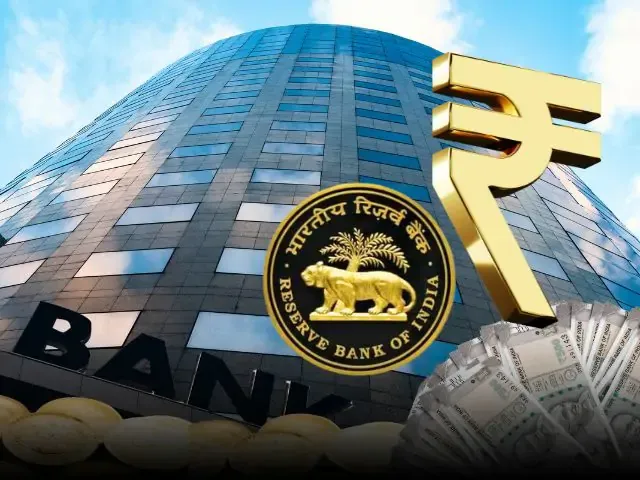
Decoding Today's RBI Credit Policy: What It Means for You and the Markets
Today's RBI Credit Policy in a Nutshell
- The RBI's Monetary Policy Committee (MPC) has kept the repo rate unchanged at 5.5%, maintaining its "neutral" policy stance.
- The decision was a "dovish pause," meaning the RBI is waiting for previous rate cuts to fully transmit while remaining open to future actions if needed.
- The inflation forecast for FY26 has been revised downwards to 3.1%, while the GDP growth projection remains steady at 6.5%.
- The policy signals a balanced approach, focusing on controlling inflation and supporting economic growth amidst global uncertainties.
- This stable policy is a good sign for investors, as it provides a predictable environment for financial planning and investment decisions.
The Reserve Bank of India's (RBI) bi-monthly credit policy announcement is a pivotal event that moves the entire financial landscape. Every investor, from a retail trader in Mumbai to a seasoned portfolio manager in Delhi, closely watches these announcements. Today's policy, coming from the Monetary Policy Committee (MPC) led by Governor Sanjay Malhotra, was no exception. It presented a balanced perspective, acknowledging both domestic resilience and evolving global headwinds.
The central bank's primary mandate, as defined by the RBI Act, 1934, is to maintain price stability while keeping in mind the objective of growth. This involves striking a delicate balance between controlling inflation and ensuring enough liquidity to fuel economic activity. Let's dive deep into the key takeaways from today's RBI credit policy and understand their implications for the Indian economy and your investments.
A "Dovish Pause": Repo Rate Held Steady
The biggest headline from the announcement was the MPC's unanimous decision to keep the policy repo rate unchanged at 5.5%. This marks a pause after the central bank had already front-loaded rate cuts of 100 basis points (1%) earlier this year. The repo rate is the benchmark interest rate at which the RBI lends money to commercial banks, and its changes directly influence lending rates for home loans, car loans, and business credit.
- Rationale Behind the Pause: The RBI's decision to maintain the status quo, often termed a "dovish pause," is a strategic move. Governor Malhotra highlighted that the full impact of the previous rate cuts is still "unfolding" in the broader economy. The central bank wants to observe how this monetary easing transmits through the system before making any new moves. This is a prudent, wait-and-watch approach in a landscape filled with mixed signals.
- Impact on Borrowers: While many were hoping for another rate cut to ease their equated monthly instalments (EMIs), the unchanged rate means that loan interest rates are likely to remain stable for now. This provides a level of certainty for individuals and businesses planning their finances. The previous rate cuts have already made credit more accessible, and this pause allows banks to fully pass on those benefits to their customers.
Reassessing Inflation and Growth Trajectories 📈
The RBI's policy is never just about interest rates; it's also a detailed assessment of the economic outlook. The MPC made some significant adjustments to its inflation and growth projections.
Inflation Outlook: A More Benign Picture
The central bank has revised its Consumer Price Index (CPI) inflation forecast for FY26 downwards to 3.1% from an earlier estimate of 3.7%. This revision is primarily driven by a significant moderation in food prices and a favorable base effect. In fact, retail inflation in June 2025 dropped to a 77-month low of 2.1%, with food inflation entering negative territory for the first time since 2019.
However, the MPC also sounded a note of caution. It anticipates that inflation will begin to inch up in the latter part of the financial year, crossing the 4% mark in the final quarter due to base effects and rising demand-side pressures. The committee is closely monitoring core inflation, which has remained steady around the 4% mark, indicating that underlying price pressures are still present.
Growth Outlook: Staying Resilient
Despite global headwinds, including new trade tariffs on Indian exports, the RBI has maintained its real GDP growth forecast for FY26 at 6.5%. This projection is a testament to the resilience of the domestic economy, which is being supported by strong rural demand, robust private consumption, and a favorable monsoon season. The good progress of the monsoon has buoyed the agricultural sector and is expected to contribute positively to economic activity.
The Indian Market's Reaction and What It Means for You?
The market's reaction to the RBI's policy was a key talking point. Following the announcement, the benchmark indices, the Sensex and Nifty 50, witnessed a minor decline. Rate-sensitive sectors like banking, auto, and real estate showed a mixed reaction, as the unchanged rates dampened hopes for further immediate cuts.
However, from a long-term perspective, a stable policy stance is generally positive for investor sentiment. It removes the uncertainty of sudden rate hikes or cuts, allowing investors to make more informed decisions. A predictable policy environment, combined with a healthy growth forecast and a managed inflation trajectory, creates a conducive climate for investments in both equities and debt instruments.
For individual investors, this is a time to focus on sound financial planning and portfolio diversification. Instead of reacting to short-term market volatility, consider using this stability to build a robust portfolio that aligns with your long-term goals.
Navigating India-US Trade Tensions: What Indian Investors Need to Know
Quick Takeaways
- The India-US trade relationship, while strategically strong, is currently facing friction due to US tariffs and demands for greater market access.
- The latest US tariffs target Indian exports across the board, with key sectors like pharmaceuticals, gems, and electronics expected to be most affected.
- The Indian government has responded by emphasizing its commitment to protecting national interests, particularly for farmers and MSMEs, while also keeping diplomatic channels open.
- These trade tensions introduce volatility and uncertainty into the markets, influencing currency exchange rates, export-oriented company stock prices, and overall investor sentiment.
- Swastika Investmart, with its robust research and expert guidance, helps investors understand these complex geopolitical factors and make well-informed investment decisions.
Unpacking India-US Trade Tensions: A Guide for the Indian Investor
The relationship between India and the United States has deepened significantly in recent decades, with both nations becoming strategic partners. However, beneath the surface of this strong alliance, a complex web of trade tensions and disputes has emerged. For an Indian investor, understanding these trade dynamics is not just a matter of global affairs; it's a critical component of risk assessment and investment strategy. Recent announcements regarding tariffs and trade barriers have sent ripples through the markets, making it imperative to analyze the "why" and "what next" of this evolving situation.
Let's delve into the core issues driving the India-US trade friction, its potential impact on the Indian economy and markets, and how investors can navigate this new landscape.
The Roots of the Dispute: A Clash of Economic Interests
The recent escalation in trade tensions is not an isolated event. It stems from long-standing disagreements and a clash of economic philosophies. From the US perspective, the main points of contention often revolve around:
- High Indian Tariffs: The US has consistently criticized India's high import duties, especially on products like agricultural goods, motorcycles, and technology. They argue that these tariffs create a significant trade imbalance and unfairly protect Indian industries.
- Non-Monetary Barriers: Beyond tariffs, the US points to what it calls "obnoxious non-monetary trade barriers," such as complex regulations, stringent sanitary and phytosanitary (SPS) measures, and data localization policies that hinder access for American companies.
- Geopolitical Divergence: A newer, and arguably more significant, point of friction is India's foreign policy. The US has expressed displeasure over India's continued purchase of Russian oil and military equipment, viewing it as a challenge to their efforts to isolate Russia. This adds a layer of political pressure to the economic dispute.
In response, the Indian government has maintained its stance, prioritizing national interests and strategic autonomy. The government emphasizes the need to protect its vast agricultural sector and MSMEs, which are crucial for employment and economic stability. India’s stance is rooted in its sovereign right to set its own policies to protect its economy and its people.
Impact on Key Indian Sectors and the Market
The imposition of tariffs by the US is not a blanket measure; its effects are felt most acutely by specific sectors that form the backbone of India's export economy to the US. With a 25% tariff being imposed on all Indian goods, the following sectors are likely to feel the heat:
The Pharmaceutical Sector: A Vital Lifeline
India is a global powerhouse in generic drug manufacturing, and the US is its largest market, accounting for a significant portion of its pharmaceutical exports. The new tariffs could raise the cost of Indian-made generic drugs in the US, potentially affecting the competitiveness of Indian pharma companies and squeezing their profit margins. This could lead to a short-term correction in the stock prices of major pharmaceutical companies and create uncertainty in the sector.
Gems, Jewellery, and Textiles: Labour-Intensive Exports
These are highly labour-intensive sectors that employ millions of people in India. The US is a primary destination for Indian gems, jewellery, and textile products. A 25% tariff makes these Indian goods more expensive for American buyers, potentially shifting demand to other countries like Vietnam or Bangladesh, which may face lower tariffs. This could lead to a decline in export orders and put pressure on the profitability of companies in these sectors.
Electronics and IT Services: The New-Age Exports
While India’s exports of finished electronics to the US are growing, particularly in the smartphone segment, the tariffs could disrupt this promising growth story. Many global companies, including giants like Apple, have been expanding their manufacturing in India as part of a China-plus-one strategy. The tariffs could complicate these supply chains and make Indian-assembled products less attractive. Similarly, while not directly impacted by goods tariffs, the overall climate of trade tension can create uncertainty for the IT services sector, which heavily relies on business from the US.
The Broader Economic Ripple Effect
The trade tensions don't just affect specific companies; they can have a broader impact on the Indian economy and financial markets.
- Currency Volatility: Geopolitical and trade tensions can lead to a "flight to safety" among global investors, strengthening the US dollar. A weakening Indian Rupee ($) against the US dollar makes imports, especially crucial commodities like crude oil, more expensive. This can fuel inflation and put pressure on India's foreign exchange reserves.
- Investor Sentiment: Uncertainty is a market's worst enemy. The ongoing trade disputes can dampen investor confidence in India, potentially leading to foreign institutional investors (FIIs) pulling back some of their capital, which can cause market corrections.
- Negotiation and Retaliation: The Indian government's response will be critical. While diplomatic talks are ongoing, India has the option to impose reciprocal tariffs on US imports. Such a retaliatory measure could further escalate the situation and affect US companies operating in India, impacting sectors from agriculture to technology. The SEBI-regulated Indian markets would need to closely monitor these developments to anticipate potential market moves.
Navigating the Volatility: A Prudent Investor's Approach
For investors, the current trade environment calls for a calm and calculated approach, not panic.
- Diversification is Key: Don't put all your eggs in one basket. Ensure your portfolio is well-diversified across sectors and asset classes. Consider stocks in domestic-oriented sectors that are less vulnerable to export-related headwinds.
- Focus on Fundamentals: In times of market volatility, the focus should always be on the fundamentals. Research companies with strong balance sheets, good corporate governance, and a competitive advantage. These businesses are better positioned to weather external shocks.
- SIPs and Long-Term Horizon: A systematic investment plan (SIP) is a powerful tool to navigate market uncertainty. It helps you average your purchase cost and benefits from rupee cost averaging. Remember that India's long-term growth story remains intact, and these trade tensions are often cyclical.
- Stay Informed: Keep a close watch on diplomatic developments and government announcements from both nations. The situation is fluid, and a negotiated solution could quickly ease the pressure.
FAQ
1. How do these trade tensions affect the average Indian investor?
These tensions can create market volatility, affecting the stock prices of companies, particularly those with significant exposure to the US market. They can also lead to currency fluctuations, which may impact inflation and the cost of imports.
2. Is India at a disadvantage in these negotiations?
India is a major global economic power with a rapidly growing market, giving it significant leverage. The Indian government has shown a clear resolve to protect its national interests, including the welfare of farmers and MSMEs. The ongoing negotiations are a reflection of both countries trying to secure the best possible terms for their respective economies.
3. What is the role of the Indian government and regulators like SEBI in this?
The government is engaged in diplomatic negotiations to find a mutually beneficial solution. Meanwhile, SEBI ensures market integrity and stability, putting in place regulations to prevent market manipulation and protect retail investors during periods of heightened volatility.
4. Should I sell my shares of export-oriented companies?
Panic selling is often the wrong move. Instead, analyze your portfolio. If a company has strong fundamentals, a diversified revenue stream, and a robust business model, it is likely to recover. Consider a long-term perspective rather than reacting to short-term news cycles.
🏁 Conclusion: Expertise and Strategy in Uncertain Times
The current trade friction between India and the US is a complex challenge, but it is also a reminder that global markets are interconnected and subject to geopolitical forces. For investors, this environment underscores the importance of a well-researched, disciplined, and long-term investment strategy.
At Swastika Investmart, we provide the expertise and tools to help you make sense of these complex market dynamics. Our SEBI-registered team of research analysts offers insightful reports and market commentary, helping you identify opportunities and risks in a volatile landscape. We are committed to investor education, empowering you with the knowledge to make informed decisions and build a resilient portfolio that can withstand any market challenge.
Ready to invest with clarity and confidence?

What is Futures Trading
Quick Takeaways
- Futures trading allows investors to buy/sell assets at a future date.
- It's widely used for hedging and speculation.
- Indian exchanges like NSE, BSE, NCDEX and MCX offer futures trading on indices, equities, commodities, and currencies.
- Risks include high volatility and leverage.
- Trusted brokers like Swastika Investmart offer guided onboarding and research tools.
🧠 The Ultimate Guide to Futures Trading in India
What is Futures Trading?
Futures trading involves a legal contract to buy or sell an asset at a predetermined price at a future date. It is used extensively across financial markets—be it equities, commodities, or currencies.
In India, futures contracts are available for:
- Stocks & Indices (Nifty 50, Bank Nifty, Midcap Nifty, Sensex, Bankex, FinNifty)
- Commodities (Gold, Crude Oil, Silver)
- Currencies (USD-INR, EUR-INR)
💡 Example: A trader expecting crude oil prices to rise buys a futures contract. If the price increases by expiry, they profit.
Why Do Investors Use Futures Contracts?
1. Hedging Against Price Movements
Futures are often used to protect portfolios from adverse price changes.
Example: A farmer locks in the price of wheat by selling wheat futures on NCDEX, protecting against post-harvest price drops.
2. Speculative Opportunities
Retail traders speculate on price movements to make profits in short durations.
Example: Intraday traders frequently use Bank Nifty futures for margin-based trading.
3. Leverage for Higher Exposure
Futures contracts require only a margin deposit, offering exposure to a much larger position.
⚠️ Note: Leverage can amplify both profits and losses.
Where Can You Trade Futures in India?
- NSE (National Stock Exchange) – equity & currency futures
- MCX (Multi Commodity Exchange) – commodity futures (gold, oil, etc.)
- BSE (Bombay Stock Exchange) – equity derivatives
To start trading, you need a demat + trading account and F&O activation with a SEBI-registered broker.
How Does a Futures Contract Work?
Real-Life Example of a Futures Trade
Let’s say you expect Reliance Industries to rise in price.
- Current Reliance Futures Price = ₹2,500
- Lot Size = 250 shares
- Margin Required = ₹1,25,000 (approx)
If it goes up to ₹2,600:
- Profit = ₹100 x 250 = ₹25,000
If it falls to ₹2,400:
- Loss = ₹100 x 250 = ₹25,000
As you can see, volatility and timing are crucial.
Key Risks in Futures Trading
- High Volatility: Prices can change rapidly.
- Margin Calls: If price goes against you, you must maintain margin.
- Expiry Risk: Contracts expire; rollover may incur costs.
- Lack of Liquidity in niche contracts can affect exits.
Always evaluate your risk tolerance before entering the F&O segment.
Futures Trading vs Options Trading
How Swastika Investmart Can Help You Trade Smarter
Swastika Investmart, a SEBI-registered and NSDL/ CDSL-compliant broker, offers:
- Simplified onboarding for F&O traders
- Free research reports on equity and commodities
- Risk profiling tools and trader education
- User-friendly platforms for mobile and web trading
✅ With over 30 years of trust and strong regulatory compliance, Swastika helps retail investors and HNIs confidently navigate the futures market.
FAQs About Futures Trading
Q1. Is futures trading allowed for retail investors in India?
Yes, through SEBI-approved brokers with activated F&O segments.
Q2. Is it mandatory to hold till expiry?
No, you can exit anytime before expiry.
Q3. Are futures risky?
Yes, due to leverage and market volatility. Beginners should start small or use demo accounts.
Q4. What’s the minimum capital needed?
Varies by contract. Some futures require just ₹25,000–₹1,00,000 as margin.
Q5. Can I do futures trading via mobile apps?
Absolutely. Brokers like Swastika, Zerodha, and Angel One provide mobile platforms.
🏁 Conclusion
Futures trading can be a powerful tool when used with knowledge and discipline. Whether you're a hedger or a speculator, understanding how these contracts work—and being aware of the risks—is essential.
If you’re ready to explore futures trading, Swastika Investmart offers all the tools, research, and support you need to trade confidently in India’s dynamic financial markets.
👉 Start your F&O journey with Swastika – Where trust meets technology.
.webp)
What Is Intraday Trading?
Quick Takeaways
- Intraday trading involves buying and selling a stock on the same day.
- It’s fast paced, high risk, but can offer quick gains with discipline.
- Technical analysis, stop-losses, and volume tracking are key tools.
- SEBI regulates all trades, ensuring safe market participation.
- Swastika offers tools, education, and advisory to support new traders.
🧠 What Is Intraday Trading?
Intraday trading, often called day trading, is the process of buying and selling stocks (or other financial instruments) within the same trading day before the market closes.
📌 Example: You buy Reliance shares at ₹2,500 at 10:00 AM and sell them at ₹2,530 by 1:30 PM you’ve made ₹30 per share. But if the stock dips, you must exit the position the same day.
This contrasts with delivery trading, where shares are held for days or months. Intraday focuses purely on short-term price fluctuations, often using chart patterns, market news, and momentum.
🔍 Who Should Try Intraday Trading?
While intraday trading is not for everyone, it appeals to:
- Active retail investors with time during market hours.
- Those seeking short-term profit opportunities.
- Investors looking to learn price action and technical charts.
⚠️ Disclaimer: Intraday trading involves high risk. It's not ideal for long-term wealth creation. But with discipline, strategy, and proper tools, many traders succeed.
📊 How Does Intraday Trading Work in India?
✅ 1. Choose a Reputable SEBI-Registered Broker
Trading can only be done through a SEBI-recognized broker like Swastika Investmart that provides:
- High-speed platforms
- Low latency execution
- Real-time charts and analytics
✅ 2. Open a Trading + Demat Account
Even though you don’t hold shares overnight, a demat is linked for compliance. With Swastika, the onboarding is paperless, instant, and guided.
✅ 3. Select ‘Intraday’ While Placing a Trade
When buying a stock, choose “Intraday” or MIS (Margin Intraday Square-off) as the product type. Your trade must be squared off before 3:15 PM.
✅ 4. Use Margin (Leverage)
Brokers often allow 5x to 20x leverage meaning you can trade stocks worth ₹1,00,000 with ₹10,000 margin.
⚠️ High leverage = high risk. Losses can wipe out your capital quickly if not managed with stop-loss orders.
🧠 Popular Intraday Trading Strategies
🔁 1. Momentum Trading
Buy stocks that are moving rapidly due to news, results, or volume spikes.
🧪 Example: If Infosys declares strong quarterly results and opens 5% higher, a momentum trader rides the wave for quick profits.
📈 2. Breakout Trading
Watch key resistance levels. When a stock crosses it with volume, buy it.
🧠 Pro Tip: Use VWAP, RSI, and moving averages for confirmation.
🔄 3. Reversal or Pullback Trading
Identify when stocks are overbought/oversold and bet on a small correction.
Example: Nifty50 rises sharply in the morning and shows a bearish candlestick at 12 PM. A reversal trader may short for 30–50 points.
🧾 Key Tools Every Intraday Trader Must Know
Swastika's trading platforms integrate these tools with real-time alerts, so traders can act instantly.
📉 Risks Involved in Intraday Trading
- Market Volatility: Prices can reverse quickly on news.
- Emotional Trading: Greed and fear cause overtrading.
- High Leverage: A small price movement can amplify loss.
Overtrading: Multiple trades can rack up brokerage and taxes.
✅: At Swastika Investmart, we educate first-time traders via webinars, daily research reports, and one on one guidance ensuring informed decisions and responsible trading.
🔐 How SEBI Regulates Intraday Trading in India
- Brokers must report trades in real time.
- Leverage norms and margin requirements are strictly enforced.
- Auto square-off is mandatory for intraday positions by 3:15 PM.
- T+1 settlement ensures quick compliance.
Only SEBI-registered brokers like Swastika can provide the infrastructure needed for legal and safe trading.
🧠 Tips to Succeed in Intraday Trading
📲 Why Trade Intraday with Swastika Investmart?
- ✅ SEBI-registered broker since 1992
- ✅ Fast, intuitive mobile + desktop platforms
- ✅ Zero brokerage on 1st trade of the day
- ✅ Live technical research calls
- ✅ Daily intraday tips & WhatsApp updates
- ✅ Local relationship managers for handholding
🧠 Real Story: Rajesh, a retail trader from Indore, started intraday trading with ₹10,000 in 2023. With guidance from Swastika’s research desk and free training, he consistently earns ₹1,000–₹2,000/day all from his mobile.
🏁 Conclusion
Intraday trading is a high-speed game of psychology, discipline, and pattern recognition. It is not a shortcut to wealth but with the right tools, broker, and mindset, you can build a reliable source of income.
Swastika Investmart brings 30+ years of trust, transparent systems, and dedicated advisory perfect for beginners and seasoned traders alike.
🔗 Want to Start Intraday Trading?


.webp)
.webp)

.webp)





START YOUR INVESTMENT JOURNEY
Get personalized advice from our experts
- Dedicated RM Support
- Smooth and Fast Trading App